The sharp deterioration of Russian-Chechen relations and the intensification of activities by the Russian special services in Ichkeria and neighboring territories began with Putin’s appointment as Secretary of the Security Council of the Russian Federation. Armed provocations were staged on the Russian-Chechen border. In April 1999, for example, Russian forces attacked a Chechen border post along the Kizlyar section of the border at night, killing one guard and wounding several others. This was evidently an attempt to draw the Chechens into an armed conflict in Dagestan. However Maskhadov, realizing what the Russians wanted to achieve, forbade any retaliatory action across the border. The Russian provocation, therefore, was not followed up. The next action was staged in the Herzel section of the border in May 1999. Fierce fighting took place here for several days, during which even field artillery was used. The Russians’ plan was the same – to lure the Dagestanis to their side. Once again, however, the President of Ichkeria managed to preserve the peace between the Chechen and Dagestani peoples. Even this cowardly enterprise failed, the Russians began to threaten the country with all kinds of ultimatums.
Aslan Maskhadov (left) and Alexander Lebed (right) sign the Khasavyurt’s Accords, August 1996
President Yeltsin’s second term was coming to an end, and to save themselves from prison this drunkard’s entourage began frantically looking for a replacement. However, this group did not have a candidate who could validly oppose Primakov, and with the latter’s coming to power, all this mess would end: everything they plundered would be confiscated from them. In an attempt to find a good man they first turned to Stephasin, who refused. After these appeared Putin, like a devil from a snuffbox. He was ready to accept all the conditions stipulated by the Yeltsin clique. However , he was not yet popular enough to oppose Primakov. Thus it was that the public relations specialists, led by Berezovsky, Voloshin and Pavlovsky played the “Chechen card” in favor of Putin.
Every presidential campaign in modern “democratic” Russia is shrouded in tragedy and blood. At that time the GRU and the FSB flooded Chechnya with their agents. The services were infiltrated into the restricted circle of Chechen political-military leaders, taking advantage of the latter’s indifference in the selection of their entourage, soon becoming confidants of their godfathers. As the struggle for the presidency intensified in Moscow, Russian agents accelerated their provocative and subversive activities, as was evident from the events that began to occur in Ichkeria. I recall that in the spring of 1997 rumors began to circulate about the imminent unification of Chechnya and Dagestan into a single Islamic state, and that a “cleansing” of Russians would soon begin in preparation for this unification. Various kinds of figures and emissaries began to appear in Chechnya, coming from Dagestan. These men found great hospitality, and the support of those who supported them. Without encountering any significant opposition from the authorities, supporters of the Imamate began to promote the idea of creating a Chechen-Dagestan state “to marry Dagestan to Ichkeria” as one of them put it.
Some time later, a congress of the Chechen and Dagestani peoples was held in Dzhokhar, in the presence of the same leadership of Ichkeria. Shamil Basayev was elected Imam of Chechnya and Dagestan, with the aim of establishing an Imamate. Analyzing everything that was happening, it was obvious that this was being done under the direction of the Lubyanka , but any sober remarks regarding this adventure met with strong opposition from the “advocates of pure Islam”, anyone who dared to say something objective in this matter he would have been branded as an “apostate”, an agent of the Russians, a Jew or belonging to other categories considered hostile to the Chechens.
Shamil Basayev and Al Khattab, the two main animators of the Congress of Peoples of Ichkeria and Dagestan
After using all sorts of provocations against Ichkeria, starting with the financing of slave traders and ending with battles on the Russian-Chechen border, without results, the Russian revanchists used the risk of an Islamic insurrection in the Caucasus as a strong argument for the 1999 presidential campaign. In the summer of 1999, Basayev and his supporters accelerated preparations for the invasion of Dagestan, making no secret of their plans. The leadership of Ichkeria, being in a serious internal crisis, did not have the opportunity to intervene.
At the end of August , more precisely on August 28, 1999, a meeting of the State Defense Committee (GKO) was held in the building of the Presidential Administration. Almost all of the country’s military-political leadership attended this meeting, as well as religious figures and some members of Parliament. The main argument was evidently the invasion of Dagestan. Basayev had shown himself to the whole world in the territory of Dagestan, with a watermelon in his hand. The GKO was expected to make a decision on this issue , and a proposal was made to ask Basayev to immediately leave Dagestan, and return to Chechnya.
The meeting took place in a tense atmosphere: the president assessed the situation as very difficult, and harshly accused Basayev of having exposed the Chechen people to serious consequences. Finally, he urged those present to prepare to repel the invasion of the Russians, as, according to him, another war was inevitable at this point. At the end of his speech, the President asked the members of the State Defense Committee to express their opinion on this issue. On the eve of the GKO meeting, I hoped that a collective statement condemning the actions of Shamil Basayev would be presented: I am sure that Shamil would not have remained indifferent to the GKO’s pronouncement. Yet this did not happen. Without boring the reader with a list of the names of those present, I will say that there were 35/40 people there. For the most part the speakers expressed little, and not very clearly. A clear and unequivocal position on the matter was expressed by no more than 3 – 4 people. Among them was Akhmed Zakayev. In his speech the Minister of Culture supported and approved Basayev’s actions without hesitation. I, in turn, called Basayev’s actions a crime against the Chechen people. Many of those who condemn Basayev’s action today remained silent then. The lack of a unanimous decision on this issue was a mistake on the part of the GKO. The leadership of Ichkeria, with its fragmentation, showed the side of Russian anti-Chechen propaganda. Our short-sightedness was very useful to the Russian revanchists.
Last October, the municipality of Krivoy Rog (Krivij Rih in Ukrainian) renamed 150 streets, roads and city squares. Among these, 5 stand out, dedicated to the memory of some of the main Chechen leaders who fell during the Russo-Chechen wars (Dudaev, Gelaev, Arsanov) as well as one dedicated to Sheikh Mansour, Chechen national hero and one dedicated to the free Chechen, Free Ichkeria Street .
The street dedicated to the memory of Dzhokhar Dudaev
The street dedicated to the memory of Ruslan Gelayev
The street dedicated to the memory of Vakha Arsanov
Quello che segue è un estratto dal secondo volume di “Libertà o Morte!” Storia della Repubblica Cecena di Ichkeria. Lo pubblichiamo nell’anniversario della Battaglia per Grozny,
Nella notte tra il 30 ed il 31 dicembre 1994 l’artiglieria federale iniziò un bombardamento a tappeto su Grozny. Migliaia di colpi d’artiglieria sventrarono i quartieri residenziali della periferia settentrionale. Il mattino seguente l’aeronautica continuò l’opera scaricando sulla città una pioggia di bombe e razzi. Per far sì che il bombardamento fosse continuo erano stati assegnati due equipaggi ad ogni velivolo, cosicché i cacciabombardieri federali potevano effettuare le loro missioni senza sosta[1]. Ciononostante, a causa del maltempo l’attività dei bombardieri non sortì grandi effetti sulle difese cecene, mentre generò il panico tra la popolazione e produsse grandi distruzioni nei quartieri centrali della città, abitati massicciamente da russi[2]. Dopo 24 ore di bombardamenti le truppe di terra iniziarono ad avanzare. Il grosso dell’operazione era, come abbiamo visto, assegnato ai Gruppi d’Assalto Nord e Nord-ovest le cui punte di lancia erano costituite dall’81° Reggimento Motorizzato e dalla 131a Brigata Motorizzata. Le due unità iniziarono ad avanzare verso il centro cittadino alle prime luci dell’alba del 31 dicembre. Il piano prevedeva che la 131a avanzasse in profondità fino alla stazione ferroviaria, dove avrebbe costituito una testa di ponte per le unità del Gruppo d’Assalto Ovest, mentre l’81° avrebbe aperto la strada verso il Palazzo Presidenziale.
L’avanzata della 131a incontrò una resistenza piuttosto accanita. Quando l’unità raggiunse Viale Majakovsky, una sorta di anello stradale che circonda tutto il settore occidentale della città, il plotone di ricognizione in testa alla colonna venne investito da un violento fuoco incrociato. Il primo carro T – 72 della colonna saltò in aria, ed i veicoli che lo seguivano rimasero danneggiati. Nel corso della marcia la colonna si era allungata, e quando i superstiti del plotone di ricognizione fecero marcia indietro si scontrarono contro il resto del convoglio che avanzava in direzione opposta. All’altezza dell’ingorgo c’era una scuola elementare, dalla quale un gruppo d’assalto ceceno aprì il fuoco contro i russi in confusione. Soltanto l’intervento dell’artiglieria semovente ed un bombardamento aereo che riuscì a centrare in pieno la scuola permisero all’unità di riprendere l’avanzata. All’altezza della Casa della Stampa, a poca distanza dal complesso industriale Krasnij Molot (“Martello Rosso”) i russi incontrarono l’accanita resistenza di alcuni reparti a difesa del centro urbano[3]. L’81°, per parte sua, si trovò a combattere per aprirsi la strada fin dal primo ponte sul Sunzha a nord della città (il Ponte Zukhov). Con i mezzi blindati incolonnati e impossibilitati a manovrare, il reggimento subì numerosi attacchi a colpi di lanciagranate, a seguito dei quali riportò la perdita di cinque veicoli corazzati. Nel frattempo, le unità che seguivano l’81° raggiunsero l’avanguardia, aumentando l’ingorgo e rendendo ancor più difficile il dispiegamento sull’asse di marcia. La situazione fu ulteriormente complicata dal fatto che il piano d’attacco non era sufficientemente dettagliato da individuare più vie d’accesso al quartiere governativo, così le unità avanzanti procedettero incolonnate seguendo uno schema caotico e disorganizzato. All’ingorgo si aggiunsero progressivamente elementi di altre unità, reparti sciolti e veicoli che, a causa di guasti lungo il tragitto, avevano dovuto fermarsi e adesso stavano recuperando terreno, cercando di riunirsi ai loro comandi. In breve, i reparti si confusero tra loro, perdendo la capacità di coordinarsi. Per ridurre la congestione della colonna l’81° venne diluito attraverso vie secondarie, delle quali i capireparto non possedevano mappe aggiornate. Giunti a pochi isolati dal Palazzo Presidenziale, i russi si trovarono nel bel mezzo di un’imboscata. I reparti a difesa dell’anello difensivo interno si attivarono improvvisamente, sommergendo i russi sotto una pioggia di proiettili. Basayev aveva atteso che l’81° Reggimento si fosse ben addentrato nel dedalo di strade che convergevano sul Palazzo Presidenziale, e una volta che le colonne federali si furono allungate sufficientemente fece attaccare i carri in testa ed in coda, paralizzando i tronconi centrali e scagliandogli contro i gruppi d’assalto armati di lanciagranate. Quei pochi reparti che riuscirono a manovrare si trovarono isolati e privi del supporto della fanteria, che era rimasta bloccata dal tiro dei cecchini. Impossibilitati a rispondere al fuoco proveniente dai piani alti degli edifici, i veicoli superstiti tentarono di chiudersi in un perimetro di difesa, ma finirono sotto una pioggia di RPG e vennero completamente distrutti. Le retrovie del Gruppo da Battaglia Nord, che arrivavano alla spicciolata, si trovarono davanti un brulicare di soldati terrorizzati che cercavano rifugio dietro alle carcasse incendiate dei loro veicoli. Il gruppo venne investito in pieno dalla controffensiva cecena. Alcuni reparti riuscirono a barricarsi nel quartiere ospedaliero, a qualche centinaio di metri a nord del Palazzo Presidenziale, ma per molti altri non ci fu scampo: privi della copertura aerea e del supporto dei mezzi corazzati, dovettero uscire allo scoperto e tentare la fuga, diventando facili bersagli per i cecchini. Entro sera i russi avevano già perduto una settantina di mezzi, e centinaia tra morti e feriti.
Anche la 131a Brigata, che fino alle 13:00 era avanzata senza incontrare forti resistenze, venne investita da un improvviso e violento contrattacco non appena raggiunse il suo obiettivo[4]. Alle 15:00 in punto la Stazione Ferroviaria divenne il bersaglio del tiro di centinaia di armi da fuoco e lanciagranate. Nel giro di 60 minuti i federali persero tredici carri armati e numerosi mezzi blindati. Il comandante della Brigata, Ivan Savin, guidò il ripiegamento delle unità all’interno della stazione, venendo ferito ad entrambe le gambe. Una volta dentro, Savin ordinò ai suoi uomini di trincerarsi, e chiamò in soccorso la riserva della brigata, che ancora non era entrata a Grozny e stazionava nei sobborghi a nord della città, agli ordini del Colonnello Andrievski. Nel frattempo la difesa cecena si attivava in tutti i settori nei quali erano penetrati i nemici. A metà del pomeriggio il caos si era impadronito dalla città, ormai trasformata in campo di battaglia[5].
Per tutta la notte i reparti superstiti dell’81° Reggimento e della 131a Brigata rimasero isolati, asserragliati nei loro ricoveri di fortuna. Il Ministro Grachev venne richiamato precipitosamente mentre stava festeggiando il suo quarantasettesimo compleanno. Giunto alla base di Mozdok, si rese conto del pasticcio che aveva combinato: non soltanto i suoi gruppi d’assalto non avevano effettuato il blitz, ma erano addirittura finiti in trappola. Alle 6:00 del 1° gennaio la retroguardia della 131a Brigata tentò un’incursione per liberare i compagni assediati. Una colonna di una quarantina di veicoli tentò di raggiungere la stazione, ma l’intenso fuoco ceceno impose ai russi di muoversi ai margini del centro abitato, lungo Via Majakovskij, nel tentativo di intercettare i binari e procedere parallelamente a questi, tenendo almeno un fianco al coperto. Non appena giunta nei pressi della linea ferroviaria, tuttavia, la colonna fu bloccata dall’esplosione dei veicoli di testa. Il Colonnello Adrievski fece appena in tempo ad invertire la rotta, prima che anche la coda della colonna finisse distrutta. Decise così di tornare indietro e percorrere una delle strade secondarie che correvano parallelamente ai binari, sperando di riuscire a superare il fuoco che i ceceni gli stavano vomitando addosso dai tetti dei palazzi e dagli scantinati. Giunto con i resti della sua unità all’incrocio antistante il piazzale della stazione, il reparto cadde in una seconda imboscata, durante la quale una granata colpì il veicolo del Colonnello Andrievski, uccidendolo. Privi di un comandante, i suoi uomini si trovarono immobilizzati mentre i ceceni facevano saltare il carro in testa e quello in coda, e procedevano poi a distruggere tutte le unità intrappolate all’interno. La fanteria, rimasta senza protezione, fu sterminata. Soltanto due carri, i cui equipaggi erano riusciti a divincolarsi tra le carcasse degli altri veicoli, riuscirono ad uscire dall’imboscata sfrecciando a tutta velocità verso la stazione ferroviaria, dove i carristi si barricarono insieme ai commilitoni che avrebbero dovuto soccorrere. Un altro carro, che era riuscito a guadagnare un’uscita sul lato opposto, finì contro gli argini del Sunzha e si inabissò.
Il piano di recupero era fallito in tragedia, ed il comando russo ordinò un secondo tentativo. Un distaccamento della 19a Divisione Motorizzata, avanguardia del Gruppo d’Assalto Ovest, tentò di raggiungere la stazione nella tarda mattinata, ma non riuscì a prendere contatto né con la prima colonna di soccorso, ormai distrutta, né con i resti della 131a. Finalmente alle 13:00 del 1 gennaio il comandate della Brigata Ivan Savin ottenne il permesso di tentare una sortita, mentre un terzo gruppo di soccorso, composto da reparti della 106a e della 76a Divisione Paracadutisti (il resto del Gruppo d’Assalto Ovest) avrebbe tentato di rompere l’accerchiamento. L’azione, già difficilissima di per sé a causa dei più di 60 feriti che Savin avrebbe dovuto trasportare mentre tentava la fuga, fu resa più difficoltosa dal fatto che al pari di tutti gli altri ufficiali, Savin non possedeva mappe dettagliate del quartiere circostante la stazione. Nel giro di un’oretta i fuggiaschi si persero, sbagliarono direzione ed invece che muoversi verso il Gruppo Ovest si lanciarono a tutta velocità verso Nord, ritrovandosi di fronte al Palazzo Presidenziale e venendo accolti da una pioggia di proiettili. Morirono praticamente tutti gli ufficiali, Savin compreso, mentre 76 coscritti finirono nelle mani dei ceceni[6]. La 131a Brigata venne completamente distrutta: dopo 24 ore di combattimenti aveva perduto 20 carri armati su 26, 112 veicoli su 120, 6 cannoni semoventi e praticamente tutto il personale combattente. Fu un disastro senza precedenti, aggravato dal fatto che, mentre i Gruppi di Battaglia Nord e Nord-ovest erano almeno riusciti a penetrare in città, i gruppi Est ed Ovest non erano nemmeno riusciti ad entrare nel centro abitato.
Il Gruppo di Battaglia Est, composto da elementi della 194a Divisione Paracadutisti e dal 129° Reggimento Motorizzato, da un distaccamento di paracadutisti dei corpi speciali e da un battaglione di carri armati aveva raggiunto con successo la base di Khankala, e respinto la controffensiva cecena. Ma alla vigilia dell’attacco il comandante della 194a si rifiutò di partecipare, dichiarando che il piano non era stato adeguatamente preparato e che sarebbe finito in una carneficina. Così al momento dell’offensiva si mosse solo il 129°, appoggiato da una colonna di carri armati. Anche questo contingente raggiunse con poche difficoltà il centro cittadino, ma all’altezza del ponte ferroviario sul Sunzha si trovò investito dal contrattacco degli uomini di Basayev. I russi persero buona parte dei loro veicoli tentando di trovare una strada alternativa e, non conoscendo il terreno di battaglia, passarono da un’imboscata all’altra senza riuscire a sganciarsi. Attestatisi in uno spiazzo, i superstiti organizzarono un perimetro difensivo, ma furono bombardati per errore dalla stessa aviazione federale, che mise fuori combattimento altri cinque veicoli ed aprì la strada al contrattacco degli indipendentisti. I russi si ritirarono alla rinfusa verso la base di Khankala, che raggiunsero soltanto alle 2 di notte del 1° gennaio, con i reparti ormai ridotti a brandelli. Nell’infruttuoso attacco erano caduti 150 uomini e la maggior parte dei veicoli era andata persa. Infine il Gruppo di Battaglia Ovest si mise in marcia in ritardo, riuscendo a raggiungere il quartiere residenziale con meno della metà degli effettivi e quando ormai gli altri tre gruppi erano stati bloccati e costretti a ritirarsi o ad asserragliarsi in posizioni di fortuna. Il Gruppo non riuscì a reggere il fuoco ceceno, e si dispose in posizione difensiva presso il Parco Lenin, tra il Palazzo Presidenziale e l’Ospedale dov’erano asserragliati i resti dell’81°. Nel giro di qualche ora fu chiaro che i reparti del Gruppo Ovest non avrebbero potuto muovere in nessuna direzione senza subire alte perdite.
L’unico Gruppo di Battaglia che riuscì a manovrare con compostezza fu il Nord – Est. Il suo comandante, il Tenente Generale Rochlin, fu l’unico che mantenne un ordine soddisfacente, avanzando senza fretta e preoccupandosi di mantenere sempre un contatto con le retrovie, senza ingolfare la testa della colonna e predisponendo coperture laterali per le sue unità. Fu grazie a lui se i reparti sbandati del Gruppo Nord, barricati nell’ospedale, riuscirono ad evitare la tremenda fine della 131a Brigata. Rochlin dispiegò i suoi reparti ad arco, assumendo corrette posizioni difensive e riuscendo a respingere l’attacco dei ceceni fino a tarda notte, costituendo una posizione d’appoggio dentro la città dalla quale poter fornire assistenza sia ai resti dell’81° arroccati nell’ospedale, sia agli altri reparti in ripiegamento che necessitavano di copertura. Fu solo grazie a lui se il fiasco dell’assalto di Capodanno non si tramutò in una completa disfatta. La resistenza degli uomini di Rochlin fu tuttavia facilitata dalla scelta, presumibilmente compiuta dallo stesso Generale, di barricare i suoi uomini nella struttura sanitaria, in quel momento piena di civili feriti e di personale medico, usandoli di fatto come scudi umani contro un possibile attacco ceceno. Si trattò di un crimine di guerra, nonché del primo di una serie di “sequestri ospedalieri” che avrebbero insanguinato la storia del conflitto ceceno[7]. Al “Blitz” parteciparono 6.000 uomini dell’esercito federale, appoggiati da 350 mezzi corazzati. Alla fine della giornata risultavano persi dai 534 (fonti russe) ai 1000 (fonti cecene) soldati e 200 veicoli, 20 dei quali erano stati recuperati dai difensori. Nelle mani dei ceceni rimanevano anche 81 prigionieri. Era stata la più sanguinosa battaglia urbana dalla Seconda Guerra Mondiale, e per i russi era stata una disfatta.
[1] Riguardo a questo, va specificato che l’idea di assegnare due equipaggi allo stesso velivolo, avanzata dal Comandante delle Forze Aeree federali, Colonnello Generale Piotr Deneikin, sbatté spesso contro la carenza di equipaggi in grado di garantire il servizio. Ciò produsse spesso incidenti anche mortali, con la perdita di uomini e velivoli, cosicché alle prime sortite con doppio equipaggio seguirono presto sortite classiche, con un solo equipaggio affidato al singolo velivolo da bombardamento.
[2] Nonostante l’enorme esodo di profughi da Grozny il centro cittadino era ancora pieno di civili, per la maggior parte russi etnici che non erano riusciti a sfollare in tempo, o che non avevano trovato appoggi nei villaggi di campagna. I bombardamenti federali, concentrati principalmente sul centro cittadino, finirono quindi per colpire prima di tutto gli abitanti di origine russa.
[3] Ilyas Akhmadov, presente in quella posizione, mi ha raccontato con queste parole quanto successe alla Casa della Stampa: Tutto era sotto il tiro dell’artiglieria pesante. […] C’era un comandante, non ricordo il suo nome, ma ha chiesto se qualcuno volesse farsi avanti per aiutare il nostro cecchino a trovare il cecchino russo che stava colpendo la nostra posizione. Mi sono offerto volontario e sono salito al nono piano con un Kalashnikov preso in prestito per proteggere il nostro cecchino. Proprio quando siamo arrivati in cima ricordo che il terreno sotto i miei piedi tremava violentemente. L’artiglieria stava colpendo il pavimento sotto di noi. […] L’edificio era per lo più vuoto, ma ogni tanto un ceceno correva al secondo o al terzo piano e sparava ai veicoli russi. […]. Inoltre, l’edificio era al centro di molti combattimenti e offriva una vista vantaggiosa in tre direzioni. Questo è probabilmente il motivo per cui i russi hanno lavorato così furiosamente per distruggerlo.
[4] Poco prima che le truppe federali finissero sotto il tiro dei lanciagranate ceceni, fu registrata una conversazione destinata a diventare tristemente famosa negli anni a seguire.La sua trascrizione è l’incipit di questo capitolo.
[5] Emblematiche sono le parole di Ilyas Akhmadov, che rievocando quei momenti descrisse così la situazione: Intorno alle 16, i cinque combattenti con cui ero salito sul camion e il civile che ci accompagnava si avviarono verso il Palazzo Presidenziale a circa 1,5 miglia di distanza. Ma, con l’inferno intorno a noi, era una distanza molto lunga. Era difficile capire dove fossero russi e ceceni. Puoi immaginare com’è quando metti 100 cani affamati in una gabbia, era la stessa cosa. […] Era un circo pazzo. I carri armati correvano in ogni direzione, disorientati. […] In ogni strada, i ceceni sfrecciavano con i lanciagranate e quando sentivano i carri armati gli correvano incontro per distruggerli. Ho visto una volta due gruppi ceceni litigare a pugni su chi aveva eliminato un carro armato e chi meritava il bottino all’interno. Era difficile capire chi avesse distrutto questo o quel carro armato perché c’erano ragazzi che sparavano su di loro da molti piani diversi, da diversi edifici e direzioni.
[6] I federali riuscirono a recuperare i corpi dei caduti soltanto il 23 Gennaio successivo. I loro pietosi resti, divorati dai cani randagi, furono rinvenuti ormai ridotti a scheletri. Il corpo di Savin, colpito a morte, giaceva accanto a quello di un medico, freddato da un cecchino mentre gli prestava soccorso.
[7] Questa circostanza è importante da ricordare allorché parleremo dei più celebri sequestri di Budennovsk e di Kizlyar. Contrariamente a quanto conosciuto ai più, il primo sequestro di civili in un ospedale fu, quindi, portato a termine dalle forze federali. Citando il libro Tribunale Internazionale per la Cecenia di Stanislav Dmitrevsky, Bogdan Gvraeli e Oksana Chelysheva: Così, durante l’assalto di Capodanno, in fuga dai membri delle formazioni armate cecene che difendevano la città, ufficiali e soldati dell’81° reggimento delle guardie hanno fatto irruzione nel territorio dell’ospedale di emergenza repubblicano e hanno preso in ostaggio i medici e i pazienti che si trovavano lì. Il comando ceceno ha avviato negoziati con loro, promettendo un corridoio sicuro in cambio del rilascio di civili. In quel frangente, secondo quanto riportato nella stessa opera, gli uomini di Rochlin si resero responsabili di un altro crimine di guerra: Il 3 gennaio 1995, subito dopo il primo assalto senza successo, un gruppo di residenti di Grozny fu catturato personalmente sotto la guida del generale Lev Rokhlin. Diverse persone sono state uccise, altre sono state caricate su veicoli e portate a Mozdok, dove sono state tenute in ostaggio in vagoni ferroviari. Alcuni di loro furono successivamente scambiati con soldati russi catturati in battaglia.
Francesco Benedetti è ospite del canale Youtube Economia Italia per un approfondimento sulla storia della Cecenia ed alcune riflessioni sulla situazioni attuale in Ucraina.
Il contenuto è disponibile quì
Visita la pagina di EconomiaItalia, abbonati e guarda il video:
The war in Ukraine started in Chechnya. It may seem like a provocation. Yet, this is the reality that the pages of this second volume reveal, entirely dedicated to the First Russo-Chechen War. The genesis, development and unfolding of this bloody conflict seem to be the draft of the script that the world has been witnessing in recent months between the Donbass and the Crimea.
Even then, as now, Russia invaded a free state, disguising the war it was waging behind the label of a “special operation.”
Even then, as now, the enemy of the Russian state had been labeled and demonized: if Zelensky and his government are called “Nazis” today, Dudayev and his ministers were then called “bandits”.
Even then, as today, convinced of their superiority, the military commands marched on the capital, claiming to bend a people to their will, as they had done several times in Soviet times. But even then, as now, they were forced to withdraw, only to unleash a bloody all-out war, the most devastating European war since 1945.
The First Russo-Chechen War was the first tragic product of Russian revanchism: the “zero point” of a parable that from Grozny leads to Kiev, passing through Georgia, Crimea, Belarus and Donbass. With one substantial difference: that the Russians lost that first war against Chechnya. Their imperial ambitions, resting on the worn foundations of a crumbling empire, ended up frustrated by the stubbornness of a nation immensely inferior in number and means, to that of Ukraine, which today defends its land from the war unleashed by Putin.
This story can teach those who have the patience to read it two important lessons: what happens when you indulge the ambitions of an empire, and how do you defeat it. If it is already too late to put the first into practice, we still have time for the second.
La guerra in Ucraina è iniziata in Cecenia. Può sembrare una provocazione. Eppure, questa è la realtà che rivelano le pagine di questo secondo volume, interamente dedicato alla Prima Guerra Russo – Cecena. Genesi, sviluppo e svolgimento di questo sanguinoso conflitto sembrano la bozza del copione cui il mondo sta assistendo in questi mesi tra il Donbass e la Crimea.
Anche allora, come oggi, la Russia invase uno stato libero, mascherando la guerra che stava scatenando dietro alla definizione di “operazione speciale”.
Anche allora, come oggi, il nemico dello stato russo era stato etichettato e demonizzato: se Zelensky ed il suo governo sono chiamati oggi “nazisti”, Dudaev ed i suoi ministri furono chiamati allora “banditi”.
Anche allora, come oggi, convinti della loro superiorità, i comandi militari marciarono sulla capitale, pretendendo di piegare un popolo alla loro volontà, come avevano fatto più volte in epoca sovietica. Ma anche allora, come oggi, furono costretti a ritirarsi, per poi scatenare una sanguinosa guerra totale, la più devastante guerra europea dal 1945.
La Prima Guerra Russo – Cecena fu il primo tragico prodotto del revanscismo russo: il “punto zero” di una parabola che da Grozny porta a Kiev, passando dalla Georgia, dalla Crimea, dalla Bielorussia e dal Donbass. Con una differenza sostanziale: che quella prima guerra contro la Cecenia, i russi, la persero. Le loro ambizioni imperiali, poggiate sulle fondamenta logore di un impero fatiscente, finirono frustrate dalla caparbietà di una nazione immensamente inferiore per numero e per mezzi, a quella che ucraina, che oggi difende la sua terra dalla guerra scatenata da Putin.
Questa storia può impartire a chi avrà la pazienza di leggerla due importanti lezioni: cosa succede quando si assecondano le ambizioni di un impero, e come si fa a sconfiggerlo. Se è già tardi per mettere in pratica la prima, per la seconda siamo ancora in tempo.
Another year of our life fades into the past, a year of great tests of the Chechen people’s endurance and steadfastness in defense of their won freedom. This year we celebrated the second anniversary of our bloodless revolution and independence. Having passed all the tests with dignity in the fight against internal and external enemies, we entered the third year, more stabilizing the political and economic situation, spiritually and morally strengthening, becoming more confident in an independent path of development of our statehood.
Looking back, summing up another year, we can say without a doubt that it was not in vain to strive for political independence. Our centuries-old history tells us that only political freedom and independence from anyone else is the guarantor of the peaceful life and prosperity of the nation. The vilest of all phenomena in the history of mankind is slavery and humility, against which our ancestors fought for centuries and bequeathed to their offspring not to abandon the freedom-loving spirit of the Vaynakh people.
We are well aware of the repeated attempts to destroy the gene pool of the Vaynakh nation under the Tsarist and then the Soviet-Communist empire. After centuries of persecutions and tragedies of the 19th century, 1944-1957, after the bloody massacre of Khaibach and after the hundreds of thousands of victims of the Soviet genocide, the Chechen people has nevertheless recovered, revived, preserving their national dignity, language and culture, although the Soviet totalitarian regime did everything to suppress his spirit, intimidate him and keep him in constant fear. The current generation skillfully uses the historical opportunity that has come their way to fulfill the dreams and aspirations of their ancestors.
The events that occurred after the collapse of the Soviet empire also show that sovereignty and independence are the only correct path chosen by the Chechen people. The intentions of the GKChP (if this coup succeeded) to repeat the 1944 public broadcast on television about the attack on our own parliament by large-caliber guns gives us another reason to reflect on whether we have done well, when we have decided two years ago to separate us from fascist Russia where it is not the laws that rule, but the attempts of each political group at the top of power, under the guise of a new “democracy”, to consolidate racism and fascism. For two years we have resisted a global blockade by the Russian authorities, their military invasion, internal confrontation of all kinds: sabotage, provocations, espionage. The whole world watches us with admiration. We are in his eyes an example and a model of courage, fortitude and love of freedom. And this spirit will never dry up among the Chechens. Yes, it’s hard for us. We have suffered setbacks, difficulties related to power structures that have not yet taken shape, lack of discipline, lack of organization, internal confrontation between destructive forces, criminal groups and mafias.
Many see only negative aspects in what is happening in Chechnya; disintegration, destruction, extremism, nationalism, etc. All this is actually a fiction. Is life easier in the CIS countries? Do those republics that have not separated from Russia feel calmer? Let’s remember the fate of our Ingush brothers, let’s look at what is happening in the neighboring republics and in Russia itself. There is an endless crisis: political, economic. The collapse of the economy, the impoverishment of a significant part of the population, rising prices, corruption and street crime, terrorism, the outflow of qualified personnel abroad. All branches of power are degrading, none of them are ready to cooperate with each other, none of them control the situation in the country. And with all this, seeing only our failures is, to put it mildly, simply not serious.
Despite all the obstacles posed, many positive steps were taken during the two years of independence to improve the political and economic situation of the republic. The people have breathed deeply for centuries the desired freedom. Fear and hypocrisy are gone forever. Many laws and resolutions have been passed to help stabilize the situation in Chechnya. Many practical steps are being taken to implement the government’s foreign and domestic policy agenda. Clear guidelines were outlined for the further development of the economy, for bringing the republic out of the crisis. We have no problem choosing the way to overcome the crisis. This path is clearly defined. The problem is only in our unity and harmony.
The stage of independent development has arrived, the main task of which is production and economic transformations, in which important structural and investment changes are expected to ensure the necessary market balance: rational use of our oil; urgent restructuring of all oil refineries to ensure a significant increase in oil refining, their technological re-equipment; solve the problem of creating new machine-building industries; make the rich reserves of raw materials productive for the production of building materials, use the enormous reserves of mountain fodder (for the production of livestock products), the development of which will allow to maintain 200 thousand heads of cattle and one million heads of sheep . Much attention will be paid to the construction of roads, residential buildings and stables, the laying of power and communication lines. A state program has been developed to improve soil fertility in the republic. The reconstruction and creation of enterprises for the processing of agricultural products, the introduction of technologies and the importation of equipment, the creation of a tourist and health complex are envisaged.
The chronic insolvability of many economic and social issues arouses feelings of dissatisfaction and pessimism in the population. This is a natural phenomenon and there is nothing to worry about. We have chosen a difficult road to freedom and we have no right to interrupt it. In the memory of the Chechen people, from generation to generation, the words spoken by their ancestors more than a hundred years ago are tenaciously preserved: “We plead guilty only before God and the Chechen people for not being able to restore the freedom granted to us by God”. And now the current generation of Chechens has managed to restore this freedom, to fulfill the precepts of their ancestors. And he’s determined to defend it until the end of his life, whatever the cost. These temporary hardships that have developed for all peoples on the territory of the former Soviet Empire are nothing compared to the shame and humiliation that the Chechen people have experienced for decades: sabotage of local authorities, violations of all kinds, policy of cruel staff that has provoked periodic protests, demonstrations demanding that the Ingush and Chechen be evicted again; refusal to hire Chechens to work in industrial enterprises and objects of strategic importance, in administrative bodies, prohibition of celebrating national and religious holidays; persecution and pressure on the intelligentsia; Gradual annihilation of the mother tongue in daily life; ban on studying the real history of the Vaynakhs. Here is a far from complete list of phenomena that have dishonored and humiliated this people.
Our goal of freedom and independence has been achieved. This should be appreciated and we should be proud of it. We are now building a sovereign democratic state based on the rule of law. There is no doubt that we will be able to accomplish this task too: unlike the Russian “democratic” state, where representatives of Caucasian nationalities are persecuted at every step, Chechens are terrorized, shot, deported from their homes, the authorities of the Chechen Republic will never allow anyone the slightest violation of the rights of a single person, no matter what nation he belongs to and no matter what god he prays to. All peoples inhabiting the republic are equal and worthy of respect and a better life.
The Chechen people have nothing to complain about or regret the previous regime, which left them with the highest infant mortality, unhealthiness and environmental pollution, the lowest life expectancy and the lowest standard of living. We don’t ask anyone for help. We ask and demand not to be disturbed.
DEAR CITIZENS OF THE CHECHEN REPUBLIC!
Our people are optimistic about their future, despite the intrigues of external and internal opponents against our sovereignty. We believe that sooner or later reason and wisdom will prevail in Russian leadership circles. We believe that the state flag of the Chechen Republic, which flies in front of the headquarters of the Unrepresented Peoples Organization, will soon be hoisted in front of the UN headquarters. We believe that PEACE, HEALTH and PROSPERITY will reign in long-suffering Chechnya. The Chechen state already has not only a history, but also a more real future. Vitality and strength, the ability to create and live with reason and talent – we confirmed ourselves in the most difficult tests of strength, building our state in the “mouth of a boa constrictor”.
Today we can proudly say that the desecrated honor has been restored and from yesterday’s homeless population, in the times of the USSR, today we are a free NATION.
LET THE END OF THE YEAR BRING WITH IT ALL OUR FRICTIONS, ALL OUR PROBLEMS!
HAPPY NEW YEAR TO YOU, DEAR COMPATRIOTS! WITH NEW HAPPINESS, WITH NEW SUCCESS AND GOOD HEALTH! MAY GOD HELP YOU!
Dzhokhar DUDAEV.
VERSIONE ITALIANA
“Oggi siamo una nazione libera!” Il Discorso di Dudaev alla nazione (31/12/1993)
Un altro anno della nostra vita sta svanendo nel passato, un anno di grandi prove di resistenza e fermezza del popolo ceceno in difesa della libertà conquistata. Quest’anno abbiamo celebrato il secondo anniversario della nostra rivoluzione e indipendenza senza sangue. Avendo resistito con dignità a tutte le prove nella lotta contro i nemici interni ed esterni, siamo entrati nel terzo anno, stabilizzando maggiormente la situazione politica ed economica, rafforzando spiritualmente e moralmente, diventando più fiduciosi su un percorso indipendente di sviluppo della nostra statualità.
Guardando indietro, riassumendo un altro anno, possiamo affermare senza ombra di dubbio che non è stato vano aspirare all’indipendenza politica. La nostra storia secolare ci dice che solo la libertà politica e l’indipendenza da chiunque altro è garante della vita pacifica e della prosperità della nazione. Il più vile di tutti i fenomeni nella storia dell’umanità è la schiavitù e l’umiltà, contro le quali i nostri antenati hanno combattuto per secoli e hanno lasciato in eredità alla loro progenie di non abbandonare lo spirito amante della libertà del popolo Vaynakh.
Siamo ben consapevoli dei ripetuti tentativi di distruggere il patrimonio genetico della nazione Vaynakh sotto l’impero zarista e poi sovietico-comunista. Dopo secoli di persecuzioni e tragedie del XIX secolo, 1944-1957, dopo il sanguinoso massacro di Khaibach e dopo le centinaia di migliaia di vittime del genocidio sovietico, il popolo ceceno si è comunque risollevato, ravvivato, conservando la propria dignità nazionale, lingua e cultura, sebbene il regime totalitario sovietico abbia fatto di tutto per sopprimere il suo spirito, intimidirlo e tenerlo in costante paura. L’attuale generazione usa abilmente l’occasione storica che le è capitata per realizzare i sogni e le aspirazioni dei suoi antenati.
Gli eventi occorsi dopo il crollo dell’impero sovietico mostrano anche che la sovranità e l’indipendenza sono l’unica strada corretta scelta dal popolo ceceno. Le intenzioni del GKChP (se questo colpo di stato fosse riuscito) di ripetere il 1944, la trasmissione pubblica in televisione riguardo l’attacco al nostro stesso parlamento da cannoni di grosso calibro ci danno un altro motivo per riflettere se abbiamo fatto bene, quando abbiamo deciso due anni fa di separarci dalla Russia fascista dove non comandano le leggi, ma i tentativi di ogni gruppo politico che si trova al vertice del potere, sotto le spoglie di una nuova “democrazia”, di consolidare razzismo e fascismo. Per due anni abbiamo resistito a un blocco globale da parte delle autorità russe, alla loro invasione militare, al confronto interno di ogni genere: sabotaggio, provocazioni, spionaggio. Il mondo intero ci guarda con ammirazione. Siamo ai suoi occhi un esempio e un modello di coraggio, fortezza e amore per la libertà. E questo spirito non si inaridirà mai tra i ceceni.Sì, è difficile per noi. Abbiamo subito battute d’arresto, difficoltà legate a strutture di potere che non hanno ancora preso forma, mancanza di disciplina, mancanza di organizzazione, confronto interno tra forze distruttive, gruppi criminali e mafiosi.
Molti vedono solo aspetti negativi in ciò che sta accadendo in Cecenia; disintegrazione, distruzione, estremismo, nazionalismo, ecc. Tutto questo è in realtà una finzione. La vita è forse più facile nei paesi della CSI? Quelle repubbliche che non si sono separate dalla Russia si sentono più tranquille? Ricordiamo il destino dei nostri fratelli ingusci, guardiamo cosa sta succedendo nelle repubbliche vicine e nella stessa Russia. C’è una crisi senza fine: politica, economica. Il collasso dell’economia, l’impoverimento di una parte significativa della popolazione, l’aumento dei prezzi, la corruzione e la criminalità di strada, il terrorismo, il deflusso di personale qualificato all’estero. Tutti i rami del potere si stanno degradando, nessuno di essi è pronto a collaborare con gli altri, nessuno di loro controlla la situazione nel Paese. E con tutto questo, vedere solo i nostri fallimenti è, per usare un eufemismo, semplicemente non serio.
Nonostante tutti gli ostacoli posti, durante i due anni di indipendenza sono stati fatti molti passi positivi per migliorare la situazione politica ed economica della repubblica. Il popolo ha respirato a pieni polmoni per secoli la libertà desiderata. La paura e l’ipocrisia sono sparite per sempre. Molte leggi e risoluzioni sono state adottate per aiutare a stabilizzare la situazione in Cecenia. Si stanno compiendo molti passi pratici per attuare il programma di politica estera e interna del governo. Sono state delineate chiare linee guida per l’ulteriore sviluppo dell’economia, per far uscire la repubblica dalla crisi. Non abbiamo problemi a scegliere il modo per superare la crisi. Questo percorso è chiaramente definito. Il problema è solo nella nostra unità e armonia.
È arrivata la fase dello sviluppo indipendente, il cui compito principale è la produzione e le trasformazioni economiche, in cui sono attesi importanti cambiamenti strutturali e di investimenti per garantire il necessario equilibrio del mercato: uso razionale del nostro petrolio; ristrutturazione urgente di tutte le raffinerie di petrolio per garantire un significativo aumento della raffinazione del petrolio, il loro riequipaggiamento tecnologico; risolvere il problema della creazione di nuove industrie per la costruzione di macchinari; rendere produttive le ricche riserve di materie prime per la produzione di materiali da costruzione, utilizzare le enormi riserve di foraggi di montagna (per la produzione di prodotti zootecnici), il cui sviluppo consentirà di mantenere 200mila capi di bestiame e un milione di capi di pecore. Molta attenzione sarà dedicata alla realizzazione di strade, edifici residenziali e stalle, alla posa di linee elettriche e di comunicazione. È stato sviluppato un programma statale per migliorare la fertilità del suolo nella repubblica. Sono previste la ricostruzione e la realizzazione di imprese per la lavorazione dei prodotti agricoli, l’introduzione di tecnologie e l’importazione di attrezzature, la creazione di un complesso turistico e sanitario.
L’irrisolvibilità cronica di molte questioni economiche e sociali suscita nella popolazione sentimenti di insoddisfazione e pessimismo. Questo è un fenomeno naturale e non c’è nulla di cui preoccuparsi. Abbiamo scelto una strada difficile verso la libertà e non abbiamo il diritto di interromperla. Nella memoria del popolo ceceno, di generazione in generazione, si conservano tenacemente le parole pronunciate dai loro antenati più di cento anni fa: «Ci dichiariamo colpevoli solo davanti a Dio e al popolo ceceno per non aver saputo restituire la libertà concessaci da Dio”. E ora l’attuale generazione di ceceni è riuscita a ripristinare questa libertà, ad adempiere ai precetti dei loro antenati. Ed è determinato a difenderlo fino alla fine della sua vita, a qualunque costo. Queste difficoltà temporanee che si sono sviluppate per tutti i popoli sul territorio dell’ex impero sovietico non sono nulla in confronto alla vergogna e all’umiliazione che il popolo ceceno ha vissuto per decenni: sabotaggio delle autorità locali, violazioni di ogni tipo, politica del personale crudele che ha provocato proteste periodiche, manifestazioni nelle quali si è chiesto che ingusci e ceceni fossero sfrattati di nuovo; rifiuto di assumere ceceni per lavorare presso imprese industriali e oggetti di importanza strategica, negli organi amministrativi, divieto di celebrare feste nazionali e religiose; persecuzione e pressioni sull’’intellighenzia; Annientamento graduale della lingua madre nella vita quotidiana; divieto di studiare la vera storia dei Vaynakh. Ecco un elenco tutt’altro che completo di fenomeni che hanno disonorato e umiliato questo popolo.
Il nostro obiettivo di libertà e indipendenza è stato raggiunto. Questo dovrebbe essere apprezzato e di questo dovremmo essere orgogliosi. Ora stiamo costruendo uno stato democratico sovrano e di diritto. Non c’è dubbio che saremo in grado di portare a termine anche questo compito: a differenza dello Stato “democratico” russo, dove i rappresentanti delle nazionalità caucasiche sono perseguitati a ogni passo, i ceceni sono terrorizzati, fucilati, deportati dalle loro case, le autorità della Repubblica cecena non permetteranno mai a nessuno la minima violazione dei diritti di una singola persona, non importa a quale nazione appartenga e non importa quale dio preghi. Tutti i popoli che abitano la repubblica sono uguali e degni di rispetto e di una vita migliore.
Il popolo ceceno non ha nulla di cui lamentarsi o rimpiangere il precedente regime, il quale ha lasciato loro la più alta mortalità infantile, insalubrità e inquinamento ambientale, la più bassa aspettativa di vita e il più basso tenore di vita. Non chiediamo aiuto a nessuno. Chiediamo ed esigiamo di non essere disturbati.
CARI CITTADINI DELLA REPUBBLICA CECENA!
Il nostro popolo è ottimista riguardo al proprio futuro, nonostante gli intrighi degli oppositori esterni e interni contro la nostra sovranità. Crediamo che prima o poi la ragione e la saggezza prevarranno nei circoli della leadership russa. Crediamo che la bandiera di stato della Repubblica Cecena, che sventola davanti alla sede dell’Organizzazione dei Popoli Non Rappresentati, sarà presto issata davanti alla sede delle Nazioni Unite. Crediamo che PACE, SALUTE e PROSPERITÀ regneranno nella longanime Cecenia. Lo Stato ceceno ha già non solo una storia, ma anche un futuro più reale. Vitalità e forza, capacità di creare e vivere con ragione e talento: ci siamo confermati nelle più difficili prove di forza, costruendo il nostro stato nella “bocca di un boa constrictor”.
Oggi possiamo affermare con orgoglio che l’onore profanato è stato ripristinato e dalla popolazione senzatetto di ieri, ai tempi dell’URSS, oggi siamo una NAZIONE libera.
LASCIATE CHE L’ANNO CHE FINISCE PORTI CON SE TUTTI I NOSTRI ATTRITI, TUTTI I NOSTRI PROBLEMI!
BUON ANNO A VOI, CARI COMPATRIOTI! CON NUOVA FELICITÀ, CON NUOVO SUCCESSO E BUONA SALUTE! CHE DIO VI AIUTI!
Dr. Ikhvan Gerikhanov has served the Chechen Republic since 1991. Doctor in law and specialist in comparative studies in international law, with the statute od judge of the highest category, Gerikhanov was Member of the Executive Committee of the National Congress of the Chechen People, Deputy of Parliament on first convocation, and President of the Constitutional Court from 1993 to 1998. He was one of the main authors of the Constitution of 1992, which still today represents the Basic Law of the Chechen Republic of Ichkeria.
Today Gerikhanov is the head of the national war crimes tribunal in the Chechen Republic of Ichkeria. About this activity, he said: “The objective of our trinbunal is the collection and evaluation of evidence for the assessment of the presence of signs of genocide and ethnocide of the chechen people, starting from the the time of the Tsar’s autocracy, the communist regime and the modern russian invasion on our territory”.
He currently resides in France. The French government refused him and his family a few weeks ago, political refugee status.
We had a long conversation with him about the Constitution, the legitimacy of ChRI governments, as well as some of the most controversial laws, not forgetting his work as President of the Constitutional Court.
Ikhvan Gerikhanov in front of the text of the newly approved Constitution
Dr. Gerikhanov, when talk about a constitution started?
The first debates regarding the writing of the Constitution began at the moment of the creation of the Provisional Supreme Soviet, on September 7, 1991. This body was attended by former deputies of the Chechen-Ingush Supreme Soviet and popular representatives, and was headed by the future Speaker of the Parliament of the Chechen Republic, Hussein Akhmadov. Joint commissions were created, including a juridical commission for the elaboration of legislative projects concerning the election of the President and the Parliament of the Republic. As a member of the National Congress of the Chechen People (OKChN) and as the only legal scholar (at that time I was a district court judge of the Leninsky district of Grozny, and had recently defended a dissertation on international law at the University of Kiev) I was included in this legal commission, chaired by the former Second Secretary of the regional party committee, Lechi Magomadov. A wonderful person. Many people from all professional backgrounds participated in the discussion of these projects. The discussion was publicized in the media, including through television. Every citizen of the Republic was able to participate.
In 1994, when the war broke out, Magomadov would have been among the main exponents of the unionist government. Don’t you think that the work he did in the legal commission contradicts the choice to take the side of Russia during the First World War?
Magomadov was first of all a worthy and loyal person. Secondly, he fully supported the decisions of the Chechen People’s Congress. At that time he supported the reasons of the people, and did not participate in any opposition. From his work the Chechen nation only benefited. He died in Mecca during the pilgrimage.
If we had to judge people by the episodes, keep in mind that between 2010 and 2012 I directed the Arbitration Tribunal of the Chechen Republic, which is not part of the power system, but helps all those who turn to it in the resolution of civil cases . Due to conflicts with the local authorities, as well as the fact that I refused to pay the “tribute”, they tried to initiate a criminal case against me. And for this reason I was forced to leave my fatherland and my father’s house once again.
Therefore, one cannot judge people by episodes, as life makes its own adjustments, and sometimes a person is forced to live side by side with the enemy. Some supporters of independence still work in various structures today, while in the republic the protégés of the Kremlin rule. This does not mean that they have betrayed the idea of \u200b\u200bfreedom!
In the elections of 27 October 1991 you were elected deputy. Do you remember how Parliament developed the work on the Constitution?
I was elected in the Nadterechny constituency. Once formed, the Parliament adopted as a basis the draft already developed by the legal commission of the Provisional Supreme Soviet and, after a general discussion which also took place through the media, in the presence of journalists, jurists and simple interested parties, the Parliament adopted the Constitution of the Republic Chechen on March 12, 1991, a year and a half before Russia adopted its own. Personally, I was one of the main co-authors of the Constitution. The deputies did not have much time to adopt the Basic Law, since Russia had already declared the election of the President and Parliament illegal, and it was urgent to consolidate sovereignty by law, as promised to the Chechen National People’s Congress. Within the walls of the parliament of the Chechen Republic, in the body of lawyers’ deputies, there were very few lawyers, only four people out of 41 deputies, and it was not easy to adopt the Constitution when the body of deputies consisted of former farm workers and builders. But we all faced this task, and the Constitution of the Chechen Republic was adopted by the Parliament of the Chechen Republic, and we all rejoiced this holiday, regardless of profession and religion!
There were many opposition supporters in Nadterechny District. They declared that the elections were a farce and that they did not take place in their controlled areas. How do you respond to these accusations?
During the election period, there were opposition supporters in Nadterechny District, but only in one place, not everywhere. The population still did not realize what was happening, and was rather neutral. I have personally met with voters in two large settlements, where they know me well, and the electoral commission received the ballots and prepared the elections. Two representatives were elected in this constituency. Unfortunately my colleague died heroically in the First War!
After the promulgation of the constitution, the institutions foreseen by the Basic Law began to be established. One of these was the Constitutional Court, of which you were elected president in March 1993. How did this constitution process take place?
In early 1992, the Parliament of the Chechen Republic adopted the law “On the activities of the Constitutional Court of the Chechen Republic” and, according to it, the number of judges was determined at seven people. Well-known lawyers from the Republic, from the Ministry of Justice, from the Public Prosecutor’s Office and from the Supreme Court of the Republic took part in the election of the President of the Constitutional Court. Usman Imaev was nominated by the President of the Chechen Republic, while my fellow deputies convinced me to participate in these elections. I can say that all the judges of the Constitutional Court of the Chechen Republic were highly qualified specialists and experienced lawyers. I can be proud of all my colleagues who have had the opportunity to work with them, especially Judge Seda Khalidova, who went through a very difficult path with us and did not become a defector from another government, as some judges have done.
The three leaders of the first call parliament: from left to right, Bektimar Mezhidov (Vice-President), Hussein Akhmadov (President), Magomed Gushakayev (Vice-President)
Why did Dudayev want Imaev in that role?
Usman Imaev was a very knowledgeable lawyer and an excellent executor of all orders of Dzhokhar Dudayev. I would have been happy and satisfied if he had been elected head of the Constitutional Court, but the Parliament saw me, probably, not as an executor of someone else’s orders, but as a learned lawyer, and a person of principle. For example, once elected I was the first of the chechen leaders to meet V. Zorkin, President of the Russian Constitutional Court. On that occasion we prepared a joint agreement ready to be signed, but this was not possible due to the current crisis of power in the Republic.
What activities did the Constitutional Court perform?
The Constitutional Court of the Chechen Republic fulfilled its direct duties of protection of the constitutional order and in strict compliance with the provisions of the Constitution, regardless of the origin of the legislative acts, be it the President or the Parliament.
We have repeatedly made decisions on the inconsistency of our Constitution with the Decrees of the President and the Parliament of the Chechen Republic, which at first were taken for granted. Then, when the confrontation between the legislative and executive bodies became an open conflict, the intervention of our court, and that of its president were not fully received correctly and each side wanted to see the Constitutional Court of the Chechen Republic as “partisan ”, which was impossible, because the court was established to protect the constitutional order and not the branches of power.
The Constitution establishes that Parliament holds the legislative power, and this has the right to approve presidential appointments and to control the work of civil servants. President Dudayev’s reluctance to follow these instructions has led to serious tensions between the president and parliament. What was the origin of these tensions?
The main reason for the confrontation between the legislature and the executive was the misunderstanding or non-acceptance of the fact that the Republic was parliamentary. Many members of the government, including the President, could not bear it. At the very beginning of the confrontation between these branches of power, the Constitutional Court and its chairman issued dozens of official statements on the need to follow the requirements of the Constitution of the Chechen Republic and on the fact that such an escalation of tension could lead to consequences unpredictable.
I don’t know the reason behind this non-acceptance of the parliamentary nature of the Republic, but I can say that around Dudayev there were many sycophants who could influence his decision. I myself was dumbfounded by his behavior, when he sent a late night messenger asking me or advice on key legal matters. After agreeing on these matters, Dzhokhar publicly stated the opposite, and when I asked him why he did this, he referred to unknown people who convinced him against our agreement!
Many members of the entourage of the President of the Chechen Republic literally influenced Dzhokhar Dudayev about the negative influence of the parliament of the Chechen Republic in state building, having their own personal and mercantile interests. Issues of a legislative nature were resolved at the household level, ignoring the requirements of the Constitution and other regulatory acts. First of all, it was a confrontation between the forces of order: the Public Prosecutor’s Office and the Ministry of Internal Affairs. Each of them resolved the issue from the point of view of his participation in the process of declaring sovereignty, and not from the legal point of view of fulfilling his direct duties. All this led to chaos and mutual misunderstanding, while those who could not be authorized to manage state bodies also very actively intervened: various parties, organizations of the elderly, athletes and cultural figures, who were assigned positions in based on their popularity in their business field.
On April 10 and 17, 1993, President Dudayev issued a series of decrees establishing direct presidential rule and dissolving parliament, decrees which were declared illegal by the Constitutional Court. Do you remember exactly what these decrees contained and why he declared them illegal?
The Constitutional Court has recognized the President’s Decrees regarding the dissolution of the supreme legislative body as illegitimate, as they grossly contradict the provisions of the Constitution. The content of the decree of the President of the Chechen Republic on the dissolution of the supreme legislative body of the country stated that, in order to preserve the sovereignty and political system, and due to the loss of confidence in it, in accordance with Art. 73 of the Constitution of the Chechen Republic the Parliament of the Chechen Republic should have been dissolved. In truth, the art. 73 of the Constitution of the CRI does not guarantee the President these powers, not even in times of war. He could suspend the activities of all authorities by imposing martial law, but this was not done at the time, since there was no reason to do so. The action exercised by Dudayev, in legal language is called “seizure of power”. which is prohibited by art. 2 of the Constitution.
As mentioned above, the Constitutional Court has applied all means to resolve this conflict and, as the head of the highest legislative body, I have personally asked and spoken to the President of the Parliament and almost all the deputies, as well as the President of the Republic, so that this confrontation would not result in a violation of the Constitution of the Chechen Republic and in an armed conflict. However, each side considered itself on the right side, and we are all witnesses and eyewitnesses of what happened next. The Constitutional Court of the Chechen Republic, on the basis of the obligation to control and safeguard the state system, has correctly pronounced the illegitimacy of the acts of dissolution of the supreme legislative body, not being able otherwise by the judicial body, called to respond to violations of the Constitution of the Chechen Republic.
In the same period, the parliament called a referendum on trust in President Dudayev and in Parliament itself, which the Constitutional Court deemed acceptable. Was this referendum legitimate?
When the confrontation between legislative and executive authority reached a critical point, the Parliament made use of its constitutional right, provided for by paragraph 24 of art. 64 of the Constitution of the Chechen Republic on the popular vote, to hold a referendum on the issue of trust in the authorities and regarding the form of government of the state.This decision is the prerogative of the Parliament of the Chechen Republic and only it can take such a decision, if it deems it necessary, without the consent of any branch of power. These days the crisis of power, with the exception of the judiciary, was in full swing and turned into an open confrontation, with the subsequent armed intervention of the police forces during the dissolution of the Parliament of the Chechen Republic.
Dzhokhar Dudaev votes in the elections of 27 October 1991
On June 3, 1993, Dudayev rejected the opinion of the Constitutional Court regarding the legitimacy of the referendum, declaring it a “perversion of the law”. Why, in your opinion, was Dudayev so against the referendum?
We have tried to solve this process with all diplomatic methods, up to involving respected people and elders. A conciliation group was created headed by the president of the Academy of Sciences, doctor of physical and mathematical sciences Khamzat Ibragimov, in which I was also included. I spoke to Dzhokhar repeatedly on this matter, but after every conversation he did not operate as required by the Constitution. He believed, like everyone in his entourage, that the parliament of the Chechen Republic acts in favor of the opposition, and that the parliamentarians themselves are on several “barricades” of this crisis.
After the coup d’état of 4 June 1993, the Constitutional Court remained the only institution recognized by the Constitution on a permanent basis. On 18 June it issued a statement on the illegality of the government’s actions. Do you remember the contents of this court statement? What reactions has it elicited?
The Constitutional Court of the Chechen Republic suspended work on the administration of justice on my initiative, because after the court decision on the illegality of dissolving the Parliament of the Chechen Republic, our judges and staff began to fear retribution from the radicals , who saw in this decision only an opposition to the President of the Chechen Republic and nothing else. In this regard, this opinion still remains rooted in some supporters of sovereignty today, although there was and could not be any conflict between the Constitutional Court and the President, neither at an institutional level, nor at a personal level. The highest judicial body, within its powers, performed the duties assigned to it to protect the Constitution and the constitutional order, revealing violations that ignored the requirements of the Basic Law of the land, regardless of grades and degrees, and the position held in power and in this society.
How did relations develop between you and Dudayev, and between you and the government in general, after June 1993? Are you under pressure, threats or attempts on your life?
There was no, and there could be no public persecution and threats, since even to my detractors it was clear that I was fulfilling my duties, regardless of the roles and positions of violators of the requirements of the Constitution of the Chechen Republic.
With the outbreak of the First Russo-Chechen War the authorities of the Chechen Republic of Ichkeria were placed under martial law. As a lawman, and a senior state official, how did you serve the cause of independence?
Since the beginning of the first war in December 1994, I have been at the forefront of opponents of armed conflict and have organized national and international conferences, as well as roundtables on the cessation of hostilities in my Motherland, condemning Russia’s military and political leadership. Having the moral and institutional responsibility to preserve sovereignty, as well as to stop hostilities on our territory, as president of the Constitutional Court, I have adopted all the methods and means at my disposal to inform the world and the Russian public opinion about the crime of this war and about the existence of the ongoing genocide against my people. To do this, I involved Russian government officials, as well as personally holding press conferences and organizing international conferences, with the participation of world-renowned scientists, conflict specialists and experts from the United Nations.
A number of conferences were held in the building of the international organization “Federation of Peace and Accord”, which has an advisory office at the United Nations. I would like to take this opportunity to express my gratitude to the leadership of this organization, especially to the deputy chairman of the Society, MGIMO professor Andrey Melvil, who impartially helped me and provided every opportunity for the world to hear the voice of the Chechen people, who was being exterminated under carpet bombing by the Russian military forces.
Gerikhanov (right) participates in the negotiations for the release of hostages during the Budennovsk crisis
One of the events that saw you protagonist in the period 1994 – 1996 were the negotiations following the Budennovsk hostage crisis. Why were you involved in these negotiations, and how did they unfold?
During this time I was in Moscow and was approached by the Minister of Nationalities of Russia V. Mikhailov, who asked me for help in freeing the hostages, as I was one of the highest officials of the republic. Naturally I could not refuse this request, knowing that the hostages were women and children. Considering myself morally responsible and in general, as a lawyer and also as a simple person, not accepting this way of making war, I went to the place. Upon arrival in Budennovsk, I went to the headquarters for the release of hostages, where N. Yegorov, the Deputy Prime Minister of the Government of the Russian Federation, Stepashin, the director of the FSB and other officials of the Russian side were. Then I went to the hospital, and finally participated in the negotiations and drafting of the documents relating to the conditions for the release of the hostages. At the same time, I had to involve the Prime Minister of the Russian Federation V. Chernomyrdin in this process through Mikhailov in order to have guarantees that the conditions set by Shamil Basaev were met.
My participation in the release of the hostages was decisive, because knowing the situation, I assumed responsibility as an official and as a Chechen: without this happening it would have been impossible to complete this negotiation. I was helped in this by two other compatriots of mine, whom I thank for the courage shown in this situation, in which we were all risking our lives. The important thing was that the result was positive: the hostages were released (over 1200 hostages, mostly women and children) and hostilities on the territory of the republic were stopped, which saved tens and hundreds of civilian lives, and started a dialogue between the warring parties which ended with negotiations peacemakers of Khasavyurt.
Besides that, you worked for the establishment of an international tribunal for Chechnya.
In 1995-1996 I was one of the organizers of the Public International Tribunal for crimes against humanity and war crimes in the Chechen Republic. The presiding judge was Galina Starovoitova, who was killed for her civilian activity by war supporters. The books have been published for some time and are directly accessible via the Internet. The court worked in accordance with the current Russian Criminal Procedure Code, and the collection of materials and evidence took place in the court. The members of the court were former and current deputies of the State Duma of the Russian Federation, as well as well-known world-famous lawyers, both Russian and foreign. Among the observers were well-known specialists and distinguished diplomats. By the way, one of the experts was Olof Palme’s brother Klaus Palme, and among the diplomats – the last USSR Foreign Minister Pankin. We have conducted several phases of the judicial investigation both inside and outside Russia and have examined evidence bordering on the genocide of the Chechen people. These judicial investigation materials are published in three printed books and are available on the Internet.
I believe I am not mistaken when I say that one of the tragedies of the Chechen people originated on the day when Chechnya proclaimed itself an independent state. After choosing the first president, the Chechens naively believed that Russia would respect their choice. After all, Yeltsin said “take all the freedom you can swallow!” The Chechens did not know that “Swallowing freedom” they would regurgitate their blood.
The conquest of freedom
The Russians did not recognize the presidential elections held on October 27, 1991 in Chechnya. Rejecting any possibility of peaceful separation from Chechnya, the Kremlin has focused on the definitive solution of the Chechen “problem”. In planning actions against Chechen sovereignty, it was obvious that the Russian government would prioritize provocative and subversive activities, and this was evident from the growing activity of pro-Russian provocateurs on the territory of Chechnya. Funded and armed by Moscow, the leaders of the “anti-Dudaevites” began to form criminal groups under the cover of political slogans, calling themselves “opposition of the Dudaev regime”. In reality, the ideologues of this movement were full-time agents of the Russian special services and, following the instructions of the Lubyanka , they caused a civil war in the Chechens. Through these ” Mankurts ” [1], in the first half of the 90s of the twentieth century, Chechnya was transformed into a land of internal contrasts and social instability. Having already gained political independence from Moscow, many officials who held high positions in the state did what they could to discredit the idea of independence. With their actions they compromised the government, corrupted it, doing everything to make the Chechens repent of their choice. Every day, these people desecrated the idea of a free and sovereign state, and achieved many successes in this action, furthering the premises of the 1994/1996 Russo-Chechen War.
However, one detail had not been taken into consideration: the war imposed by the Kremlin would have ignited the genetic memory of the Chechens. All the people, with rare exceptions, took up arms and stood up to defend that choice. Evidently, after receiving the order to intensify their activities, the Russian special services agents began to increase their efforts to destabilize the political, economic and social situation throughout the Ichkeria territory. By sowing discord among the leaders of the state, creating an atmosphere of mutual distrust and enmity in the relations between yesterday’s comrades, the Russian mercenaries achieved the objectives set by Moscow. Instead of rallying around the president, in this hard and difficult time for the fate of the Chechen nation, and exercising their authority to defend and strengthen the authority of Ichkeria, the leaders of the country faced each other in the political arena with every sort of intrigue, against each other, using their credit only for speculative and populist purposes. After withdrawing troops from Ichkeria in 1996, the Russians invaded it with their agents. Terrible times came for Ichkeria, banditry assumed the proportions of a national catastrophe, kidnapping and the slave trade became the profession of a significant part of the former freedom fighters, lack of work and poverty swelled the ranks of criminals.
Heroes yesterday, enemies today
Thus there was no effective authority in Ichkeria. The comrades in arms of the President of yesterday, having had the opportunity to strengthen it, did not do so, but rather, having become politicians, they were the real antagonists of the President, doing everything to weaken his power. On every occasion, and under various pretexts, his authority was undermined: not a day passed without some “emergency” directed against the President. At that time I was convinced that these antagonists wanted to break Maskhadov psychologically. Imagine the state in which a person subjected to daily torture can be, every day more sophisticated and insidious. One fine day, the President collapsed… all this turmoil around the presidency drove the people to despair, their faith in authority and yesterday’s heroes disappeared. Social inequality, the absence of any guarantee of security, corrupt authorities at all levels, poverty and devastation: the Chechen people faced the 1999 war in these conditions … With an economic blockade, political and information isolation in place, the Chechen leadership he had no way of adequately preparing for Russian aggression.
The signs that the Russians were preparing a new war against Ichkeria appeared as early as February – March 1999. In February 1999, a demonstration of many thousands of people was held in support of the President’s policy in the city of Dzhokhar [formerly Grozny, NDR ]. The participants in the demonstration approved and supported in unison Maskhadov, the foreign and internal policy he pursued, and expressed the desire and willingness to take up arms to restore order in the country. Two or three Russian journalists were present at this gathering, being able to work without any restrictions. They assured me that the Russian media would report the demonstration, but not a single TV channel mentioned it. On the other hand, Russian public opinion began to be influenced by the idea that Maskhadov was a weak and indecisive person, that he had lost the support of the people, that power in Ichkeria was in the hands of the field commanders, that banditry and the slave trade flourished in Ichkeria. Obviously it would be wrong to deny these claims, which were partly true, but that the people did not support Maskhadov, or that he was weak, that was an absolute lie. The Chechen people had responded to the President’s appeal, and were willing to defend him. But the Russian media hid this fact from their audience. As for the field commanders, most of them obeyed without question the President and Commander the Chief of the Armed Forces.
But, as they say, no family is without monsters. On the occasion of the second anniversary of the signing of the Peace Treaty between Ichkeria and Russia on May 12 , 1997, well-organized celebrations were held in the city of Dzhokhar: events were held in the city center, horse races were held on the outskirts of the capital, with prizes in prize money, including “VAZ” 6 car models. It was a bright and festive day, during which the Ichkeria leadership showed all its desire for peace with Russia. Once again, Russian TV reporters worked on the event, as always without restrictions. And once again the media did not say a single word about the fact that similar celebrations were held in the city of Dzhokhar. All of this suggested that there would be no celebration the following year.
Idigov Ahyad : Thank you for inviting the Chechen delegation to your meeting. President Aslan Maskhadov sent me here, realizing the importance of a political solution of the conflict in relations with Russia with the direct participation of the West in this process, we consider the work of the OWG as the beginning of the work to achieve peace with the participation of these three parties, without which it is not possible to achieve stability in general and in perspective. Of course, a significant disadvantage of the formation of the Joint Working Group, according to the PACE decision, is that today, under the pretext that the Chechen Republic of Ichkeria, in violation of international law, is an unrecognized state, our parliamentarians do not have been included in this important international body. If there are militarily opposing entities, the denial of the right of one of them to participate in the peace process is an unacceptable discrimination, in our case this happens in relation to the Chechen Republic of Ichkeria. We hope that the misunderstanding will be corrected soon. We have already presented proposals from the Chechen side to PACE on this.
As we know, the OWG should contribute to the implementation of resolutions no. 1444 and n. 1456 of 2000. and resolution no. 1221 of the same year, as well as some similar documents adopted at other times on the military situation in Chechnya. The resolutions call for peace between the belligerents and also indicate that Russia, a member of the Council of Europe, should follow the principles of this organization and not hesitate to find a political solution to the question. At the same time, they also ask the Chechen side for political dialogue, expressing protest against terrorism and extremism. You know that the president of the Chechen Republic of Ichkeria Maskhadov has declared his willingness to sit at the negotiating table, following the deliberations of the PACE , without any preconditions. However, this political process of peaceful settlement of the issue is interrupted by the Russian Federation-Russia. We ask: what will we do next? Will we call those who disturb the order in the European home to order, or will we say: “Everything is lawful for Russia”? This may therefore mean that the Council of Europe grants permission for violations of a similar nature to all other states. This may also mean that the Council of Europe no longer follows its basic principles.
Parliamentary gentlemen! The Chechen Republic of Ichkeria is part of Europe. More than 40 European commissions have visited Chechnya since the beginning of the second Russo-Chechen war. What have they done? Nothing has been done, people have been killed, tortured in concentration camps and all this is continuing …
I take this opportunity to hand over to the Secretary General of PACE Haller Bruno a document with my powers from President A. Maskhadov . Here too I offer a statement by the president of my country, Aslan Maskhadov , on the situation in and around Chechnya. In the statement, as can be seen, there are proposals on the world negotiation process between the Chechen Republic-Ichkeria and the Russian Federation-Russia. I am pleased to have the opportunity to present to you the legislative basis for the formation of the Chechen state since the collapse of the USSR. Along with this, I will try to present to you our vision of a way out of the deadlock in relations between Chechnya and Russia. All of this is of fundamental importance to us, since Russian propaganda brings false information to the whole world about the alleged illegality of the Chechen government’s actions.
Before the collapse of the Soviet Union (December 1991), the autonomous republics were transformed into union republics on April 26, 1990, in accordance with the law on the delimitation of powers between the USSR and the subjects of the Federation. And they began to be called the autonomous republics: the Soviet Socialist Republic of North Ossetia, the Soviet Dagestan, the Kalmyk Soviet Socialist Republic , etc. Thus, the republics that formed the USSR became – 35 (15 + 20). At the same time, almost simultaneously, the USSR recognized the independence of the three Baltic republics (Lithuania, Latvia and Estonia). The Chechen Republic was the one which, in addition to being renamed a trade union republic, also adopted all the attributes of an independent state. And he completed this process with the adoption of the Constitution on March 12, 1992. Everything was rigorously verified with international law, the laws of the RSFSR and the USSR. Declaration on State Sovereignty of the RSFSR of 12 June 1990.
And on March 31, 1992, when the Federal Treaty on the formation of a new state of the Russian Federation was signed – Russia between the RSFSR and the new union republics of the USSR, Chechnya did not participate in it.
On March 12, 1992, the Chechen Republic adopted a new constitution for an independent democratic state. All these processes took place in a coherent and peaceful way, although times were turbulent. Of course, they debated whether it was necessary to act in this way, because everyone in the world knows that Chechnya was included in the Russian Empire due to the colonial war. But the point was that the Russian empire – the USSR had collapsed. This gave them the right to self-determination. The very idea of independence was born because it is so far the only known mechanism in the world through which more or less all people can guarantee their safety. This is the main reason why the Chechen people were guided in choosing the right to build their own independent state.
After the end of the game in the “legal state” in the Russian Federation, the Supreme Soviet of the RSFSR was dissolved in October 1993. The new constitution of the Russian Federation was adopted illegally, arbitrarily inscribing an independent Chechen state! Basically, a “rule” was established in the constitution of the Russian Federation-Russia, which made it possible to wage war against an entire people, which is contrary to international law. It became clear that the new Russian Federation-Russia had deviated from the legal norms it was supposed to follow. Everything proceeded according to a new circle of imperial traditions, and this required the image of the enemy. The authorities have chosen the Chechen people as guilty of all the problems and shortcomings in the Russian Federation-Russia. And it will serve (according to them) as a unifying principle in the rebirth of the empire.
Hence the provocations of the Russian special services against the Chechen Republic until 1995, to start the first war, the explosions of houses in Moscow and other cities in the period 1996-1999, to start the second phase of the war. The Russian government needs war, so it continues to maintain the military situation in Chechnya, so the Russian Federation-Russia does not seek peace and refuses it to the West, which here wants stability in order to obtain favorable conditions for investments. But the Russian Federation-Russia is against it, so the war will continue until it becomes unprofitable for the Kremlin leadership, or until the West seriously demands an end to the genocide of the Chechen people and the establishment of peace on the basis of international law.
This is where, in our view, the roots of this bloody war lie. Any other peace-seeking method, regardless of the above, is doomed to fail early, as it provokes a new round of warfare, which plays into the game of the Russian army and Moscow itself as a whole. Flirting with numerous third and fourth forces means ignoring the resolution of the question of centuries of confrontation, which begins a new cycle of empire rebirth. And all this is an attempt to escape the solution of the problem of stability in the Caucasus. If the OWG can focus its attention on the areas that President Maskhadov talks about in his statement, the work of this respected international group of parliamentarians can be effective.
At the same time, we recognize that in all actions taken by the Chechen side to seek peace, there may be errors. In the course of the hostilities caused by the Russian aggression against Chechnya, there may be violations by the Chechen defense forces, and we do not approve of that. However, I would like to express myself on this in the words of Lohman Dietrich (Human Rights Watch), who gave a conference in the English Parliament on 28 February this year, in which I attended, as well as Lord Judd, who is here. These words were as follows: “The number of violations by Chechen fighters is negligible compared to what Russian troops are doing.”
I’m trying to talk about the fundamental things that everything else depends on.
How the OWG will act: the near future will show it and our collaboration with you in the future will depend on it. I wish it were fruitful and useful ….
Furthermore, Mr. Idigov spoke about the work done by the Parliament and the President of Chechnya in search of peace. On the creation and functioning in England of the “International Campaign for Peace and Human Rights in Chechnya” … He outlined the position of President A. Maskhadov and the Parliament on the events taking place in Chechnya.


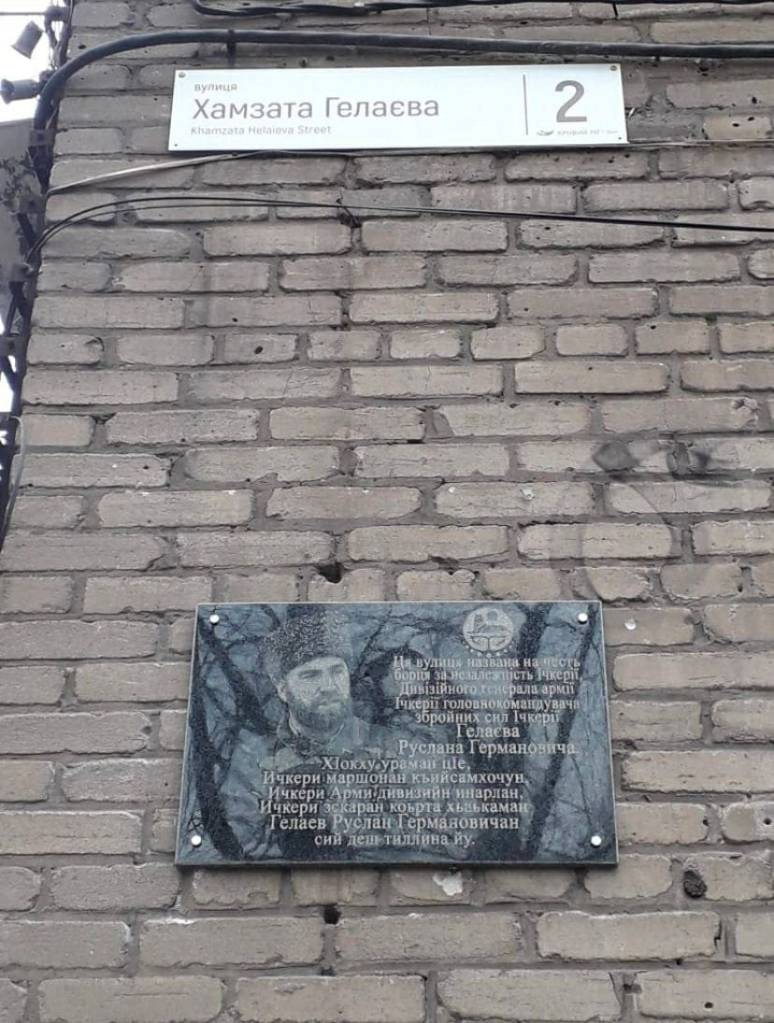


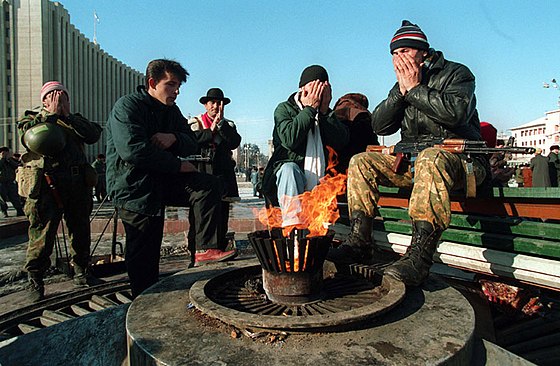


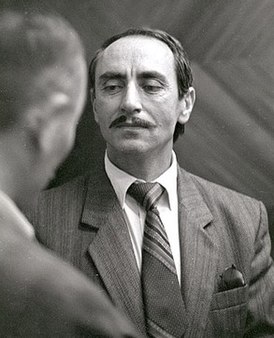
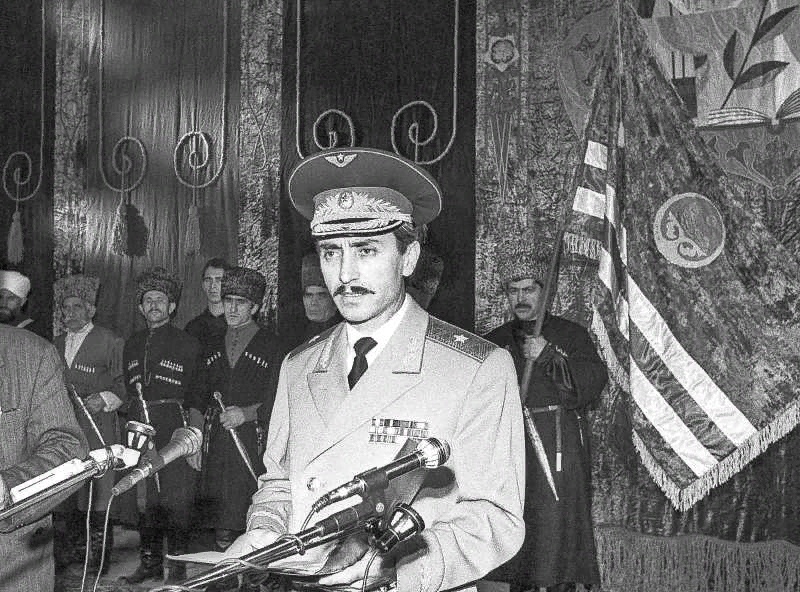
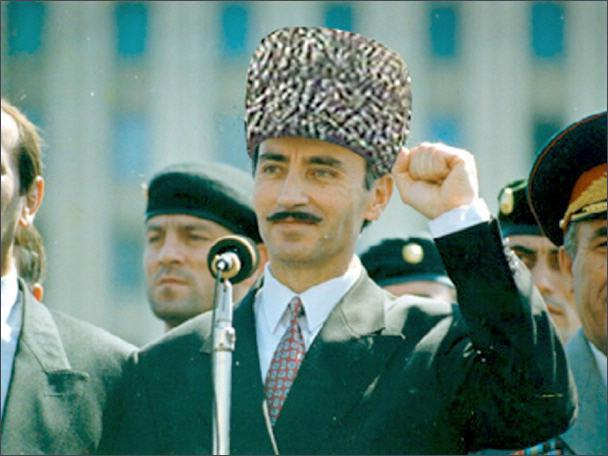


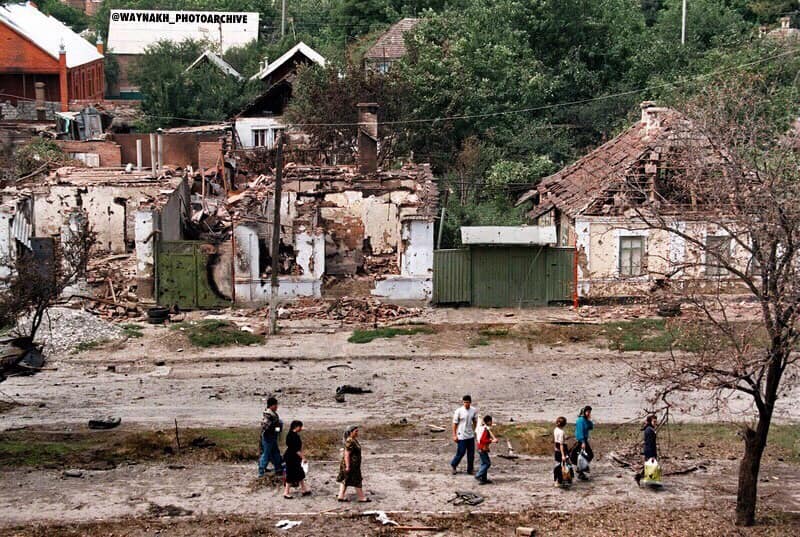


 Ichkeria Digital Archive