Francesco Benedetti è ospite del canale Youtube Economia Italia per un approfondimento sulla storia della Cecenia ed alcune riflessioni sulla situazioni attuale in Ucraina.
Il contenuto è disponibile quì
Visita la pagina di EconomiaItalia, abbonati e guarda il video:
Il 13 Dicembre scorso, due giorni dopo l’uscita del secondo volume di “Libertà o Morte! Storia della Repubblica Cecena di Ichkeria, Adriano Sofri ha presentato il libro sulle colonne de Il Foglio, nella sua rubrica Piccola Posta. Riportiamo di seguito le sue parole, pubblicate anche su Facebook, su Conversazione con Adriano Sofri.
Adriano Sofri
Il singolare caso del giovane uomo che sa tutto della Cecenia e non si è mosso da Firenze
Segnalo oggi un caso culturale e umano piuttosto straordinario. Riguarda la Cecenia, e un giovane fiorentino che non ci è mai stato, non ne conosce la lingua, non conosce (ancora) il russo, ed è diventato lo studioso più autorevole della storia contemporanea di quel piccolo paese dai destini fatali. Francesco Benedetti è nato nel 1987, si è laureato in storia, ha una famiglia, una sua professione, una pratica musicale metal, e si appassionò presto alla vicenda di quel territorio grande, cioè piccolo, come una minore regione italiana, e popolato da poco più di un milione di persone, che si è ribellato per secoli all’impero russo e che, alla fine della versione imperiale sovietica, ha preteso l’indipendenza, ha sconfitto l’esercito russo in una devastante guerra aperta tra il 1994 e il 1996, e ne è stato sconfitto in una seconda guerra di sterminio nel decennio tra 1999 e 2009. Al costo della falcidie di un quinto della sua gente, dell’esilio di migliaia, della sottomissione dei rimasti alla corte di Putin, di cui sono diventati i pretoriani esosi ed efferati. Benedetti ha deciso di ricostruire su giornali, trasmissioni e memorie la cronaca quotidiana di questa vicissitudine, e di raccoglierne direttamente tutte le voci ancora disponibili, in ogni parte di mondo in cui si sono disseminate. Mette così insieme una mole impressionante di racconti, che va diventando il riferimento internazionale principale per chi voglia conoscere il conflitto fra Cecenia e Russia dopo il 1991, e per gli stessi protagonisti. Se ne è fatto editore, stampando (e vendendo, in volume, 15 euro, o kindle, 5,99) attraverso Amazon, e intanto mettendo in rete una profluvie di interviste e fonti su Facebook, al suo nome e a quello di Ichkeria.net – il nome della repubblica cecena.
Solo in certi bambini speciali o in certi inquietanti concorrenti al rischiatutto sorge e dura il proposito di sapere tutto di qualcosa. Un pezzo leggendario del Caucaso, Pushkin e Tolstoi e Lermontov – e Anna Politkovskaya – chi non vorrebbe? Senza una simpatia intima per il suo tema una simile ambizione non potrebbe esistere, e tuttavia nell’opera di Benedetti ai valori dell’audacia, della tenacia e della fiera tradizione montanara sono congiunti il disonore, la rivalità, il fanatismo e la violenza che nel corso di una lotta così strenua, impari e spietata si sono fatte strada. La Cecenia del ’91 aveva il suo passato tragico da vendicare, e lo rivendicò più presto che altri paesi, compresa l’Ucraina: dopo alla grande carestia del Holodomor ucraino negli anni ‘30, che aveva infierito anche nel Caucaso, venne la brutale deportazione del 1944 in Siberia e in Kazakistan: nessun ceceno dei nati fra il 1944 e il 1956 (e oltre) nacque in Cecenia. Il primo volume, “Libertà o morte. Storia della repubblica cecena di Ichkeria (1991-1994)”, 425 pagine, era uscito in italiano e in inglese (c’è una versione cecena in corso) nel febbraio 2020. Il secondo, “La prima guerra russo-cecena. 1994-1996”, 373 pagine, è uscito l’altroieri (in inglese a marzo). L’autore lo presenta così, in un modo che raccomando energicamente:
“La guerra in Ucraina è iniziata in Cecenia. Può sembrare una provocazione. Eppure, è la realtà che rivelano le pagine di questo secondo volume, interamente dedicato alla Prima Guerra Russo–Cecena. Genesi, sviluppo e svolgimento di questo sanguinoso conflitto sembrano la bozza del copione cui il mondo sta assistendo in questi mesi tra il Donbass e la Crimea. Anche allora, come oggi, la Russia invase uno stato libero, mascherando la guerra che stava scatenando dietro alla definizione di ‘operazione speciale’. Anche allora, come oggi, il nemico dello stato russo era stato etichettato e demonizzato: se Zelensky ed il suo governo sono chiamati oggi ‘nazisti’, Dudaev ed i suoi ministri furono chiamati allora ‘banditi’. Anche allora, come oggi, convinti della loro superiorità, i comandi militari marciarono sulla capitale, pretendendo di piegare un popolo alla loro volontà, come avevano fatto più volte in epoca sovietica. Ma anche allora, come oggi, furono costretti a ritirarsi, per poi scatenare una sanguinosa guerra totale, la più devastante guerra europea dal 1945.
La Prima Guerra Russo–Cecena fu il primo tragico prodotto del revanscismo russo: il ‘punto zero’ di una parabola che da Grozny porta a Kiev, passando dalla Georgia, dalla Crimea, dalla Bielorussia e dal Donbass. Con una differenza sostanziale: che quella prima guerra contro la Cecenia, i russi, la persero. Le loro ambizioni, poggiate sulle fondamenta logore di un impero fatiscente, finirono frustrate dalla caparbietà di una nazione immensamente inferiore, per numero e per mezzi, a quella ucraina, che oggi difende la sua terra dalla guerra scatenata da Putin.
Questa storia può impartire a chi avrà la pazienza di leggerla due importanti lezioni: cosa succede quando si assecondano le ambizioni di un impero, e come si fa a sconfiggerlo. Se è già tardi per mettere in pratica la prima, per la seconda siamo ancora in tempo”.
La guerra in Ucraina è iniziata in Cecenia. Può sembrare una provocazione. Eppure, questa è la realtà che rivelano le pagine di questo secondo volume, interamente dedicato alla Prima Guerra Russo – Cecena. Genesi, sviluppo e svolgimento di questo sanguinoso conflitto sembrano la bozza del copione cui il mondo sta assistendo in questi mesi tra il Donbass e la Crimea.
Anche allora, come oggi, la Russia invase uno stato libero, mascherando la guerra che stava scatenando dietro alla definizione di “operazione speciale”.
Anche allora, come oggi, il nemico dello stato russo era stato etichettato e demonizzato: se Zelensky ed il suo governo sono chiamati oggi “nazisti”, Dudaev ed i suoi ministri furono chiamati allora “banditi”.
Anche allora, come oggi, convinti della loro superiorità, i comandi militari marciarono sulla capitale, pretendendo di piegare un popolo alla loro volontà, come avevano fatto più volte in epoca sovietica. Ma anche allora, come oggi, furono costretti a ritirarsi, per poi scatenare una sanguinosa guerra totale, la più devastante guerra europea dal 1945.
La Prima Guerra Russo – Cecena fu il primo tragico prodotto del revanscismo russo: il “punto zero” di una parabola che da Grozny porta a Kiev, passando dalla Georgia, dalla Crimea, dalla Bielorussia e dal Donbass. Con una differenza sostanziale: che quella prima guerra contro la Cecenia, i russi, la persero. Le loro ambizioni imperiali, poggiate sulle fondamenta logore di un impero fatiscente, finirono frustrate dalla caparbietà di una nazione immensamente inferiore per numero e per mezzi, a quella che ucraina, che oggi difende la sua terra dalla guerra scatenata da Putin.
Questa storia può impartire a chi avrà la pazienza di leggerla due importanti lezioni: cosa succede quando si assecondano le ambizioni di un impero, e come si fa a sconfiggerlo. Se è già tardi per mettere in pratica la prima, per la seconda siamo ancora in tempo.
A seguito del riconoscimento della Repubblica Cecena di Ichkeria da parte del Parlamento ucraino, il Primo Ministro Akhmed Zakayev si è rivolto ai Radicali Italiani per ringraziarli del loro sostegno. Nel Giugno scorso i Radicali avevano organizzato una visita a Roma per il Primo Ministro ceceno, durante la quale era stato ricevuto in via ufficiale dal Sottosegretario di Stato agli Esteri Benedetto della Vedova.
Ai nostri amici italiani di Radicali Italiani
A Silvja Manzi e Igor Boni
A Benedetto della Vedova e Riccardo Magi
18 ottobre 2022
Oggi il Parlamento ucraino ha riconosciuto la Repubblica Cecena di Ichkeria. Si tratta di un gesto molto più che formale: il popolo ucraino ha riconosciuto nella nostra battaglia la sua stessa battaglia, nelle nostre sofferenze le sue stesse sofferenze, nel nostro destino il suo stesso destino. Non potrà mai esserci libertà per nessuno, finché un solo popolo, e addirittura un solo uomo, dovrà subire la schiavitù.
Oggi gli Ucraini combattono per la loro indipendenza, così come i ceceni fanno ormai da ventidue lunghi anni. L’Europa, che prima non aveva capito l’importanza della nostra battaglia, oggi comincia a riconoscere che la guerra che oggi si combatte sulle sponde del Dnepr e nel Donbass è iniziato molti anni prima, quando la Russia ha preteso di piegare il nostro spirito spezzando i corpi dei nostri fratelli, dei nostri bambini, con i cingoli dei suoi carri armati.
In questo giorno così importante per la nostra nazione, che segna il primo, concreto passo verso la riconquista della nostra libertà dall’oppressione, rivolgo a voi, che in tutto questo avete creduto fin dall’inizio, il mio sentito ringraziamento per il sostegno che avete dato, e che continuate dare, alla nostra lotta. Spero che la purezza dei vostri ideali possa illuminare le coscienze di tutti gli uomini liberi.
Sarete benvenuti come fratelli nella Cecenia libera.
Akhmed Zakaev,
Primo Ministro della Repubblica Cecena di Ichkeria
ENGLISH VERSION
Following the recognition of the Chechen Republic of Ichkeria by the Ukrainian Parliament, Prime Minister Akhmed Zakayev addressed the Italian Radicals to thank them for their support. Last June the Radicals had organized a visit to Rome for the Chechen Prime Minister, during which he was officially received by the Undersecretary of State for Foreign Affairs Benedetto della Vedova.
To our Italian friends of Radicali Italiani
To Silvja Manzi and Igor Boni
To Benedetto della Vedova and Riccardo Magi
October 18, 2022
Today the Ukrainian Parliament recognized the Chechen Republic of Ichkeria. It is a much more than formal gesture: the Ukrainian people recognized their own battle in our battle, their own sufferings in our sufferings, their own destiny in our destiny. There can never be freedom for anyone, as long as a single people, and even a single man, has to suffer slavery.
Today the Ukrainians are fighting for their independence, just as the Chechens have been fighting for twenty-two long years now. Europe, which previously did not understand the importance of our battle, is now beginning to recognize that the war being fought today on the banks of the Dnieper and in the Donbass began many years earlier, when Russia tried to bend our spirit. breaking the bodies of our brothers, of our children, with the tracks of his tanks.
On this very important day for our nation, which marks the first concrete step towards regaining our freedom from oppression, I extend to you, who have believed in all this from the beginning, my heartfelt thanks for the support that you have given, and continue to dare, to our struggle. I hope that the purity of your ideals can enlighten the consciences of all free men.
You will be welcome as brothers in free Chechnya.
Akhmed Zakaev,
Prime Minister of the Chechen Republic of Ichkeria
After leaving Argun, we moved to a wooded mountainous area in the Nozhai – Yurt district. Here we organized our base, well hidden in a gorge near the village of Shuani. On the afternoon of March 25, a messenger arrived at the base: we were ordered to go in force to the village of Novogrozny, today Oyskhara. When we arrived Maskhadov gave me a brief report on the situation: “The Russians have left Gudermes, and are moving in the direction of Novogrozny. They crushed our defenses. We have to delay them at least for a few hours, until we evacuate the hospital and the documents. I have no one else to send except your battalion. I ask you to detain the Russians as much as possible: there are many wounded in the hospital, if the Russians find them they will shoot them all. ” Then Maskhadov told me that on the eastern outskirts of Ilaskhan – Yurt a unit of militiamen from nearby was gathering and they would give us a hand.
There were few people with me, about thirty in all, because after the retreat from Argun many of the militiamen, cold and tired, had dispersed to the surrounding villages to recover their strength. We immediately set off towards Ilaskhan – Yurt and, having reached the goal, we reunited with 70 militia men. The Russians advanced on the wooded ridge overlooking the village, traveling in the direction of Novogrozny. We settled in positions previously equipped, and then later abandoned. Their conditions were not the best: due to the heavy rains of those days they were full of water, and we guarded the positions with mud up to our knees. We tried to drain them, but the water returned to fill them in a few hours, due to the damp soil.
Soon our presence was noticed by the Russians, who began bombing our trenches from their high positions. Using mortars and field artillery. In that bombing we suffered the wounding of three or four men. However , they did not proceed to an attack, allowing us to hold them back for many more hours. Having left in a hurry, we had brought neither food nor water with us: we spent the next night hungry and cold in our damp trenches, under constant enemy bombardment. We were so starved that, when we managed to get our hands on a heifer the next day, we ate its almost raw meat, but not before getting permission from a local clergyman.
March 29 , the first Russian patrol reached our trenches. We managed to repel the assault: the enemy lost two men and retreated quickly. From the uniforms and weapons found in the possession of the fallen Russians, we understood that we had a paratrooper unit in front of us. As soon as the Russians were back in their trenches the artillery began a pounding bombardment on our positions with mortars and 120 mm artillery, causing many injuries among our units. After a long preparatory bombardment, the infantry moved on to the attack, and we began the unhooking maneuvers: some of us took the wounded away, others retreated into the woods, or returned to their homes. Only five of us remained in position: Vakha from Chishka, Khavazhi from Naurskaya, Yusup from Alpatovo, Mammad from Naursk station and myself. When we finally managed to get away we were exhausted: I came out with chronic pneumonia, which would accompany me in the years to follow.
Combined Regiment Naursk
In April, if memory serves me well, on April 2, as he said, the head of the main headquarters of the armed forces of the CRI, General Maskhadov, came to my base. The Chief of Staff briefly introduced me to the latest events and changes on the lines of contact between us and the Russians: it was clear from his words that our situation was not good. Consequently he asked me to become subordinate to the commander of the Nozhai- Yurta leadership, Magomed Khambiev. The same day I went to Nozhai-Yurt, where I met the new commander. He assigned the battalion’s area of responsibility to a location not far from the village of Zamai-Yurt, southwest of this village. Once deployed, we dug trenches and equipped shooting points for the machine gun. Here at the base, we, in our Naur battalion, were joined by groups of militias from Gudermes and the Shelkovsky district, for a total of 200 people. As a result, our battalion became the “Combined Naur Regiment”. I was confirmed by Maskhadov himself as commander of this new unit.
The Regiment held the assigned position until the early days of 1995, fighting a war of position against Russian forces. These faced us mainly with artillery, throwing a hail of mortar rounds at us, and increasing the dose with incursions of combat helicopters MI – 42 and MI – 18. During this phase we mourned the death of one of us, Dzhamleila of Naurskaya , and the wounding of ten men. Finally, in the first days of June , we received the order to switch to guerrilla warfare.
VERSIONE ITALIANA
IL GENERALE DI NAUR – MEMORIE DI APTI BATALOV (PARTE 4)
Battaglia ad Ilaskhan – Yurt
Dopo aver lasciato Argun, ci trasferimmo in una zona montuosa coperta di boschi, nel distretto di Nozhai – Yurt. Qui organizzammo la nostra base, ben nascosta in una gola vicino al villaggio di Shuani. Nel pomeriggio del 25 Marzo giunse alla base un messaggero: ci era ordinato di dirigerci in forze al villaggio di Novogrozny, oggi Oyskhara. Quando arrivammo Maskhadov mi fece un breve rapporto sulla situazione: “I russi hanno lasciato Gudermes, e si stanno muovendo in direzione di Novogrozny. Hanno schiacciato le nostre difese. Dobbiamo ritardarli almeno per qualche ora, finchè non evacuiamo l’ospedale ed i documenti. Non ho nessun altro da inviare, tranne il tuo battaglione. Ti chiedo di trattenere i russi il più possibile: ci sono molti feriti nell’ospedale, se i russi li trovano li fucileranno tutti.” Poi Maskhadov mi disse che alla periferia orientale di Ilaskhan – Yurt si stava radunando un reparto di miliziani provenienti dalle vicinanze, i quali ci avrebbero dato man forte.
Insieme a me c’erano poche persone, una trentina in tutto, perché dopo la ritirata da Argun molti dei miliziani, infreddoliti e stanchi, si erano dispersi nei villaggi circostanti per recuperare le forze. Ci mettemmo subito in marcia verso Ilaskhan – Yurt e, raggiunto l’obiettivo, ci ricongiungemmo con 70 uomini della milizia. I russi avanzavano sulla cresta boscosa che dominava il villaggio, viaggiando in direzione di Novogrozny. Ci sistemammo in posizioni precedentemente attrezzate, e poi successivamente abbandonate. Le loro condizioni non erano delle migliori: a causa delle forti piogge di quei giorni erano piene d’acqua, e presidiavamo le posizioni con il fango fino alle ginocchia. Cercavamo di drenarle, ma l’acqua tornava a riempirle in poche ore, a causa del terreno umido.
Ben presto la nostra presenza fu notata dai russi, i quali iniziarono a bombardare le nostre trincee dalle loro posizioni elevate. Usando mortai ed artiglieria da campagna. In quel bombardamento patimmo il ferimento di tre o quattro uomini. Tuttavia non procedettero ad un attacco, permettendoci di trattenerli ancora per molte ore. Essendo partiti in fretta e furia, non avevamo portato con noi né cibo né acqua: trascorremmo la notte successiva affamati ed infreddoliti nelle nostre trincee umide, sotto il costante bombardamento nemico. Eravamo così provati dalla fame che, quando il giorno dopo riuscimmo a mettere le mani su una giovenca, ne mangiammo la carne quasi cruda, ma non prima di aver avuto il permesso da un religioso locale.
A mezzogiorno del 29 Marzo la prima pattuglia russa raggiunse le nostre trincee. Riuscimmo a respingere l’assalto: il nemico perse due uomini e si ritirò velocemente. Dalle divise e dalle armi trovate in possesso dei russi caduti capimmo di avere davanti un reparto di paracadutisti. Non appena i russi furono rientrati nelle loro trincee l’artiglieria iniziò un bombardamento martellante sulle nostre posizioni con mortai ed artiglieria da 120 mm, provocando molti ferimenti tra le nostre unità. Dopo un lungo bombardamento preparatorio, la fanteria passò all’attacco, e noi iniziammo le manovre di sganciamento: alcuni di noi portarono via i feriti, altri si ritirarono tra i boschi, o tornarono alle loro case. In posizione rimanemmo soltanto in cinque: Vakha da Chishka, Khavazhi da Naurskaya, Yusup da Alpatovo, Mammad dalla stazione di Naursk ed io. Quando finalmente riuscimmo ad allontanarci eravamo esausti: io ne uscii con una polmonite cronica, che mi avrebbe accompagnato negli anni a seguire.
Reggimento Combinato Naursk
Ad aprile, se la memoria mi serve bene, il due aprile, come ha detto, il capo del quartier generale principale delle forze armate della CRI, il generale Maskhadov, è venuto alla mia base. Il capo di stato maggiore mi ha brevemente presentato gli ultimi eventi e i cambiamenti sulle linee di contatto tra noi e i russi: era chiaro dalle sue parole che la nostra situazione non era buona. Di conseguenza mi chiese di diventare subordinato al comandante di la direzione Nozhai-Yurta, Magomed Khambiev. Lo stesso giorno mi recai a Nozhai-Yurt, dove incontrai il nuovo comandante. Egli assegnò l’area di responsabilità del battaglione ad una posizione non lontana dal villaggio di Zamai-Yurt, a sud-ovest di questo villaggio. Una volta schierati, abbiamo scavato trincee e attrezzato punti di tiro per la mitragliatrice. Qui alla base, noi, nel nostro battaglione Naur, siamo stati raggiunti da gruppi di milizie di Gudermes e del distretto di Shelkovsky, per un totale di 200 persone. Di conseguenza, il nostro battaglione divenne il “Reggimento Combinato Naur”. Fui confermato dallo stesso Maskhadov comandante di questa nuova unità.
Il Reggimento tenne la posizione assegnata fino ai primi di giorni del 1995, combattendo una guerra di posizione contro le forze russe. Queste ci affrontavano principalmente con l’artiglieria, lanciandoci contro una grandine di colpi di mortaio, e rincarando la dose con incursioni di elicotteri da combattimento MI – 42 e MI – 18. Durante questa fase piangemmo la morte di uno di noi, Dzhamleila di Naurskaya, ed il ferimento di dieci uomini. Nei primi giorni di Giugno, infine, ricevemmo l’ordine di passare alla guerra partigiana.
When the federal forces reached Grozny, my men and I were in Gudermes, where we had quartered to form an organized unit made up entirely of men from the Naur District . On January 4th , a runner sent by Maskhadov was placed in our command post. He gave me the order to converge on our capital with all the men at my disposal. Once in the city, I met a young volunteer, who made himself available to organize our group and put it in coordination with the other fighting units. It is called Turpal Ali Atgeriev. In conversation with him, I learned that he had taken part in the war in Abkhazia and that he had some fighting experience. There was not a single war veteran among us, starting with me: I was in desperate need of someone with combat experience. For this I asked Atgiriev to become my deputy, and he accepted my proposal. Since he didn’t have a weapon, I handed him an RPK-74 machine gun. Someone criticized my decision, accusing me of having appointed a stranger as my deputy. I was not interested in this gossip and intrigue, I was worried about only one thing itself: saving lives and at the same time beating the enemy.
We were deployed in defense of the Pedagogical Institute. A regiment of Russian marines had targeted the building: if this had been taken, it would have been possible to easily reach Maskhadov’s headquarters, which was literally fifty meters from our position, under the Presidential Palace. The Russians tried to break through our defenses almost every day, until January 19 , 1994, but without success. In these attacks they lost many soldiers, whose corpses remained in the middle of the road, in no man’s land, prey to stray dogs. We tried to remove them, to save their bodies, but without a respite we could not have prevented them from being eaten. Several times, during the fighting, our command and the Russian one reached an agreement for a 48-hour truce, precisely to clean the streets of the corpses of Russian soldiers. During these truces we talked to the Russian patrols stationed on the side streets. I remember one of these conversations with a Russian captain, to whom I had thrown a pack of cigarettes: Guys he said, quit, you will not win, because you are not fighting the police, but the army. His voice was not arrogant, he was a simple Russian peasant. That battle was also difficult because to supply our armories we had to capture weapons and ammunition from the Russians. In every disabled armored transport vehicle we found a heap of weapons, cartridges and grenades, which we looted. Later the Russians became more careful, and we didn’t find much in their means. On the other hand, their vehicles were stuffed with all sorts of carpets, dishes and other goods looted from the population.
January 19 , when it became clear that the defense of the Pedagogical Institute would no longer slow down the fall of the Presidential Palace, we withdrew. I was ordered to organize the defense of the Trampark area , and we occupied positions on Novya Street Buachidze . Trampark changed hands several times, and there were fierce battles until February 7th . Right in via Novya Buachidze suffered a shock from a tank bullet which, entering the window of the room where I was with some of my men, hit two of them in full, killing them. This shock still undermines my health. Finally, on the evening of February 7 , a messenger from Maskhadov handed me a note in which I was ordered to leave the position, join Basayev in Chernorechie and leave the city. I should have assumed the defense in the parking area in Via 8 Marzo, where the departments were concentrating to prepare for the exit from the city. Once there we counted all those present: also considering the staff of the Headquarters, we were 320 men. Obviously some departments were not present: detached units fought in other areas of the city, and besides them there were the so-called “Indians”, armed gangs who did not obey anyone, they fought when it was favorable gold and along the way they plundered everything that they could find. When Maskhadov lined up us in the square, he told us that our descendants would be proud of us, that the victory would be ours, that we were leaving Grozny only to return one day. The night between 7 and 8 Fenbbraio we left the capital.
The Naursk Battalion
It was after the retreat from Grozny that my unit, still an amalgam of more or less organized groups, began to become a real tactical unit. This same process was also taking place in the other units that had formed spontaneously at the beginning of the war. Moreover, in the Chechen resistance there were no military units and formations in the classical sense of the term: “battalions”, “regiments” and “fronts” were symbolic terms that did not correspond to a battle order in the classical sense. For example, what was called the “Argun Regiment” was an association of several groups, often poorly armed, made up of a variable number of people, each of which replied to its own commander. The members of these units, all volunteers, could leave at any time, there was no precise chain of command.
Our team spirit had already been forged in the battles we had fought together, and which unfortunately had forced us to count the first fallen. The first of our men to die for the defense of Chechnya was Beshir Turluev , who fell at the Ishcherskaya Checkpoint in December 1994. Since then, other young Chechens had sacrificed their lives for their homeland. Among those who remained alive, and who fought more assiduously with me, a group of “veterans” began to form, who by character or competence acquired the role of “informal officers”. Thus, for example, a 4th year student of a medical institute, whose name was Ruslan, became the head of the medical unit, while Sheikh Khavazhi , from the village of Naurskaya , became the head of logistics. The latter was in charge of keeping in touch with the Naur region , from which the supplies for our unit came. The inhabitants collected the food intended for our livelihood and delivered it to us via a KAMAZ truck, driven by Umar, from the village of Savelieva, and his companion Alkhazur . Sometimes money was also collected, usually a small amount, which was scrupulously recorded and distributed among the men. For the needs of the battalion, for the entire period of the 1994-1996 war, I, from the central command, did not receive more than 3 thousand dollars.
Defending Argun
After we had withdrawn from Grozny, Maskhadov ordered us to fall back on Argun, to help defend the city. We quartered ourselves in the city hospital, now empty and unused. The commander of the stronghold was Khunkarpasha Israpilov, and the commander of the largest unit, the so-called “Combined Regiment”, was Aslambek Ismailov. We were deployed in the sector of the so-called “Indian village”, a front of about 350 meters along the Argun River. On our left were the so-called “Black Wolves”, characterized by wearing very dark jeans. On the other side were Alaudi ‘s men Khamzatov , guard posts on the main bridge over the Argun. In front of us was a Russian paratrooper unit. We learned that we were facing special forces from a Russian soldier whom we captured when, with his squad, he attempted a reconnaissance close to our lines. At that juncture, as soon as the other side learned that their group had been identified and attacked, the Moscow artillery launched a massive bombing on our positions, during which two of our militiamen fell: Daud, coming from the village of Kalinovsky and Rizvan , from Naurskaya . To scare us, the Russians played Vladimir Vysotsky ‘s “Hunting for Wolves” at very high volume . We responded with “Freedom or Death”. The supply of the militias in the city of Argun, as well as in Grozny, was very scarce, there was a severe shortage of ammunition, there was a catastrophic lack of machine gun cartridges, RPG-7 grenade launcher shells and only dressing bandages they were more or less in abundance among the drugs.
On the morning of March 20, the Russians began testing our defenses along the entire line of contact, simulating a force attack from our side. In reality, the main attack took place, surprisingly, at the Moskovsky state farm . We did not expect the enemy to break in from that side, and after a fierce battle during which we lost many men (including the commander of the Melkhu – Khe militia , whose name was Isa and a brave, young Lithuanian named Nicholas) we had to leave the city, to retreat to the wooded region of Nozhai – Yurt. In the defense of Argun, Abuezid , from the village of Naurskaya , Umar, Mekenskaya , Muslim, Nikolaevskaya also fell , while another ten of us were wounded. We left Argun in the night between 21st and 22nd March 1995.
Quando, nel Febbraio del 1944, Stalin decretò la deportazione di massa dei Ceceni in Asia centrale, egli motivò la terribile “punizione” con la supposta collaborazione dei Ceceni con le forze armate germaniche. Tale collaborazione sarebbe avvenuta, secondo la versione ufficiale, nel corso del 1942, in concomitanza con un’azione di intelligence e sabotaggio compiuta dalla Wehrmacht, chiamata in codice “Operazione Schamil”. Il marchio dell’infamia, gettato su tutti i ceceni dalla teoria del “tradimento”, avrebbe condizionato l’esistenza di un intero popolo il quale, ridotto a paria nel consesso delle nazioni che abitavano l’impero sovietico, fu costretto ad accettare una frustrante discriminazione sociale, economica e politica. Questa condizione fu uno tra i detonatori del desiderio di rivalsa che pervase i ceceni alla fine degli anni ’80, e alimentò quel desiderio di libertà che poi si concretizzò con l’indipendenza nel 1991.
Oggi in Russia si è accettata l’idea che la deportazione del 1944 fu un crimine terribile. Eppure rimane ben radicata dell’opinione pubblica l’idea che questo tradimento dei ceceni si sarebbe realmente consumato, e che pertanto vi sia una “colpa” ancestrale che i Vaynakh dovrebbero “espiare” di fronte alla madrepatria. Tralasciando il fatto che molti ceceni non considerano affatto la Russia la loro casa, e che quindi non si sentirebbero affatto dei “traditori” di una patria che non riconoscono, il fatto è che questa “colpa” non è affatto certa. Anzi, è piuttosto chiaro, dalle evidenze storiche, che la maggior parte dei ceceni combattè con onore nelle file dell’Armata Rossa, e che la popolazione civile non solidarizzò con i tedeschi più di quanto non lo fecero le altre nazioni sottoposte al giogo di Stalin.
Recentemente Pieter Van Huis, ricercatore dell’Università di Leida, nei Paesi Bassi, ha pubblicato una tesi dal titolo Banditi di montagna e fuorilegge della foresta. Ceceni e Ingusce sotto il dominio sovietico nel 1918-1944. Lo studioso dedica un capitolo proprio alla celebre “Operazione Schamil”: attingendo alle fonti documentali disponibili presso gli archivi della Wehmacht e dell’NKVD, ha saputo ricostruire la genesi e lo svolgimento di questa azione. Riepiloghiamo in sintesi quanto è emerso dagli studi di Van Huis, a loro volta riportati da Anastasia Kirilenko sul sito del Nodo Caucasico: https://www.kavkaz-uzel.eu/
I RAPPORTI LANGE
Le prime fonti cui fa riferimento Van Huis sono tre rapporti operativi, due firmati dal Tenente Maggiore Erhard Lange ed uno dal volontario osseto Boris Tsagolov. Tutte e tre le fonti, sebbene differenti nello stile, concordano sul fatto che l’operazione fu un sostanziale fallimento principalmente a causa della pronta reazione delle unità dell’NKVD, le quali procedettero a punire i residenti che davano ospitalità al nemico bruciando le loro case, o applicando punizioni collettive alle comunità che non si opposero attivamente al suo passaggio. Tutti e tre i rapporti, in ogni caso, concordano sul fatto che ad eccezione di alcune bande di irregolari, peraltro già attive prima dell’invasione, non fornirono un supporto sufficiente al buon esito dell’operazione.
Il primo di questi rapporti fu inviato da Ehrard Lange il 5 Gennaio 1943. In esso si riepiloga che l’Operazione Schamil ebbe inizio il 25 Agosto 1942, quando un aereo della Luftwaffe decollato da Armavir paracadutò 11 tedeschi e 19 volontari caucasici nei pressi di Chishki e di Dachu – Barzoi, a circa 30 kilometri da Grozny. Il cielo era sgombro, e la luce della luna illuminò fin da subito i paracadutisti, i quali furono presi di mira dal nemico. La maggior parte delle armi e dell’equipaggiamento fu quindi frettolosamente abbandonato, e ci vollero alcuni giorni prima che il gruppo potesse ricompattarsi, non prima di aver accertato alcune perdite e diserzioni. Il gruppo, ridotto a 22 uomini, tentò di racimolare qualche arma da fuoco sequestrandola agli abitanti dei villaggi vicini, mentre tentava di guadagnare un rifugio sicuro. Tuttavia, essendo stati notati fin dal loro arrivo, gli uomini del commando divennero da subito oggetto di una spietata caccia da parte dell’NKVD, che giunse a mobilitare addirittura 2.000 effettivi per stanarli. Lange tentò quindi di prendere contatto con i ribelli locali, arroccati sulle montagne, cercando di riunirli in un’unica banda organizzata, e di aggiungere a questa massa critica un contingente di 400 ribelli georgiani. Il piano, tuttavia, non riuscì a causa del fatto che il 24 Settembre 1942 l’NKVD intercettò Lange, costringendolo ad aprirsi una via di fuga con la forza. I sopravvissuti raggiunsero Kharsenoy, ma qui furono nuovamente intercettati e costretti a combattere. Dopo aver perduto altri uomini, Lange decise di abortire la missione. Dopo aver abbandonato le divise ed indossato abiti civili, riuscì a spacciare i resti del suo gruppo (cinque tedeschi e quattro caucasici) per una banda di banditi Cabardini, finché non riuscì ad ottenere la collaborazione di alcuni residenti locali, i quali accettarono di aiutarlo a patto i membri della banda fossero divisi e distribuiti secondo le loro volontà. Non potendo fare altro, Lange acconsentì. Lui e i suoi uomini rimasero nascosti fino al 9 Dicembre successivo, quando appresero che l’armata rossa aveva intercettato e distrutto la maggior parte dei ribelli operanti in Cecenia. Il giorno successivo Lange raccolse i suoi, e li portò oltre la linea del fronte. Rientrato alla base, l’ufficiale compilò una memoria nella quale indicò una lista di nomi di “103 persone assolutamente affidabili, che potrebbero fungere da guide”.
Successivamente, il 23 Aprile 1943, Lange depositò un secondo rapporto, nel quale specificava maggiormente lo scopo della sua missione: mettere in atto operazioni militari per ostacolare la ritirata nemica lungo la direttrice Grozny – Botlikh. Il compito, si specificava, non era stato portato a termine a causa del fatto che la maggior parte delle armi era andato perduto durante l’atterraggio, ma anche per via della scarsa collaborazione dei residenti locali. Secondo questo rapporto, una volta constatata la dispersione del “Gruppo Lange”, il comando tedesco aveva inviato una seconda unità, chiamata “Gruppo Rekert” a cercare di recuperare i dispersi. Questo secondo drappello, tuttavia, era stato sbaragliato ed i suoi componenti risultavano scomparsi. Rispetto al suo rapporto con i civili, Lange precisa che il gruppo era nelle mani della popolazione civile e correva quotidianamente il rischio di un tradimento da parte loro, e che soltanto dopo lunghe discussioni il commando riuscì a liberarsi da questa tutela. Infine, il resoconto specificava anche l’obiettivo secondario seguito da Lange una volta che quello principale (il sabotaggio) si rivelò irraggiungibile: Verificare la veridicità dei rapporti al Fuhrer secondo i quali ceceni e ingusci sarebbero particolarmente coraggiosi nella lotta contro i bolscevichi e, nel caso, fornire loro supporto logistico ed armi per proseguire la guerriglia. Per raggiungere questo secondo obiettivo Lang avrebbe dovuto passare alcune settimane in Cecenia, confidando nello spirito di ospitalità dei residenti locali. Egli sapeva che per un ceceno l’ospitalità è sacra. Nel rapporto riferisce, infatti: le regole locali sull’ospitalità richiedono di proteggere la vita di un ospite anche a costo della propria. Consci di questo, i tedeschi non risparmiarono ai ceceni veri e propri ricatti morali, minacciando di far sapere a tutti del disonore gettato sulla famiglia e sul Teip da persone che non accettavano di ospitarli e di collaborare con loro.
Se ottenere l’ospitalità dei ceceni sembrava piuttosto facile, molto più difficile risultò garantirsi la loro alleanza nel costituire un movimento di resistenza antisovietica. Sempre citando Lange: I residenti locali non sono interessati a nulla, tranne che al destino del loro villaggio, nel quale vorrebbero vivere come contadini liberi. Essi non hanno alcun rispetto per il tempo, per lo spazio, né per il rispetto degli accordi presi. […] Tutto questo crea pessimi requisiti per una rivolta. Citando un evento accaduto al Gruppo Reckert, Lange ricorda che dopo aver ricevuto le armi, gli uomini sono tornati in fretta ai loro villaggi. A conclusione del suo rapporto, Lange consigliava di non investire uomini e mezzi in questa operazione, giacchè la popolazione locale non avrebbe combattuto per la Germania, ma al massimo per liberarsi delle fattorie collettive e riappropriarsi della terra.
ENGLISH VERSION
THE BETRAYAL THAT DID NOT HAPPEN – OPERATION “SCHAMIL” (Part I)
When, in February 1944, Stalin decreed the mass deportation of the Chechens to Central Asia, he motivated the terrible "punishment" with the alleged collaboration of the Chechens with the Germanic armed forces. According to the official version, this collaboration took place during 1942, in conjunction with an intelligence and sabotage action carried out by the Wehrmacht, codenamed "Operation Schamil". The stigma thrown on all Chechens by the theory of "betrayal", would have conditioned the existence of an entire people who, reduced to pariah in the assembly of nations that inhabited the Soviet empire, was forced to accept a frustrating social, economic and political discrimination. This condition was one of the detonators of the desire for revenge that pervaded the Chechens in the late 1980s, and fueled that desire for freedom which then materialized with independence in 1991.

Today in Russia it is accepted that the 1944 deportation was a terrible crime. Yet public opinion remains firmly rooted in the idea that this betrayal of the Chechens would actually be consummated, and that therefore there is an ancestral "guilt" that the Vaynakhs should "atone" in the face of the motherland. Leaving aside the fact that many Chechens do not consider Russia their home at all, and therefore would not at all feel like "traitors" to a homeland they do not recognize, the fact is that this "fault" is by no means certain. Indeed, it is quite clear from the historical evidence that most Chechens fought with honor in the ranks of the Red Army, and that the civilian population did not sympathize with the Germans any more than did other nations under Stalin's yoke. .

Pieter Van Huis, a researcher at the University of Leiden in the Netherlands, recently published a thesis entitled Mountain Bandits and Forest Outlaws. Chechens and Ingush under Soviet rule in 1918-1944. The scholar dedicates a chapter to the famous "Operation Schamil": drawing on the documentary sources available in the Wehmacht and NKVD archives, he was able to reconstruct the genesis and development of this action. We summarize in summary what emerged from the studies of Van Huis, in turn reported by Anastasia Kirilenko on the Caucasian Node website: https://www.kavkaz-uzel.eu/
THE LANGE REPORTS

The first sources to which Van Huis refers are three operational reports, two signed by Lieutenant Major Erhard Lange and one by the Ossetian volunteer Boris Tsagolov. All three sources, although different in style, agree that the operation was a substantial failure mainly due to the prompt reaction of the NKVD units, which proceeded to punish the residents who housed the enemy by burning their homes. , or by applying collective punishment to communities that did not actively oppose its passage. All three reports, in any case, agree that with the exception of some bands of illegal immigrants, which were already active before the invasion, they did not provide sufficient support for the success of the operation.
The first of these reports was sent by Ehrard Lange on January 5, 1943. It summarizes that Operation Schamil began on August 25, 1942, when a Luftwaffe plane taken off from Armavir parachuted 11 Germans and 19 Caucasian volunteers near Chishki. and Dachu - Barzoi, about 30 kilometers from Grozny. The sky was clear, and the light of the moon immediately illuminated the paratroopers, who were targeted by the enemy. Most of the weapons and equipment were therefore hastily abandoned, and it took a few days before the group could regroup, not before having ascertained some losses and desertions. The group, reduced to 22 men, attempted to scrape together some firearms by seizing them from nearby villagers, while trying to gain a safe haven. However, having been noticed since their arrival, the men of the commando immediately became the object of a merciless hunt by the NKVD, which even mobilized 2,000 troops to track them down. Lange then attempted to make contact with the local rebels, perched in the mountains, trying to unite them in a single organized band, and to add a contingent of 400 Georgian rebels to this critical mass. The plan, however, failed due to the fact that on September 24, 1942, the NKVD intercepted Lange, forcing him to forcibly open an escape route. The survivors reached Kharsenoy, but here they were again intercepted and forced to fight. After losing other men, Lange decided to abort the mission. After abandoning his uniforms and wearing civilian clothes, he managed to pass off the remains of his group (five Germans and four Caucasians) as a band of Cabardini bandits, until he succeeded in obtaining the collaboration of some local residents, who agreed to help him provided the members of the gang were divided and distributed according to their will. Unable to do anything else, Lange agreed. He and his men remained in hiding until the following December 9, when they learned that the Red Army had intercepted and destroyed most of the rebels operating in Chechnya. The next day Lange gathered his own, and carried them over the front line. Returning to the base, the officer compiled a memo in which he indicated a list of names of "103 absolutely reliable people, who could serve as guides".
Subsequently, on April 23, 1943, Lange filed a second report, in which he further specified the purpose of his mission: to carry out military operations to obstruct the enemy retreat along the Grozny - Botlikh route. The task, it was specified, had not been completed due to the fact that most of the weapons had been lost during landing, but also due to the lack of cooperation from local residents. According to this report, once the dispersion of the "Lange Group" was ascertained, the German command had sent a second unit, called the "Rekert Group" to try to recover the missing. This second squad, however, had been defeated and its members had disappeared. With respect to his relationship with civilians, Lange specifies that the group was in the hands of the civilian population and daily ran the risk of betrayal on their part, and that only after long discussions did the commandos manage to free themselves from this protection. Finally, the report also specified the secondary objective followed by Lange once the main one (sabotage) proved unattainable: Verifying the veracity of the reports to the Fuhrer according to which Chechens and Ingush are particularly courageous in the fight against the Bolsheviks and, in the case, provide them with logistical support and weapons to continue the guerrilla warfare. To achieve this second goal, Lang would have had to spend a few weeks in Chechnya, trusting in the spirit of hospitality of the local residents. He knew that hospitality is sacred to a Chechen. In fact, in the report he reports: the local rules on hospitality require you to protect the life of a guest even at the cost of your own. Aware of this, the Germans did not spare the Chechens real moral blackmail, threatening to let everyone know of the dishonor thrown on the family and on the Teip by people who did not accept to host them and to collaborate with them.
While obtaining the hospitality of the Chechens seemed easy enough, it was much more difficult to secure their alliance in forming an anti-Soviet resistance movement. Again quoting Lange: Local residents are not interested in anything except the fate of their village, in which they would like to live as free farmers. They have no respect for time, space, or compliance with the agreements made. […] All this creates bad conditions for a riot. Citing an event that happened to the Reckert Group, Lange recalls that after receiving the weapons, the men quickly returned to their villages. At the end of his report, Lange advised not to invest men and means in this operation, since the local population would not fight for Germany, but at most to get rid of the collective farms and regain possession of the land.
My first meeting with Aslan Maskhadov, Chief of the General Staff of the Armed Forces of the Chechen Republic took place a few days after my appointment. That day I was summoned to Grozny for a meeting of the commanders of the military units. When I arrived in Grozny, I introduced myself to his office, which if I remember correctly was on the second floor of the building that housed the Headquarters. After a short wait I was called by one of his guards and invited to enter. Maskhadov’s office, then still a Colonel, was not large. He was sitting on his desk and writing. I greeted him with the usual Chechen greeting, he got up from his chair and replied with a counter greeting. When he had finished, he looked at me and asked me what the purpose of my visit was.
I introduced myself, and Merzhuyev ‘s order regarding my appointment as Commander of the districts of Naursk and Nadterechny was placed on the table. Maskhadov took the document, read it, crossed out a sentence with his pen and said to me: Have it wright again, I don’t have enough cops. And he gave me back my order. I took the paper and looked at what he had erased. After seeing his correction the blood went to my head, my face started to burn with anger. Maskhadov had ticked “Police Captain”. Holding back the indignation with difficulty, I replied: I did not ask for this position, I will not go to anyone and I will not write anything! To be honest, in a way, I was satisfied with this “entry” into the ChRI authorities. Now I could legitimately refuse my appointment and go home in peace. But as I reached the door Maskhadov called me back: The meeting will start in an hour, please go to the Central Control Center. I didn’t know what he was talking about and so, after taking my leave, I asked a guard what the Central Control Center ( TsKP ) was, and where it was. The guard told me that it was the Central Command Post, and that I could reach it on the first floor of the Presidential Palace, in the right wing. I headed for my destination, keeping the order in my pocket. I still keep it in my personal archive. As I walked, I thought to myself: Something is rotten in the state of Denmark. The subsequent history of the Republic confirmed the validity of my hypothesis.
False alarms. Luckly!
Between 29 and 30 August , at the Ishcherskaya checkpoint , we arrested a boy of about 25 from the Stavropol District. Subjected to inspection, in his backpack we found a T-shirt, underwear, a black mask and a full-face balaclava, as well as a silk rope of about one meter in length. In his pocket we found a letter which, we discovered, was addressed to his sister. We questioned him about the purpose of his trip to Chechnya, and he replied without hesitation that he had come to join the opposition and protect the Russians from the oppression and violence of the Dudaevites. He said that he had already fought in Yugoslavia, on the side of the Serbs, and that the mask and the rope he had already used there. He said that once he reached his destination he would send the letter to his sister, the only one who loved him, to inform her of his arrival. After detaining him, I called for ad AN – 2 from Khankala delivered him to Grozny. A few days later the “volunteer” was shown on TV and President Dudaev, in front of the reporters, after showing the mask and the cordon, read aloud the “letter from a volunteer”.
As I wrote earlier, all settlements in the region were equipped with radio stations, there was a consolidated link between the district and the village commander’s offices, at any time of day I could contact the commander of each village and know the situation in this settlement. In addition to ensuring the safety of the Naur region from the Avturkhanov opposition, we, through our local supporters in the village of Znamenskoye , who were not few, monitored what was happening in the opposition camp, and relayed reports to Grozny. We had a signalman who knew radio stations well once he served in Afghanistan as radio operator in a GRU sabotage detachment.
One day, the operator tuned in to the opposition radio station in Znamenskoye , and listened to a radio conversation of our opponents that was endlessly repeated: Tonight , at zero – zero, the time X arrives. Fearing to be heard, I decided to deliver the report personally, and went to Grozny myself. Arriving at the Presidential Palace, I went to the Central Command Post, but found no one. It was late at night, but the news was too important, so I went to the sixth (or possibly seventh) floor, where Colonel Merzhuyev ‘s office was located . After listening to me, he confirmed my fears: Apparently tonight, or early in the morning, something will happen. The Ingush [I don’t know who he was referring to] received orders from Moscow to block the Rostov – Baku highway and to keep it ready for the mass advance of military vehicles.
Merzhuyev was visibly agitated by my message. Before leaving, he asked me to warn Abu Arsanukaev , commander of the Presidential Guard, to strengthen security around the Palace. Having found Arsanukaev , I sent him Mershuyev ‘s order , and he began to tinker with the armored vehicle parked at the entrance, a BRDM armed with a machine gun. After a brief check, it became clear that the vehicle’s machine gun was unable to fire. The guards present began to look for an alternative: it seems that a tank was available, stationed around a nearby corner, but that it was unable to move and that they should have towed it.
I thought, disconsolately, about the conversation with Merzhuyev , while observing the readiness or rather, the non-readiness of the defense of the Presidential Palace in the event of an attack. I returned to Ishcherskaya , waiting for the impending attack. Fortunately, neither that day nor the next day did anything happen. A week or two later Mershuyev apparently quit for health reasons.
Musa Merzhuyev (left) attends the Independence Day military parade, September 6, 1993
The hardest two hours of my life
On 23 August 1994 an opposition unit, mounted on trucks and escorted by two T – 64s, appeared near Chernokozovo, a few kilometers from Naurskaya. Waiting for him was a crowd of local residents, led by the Prefect, Aindi Akhaev , who literally seized the tanks, disarmed the avturkhanovites and sent them back, with a promise never to come back armed. Shortly thereafter, I received an ultimatum from Avturkhanov: either we would return the wagons to him and remove the roadblocks, or, in his words, he would march into the district in bloody boots . Receiving no response from us, he sent a messenger and asked me for a meeting on the bridge between Ishcherskaya and Znamenskoye . I accepted, and went to the birdge. Halfway there was a Volga, from which first a tall man with blond hair got out, then Avturkhanov.
We shook hands. His was sweaty, and visibly trembling. I mocked him, asking: What is it, Umar, don’t you have reliable Chechens to use as bodyguards? He muttered back to me, then moved on to threats. He asked me to return the tanks to him, and to my refusal he replied: I’ll give you two hours, otherwise I’ll reduce you to dust! He did not insist again on the dismantling of the roadblock, perhaps he had forgotten. I replied aloud, in Russian: we’ll see who cancels whom. We are waiting for you. I went back to my companions and told them about our conversation. We prepared to repel the attack. Fifteen minutes later, on the other side of the river we noticed a great commotion: civilian cars were massing at the checkpoint, a ZPU-2 anti-aircraft gun had appeared out of nowhere, and its turret rotated left and right, aimed at ours. locations.
The moment was very tense, and some of us started running away. A police officer who was with me along with four of his fellow soldiers stated that he had been urgently recalled to the District Police Department, and that they should leave us. I couldn’t resist, and I let them go. Other militiamen also left. I had to do something, so I ordered one of the tanks we had seized to be placed at the entrance to the Checkpoint, and aimed the gun at our opponents. At the sight of the tank, the opposition militants on the other side began to fidget, running back and forth. Two painful hours passed while we awaited the attack. If there had been a well-organized attack, we would never have been able to keep the bridge. They would have taken the tank back from us, and no one could have helped us. The difference between our forces and theirs was too great, we barely had two magazines each, and neither of us had military experience. If Avturkhanov had persisted, the bridge would have fallen. At the time I did not understand why he considered it so important to enter the Naursk District, being able to use the road from Lomaz – Yurt to Znamenskoye , along the right side of the Terek, to get to Grozny. Only some time ago, in a conversation with a guy who was an opposition militant at the time, I learned that the anti – Dudaevites had trouble getting the equipment through that street, because the inhabitants of Lomaz – Yurt (now Bratskoye ) they were for the most part supporters of Dudaev, and opposed arms in hand to the passing of arms against the government. Avturkhanov wanted to check the bridge in order to use the road on the left bank of the Terek. But these things I learned only later. I was not aware of this at the time, and I did not understand what this opposition showdown was for.
Eventually Avturkhanov gave up. There was no attack. The Avturkhanovites limited themselves to undermining their side of the bridge and damaging it, leaving only a narrow pedestrian passage. That day I learned about who was with me: I was very proud of the companions who remained. To be honest, these two hours were perhaps the hardest hours of my life for me. The most difficult because for the first time, I had to make a decision that could have had serious consequences. In those days the Chechens were not so indifferent to the bloodshed of their compatriots, they were not yet hardened by the hatred due to political differences!
After the war, when I was director of the National Security Service, I learned from an inmate that the Provisional Council had organized the August 23 Raid to try to take over the entire district. The raid on Naurskaya, stopped by Akhaev in Chernokozovo , was supposed to induce the population of the district to surrender, taking the militia behind while they were busy defending the checkpoints. What Avturkhanov’s strategists had not considered was the courage of the people of Naursk and Mekenskaya . They were simple people, but very determined, who with their courage made the plan of our adversaries fail.
Dudaev (left) Maskhadov (centre) Edilov (Right)
VERSIONE ITALIANA
PARTE II
Il primo incontro con Maskhadov
Il mio primo incontro con Aslan Maskhadov, Capo di Stato Maggiore Generale delle Forze Armate della Repubblica Cecena è avvenuto pochi giorni dopo la mia nomina. Quel giorno fui convocato a Grozny per una riunione dei comandanti delle unità militari. Arrivato a Grozny, mi presentai nel suo ufficio, che se non ricordo male si trovava al secondo piano dell’edificio che ospitava il Quartier Generale. Dopo una breve anticamera fui chiamato da una delle sue guardie ed invitato ad entrare. L’ufficio di Maskhadov, allora ancora Colonnello, non era grande. Egli era seduto sulla sua scrivania e scriveva. Lo salutai con il consueto saluto ceceno, lui si alzò dalla sedia e rispose con un contro saluto. Quando ebbe finito di scrivere, mi guardò e mi chiese quale fosse lo scopo della mia visita.
Mi presentai, e l’ordine di Merzhuyev riguardo la mia nomina a Comandante dei distretti di Naursk e Nadterechny gli fu posto sul tavolo. Maskhadov prese il documento, lo lesse, barrò una frase con la penna e mi disse: Fallo rifare, non ho abbastanza poliziotti. E mi restituì l’ordine. Io presi il foglio e guardai che cosa avesse cancellato. Dopo aver visto la sua correzione il sangue mi andò alla testa, il mio viso iniziò a bruciare di eccitazione. Maskhadov aveva barrato “Capitano della Polizia”. Trattenendo a fatica l’indignazione, risposi: Non ho chiesto io questa posizione, non andrò da nessuno e non scriverò nulla! Ad essere onesti, in un certo modo, ero soddisfatto di questo “ingresso” nelle autorità della ChRI. Ora potevo legittimamente rifiutare la mia nomina e tornare a casa in pace. Ma come raggiunsi la porta Maskhadov mi richiamò: La riunione comincerà tra un’ora, fatti trovare al Centro di Controllo Centrale. Io non sapevo di cosa stesse parlando e così, dopo essermi congedato, chiesi ad una guardia che cosa fosse il Centro di Controllo Centrale (TsKP), e dove si trovasse. La guardia mi precisò che si trattava del Posto di Comando Centrale, e che avrei potuto raggiungerlo al primo piano del Palazzo Presidenziale, nell’ala destra.
Dopo aver salutato, mi avviai verso la mia destinazione, tenendo l’ordine in tasca. Lo conservo ancora, nel mio archivio personale. Mentre camminavo, pensai tra me e me: “C’è del marcio in Danimarca”. La successiva storia della Repubblica confermò la validità di questa mia ipotesi.
Falsi allarmi. Per fortuna!
Tra il 29 ed il 30 Agosto, al posto di blocco di Ishcherskaya, fermammo un ragazzo di circa 25 anni proveniente dal Distretto di Stavropol. Sottoposto ad ispezione, nel suo zaino trovammo una maglietta, della biancheria, una maschera nera ed un passamontagna integrale, oltre ad una corda di seta di circa un metro di lunghezza. In tasca gli trovammo una lettera che, scoprimmo, era indirizzata alla sorella. Lo interrogammo riguardo lo scopo del suo viaggio in Cecenia, e lui rispose senza esitazione che era venuto per unirsi all’opposizione e proteggere i russi dall’oppressione e dalla violenza dei dudaeviti. Disse che aveva già combattuto in Jugoslavia, dalla parte dei serbi, e che la maschera e la corda li aveva già usati lì. Disse che una volta giunto a destinazione avrebbe inviato la lettera alla sorella, l’unica che gli volesse bene, per comunicarle il suo arrivo. Dopo averlo trattenuto, feci arrivare un AN – 2 da Khankala e lo feci consegnare a Grozny. Pochi giorni dopo il “volontario” fu mostrato alla TV ed il Presidente Dudaev, davanti ai giornalisti, dopo aver mostrato la maschera ed il cordone, lesse ad alta voce la “lettera di un volontario”.
Come ho scritto in precedenza, tutti gli insediamenti della regione erano dotati di stazioni radio, c’era un collegamento consolidato tra il distretto e gli uffici del comandante del villaggio, a qualsiasi ora del giorno potevo contattare il comandante Di ogni villaggio e conoscere la situazione in questo insediamento. Oltre a garantire la sicurezza della regione di Naur da parte dell’opposizione di Avturkhanov, noi, attraverso i nostri sostenitori locali nel villaggio di Znamenskoye, che non erano pochi, monitoravamo quanto stava accadendo nel campo dell’opposizione, e trasmettevamo rapporti a Grozny. Avevamo un segnalatore che conosceva bene le stazioni radio, una volta ha attraversato l’Afghanistan dove era un operatore radio in un distaccamento di sabotaggio del GRU.
Un giorno, l’operatore si sintonizzò sulla stazione radio dell’opposizione a Znamenskoye, ed ascoltò una conversazione radio dei nostri avversari che si ripeteva incessantemente: Questa notte, a zero – zero, arriva l’ora X. Temendo che anche le nostre conversazioni fossero ascoltate, decisi di recapitare il rapporto personalmente, e mi recai di persona a Grozny. Giunto al Palazzo Presidenziale, mi recai al Posto di Comando Centrale, ma non trovai nessuno. Era notte fonda, ma la notizia era troppo importante, così mi recai al sesto (o forse al settimo) piano, dove si trovava l’ufficio del Colonnello Merzhuyev. Dopo avermi ascoltato, questi confermò i miei timori: A quanto pare questa notte, o al mattino presto, succederà qualcosa. L’Inguscio [non so a chi si riferisse] ha ricevuto ordini da Mosca di bloccare l’autostrata Rostov – Baku e di tenerla pronta per l’avanzata in massa di mezzi militari.
Merzhuyev era visibilmente agitato dal mio messaggio. Prima di prendere commiato, mi chiese di avvisare Abu Arsanukaev, comandante della Guardia Presidenziale, di rafforzare la sicurezza intorno al Palazzo. Trovato Arsanukaev, gli trasmisi l’ordine di Mershuyev, e questi si mise ad armeggiare con il mezzo blindato parcheggiato all’ingresso, un BRDM armato di mitragliatrice. Dopo un breve controllo, fu chiaro che la mitragliatrice del veicolo non era in grado di sparare. Le guardie presenti si misero a cercare un’alternativa: pare che fosse disponibile un carro armato, appostato dietro ad un angolo lì vicino, ma che non fosse in grado di muoversi e che avrebbero dovuto rimorchiarlo.
Ripensai, sconsolato, alla conversazione con Merzhuyev, mentre osservavo la prontezza o meglio, la non prontezza della difesa del Palazzo Presidenziale in caso di attacco. Tornai ad Ishcherskaya, aspettando l’attacco imminente. Fortunatamente, né quel giorno, né il giorno successivo accadde nulla. Una o due settimane dopo Mershuyev si licenziò a quanto pare per motivi di salute. Non l’ho più visto
Le due ore più difficili della mia vita
Il 23 Agosto 1994 un reparto dell’opposizione, montato su camion e scortato da due T – 64 comparve nei pressi di Chernokozovo, a pochi chilometri da Naur. Ad attenderlo c’era una folla di residenti locali, guidati dal Prefetto, Aindi Akhaev, i quali letteralmente sequestrarono i carri armati, disarmarono gli avturkhanoviti e li rispedirono indietro, con la promessa di non tornare mai più armati. Poco dopo ricevetti un ultimatum da Avturkhanov: o gli restituivamo i carri e rimuovevamo i posti di blocco, oppure, citando le sue parole, egli avrebbe marciato sul distretto con gli stivali insenguinati. Non ricevendo da noi alcuna risposta, inviò un messaggero e mi chiese un incontro sul ponte tra Ishcherskaya e Znamenskoye. Io accettai, e mi recai sul ponte. A metà strada c’era una Volga, dalla quale scese dapprima un uomo alto, coi capelli biondi, poi Avturkhanov.
Ci stringemmo la mano. La sua era sudata, e visibilmente tremante. Lo irrisi, chiedendogli: Che c’è, Umar, non hai ceceni affidabili da usare come guardie del corpo? Quello mi rispose bofonchiando, poi passò alle minacce. Mi chiese di restituirgli i carri armati, e al mio rifiuto rispose: ti do due ore, altrimenti vi riduco in polvere! Non insistette nuovamente sullo smantellamento del posto di blocco, forse se n’era dimenticato. Io gli risposi ad alta voce, in russo: vedremo chi cancellerà chi. Vi aspettiamo. Tornai dai miei compagni e raccontai loro della nostra conversazione. Ci preparammo a respingere l’attacco. Quindici minuti dopo, dall’altra parte del fiume notammo un gran trambusto: auto civili si stavano ammassando al posto di blocco, un cannone antiaereo ZPU – 2 era apparso dal nulla, e la sua torretta ruotava a destra e a sinistra, diretta contro le nostre posizioni.
Il momento era molto teso, ed alcuni di noi iniziarono a darsela a gambe. Un ufficiale di polizia che era con me insieme a quattro suoi commilitoni dichiarò che era stato richiamato urgentemente al Dipartimento di Polizia Distrettuale, e che avrebbero dovuto lasciarci. Non potevo oppormi, e li lasciai partire. Anche altri miliziani se ne andarono. Dovevo fare qualcosa, e allora ordinai che uno dei carri che avevamo sequestrato fosse posizionato all’ingresso del Checkpoint, e che puntasse il cannone contro i nostri avversari. Alla vista del carro, dall’altra parte i militanti dell’opposizione iniziarono ad agitarsi, correndo avanti e indietro. Passarono due ore dolorose, mentre attendevamo l’attacco. Se ci fosse stato un attacco ben organizzato, non avremmo mai potuto tenere il ponte. Loro ci avrebbero ripreso il carro armato, e nessuno avrebbe potuto aiutarci. La differenza tra le nostre forze e le loro era troppo grande, noi avevamo appena due caricatori a testa, e nessuno di noi aveva esperienza militare. Se Avturkhanov avesse insistito, il ponte sarebbe caduto. Sul momento non capivo perché ritenesse così importante penetrare nel Distretto di Naursk, potendo utilizzare la strada che da Lomaz – Yurt procede pe Znamenskoye, costeggiando il lato destro del Terek, per arrivare a Grozny. Soltanto qualche tempo da, conversando con un tizio che a quel tempo era un militante dell’opposizione, ho saputo che gli anti – dudaeviti avevano problemi a far passare l’equipaggiamento da quella strada, perché gli abitanti di Lomaz – Yurt (oggi Bratskoye) erano per la maggior parte sostenitori di Dudaev, e si opponevano armi in pugno al passaggio di armi contro il governo. Avturkhanov voleva controllare il ponte per poter usare la strada sulla sponda sinistra del Terek. Ma queste cose le ho sapute soltanto dopo. All’epoca non ne ero informato, e non capivo a cosa servisse questa prova di forza da parte dell’opposizione.
Alla fine Avturkhanov desistette. Non ci fu alcun attacco. Gli avturkhanoviti si limitarono a minare il loro versante del ponte e a danneggiarlo, lasciando soltanto uno stretto passaggio pedonale. Quel giorno imparai a conoscere chi era con me: fui molto orgoglioso dei compagni che erano rimasti. Ad essere sincero, per me queste due ore sono state forse le ore più difficili della mia vita. Le più difficili perché per la prima volta, dovetti prendere una decisione che avrebbe potuto produrre gravi conseguenze. A quei tempi i ceceni non erano così indifferenti allo spargimento di sangue dei loro compatrioti, non erano ancora induriti dall’odio dovuto alle differenze politiche!
Dopo la guerra, quando ero direttore del Servizio di Sicurezza Nazionale, seppi da un detenuto che il Consiglio Provvisorio aveva organizzato il Raid del 23 Agosto per tentare di impossessarsi dell’intero distretto. Il raid su Naur, fermato da Akhaev a Chernokozovo, avrebbe dovuto indurre la popolazione del distretto ad arrendersi, prendendo la milizia alle spalle mentre era impegnata a difendere i posti di blocco. Quello che gli strateghi di Avturkhanov non avevano considerato era il coraggio delle popolazioni di Naursk e di Mekenskaya. Si trattava di persone semplici, ma molto determinate, che con il loro coraggio fecero fallire il piano dei nostri avversari.
I was born in 1959. From 1989 to 1992 I was a public figure and I participated in the socio-political life of our Achkhoy -Martan district of the Chechen Republic. At the first democratic elections of perestroika, I was elected representative in the municipality of the village of Achkhoy – Martan and helped to carry out an agrarian reform, thanks to which the first private farms in the district appeared, with the acquisition of owned land. I participated in the presidential and parliamentary elections of 27 October 1991 as a member of the district electoral commission, for the elections of the first President, Dudaev, and of the first independent parliament, in 1997 I was a member of the electoral committee of Aslan Maskhadov. From 1992 to 2002, I continued my social and political work, and organized my farm. In April 2004 I emigrated to Poland, from November 2004 to today I live in a small French town in the Vendée department.
The 90s, for me, were the happiest time of my life. At that time I was younger. But that’s not it. It was the sense of freedom that pervaded everyone.
The origins
Between the end of 1988 and the beginning of 1989 the Komsomol Secretary for the Achkhoy – Martan District, Ruslan Ezerkhanov , began to oppose the then First District Secretary of the CPSU, Ruslan Bazgiev , exploiting the Glasnost and the recognized freedom of speech. from Gorbachev’s Perestroika. At the time, the District Committee, headed by Bazgiev, was the local governing body. Due to his pressure, Ezerkhanov was removed from his post, so he began to mobilize people against the district authorities. I immediately joined him, and together we formed a movement called the Popular Front. We wanted to implement Perestroika in our territory. At that moment I met Ruslan Kutaev, who participated in political life at the national level and supported us in every possible way.
The Popular Front arose spontaneously in many cities of Chechnya, and Bisultanov was only its best-known figure. He was a participant in the Kavkaz association, whose organizers were Zelimkhan Yandarbiev, Movladi Ugudov, Lecha Umkhaev, Yusup Elmurzaev and others, and whose purpose was to steer Chechnya in the right direction. It was they who gave a name to the informal movement that was developing in the country, calling it the Popular Front for assistance to Perestroijka. After some time Bisultanov was expelled from this group, constituting the Popular Front (devoid of other attributes) and began holding demonstrations in Gudermes, against the construction of a biochemical plant for the production of lysine, an enzyme that serves to grow the muscle mass of cows. As it later became known, he had been introduced into the movement with the sole purpose of promoting the appointment of Zavgaev as First Secretary of the Regional Party Committee, and then of directing the movement of the masses in his direction. To do this, he needed to weaken the position of Yandarbiev and his comrades in the struggle, not giving them the opportunity to influence the course of the processes taking place in the Republic.
After the abolition of article 6 of the USSR Constitution “On the leadership role of the CPSU”, instructions for the transfer of powers to representative councils elected by regular elections were sent to the District Committee. We had those instructions from a member of the Committee, who secretly sympathized with us. We began to study these directives as we prepared for the elections of local deputies. On February 15 , 1990, we started demonstrating against the First Secretary, Bazgiev . At that time the leadership of our movement, in Achkhoy – Martan, had passed from Ezerkhanov to Shepa Gadaev, future deputy of the republic. I had known Gadaev for many years already. He had helped me when, in 1984, due to a conflict with the manager of the hospital where I worked, I was illegally fired. Gadaev was a lawyer, and with his help I was able to return to work, remaining there for more than ten years. He was a brilliant man, very competent, who was not afraid to confront power. Perhaps that is why, unfortunately, in 1996 he was kidnapped and killed. Most likely his opposition to Bazgiev has something to do with it, but at the time the investigation was never carried out, and the culprit of his murder was never found.
Land reform
Let’s go back to 1990. The gathering we organized lasted seven and a half days, and in the end Zavgaev removed Bazgiev. At the next party meeting, Shepa Gadaev was elected in his place. We had achieved our first victory. Thus, we continued the preparation for the elections for the District Council, and the Village Council, and in the elections we managed to conquer many positions, assigning them to people loyal to our movement. Among these was also: I was one of the 30 members of the Village Council. Me and a colleague we were the promoters of the creation of an alternate commission for the implementation of the agrarian reform in our village.
At that time the Soviet central government had already passed three laws: the “Land Code of Russia”, the “Peasants and Agriculture Law” and the “Land Reform Law”, all of which went in the direction of restoring private property. of the land, but the domination of the bureaucracy and the party slowed down all initiatives, and blocked reforms. Yeltsin, in Moscow, had issued a resolution on the imposition of land reform, allowing the District Committees to set up farms by allocating up to 10% of the arable land of the Sovkhozes and Kholkhozes to private companies. The Land Commission we set up immediately appealed to this right, requisitioning 150 hectares of arable land from one Sockhoz and another 64 (later increased to 75) from another, and set up private farms on these land. Even today, 15 of the farms built on the smaller land are still fully operational. The others, unfortunately, closed due to various reasons. I, too, set up my own private farm on land alienated from the Commission. Then I formed a consortium of farms, called “Commonwealth”, leading it until 2004. I am convinced that it was also thanks to the consortium that these farms managed to survive. The assignment of the lands was made on the basis of the applications submitted by the citizens who intended to work on it. One of these questions was asked by my father, and when the privatization of the land began, he too got his piece of land. As far as I know, the land allocation was not affected by corruption. Of course, the head of the process, Mitrishchev, gave land to three of his brothers, favoring them, even if none of the three managed to build solid companies. But in general, farmers got their land without having to pay bribes. The agrarian reform continued even after independence, because the Parliament, once elected, published a law identical in all respects to the Russian one (only the title changed: from “Russia” to “Chechnya”), however limiting the size maximum of the land that can be sold by each state-owned company to 50 hectares. State funds were also allocated to finance the start-up of agricultural activities: 10% of the budget allocated to the Ministry of Agriculture was donated to the Association of Republican Farmers, which assigned funds to new agricultural enterprises. These funds were not very large, and generally ran out by spring.
Between 1992 and 1994 I tried to set up a thriving farm. In two and a half years I put together a whole set of agricultural tools and machinery, including two tractors and a truck. I was the most successful farmer at that time, in Achkhoy – Martan. All the company’s products were brought to the markets of Grozny and Vladikavkaz. I took care of it personally, with my truck: I sold the products at the market or along the road, to the residents.
As time passed, land reform began to get bogged down. For the government, the issue was not considered a priority, as it was first necessary to obtain official recognition from the independent state. Local authorities were not interested in losing their power, and few attempts by deputies (including Shepa Gadaev ) to revive the privatization of land. The same agricultural reform was repeatedly contested.
From Committees to Prefects
When Dudaev became President and Parliament was elected, a very special situation developed in the Republic. District Committees hostile to Dudaev’s leadership began to sabotage the work of the new administration. On the contrary, the village administrations strongly supported the new course. There was, in essence, an intermediate level of administration that prevented the transmission of orders from the central government to the territory. For this reason, in one of our Popular Front meetings, we proposed to dissolve the District Committees and abolish that intermediate level, putting local administrations directly in contact with the Grozny government. Shepa Gadaev , who in the meantime had been elected deputy, was the promoter of this initiative in Parliament. Dudaev intervened, abolishing the District Committees and introducing the figure of the Prefect by presidential nomination. In our District the President appointed Alvi Khatuev , a former party official. He had been First Secretary of the Komsomol in our district, then he had run a small milk processing plant in the village of Valerik . In that capacity, he had made himself known and named Prefect. Khatuev never found a common language with local administrations, because there was no law that identified precisely what his rights and duties were. Parliament had not passed any, perhaps due to the inconsistency between the position of the president and the parliament in matters of strengthening district power structures. And in the subsequent elections for the village administration, Khatuev ran Mayor of Achkhoy – Martan and was elected.
ПЕРЕВОД НА РУССКИЙ ЯЗЫК
ВОСПОМИНАНИЯ ЧЕЧЕНСКОГО ФЕРМЕРА
История Хамзата
Я родился в 1959 году. С 1989 по 1992 год был общественным деятелем и участвовал в общественно-политической жизни нашего Ачхой – Мартановского района Чеченской Республики. На первых демократических выборах перестройки я был избран представителем в муниципалитете села Ачхой – Мартан и помог провести аграрную реформу, благодаря которой появились первые частные хозяйства в районе, с приобретением земли в собственность. Участвовал в президентских и парламентских выборах 27 октября 1991 года в качестве члена окружной избирательной комиссии, в выборах первого Президента Дудаева и первого независимого парламента, в 1997 году был членом избирательной комиссии Аслана Масхадов. С 1992 по 2002 год я продолжал свою общественную и политическую деятельность, организовал свое хозяйство. В апреле 2004 г. я эмигрировала в Польшу, с ноября 2004 г. по сегодняшний день живу в маленьком французском городке в департаменте Вандея.
90-е годы для меня были самым счастливым временем в моей жизни. В то время я был моложе. Но это не так. Это было чувство свободы, которое пронизывало всех.
Истоки
В период с конца 1988 по начало 1989 года секретарь ВЛКСМ Ачхой – Мартановского района Руслан Езерханов начал противодействовать тогдашнему первому районному секретарю КПСС Руслану Базгиеву , эксплуатируя гласность и признанную свободу слова. от горбачевской перестройки. В то время местным органом управления был райком во главе с Базгиевым . Из-за его давления Эзерханова сняли с поста, поэтому он начал мобилизовывать людей против районных властей. Я сразу же присоединился к нему, и вместе мы сформировали движение под названием «Народный фронт». Мы хотели осуществить перестройку на нашей территории. В тот момент я познакомился с Русланом Кутаевым , который участвовал в политической жизни на национальном уровне и всячески поддерживал нас.
Народный фронт возник стихийно во многих городах Чечни, и Бисултанов был лишь самой известной его фигурой. Он был участником объединения «Кавказ», организаторами которого были Зелимхан Яндарбиев, Мовлади Угудов, Леча Умхаев, Юсуп Эльмурзаев и другие и целью которого было направить Чечню в нужное русло. Именно они дали название развивавшемуся в стране неформальному движению, назвав его Народным фронтом содействия Перестройке . Через некоторое время Бисултанов был исключен из этой группы, составившей Народный фронт (лишенный других атрибутов) и начал проводить демонстрации в Гудермесе, против строительства биохимического завода по производству лизина, фермента, служащего для роста мышечной массы коровы. Как потом стало известно, он был введен в движение с единственной целью способствовать назначению Завгаева первым секретарем обкома партии, а затем направить движение масс в его сторону. Для этого ему нужно было ослабить позиции Яндарбиева и его товарищей по борьбе, не дав им возможности влиять на ход процессов, происходящих в республике.
После отмены статьи 6 Конституции СССР «О руководящей роли КПСС» в райком было направлено указание о передаче полномочий представительным советам, избираемым на очередных выборах. Мы получили такие указания от члена Комитета, который тайно симпатизировал нам. Мы начали изучать эти директивы, готовясь к выборам местных депутатов. 15 февраля 1990 года мы начали демонстрацию против первого секретаря Базгиева . В то время руководство нашим движением в Ачхой – Мартане перешло от Езерханова к Шепе . Гадаев , будущий депутат республики. Я знал Гадаева уже много лет. Он помог мне, когда в 1984 году из-за конфликта с заведующей больницей, где я работал, меня незаконно уволили. Гадаев был юристом, и с его помощью я смог вернуться к работе, оставаясь там более десяти лет. Это был блестящий человек, очень грамотный, не боявшийся противостоять власти. Возможно, поэтому, к сожалению, в 1996 году его похитили и убили. Скорее всего, тут как-то связано его противодействие Базгиеву , но в то время следствие так и не было проведено, а виновник его убийства так и не был найден.
Земельная реформа
Вернемся в 1990 год. Организованная нами сходка длилась семь с половиной дней, и в итоге Завгаев снял Базгиева . На очередном партийном собрании Шепа На его место был избран Гадаев . Мы одержали первую победу. Таким образом, мы продолжили подготовку к выборам в районный совет, в сельсовет, и на выборах нам удалось отвоевать многие должности, закрепив за ними лояльных нашему движению людей. Среди них было и: Я был одним из 30 членов сельсовета. Мы с коллегой были инициаторами создания альтернативной комиссии по проведению аграрной реформы в нашем селе.
В то время советское центральное правительство уже приняло три закона: «Земельный кодекс России», «Закон о крестьянах и сельском хозяйстве» и «Закон о земельной реформе», все из которых шли в направлении восстановления частной собственности. земли, но господство бюрократии и партии тормозило все инициативы и блокировало реформы. Ельцин в Москве издал постановление о проведении земельной реформы, разрешающее райкомам создавать фермы путем выделения до 10% пахотных земель совхозов и колхозов частным компаниям. Земельная комиссия, которую мы создали, тут же апеллировала к этому праву, реквизировав 150 га пашни у одного совхоза и еще 64 (впоследствии увеличенных до 75) га у другого, и устроив на этих землях частные хозяйства . Даже сегодня 15 ферм, построенных на меньшей земле, все еще полностью функционируют. Остальные, к сожалению, закрылись по разным причинам. Я тоже завел свое личное хозяйство на земле, отчужденной от Комиссии. Затем я сформировал консорциум ферм под названием «Содружество», руководил им до 2004 года. Я убежден, что в том числе благодаря консорциуму эти фермы смогли выжить. Назначение земель производилось на основании заявлений, поданных гражданами, намеревавшимися на них работать. Один из таких вопросов задал мой отец, и когда началась приватизация земли, он тоже получил свой участок. Насколько мне известно, при отводе земли коррупция не затронула. Разумеется, руководитель процесса Митрищев отдал землю трем своим братьям, благоволя к ним, даже если ни одному из троих не удалось построить солидные компании. Но в целом крестьяне получали землю без взяток. Аграрная реформа продолжалась и после обретения независимости, потому что парламент, будучи избранным, издал закон, идентичный во всех отношениях российскому (изменено только название: с «России» на «Чечня»), однако ограничив максимальный размер земли что может быть продано каждой госкомпании до 50 га. Государственные средства были также выделены для финансирования начала сельскохозяйственной деятельности: 10% бюджета, выделенного Министерству сельского хозяйства, было передано Ассоциации республиканских фермеров, которая выделила средства для новых сельскохозяйственных предприятий. Эти средства были не очень велики и обычно заканчивались к весне.
Между 1992 и 1994 годами я пытался создать процветающую ферму. За два с половиной года я собрал целый набор сельскохозяйственных орудий и техники, включая два трактора и грузовик. Я был самым успешным фермером в то время, в Ачхой – Мартане . Вся продукция компании была выведена на рынки Грозного и Владикавказа. Я об этом заботился лично, на своем грузовике: продавал продукты на рынке или по дороге, жителям.
Со временем земельная реформа захлебнулась. Для правительства вопрос не считался первоочередным, так как сначала нужно было получить официальное признание со стороны независимого государства. Местные власти не были заинтересованы в потере своей власти, и немногочисленные попытки депутатов (в том числе Шепы Гадаев ) возродить приватизацию земли. Та же аграрная реформа неоднократно оспаривалась.
От комитетов к префектам
Когда Дудаев стал президентом и был избран парламент, в республике сложилась совершенно особая ситуация. Райкомы, враждебные дудаевскому руководству, стали саботировать работу новой администрации. Наоборот, сельские администрации решительно поддержали новый курс. Был, по сути, промежуточный уровень управления, препятствовавший передаче приказов от центральной власти на территорию. Поэтому на одном из собраний Народного фронта мы предложили распустить районные комитеты и упразднить этот промежуточный уровень, поставив местные администрации в непосредственный контакт с грозненским правительством. Шепа Гадаев , который тем временем был избран депутатом, был инициатором этой инициативы в парламенте. Вмешался Дудаев, упразднивший райкомы и введший фигуру префекта по выдвижению президентом. В нашем округе президент назначил Алви Хатуев , бывший партийный деятель. Он был первым секретарем комсомола в нашем районе, потом руководил небольшим молокоперерабатывающим заводом в деревне Валерик . В этом качестве он заявил о себе и был назначен префектом. Хатуев так и не нашел общего языка с местными администрациями, потому что не было закона, который точно определял бы его права и обязанности. Парламент так и не принял, возможно, из-за несогласованности позиций президента и парламента в вопросах усиления районных властных структур. А на последующих выборах в айыл окмоту Хатуев баллотировался на пост главы айыл окмоту Валерика и был избран.
Apti Batalov was born in Ilic, in the Kamensky District of Kazakhistan, on October 19, 1956. Police officer, in September 1994 he was appointed military commander of the districts of Naur and Nadterechny, and in this role he organized the armed militias destined to become one of the most well-known military units of the Chechen army, the Naursk Battalion. The unit would have distinguished itself in many battles, and Batalov himself would have become, at the end of the conflict, one of the main officials of the Chechen army, coming to lead the General Staff of the Armed Forces with the rank of Brigadier General and the National Security Service.
Batalov agreed to share his war memories with me.
Winds of war
On June 20, 1994, I was appointed head of the Ishcherskaya Village Police Department in the Naursk District. The village is located on the left bank of the Terek, the north-eastern part of the village borders the Stavropol Territory while to the south, on the other side of the river, about a kilometer and a half, is the village of Znamenskoye, which at the time was the headquarters of the opposition. The city is crossed by a railway that leads from Russia to Dagestan. The western part of the village hosted a terminal for the loading of oil and a pumping station, through which the crude was shipped to Russia. The road that entered Chechnya from the Stavropol Territory forked in two: one route continued eastwards, reaching Chervlennaya and from there continuing to Dagestan, in the north, and another one run up to Grozny, in the south. The other crossed the Terek by a bridge, crossed the Nadterechny District and then penetrated deep into the country. Being a border settlement and a crossroads of roads to and from Russia, Ishcherskaya was one of the busiest places for criminals in all of Chechnya – a sort of criminal transit point.
At the end of June 1994 the chief of the district police, Zaindi Pashaev, called me and introduced me to the district military commander sent from Grozny. I was told to make myself available to the Commander and to assist him in organizing checkpoints around Ishcherskaya. He did not present any documents confirming his position, neither then nor subsequently. He was a man of about 25, 28 years, about five feet tall, very dynamic, fast in his movements and physically strong. A young man, who I later learned was President Dudaev’s son-in-law, having married the daughter of a brother of the President. His name was Duta Muzaev. He actively went to work, and I followed his directions, helping in all that needed to be done. We set up two checkpoints, one on the Russian-Chechen border, in front of the village of Galyugaevskaya, the other on the left access of the bridge over the Terek, in front of Znamenskoye.
In those days, while we were building the checkpoints, mass anti-Chechen pogroms began in the territories adjacent to Chechnya, a boy named Pashaev was killed, self-styled “Cossacks of Kursk” (actually agents of the GRU and FSK) began to damaging the houses where the Chechens lived, they burned the farms where cows and sheep were kept. It was not difficult to understand that behind these pogroms and murders there were forces interested in creating chaos and inter-ethnic massacres between the Cossack and Chechen populations. Refugees began pouring into Chechnya. Meanwhile , Russian armed units began to carry out all kinds of provocations. Armed units entered their armored vehicles in the Naur District and, under armed threat, carried out “passport control” operations declaring: “You are in our territory, and you are Russian citizens”.
In the first days of August Muzaev told me that he had had a physical problem with the muscles of his spine, and that he would have to return to Grozny for treatment. He left, and never came back. Shortly after Muzaev’s departure, I was summoned to Grozny by Colonel Merzhuyev. On 16 September I joined him in the capital and he informed me that due to the worsening of the situation on the borders of Ichkeria, since the Naursk District is located at the northern limit of the Republic, I had been recommended to the President to take the place of Military Commander in that district, and in the neighboring district of Nadterechny. To be honest this news surprised me, and shocked me, because it was clear that a war was about to break out between Russia and Chechnya. The Naur region was the most vulnerable, being on the border. After listening to Merzhuyev, I asked him: Don’t you really have a person more experienced than me for this position? I told him that I was absolutely not trained in military affairs, and that I had no idea how to play the role of military commander in these regions, especially in the Nadterechny District, which is almost entirely under the control of the opposition. Merzhuyev replied: Tell the President all this.
We went to meet the President, who received us after a short anteroom. It was my first meeting with Dudaev. He was dressed in civilian clothes, and he looked intelligent and serious. He asked me some not very important questions, after which he asked me: You have been recommended to me for the position of District Commander. Well, are you able to hold it? I was hoping that Merzhuyev would join the conversation, but looking at him I realized that he would remain silent. I’ll do whatever it takes, I replied. Dudaev did not detain us any longer, and dismissed us. Before leaving, Merzhuyev wrote an appointment order by hand, said he would send it to the Naur District Prefect, Aindi Akhaev, so that he would learn of the appointment and order his officials to carry out my orders. I had just become the first regional military commander in the history of Ichkeria. From that day on, my path was the struggle for Chechnya’s independence, which eventually led me to England.
Aindi Akhaev
Military Commander
Back in Naur, I started mobilizing volunteers for checkpoint service. People answered my call: they were ordinary Chechen boys, simple agricultural workers, yet they were people of great dignity, and with a deep sense of honor. Most of them were unarmed, some carrying shotguns, knives or daggers with them. My frequent appeals to Headquarters were eventually crowned with success, and they promised me from Grozny that they would send 10 AK-74 firearms. I thought I would get the guns from the State Security Department, but Geliskhanov, who at the time he led the department, found a different reason each time not to send the guns, and went on for about a month. When the weapons were finally delivered, I saw that they were old, worn, firearms, some even missing some parts. I had to sort it out differently, so I requisitioned the armory of the Naur Police Department. We managed to collect more than twenty AK 5.45 assault rifles, an RPK 5.45 machine gun, two PK – 7.62, two RPG grenade launchers, an automatic grenade launcher and a sniper rifle. I distributed all these weapons among the militia men on duty at the Checkpoints, and so we put on a well-armed force, able to counter the armed opposition deployed in Znamenskoye and the bandits who tried to penetrate taking advantage of the chaos. In addition to this, I formed local teams recruited from the residents of each village. We began holding gatherings in all the settlements in the region, leaving the residents to appoint their own commanders. These makeshift officers were the directors of state agricultural farms and other local businesses. In particular, they provided us with radio stations with which they were used to communicating with the district authorities. A person who specialized in these things helped us to establish communications, so that all units were coordinated with each other.
The summer and autumn of 1994 in Chechnya saw many social and political events. The Opposition has become more active in the districts of Urus – Martan, Gudermes and Grozny. In the village of Znamenskoye the armed groups of Labazanov and Gantemirov gathered, while the Cossacks of the Naur and Shelkov districts took action, sending delegations to Stavropol asking to annex the entire left bank of the Terek to Russia. Realizing that any public demonstration in support of this proposal would give courage and determination to the local opponents and the Cossacks, to prevent this from happening, I began to seek contacts to organize secret meetings with the leaders of the Chechen and Cossack opposition. I used to go to their house and there, over a cup of tea or vodka, I would say to them: If you want to gather, go to Znamenskoye, I promise you that none of your family will be punished for this. But if you start moving from that area, no one will be safe, not even you. They replied that they would not give in to my threats, but in the end no one in the Naur District spoke out against Dudaev in a public demonstration. A big help came from the district prefect, Aindi Akhaev, who was a very brave man and a devoted supporter of President Dudaev. The fortunate coexistence of these factors, in the end, determined the fact that the District of Naur remained loyal to Ichkeria until the end!
Umar Avturkhanov, leader dell’opposizione antidudaevita
Adding fuel to the fire
In the fall of 1994, enemy special services intensified their subversive activities throughout Ichkeria. In Grozny, terrorist attacks and all kinds of provocations began to occur frequently: the Russians actively sought to create an atmosphere of fear, panic and chaos throughout the Republic, while in several areas the so-called “opposition” declared with increasing certainty that they would not recognize the central government. Of course, the Naur District was also under attack from the special services. Several high-profile murders took place in the area, such as two Naurskaya residents, both of Cossack ethnicity, killed on the Tersky state farm. I, together with the district police chief, went to the scene of the crime: the murder had been committed with demonstrative cruelty, the victims’ stomachs had been slashed, and the bowels had been made out of the corpses. At the crime scene a trace was perfectly visible, as if it had been left on purpose, leading to a boy’s home: clothes smeared with blood, rubber boots with blood on the soles and other evidence clearly framing the young man.
However, something was not clear: the alleged perpetrator was a physically very weak, mentally unstable 17-18 year old boy. Furthermore, if the traces leading from the place where the bodies were found to his home were evident, there was no trace that led to the place where these people had been killed. It was obvious that this boy had been brought onto the scene by someone else, in order to be used as a scapegoat. When I asked the chief of the district police a few days later how the investigation was proceeding, he replied that because the district attorney had refused to arrest the suspect, the detainee had been released from custody. I was sure that the Russian special services were behind this crime, who were interested in creating a rift between Cossacks and Chechens, using the pretext of “genocide” to incite the former against the latter and provoke the secession of the northern districts from Chechnya.
Later, these suspicions of ours were proved by facts. The news of the brutal murder spread throughout the region with incredible speed, the Cossacks gathered in Naurskaya and demanded that the guilty be found, tried and sentenced. Aindi Akhaev met many of them, explained to them who the instigators of these murders were, and the Cossacks realized that the Russian government didn’t care about them at all, but was interested in using them as tools to provoke an inter-ethnic massacre. I too, present at this meeting, spoke in support of the Prefect’s version. Finally, thanks to him, the Naur region was spared from violence.
автоматический перевод на русский
ГЕНЕРАЛ НАУРА – ВОСПОМИНАНИЯ АПТИ БАТАЛОВА (ЧАСТЬ I)
Введение
Апти Баталов родился 19 октября 1956 года в селе Илыч Каменского района Казахстана. Офицер полиции, в сентябре 1994 года назначен военным комендантом Наурского и Надтеречного районов, и в этой роли организовывал вооруженные формирования, предназначенные для стать одной из самых известных воинских частей чеченской армии, Наурским батальоном. Подразделение отличилось бы во многих боях, а сам Баталов стал бы по окончании конфликта одним из главных чинов чеченской армии, придя возглавить Генеральный штаб Вооруженных Сил в звании бригадного генерала. и Служба национальной безопасности.
Баталов согласился поделиться со мной своими военными воспоминаниями.
Ветры войны
20 июня 1994 года я был назначен начальником Ищерского РОВД Наурского района. Село расположено на левом берегу Терека, северо-восточная часть села граничит со Ставропольским краем, а южнее, по другую сторону реки, примерно в полутора километрах, находится село Знаменское, который в то время был штабом оппозиции. Город пересекает железная дорога, ведущая из России в Дагестан. В западной части поселка находился терминал по отгрузке нефти и насосная станция, через которую нефть отгружалась в Россию. Дорога, въезжавшая в Чечню со стороны Ставропольского края, разветвлялась на две части: одна шла на восток до Червленной и оттуда в Дагестан на севере, а другая доходила до Грозного на юге. Другая по мосту пересекла Терек, пересекла Надтеречный район и затем проникла в глубь страны. Будучи пограничным поселком и перекрестком дорог в Россию и из России, Ищерская была одним из самых оживленных мест криминала во всей Чечне — этаким криминальным перевалочным пунктом.
В конце июня 1994 г. мне позвонил начальник районной милиции Заинди Пашаев и представил присланному из Грозного окружному военачальнику. Мне сказали явиться к командиру и помочь ему в организации блокпостов вокруг Ищерской. Никаких документов, подтверждающих его позицию, он не предъявлял ни тогда, ни впоследствии. Это был мужчина лет 25-28, ростом около пяти футов, очень динамичный, быстрый в движениях и крепкий физически. Молодой человек, как я потом узнал, был зятем президента Дудаева, женившимся на дочери брата президента. Звали его Дута Музаев. Он активно брался за работу, а я следовала его указаниям, помогая во всем, что нужно было делать. Поставили два блокпоста, один на российско-чеченской границе, перед станицей Галюгаевской, другой на левом подъезде к мосту через Терек, перед Знаменским.
В те дни, пока мы строили блокпосты, на прилегающих к Чечне территориях начались массовые античеченские погромы, был убит мальчик по имени Пашаев, самозваные «казаки Курска» (на самом деле агенты ГРУ и ФСК) начали повредив дома, в которых жили чеченцы, они сожгли фермы, где содержались коровы и овцы. Нетрудно было понять, что за этими погромами и убийствами стояли силы, заинтересованные в создании хаоса и межнациональных погромов между казачьим и чеченским населением. Беженцы начали прибывать в Чечню. Тем временем российские вооруженные формирования начали проводить всевозможные провокации. Вооруженные формирования въехали на своей бронетехнике в Наурский район и под угрозой оружия провели операцию «паспортный контроль», заявив: «Вы находитесь на нашей территории, и вы – граждане России».
В первых числах августа Музаев сказал мне, что у него физически возникли проблемы с мышцами позвоночника, и что ему придется вернуться в Грозный для лечения. Он ушел и больше не вернулся. Вскоре после отъезда Музаева меня вызвал в Грозный полковник Мержуев. 16 сентября я присоединился к нему в столице, и он сообщил мне, что в связи с ухудшением обстановки на границах Ичкерии, поскольку Наурский район находится на северной окраине республики, я рекомендован Президенту принять место Военкомата в этом районе и в соседнем Надтеречном районе. Честно говоря, эта новость меня удивила и шокировала, потому что было ясно, что вот-вот разразится война между Россией и Чечней. Наурский район был самым уязвимым, находясь на границе. Выслушав Мержуева, я спросил его: неужели у вас нет на эту должность человека более опытного, чем я? Я сказал ему, что я совершенно не обучен военному делу и понятия не имею, как играть роль военного коменданта в этих районах, особенно в Надтеречном районе, который почти полностью находится под контролем оппозиции. Мержуев ответил: Расскажите обо всем этом Президенту.
Мы пошли встречать президента, который принял нас после короткой приемной. Это была моя первая встреча с Дудаевым. Он был одет в штатское, выглядел интеллигентным и серьезным. Он задал мне несколько не очень важных вопросов, после чего спросил: Вы мне рекомендованы на должность командующего округом. Ну, ты в состоянии держать его? Я надеялся, что Мержуев присоединится к разговору, но, глядя на него, понял, что он будет молчать. Я сделаю все, что потребуется, — ответил я. Дудаев больше нас не задерживал и отпустил. Перед отъездом Мержуев написал от руки приказ о назначении, сказал, что направит его префекту Наурского района Айнди Ахаеву, чтобы тот узнал о назначении и приказал своим чиновникам выполнить мои распоряжения. Я только что стал первым в истории Ичкерии областным военачальником. С этого дня моим путем стала борьба за независимость Чечни, которая в конце концов привела меня в Англию.
Военный командующий
Вернувшись в Наур, я начал мобилизовывать добровольцев для обслуживания блокпостов. На мой зов откликнулись люди: это были обычные чеченские мальчишки, простые сельскохозяйственные рабочие, но люди большого достоинства, с глубоким чувством чести. Большинство из них были безоружны, некоторые несли с собой дробовики, ножи или кинжалы. Мои частые обращения в Ставку в итоге увенчались успехом, и из Грозного мне пообещали прислать 10 автоматов АК-74. Я думал, что получу оружие из ОГБ, но Гелисханов, который в то время руководил управлением, каждый раз находил разные причины не присылать ружья, и ездил около месяца. Когда оружие, наконец, доставили, я увидел, что оно старое, изношенное, огнестрельное, у некоторых даже не хватает некоторых частей. Пришлось разбираться по-другому, поэтому я реквизировал арсенал Наурского полицейского управления. Нам удалось собрать более двадцати автоматов АК 5,45, пулемет РПК 5,45, два ПК-7,62, два гранатомета РПГ, автоматический гранатомет и снайперскую винтовку. Все это оружие я раздал милиционерам, дежурившим на блокпостах, и таким образом мы сформировали хорошо вооруженный отряд, способный противостоять вооруженной оппозиции, дислоцированной в Знаменском, и бандитам, пытавшимся проникнуть, воспользовавшись хаосом. Кроме того, я сформировал местные команды, набранные из жителей каждой деревни. Мы начали проводить сходы во всех населенных пунктах района, предоставив жителям самим назначать себе командиров. Эти импровизированные офицеры были директорами совхозов и других местных предприятий. В частности, они предоставили нам радиостанции, с помощью которых они привыкли общаться с районными властями. Человек, который специализировался на этих вещах, помог нам наладить связь, чтобы все подразделения были согласованы друг с другом.
Летом и осенью 1994 года в Чечне произошло много общественно-политических событий. Оппозиция активизировалась в районах Уруса – Мартановском, Гудермесском и Грозненском. В селе Знаменском собрались вооруженные отряды Лабазанова и Гантемирова, а казаки Наурского и Шелковского уездов выступили, направив в Ставрополь делегации с просьбой присоединить к России весь левый берег Терека. Понимая, что любая публичная демонстрация в поддержку этого предложения придаст мужества и решимости местным противникам и казакам, чтобы этого не произошло, я стал искать контакты для организации тайных встреч с лидерами чеченской и казачьей оппозиции. Бывало, я прихожу к ним домой и там за чашкой чая или водки говорю им: если хотите собраться, езжайте в Знаменское, обещаю вам, что никто из вашей семьи не будет за это наказан. Но если вы начнете двигаться из этой области, никто не будет в безопасности, даже вы. Они ответили, что не поддадутся на мои угрозы, но в итоге никто в Наурском районе не выступил против Дудаева на публичной демонстрации. Большую помощь оказал префект района Айнди Ахаев, очень храбрый человек и преданный сторонник президента Дудаева. Удачное сосуществование этих факторов, в конечном итоге, определило тот факт, что Наурский округ до конца остался верен Ичкерии!
Добавление масла в огонь
Осенью 1994 года спецслужбы противника активизировали диверсионную деятельность по всей Ичкерии. В Грозном участились теракты и разного рода провокации: русские активно стремились создать атмосферу страха, паники и хаоса по всей республике, а в ряде районов так называемая «оппозиция» со все большей уверенностью заявляла, что они не признавал центральную власть. Конечно, Наурский район также подвергся обстрелу со стороны спецслужб. В этом районе произошло несколько громких убийств, например, двое жителей Наурской, оба казачьей национальности, убиты в совхозе «Терский». Я вместе с участковым полицмейстером выехал на место преступления: убийство совершено с демонстративной жестокостью, животы жертв вскрыты, из трупов сделаны кишки. На месте преступления был прекрасно виден след, как будто специально оставленный, ведущий к дому мальчика: одежда, перепачканная кровью, резиновые сапоги с кровью на подошвах и другие улики, явно подставлявшие молодого человека .
Однако что-то было непонятно: предполагаемый преступник был физически очень слабым, психически неуравновешенным парнем 17-18 лет. Кроме того, если следы, ведущие от места, где были обнаружены тела, к его дому, были очевидны, то не было никаких следов, ведущих к месту, где были убиты эти люди. Было очевидно, что этого мальчика привел на сцену кто-то другой, чтобы использовать его в качестве козла отпущения. Когда через несколько дней я спросил начальника районной полиции, как продвигается следствие, он ответил, что из-за отказа окружного прокурора задержать подозреваемого задержанный был освобожден из-под стражи. Я был уверен, что за этим преступлением стоят российские спецслужбы, заинтересованные в том, чтобы создать раскол между казаками и чеченцами, под предлогом «геноцида» настроить первых против вторых и спровоцировать отделение северных районов от Чечни.
Позднее эти наши подозрения подтвердились фактами. Весть о зверском убийстве с невероятной скоростью разнеслась по округе, казаки собрались в Наурской и потребовали найти виновного, судить и осудить. Айни Ахаев познакомился со многими лотосами, объяснил им, кто был зачинщиком этих убийств, и казаки поняли, что российское правительство вообще не заботится о них, а заинтересовано в том, чтобы использовать их как инструменты для провоцирования межнациональной бойни. Я тоже, присутствовавший на этом собрании, высказался в поддержку версии префекта. Наконец, благодаря ему Наурский край был избавлен от насилия.
TRADUZIONE IN ITALIANO
IL GENERALE DI NAUR – MEMORIE DI APTI BATALOV (PARTE I)
Introduzione
Apti Batalov è nato ad Ilic, nel Distretto di Kamensky, il 19 Ottobre 1956. Funzionario di polizia, nel Settembre del 1994 fu nominato comandante militare dei distretti di Naur e di Nadterechny, ed in questa veste organizzò le milizie armate destinate a diventare una delle più note unità militari dell’esercito ceceno, il Battaglione Naursk. L’unità si sarebbe distinta in molte battaglie, dalla difesa di Grozny, nel 1995, alla sua riconquista, l’anno successivo, lo stesso Batalov sarebbe diventato, alla fine del conflitto, uno dei principali funzionari dell’esercito ceceno, giungendo a guidare lo Stato Maggiore delle Forze Armate col grado di Generale di Brigata.
Ho contattato Batalov di mia iniziativa, per raccogliere i suoi ricordi di guerra, e lui ha accettato di condividerle con me.
Venti di guerra
Il 20 Giugno 1994 fui nominato capo del dipartimento di polizia del villaggio di Ishcherskaya, nel Distretto di Naursk. Il villaggio è situato sulla riva sinistra del Terek, la parte nordorientale del villaggio confina con il Territorio di Stavropol mentre a Sud, dall’altra parte del fiume, a circa un chilometro e mezzo, è situato il villaggio di Znamenskoye, che all’epoca era il quartier generale dell’opposizione. Una volta Ishcherskaya era un grande insediamento cosacco, ma a quel tempo non c’erano più di dieci famiglie di cosacchi del Terek. Ishcherskaya è attraversata da una ferrovia che porta dalla Russia al Daghestan. Infine, la parte occidentale del villaggio ospitava un terminal per il carico del petrolio ed una stazione di pompaggio, tramite la quale il greggio veniva spedito in Russia. All’altezza della cittadina, la strada che dal Territorio di Stavropol entrava in Cecenia si biforcava in due: una rotta proseguiva verso est, raggiungendo Chervlennaya e da qui proseguendo fino in Daghestan, a nord, e fino a Grozny, a sud. L’altra attraversava il Terek tramite un ponte, attraversava il Distretto di Nadterechny per poi penetrare in profondità nel Paese. Trattandosi di un insediamento di frontiera e di un crocevia di strade da e per la Russia, Ishcherskaya era uno dei posti più affollati da criminali in tutta la Cecenia: una sorta di punto di transito criminale.
Alla fine di Giugno del 1994 il capo della polizia distrettuale, Zaindi Pashaev, mi chiamò e mi presentò al comandante militare del distretto inviato da Grozny. Mi fu detto di mettermi a disposizione del Comandante e di affiancarlo nell’organizzazione di posti di blocco nei dintorni di Ishcherskaya. Egli non presentò nessun documento che confermasse la sua posizione, né allora né successivamente. Era un uomo di circa 25, 28 anni, alto circa un metro e settanta, molto dinamico, veloce nei movimenti e fisicamente forte. Un uomo giovane, che più tardi capii essere il genero del Presidente Dudaev, avendo sposato la figlia di un fratello del Presidente. Si chiamava Duta Muzaev. Egli si mise attivamente al lavoro, ed io eseguii le sue indicazioni, aiutando in tutto ciò che doveva essere fatto. Mettemmo su due posti di blocco, uno sul confine russo – ceceno, di fronte al villaggio di Galyugaevskaya, l’altro sull’accesso sinistro del ponte sul Terek, di fronte a Znamenskoye.
In quei giorni, mentre stavamo realizzando i checkpoint, nei territori limitrofi alla Cecenia iniziarono pogrom anti – ceceni di massa, un ragazzo di nome Pashaev fu ucciso, sedicenti “Cosacchi di Kursk” (in realtà agenti del GRU e dell’FSK) iniziarono a danneggiare le case dove vivevano i ceceni, bruciarono le fattorie dove venivano tenute mucche e pecore. Non era difficile capire che dietro a questi pogrom e omicidi c’erano forze interessate a creare caos e massacri interetnici tra la popolazione cosacca e quella cecena. I rifugiati iniziarono ad affluire in Cecenia. Nel frattempo reparti armati russi iniziarono a compiere ogni tipo di provocazione. Unità armate penetrarono sui loro veicoli blindati nel Distretto di Naur e, sotto minaccia armata, portarono avanti operazioni di “controllo passaporti” dichiarando: “Siete nel nostro territorio, e siete cittadini russi”.
Nei primi giorni di Agosto Muzaev mi disse che aveva avuto un problema fisico ai muscoli della spina dorsale, e che avrebbe dovuto tornare a Grozny per curarsi. Se ne andò, e non tornò più. Poco dopo la partenza di Muzaev, venni convocato a Grozny dal Colonnello Merzhuyev. Il 16 Settembre lo raggiunsi nella capitale e questi mi informò che a causa dell’aggravarsi della situazione ai confini di Ichkeria, essendo il Distretto di Naursk posto al limite settentrionale della Repubblica, ero stato raccomandato al Presidente per prendere il posto di Comandante Militare in quel distretto, e nel vicino distretto di Nadterechny. Ad essere onesti questa notizia mi sorprese, e mi sconvolse, perché era chiaro che tra Russia e Cecenia stesse per scoppiare una guerra. La regione di Naur era il più vulnerabile, essendo al confine. Dopo aver ascoltato Merzhuyev, gli chiesi: Davvero non avete una persone più esperta di me per questa posizione? Gli dissi che non ero assolutamente preparato negli affari militari, e che non avevo idea di come svolgere il ruolo di comandante militare in queste regioni, specialmente nel Distretto di Nadterechny, quasi totalmente sotto il controllo dell’opposizione. Merzhuyev mi rispose: Di’ tutto questo al Presidente. Andammo a colloquio dal Presidente, il quale ci ricevette dopo una breve anticamera. Fu il mio primo incontro con Dudaev. Era vestito in abiti civili, e si mostrò intelligente e serio. Mi fece alcune domande non molto importanti, dopo di che mi chiese: Mi sei stato raccomandato per la posizione di Comandante di Distretto. Bene, sei in grado di tenerla? Speravo che Merzhuyev si unisse alla conversazione, ma guardandolo realizzai che sarebbe rimasto in silenzio. Farò tutto ciò che serve, risposi. Dudaev non ci trattenne oltre, e ci congedò. Prima di uscire, Merzhuyev scrisse a mano un ordine di nomina, disse che lo avrebbe inviato al Prefetto del Distretto di Naur, Zayndi Akhaev, in modo tale che questi venisse a conoscenza della nomina e ordinasse ai suoi funzionari di eseguire i miei ordini. Ero appena diventato il primo comandante militare regionale della Storia di Ichkeria. Da quel giorno la mia strada fu la lotta per l’indipendenza della Cecenia, la quale, alla fine, mi ha portato in Inghilterra.
Comandante Militare
Tornato a Naur, inziai a mobilitare volontari per il servizio ai checkpoint. Le persone risposero alla mia chiamata: si trattava di ragazzi ceceni ordinari, semplici lavoratori agricoli, eppure erano persone di grande dignità, e con un profondo senso dell’onore. Erano quasi tutti disarmati, qualcuno portò con sé fucili da caccia, coltellacci o pugnali. I miei frequenti appelli al Quartier Generale furono infine coronati dal successo, e da Grozny mi promisero che avrebbero inviato 10 armi da fuoco AK – 74. Pensavo che avrei avuto le armi dal Dipartimento per la Sicurezza dello Stato, ma Geliskhanov, che a quel tempo guidava il dipartimento, trovava ogni volta una ragione diversa per non inviare la armi, e tirò avanti la cosa per circa un mese. Quando poi le armi, finalmente, furono consegnate, vidi che erano vecchie, logore, armi da fuoco, alcune mancanti addirittura di alcune parti. Dovetti risolvere la cosa in altro modo, così requisii l’armeria del Dipartimento di Polizia di Naur. Riuscimmo a raccogliere così più di venti fucili d’assalto AK 5.45, una mitragliatrice RPK 5.45, due PK – 7.62, due lanciagranate RPG un lanciagranate automatico ed un fucile da cecchino. Distibuii tutte queste armi tra gli uomini della milizia in servizio ai Checkpoint, e così mettemmo su una forza ben armata, in grado di contrastare l’opposizione armata schierata a Znamenskoye ed i banditi che tentavano di penetrare approfittandosi del caos. Oltre a questo, costituii squadre locali reclutate dai residenti di ogni villaggio. Iniziammo a tenere raduni in tutti gli insediamenti della regione, lasciando ai residenti il compito di nominare i propri comandanti. Questi ufficiali improvvisati erano i direttori delle fattorie agricole di stato e di altre imprese locali. Ci fornirono in particolare le stazioni radio con le quali erano abituati a comunicare con le autorità del distretto. Una persona specializzata in queste cose ci aiutò a stabilite le comunicazioni, in modo tale che tutte le unità fossero coordinate tra loro.
L’estate e l’autunno del 1994 in Cecenia hanno visto molti eventi sociali e politici. L’Opposizione è diventata più attiva nei distretti di Urus – Martan, Gudermes e Grozny. Nel villaggio di Znamenskoye i gruppi armati di Labazanov e di Gantemirov si radunavano, mentre i cosacchi dei distretti di Naur e di Shelkov si attivarono, inviando delegazioni a Stavropol le quali chiedevano di annettere alla Russia tutta la riva sinistra del Terek. Comprendendo che qualsiasi manifestazione pubblica a supporto di questa proposta avrebbe dato coraggio e determinazione agli oppositori locali ed ai cosacchi, per evitare che ciò avvenisse ho iniziato a cercare contatti per organizzare incontri segreti con i capi dell’opposizione cecena e cosacca. Solitamente mi recavo a casa loro e là, davanti ad una tazza di te o a una vodka, dicevo loro: Se volete radunarvi, andate a Znamenskoye, ti prometto che nessuno della tua famiglia sarà punito per questo. Ma se iniziate a muovervi da quella zona, nessuno sarà in salvo, nemmeno tu. Loro rispondevano che non avrebbero ceduto alle mie minacce, ma alla fine nessuno, nel Distretto di Naur, si pronunciò contro Dudaev in una manifestazione pubblica. Un grosso aiuto mi arrivò dal Prefetto del distretto, Aindi Akhaev, che era un uomo davvero coraggioso ed un sostenitore devoto del Presidente Dudaev. La fortunata compresenza di questi fattori, alla fine, determinò il fatto che il Distretto di Naur rimase fedele ad Ichkeria fino alla fine!



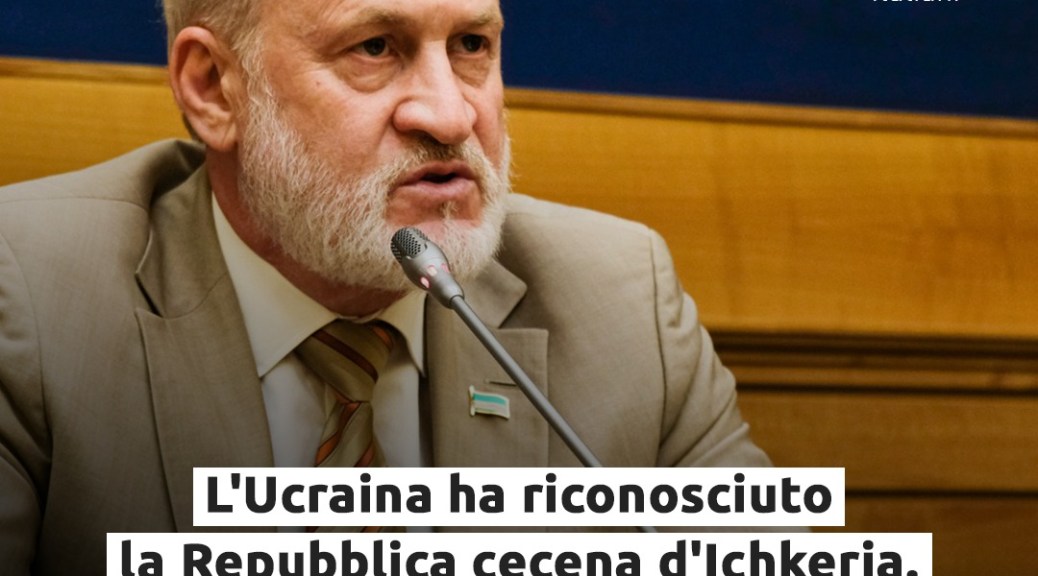



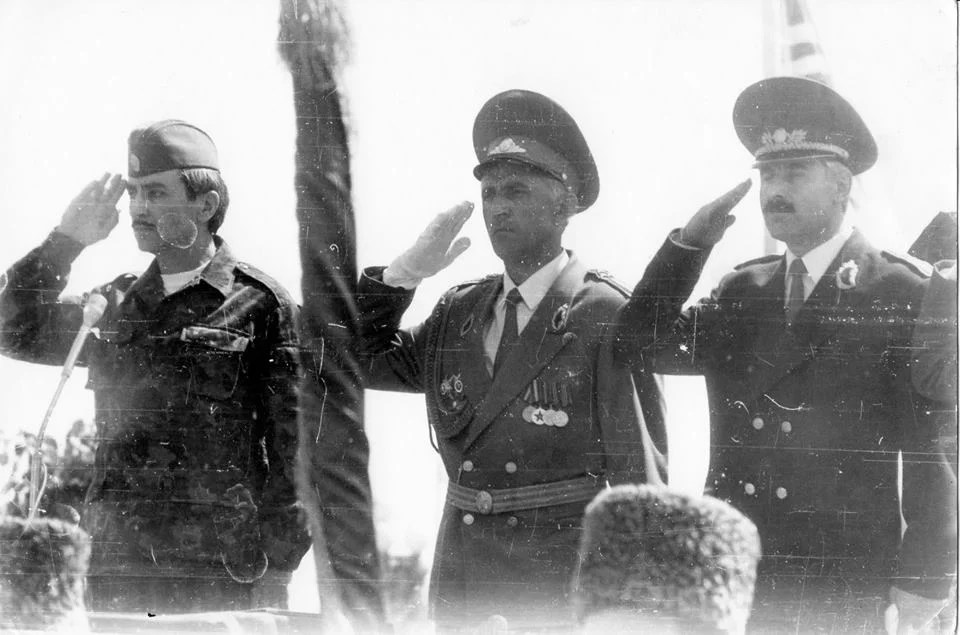
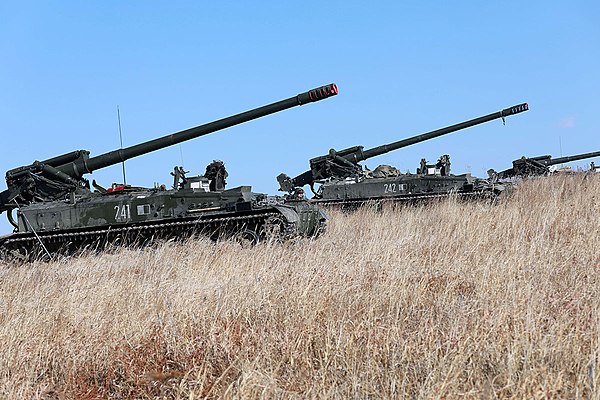


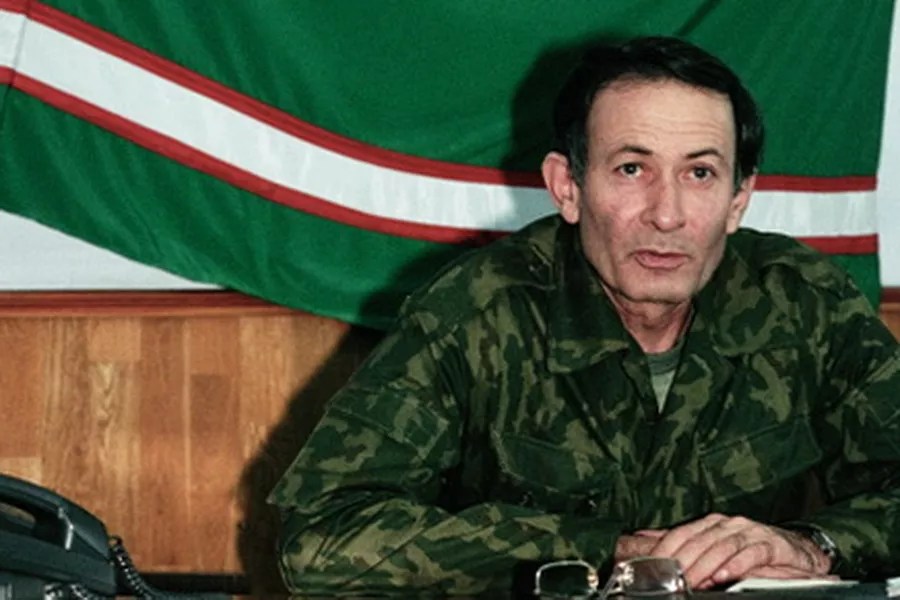
 Ichkeria Digital Archive