The following is the transcript of the first part of the interview between Francesco Benedetti and Akhmed Zakayev conducted by Inna Kurochkina for INEWS (we attach the link to the original video, which will soon be accompanied by English and Italian subtitles)
On 6 March 1996 the armed forces of the ChRI launched their first major offensive action of the conflict: the so-called “Operation Retribution”. According to what I was told by Huseyn Iskhanov, then Representative of the General Staff, the plan was conceived in Goiskoye and saw your participation, as well as that of the Chief of Staff, Maskhadov, and the Deputy Chief of Staff, Saydaev. Do you remember how you planned this operation?
Yes, of course I remember that. This, in principle, came out of the operation that we carried out to blockade the city of Urus-Martan in order to prevent elections. After this operation, my Chief of Staff Dolkhan Khadzhaev and I met with Dzhokhar Dudayev. And we suggested the option that something like this should be done. We understood that any of our actions in order to make any attempts to change this situation, the Russians needed at least three days, theoretically.
It took them three days to recover and start doing something. And then we started talking about the possibility of blocking several districts at the same time. And then Dzhokhar Dudayev said: “You see how good it is when a team works. I, he says, was with these thoughts and thought about how best and what kind of operation we should carry out.
It was then that the idea arose to carry out this operation in the city of Grozny, in the city of Dzhokhar – in the future.
And on the same day, it was decided to invite Aslan Maskhadov, Chief of the General Staff, to call him to our side, and from that time, almost two or three days after we discussed this with Dzhokhar Dudayev, we began preparations over this operation. Practically – we had our own intelligence in Grozny, we knew where each Russian unit was concentrated, and we did additional work and identified all these points where Russian units are located. Where are checkpoints, commandant’s offices, military units.
Yes, Umadi Saidaev, the late Umadi Saidaev, he was the Chief of the Operational Headquarters, and then, later, Aslan Maskhadov arrived there, and together with the Commanders of the Directions who were supposed to take part, we developed this operation.
Returning again to Operation Retribution, this was a success that the ChRI leadership chose to use more symbolically than strategically. In your memoir you recall that at the time the decision to withdraw from Grozny, despite having taken it under your control, did not please you, and that even now you maintain that what was achieved in the following August, with Operation Jihad , could have been achieved with Operation Retribution.Finally, you say: In March of 1996 we probably had the opportunity to finish the war victoriously, and then much of our recent history could have gone differently. What do you mean by this sentence? Are you alluding to the fact that Dudayev was still alive, or to the fact that the Russian presidential election had not yet been held? Or again, to something else?
I thought about the elections in Russia last, because there have never been any elections there. Yes, the very fact that Dzhokhar was alive at that time could have been of great importance, and the course of history could have been completely different if the war had ended with Dzhokhar Dudayev alive. And it is unlikely that the Russians would go for it, I also admit this, on the one hand, I admit that they would not go. They made every effort to eliminate Dzhokhar Dudayev, and subsequently to seek peace. As for this operation, I’m just sure of it. Yes, then we planned the operation for three or four days, but there was no concrete decision, such that we would leave in three days. Because Dzhokhar Dudayev arrived in Grozny, he was at my Headquarters in the city of Grozny, in my defense sector, in that part of the operation that the units under my command took part, he arrived there, and we were together last night at our headquarters. And I remember the reaction of Dzhokhar Dudayev when he learned that there was an order to leave the city, that some units had already begun to leave Grozny. He did not agree with this, because you can really assess the situation when you see the situation in the process, how it changes, and based on this you must draw conclusions and make decisions. Dzhokhar Dudayev was in Grozny for the first time after the Russian occupation, we traveled with him at night, in Grozny at night, we went to the bus station, he watched all this destruction, and when we returned to the Headquarters, some of our units had already begun to leave. He said: “Well, if there is an order, it is necessary to carry it out.”
And we retreated. And I later thought about it, because nothing more than what we did for the month of March, we did nothing in August. This operation was repeated one by one in the same way, and with the same forces and means. Even in August, we initially had and at the beginning of this operation, the funds involved were two times less than in the March operation. And therefore, I am sure that if we had stayed in Grozny … (well … history does not tolerate the subjunctive mood). What had to happen happened. But I remain of my opinion that it could have been different. But this is already from the area of \u200b\u200b”could”.
But that did not happen.
In March 1996 you faced, as commander, what was perhaps the biggest defensive battle fought by the Chechen army in 1996. I am referring to the Battle of Goiskoye. I’ve read conflicting opinions regarding the choice to face the Russians in that position. Some argue that the defense of the village was senseless, resulting in numerous unwarranted casualties for the Chechen forces. Others argue that if Goiskoye had fallen too soon intofederal hands, the entire Chechen defense system could have shattered. After all these years, what do you think?
To prevent the enemy from reaching the foothills, to block him in the village of Goyskoe, this was, from a strategic point of view, militarily an absolutely correct decision. This decision was made by the Supreme Command of the Armed Forces of the Chechen Republic of Ichkeria. Yes, I also know that there is such a statement, but based on real losses, we did not suffer any serious losses during the defense of Goisky. Yes, there were dead, several people who died were injured, but there were no such losses. There is no war without loss. Well, in a strategic sense, the protection and defense of Goisky kept the front line, which moved from Bamut to Alkhazurov. Alkhazurov fell under Russian control, but Komsomolskoye also fell under Russian control. But in Goyskoe we didn’t let them go any further. We prevented the passage of the Russians up to the foothills. And thus they retained the Front and the front line. And this was of very important strategic importance, all the more so against the background of the fact that the Russians began to talk about negotiations, about a truce. If we talk about a truce and start a conversation with them about a political dialogue, naturally, the preservation of a certain territory that we controlled, this was of great political importance, and in connection with this, Dzhokhar Dudayev made the decision to protect Goiskoye. Yes, we lasted a month and a half. And later, after the death of Dzhokhar Dudayev, when Bamut had already fallen, it was decided to leave Goiskoye. But as long as Achkhoy and Bamut were on the defensive, we held the line of defense in Goyskoye as well.
But when the front had already been interrupted there, it was pointless to continue to hold the front line and lose our fighters. And so it was decided to withdraw our units already to the mountains. Subsequently, we already redeployed closer to the city and began to prepare for the August operation.
After Dudayev’s death, power was transferred to Vice-President Yandarbiev, who took office as Interim President. Was the decision to transfer power to him unanimous? Or were there discussions about it?
In principle, there were no discussions, one vote was against, the rest all spoke in favor of recognizing Zelimkhan Yandarbiyev as Vice President. It was in line with our constitution, presidency provision, and it was accepted. And Zelimkhan Yandarbiev began to act as President.
After Yandarbiev assumed presidential powers, he appointed you as Presidential Assistant at Security. What were your duties in this position?
Yes. He appointed me Assistant to the President for National Security. And at the same time, that unit, that is, the Third Sector, which I commanded, I was simultaneously appointed Commander of the Separate Special Purpose Brigade. That is, the unit that I commanded, being the Commander of the Third Sector, he was also transferred to the Brigade, to the status of the Brigade under the President of the Chechen Republic of Ichkeria. Basically, this was done because Zelimkhan Yandarbiyev, after we retreated and put up the Presidential Palace at the beginning of the war, he was inside the Presidential Palace until the last moment, until we left the city. Since that time, in principle, Zelimkhan Yandarbiev has not been involved in military operations, and over the past year and a half, over the past year, new units have already been created and new people have appeared in these military structures. And naturally, Zelimkhan needed a person who knew this whole system militarily, and, of course, we worked with him and in the near future Zelimkhan was introduced to the course in all Directions, Fronts and our units, and already as the Supreme Commander, he Subsequently, he began to manage these processes himself. And my task included power components. And later it was transferred, after graduation this position was transferred, retrained to the position of “Secretary of the Security Council”.
And before the elections, in principle, I performed these functions.
Quella che segue è la trascrizione della seconda parte dell’intervista tra Francesco Benedetti ed Akhmed Zakayev realizzata da Inna Kurochkina per INEWS (alleghiamo il link al video originale, che presto sarà accompagnato da sottotitoli in inglese ed italiano)
Il 6 marzo 1996 le forze armate della ChRI hanno lanciato la loro prima grande azione offensiva del conflitto: la cosiddetta Operazione Retribution. Secondo quanto mi disse Huseyn Iskhanov, allora Rappresentante di Stato Maggiore, il piano fu concepito a Goiskoye e vide la sua partecipazione, oltre a quella del Capo di Stato Maggiore, Maskhadov, e del Vice Capo di Stato Maggiore, Saydaev. Si ricorda come fu pianificata questa operazione?
Sì, certo che me lo ricordo. Questo, in linea di principio, è venuto fuori dall’operazione che abbiamo effettuato per bloccare la città di Urus-Martan al fine di impedire le elezioni. Dopo questa operazione, io e il mio capo di stato maggiore Dolkhan Khozhaev ci siamo incontrati con Dzhokhar Dudayev. E abbiamo suggerito l’opzione di fare qualcosa del genere. Abbiamo capito che di fronte a qualsiasi nostra azione, per tentare di cambiare questa situazione, i russi avevano bisogno di almeno tre giorni, in teoria. Abbiamo iniziato a parlare della possibilità di bloccare più distretti contemporaneamente. E poi Dzhokhar Dudayev ha detto: “Vedi com’è bello quando una squadra lavora!” Io, dice, ero con questi pensieri e ho pensato al modo migliore e al tipo di operazione da eseguire. Fu allora che nacque l’idea di eseguire questa operazione nella città di Grozny, che in futuro si sarebbe chiamata Città di Dzhokhar. Lo stesso giorno, è stato deciso di invitare Aslan Maskhadov, capo di stato maggiore, a chiamarlo al nostro fianco, e da quel momento, quasi due o tre giorni dopo averne discusso con Dzhokhar Dudayev, abbiamo iniziato i preparativi su questa operazione. In pratica, avevamo la nostra intelligence a Grozny, sapevamo dove era concentrata ogni unità russa, abbiamo svolto un lavoro aggiuntivo e identificato tutti i punti in cui si trovano le unità russe. Dove sono i posti di blocco, gli uffici del comandante, le unità militari. Sì, Umadi Saidaev, il defunto Umadi Saidaev, era il capo del quartier generale operativo, e poi, in seguito, è arrivato lì Aslan Maskhadov, e insieme ai comandanti delle direzioni che avrebbero dovuto prendere parte, abbiamo sviluppato questa operazione.
Tornando di nuovo all’operazione Retribution, questo è stato un successo che la leadership ChRI ha scelto di utilizzare più simbolicamente che strategicamente. Nella sue memorie ricorda che all’epoca la decisione di ritirarsi da Grozny, nonostante fosse sotto il vostro controllo, non le piacque, e che ancora oggi lei ritiene che quanto realizzato nell’agosto successivo, con l’Operazione Jihad, avrebbe potuto essere raggiunto con Operazione Retribution. Infine, lei afferma: Nel marzo del 1996 probabilmente abbiamo avuto l’opportunità di concludere vittoriosamente la guerra, e in quel caso gran parte della nostra storia recente sarebbe potuta andare diversamente. Cosa intende con questa frase? Allude al fatto che Dudayev era ancora vivo, o al fatto che le elezioni presidenziali russe non si erano ancora svolte? O ancora, a qualcos’altro?
Ho pensato alle elezioni in Russia per ultima cosa, perché lì non ci sono mai state elezioni. Sì, il fatto stesso che Dzhokhar fosse vivo in quel momento avrebbe potuto essere di grande importanza, e il corso della storia sarebbe potuto essere completamente diverso se la guerra fosse finita con Dzhokhar Dudayev vivo. I russi hanno fatto ogni sforzo per eliminare Dzhokhar Dudayev e successivamente per cercare la pace. Per quanto riguarda questa operazione, ne sono proprio sicuro. Sì, allora abbiamo programmato l’operazione perché durasse tre o quattro giorni, ma non c’è stata una decisione concreta, secondo la quale ci saremmo dovuti ritirare in tre giorni. Quando Dzhokhar Dudayev è arrivato a Grozny, si sistemò nel mio quartier generale nella città di Grozny, nel mio settore della difesa, in quella parte della città in cui combattevano le unità sotto il mio comando, è arrivato lì, e la sera precedente eravamo insieme al Quartier Generale. Ricordo la reazione di Dzhokhar Dudayev quando ha saputo che c’era un ordine di lasciare la città, che alcune unità avevano già iniziato a lasciare Grozny. Non era d’accordo con questo, perché puoi davvero valutare la situazione quando vedi la situazione nel processo, come cambia, e sulla base di ciò devi trarre conclusioni e prendere decisioni. Dzhokhar Dudayev era a Grozny per la prima volta dall’occupazione russa, abbiamo viaggiato con lui di notte, a Grozny di notte, siamo andati alla stazione degli autobus, ha assistito a tutta questa distruzione e quando siamo tornati al quartier generale, alcuni dei nostri le unità avevano già iniziato a partire. Ha detto: “Bene, se c’è un ordine, è necessario eseguirlo”. E ci siamo ritirati. E poi ci ho ripensato, perché ad Agosto non abbiamo fatto niente di più di quello che avevamo fatto a marzo. Questa operazione è stata ripetuta nello stesso modo, e con le stesse forze e mezzi. E quindi, sono sicuro che se fossimo rimasti a Grozny … (beh … la storia non tollera il congiuntivo). Quello che doveva succedere è successo. Ma rimango della mia opinione che avrebbe potuto essere diverso. Questo è già dall’area del “potrebbe”. E non è successo.
Nel marzo 1996 lei ha affrontato, come comandante, quella che forse è stata la più grande battaglia difensiva combattuta dall’esercito ceceno nel 1996. Mi riferisco alla battaglia di Goiskoye. Ho letto pareri contrastanti sulla scelta di affrontare i russi in quella posizione. Alcuni sostengono che la difesa del villaggio fosse insensata, provocando numerose vittime ingiustificate per le forze cecene. Altri sostengono che se Goiskoye fosse caduto troppo presto mani federali, l’intero sistema di difesa ceceno avrebbe potuto andare in frantumi. Dopo tutti questi anni, cosa ne pensa?
Impedire al nemico di raggiungere le colline pedemontane, bloccarlo nel villaggio di Goyskoe, questa è stata, dal punto di vista strategico, militarmente una decisione assolutamente corretta. Questa decisione è stata presa dal Comando supremo delle forze armate della Repubblica cecena di Ichkeria. Sì, so anche che esiste una dichiarazione del genere, ma sulla base di perdite reali, non abbiamo subito perdite gravi durante la difesa di Goiskoye. Sì, c’erano morti, diverse persone che sono morte sono rimaste ferite, ma non ci sono state perdite del genere. Non c’è guerra senza perdita. Ebbene, in senso strategico, la protezione e la difesa di Goiskoye hanno permesso di mantenere la linea del fronte, che si sviluppava da Bamut ad Alkhazurovo. Alkhazurov era caduta sotto il controllo russo, ed anche Komsomolskoye era caduta sotto il controllo russo. Ma a Goyskoye non li abbiamo lasciati andare oltre. Abbiamo impedito il passaggio dei russi fino alle pendici. E così abbiamo mantenuto il fronte e la linea del fronte. E questo era di importanza strategica, tanto più sullo sfondo del fatto che i russi avevano iniziato a parlare di negoziati, di tregua. Nel caso di una tregua finalizzata ad un dialogo politico, naturalmente, la conservazione di un certo territorio che controllavamo, era di grande importanza, e in relazione a questo, Dzhokhar Dudayev ha preso la decisione di proteggere Goiskoye . Sì, siamo durati un mese e mezzo. E solo più tardi, dopo la morte di Dzhokhar Dudayev, quando Bamut era già caduta, si decise di lasciare Goiskoye. Ma finché Achkhoy e Bamut erano in mano nostra, mantenemmo la linea di difesa anche a Goyskoye. Quando lì il fronte fu interrotto, a quel punto fu inutile continuare a tenere posizione e perdere i nostri combattenti. E così si decise di ritirare le nostre unità in montagna. Successivamente, ci distribuimmo più vicino alla città e iniziammo a prepararci per l’operazione di agosto.
Dopo la morte di Dudayev, il potere è stato trasferito al vicepresidente Yandarbiev, che è entrato in carica come presidente ad interim. La decisione di trasferirgli il potere è stata unanime? O ci sono state discussioni a riguardo?
In linea di principio non ci sono state discussioni, solo un voto era contrario, il resto si espresse a favore del riconoscimento di Zelimkhan Yandarbiyev come vicepresidente. Era in linea con la nostra costituzione, con le disposizioni presidenziali, ed è stata accettata. E Zelimkhan Yandarbiev ha iniziato a fungere da presidente.
Dopo che Yandarbiev ha assunto i poteri presidenziali, l’ha nominata assistente presidenziale alla sicurezza. Quali erano i suoi doveri in questa posizione?
SÌ. Mi ha nominato Assistente del Presidente per la Sicurezza Nazionale. E allo stesso tempo, sono stato contemporaneamente nominato Comandante della Brigata Speciale Separata. Cioè, l’unità che ho comandato, che all’epoca era Terzo Settore, è stata elevata allo status di Brigata sotto il Presidente della Repubblica cecena di Ichkeria. Fondamentalmente, questo è stato necessario perché Zelimkhan Yandarbiyev (dopo essere rimasto con noi all’interno del Palazzo Presidenziale fino all’ultimo momento, fino a quando non abbiamo lasciato la città) non è stato più coinvolto in operazioni militari nell’anno e mezzo successivo, e in quel periodo erano state create nuove unità e nuove persone sono apparse nella gerarchia militare. E naturalmente, Zelimkhan aveva bisogno di una persona che conoscesse militarmente l’intero sistema. Abbiamo lavorato con lui e nel periodo successivo Zelimkhan è stato introdotto in tutte le direzioni, nei fronti e nelle nostre unità, e poi come comandante supremo, ha iniziato a gestire personalmente questi processi. Il mio compito era quello di raccordo [tra lui e gli ufficiali, NDR]. Poi, terminate le operazioni militari, è diventato quello di “Segretario del Consiglio di sicurezza”. Fino a prima delle elezioni, in linea di principio, svolgevo queste funzioni.
The following is the transcript of the first part of the interview between Francesco Benedetti and Akhmed Zakayev conducted by Inna Kurochkina for INEWS (we attach the link to the original video, which will soon be accompanied by English and Italian subtitles)
1. On December 6, 1994, a few days before the federal army invaded Chechnya, a delegation appointed by Dudayev went to Vladikavkaz to confer with the Russian Minister for Nationalities, Mikhailov. In your memoirs you say that a certain number of oil entrepreneurs joined the delegation led by the Minister of Economy Abubakarov. What do you think was the purpose of their presence? Is it possible that among the proposals thatthe delegation should have presented was an agreement on the exploitation of Chechen oil, or on the exploitation of Chechen refineries?
At that moment and during that period, the presence in this delegation of the Minister of Economy and Finance Abubakarov, Deputy Prime Minister Amaliyev, was not associated with any possible agreements on the operation of oil refineries. They were then our representatives and proxies of Dzhokhar Dudayev. Not only did they “join”, they were included in this delegation. And from there they went from Kizlyar to Moscow, to further study the issue of preventing military aggression from Russia, to prevent a war. Dzhokhar did everything possible to prevent the outbreak of hostilities in Chechnya. And practically our delegation was in Moscow, headed by Tyushi Amaliyev, with Abubakarov, the Minister of Finance and Economy, and when Russia began to bomb Grozny. On December 11, despite everything, Yeltsin signed a decree on the introduction of troops and the start of a military campaign. Therefore, at that moment and in that period, it was not about the operation of oil wells, or rather, the use of oil refineries, or the Chechen oil that was produced at that time.
2. At the outbreak of war you placed yourself in the service of President Dudayev, and within a few months you were given the task of setting up an autonomous front. At the time you were the Minister of Culture, certainly no one expected you to take up arms and fight a war. Why did you decide to enlist?
(laughs)
The fact is that I did not go to the service of Dudayev. I was appointed Minister of Culture of the Chechen Republic of Ichkeria by Dudayev’s decree. No one served anyone or anyone. We worked for our state, and Dzhokhar Dudayev, as president, had the authority to appoint and dismiss. My appointment was in October, when Dzhokhar Dudayev offered me to work in his team. I accepted it despite everything that happened. I just say in my book that for me there was no difference, it was absolutely obvious that there would be a war. And I told to Dzhokhar: “Dzhokhar, it makes no difference to me in whose capacity I will defend our fatherland, my place is here, with my people. Whether a janitor, whether a minister .. ” And Dzhokhar then said, I remember his words, I just wrote about it. He said: “No, there will be no war. The world will not allow this. I won’t allow it. There will be no war, we need to do creative work. And your place is exactly in this direction. And so you must accept my offer.” I accepted this offer. I returned to the republic, and already on the first day, November 18, I officially went to work, and on November 26 the war began. In principle, this is the first invasion of Russian troops under the pretext of the “Chechen opposition” into the city of Grozny, where they were defeated.
And now for the second part of the question. The fact is that according to our legislation, I think that it is the same in Italy, the same laws, members of the Government, if a war starts, they become liable for military service, regardless of their positions. Culture, or art, it doesn’t matter, everyone becomes liable for military service. I, in principle, before I was appointed commander of the seventh front, I joined the people’s militia. I remember that day, December 28, when my office of the Ministry of Culture, in the Mayor’s Office building, was bombed, and on the same day I… There were people on the square who signed up as volunteers for the people’s militia. I signed up for this people’s militia, and only on January 11, Dzhokhar recalled me from my position as Minister of Culture, because a meeting of the Government was scheduled. And I returned from my positions to the Government meeting on January 11. And on this day Dzhokhar entrusted me with another task, I also wrote about this in my memoirs, and later, already in March, when the city was abandoned and we retreated to the foothills, at that time Dzhokhar signed the Decree on the creation of the Seventh Front and appointed me Commander. That is, we began to form this front, in general, from scratch.
3. After the fall of Grozny in Russian hands, and the withdrawal of the Chechen forces on the mountain defense line, the government was reorganized in order to make up for the defections of some senior officials, but also to function more streamlined in a context of total war. This “war government” continued to function throughout theduration of the conflict, and overcame the death of Dudayev, placing itself at the disposal of the Interim President, Yandarbiev. How did this government operate, and how did it manage to meet, to keep in touch with the President?
The Military Government, what you call the Military Government, was the State Defense Committee, which was formed by Presidential Decree when the military aggression began. And this body was the Supreme State Organ. Parliament stopped its legislative activity. The government had already been transferred to a military footing, and the State Defense Committee was formed as the Supreme Body of State Power. It included members of the Government, members of Parliament, the Leading Military Command represented by the General Staff, and Commanders of Fronts and Directions. And this Government functioned all this period. How were the meetings? Naturally, we all knew where the Supreme Commander-in-Chief was located, in which part of the republic. And periodically he convened a meeting of the State Defense Committee, and we discussed issues related to the continuation of resistance, with defense. Questions of a military nature were discussed in connection with the preparation of military operations or attacks on enemy territory.
All these points were discussed at the meeting of the State Defense Committee, and it functioned very effectively. It was a small number of people, but they were people who were directly involved in all processes – political, military, economic issues. These questions were also not the last ones, because providing the units with the necessary provisions, this was also within the competence, the questions of the State Defense Committee. And all these issues were discussed and functioned very effectively due precisely to the fact that Dzhokhar Dudayev did not go into deep underground, into forests, into the mountains, where it would be impossible to get him, he held personal meetings with all units, not only with the State Defense Committee but also with military units. He went to the front line, to the front line, met with ordinary soldiers. And now all our defense and all our resistance fighters, they all took a very responsible attitude to which side Dzhokhar Dudayev was on. I mean, along the front line, where active hostilities are taking place, the soldiers knew that behind them, behind their shoulders, there was already the Headquarters of the Supreme Commander. Or they disputed, along the Argun River, when he crossed over to the other side, those parts of the resistance, the Armed Forces took it for pride, proudly announced that the Supreme Commander was now on our side of the front. There was a very friendly atmosphere. When I remember these times, this period, despite all the difficulties that we then experienced, there was a war, but the people were different. We were different. The Chechens were completely different. They were different from today’s Chechens, who live in the territory and who are outside. And all this was connected, I think, with the fact that we were under Soviet occupation for seventy years, and for the first time we had a chance to build our own state. Independent state. And now the leader of this movement and the state, and later the leader of the Defense and the leader of the national liberation movement, he inspired in many ways and not only the fighters, but the entire Chechen people to resist and repel aggression. These were simply amazing times in the history of the Chechen people, when the whole people actually accomplished a feat. It was thanks to the feat of the Chechen people that we managed then to preserve both the power structures and what we were doing. And basically win.
4. Between March and May 1995, according to what you refer in your memoirs, you were in charge of setting up, in record time and with almost non-existent resources, the so-called “Seventh Front” south of Urus – Martan, which would serve as a point of contact between the stronghold of Bamut and the rest of the Chechen deployment. In your book you tell how the Seventh Front was born. Could you explain how it developed, which units made it up, and which operations it carried out until June 1995?
This happened in March, Dzhokhar Dudayev signed a decree. By this time, all our units had moved to the foothills, when the flat part was already mainly under the control of the Russian aggressors, and the foothills remained, starting from Bamut and to Alkhazurov, in this direction, and there further up, to the Grozny region, Chishki, Dacha Borzoi. This side was not yet occupied by the Russians, and it was necessary to create a unified defense in this direction, from Bamut to Alkhazurov. And the consciousness of the Seventh Front, and the task of the Seventh Front, was precisely this. And it practically turned out basically, this is the so-called Urus – Martanovsky district, it was believed that this area was loyal to Russia, the Russian aggressors, because the occupation regime functioned there, the occupation power structures, headed by Yusup Elmurzaev, the then prefect, who was appointed occupation mode. The creation of this front and the main task was the creation of military bases in the three gorges. These are Martan Chu, Tangi Chu, Roshni Chu. It was in these three gorges that we formed three military bases in just a few months. Although at the time when the decree was signed, there were practically no military units there. There were only militias, people who were part of the people’s militia, but there was no centralized command, and we in a short time, from those units, from those people’s militias that were then in this region, we created this Seventh Front, and a centralized military unit, under the centralized command of the Supreme Commander-in-Chief Dzhokhar Dudayev. Subsequently, this Seventh Front was already transformed into Sectors – the South-Western Front and Three Sectors – the First, Second, Third Sector. These sectors were under my responsibility.
Later I was in charge of the Third Sector of the Southwestern Front. Speaking by surname, these are, in principle, our young middle-level commanders, Dokka Makhaev, Dokka Umarov, Khamzat Labazanov, Isa Munaev, all these guys … Akhyad (I will not name him by his last name, because he is alive and is on the territory), Khusein Isabaev, these guys, then the middle link of commanders who headed these Sectors, and this Direction. Although it was already such a single military unit, which was part of the Armed Forces and had already been structured into the General Staff of the Armed Forces of the CRI.
5. In the spring of 1995 you could consider yourself one of the main army officers of the ChRI, therefore you were definitely monitored by the FSB, and by the intelligence of the Russian army. How did federal forces try to stop you and other senior officers from participating in the resistance? And how did you manage to evade Russian attempts to track you down?
First of all, God protected us. And, secondly, it is the Chechens and the Chechen people. We were at home. We were in our native villages, in our native settlements. And of course, the Chechen people, in fact, were the main protection of those who were then in the Armed Forces. And President Dzhokhar Dudayev, you know, the republic is small, all this time he was among the Chechens, he was in different settlements, and every village where the fighters stopped, although there were also opposition-minded and cowardly people, but in general, our supporters, supporters and independence, and those who supported our national liberation movement, they were much stronger and were much more numerous. They managed to prevent both assassination attempts and those ambushes that set not only me, but also those who were then involved and were listed in the ranks, as you said, in the highest composition of the Command, and all of them were protected by the Chechen people. And, of course, not everything was under the control of either the FSB or the Russians. Life and death are in the hands of God. And those reasons, those actions that were taken by us in order to survive, and what the Chechens did with us, the Chechen people, protecting their commanders, people who defended their homeland, their fatherland and themselves.
Quella che segue è la trascrizione della prima parte dell’intervista tra Francesco Benedetti ed Akhmed Zakayev realizzata da Inna Kurochkina per INEWS (alleghiamo il link al video originale, che presto sarà accompagnato da sottotitoli in inglese ed italiano)
1. Il 6 dicembre 1994, pochi giorni prima che l’esercito federale invadesse la Cecenia, una delegazione nominata da Dudayev si recò a Vladikavkaz per conferire con il ministro russo per le Nazionalità, Mikhailov. Nelle sue memorie lei dice che un certo numero di imprenditori petroliferi si è unito alla delegazione guidata dal ministro dell’Economia Abubakarov. Quale pensa fosse lo scopo della loro presenza? È possibile che tra le proposte che la delegazione avrebbe dovuto presentare ci fosse un accordo sullo sfruttamento del petrolio ceceno o sullo sfruttamento delle raffinerie cecene?
In quel momento e durante quel periodo, la presenza in questa delegazione del Ministro dell’Economia e delle Finanze Abubakarov, e del Vice Primo Ministro Amaliyev, non era associata ad alcun possibile accordo sul funzionamento delle raffinerie di petrolio. Erano i nostri rappresentanti e delegati di Dzhokhar Dudayev. Non solo hanno “aderito”, ma sono stati inclusi in questa delegazione. E da lì sono andati da Kizlyar a Mosca, per approfondire la questione della prevenzione dell’aggressione militare dalla Russia, per prevenire una guerra. Dzhokhar ha fatto tutto il possibile per prevenire lo scoppio delle ostilità in Cecenia. E praticamente la nostra delegazione era a Mosca, guidata da Tyushi Amaliyev, con Abubakarov, il ministro delle finanze e dell’economia, quando la Russia ha iniziato a bombardare Grozny. L’11 dicembre, nonostante tutto, Eltsin ha firmato un decreto sull’introduzione delle truppe e l’inizio di una campagna militare. Quindi, in quel momento e in quel periodo, non si trattava del funzionamento dei pozzi petroliferi, o meglio, dell’utilizzo delle raffinerie di petrolio, o del petrolio ceceno che si produceva in quel momento.
2. Allo scoppio della guerra lei si è messo al servizio del presidente Dudayev e nel giro di pochi mesi le è stato affidato il compito di allestire un fronte autonomo. All’epoca lei era Ministro della Cultura, di certo nessuno si aspettava che prendesse le armi e facesse la guerra. Perché ha deciso di arruolarsi?
(ride)
Il fatto è che non sono andato al servizio di Dudayev. Sono stato nominato ministro della cultura della Repubblica cecena di Ichkeria con decreto di Dudayev. Nessuno ha servito nessuno. Abbiamo lavorato per il nostro stato e Dzhokhar Dudayev, in qualità di presidente, aveva l’autorità di nominare e revocare. La mia nomina fu in ottobre, quando Dzhokhar Dudayev mi ha offerto di lavorare nella sua squadra. L’ho accettata nonostante tutto quello che è successo. Dico solo nel mio libro che per me non c’era differenza, era assolutamente ovvio che ci sarebbe stata una guerra. E ho detto a Dzhokhar: “Dzhokhar, non fa differenza per me in quale veste difenderò la nostra patria, il mio posto è qui, con la mia gente. Come un bidello, o come un ministro .. ” Dzhokhar ha poi detto, ricordo le sue parole, ne ho appena scritto. Egli ha detto: “No, non ci sarà nessuna guerra. Il mondo non lo permetterà. Non lo permetterò. Non ci sarà la guerra, dobbiamo fare un lavoro creativo. E il tuo posto è esattamente in questa direzione. E quindi devi accettare la mia offerta. Ho accettato questa offerta. Sono tornato nella repubblica e già il primo giorno, il 18 novembre, sono andato ufficialmente a lavorare e il 26 novembre è iniziata la guerra.
In linea di principio, questa è la prima invasione delle truppe russe con il pretesto della ‘”opposizione cecena” nella città di Grozny, dove furono sconfitte. E ora per la seconda parte della domanda. Il fatto è che secondo la nostra legislazione, penso che sia lo stesso in Italia, i membri del governo, se inizia una guerra, diventano responsabili del servizio militare, indipendentemente dalla loro posizione. Cultura, o arte, non importa, tutti diventano responsabili del servizio militare. Io, in linea di principio, prima di essere nominato comandante del settimo fronte, mi sono unito alla milizia popolare. Ricordo quel giorno, il 28 dicembre, quando fu bombardato il mio ufficio del Ministero della Cultura, nel palazzo del Sindaco, e lo stesso giorno io… C’era gente in piazza che si arruolava volontaria nella milizia popolare. Mi sono iscritto alla milizia e solo l’11 gennaio Dzhokhar mi ha richiamato dalla carica di ministro della Cultura, perché era prevista una riunione del governo. E sono tornato dalle mie posizioni alla riunione del governo l’11 gennaio. E in questo giorno Dzhokhar mi ha affidato un altro compito, ne ho scritto anche nelle mie memorie, e poi, già a marzo, quando la città è stata abbandonata e ci siamo ritirati a piedi, a quel tempo Dzhokhar firmò il Decreto sulla creazione del Settimo Fronte e mi nominò Comandante. Cioè, abbiamo iniziato a formare questo fronte, in generale, da zero.
3. Dopo la caduta di Grozny in mano russa, e il ritiro delle forze cecene sulla linea di difesa della montagna, il governo è stato riorganizzato per sopperire alle defezioni di alcuni alti funzionari, ma anche per funzionare in modo più snello in un contesto di guerra totale. Questo “governo di guerra” ha continuato a funzionare per tutto il durata del conflitto, e superò la morte di Dudayev, mettendosi a disposizione del Presidente ad interim, Yandarbiev. Come ha operato questo governo, e come è riuscito a incontrarsi, a tenersi in contatto con il Presidente?
Il Governo Militare, quello che tu chiami il Governo Militare, era il Comitato di Difesa dello Stato, formatosi con Decreto Presidenziale quando iniziò l’aggressione militare. E questo corpo era l’organo supremo dello Stato. Il Parlamento ha interrotto la sua attività legislativa. Il governo era già stato trasferito su una base militare e il Comitato di difesa dello Stato era stato formato come Organo supremo del potere statale. Comprendeva membri del Governo, membri del Parlamento, il Comando Militare Principale rappresentato dallo Stato Maggiore Generale, i Comandanti di Fronti e Direzioni. E questo governo ha funzionato per tutto questo periodo. Come sono stati gli incontri? Naturalmente, sapevamo tutti dove si trovava il comandante in capo supremo, in quale parte della repubblica. E periodicamente convocava una riunione del Comitato per la difesa dello Stato, e discutevamo questioni relative alla continuazione della resistenza. Sono state discusse questioni di natura militare in relazione alla preparazione di operazioni militari o attacchi al territorio nemico. Tutti questi punti sono stati discussi durante la riunione del Comitato per la difesa dello Stato, che ha funzionato in modo molto efficace. Era un piccolo numero di persone, ma erano persone direttamente coinvolte in tutti i processi: questioni politiche, militari, economiche. Questi compiti non erano gli unici che avevamo, perché dovevamo anche fornire alle unità le disposizioni necessarie, anche questo era di competenza del Comitato per la difesa dello Stato. E tutte queste questioni sono state discusse e hanno funzionato in modo molto efficace proprio per il fatto che Dzhokhar Dudayev non è andato sottoterra, nelle foreste, nelle montagne, dove sarebbe stato impossibile rintracciarlo, ma ha tenuto incontri personali con tutte le unità, no solo con il Comitato di Difesa dello Stato ma anche con le unità militari. È andato in prima linea, al fronte, ha incontrato soldati ordinari. E tutta la nostra difesa e tutti i nostri combattenti della resistenza, hanno assunto un atteggiamento molto responsabile perché dietro di loro c’era Dzhokhar Dudayev. Voglio dire, lungo la linea del fronte, dove si svolgevano le ostilità attive, i soldati sapevano che dietro di loro, dietro le loro spalle, c’era già il quartier generale del comandante supremo.
Quando [Dudaev] attraversava l’Argun, andando dall’altra parte, le Forze Armate [che operavano lì] hanno annunciato con orgoglio che il Comandante Supremo era ora dalla loro parte del fronte. C’era un’atmosfera molto amichevole. Quando ricordo questi tempi, questo periodo, noto che nonostante tutte le difficoltà che abbiamo vissuto allora, c’era una guerra, ma le persone erano diverse. Eravamo diversi. I ceceni erano completamente diversi. Erano diversi dai ceceni di oggi, quelli che vivono nel territorio e quelli che sono fuori. E tutto ciò era collegato, credo, al fatto che siamo stati sotto l’occupazione sovietica per settant’anni e per la prima volta abbiamo avuto la possibilità di costruire il nostro stato. Stato indipendente. E il leader di questo movimento e dello stato, e in seguito il leader della Difesa e il leader del movimento di liberazione nazionale, ha ispirato in molti modi e non solo i combattenti, ma l’intero popolo ceceno a resistere e respingere l’aggressione. Erano tempi semplicemente fantastici nella storia del popolo ceceno, quando l’intero popolo ha effettivamente compiuto un’impresa. È stato grazie all’impresa del popolo ceceno che siamo riusciti a preservare le strutture di potere che ciò che stavamo costruendo. E fondamentalmente a vincere.
4. Tra marzo e maggio 1995, secondo quanto lei riferisce nelle sue memorie, lei si è occupato di allestire, a tempo di record e con mezzi pressoché inesistenti, il cosiddetto “Settimo fronte” a sud di Urus – Martan, che avrebbe dovuto essere il punto di contatto tra la roccaforte di Bamut e il resto dello schieramento ceceno. Nel suo libro racconta di come è nato il Settimo Fronte. Potrebbe spiegarci come si è sviluppato, quali unità lo componevano e quali operazioni ha svolto fino al giugno 1995?
Questo è successo a marzo, Dzhokhar Dudayev ha firmato un decreto. A questo punto tutte le nostre unità si erano spostate ai piedi delle montagne, perchè la parte pianeggiante era già principalmente sotto il controllo degli aggressori russi, e rimanevano i contrafforti, a partire da Bamut e ad Alkhazurovo, in questa direzione, e lì più in alto, verso la regione di Grozny, a Chishki, a Dacha Borzoi. Questa parte non era ancora occupata dai russi, ed era necessario creare una difesa unificata in questa direzione, da Bamut ad Alkhazurovo. E lo scopo del Settimo Fronte, il compito del Settimo Fronte, era proprio questo. Questo è il cosiddetto distretto di Urus – Martanovsky. Si credeva che quest’area fosse fedele alla Russia, agli aggressori russi, perché lì funzionava il regime di occupazione, le strutture del potere di occupazione, guidate da Yusup Elmurzaev, l’allora prefetto, che fu nominato dalle autorità di occupazione. Il compito principale di questo fronte era la creazione di basi militari in tre gole: Martan Chu, Tangi Chu, Roshni Chu. Fu in queste tre gole che in pochi mesi formammo tre basi militari. Sebbene al momento della firma del decreto, non vi fossero praticamente unità militari (c’erano solo milizie, persone che facevano parte della milizia popolare, ma non c’era un comando centralizzato) noi in breve tempo, da quelle unità, da quelle milizie popolari che erano allora in questa regione, creammo questo Settimo Fronte, e un’unità militare centralizzata, sotto il comando del Comandante in Capo Supremo Dzhokhar Dudayev. Successivamente, questo Settimo Fronte fu trasformato in Settori del Fronte Sud-Occidentale: Il Primo, il Secondo, e ilTerzo Settore. Questi settori erano sotto la mia responsabilità. Successivamente sono stato responsabile del Terzo Settore del Fronte Sudoccidentale. Citando i cognomi, questi sono, in linea di massima, i nostri giovani comandanti di medio livello, Dokka Makhaev, Dokka Umarov, Khamzat Labazanov, Isa Munaev, questi ragazzi …
Akhyad (non lo chiamerò con il suo cognome, perché è vivo ed è sul territorio), Khusein Isabaev, erano questi ragazzi l’anello intermedio dei comandanti che guidavano questi settori e questa direzione. Sebbene fosse già un’unica unità militare, che faceva parte delle Forze Armate ed era già stata strutturata nello Stato Maggiore delle Forze Armate della CRI.
5. Nella primavera del 1995 lei poteva considerarsi uno dei principali ufficiali dell’esercito della ChRI, ed era sicuramente monitorato dall’FSB e dall’intelligence dell’esercito russo. In che modo le forze federali hanno cercato di impedire a lei e ad altri alti ufficiali di partecipare alla resistenza? E come siete riusciti a eluderle?
Prima di tutto, Dio ci ha protetti. E, in secondo luogo, sono stati i ceceni e il popolo ceceno. Eravamo a casa. Eravamo nei nostri villaggi nativi, nei nostri insediamenti nativi. E, naturalmente, il popolo ceceno era la principale protezione di coloro che erano allora nelle forze armate. E il presidente Dzhokhar Dudayev, sai, la repubblica è piccola, per tutto questo tempo è stato tra i ceceni, era in diversi insediamenti, in ogni villaggio dove i combattenti si sono fermati, anche se c’erano anche persone di mentalità opposta e codarde. Ma in generale, i nostri sostenitori, sostenitori e indipendenza, e coloro che hanno sostenuto il nostro movimento di liberazione nazionale, erano molto più forti ed erano molto più numerosi. Riuscirono a sventare sia i tentativi di assassinio che quegli agguati che tesero non solo me, ma anche coloro che allora furono coinvolti ed erano inseriti nei ranghi, come hai detto, nella più alta composizione del Comando. Tutti erano protetti dal Popolo ceceno. E, naturalmente, non tutto era sotto il controllo né dell’FSB né dei russi. La vita e la morte sono nelle mani di Dio. E quelle ragioni, quelle azioni che sono state intraprese da noi per sopravvivere, e cosa hanno fatto i ceceni con noi, il popolo ceceno, proteggendo i loro comandanti, le persone che hanno difeso la loro patria, la loro patria e se stesse.
Oggi pubblichiamo un secondo estratto dal secondo volume di “Libertà o Morte! Storia della Repubblica Cecena di Ichkeria”, nel quale si parla della genesi degli Accordi di Nazran del Giugno 1996.
DA MOSCA A NAZRAN
Il 16 aprile 1996, pochi giorni prima che Dudaev fosse ucciso, si era tenuto un congresso delle principali anime politiche della Cecenia. Si erano riuniti 26 movimenti e 12 partiti politici, ed al congresso avevano partecipato Maskhadov in veste ufficiale per il governo della Repubblica di Ichkeria ed i rappresentanti di Khasbulatov per l’opposizione antidudaevita. Il documento che ne era venuto fuori conteneva la proposta di una moratoria sulle azioni militari, l’apertura di negoziati ai massimi livelli tra Russia e Cecenia, lo svolgimento di nuove elezioni parlamentari. Zavgaev fu volutamente escluso dagli inviti, non partecipò alle attività dell’assemblea e venne considerato come un semplice funzionario di Mosca. Eltsin aveva bisogno proprio di un documento del genere in quel momento. I ceceni capirono che incoraggiare Elstin avrebbe potuto portare ad una effettiva fine delle ostilità, e Yandarbiev dichiarò di essere disposto a iniziare negoziati formali, a condizione che sul piatto fosse posto il ritiro delle forze russe. Come segno di buona volontà il nuovo presidente ordinò il rilascio di 40 prigionieri, catturati durante l’Operazione Retribution. Altri 32 furono rilasciati una settimana dopo. Per parte sua, Maskhadov sostenne la posizione di Yandarbiev, dichiarando di essere disposto ad intavolare immediatamente trattative con il Generale Tikhomirov riguardanti un effettivo cessate – il – fuoco. In un primo momento la leadership dell’esercito federale, rappresentata in primo luogo proprio da Tikhomirov, non sembrò mostrarsi ricettiva: avendo avuto notizia che Eltsin si sarebbe presto recato in Cecenia, e volendo mostrare al presidente di avere la situazione militare sotto controllo, l’alto ufficiale russo ordinò una serie di rabbiosi attacchi contro il villaggio di Goiskoye e gli insediamenti alla periferia di Urus – Martan, provocando ampie distruzioni e ulteriori perdite da entrambe le parti, senza tuttavia ottenere risultati concreti: anzi, il 10 Maggio forze cecene tesero un’imboscata ad una colonna blindata nei pressi di Mesker – Yurt, alla periferia meridionale di Argun, costringendola ad un repentino ripiegamento. Più fortunate furono le operazioni lanciate contro le roccaforti occidentali: nel corso della seconda metà di Maggio caddero Starye Achkhoy, Yandi e Bamut (di queste battaglie parleremo più avanti). Questi parziali successi spinsero Tikhomirov a dichiarare, con ingiustificata pomposità, che non ci fossero più grandi sacche di resistenza delle formazioni armate di Dudayev e che tale evidenza avrebbe favorito negoziati senza alcuna condizione[1].
Zelimkhan Yandarbiev
Il 23 maggio, finalmente, fu annunciato che Yandarbiev era stato invitato a Mosca per porre fine alla guerra. Il 27 Yandarbiev raggiunse l’aereoporto inguscio di Sleptovskaya accompagnato da una nutrita scorta armata, e da qui volò fino alla capitale russa. Insieme a lui c’erano Akhmed Zakayev, Khozh – Akhmed Yarikhanov e, Movladi Ugudov, oltre ad altri funzionari[2], tra i quali alcuni rappresentanti dell’OSCE. Quando la delegazione cecena raggiunse il Cremlino, Yandarbiev ed i suoi entrarono nella sala del negoziato da una porta laterale, trovandosi faccia a faccia con la rappresentanza del governo filorusso, Zavgaev in testa, che stava entrando dalla parte opposta. Quando entrambe le delegazioni furono una di fronte all’altra, dalla porta centrale apparve Eltsin. Era chiaro che questi intendeva presentarsi alle parti come il “mediatore” che avrebbe risolto un “conflitto interno” alla repubblica cecena. Eltsin si sedette a capotavola, invitando le parti a sedersi sui lati del tavolo. Ma Yandarbiev si rifiutò di assecondarlo, finché Eltsin non avesse accondisceso a prendere il posto di Zavgaev, riconoscendosi come una parte in causa e non come un giudice super partes. Davanti al folto gruppo di inviati accorsi a riprendere l’evento, il Presidente ad interim della Repubblica Cecena di Ichkeria dichiarò: Sono venuto ad incontrare il Presidente russo, non alla riunione di una commissione. Avete capito? Eltsin oppose resistenza, rispondendo: Mettiamoci a parlare: non siamo pari a lei, indicando una sedia alla sua sinistra. Avvicinatosi fin quasi a toccarlo, Yandarbiev rispose: Anche se non siamo pari, dobbiamo decidere, rimanendo in piedi davanti al presidente russo, il quale, sempre più stizzito, insisteva: Si sieda! Si sieda! All’ordine di Eltsin il presidente ceceno rispose: Boris Nikolaevic, se lei usa questo tono con me, io non mi siederò! Messo l’avversario sulla difensiva, Yandarbiev riprese: Parliamo a tu per tu! Al rifiuto di Eltsin, tra gli sguardi imbarazzati dei funzionari del Cremlino, e nel silenzio della delegazione del governo Zavgaev, il leader indipendentista rispose: Allora non parleremo affatto. Io non mi siedo. Basta! E poi, volgendogli le spalle: Non tollero azioni del genere. Di fronte all’imbarazzo dei russi, Yandarbiev chiese che Zavgaev ed i suoi delegati abbandonassero il tavolo. Eltsin replicò: ci sono documenti da firmare, li firmerà lui, indicando Zavgaev. L’altro, prontamente, rispose: se non ci troveremo d’accordo, non firmeremo alcun documento. Il presidente russo rispose che un documento doveva assolutamente essere firmato: bisogna mettere termine allo spargimento di sangue, bisogna porre fine alla guerra. In questo modo palesò all’altro il suo assoluto bisogno di chiudere quell’incontro con la firma di un documento politico. E a quel punto fu chiaro a Yandarbiev che il suo avversario era sul punto di cedere. Io voglio parlare con lei. Lo incalzò. Penso che sarà lei a trarne vantaggio. Dopo alcuni minuti di confusione, Eltsin si alzò dal capotavola, si sedette dal lato di Zavgaev ed invitò Yandarbiev a sedersi. I ceceni l’avevano spuntata: ora il negoziato sarebbe stato tra Russia ed Ichkeria.
Yandarbiev discute con Eltsin il 27 Maggio 1996
La scena fu ripresa dalle TV di tutto il mondo, e fu piuttosto imbarazzante per il Presidente russo. Sul momento questi incassò il colpo, ma il suo piano aveva appena iniziato a svilupparsi: mentre i colloqui sul cessate il fuoco andavano avanti, Eltsin volò a Grozny, lasciando il Primo Ministro, Chernomyrdin, alle prese con un ignaro Yandarbiev. I negoziati portarono alla firma congiunta di un documento che impegnava le parti a cessare tutte le operazioni dalla mezzanotte del 1 Giugno 1996 e ad organizzare un nuovo round di negoziati nella capitale del Daghestan, Makhachkala. Nel frattempo, mentre il presidente ceceno ed il premier russo firmavano un accordo di pace, il Presidente russo si mostrò nella capitale cecena per una fugace visita elettorale di quattro ore, proclamando la vittoria delle forze russe, e dichiarando che ben presto le poche unità indipendentiste rimaste sarebbero state liquidate. Poi, durante il viaggio di ritorno, dichiarò che la sua visita era servita a dimostrare che la Cecenia è parte della Russia, e di nient’altro. Fu una vigliaccata che Yandarbiev non gli perdonò, oltre che una inutile e pomposa menzogna. Di fatto Yandarbiev si trovò ad essere l’ostaggio dietro al quale Eltsin poté volare in Cecenia garantendosi l’incolumità personale[3]. Ad ogni modo, il 2 Giugno il Comitato di Difesa dello Stato confermò gli Accordi di Mosca, modificando unicamente la sede del secondo ciclo di colloqui da Makhachkala a Nazran, in Inguscezia. Il 6 Giugno questi ripresero sotto il patrocinio del presidente inguscio Ruslan Aushev. Capi delle rispettive delegazioni erano il Ministro delle Nazionalità russo, Mikhailov, ed il Capo di Stato Maggiore delle forze armate cecene, Maskhadov, accompagnato da Said – Khasan Abumuslimov, nuovo Vicepresidente della Repubblica Cecena di Ichkeria, appena nominato da Yandarbiev[4].
Mandatory Credit: Photo by Yuri Kochetkov/EPA/Shutterstock (8489593a) Ingush President Ruslan Aushev
I negoziati non iniziarono nel migliore dei modi, giacché subito dopo il loro inizio la cittadina di Shali fu oggetto di un attacco, durante il quale furono catturati 14 tra funzionari e poliziotti del governo filorusso. Non è chiaro cosa successe precisamente, fatto sta che il Generale Shamanov, al comando delle unità schierate in quel settore, pose sotto assedio la cittadina. Per rappresaglia, i ceceni assediarono un avamposto della milizia dipendente dal Ministero dell’Interno presso il villaggio di Shuani, catturando 27 militari. Di nuovo si materializzò l’impasse che aveva fatto naufragare i negoziati l’anno precedente, e nonostante le delegazioni giunte a Nazran avessero già concordato un cessate – il – fuoco permanente ed il progressivo ritiro delle truppe federali entro la fine di Agosto, la parte russa dichiarò di non essere intenzionata a portare avanti il ritiro a causa della scarsa collaborazione offerta dalla parte cecena. Ci vollero un paio di giorni prima che il clima si distendesse a sufficienza da far riprendere i negoziati, i quali proseguirono sul blocco delle questioni politiche. Maskhadov chiese, ed ottenne, la promessa che entro il 1 Luglio le forze federali abbandonassero il paese, e che Mosca accettasse la costituzione di un governo di unità nazionale che traghettasse il paese a nuove elezioni. A tal proposito, Mikhailov si impegnò a garantire che nessuna consultazione elettorale si sarebbe tenuta finché le forze di Mosca non avessero completato il loro ritiro. Questo tema era considerato fondamentale dagli indipendentisti, ed era tanto più caldo in quanto il premier filorusso, Zavgaev, che a Mosca, durante le trattative tra Yandarbiev ed Eltsin, era stato pubblicamente degradato a fantoccio dei Russi, intendeva consolidare la sua posizione con un nuovo voto popolare, ed aveva indicato per il 16 Giugno la data della nuova consultazione, in contemporanea con le elezioni presidenziali russe, il cui appuntamento era stato il principale motore della riapertura dei negoziati da parte di Eltsin. Qualora le elezioni si fossero svolte prima del ritiro, Zavgaev avrebbe avuto più chances di mettere in angolo i nazionalisti i quali, molto probabilmente, avrebbero boicottato la tornata. La vittoria elettorale avrebbe permesso al Capo della Repubblica Cecena di presentarsi alle parti come l’unico in grado di costituire un governo di unità nazionale, potendo così amministrare il passaggio di consegne tra Mosca e Grozny e tenere lontani dal potere Yandarbiev e Maskhadov. Una convincente tornata elettorale, infine, avrebbe dissipato le sempre più minacciose nubi che si addensavano sul suo esecutivo, sempre più nel mirino degli inquirenti a causa di certi ammanchi finanziari dei quali, al momento, Zavgaev non sapeva rendere conto. Da tempo infatti la procura federale portava avanti indagini sui flussi che dalle casse dello Stato transitavano attraverso numerose banche commerciali, e da queste finivano nelle disponibilità dei dicasteri ceceni deputati alla ricostruzione del paese, in particolare nelle mani dell’ex sindaco di Grozny, Bislan Gantamirov. Su di lui pesavano le accuse di aver dirottato miliardi di rubli destinati alla ricostruzione verso il riarmo della propria milizia personale. Come abbiamo visto, Gantamirov era già stato sindaco della città una prima volta, quando era allineato sulle posizioni degli indipendentisti, tra il 1991 ed il 1993, ed anche in quell’occasione era finito sotto l’occhio della magistratura per malversazione di quote petrolifere. Le accuse della procura federale sembravano ricalcare in maniera speculare quelle rivoltegli a suo tempo dalla procura repubblicana. Un’elezione popolare avrebbe forse attenuato il crescente astio che montava tra la popolazione di Grozny verso il suo governo, già di per sé debole a causa della presenza pervasiva dell’esercito federale, e ora accusato apertamente di essere corrotto. I dudaeviti ovviamente contestavano la proposta di Zavgaev, ed a Nazran Maskhadov dichiarò che i suoi non avrebbero preso parte alle elezioni e che non le avrebbero in alcun modo riconosciute ma anzi, che qualora esse non fossero state annullate entro il 12 Giugno, avrebbero ripreso le ostilità contro le truppe federali ancora presenti in Cecenia.
Aslan Maskhadov (Photo by Oleg Nikishin/Getty Images)
Il 10 giugno Maskhadov ed il Comando militare russo giunsero ad un accordo, che Mikhailov non esitò a definire l’ultima possibilità e, forse, l’unica opportunità di pace[5]: i federali avrebbero tolto l’assedio ai villaggi sotto attacco entro il 7 Luglio, ed in cambio i ceceni avrebbero consegnato le loro armi entro il 7 Agosto. Al termine della demilitarizzazione, prevista per il 31 agosto, le forze federali avrebbero definitivamente lasciato la Cecenia. Nel frattempo i due fronti si sarebbero scambiati i prigionieri ancora nelle rispettive mani. Furono costituiti gruppi di lavoro congiunti, incaricati di redigere le liste dei prigionieri da scambiare, e commissioni militari che organizzassero la demilitarizzazione dei villaggi. La firma dei protocolli militari portò ad un primo ritiro delle unità schierate a ridosso delle cittadine di Vedeno e Shatoy, l’11 Giugno 1996. Quello tuttavia fu l’unico effetto pratico dell’accordo giacché, il giorno successivo, Zavgaev confermò che il 16 si sarebbero tenute regolarmente le elezioni[6]. Eltsin, che proprio quel giorno avrebbe dovuto affrontare la prova elettorale più difficile della sua vita politica, non aveva intenzione di infangare la sua immagine con un intervento riguardo la Cecenia, e liquidò le elezioni come un affare interno alla piccola repubblica, non appoggiandole esplicitamente, ma neanche condannandole[7], e considerandole come un “tampone” in attesa che il ritiro fosse completato e si potesse procedere a nuove elezioni. Zavgaev, da parte sua, smentì questa posizione, dichiarando che le elezioni che erano in procinto di tenersi avrebbero costituito il corpo legislativo dello stato almeno fino al 1998, escludendo a priori qualsiasi margine di trattativa politica con gli indipendentisti.
In questo modo mentre gli occhi di tutto il mondo erano puntati sul Cremlino, a Grozny ed in qualche altro distretto ancora sotto il controllo federale si tennero le elezioni – farsa di cui Zavgaev aveva bisogno[8]. Si trattò di una consultazione priva di rappresentatività, poco partecipata e boicottata dagli indipendentisti, al termine della quale Zavgaev uscì, come previsto, vincitore. Alla Camera dei Rappresentanti, uno dei due nuovi organi previsti da Zavgaev, venne eletto l’ex membro del Presidium del Soviet Supremo Amin Osmaev, mentre la Camera Legislativa elesse presidente l’ex Capo del Governo di Rinascita Nazionale, l’organo costituito nell’estate del 1994 dal Consiglio Provvisorio, Ali Alavdinov. L’OSCE, che aveva avuto modo di verificare quanto poco trasparenti fossero state le elezioni, giudicò la consultazione illegittima, pubblicando una nota nella quale la certificava come non allineata agli standard minimi di legalità, oltre a contraddire lo spirito del protocollo sul cessate il fuoco e sulla risoluzione del conflitto armato firmato il 19 Giugno a Nazran[9]. Il primo risultato delle elezioni fu una recrudescenza delle azioni militari: gli indipendentisti risposero alla presa di posizione di Zavgaev chiedendo l’annullamento della consultazione, le dimissioni del governo Zavgaev e la ricostituzione della delegazione russa in modo che questa non includesse personaggi gravati dalla responsabilità di aver scatenato la guerra[10], lanciando una serie di attacchi alle truppe federali, alle quali i russi risposero con uguale ferocia: nel corso delle prime tre settimane di giugno i ceceni attaccarono le posizioni russe almeno 350 volte, ed altrettante furono le azioni di rappresaglia compiute dalle forze federali[11].
Doku Zavgaev
L’effimera vittoria politica ottenuta da Zavgaev con le sue elezioni, non portò al leader ex – sovietico alcun vantaggio tangibile. Anzi, contribuì ad isolarlo sia rispetto alla popolazione cecena, che ormai lo odiava, sia rispetto al Cremlino, che non poteva più spenderlo come candidato credibile alla guida di un governo di unità nazionale, malgrado questi ribadisse di aver ottenuto tale investitura con il voto appena conclusosi. La leadership indipendentista continuò a pretendere che i negoziati si svolgessero esclusivamente tra i suoi rappresentanti e quelli della Russia, relegando Zavgaev al ruolo di mero collaborazionista delle forze di occupazione. I russi, per parte loro, avevano come unico obiettivo quello di porre fine alle operazioni militari, e di presentare la Cecenia “pacificata” e non avevano più alcuna intenzione di perdere tempo e risorse nel puntellare il potere di Zavgaev. Prova di questo fu l’arresto, operato dalla stessa polizia federale, dell’ex sindaco di Grozny, nel frattempo diventato Vice Primo Ministro, Bislan Gantamirov, fermato a Mosca con l’accusa di appropriazione indebita di 7 miliardi di rubli dai fondi destinati alla ricostruzione della Cecenia, e di frode[12].
[1] Stanislav Dmitrevsky, Bogdan Gvraeli, Oksana Chelysheva – Tribunale Internazionale per la Cecenia.
[2] Insieme ai delegati sopra citati presenziarono alle trattative gli assistenti presidenziali Movlen Salamov ed Hussein Bybulatov ed il Viceministro degli Esteri Yaragi Abdulaev.
[3] Tale considerazione fu condivisa anche dai media russi. In un articolo di Kommersant del 29/05/1996 si leggeva: Il viaggio di quattro ore del presidente non poteva rivelarsi un fallimento, come molti scettici avevano previsto. Né poteva finire tragicamente: la delegazione degli indipendentisti ceceni, rimasta a Mosca fino al ritorno di Eltsin, si è fatta garante della sua incolumità.
[4] Said – Khasan Abumuslimov: Nato in Kazakistan il 01/02/1953, professore presso l’Università Statale Cecena, era stato uno dei principali ideologi dell’indipendentismo ceceno ed uno dei suoi primi attivisti avendo partecipato alla fondazione, nel 1988, della rivista Bart, dalla quale sarebbe sorto il Partito Democratico Vaynakh. Membro del Comitato Esecutivo del Congresso Nazionale del Popolo Ceceno (Ispolkom) era stato eletto deputato alle elezioni popolari dell’Ottobre 1991. Nel Giugno 1993 aveva sostenuto Dudaev, rimanendo in Parlamento fino allo scoppio delle ostilità.
[6] In una nota pubblicata dal quotidiano russo Kommersant il 13/06/1996, il portavoce di Zavgaev dichiarò: L’annullamento delle elezioni significherebbe la sconfitta davanti agli indipendentisti e che la dirigenza cecena non intendeva essere condizionata da una manciata di ricattatori.
[7] Uno dei membri della delegazione russa a Nazran, Vladimir Zorin, commentò: le elezioni per il rinnovo del parlamento ceceno non sono una priorità, perché non rientrano nel quadro degli accordi firmati a Mosca. Tra il 10 ed il 16 Giugno i delegati russi difesero blandamente l’idea delle elezioni, cercando di convincere Yandarbiev che queste non avessero a che fare con il ben più importante tema della risoluzione del conflitto, e che la tornata elettorale sarebbe stata comunque cancellata da nuove elezioni non appena terminato il ritiro delle truppe russe dal paese. Sergei Stephasin rassicurò sui media che lo svolgimento dell’attuale votazione non annulla le future elezioni democratiche, le quali si svolgeranno dopo il ritiro definitivo delle truppe e la smilitarizzazione della repubblica mentre il rappresentante presidenziale Emil Pain dichiarò che le elezioni avevano l’unico scopo di costituire un corpo legislativo democratico che assicurasse una transizione che fosse più breve possibile (Kommersant, 15/06/1996).
[8] Secondo quanto riportato in The War in Chechnya: Anche il rappresentante del Quartier Generale Russo, Tenente Generale Andrei Ivanov, fu costretto ad ammettere indirettamente che considerare “svolte” le elezioni era possibile soltanto con un discreto sforzo di fantasia. Le elezioni non si tennero affatto in tutta la regione di Khuchaloy, né nei territori circostanti Bachi – Yurt, Alleroy, Tsentoroi, Gudermes, Vedeno, Shelkovsky e Shali. Furono parzialmente tenute nelle regioni di Kalinovskaya e Sovetskoye, e solo in alcune comunità nelle regioni di Nozhai – Yurt ed Achkhoy – Martan.
[9] La posizione assunta dall’OSCE, e più volte ribadita dall’inviato dell’organizzazione in Cecenia, Tim Guldiman, irritò non poco Zavgaev, il quale, secondo quanto riportato da Kommersant, giudicò la condotta del diplomatico svizzero unilaterale e minacciò di chiedere la sua rimozione.
[10] Quest’ultima richiesta era riferita alla presenza di Sergei Stephasin, all’epoca dell’inizio della guerra Direttore dell’FSK – FSB.
[11] Secondo quanto riportato in The War in Chechnya le azioni di guerriglia nel mese di Giugno portarono alla morte di 30 militari russi, ed al ferimento di un centinaio, oltre alla perdita di un elicottero da combattimento e due veicoli blindati. La parte cecena soffrì la perdita di 25 uomini ed il ferimento di altri 75.
[12] Il Governo filorusso si affrettò a dichiarare sé stesso e Gantamirov estranei a qualsiasi addebito, rimbalzando l’accusa sullo stesso governo russo. Il Vicepremier Bugaev dichiarò: la distribuzione dei fondi di bilancio è completamente controllata dal centro di Mosca. Il governo della repubblica e, in particolare, Gantamirov, non hanno niente a che fare con questi soldi. Anche il sindaco successore di Gantamirov, Yakub Deniyev, sostenne l’innocenza del primo: La notizia dell’arresto di Gantamirov ha causato sconcerto e rammarico in città. Ha gettato un’ombra su uno dei più tenaci combattenti contro Dzhokhar Dudaev. Il processo contro Gantamirov si sarebbe protratto fino al 1999, quando il Tribunale di Mosca lo avrebbe condannato a 6 anni di reclusione. Tuttavia nel giro di 6 mesi sarebbe uscito di carcere tramite un provvedimento di grazia concessogli da Eltsin in concomitanza con l’inizio della Seconda Guerra Cecena, durante la quale Gantamirov sarebbe stato nominato Capo del Consiglio di Stato del governo filorusso (Vedi il Volume IV di quest’opera).
As is known, the right of peoples to self-determination is one of the basic principles of international law, which means the right of each people to independently decide on the form of their state existence, freely determine their political status without outside interference and carry out their economic and cultural development.
He received recognition in the process of the collapse of the colonial system , and was enshrined in the Declaration on the Granting of Independence to Colonial Countries and Peoples (adopted by Resolution No. 1514 of the XVth UN General Assembly of December 14, 1960) and subsequent international pacts and UN declarations.
This principle, along with other principles, is proclaimed in the UN Charter, which aims to “develop friendly relations among nations based on respect for the principle of equal rights and self-determination of peoples.” The same goal is set in the UN Charter in connection with the development of economic and social cooperation between states.
Further, the International Covenant on Economic, Social and Cultural Rights and the International Covenant on Civil and Political Rights of December 19, 1966 (Article 1) state: “All peoples have the right to self-determination. By virtue of this right, they freely determine their political status and freely pursue their economic, social and cultural development … All States Parties to the present Covenant … must, in accordance with the provisions of the Charter of the United Nations, promote the exercise of the right to self-determination and respect this right.
The Declaration on the Principles of International Law (October 24, 1970) also states: “By virtue of the principle of equal rights and self-determination of peoples, enshrined in the UN Charter, all peoples have the right to freely determine their political status without outside interference and to carry out their economic, social and cultural development and every State has an obligation to respect that right in accordance with the provisions of the Charter.”
Ikhvan Gerikhanov with Vakha Arsanov
The same Declaration states that the means of exercising the right to self-determination can be “the creation of a sovereign and independent state, free accession to or association with an independent state, or the establishment of any other political status.”
Similar principles are enshrined in the documents of the Conference on Security and Cooperation in Europe: the Helsinki Final Act of 1975, the Final Document of the Vienna Meeting of 1986, the document of the Copenhagen Meeting of the OSCE Human Dimension Conference of 1990 and other international legal acts .
These international principles and the right to self-determination are directly related to the formation of the Chechen state. Without going into a historical digression about the existence of state formations among the Chechens since ancient times, we will dwell on the subject of the formation of the national statehood of the Chechens during the collapse of the USSR and after its liquidation.
According to Article 72 of the Constitution of the USSR, which was a amended by the Law of April 3, 1990, the right to secede from the Soviet Union was provided for only to the republics of the Union. It was also provided there, in the second and third parts of the said law, that “the decision to change the status and secession of an autonomous republic or an autonomous region from the USSR is possible only by a referendum. “
The first of the republics to use this right Russian Federation and on June 12, 1990, it proclaimed its sovereignty outside the USSR.
This initiative for self-determination was also supported on the territory of the Chechen Republic of China , where on November 23-25, 1990, the 1st Chechen National Congress was convened and a decision was made on behalf of the Chechen people to declare the sovereignty of the Chechen Republic of Nokhchicho . In fact, this was an act of a referendum, since the representatives of the congress, on behalf of the Chechen people, decided to choose a free path of development within the framework of the current legislation of the USSR and the RSFSR. It was precisely this path that the RSFSR chose when it convened its next congress of people’s deputies and proclaimed its sovereignty outside the Union of Soviet Socialist Republics.
So, the decision of the congress of the Chechen people was and legally fixed by the legally existing Supreme Council of the Chechen-Ingush Republic, which on November 27, 1990 issued a Resolution declaring the state sovereignty of the Chechen-Ingush Republic.
Dzhokhar Dudaev at the second session of the Congress, 1991
In a word, the Chechen people (taking into account that later the people of Ingushetia also wished to live as part of the RSFSR), in accordance with the generally recognized principles and norms of international law, while observing domestic law, expressed their will to self-determination at a new stage of their development. This corresponds to the legal establishment of the Declaration on the Principles of International Law (October 24, 1970 ) , which states that every people can freely determine its political status and carry out its economic, social and cultural development without outside interference.
Also, the said Declaration on State Sovereignty of the CHIR allowed to obtain an equal legal status, like the RSFSR, i.e. the status of a union republic.
This legal status did not change even after August 19, 1991 , when an attempt was made in Moscow against the president of the USSR , from which a wave of protests began throughout the entire territory of the union state.
Did not become an exception, which ultimately lost power in the republic and transferred powers again formed by the Provisional The Supreme Soviet is from among the deputies of the highest authority of the republic. The task of this Council was to prepare and conduct democratic elections to the state authorities of the republic, which it failed to cope with, and the election commission, created by the National Congress of the Chechen People, took over the preparation of the elections.
As a result, on October 27, 1991, parliamentary and presidential elections were held. Based on the will of the people, the President and the Parliament of the Republic were elected, thereby once again securing the right of the Chechen people to self-determination.
It follows from this that the inalienable right of the people to self-determination is connected with its national sovereignty and is the basis of its international legal personality. If peoples have the right to self-determination, then all other states have the duty to respect this right. This obligation also covers the recognition of those international legal relations in which the people themselves are the subject.
Hussein Akhmadov, speaker of the Parliament, with the vicepresidents, Mezhidov and Gushakayev
The will of the people, which elected the bodies of state power and administration , was once again enshrined in the Decree of the President of the Chechen Republic of November 1, 1991, proclaiming state sovereignty, thereby continuing the will of the Chechen people, expressed at the first congress on November 23-25, 1990.
Then, on March 12, 1992, the Constitution of the Chechen Republic was adopted and entered into force. And on June 12, 1992, all units of the former Soviet Army stationed on sovereign territory left the republics and, thereby de facto recognizing the sovereignty of the Chechen people.
It should be noted that since the declaration of the sovereignty and territorial integrity of the Chechen Republic, the latter has not taken part in all the ongoing activities to create authorities in the Russian statehood. Thus, the Chechen Republic did not sign federative agreements and did not participate in the formation of the state power of Russia, as well as when voting for the Constitution of the Russian Federation, which was adopted on December 12, 1993, i.e. almost more than a year and a half after the declaration of sovereignty and the adoption of the Constitution of the Chechen state
Thus, the Chechen Republic of Ichkeria , which received a change in name in 1993, in terms of compliance with domestic and international requirements for self-determination, quite legally and reasonably established its legal personality, created its own institutions of state power and administration within the country , while creating representative offices in other states of the Caucasus and the world. That is, from the point of view of international law, we are talking about the activities of sovereign states a , with its inherent features of a subject of international law.
By the way, it will be said that in this period of time, before the start of the conflict with Russia, it was precisely as a subject of international law that CRI was recognized by states such as Georgia and Afghanistan, and our countries were already ready to open official representative offices of the state with the right to present credentials by ambassadors mutually. But, as you know, these intentions were frustrated due to the change in the format of power in Georgia and the beginning of the second Russian aggression against our republic.
Direct relations between the Chechen Republic of Ichkeria and the Russian Federation also testify that there was compliance with the rules and protocol when interacting as subjects of international law.
While launching various Protocols and Agreements signed by these two states, both on the territory of Russia and in The Hague (Netherlands), when resolving the issue of resolving the military conflict, it should be recognized that the election of the President of the CRI on January 27, 1997 put a legal end to the issue on the status of the Chechen Republic of Ichkeria. In the presence of international observers from the OSCE member states, on the basis of the Constitution of the CRI and in accordance with international law, the result of the election of state bodies of the republic was recognized: the President and the Parliament of the CRI.
RUSSIA. May 12, 1997. Russian President Boris Yeltsin (R) and the President of the Chechen Republic of Ichkeria Aslan Maskhadov after signing of the Russia-Chechen Peace Treaty. Alexander Sentsov, Alexander Chumichev/TASS –—
Recognizing the sovereignty and territorial integrity of the CRI, the President, the Chairman of the Federation Council and the Prime Minister of the Russian Federation officially congratulated the leadership of the Chechen Republic of Ichkeria on democratic elections, that is, de jure recognized the CRI as a subject of international law. The latter is confirmed by such a signed interstate document as the “Treaty on Peace and Principles of Relations between the Russian Federation and the Chechen Republic of Ichkeria” , where it was unequivocally stated that “ bilateral relations will be considered in the light of generally accepted norms and principles of international law”.
It follows from this that the Chechen Republic of Ichkeria, in accordance with domestic and international law, established its authority on sovereign territory, and this fact was legally recognized by the subject of international law as the Russian Federation, from which, observing as currently in force domestic law , and the basic principles and norms of international law, the Chechen Republic of Ichkeria separated as an independent state, and therefore as a subject of international law.
In relation to the current situation, the Russian armed forces occupied and even annexed the sovereign territory of the CRI, which is a violation of international legal obligations and principles of interaction between subjects of international law, in accordance with the Geneva Convention of August 12, 1949.
It is indisputable that the very fact of occupation and annexation of foreign territory, according to the same Convention, does not acquire the right to sovereignty over this territory, regardless of the time of its occupation and retention by force. Therefore, the legal successor of the legitimate power – the Government of the CRI, located outside the country – continues legal and political work to de-occupy its territory.
The CRI government, repeating the previous statement, as a legitimate successor of a subject of international law, on the basis of the Constitution CRI conducts such diplomatic activities as the work of representative offices abroad and the opening of their own representative offices . Work is also underway to grant CRI citizenship to foreigners who wish and issue passports to citizens of the Chechen Republic of Ichkeria.
Meetings of the leadership of the CRI Governments at the highest level with representatives of the OSCE and other international organizations, as well as various diplomatic initiatives against the Russian occupation of the Chechen Republic and Ichkeria , statements to the International Criminal Court about crimes against humanity and war crimes by the political and military leadership of Russia, the existence of criminal cases and their investigations within the framework of the instructions of the Prosecutor General of the CRI and the statement of the Minister of Foreign Affairs of the CRI on political issues, this is not a complete list of the real activities of the Government of the CRI, which intends to wage a legal and political struggle until the complete de-occupation of its country from the aggressor.
History shows that similar situations were in the recent past in European countries. Thus, during the Second World War, the Polish government in exile continued its work in France and England for decades and was recognized by the world community as a legitimate representative of the Polish people.
A more striking example is the activity of the Baltic Governments, which achieved the return of the occupied territories, first by Nazi Germany, then by the Soviet Union, continuing the political struggle in exile until the final establishment of the independence of their countries.
From left to right: first – Said Khasan Abumuslimov, third – Vakha Arsanov, fourth – Ikhvan Gerikhanov
Military occupation, like annexation, as international practice shows, ends with the cessation of control by the aggressor. It makes no difference whether this will be done in a year or decades. Today, it must be recognized that the CRI is de facto under occupation by the Russian Federation, but this is not a fact of the loss of sovereignty, which was proclaimed by the legitimate power of the CRI on the basis of its Constitution and recognized by the participation of representatives of more than fifty and European states as international observers .
Summing up, we can state the following: The Chechen Republic of Ichkeria, having proclaimed, at the will of the Chechen people, its independence and sovereignty, on the basis of the domestic law in force at that time, in compliance with the basic principles and norms of international law, and also defending its right to free development in the struggle with the aggressor in two bloody wars, which have no analogues in world history , continues the de-occupation of its territory through representatives of the CRI state authorities, while maintaining and protecting the status of the Chechen Republic of Ichkeria as a subject of international law.
Dr. IKHVAN B. GERIKHANOV,
First Chairman of the Constitutional Court of the CRI, President of the National Tribunal on war crimes in the CRI Doctor of Law, specialist in international law, expert on human and civil rights.
Frederick Carl Cuny (November 14, 1944, April 14, 1995) was an American citizen who throughout his life committed himself, officially for humanitarian reasons, to supporting the populations of countries in war, humanitarian and environmental crises. Active since 1969 in the consultancy and coordination of humanitarian services, he had worked in Biafra, Pakistan, Nicaragua, Guatemala, El Salvador, and dozens of other contexts, often very difficult, in which he had to deal not only with the difficult situation on the field, but also with the inefficiencies of humanitarian associations and the corruption of local governments. At the end of 1994 Cuny was contacted by George Soros’ Open Society Institute and sent to Chechnya with the aim of organizing a humanitarian plan for the safety of the inhabitants of Grozny. Returning the following March from his mission, during which he had witnessed the terrible siege of Grozny and made friends with Aslan Maskhadov, he had tried to involve the United States government in order to force Russia to stop military operations, negotiating a humanitarian truce. He held numerous conferences, public and private meetings with high-level politicians, and his article Killing Chechnya [1], in which he accused Russia of unleashing a war of aggression with genocidal purposes,went around the world. Despite his efforts and the support of some politicians in Congress, Cuny had failed to convince any of the high offices of state to intercede for him [2]. So he returned to Chechnya, to restart his mission on behalf of the Open Society. On April 1 , 1996, while on his way to Maskhadov’s headquarters in Orekhovo [3], he was captured in Starye Achkoy together with two Russian doctors and an interpreter [4], with whom he was crossing the country in an ambulance, after which he was lost traces completely. His search lasted for many months, after which his son and brother communicated that they had received reliable information according to which he would have been killed almost immediately after his arrest, presumably carried out by men of the Department of State Security, at that time directed by Abusupyan Mosvaev . His body and that of his colleagues would never be found. Charges regarding his killing fell on Colonel Rizvan Elbiev , State Defense Department officer in Achkhoy –Martan district. The latter, according to Cuny ‘s driver (the only one of the group left alive) after the ambulance had been stopped near Starye Achkhoy by a detachment of the State Department of Defense, requested that the members of the team of Cuny presented themselves to him to provide the personal details, and then accompany them to the Headquarters of Maskhadov. The volunteers sent the driver back with a note intended for Open Society in which they said they were fine, to postpone the scheduled appointments by 3 days and to alert the authorities if they did not return within the established time [5].
Days passed, then weeks, and no trace of Cuny was found. Family members involved the FBI, the US government, and even the Soros Foundation, which had financed the mission, began his research, spending up to eighty thousand dollars a month to obtain information [6]. Calls for the release of the American came from the American president Clinton, from the Russian Yeltsin and even from the Chechen one, Dudayev.
The following August, after months of unsuccessful attempts to locate Cuny and his friends, his family publicly announced that they had learned of the death of their relative, and all members of his group. Cuny ‘s son and brother publicly accused the Chechen government of responsibility for the murder, and likewise accused the Russian authorities of presenting Cuny as a spy. In the confidential report sent to the US government, the family specifically named Elbiev , whose name was given by the State Security Department soldier who had taken custody of the group. According to what they reported , Elbiev had all four shot on April 14th . This information was confirmed to the driver of the Cuny family , an ex combatant, in August 1995, on the basis of an indication given to him by a certain “A”, Bamut defense field officer [7].
In August 1996, a bloody bundle was found in the ruins of a house in Starye Achkhoy , and inside it were found the documents of all four members of Cuny ‘s team . Besides these there was a note, addressed to Maskhadov, in which was written: Esteemed Aslan, We have tried to come to you, with the medicines and the two doctors we had promised. With me is Fred Cuny , the American you already know, who came to hold the meeting that didn’t take place last time. to confirm that you are aware of us and our mission. Respectfully, Galina Oleinik . Soros Foundation. Being certain that it was Elbiev who seized the documents, it is quite probable that he was responsible for the deaths of Cuny and the others [8].
It is possible that Eldiev was only the material executor of the murder. According to what an anonymous Chechen source reported to Scott Anderson, journalist of the New York Times, and confirmed by Memorial in one of its reports, [9]the order to shoot Cuny and his friends would have come directly from the Director of the State Defense Department, Abusupyan Mosvaev who would have been deceived by a list of spies circulated by the FSB around Bamut, to push Chechen fighters into a false step [10]. The choice of Mosvaev , however, could also have been determined by another factor, a suspicion that opens up to a rather imaginative theory, based exclusively on a rumor: that in those parts, and precisely in the surroundings of Bamut, a short distance from Starye Achkhoy , the Chechen government was hiding radioactive material , or even a nuclear weapon. Let’s start again: these are theses that have no basis for proof, and we report them solely for the record.
Grozny in 1995
Bamut was one of the strongholds of the Chechen defense. The village, and the missile base located nearby, withstood a long and exhausting siege, which lasted from April 18 , 1995 to May 24, 1996. The Chechens defended that position with great fury, apparently out of the way of the heart of the Chechen defense system. It so happens that the village’s main point of interest was a base for launching ballistic missiles capable of carrying nuclear warheads. The Russians had already abandoned the base in 1992, solemnly declaring that they had stolen all unconventional weapons, and that they had brought all the radioactive material back to Russia . In mid- November , following a communication sent from Chechnya, the Russian authorities found a container containing an explosive sprinkled with radioactive material in a park in Moscow . There was talk of non-military material, therefore not coming from an atomic warhead, but the case produced a search for psychosis among the federal security forces. The other element that raises doubts is the route taken by Cuny to reach Yandi . Instead of taking a main road, perhaps passing through Rostov – Baku, for you to turn towards Katar – Yurt and from there you can easily reach Maskhadov’s headquarters, Cuny decided to cross Bamut and climb up a path that is very difficult to do by car, facing voluntarily an already difficult journey in itself, complicated by the fact that the village garrison, notoriously reluctant to collaborate with journalists and foreign volunteers, was about to end up under siege [11].
The cover of the Frontline program dedicated to Fred Cuny
Neither of these two leads, in any case, appears completely convincing. It seems strange, in fact, that a man with such extensive connections and knowledge as Fred Cuny would end up shot just because he was mentioned in a fabricated FSB document. And likewise the story of the investigation into the “Dudaev atomic bomb” is totally devoid of evidence (after all, no atomic warhead, nor box containing atomic material has ever been found). What happened then? A third theory is provided by Kommersant, in his April 21, 1999 edition:
This time [on his second trip, ed .] Cuny presented a specific plan for a truce between Moscow and Grozny. And therefore, he certainly had to meet with General Dudayev . That is why the inspection by the Chechen State Security Department did not worry him at all. However, on April 7 – this is the date Galina Oleinik feared – [in the note found in 1996, ed .] the Russian army began the famous “cleansing” of Samashki, the ancestral village of the Chechen president. The shootings continued there for two days. And they couldn’t help but ruin Cuny and his mission. By then Kewney was getting in the way of everyone: Russian hawks, Chechen warlords, and even his own country’s politicians. Kewney has not overestimated the extent of his influence and authority in the American establishment. Suffice it to say that US military doctrine changed largely under his influence […] not surprisingly, the “missionary” activities of Fred Cuny and that of the US military began to go hand in hand after the Gulf War. However, if at first Cuny and American politicians successfully cooperated, trying not to interfere in each other’s sphere of competence, very soon they began to compete. […] The death of a competitor has allowed politicians to become monopolists. And they reversed his plan: Cuny , starting from the elimination of the consequences of military operations, tried to build an international mechanism to prevent humanitarian catastrophes. Politicians have transformed his doctrine into “humanitarian wars” in which a humanitarian catastrophe is caused.
Whatever the reason that led to Cuny’s death, this will presumably be buried together with his body and that of his travel companions. Precisely with regard to his remains, in November 1998 unknown criminals tried to contact Fred’s family to return the body, which they claimed to have. As evidence, they sent a photo of a metal pin that had been inserted into Cuny ‘s leg many years earlier after he had been hit by a taxi. The family replied that they would never pay a ransom for the body, following the will of the father, who stated: you don’t pay for the body, with reference to the practice of ransom of corpses. Cuny was convinced that the practice of paying ransoms for kidnapped people or getting their remains back was one of the main drivers of kidnappings for ransom, and that if the ransoms were not paid, this heinous criminal activity would soon disappear from Chechnya [12].
[2]In particular, according to an article by Kommersant dated April 24 , 1999, the US ambassador in Moscow, Thomas Pickering, responded to Cuny ‘s requests that the United States had no strategic interest in this region and that if the Soros Foundation wanted to act in Chechnya he would have done so at his own peril.
[4]The interpreter was Galina Oleinik , the two doctors were Sergei Makarov and Andrei Sereda .
[5]The contents of the ticket, like all the other circumstances described so far can be found in the Frontline article, Who killed Fred Cuny ? available at www.pbs.org
[6]February 25, 1996 – What happened to Fred Cuny ?
[7] Mr. “A” could be Captain Shirvani Albakov , Bamut’s Chief of Defense Staff, shot in the neck on 16 June 1995. In this sense, it could be a settlement of accounts due precisely to the cover-up of the affair in question.
[8]Frontline, Who Killed Fred Cuny ? available on the site www.pbs.org
[9]The account is quoted by Kommersant in an April 21 , 1999 article
[10]The news of the “list” presumably circulated by the FSB around Bamut to induce the Chechens to doubt foreign humanitarian agents would have been provided not only by the family of the deceased Cuny, but also by a witness interviewed by the New York Times , whose memoirs were published in the February 25, 1996 article What happened to Fred Cuny ? The circumstance is doubtful, because Cuny had arrived in Chechnya only a few days earlier, and the FSB would hardly have been able to organize such an operation in such a short time. On the other hand, it is strange that the Chechen government, always very helpful towards Western supporters at that stage of the conflict, had on its own initiative betrayed a consolidated relationship of trust with one of the most famous humanitarian workers in all of the West.
STRAGI, SPIE ED ARMI NUCLEARI: L’ASSASSINIO DI FRED CUNY
Frederick Carl Cuny (14 Novembre 1944, 15 Aprile 1995) era un cittadino americano che per tutta la vita si impegnò, ufficialmente per motivi umanitari, nel sostegno alle popolazioni di paesi in crisi bellica, umanitaria ed ambientale. Attivo fin dal 1969 nell’attività di consulenza e coordinamento dei servizi umanitari, aveva lavorato in Biafra, Pakistan, Nicaragua, Guatemala, El Salvador, e dozzine di altri contesti, spesso molto difficili, nei quali doveva confrontarsi non soltanto con la difficile situazione sul campo, ma anche con le inefficienze delle associazioni umanitarie e la corruzione dei governi locali. Alla fine del 1994 Cuny era stato contattato dall’Open Society Institute di George Soros ed inviato in Cecenia con lo scopo di organizzare un piano umanitario per la sicurezza degli abitanti di Grozny. Rientrato nel Marzo successivo dalla sua missione, durante la quale aveva assistito al terribile assedio di Grozny ed aveva stretto amicizia con Aslan Maskhadov, aveva cercato di coinvolgere il governo degli Stati Uniti ad entrare in campo per costringere la Russia ad interrompere le operazioni militari, negoziando una tregua umanitaria. Tenne numerose conferenze, incontri pubblici e privati con politici di alto livello, ed il suo articolo Killing Chechnya[1], nel quale accusava la Russia di aver scatenato una guerra di aggressione con scopi genocidi,fece il giro del mondo. Nonostante il suo impegno e l’appoggio di alcuni politici al Congresso, Cuny non era riuscito a convincere nessuna delle alte cariche dello stato ad intercedere per lui[2]. Così era tornato in Cecenia, per ricominciare la sua missione per conto della Open Society. Il 1 Aprile 1996, mentre si dirigeva al Quartier Generale di Maskhadov, ad Orekhovo[3], venne catturato a Starye Achkoy insieme a due medici russi ed un interprete[4], con i quali stava attraversando il paese a bordo di un’ambulanza, dopodiché di lui si persero completamente le tracce. Le sue ricerche si protrassero per molti mesi, dopodichè il figlio ed il fratello comunicarono di aver ricevuto informazioni affidabili secondo le quali egli sarebbe stato ucciso quasi subito dopo il suo arresto, operato presumibilmente da uomini del Dipartimento per la Sicurezza dello Stato, a quel tempo diretto da Abusupyan Mosvaev. Il suo corpo e quello dei suoi colleghi non sarebbero mai strati ritrovati. Le accuse riguardo la sua uccisione ricaddero sul Colonnello Rizvan Elbiev, ufficiale del Dipartimento per la Difesa dello Stato nel distretto di Achkhoy – Martan. Questi, secondo quanto riferito dall’autista di Cuny (l’unico del gruppo rimasto in vita) dopo che l’ambulanza era stata fermata nei pressi di Starye Achkhoy da un distaccamento del Dipartimento per la Difesa dello Stato, richiese che i componenti della squadra di Cuny si presentassero da lui per fornire le generalità, per poi accompagnarli al Quartier Generale di Maskhadov. I volontari rimandarono l’autista indietro con un biglietto destinato ad Open Society nel quale dicevano di stare bene, di spostare gli appuntamenti in programma di 3 giorni e di allertare le autorità qualora non fossero rientrati entro il tempo stabilito[5].
Passarono i giorni, poi le settimane, e di Cuny non si trovò traccia. I familiari coinvolsero l’FBI, il governo americano, ed anche la Fondazione Soros, che aveva finanziato la missione, iniziò le sue ricerche, spendendo fino ad ottantamila dollari al mese per ottenere informazioni[6]. Appelli alla liberazione dell’americano giunsero dal presidente americano Clinton, da quello russo Eltsin e perfino da quello ceceno, Dudaev.
Nell’Agosto successivo, dopo mesi di inutili tentativi di rintracciare Cuny ed i suoi amici, la sua famiglia annunciò pubblicamente di essere venuta a conoscenza della morte del loro congiunto, e di tutti i membri del suo gruppo. Il figlio ed il fratello di Cuny accusarono pubblicamente il governo ceceno della responsabilità dell’omicidio, e parimenti accusarono le autorità russe di aver presentato Cuny come una spia. Nel rapporto confidenziale inviato al governo degli Stati Uniti, la famiglia fece precisamente il nome di Elbiev, il cui nome era stato fatto dal militare del Dipartimento per la Sicurezza dello Stato che aveva preso in custodia il gruppo. Secondo quanto riferito da questi, Elbiev avrebbe fatto fucilare tutti e quattro il 14 Aprile. Tale informazione fu confermata all’autista della famiglia Cuny, un ex combattente, nell’Agosto del 1995, sulla base di un’indicazione a questi fornita da un certo “A”, ufficiale di campo della difesa di Bamut[7].
Nell’Agosto del 1996, tra le rovine di una casa di Starye Achkhoy fu rinvenuto un fagotto insanguinato, e all’interno di questo furono trovati i documenti di tutti e quattro i membri della squadra di Cuny. Oltre a questi c’era un biglietto, indirizzato a Maskhadov, nel quale c’era scritto: Stimato Aslan, Abbiamo cercato di passare da te, con le medicine e i due dottori che avevamo promesso. Con me c’è Fred Cuny, l’americano che già conosci, che è venuto per tenere l’incontro che l’altra volta non c’è stato. per confermare che sei a conoscenza di noi e della nostra missione. Con rispetto, Galina Oleinik. Fondazione Soros. Essendo certo che fu Elbiev a sequestrare i documenti, è piuttosto probabile che fosse lui il responsabile della morte di Cuny e degli altri[8].
E’ possibile che Eldiev fosse soltanto l’esecutore materiale dell’omicidio. Secondo quanto riferito da una fonte anonima cecena a Scott Anderson, giornalista de New York Times, e confermato da Memorial in uno dei suoi resoconti[9] l’ordine di fucilare Cuny ed i suoi amici sarebbe venuto direttamente dal Direttore del Dipartimento per la Difesa dello Stato, Abusupyan Mosvaev il quale sarebbe stato tratto in inganno da una lista di spie fatta circolare dall’FSB nei dintorni di Bamut, per spingere i combattenti ceceni ad un passo falso[10]. La scelta di Mosvaev, tuttavia, avrebbe potuto essere determinata anche da un altro fattore, un sospetto che apre ad una teoria piuttosto fantasiosa, basata esclusivamente su una diceria: che da quelle parti, e precisamente nei dintorni di Bamut, a poca distanza da Starye Achkhoy, il governo ceceno nascondesse materiale radiattivo, o addirittura un’arma nucleare. Premettiamo nuovamente: si tratta di tesi che non hanno alcun fondamento di prova, e le riportiamo unicamente per dovere di cronaca.
Bamut era uno dei capisaldi della difesa cecena. Il villaggio, e la base missilistica situata nei suoi pressi, resistettero ad un lungo ed estenuante assedio, protrattosi dal 18 Aprile 1995 al 24 Maggio 1996. I ceceni difesero con grande accanimento quella posizione, apparentemente defilata rispetto al cuore del sistema difensivo ceceno. Il caso vuole che il punto di interesse principale del villaggio fosse una base per il lancio di missili balistici capaci di trasportare testate nucleari. I russi avevano abbandonato la base già nel 1992, dichiarando solennemente di aver sottratto qualsiasi arma non convenzionale, e di aver riportato in Russia tutto il materiale radiattivo. A metà Novembre, a seguito di una comunicazione inviata dalla Cecenia, le autorità russe rinvennero in un parco di Mosca un contenitore contenente un esplosivo cosparso di materiale radiattivo. Si parlava di materiale non militare, quindi non proveniente da una testata atomica, ma il caso produsse una cerca psicosi tra le forze di sicurezza federali. L’altro elemento che solleva dei dubbi è il percorso fatto da Cuny per raggiungere Yandi. Anziché prendere una strada principale, magari passando dalla Rostov – Baku, per voi svoltare verso Katar – Yurt e da lì raggiungere agilmente il Quartier Generale di Maskhadov, Cuny decise di attraversare Bamut e di inerpicarsi su un sentiero molto difficile da fare in automobile, affrontando volontariamente un viaggio già difficile di per sé, complicato dal fatto che la guarnigione del villaggio, notoriamente poco incline a collaborare con giornalisti e volontari stranieri, stava per finire sotto assedio[11].
Nessuna tra queste due piste, in ogni caso, appare completamente convincente. Appare strano, infatti, che un uomo con agganci e conoscenze così vaste come Fred Cuny finisse fucilato soltanto perché citato in un documento artefatto dall’FSB. E parimenti la storia dell’indagine sulla “atomica di Dudaev” è totalmente priva di elementi di prova (del resto nessuna testata atomica, né scatola contenente materiale atomico è mai stata ritrovata). Che cosa successe, quindi? Una terza teoria è fornita da Kommersant, nella sua edizione del 21 Aprile 1999:
Questa volta [durante il suo secondo viaggio, ndr.] Cuny ha presentato un piano specifico per una tregua tra Mosca e Grozny. E quindi, doveva certamente incontrare il generale Dudayev. Ecco perché l’ispezione da parte del Dipartimento per la sicurezza dello Stato ceceno non lo impensieriva affatto. Tuttavia, il 7 aprile – questa è la data che temeva Galina Oleinik – [nel biglietto ritrovato nel 1996, ndr.] l’esercito russo ha iniziato la famosa “pulizia” di Samashki, il villaggio ancestrale del presidente ceceno. Le sparatorie sono continuate lì per due giorni. E non potevano fare a meno di rovinare Cuny e la sua missione. A quel punto Kewney stava intralciando tutti: falchi russi, signori della guerra ceceni e persino i politici del suo stesso paese. Kewney non ha sopravvalutato la portata della sua influenza e autorità nell’establishment americano. Basti dire che la dottrina militare degli Stati Uniti è cambiata in gran parte sotto la sua influenza […] non sorprende che l’attività “missionarie” di Fred Cuny e quella dell’esercito americano, dopo la Guerra del Golfo, abbiano cominciato ad andare di pari passo. Tuttavia, se all’inizio Cuny e i politici americani hanno collaborato con successo, cercando di non interferire nella sfera di competenza l’uno dell’altro, molto presto hanno iniziato a competere. […] La morte di un concorrente ha permesso ai politici di diventare monopolisti. E hanno ribaltato il suo piano: Cuny, partendo dall’eliminazione delle conseguenze delle operazioni militari, ha provato a costruire un meccanismo internazionale per prevenire le catastrofi umanitarie. I politici hanno trasformato la sua dottrina in “guerre umanitarie” in cui si provoca una catastrofe umanitaria.
Quale che fosse il motivo che portò Cuny alla morte, questo rimarrà presumibilmente sepolto insieme al suo cadavere ed a quello dei suoi compagni di viaggio. Proprio riguardo ai suoi resti, nel Novembre del 1998 ignoti criminali cercarono di contattare la famiglia di Fred per restituire il cadavere, che dichiaravano di detenere. Come prova inviarono una foto che ritraeva un perno di metallo che era stato inserito in una gamba di Cuny molti anni prima, dopo che era stato investito da un taxi. La famiglia rispose che non avrebbe mai pagato un riscatto per il corpo, seguendo la volontà del padre, il quale affermava: non si paga per il corpo, con riferimento alla pratica del riscatto dei cadaveri. Cuny era convinto che la prassi di pagare i riscatti per persone rapite o per riavere i loro resti era uno dei motori principali dei sequestri a scopo estorsivo, e che se i riscatti non fossero stati pagati ben presto tale odiosa attività criminale sarebbe sparita dalla Cecenia[12].
[2] In particolare, secondo quanto riportato da un articolo di Kommersant del 24 Aprile 1999, l’ambasciatore statunitense a Mosca, Thomas Pickering, rispose alle sollecitazioni di Cuny che gli Stati Uniti non avevano interessi strategici in questa regione e che se la Soros Foundation avesse voluto agire in Cecenia lo avrebbe fatto a proprio rischio e pericolo.
[4] L’interprete era Galina Oleinik, i due medici si chiamavano Sergei Makarov e Andrei Sereda.
[5] Il contenuto del biglietto, al pari di tutte le altre circostanze finora descritte sono reperibili sull’articolo di Frontline, Who killed Fred Cuny? disponibile sul sito www.pbs.org
[6] New York Times Magazines del 25 Febbraio 1996 – What happened to Fred Cuny?
[7] Il Signor “A” potrebbe essere il Capitano Shirvani Albakov, Capo di Stato Maggiore della Difesa di Bamut, ucciso con un colpo alla nuca il 16 Giugno 1995. In questo senso potrebbe trattarsi di un regolamento di conti dovuto proprio all’insabbiamento della vicenda in questione.
[8]Frontline, Who killed Fred Cuny? disponibile sul sito www.pbs.org
[9] Il resoconto è citato da Kommersant in un articolo del 21 Aprile 1999
[10] La notizia della “lista” fatta circolare presumibilmente dall’FSB nei dintorni di Bamut per indurre i ceceni a dubitare degli agenti umanitari stranieri sarebbe stata fornita, oltre che dalla famiglia del defunto Cuny, anche da un testimone intervistato dal New York Times, le cui memorie sono state pubblicate sull’articolo del 25 Febbraio 1996 What happened to Fred Cuny? La circostanza è dubbia, perché Cuny era arrivato soltanto pochi giorni prima in Cecenia, e difficilmente l’FSB sarebbe stato in grado di predisporre una simile operazione in così poco tempo. D’altra parte è strano che il governo ceceno, sempre molto disponibile verso i sostenitori occidentali in quella fase del conflitto, avesse di propria iniziativa tradito un rapporto consolidato di fiducia con uno degli operatori umanitari più celebri di tutto l’Occidente.
On Saturday 1 April, Russia assumed the presidency of the United Nations Security Council. As an aggressor country in the war in Ukraine, there are many questions about the role that Russia can have in supervising a body created to maintain international peace and security.
Francesco Benedetti interviewed the former President of the Constitutional Court of the Chechen Republic of Ichkeria, Ikhvan Gerikhanov, doctor of law and specialist in international law.
This interview begins many years before the invasion of Ukraine. And precisely in 1945, when the Charter of the United Nations was officially adopted…
We begin with a preamble, that is, with the history of the birth of this organization, designated as the United Nations Organization. Firstly, the UN was established after the end of the Second World War, to replace the League of Nations, and with the same aim of preventing future conflicts. In this sense, the UN is practically its legal successor. It is interesting to note that the initiative came mainly from the representatives of the military coalition which had fought against fascism. In the euphoria of victory, its organization was not discussed by anyone, since the primacy in the victorious war belonged to the USSR, the USA, Great Britain and France. The statute of the organization was drawn up between April and October 1944, before the capitulation of the fascist regime, and only China, the Soviet Union and the United States participated. I believe that the dictation of conditions was mainly elaborated by these last two states. From this point of view, it is easy to recognize impositions such as the right of veto, applicable by the so-called “permanent members of the Security Council”. In this very important body, the three signatories of the statute were determined as permanent members together with Great Britain and France. Finally, the Charter of the United Nations was proposed to another fifty states, who signed it on June 26 of the same year.
The system was very similar to the one with which the League of Nations had been established. In 1919, immediately after the end of the First World War, it was established to prevent new local and global conflicts. The initiators of this organization were the winners of that war. The UN, like the League of Nations before it, was formed to safeguard world peace.
The Charter of the United Nations, as I indicated above, was created and adopted in 1944, the USSR existed then, and it was the superpower that defeated fascism. Under Article 4 of the UN Charter there is a procedure for accepting new members. No one has ever changed it, or deleted it. According to this procedure, the admission of new members “is carried out by the General Assembly on the recommendation of the Security Council”. This procedure has been followed to date for 192 states, but not for the Russian Federation, as a subject of international law.
Therefore, proceeding from the UN Charter procedure, the Russian Federation cannot be a member of the United Nations, much less the Security Council as a permanent member. There is only one answer to your question : the Russian Federation is not included in the Charter of the United Nations, because its admission to the UN has not been discussed as required by the Charter, and its admission has never been accepted.
The day before the resignation of President MS Gorbachev, the USSR Ambassador Yu Vorontsov sent a letter to the UN Secretary General Javier Perez de Cuellar from the President of the RSFSR BN Yeltsin, which states: on joining the Union Soviet Socialist republics in the UN, including the Security Council and all other bodies and organizations of the UN system, continue from the Russian Federation (RSFSR) with the support of the countries of the Commonwealth of Independent States. In this regard, I ask you to use the name “Russian Federation” in the United Nations instead of the name “Union of Soviet Socialist Republics”. The Russian Federation bears full responsibility for all rights and obligations of the USSR under the Charter of the United Nations, including financial obligations. Do you think this is “legal succession”?
I have already referred to the requirement of art. 4 of the UN Charter, adopted with the participation of the USSR, and this legal provision is no exception to any of the world powers. Succession is the transfer of rights and duties from the predecessor to the successor in an identical manner, with only the change of name. In our case, the “succession” arose through a violent change of state power and its membership was not discussed, as required by the UN Charter itself when accepting a new member into its composition. Russia is not the USSR, neither in status, nor in territory, nor in the content of its Constitution. And if we add to this the fact that the Russian Federation arose through the violent overthrow of the legitimate power of the USSR, it would be wrong to say that it is a subject of international law.
The letter you indicated, in accordance with the requirements of the UN Charter, should have been examined by the UN General Assembly and, based on the results of the vote, possibly accepted. Which was not done. Which means that the Russian Federation was an illegitimate member of the United Nations, if the rules of the organization are followed to the letter and in spirit.
Also the letter you mention was sent by a person. Even if this person was the President of the Federation, his intervention could not have resolved the matter by itself, without going through the relevant procedure. Going further, the letter refers to the RSFSR (Russian Soviet Federative Socialist Republic) and not to the Russian Federation.
Churchill, Roosevelt and Stalin in Yalta (1945)
However, Yeltsin’s letter, sent by the then UN Secretary to the tables of the other members of the Security Council, was tacitly approved by all. Why, in your opinion?
I don’t know the real reason, but in my opinion everyone was satisfied with the collapse of a world power like the USSR and were glad that the main and most influential rival in world politics no longer exists on the world map. The UN members themselves should have put the matter to the UN General Assembly, especially to the members of the Security Council, noting that a new state had arisen and that the procedure for admitting a new member had to be followed at the UN. Not only was this issue not raised, but on the contrary, they granted the right to participate in UN meetings to a person not designated in their Charter, and even accepted from him the right of veto on questions of peace and war!
Moreover, against the background of the war in Ukraine which has lasted for more than a year, not a single state has deigned to raise the question of the legality of the stay of the Russian Federation in the UN and its permanent membership in the Security Council ! And this is based on the requirements of Article 2, Clause 4 of the Charter of the United Nations, where it is firmly stated that “all members of the United Nations shall refrain in their international relations from the threat or use of force against the territorial integrity or the political independence of any state, or any or in any other way inconsistent with the purposes of the United Nations”.
As an academic lawyer and specialist in international law, I do not understand the position of 192 states of the world regarding the fact that a separate state can participate in the establishment of world order by unleashing wars and exclusively in its own interests. Here reside other interests: political, economic and territorial, which go against the fundamental principles and norms of international law. The UN has fulfilled its task and it is necessary to move to a new world order and with the creation of a different international structure, as was done with the transition from the League of Nations, which lasted 26 years, to the creation of the UN, which has been pursuing the fulfillment of its tasks for more than 78 years.
IV If the Russian Federation had been born “by exclusion”, ie as a consequence of the abandonment of the USSR by all the states that made it up except the RSFSR, would the succession of Russia to the Security Council have been legitimate?
Above, I partially mentioned the lack of legal basis for a succession of Russia! the USSR could not authorize Russia to succeed even from the League of Nations to the newly created UN structure, as the USSR was not a member of the League of Nations when the UN Charter was approved. Similarly, the forced seizure of power does not give rise to succession, rather it excludes this right on the basis of the modalities and means of this transfer of rights and obligations from the entitled party to the successor. On this occasion, many Russian diplomats and jurists deliberately keep silent about the fact that the USSR was expelled from the League of Nations on December 14, 1939 at the 20th session of the Assembly of the League of Nations in Geneva, due to the invasion of the sovereign state of Finland . By the way, even then the USSR was a permanent member of the Council of the League of Nations.
And now the answer to the question:
First, illegally considering itself the legal successor of the League of Nations, the USSR, as the winner of fascism, dictated the conditions for the creation of the UN Charter and practically imposed itself and the members of the anti-fascist coalition as permanent members of the Security Council. It is like in legal practice, when a legal structure is created, there must be a constituent assembly, whose organizers remain on a permanent basis. But this does not mean that by moving to a new legal structure such as the (UN) Association, they can violate the adopted Charter with impunity and sanctions cannot be applied to them. Secondly, we must not forget that the Russian Federation arose on the world map from the violent overthrow of state power of the USSR and has long violated the international obligations of the USSR and defiantly ignores the requirements of the UN Charter and the international obligations assumed by its predecessor, the USSR.
Logo of the Security Council of the UN
Professor Rein Mullerson , Professor and Chair of International Law at King’s College London, stated that the succession was legitimate, identifying three reasons : “Firstly, after the dissolution, Russia is [ sic ] still remains one of the most largest in the world geographically and demographically.Secondly, Soviet Russia after 1917 and especially the Soviet Union after 1922 was treated as a continuation of the same state that existed under the Russian Empire.These are objective factors to show that Russia is the continuation of the Soviet Union.The third reason that constitutes the subjective factor is the behavior of the state and the recognition of continuity by third states.” What do you think of this statement?
It is difficult for me to evaluate such a statement, although I am a professor . He confuses practice and opportunity with legal provisions, without which no legal structure, regardless of its status, can exist. No one disputes that Russia is a huge country and has incalculable wealth in its assets and human resources reach more than 150 million. However , from a legal point of view, the USSR cannot be considered a continuation of the Russian empire, as the tsarist autocracy was swept away by those who built the “new world” and destroyed the empire to its foundations. Thirdly, I do not see confirmation of the professor’s words that third states recognized the succession of Russia from the Soviet Union. If there is a claim , then there must be legal documents or justification for that claim. Any statement, if it is not empty talk, must be based on facts and documents relating to that succession. In addition to objective and subjective factors, there must be specific actions that comply with the legal provisions of the subject itself!
Journalist Mohamed Sid-Ahmed, on the other hand, noted that “one of the five powers enjoying veto prerogatives in the Security Council underwent a fundamental identity change. When the Soviet Union became Russia, its status changed from that of a superpowerat the head of the communist camp to that of a society which aspires to join the capitalist world. Russia’s permanent membership of the Security Council is no longer taken for granted. The global ideological struggle that has dominated the international scene for so long is no more and the new realities need to be translated into a different set of global institutions.” What do you think of his words?
I agree with the journalist’s opinion that the organization itself, like the UN, should go out of business, as it does not monitor many violations of the Charter and world order. To be objective, the reaction to the outbreak of war in Afghanistan, Iraq, Syria and other states should have been the condemnation and exclusion of the United States from the UN as a guilty party. Thus, impunity gives rise to new conflicts, and the fundamental principle of the existence of world order is ignored as a solution of controversial issues exclusively by peaceful means. The UN silently observed the actions of the aggressor during the two Russian-Chechen wars and did not even condemn the military and financial assistance of the United States and other states for the total destruction of the Chechen people on the basis of nationality and ‘ethnicity. And today the UN cannot influence the continuation of Russia’s imperial policy and the violation of the territorial integrity of Ukraine. On the contrary, the UN gives the right to an officially recognized sponsor of terrorism to chair the Security Council! The UN must be reorganized and, taking into account the reality, transferred to a more serious and influential institution, which leverages the behavior of its members.
In the light of all this, does the existence of the veto right in the UN Security Council always make sense to you? Russia , for example, says a veto is necessary for “balanced and sustainable decisions”. However, Russia has used its veto on issues relating to conflicts in which it is directly involved, as have other permanent members. This directly violates Articles 27 and 52 of the United Nations Charter and paralyzes the United Nations system as a whole by undermining its purpose as set out in Article 1, and equally the purpose of the Security Council as set out in Articles 24 and 25. For example, at the outset of the 2022 Russian invasion of Ukraine draft resolution S/2022/155 condemning the invasion and rearticulating Ukrainian sovereignty was vetoed by the Russian Federation on 25 February 2022, while Russia was none other than the chairman of the Security Council, undermining the council’s capabilities regarding the situation.
The right of veto arose in ancient Rome, in the field of the legislative process, when the tribunes of the people could overrule the decision of the Senate. There is another procedure for imposing a veto – this is the refusal of the monarch or the president to sign a law adopted by the legislator. The procedure for vetoing decisions taken by the UN, in my opinion, is meaningless and should not be included in the system of legal methods and procedures of this collective organization. The UN as an international organization was created to establish world order and exclude any conflicts, both regional and international. According to the art. 2 of the Charter of the United Nations, the organization is founded “on the principle of the sovereign equality of all its members”. So what kind of equality can we talk about when only one country can impose a veto at its discretion, without disputes and discussions with other members of the organization. Where is the sovereign equality, when five members of the UN Security Council exist on a permanent basis, that is, they are not replaceable, and the other ten are temporary! Many articles of the UN Charter clearly contradict each other and sometimes are mutually exclusive. Therefore, it has long been necessary to replace this establishment with another international institution!
Logo of the League of Nations
After the 2022 Russian invasion of Ukraine , Ukrainian Ambassador to the UN Sergiy Kyslytsya and some membersof the US Congress have called for the suspension or expulsion of Russia from the United Nations and its organs and the removal of its veto power, which violated Article 6 of the Charter. In your opinion, Russia should be expelled from the UN?
Russia is not legally a member of the United Nations, but actually participates in its work. Therefore, in practice, Russia should have pointed to the door from the United Nations building even during the first Russo-Chechen War, when my people’s right to self-determination was ignored, making use of the weapons of destruction of mass prohibited by international law. It had to be expelled due to the creation of filter camps on the territory of a sovereign republic, in which torture and humiliation of human dignity were carried out, when destruction of the environment and social sphere of Chechnya , monuments history and culture of his people. How it is that the founders of the UN Charter, represented by the USSR and the USA, did not provide for liability for violation of the Charter and the obligations undertaken, one can only guess – they were the first to begin to ignore and violate statutory obligations and law international!
In the Charter of the League of Nations, in article 16, it is provided that “if a member of the League resorts to war, contrary to the obligations …”, he is considered to have committed an act of war against all members of the League of Nations . I do not understand, as a lawyer, and as a person who has lived a long life, who is still preventing the adoption of a resolution on Russia’s actions against Ukraine today, why such an issue was not put to the vote before the General Assembly of United Nations, even under the current expulsion procedure from the UN and all its structures!
Therefore, I repeat once again that the UN as a structure designed to restore world order has exhausted itself and it is necessary to create a new structure with real levers of influence on the negative behavior of its members.
President of Ukraine Volodymyr Zelensky received the highest state awards from the government of the Chechen Republic of Ichkeria in exile – the Order of Honor of the Nation (Qoman Sij) and the Order named after Dzhokhar Dudayev.
The head of the Ukrainian state was honored for outstanding services and selfless deeds for the sake of freedom and democracy throughout the world and for personal services to the Chechen people.
“His political steadfastness and loyalty to his native country managed to mobilize the Ukrainian people in the face of the imminent threat of Russia’s secular enemy and bloodthirsty monsters who seized power by terrorist methods,” says the decree signed by the head of the government of the Chechen Republic of Ichkeria in exile, Akhmed Zakayev, on 27 November last year.
The awards were personally presented to the Head of State by the head of the Main Intelligence Directorate of the Ministry of Defense of Ukraine, Kyrylo Budanov.
The Order of Dzhokhar Dudayev is awarded to holders of the Order of Honor of the Nation. Chechen politicians Aslan Maskhadov and Zelimkhan Yandarbiyev, as well as Lithuanian statesman Vytautas Landsbergis were awarded this order.
L’assonanza è soltanto fonetica, ma il significato storico è impressionante, se si considera che la Bamut del 1995, così come la Bakhmut del 2023, segnò l’arresto di una avanzata che sembrava inarrestabile, imbarazzò l’esercito russo di fronte al mondo e ispirò tutta la nazione (cecena allora, ucraina oggi) a resistere all’invasione. Quello che segue è un estratto dal secondo volume di “Libertà o Morte! Storia della Repubblica Cecena di Ichkeria”.
Bamut
Mentre il Gruppo di Combattimento Sever prendeva Argun, Gudermes e Shali e respingeva i dudaeviti verso il ridotto montano, ad Ovest ilGruppo di Combattimento Jug avanzava verso gli obiettivi designati. Di fronte aveva i reparti ceceni organizzati nel Fronte di Bamut, un’unità composita ma combattiva al comando di Ruslan Khaikhoroev. Il reparto era inizialmente composto da circa 200 volontari, ma per la fine di marzo, con l’arrivo del Reggimento Galachozh al comando di Khizir Khachukayev, si era già ingrossato giungendo a toccare i quattrocento miliziani. Alla metà di marzo 1995 ancora nessuno degli obiettivi prefissati per il Gruppo Jug era stato raggiunto, malgrado l’artiglieria avesse martellato quasi tutte le cittadine al fronte. La posizione cecena era favorevole, ancorché defilata rispetto alla linea principale delle operazioni. Il villaggio di Bamut, infatti, giaceva all’imbocco di una stretta gola, sovrastata ad est e ad ovest da ripide alture boscose. Ad occidente le posizioni cecene confinavano con l’Inguscezia, paese relativamente “amico”, dove gli indipendentisti potevano trovare supporto materiale ed umano. A poca distanza dal villaggio poi, su un’altura denominata “444.4” e chiamata dagli abitanti locali “Monte Calvo”, si trovava una base missilistica sovietica, in grado di resistere efficacemente sia ai bombardamenti di artiglieria che a quelli dell’aeronautica. I ceceni l’avevano occupata, trincerandola ulteriormente. In quest’area erano affluiti tutti gli equipaggiamenti pesanti a disposizione del Fronte Occidentale, oltre ad un discreto arsenale di mine antiuomo ed anticarro che Kachukhaev aveva fatto sistemare all’imbocco dell’unica strada carrabile verso la base, proveniente da Assinovskaya e diretta a Bamut. Il
18 Aprile i russi tentarono di prendere il villaggio. Una brigata si affacciò sull’abitato all’alba, ma finì ben presto sotto il tiro delle armi pesanti cecene. Nel tentativo di manovrare, i russi finirono dapprima in un campo minato, poi tra le strade del villaggio, anch’esse minate con ordigni antiuomo. Numerosi veicoli blindati ed alcuni carri da battaglia rimasero distrutti. Una volta impantanata tra le rovine, la brigata si trovò sotto il tiro dei cecchini, che falcidiarono la fanteria. Al termine dell’azione, conclusasi con il ritiro dei federali, si contarono decine tra morti e feriti. Un tentativo di alleggerimento della pressione, operato da un distaccamento delle forze speciali, finì in un fiasco, con la morte di 10 “Spetnatz” ed il ferimento di altri 17. L’esercito federale dovette così organizzare un metodico assedio delle posizioni cecene, impiegando il grosso delle forze a disposizione.
La mappa mostra l’offensiva russa in Cecenia tra il Marzo ed il Giugno 1995. A sinistra si può notare la fortezza di Bamut, che resisté alle offensive russe e rimase sotto assedio per più di un anno, fino al 24 Maggio 1996
Dopo aver schierato le truppe in assetto di battaglia, il 24 marzo Babichev riuscì a penetrare ad Achkhoy – Martan, occupandola per breve tempo prima che un contrattacco ceceno costringesse i russi a ripiegare. Il 7 aprile l’intero fronte occidentale venne investito da una violenta offensiva. Quel giorno vennero attaccate contemporaneamente Samashki, Davydenko, Achkhoy Martan, Novy Sharoy e Bamut. L’offensiva produsse la conquista di Samashki, Davydenko e Novy Sharoy, le roccaforti più esterne, al costo di centinaia tra morti e feriti. Scontri particolarmente violenti si registrarono nei dintorni di Samashki, dove i reparti di Mosca vennero investiti da una violenta controffensiva cecena e lasciarono sul campo una settantina di uomini. Nonostante la fiera resistenza dei militanti la preponderanza di uomini e mezzi a vantaggio dei russi era tale che la difesa della posizione non avrebbe mai potuto produrre una controffensiva. Kachukhaev si organizzò quindi per una resistenza ad oltranza, richiamando tutti i combattenti che non avevano fatto in tempo a raggiungere il ridotto montano, o che operavano ancora in pianura. La maggior parte delle unità che giunse a portare soccorso erano milizie volontarie non inquadrate, mal coordinate tra loro, molte delle quali tentarono di raggiungere gli assediati attraverso la strada di collegamento tra Starye Achkhoy e Achkhoy – Martan, finendo intercettate dalle avanguardie russe. Altri gruppi, provenienti dal villaggio inguscio di Arshty, furono intercettati dall’aeronautica federale e dispersi. I rinforzi che riuscirono a raggiungere Bamut furono quelli che, faticosamente, si fecero largo tra le montagne passando da Sud, raggiungendo il fiume Martanka dietro Bamut e risalendolo fino alle posizioni dei difensori.
I ritardi nel concentramento dei reparti fecero sì che le unità che effettivamente raggiunsero Bamut fossero in numero grandemente inferiore alle aspettative, nonché esauste per la lunga marcia a piedi. Molti miliziani ebbero appena un paio di giorni per recuperare le forze in attesa del grande scontro. Man mano che i reparti raggiungevano la base, Kachukhaev schierava le unità lungo il perimetro difensivo sulla base della loro grandezza e della supposta capacità operativa. In tutto furono schierate sulla linea del fronte dalle 100 alle 300 unità, cui si aggiunsero nei giorni successivi alcune decine di volontari provenienti dall’Inguscezia, inquadrati nel cosiddetto Battaglione Inguscio. La linea difensiva correva lungo i resti del centro abitato, addossata agli edifici e organizzata in un mosaico di piccole trincee a zig zag, in ordine a contrastare le unità russe avanzanti senza offrire bersagli estesi all’artiglieria. Dietro la prima linea di trincee ne era stata scavata una seconda, così che le unità combattenti potessero agilmente cambiare posizione ed alleggerire la pressione, per poi rioccupare le posizioni avanzate alla fine dei bombardamenti d’artiglieria. Le vie d’accesso erano bloccate dai detriti delle abitazioni distrutte, ed il materiale di risulta era stato impiegato per costruire piccoli guadi attraverso i quali le unità combattenti avrebbero potuto attraversare agevolmente il Martanka, per sottarsi a combattimenti troppo pesanti o per effettuare manovre di aggiramento sulle colonne corazzate federali.
Soldati russi avanzano verso le posizioni cecene
Le truppe russe si posizionarono a circa un chilometro e mezzo da quelle cecene, a una distanza sufficiente da evitare di essere bersagliate dagli RPG, ed iniziarono a bombardare la linea di difesa di Bamut. La linea russa correva ora lungo l’argine settentrionale di un canale che, da ovest, disegnava un semicerchio a nord di Bamut per gettarsi nel fiume, che correva sul fianco orientale del villaggio. Da lì l’artiglieria iniziò a martellare la prima linea cecena. I difensori si ritirarono, lasciando ai russi soltanto una serie di trincee vuote da bombardare, ed al termine del martellamento tornarono ad occupare le posizioni avanzate. I federali, convinti di aver piegato la resistenza cecena, iniziarono a muovere in avanti: una colonna si diresse verso il villaggio attraverso la strada principale, la quale corre parallela al Martanka. Questa azione avrebbe dovuto attirare il grosso dei nemici, mentre una seconda colonna avanzava da Nordovest, varcando il canale e dirigendo direttamente verso il centro del villaggio. I ceceni tuttavia avevano fiutato la trappola, e pur mantenendo una fiera difesa della via principale lungo il Martanka, non sguarnirono le posizioni Nordoccidentali. Conscio della natura del suo piccolo esercito, costituito più come un arcipelago di piccole unità autonome che come una forza unitaria, Kachukhaev lasciò ai comandanti locali l’onere di organizzare autonomamente la loro strategia, mantenendo come unico imperativo quello di non spostarsi dal proprio settore senza autorizzazione. Questo fece sì che i russi non riuscissero a capire quante e quali unità avessero davanti, e non avessero un’idea chiara di quale fosse il fronte della battaglia. Decine di piccoli scontri locali si accesero lungo tutta la linea di difesa, incendiando l’intero settore per tutto il primo giorno di battaglia. Le unità indipendentiste, dotate di grande mobilità, colpivano con gli RPG i veicoli blindati, li assaltavano e cambiavano immediatamente posizione, impedendo ai russi di tracciarle e di annichilirle con l’artiglieria. In questo modo i reparti che difendevano il fianco sinistro dello schieramento ceceno furono in grado di accerchiare i russi avanzanti, provocando loro gravi perdite e costringendo la colonna federale prima ad arrestarsi, poi a fare marcia indietro.
Combattenti ceceni del Battaglione Galanchozh a difesa di Bamut
Anche il fronte orientale riuscì a fermare l’attacco russo. Allorchè la pressione dei federali si fece troppo forte, Kachukhaev ordinò alle prime linee di minare le trincee e di ritirarsi sulla seconda linea. Non appena le truppe russe ebbero preso il controllo, Kachukhaev ordinò che fossero fatte brillare, uccidendo coloro che le occupavano. Persa la maggior parte delle unità di fanteria, i corazzati russi non avrebbero potuto avanzare da soli, o sarebbero finiti sotto una pioggia di RPG. Così gli attaccanti decisero di ritirarsi, vanificando i progressi ottenuti a caro prezzo in quella prima giornata di battaglia. L’artiglieria federale ora conosceva le coordinate della seconda linea difensiva cecena, ed iniziò a bombardarla, ma ancora una volta senza successo: i reparti ceceni, infatti, utilizzarono i guadi approntati nei giorni precedenti per disperdersi tra le colline intorno a Bamut, per poi tornare ad occupare le loro posizioni una volta che il bombardamento fu terminato. Quando i russi tornarono all’attacco, il giorno successivo, si trovarono davanti un dispositivo difensivo di tutto rispetto, e nel giro di una mezz’ora il comando russo ordinò di interrompere nuovamente le operazioni. La notte successiva un reparto esplorativo fu inviato ad individuare le posizioni cecene per un attacco d’artiglieria notturno. L’operazione fu un disastro: il reparto esplorante fu intercettato e finì sotto una pioggia di proiettili. 10 degli 11 componenti la squadra furono uccisi, e l’unico sopravvissuto fu fatto prigioniero. Interrogato sulla consistenza delle forze federali di fronte a loro egli riferì che gli attaccanti disponevano ancora di troppe unità perché Kachukhaev potesse capitalizzare il successo con un contrattacco, così il comandante ceceno decise di mantenere un atteggiamento difensivo, preferendo impegnare gli uomini nella ricostruzione delle trincee e nell’approntamento di nuovi sbarramenti.


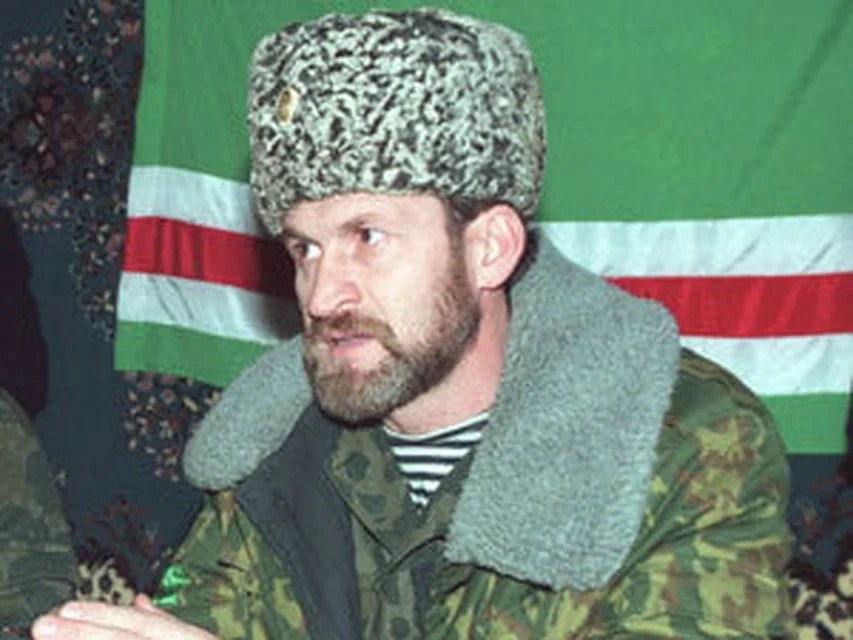


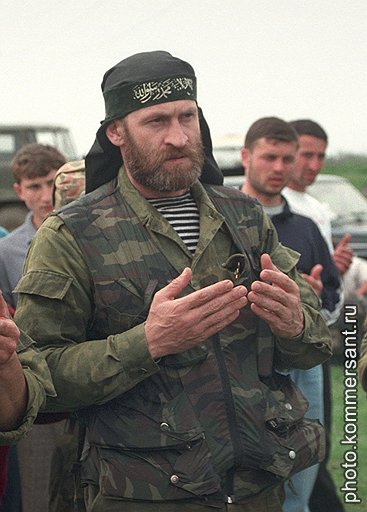


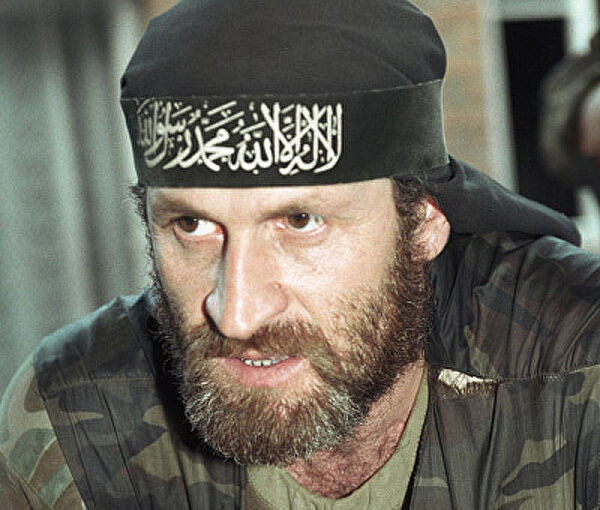
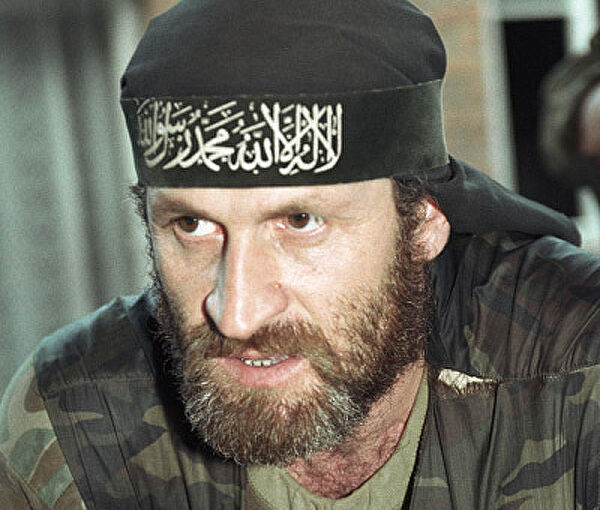
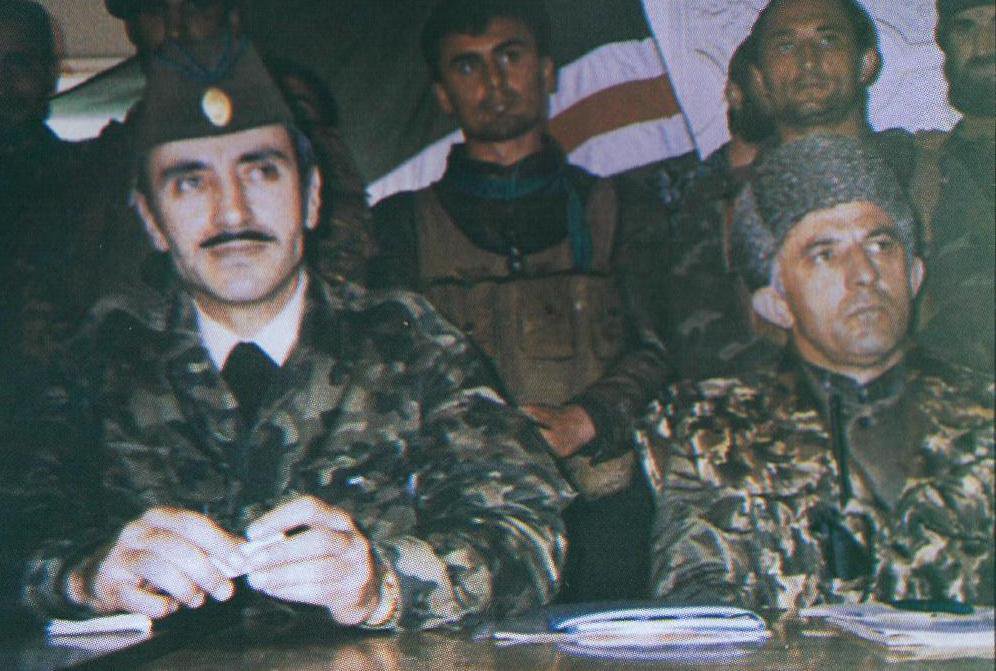

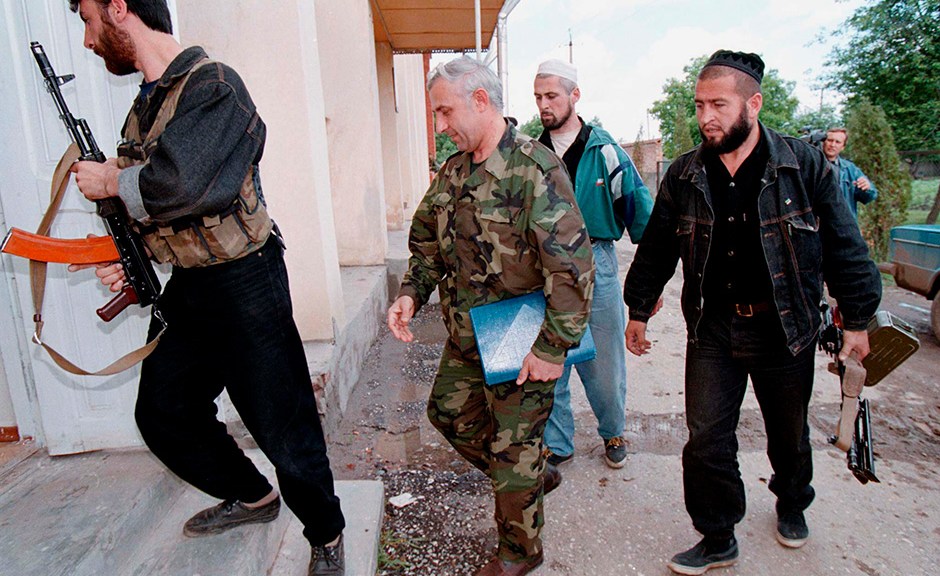


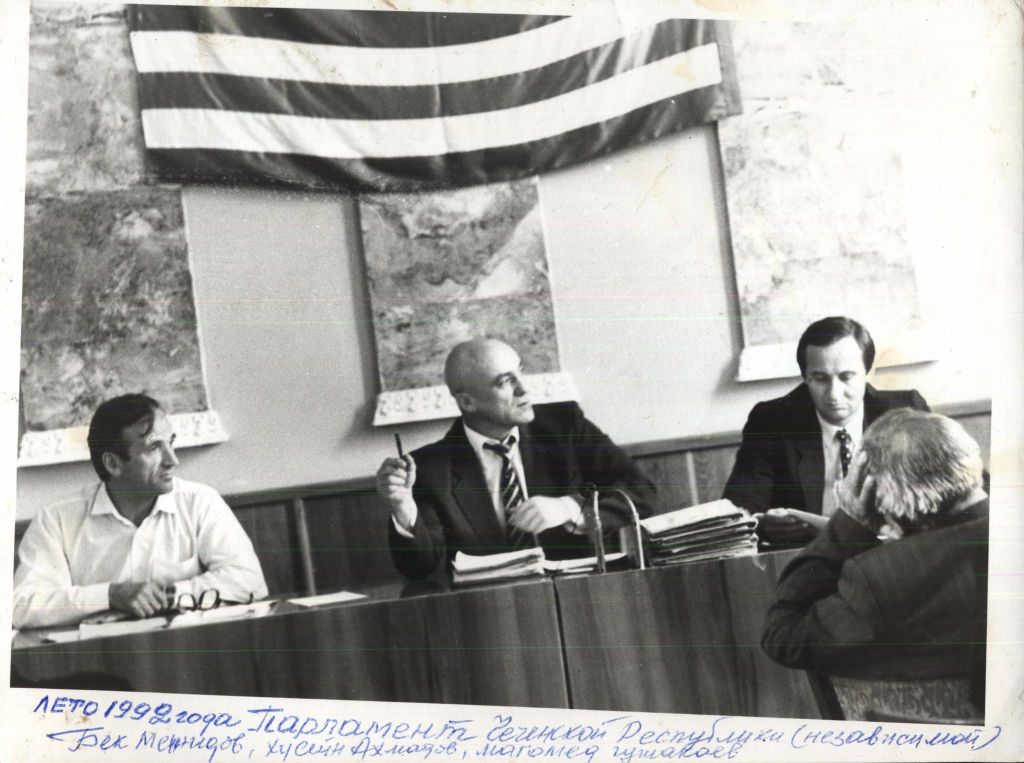


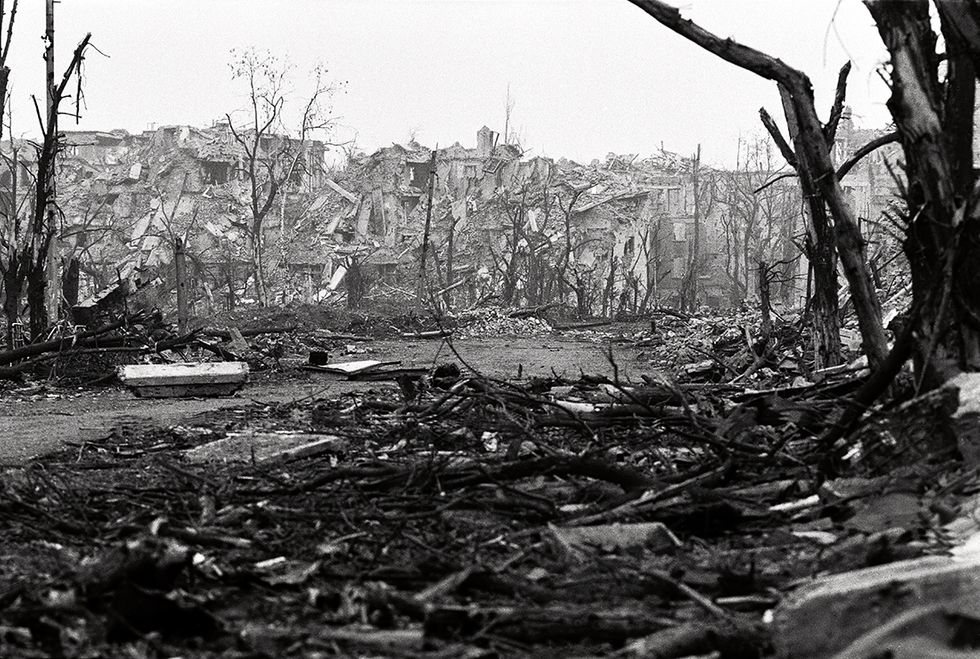



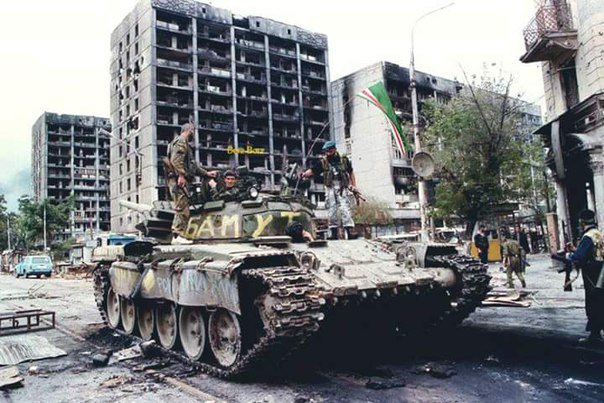


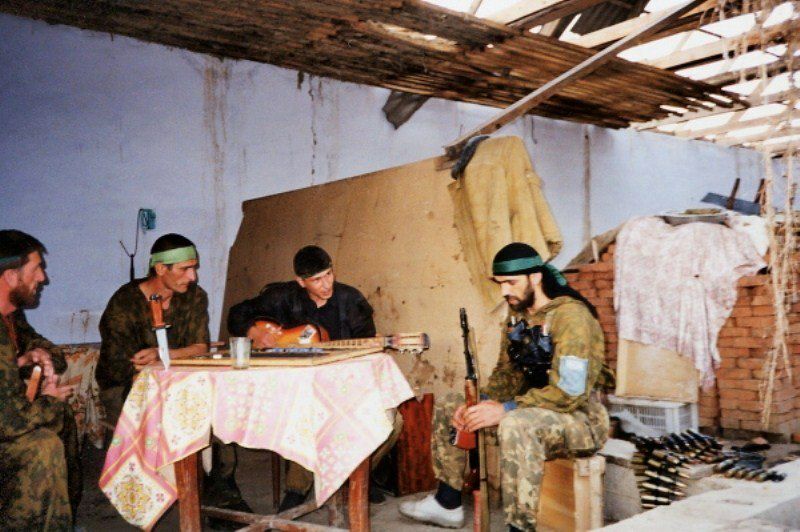
 Ichkeria Digital Archive