I believe I am not mistaken when I say that one of the tragedies of the Chechen people originated on the day when Chechnya proclaimed itself an independent state. After choosing the first president, the Chechens naively believed that Russia would respect their choice. After all, Yeltsin said “take all the freedom you can swallow!” The Chechens did not know that “Swallowing freedom” they would regurgitate their blood.
The conquest of freedom
The Russians did not recognize the presidential elections held on October 27, 1991 in Chechnya. Rejecting any possibility of peaceful separation from Chechnya, the Kremlin has focused on the definitive solution of the Chechen “problem”. In planning actions against Chechen sovereignty, it was obvious that the Russian government would prioritize provocative and subversive activities, and this was evident from the growing activity of pro-Russian provocateurs on the territory of Chechnya. Funded and armed by Moscow, the leaders of the “anti-Dudaevites” began to form criminal groups under the cover of political slogans, calling themselves “opposition of the Dudaev regime”. In reality, the ideologues of this movement were full-time agents of the Russian special services and, following the instructions of the Lubyanka , they caused a civil war in the Chechens. Through these ” Mankurts ” [1], in the first half of the 90s of the twentieth century, Chechnya was transformed into a land of internal contrasts and social instability. Having already gained political independence from Moscow, many officials who held high positions in the state did what they could to discredit the idea of independence. With their actions they compromised the government, corrupted it, doing everything to make the Chechens repent of their choice. Every day, these people desecrated the idea of a free and sovereign state, and achieved many successes in this action, furthering the premises of the 1994/1996 Russo-Chechen War.
However, one detail had not been taken into consideration: the war imposed by the Kremlin would have ignited the genetic memory of the Chechens. All the people, with rare exceptions, took up arms and stood up to defend that choice. Evidently, after receiving the order to intensify their activities, the Russian special services agents began to increase their efforts to destabilize the political, economic and social situation throughout the Ichkeria territory. By sowing discord among the leaders of the state, creating an atmosphere of mutual distrust and enmity in the relations between yesterday’s comrades, the Russian mercenaries achieved the objectives set by Moscow. Instead of rallying around the president, in this hard and difficult time for the fate of the Chechen nation, and exercising their authority to defend and strengthen the authority of Ichkeria, the leaders of the country faced each other in the political arena with every sort of intrigue, against each other, using their credit only for speculative and populist purposes. After withdrawing troops from Ichkeria in 1996, the Russians invaded it with their agents. Terrible times came for Ichkeria, banditry assumed the proportions of a national catastrophe, kidnapping and the slave trade became the profession of a significant part of the former freedom fighters, lack of work and poverty swelled the ranks of criminals.
Heroes yesterday, enemies today
Thus there was no effective authority in Ichkeria. The comrades in arms of the President of yesterday, having had the opportunity to strengthen it, did not do so, but rather, having become politicians, they were the real antagonists of the President, doing everything to weaken his power. On every occasion, and under various pretexts, his authority was undermined: not a day passed without some “emergency” directed against the President. At that time I was convinced that these antagonists wanted to break Maskhadov psychologically. Imagine the state in which a person subjected to daily torture can be, every day more sophisticated and insidious. One fine day, the President collapsed… all this turmoil around the presidency drove the people to despair, their faith in authority and yesterday’s heroes disappeared. Social inequality, the absence of any guarantee of security, corrupt authorities at all levels, poverty and devastation: the Chechen people faced the 1999 war in these conditions … With an economic blockade, political and information isolation in place, the Chechen leadership he had no way of adequately preparing for Russian aggression.
The signs that the Russians were preparing a new war against Ichkeria appeared as early as February – March 1999. In February 1999, a demonstration of many thousands of people was held in support of the President’s policy in the city of Dzhokhar [formerly Grozny, NDR ]. The participants in the demonstration approved and supported in unison Maskhadov, the foreign and internal policy he pursued, and expressed the desire and willingness to take up arms to restore order in the country. Two or three Russian journalists were present at this gathering, being able to work without any restrictions. They assured me that the Russian media would report the demonstration, but not a single TV channel mentioned it. On the other hand, Russian public opinion began to be influenced by the idea that Maskhadov was a weak and indecisive person, that he had lost the support of the people, that power in Ichkeria was in the hands of the field commanders, that banditry and the slave trade flourished in Ichkeria. Obviously it would be wrong to deny these claims, which were partly true, but that the people did not support Maskhadov, or that he was weak, that was an absolute lie. The Chechen people had responded to the President’s appeal, and were willing to defend him. But the Russian media hid this fact from their audience. As for the field commanders, most of them obeyed without question the President and Commander the Chief of the Armed Forces.
But, as they say, no family is without monsters. On the occasion of the second anniversary of the signing of the Peace Treaty between Ichkeria and Russia on May 12 , 1997, well-organized celebrations were held in the city of Dzhokhar: events were held in the city center, horse races were held on the outskirts of the capital, with prizes in prize money, including “VAZ” 6 car models. It was a bright and festive day, during which the Ichkeria leadership showed all its desire for peace with Russia. Once again, Russian TV reporters worked on the event, as always without restrictions. And once again the media did not say a single word about the fact that similar celebrations were held in the city of Dzhokhar. All of this suggested that there would be no celebration the following year.
Usman Ferzauli, former First Deputy Foreign Minister and Director of the Department of Foreign Intelligence, then Minister of Foreign Affairs and Ambassador Extraordinary and Plenipotentiary to the Kingdom of Denmark, in service until 2016, has agreed to answer some of our questions on the current situation of the Chechen Republic of Ichkeria.
As a senior officer of the Chechen Republic of Ichkeria, you have gone through all stages of the republic’s history, from the most glorious to the most difficult. Today you support the cause of Chechnya from Europe. How is the management of Ichkeria experiencing this difficult and delicate moment?
I must say that today I am not an Ichkeria official on active duty . I believe that this status allows me to be more objective and free in the choice of terms to define the processes related to Ichkeria, without violating anyone’s rights or ambitions. I cannot speak on behalf of all Chechens, but I would insult the memory of my brothers in arms, who gave their lives for the sake of Ichkeria’s freedom, if I did not talk about what we all dreamed of and what we have dedicated our lives. Everyone is going through this difficult time in their own way. There are more than half a million Chechens outside of Ichkeria and Russia, and they are integrated into the social strata of their home countries. About three hundred thousand live in the territory of Russia proper. The remainder resides in Ichkeria. Our people have gone through a very difficult path, in the last 30 years we have faced 2 ethnic cleanups, which European politicians have called simply “… violation of human rights”. We have lost a quarter of the population during the wars and there is no family in Ichkeria that has not lost a loved one during this time. I mention these facts only because all this lives in us, in our children. And any information that mentions the word Ichkeria is a kind of detonator for all of us. Unfortunately, today I do not see a single national concept capable of developing mechanisms to get out of this difficult situation. Furthermore, it is not entirely ethical to try to change something in Ichkeria while sitting thousands of kilometers from the Homeland. Finally, I do not allow anyone to ask those Chechens living in Ichkeria today to engage in an open confrontation with the occupying authorities, because today Ichkeria is similar to Ukraine during the occupation by Nazi Germany. Ichkeria is governed by the dictatorship of the federal authorities. People are absolutely helpless. People have no right to be heard, to have their own opinion different from the official versions. The corruption is nationwide. This is the situation we are in …
A few days ago, the Ukrainian parliament recognized Ichkeria as a state illegally occupied by the Russian Federation and recognized the genocide committed by the Russians against the Chechens. How do you rate this event for Chechnya?
We are all happy with this step and we give an enthusiastic evaluation to these acts of the fraternal Ukrainian people. Thousands of our compatriots today fight together with the Ukrainians for a noble cause: against an aggressor who has no morals, pity, dignity. Undoubtedly, the recognition of Ichkeria as a temporarily occupied state and the establishment of a commission to investigate the genocide against our people are but the first glimpses of our people’s hopes for freedom and the consequent prosecution of military and political criminals. But this is a very tiring path, which will first of all require the unity of us Chechens, which unfortunately I do not see at the moment. The very concept of independence must go beyond the national framework with the involvement of international experts, support groups in the broad sense and, above all, an international administration set up for the transition period. Today the Chechens are divided globally and a peaceful solution to the problem of unification is, to put it mildly, very prosaic. Unfortunately, we still don’t find similar support from political leaders in European countries and North America and there are no clear signs that this will happen in the foreseeable future. But we are patient people, we have been waiting for 300 years, we will wait for more.
The forces demanding continuity with the Chechen Republic of Ichkeria today seem divided and sometimes even in conflict with each other, delegitimizing each other. What is the reason for this fragmentation?
This is a very sensitive issue. I am not an advocate of public whipping of my countrymen, no matter how much scoundrel they may be. Unfortunately, nothing is changing and they apparently haven’t learned from past mistakes. Somehow, the esteemed Vytautas Landsbergis, observing the disunity of the Chechens, said: “ My dear Chechens, well, show at least once that you are one united nation! “ The reason for the fragmentation of these groups (I cannot call them otherwise) are the sick ambitions of some and the very high presumption of others. We have already overcome this path of fragmentation in 1997, on the eve of the election of the President of the CRI and after, when the people who had to unite the people became a disaster for their own . nation . After the end of the first war, the lustration law was passed. But this law was not applied to domestic traitors and people who actively cooperated with the aggressor. Eventually, everything went back to anarchy. The same trend is observed today. Defectors, people who collaborated with the occupation regime and mere adventurers, as well as those who betrayed President Aslan Maskhadov, tempted by the conspiratorial ideas of controlling oil pipelines and uniting Chechnya and Dagestan, position themselves as the main “activists. of the liberation movement “.
How do the Chechen population at home and the diaspora in Europe perceive the litigation of various organizations defending the independence of Chechnya? And how credible are these organizations among the civilian population?
The feelings are very negative . The most interesting thing is that all these groups protect the interests of the group itself, which they arbitrarily declare to be the interests of the people of Ichkeria. As can be seen from publications and personal communication, there are conflicting statements. Someone renewed the ideas of the Caliphate with the establishment of Sharia law in Ichkeria immediately. Someone will go to war directly in the Chechen Republic and thus “free” Ichkeria from the invaders, with all the bloody consequences that will ensue. This is nothing but an illusion. There are also demands on the government of Ukraine to recognize Dagestan’s independence. We are not interested in Dagestan and we do not have the right to speak on behalf of the peoples of Dagestan, where 52 ethnic groups live and there is not a single dominant one. Throughout our history, we have not had a single beneficial idea from Dagestan, only conflicts, conflicts, wars, devastation and betrayal. Furthermore, the international community, primarily the European Union and the countries of North America, see Russia in the future as a united, stable and predictable country within its current borders. And our appeals for the recognition of the independence of Russian autonomies can be mistaken for attempts to divide Russia itself, and therefore we pour water on the mill of Russian propaganda. Yes, we are for the freedom of all peoples, but first of all we must not forget our national interests. Since our independence in principle also depends on the outside world, it is necessary to speak in a language that is acceptable and understandable to the world, leaving verbosity and rhetoric unacceptable to parlor adventurers.
Do you think it makes sense that the various institutional groups that call themselves “legitimate” come together as one and put aside their differences instead of acting independently? Or do you think there is someone among them worthy of leading others?
I am deeply convinced that Ichkeria should achieve independence without bloodshed, military confrontations and destructive wars. We’ve been through all of this before. One thing is quite clear to me, that without the consent of Russia, Ichkeria will not receive independence in that classic civilian form, as has happened before with the colonial territories. I am absolutely certain that no country in the world will announce a single sanction against Russia due to the violence and colonization of Ichkeria. We have seen all of this during two bloody wars. And in these matters, we need the political support of Ukraine and its partners. It is quite obvious that in matters of cooperation with Ichkeria, if this process continues, Ukraine needs a force that can be represented on behalf of the people of Ichkeria. And if all these groups really want freedom for their country, it is necessary to leave their ambitions alone and form a working group to carry this project forward .
At the moment, many young Chechens are fighting alongside the Ukrainian army, mainly on the Kherson front. It is clear that their battle is not only for the defense of Ukraine, but also for the restoration of Chechnya’s independence. If you could talk to each of them, what would you tell them?
With obvious envy, in the good sense of the word, I watch our boys participate in this war. It would be unethical to teach them something, because with their example they set an example and hope for all Chechens. For me, in principle, it does not matter what they are guided by. But to each, individually, I would give my hand and hug, as Chechen men do. We Chechens are laconic and don’t compliment each other, but I’m extremely proud to belong to the people they represent. Once again, they fully showed the whole world their nobility and the potential for courage in the fight against a common enemy. In my prayers I ask the Almighty to grant them health, good humor and long life in their free homeland.
How does the political fragmentation of the CRI affect those same soldiers fighting at the front under the Ichkeria banner?
At this stage, these guys are busy with their noble cause and, for objective reasons, don’t pay much attention to this issue. I know that there have been unsuccessful attempts by some groups to subjugate these battalions to themselves by luring them “under the banner of Ichkeria”. But the problem with the latter is that these guys since 2014, in one way or another, under the Ichkeria banner, position themselves as Ichkerians. At the same time, they are integrated into the structures of the Ukrainian armed forces, accept and carry out the tasks assigned to them by the command. Therefore, I doubt that at this stage they can be affected in any way beyond their functional responsibilities.
CECENI, MOSTRATE CHE SIETE UNA NAZIONE UNITA! – INTERVISTA AD USMAN FERZAULI
(Versione Italiana)
Usman Ferzauli, ex Primo Vice Ministro degli Esteri e Direttore del Dipartimento di Intelligence Estera, poi Ministro degli Affari Esteri ed Ambasciatore Straordinario e Plenipotenziario presso il Regno di Danimarca, in servizio fino al 2016, ha acconsentito a rispondere ad alcune nostre domande sulla situazione attuale della Repubblica Cecena di Ichkeria.
Come alto ufficiale della Repubblica cecena di Ichkeria, hai attraversato tutte le fasi della storia della repubblica, dalle più gloriose alle più difficili. Oggi sostieni la causa della Cecenia dall’Europa. Come sta vivendo questo momento difficile e delicato la dirigenza di Ichkeria?
Devo dire che oggi non sono un funzionario di Ichkeria in servizio attivo. Credo che questo status mi permetta di essere più obiettivo e libero nella scelta dei termini per definire i processi relativi all’Ichkeria, senza violare i diritti o le ambizioni di qualcuno. on posso parlare a nome di tutti i ceceni, ma insulterei la memoria dei miei fratelli d’armi, che hanno dato la vita per il bene della libertà di Ichkeria, se non parlassi di ciò che tutti abbiamo sognato e di ciò cui abbiamo dedicato le nostre vite. Ognuno sta attraversando questo momento difficile a modo suo. Ci sono più di mezzo milione di ceceni al di fuori di Ichkeria e della Russia, e sono integrati negli strati sociali dei loro paesi di residenza. Circa trecentomila vivono nel territorio della Russia vera e propria. Il resto risiede in Ichkeria. Il nostro popolo ha attraversato un percorso molto difficile, negli ultimi 30 anni abbiamo affrontato 2 pulizie etniche, che i politici europei hanno chiamato semplicemente “…violazione dei diritti umani”. Abbiamo perso un quarto della popolazione durante le guerre e non c’è famiglia a Ichkeria che non abbia perso la persona amata durante questo periodo. Cito questi fatti solo perché tutto questo vive in noi, nei nostri figli. E qualsiasi informazione che menzioni la parola Ichkeria è una specie di detonatore per tutti noi. Purtroppo non vedo oggi un unico concetto nazionale in grado di sviluppare meccanismi per uscire da questa difficile situazione. Inoltre, non è del tutto etico cercare di cambiare qualcosa a Ichkeria mentre si è seduti a migliaia di chilometri dalla Patria. Infine, non permetto a nessuno di chiedere a quei ceceni che oggi vivono a Ichkeria di avviare un confronto aperto con le autorità occupanti, perché oggi Ichkeria è simile all’Ucraina durante l’occupazione da parte della Germania nazista. In Ichkeria vige la dittatura delle autorità federali. Le persone sono assolutamente impotenti. Le persone non hanno il diritto di essere ascoltate, di avere la propria opinione diversa dalle versioni ufficiali. La corruzione è su scala nazionale. Questa è la situazione in cui ci troviamo…
Pochi giorni fa, il parlamento ucraino ha riconosciuto Ichkeria come uno stato occupato illegalmente dalla Federazione Russa e ha riconosciuto il genocidio commesso dai russi contro i ceceni. Come valuti questo evento per la Cecenia?
Siamo tutti contenti di questo passo e diamo una valutazione entusiasta a questi atti del fraterno popolo ucraino. Migliaia di nostri connazionali oggi combattono insieme agli ucraini per una nobile causa: contro un aggressore che non ha morale, pietà, dignità. Indubbiamente, il riconoscimento di Ichkeria come stato temporaneamente occupato e l’istituzione di una commissione che indaghi sul genocidio contro il nostro popolo non sono altro che i primi barlumi delle speranze del nostro popolo di ottenere la libertà e il conseguente perseguimento di criminali militari e politici. Ma questo è un percorso molto faticoso, che richiederà prima di tutto l’unità di noi ceceni, che purtroppo al momento non vedo. Il concetto stesso di indipendenza deve andare oltre il quadro nazionale con il coinvolgimento di esperti internazionali, gruppi di sostegno in senso lato e, soprattutto, di una amministrazione internazionale costituita per il periodo di transizione. Oggi i ceceni sono divisi a livello globale e una soluzione pacifica al problema dell’unificazione è, per usare un eufemismo, molto prosaica. Sfortunatamente, non troviamo ancora un sostegno simile da parte dei leader politici nei paesi europei e nel Nord America e non ci sono segnali chiari che ciò accadrà nel prossimo futuro . Ma siamo persone pazienti, stiamo aspettando da 300 anni, ne aspetteremo ancora.
Le forze che chiedono continuità con la Repubblica cecena di Ichkeria oggi sembrano divise e talvolta addirittura in conflitto tra loro, delegittimandosi a vicenda. Qual è il motivo di questa frammentazione?
Questa è una questione molto delicata. Non sono un sostenitore della fustigazione in nome pubblico dei miei connazionali, non importa quanto farabutti possano essere. Sfortunatamente, nulla sta cambiando e a quanto pare non hanno imparato dagli errori del passato. In qualche modo, lo stimato Vytautas Landsbergis, osservando la disunione dei ceceni, disse: “Miei cari ceceni, bene, mostrate almeno una volta che siete un’unica nazione unita!” Il motivo della frammentazione di questi gruppi (non posso chiamarli diversamente) sono le malate ambizioni di alcuni e l’altissima presunzione di altri. Abbiamo già superato questo percorso di frammentazione nel 1997, alla vigilia delle elezioni del Presidente della CRI e dopo, quando la gente che doveva unire il popolo divenne un disastro per la sua stessa nazione. Dopo la fine della prima guerra, fu approvata la legge sulla lustrazione. Ma questa legge non è stata applicata ai traditori nazionali e alle persone che hanno collaborato attivamente con l’aggressore. Alla fine, tutto è tornato all’anarchia. La stessa tendenza si osserva oggi. I disertori, le persone che hanno collaborato con il regime di occupazione ed i semplici avventurieri, così come coloro che hanno tradito il presidente Aslan Maskhadov, tentati dalle idee cospirative di controllare gli oleodotti e unire Cecenia e Daghestan, si posizionano come i principali “attivisti del movimento di liberazione”.
Come percepiscono la popolazione cecena in patria e la diaspora in Europa il contenzioso di varie organizzazioni che difendono l’indipendenza della Cecenia? E quanto sono credibili queste organizzazioni tra la popolazione civile?
Le percepiscono in modo molto negativo. La cosa più interessante è che tutti questi gruppi tutelano gli interessi del gruppo stesso, che dichiarano arbitrariamente essere interessi del popolo di Ichkeria. Come si vede dalle pubblicazioni e dalla comunicazione personale, ci sono dichiarazioni contrastanti. Qualcuno ha rinnovato le idee del Califfato con l’istituzione della legge della Sharia in Ichkeria immediatamente. Qualcuno andrà in guerra direttamente nella Repubblica Cecena e così “liberarà” Ichkeria dagli invasori, con tutte le sanguinose conseguenze che ne conseguiranno. Questa non è altro che un’illusione. Ci sono anche richieste al governo dell’Ucraina di riconoscere l’indipendenza del Daghestan. Non ci interessa il Daghestan e non abbiamo il diritto di parlare a nome dei popoli del Daghestan, dove vivono 52 gruppi etnici e non ce n’è uno solo dominante. Nel corso della nostra storia, non abbiamo avuto una sola idea benefica dal Daghestan, solo conflitti, conflitti, guerre, devastazioni e tradimenti. Inoltre, la comunità internazionale, in primis l’Unione Europea ei Paesi del Nord America, vedono la Russia nel futuro come un Paese unito, stabile e prevedibile entro i suoi attuali confini. E i nostri appelli al riconoscimento dell’indipendenza delle autonomie russe possono essere scambiati per tentativi di dividere la Russia stessa, e quindi versiamo acqua sul mulino della propaganda russa. Sì, siamo per la libertà di tutti i popoli, ma prima di tutto non dobbiamo dimenticare i nostri interessi nazionali. Poiché la nostra indipendenza in linea di principio dipende anche dal mondo esterno, è necessario parlare in una lingua che sia accettabile e comprensibile per il mondo, lasciando verbosità e retorica inaccettabile agli avventurieri da salotto.
Pensi che abbia senso che i vari gruppi istituzionali che si definiscono “legittimi” si uniscano come un’unica realtà e mettano da parte le loro differenze invece di agire in modo indipendente? O pensi che tra loro ci sia qualcuno degno di guidare gli altri?
Sono profondamente convinto che Ichkeria dovrebbe ottenere l’indipendenza senza spargimenti di sangue, scontri militari e guerre distruttive. Abbiamo già passato tutto questo. Una cosa è del tutto chiara per me, che senza il consenso della Russia, Ichkeria non riceverà l’indipendenza in quella classica forma civile, come è successo prima con i territori coloniali. Sono assolutamente certo che nessun Paese al mondo annuncerà una sola sanzione contro la Russia a causa della violenza e della colonizzazione di Ichkeria. Abbiamo visto tutto questo durante due sanguinose guerre. E in queste questioni, abbiamo bisogno del sostegno politico dell’Ucraina e dei suoi partner. È abbastanza ovvio che in materia di cooperazione con Ichkeria, se questo processo continua, l’Ucraina ha bisogno di una forza che possa essere rappresentata a nome del popolo di Ichkeria. E se tutti questi gruppi vogliono davvero la libertà per il loro paese, è necessario lasciare in pace le loro ambizioni e formare un gruppo di lavoro per portare avanti questo progetto.
Al momento, molti giovani ceceni stanno combattendo a fianco dell’esercito ucraino, principalmente sul fronte di Kherson. È chiaro che la loro battaglia non è solo per la difesa dell’Ucraina, ma anche per il ripristino dell’indipendenza della Cecenia. Se potessi parlare con ciascuno di loro, cosa diresti loro?
Con palese invidia, nel buon senso della parola, osservo i nostri ragazzi partecipare a questa guerra. Non sarebbe etico insegnare loro qualcosa, perché con il loro esempio danno un esempio e una speranza a tutti i ceceni. Per me, in linea di principio, non importa da cosa sono guidati. Ma a ciascuno, individualmente, darei la mano e l’abbraccio, come fanno gli uomini ceceni. Noi ceceni siamo laconici e non ci complimentiamo a vicenda, ma sono estremamente orgoglioso di appartenere alle persone che loro rappresentano. Ancora una volta, hanno mostrato pienamente al mondo intero la loro nobiltà e il potenziale di coraggio nella lotta contro un nemico comune. Nelle mie preghiere chiedo all’Onnipotente di concedere loro salute, buon umore e lunga vita nella loro libera patria.
In che modo la frammentazione politica della CRI colpisce quegli stessi soldati che combattono al fronte sotto la bandiera di Ichkeria?
In questa fase, questi ragazzi sono impegnati con la loro nobile causa e, per ragioni oggettive, non prestano molta attenzione a questo problema. So che ci sono stati tentativi infruttuosi da parte di alcuni gruppi di soggiogare questi battaglioni a se stessi, attirandoli “sotto la bandiera di Ichkeria”. Ma il problema di quest’ultimo è che questi ragazzi dal 2014, in un modo o nell’altro, sotto la bandiera di Ichkeria, si posizionano come Ichkeriani. Allo stesso tempo, sono integrati nelle strutture delle forze armate ucraine, accettano e attuano i compiti loro assegnati dal comando. Pertanto, dubito che in questa fase possano essere influenzati in alcun modo al di là delle loro responsabilità funzionali.
Чеченцы, покажите, что вы сплочённая нация! Интервью с Усманом Ферзаули
(русскоязычная версия)
Усман Ферзаули, бывший первый заместитель министра иностранных дел и директор Департамента внешней разведки, затем министр иностранных дел и Чрезвычайный и Полномочный Посол в Королевстве Дания, на службе до 2016 года, согласился ответить на некоторые наши вопросы о текущей ситуации. Чеченской Республики Ичкерия.
Вы как высокопоставленный офицер Чеченской Республики Ичкерия прошли все этапы истории республики, от самого славного до самого трудного. Сегодня вы поддерживаете дело Чечни из Европы. Как руководство Ичкерии переживает этот сложный и деликатный момент?
Должен сказать, что я сегодня не в руководстве Ичкерии. Считаю, что данный статус позволяет мне быть более объективным и свободным в выборе терминов определения процессов касающихся Ичкерии, не ущемляя чьих то прав или амбиций. Я так же не могу говорить от имени всех чеченцев, но я бы оскорбил память моих братьев по оружию, которые отдали свои жизни ради свободы Ичкерии, если бы не стал говорить о том, о чём мы все мечтали и чему посвятили свою жизнь. Это сложное время каждый переживает по-своему. За пределами Ичкерии и России более полумиллиона чеченцев и они интегрированы в социальных слоях стран проживания. Порядка триста тысяч проживают на территории собственно России. Ну и остальные в Ичкерии. Наш народ прошел очень трудный путь, буквально за последние 30 лет мы пережили 2 этнические чистки, которые европейские политики называли просто «..нарушением прав человека». Мы потеряли в процессе войн четверть населения, и нет в Ичкерии семьи, кто не потерял своего близкого человека именно в этот период. Я привожу эти факты только потому, что все это живёт в нас, в наших детях. И любая информация, где упоминается слово Ичкерия, является для всех нас своего рода детонатором. К сожалению, я не вижу сегодня единой национальной концепции действий, способной выработать механизмы выхода из этой сложной ситуации. Более того, не совсем этично сидя за тысячи километров вдали от Родины, пытаться что-то изменить в Ичкерии. Я так же не допускаю, чтобы кто-либо требовал от тех чеченцев, которые проживают сегодня в Ичкерии, начал открытое противостояние с оккупационными властями, потому что сегодня Ичкерия подобна Украине во время оккупации нацистской Германией. В Ичкерии диктатура федеральных властей. Люди абсолютно бесправные. У людей нет прав быть услышанными, иметь собственное мнение отличное от официальных версий. Коррупция в национальном масштабе. Это та ситуация, в которой мы варимся…
Несколько дней назад украинский парламент признал Ичкерию государством, незаконно оккупированным Российской Федерацией, и признал геноцид, совершенный русскими в отношении чеченцев. Как вы оцениваете это событие для Чечни?
Мы все в восторге от этого шага и даём этим актам братского Украинского народа должную оценку. Тысячи наших земляков сегодня сражаются вместе с Украинцами за благородное дело – против агрессора, не имеющего ни морали, ни жалости, ни достоинства. Безусловно, признание Ичкерии временно оккупированным государством и совершения геноцида в отношении нашего народа есть не что иное, как первые проблески надежд нашего народа на обретение свободы и последующего привлечения к ответственности военно-политических преступников. Но это очень трудоёмкий путь, который потребует в первую очередь от нас, чеченцев, сплочённости, чего я, к сожалению, не вижу на данный момент. Сама концепция обретения независимости должна выйти за национальные рамки с вовлечением международных экспертов, группы поддержки в широком смысле и, самое главное, сформированная международная администрация на переходный период. Сегодня чеченцы разделены глобально, и мирное разрешение проблемы объединения, мягко говоря, весьма прозаичны. К сожалению, мы не находим всё ещё аналогичной поддержки политических лидеров в европейских странах и в Северной Америке и нет явных признаков того, что это произойдёт в ближайшей перспективе. Но мы люди терпеливые, мы ждали 300 лет, подождём ещё.
Силы, требующие преемственности с Чеченской Республикой Ичкерия, сегодня выглядят разрозненными, а иногда даже конфликтующими друг с другом, делегитимизирующими друг друга. В чем причина этой фрагментации?
Это очень деликатный вопрос. Я не сторонник публичной поимённой порки своих земляков, какими бы негодяями они ни были. К сожалению, ничего не меняется и видимо они не извлекли уроков из прошлых ошибок. Как-то многоуважаемый Витаутас Ландсбергис, наблюдая разрозненность чеченцев, сказал: Дорогие мои чеченцы, ну покажите хоть один раз, что вы единая сплочённая нация!
Причина фрагментации этих группировок (я их иначе не могу назвать) в больных амбициях одних, и чрезвычайно высокого самомнения других. Мы уже проходили этот путь фрагментации в 1997 году, накануне выборов Президента ЧРИ и после, когда люди, которые должны были объединить народ, стали бедствием для этого народа. После окончания первой войны был принят Закон о Люстрации. Но этот закон не был применён в отношении национальных предателей и людей, активно сотрудничавших с агрессором. В итоге всё вернулось в анархию. Сегодня наблюдается та же тенденция. Главными «активистами освободительного движения» позиционируют себя дезертиры, люди сотрудничавшие с оккупационным режимом и просто авантюристы, а также те, кто предал Президента Аслана Масхадова соблазнившись конспиративными идеями контроля нефтепроводов и объединения Чечни и Дагестана.
Как чеченское население на родине и диаспора в Европе воспринимают сутяжничество различных организаций, защищающих независимость Чечни? И каким доверием пользуются эти организации среди гражданского населения?
Воспринимают очень негативно. Самое интересное в том, что все эти группировки несут в себе интересы собственно только самой группировки, которые декларируются ими произвольно якобы от имени народа Ичкерии. Как мы видим из публикаций и при личном общении, есть противоречивые декларации. Кто-то возобновил идеи Халифата с установлением немедленно законов Шариата в Ичкерии. Кто-то собирается идти воевать непосредственно в Чеченской Республике и таким образом «освободить» Ичкерию от оккупантов, со всеми вытекающими отсюда кровавыми последствиями. Это не более чем иллюзия. Есть так же призывы к Правительству Украины признать независимость Дагестана. Нам нет дела до Дагестана, и мы не имеем права говорить от имени народов Дагестана, где проживают 52 этнические группы, и нет ни одной доминирующей. За всю нашу историю мы не имели ни одной благотворной идеи от Дагестана, одни конфликты, распри, войны, разруху и предательство. Более того, международное сообщество, в первую очередь Европейский союз и страны Северной Америки видят Россию в перспективе единой в пределах своих нынешних границ, стабильной и предсказуемой страной. И наши призывы к признанию независимости российских автономий могут принять за попытки раскола самой России и таким образом мы льём воду на мельницу российской пропаганды. Да, мы за свободу всех народов, но нам в первую очередь нужно не забывать свои национальные интересы. Поскольку наша независимость в принципе зависит и от внешнего мира необходимо говорить на языке, который приемлем и который понятен миру, оставив словоблудие и неприемлемую риторику салонным авантюристам.
Считаете ли вы целесообразным, чтобы различные институциональные группы, определяющие себя как «законные», объединились в единую реальность и отложили в сторону свои разногласия, вместо того чтобы действовать независимо? Или ты считаешь, что среди них есть тот, кто достоин возглавить остальных?
Я глубоко убеждён в том, что Ичкерия должна получить независимость без кровопролития, военных столкновений и разрушительной войны. Мы всё это уже проходили. Мне совершенно понятно одно, что без согласия на то России Ичкерия не получит независимость в той классической цивилизованной форме, как это происходило ранее с колониальными территориями. Я совершенно уверен и в том, что ни одна страна в мире не объявит ни одной санкции России из-за насилия и колонизации Ичкерии. Мы всё это видели в течение двух кровавых войн. И в этих вопросах нам необходима политическая поддержка Украины и её партнёров. Совершенно очевидно, что в вопросах сотрудничества с Ичкерией, если этот процесс будет иметь продолжение, для Украины необходима сила, которая может быть представлена от имени народа Ичкерии. И если все эти группировки действительно желают свободы своей стране, необходимо оставить в покое свои амбиции и сформировать рабочую группу для продвижения этой работы.
На данный момент многие молодые чеченцы воюют на стороне украинской армии, в основном на Херсонском фронте. Понятно, что их битва ведется не только за защиту Украины, но и за восстановление независимости Чечни. Если бы вы могли поговорить с каждым из них, что бы вы им сказали?
Я с нескрываемой завистью, в хорошем смысле этого слова, наблюдаю за нашими парнями, участвующим на этой войне. Было бы не этично учить их чему-то, поскольку своим примером они дают пример и надежду всем чеченцам. Для меня в принципе неважно, чем они руководствуются. Но каждому в отдельности я подал бы свою руку и обнял, как это делают чеченские мужчины. Мы, чеченцы, немногословны и не делаем комплименты друг другу, но я чрезвычайно горд, что принадлежу к народу, который они представляют. Они ещё раз в полной мере показали всему миру своё благородство и потенциал мужества в борьбе с общим врагом. В своих молитвах я прошу Всевышнего даровать им здоровья, бодрости духа и долгих лет жизни на своей свободной Родине.
Как политическая раздробленность ЧРИ сказывается на тех самых бойцах, сражающихся на фронте под знамёнами Ичкерии?
На данном этапе эти парни заняты своим благородным делом и в силу объективных причин они не уделяют этому вопросу много внимания. Я знаю, что были неудачные попытки некоторых группировок подчинить эти батальоны себе, заманив «под знамёна Ичкерии». Но проблема последних в том, что эти парни с 2014, так или иначе, под знамёнами Ичкерии, они и позиционируют себя как Ичкерийцы. При этом они интегрированы в структуры Вооруженных Сил Украины, принимают и реализуют задачи, поставленные перед ними командованием. Поэтому, я сомневаюсь в том, что на них можно оказать какое-то влияние, выходящее за рамки их функциональных обязанностей на данном этапе.
A seguito del riconoscimento della Repubblica Cecena di Ichkeria da parte del Parlamento ucraino, il Primo Ministro Akhmed Zakayev si è rivolto ai Radicali Italiani per ringraziarli del loro sostegno. Nel Giugno scorso i Radicali avevano organizzato una visita a Roma per il Primo Ministro ceceno, durante la quale era stato ricevuto in via ufficiale dal Sottosegretario di Stato agli Esteri Benedetto della Vedova.
Ai nostri amici italiani di Radicali Italiani
A Silvja Manzi e Igor Boni
A Benedetto della Vedova e Riccardo Magi
18 ottobre 2022
Oggi il Parlamento ucraino ha riconosciuto la Repubblica Cecena di Ichkeria. Si tratta di un gesto molto più che formale: il popolo ucraino ha riconosciuto nella nostra battaglia la sua stessa battaglia, nelle nostre sofferenze le sue stesse sofferenze, nel nostro destino il suo stesso destino. Non potrà mai esserci libertà per nessuno, finché un solo popolo, e addirittura un solo uomo, dovrà subire la schiavitù.
Oggi gli Ucraini combattono per la loro indipendenza, così come i ceceni fanno ormai da ventidue lunghi anni. L’Europa, che prima non aveva capito l’importanza della nostra battaglia, oggi comincia a riconoscere che la guerra che oggi si combatte sulle sponde del Dnepr e nel Donbass è iniziato molti anni prima, quando la Russia ha preteso di piegare il nostro spirito spezzando i corpi dei nostri fratelli, dei nostri bambini, con i cingoli dei suoi carri armati.
In questo giorno così importante per la nostra nazione, che segna il primo, concreto passo verso la riconquista della nostra libertà dall’oppressione, rivolgo a voi, che in tutto questo avete creduto fin dall’inizio, il mio sentito ringraziamento per il sostegno che avete dato, e che continuate dare, alla nostra lotta. Spero che la purezza dei vostri ideali possa illuminare le coscienze di tutti gli uomini liberi.
Sarete benvenuti come fratelli nella Cecenia libera.
Akhmed Zakaev,
Primo Ministro della Repubblica Cecena di Ichkeria
ENGLISH VERSION
Following the recognition of the Chechen Republic of Ichkeria by the Ukrainian Parliament, Prime Minister Akhmed Zakayev addressed the Italian Radicals to thank them for their support. Last June the Radicals had organized a visit to Rome for the Chechen Prime Minister, during which he was officially received by the Undersecretary of State for Foreign Affairs Benedetto della Vedova.
To our Italian friends of Radicali Italiani
To Silvja Manzi and Igor Boni
To Benedetto della Vedova and Riccardo Magi
October 18, 2022
Today the Ukrainian Parliament recognized the Chechen Republic of Ichkeria. It is a much more than formal gesture: the Ukrainian people recognized their own battle in our battle, their own sufferings in our sufferings, their own destiny in our destiny. There can never be freedom for anyone, as long as a single people, and even a single man, has to suffer slavery.
Today the Ukrainians are fighting for their independence, just as the Chechens have been fighting for twenty-two long years now. Europe, which previously did not understand the importance of our battle, is now beginning to recognize that the war being fought today on the banks of the Dnieper and in the Donbass began many years earlier, when Russia tried to bend our spirit. breaking the bodies of our brothers, of our children, with the tracks of his tanks.
On this very important day for our nation, which marks the first concrete step towards regaining our freedom from oppression, I extend to you, who have believed in all this from the beginning, my heartfelt thanks for the support that you have given, and continue to dare, to our struggle. I hope that the purity of your ideals can enlighten the consciences of all free men.
You will be welcome as brothers in free Chechnya.
Akhmed Zakaev,
Prime Minister of the Chechen Republic of Ichkeria
When the federal forces reached Grozny, my men and I were in Gudermes, where we had quartered to form an organized unit made up entirely of men from the Naur District . On January 4th , a runner sent by Maskhadov was placed in our command post. He gave me the order to converge on our capital with all the men at my disposal. Once in the city, I met a young volunteer, who made himself available to organize our group and put it in coordination with the other fighting units. It is called Turpal Ali Atgeriev. In conversation with him, I learned that he had taken part in the war in Abkhazia and that he had some fighting experience. There was not a single war veteran among us, starting with me: I was in desperate need of someone with combat experience. For this I asked Atgiriev to become my deputy, and he accepted my proposal. Since he didn’t have a weapon, I handed him an RPK-74 machine gun. Someone criticized my decision, accusing me of having appointed a stranger as my deputy. I was not interested in this gossip and intrigue, I was worried about only one thing itself: saving lives and at the same time beating the enemy.
We were deployed in defense of the Pedagogical Institute. A regiment of Russian marines had targeted the building: if this had been taken, it would have been possible to easily reach Maskhadov’s headquarters, which was literally fifty meters from our position, under the Presidential Palace. The Russians tried to break through our defenses almost every day, until January 19 , 1994, but without success. In these attacks they lost many soldiers, whose corpses remained in the middle of the road, in no man’s land, prey to stray dogs. We tried to remove them, to save their bodies, but without a respite we could not have prevented them from being eaten. Several times, during the fighting, our command and the Russian one reached an agreement for a 48-hour truce, precisely to clean the streets of the corpses of Russian soldiers. During these truces we talked to the Russian patrols stationed on the side streets. I remember one of these conversations with a Russian captain, to whom I had thrown a pack of cigarettes: Guys he said, quit, you will not win, because you are not fighting the police, but the army. His voice was not arrogant, he was a simple Russian peasant. That battle was also difficult because to supply our armories we had to capture weapons and ammunition from the Russians. In every disabled armored transport vehicle we found a heap of weapons, cartridges and grenades, which we looted. Later the Russians became more careful, and we didn’t find much in their means. On the other hand, their vehicles were stuffed with all sorts of carpets, dishes and other goods looted from the population.
January 19 , when it became clear that the defense of the Pedagogical Institute would no longer slow down the fall of the Presidential Palace, we withdrew. I was ordered to organize the defense of the Trampark area , and we occupied positions on Novya Street Buachidze . Trampark changed hands several times, and there were fierce battles until February 7th . Right in via Novya Buachidze suffered a shock from a tank bullet which, entering the window of the room where I was with some of my men, hit two of them in full, killing them. This shock still undermines my health. Finally, on the evening of February 7 , a messenger from Maskhadov handed me a note in which I was ordered to leave the position, join Basayev in Chernorechie and leave the city. I should have assumed the defense in the parking area in Via 8 Marzo, where the departments were concentrating to prepare for the exit from the city. Once there we counted all those present: also considering the staff of the Headquarters, we were 320 men. Obviously some departments were not present: detached units fought in other areas of the city, and besides them there were the so-called “Indians”, armed gangs who did not obey anyone, they fought when it was favorable gold and along the way they plundered everything that they could find. When Maskhadov lined up us in the square, he told us that our descendants would be proud of us, that the victory would be ours, that we were leaving Grozny only to return one day. The night between 7 and 8 Fenbbraio we left the capital.
The Naursk Battalion
It was after the retreat from Grozny that my unit, still an amalgam of more or less organized groups, began to become a real tactical unit. This same process was also taking place in the other units that had formed spontaneously at the beginning of the war. Moreover, in the Chechen resistance there were no military units and formations in the classical sense of the term: “battalions”, “regiments” and “fronts” were symbolic terms that did not correspond to a battle order in the classical sense. For example, what was called the “Argun Regiment” was an association of several groups, often poorly armed, made up of a variable number of people, each of which replied to its own commander. The members of these units, all volunteers, could leave at any time, there was no precise chain of command.
Our team spirit had already been forged in the battles we had fought together, and which unfortunately had forced us to count the first fallen. The first of our men to die for the defense of Chechnya was Beshir Turluev , who fell at the Ishcherskaya Checkpoint in December 1994. Since then, other young Chechens had sacrificed their lives for their homeland. Among those who remained alive, and who fought more assiduously with me, a group of “veterans” began to form, who by character or competence acquired the role of “informal officers”. Thus, for example, a 4th year student of a medical institute, whose name was Ruslan, became the head of the medical unit, while Sheikh Khavazhi , from the village of Naurskaya , became the head of logistics. The latter was in charge of keeping in touch with the Naur region , from which the supplies for our unit came. The inhabitants collected the food intended for our livelihood and delivered it to us via a KAMAZ truck, driven by Umar, from the village of Savelieva, and his companion Alkhazur . Sometimes money was also collected, usually a small amount, which was scrupulously recorded and distributed among the men. For the needs of the battalion, for the entire period of the 1994-1996 war, I, from the central command, did not receive more than 3 thousand dollars.
Defending Argun
After we had withdrawn from Grozny, Maskhadov ordered us to fall back on Argun, to help defend the city. We quartered ourselves in the city hospital, now empty and unused. The commander of the stronghold was Khunkarpasha Israpilov, and the commander of the largest unit, the so-called “Combined Regiment”, was Aslambek Ismailov. We were deployed in the sector of the so-called “Indian village”, a front of about 350 meters along the Argun River. On our left were the so-called “Black Wolves”, characterized by wearing very dark jeans. On the other side were Alaudi ‘s men Khamzatov , guard posts on the main bridge over the Argun. In front of us was a Russian paratrooper unit. We learned that we were facing special forces from a Russian soldier whom we captured when, with his squad, he attempted a reconnaissance close to our lines. At that juncture, as soon as the other side learned that their group had been identified and attacked, the Moscow artillery launched a massive bombing on our positions, during which two of our militiamen fell: Daud, coming from the village of Kalinovsky and Rizvan , from Naurskaya . To scare us, the Russians played Vladimir Vysotsky ‘s “Hunting for Wolves” at very high volume . We responded with “Freedom or Death”. The supply of the militias in the city of Argun, as well as in Grozny, was very scarce, there was a severe shortage of ammunition, there was a catastrophic lack of machine gun cartridges, RPG-7 grenade launcher shells and only dressing bandages they were more or less in abundance among the drugs.
On the morning of March 20, the Russians began testing our defenses along the entire line of contact, simulating a force attack from our side. In reality, the main attack took place, surprisingly, at the Moskovsky state farm . We did not expect the enemy to break in from that side, and after a fierce battle during which we lost many men (including the commander of the Melkhu – Khe militia , whose name was Isa and a brave, young Lithuanian named Nicholas) we had to leave the city, to retreat to the wooded region of Nozhai – Yurt. In the defense of Argun, Abuezid , from the village of Naurskaya , Umar, Mekenskaya , Muslim, Nikolaevskaya also fell , while another ten of us were wounded. We left Argun in the night between 21st and 22nd March 1995.
There are people who know the recent history of Chechnya, and people who do not know it. The former will certainly have heard of Ilyas Akhmadov. The latter, perhaps, no. Yet this interview, as well as others that will follow, could be interesting for both categories of readers. The first will have the opportunity to read, after a long time, the words of one of the most brilliant exponents of independent Chechnya. The latter will be able to learn from his personal history, which is imbued with this interview, a great deal of things about themes that, in the West, seem to remain in the memory like scenes from an old film. I think about words like “idealism”, “sacrifice” “war” “exile”. Experiences that literally constitute the framework on which our societies have been built. But which, after so many years of apparent peace, seem to be difficult to visualize as real experiences. The following words are not the plot of a series airing on Netflix. These are the real experiences of a man who could look down on many of Western political leaders, strengthened by the gigantic proof that he, like thousands of his compatriots, have given to the world. And yet he accepted to share his memories with me with a disarming kindness and availability.
This interview is one of the conversations I am having with Akhmadov as part of the making of the second volume of “Freedom or Death! History of the Chechen Republic of Ichkeria ”. In the course of these conversations some of his memories emerged which, although they could not find a place in a historical monograph, in my opinion represent a human heritage that could not in any way be sacrificed.
FRANCESCO BENEDETTI INTERVIEWS
ILYAS AKHMADOV
Your “Baptism by Fire” was between the Elektropribor factory, and the 2nd Sovkhoz, close to Staropromislovsky highway. Could you tell me about that fight?
I actually did very little at this fight, I was just a spectator. By the time I got there with another Chechen the fight was basically over. The Chechens were shooting at Russian soldiers who were running away. From our family’s house, the fight was approximately two or three bus stops away. Staropromislovsky highway is the longest road in Grozny and goes through the entire district. To describe what the fighting area looked like: it was at the northern edge of a suburb and a big field approximately three or four miles long laid ahead. On the morning of the fight, my neighbor and I heard explosions. I only had two grenades and a pistol. He had a Kalashnikov. By the time we got there, there was a group of local volunteers and a unit of Gelayev’s men. I can’t recall who the leader of this volunteer group was, we had no time to ask –you often just ran from one unit to another trying to find someone that you knew.
We were at the end of the city and in front of us was a long field with state farms like Sovkhoz #2. The Russian column (under Pulikovsky’s command) had one self-propelled cannon 76 mm (самоходная артиллерийская установка САУ) several APCs, I don’t remember seeing any tanks. Their goal was to cross the long field and reach the highway which would allow them to move straight to the middle of the city. I don’t think they thought they would encounter any heavy resistance from us. They began shooting and crossing the field. The first ACP rolled forward and it was followed by a self-propelled cannon. They reached the avenue intersection and several guys with grenade launchers took them out. The rest of the Russian force stopped their advance and spread out. It was then that I arrived and saw our men shooting at the retreating Russians.
In total, it was not a big Russian column. There were around two or three platoons, several APCs. 3 APCs were destroyed –two that had actually entered the streets in addition to the ACP and self-propelled cannon that I just discussed. A combination of Gelayev’s men and a volunteer group were the ones who had taken them out with grenade launchers. The launchers were just basic RPG-7s and RPG-2s. I remember ten of fifteen Russian bodies at the north edge of the suburb. There were also probably some Russian bodies in the field that had been shot while trying to retreat. There was no ground attack again from that direction in the northwest on that day. A couple hours later though, helicopters attacked the area with rockets. Throughout the day, the Russians attacked along different sections of the long Staropromislovsky highway. In four or five other sections along the road I saw the same exact scenario as in the section I discussed. On the sections closer to the center of the city, however, I saw bigger columns and our resistance groups were greater too. There were a lot of Russian bodies and destroyed armored vehicles.
Earlier you referred to a group of “local volunteers”. How were these units organized?
During the war, there were a lot of local volunteer groups of five or six men, sometimes they were all relatives. It was very important to find a group that you knew. If you linked up with someone from your village, street, block, or family then you had a 90% guarantee that they would not leave your body if you were killed or wounded. If no one from a group knew you, they didn’t want you. It was understandable from both sides. If something happened they wouldn’t be able to locate your relatives to bury you. It was very important to make sure you’d be returned to your family.
What Memories do you he have about the so-called “New Year’s Onslaught?”
*Ilyas paused for an unusually long time before beginning to answer *
We ran like mad in those days. I was trying to reach the Presidential Palace. Shamil was there as the chief of the Grozny garrison, with his men acting in the center of the city. I still only had two grenades and a pistol. We were going through Staropromislovsky highway and hopped on a big truck with five or six fighters, one who was my relative under Gelayev’s command. He was a young man who died later form wounds.,. We reached the Printing House near the Red Hammer factory (Красный Молот) at the end of the highway. Everything was under heavy artillery. There was one civilian who had come to find his relatives and was on his way back to Shatoy. We went underneath the Printing House. There were many different groups. There was one commander, I can’t remember his name, but he asked if anyone wanted to step forward to help our sniper find the Russian sniper who was hitting our position. I volunteered and went up to the ninth floor with a borrowed Kalashnikov to protect our sniper. Just when we got to the top I remember the ground beneath me feet violently shaking. The artillery was battering the floor below us. We couldn’t find the enemy sniper because our sniper couldn’t properly work in that kind of chaotic situation. We went back downstairs. It’s a miracle we got back down.
The building was mostly empty but every now and then a Chechen would run up to the second or third floor and fire at Russian vehicles. When the Chechens took out an APC, and if was possible, they would run to find ammo in them. Also, the building was in the center of a lot of fighting and afforded an advantageous view in three directions. This is probably why the Russians worked so furiously to destroy it. Around 4 pm, the five fighters who I had hopped on the truck with and the civilian started towards the Presidential Palace only about 1.5 miles away. But, with the hell around us, that was a very long distance. It was difficult to understand where the Russians and Chechens were. You can imagine what it’s like when you put 100 hungry dogs in a cage, it was the same thing.
We slowly ran from street to street trying to reach the Palace. The Russian artillery was working furiously. Sometimes in a small yard you’d see two or three explosions at the same time. When we reached some courtyard, there were two Russian babushkas asking for bread. We wanted to help but didn’t have anything and we strongly advised them to return to the basement. To ask for bread in the middle of this hell was almost funny.
There was a row of buildings and we hopped from one to the other. Suddenly in front of us, two guys came out from behind a building. They both had black jeans and a black jean jacket. In those times, when someone didn’t have a uniform they would wear heavy duty jeans and a jean jacket. I was very surprised the way these two men jumped out from behind the corner, however. We stopped and looked. In those first few days, “Allah Akbar” became like a password to identify oneself as Chechen. It was very stupid because the Russians caught on and lured and killed some of our men this way. I was right behind of the men in my group, who was only able to let out “Allah–” to the two men who suddenly appeared, before my instinct kicked in and I tackled him to the ground.
The Chechen “uniform” was often just heavy-duty jeans, a jacket, and a wooly hat. These two men were wearing this uniform but something about their hat caught my eye. Hats have a folded band around their bottom but the band was very very thick on these two mens’ hats. I realized they were balaclavas which had been rolled up. They were the same balaclavas that the Russian spetsnaz especially used. The moment I tackled the friendly in front of me down, as he let out “Allah–”, these two Chechen men with rolled-up balaclavs started shooting and a platoon of Russians popped out from behind the corner and joined them. The knocked down man and I crawled into an open door of a government building on the right side of the street. The men who had been behind me ran into the same building but through a basement entrance. The Chechen collaborators and the Russians were ahead in the building diagonally from us on the left side of the street.
The Russian babushkas, who had just asked us for bread, started pointing and yelling “они там, они там!” (They are there! They are there!) They were helping the enemy find us. I was laying down and the Russians started firing machine guns at the door we had entered through. I still only had a pistol and the other man had a Kalashnikov. He was very confused about where we had been fired upon from. I pointed out it was from the direction of the two Chechens who suddenly appeared in front of us.
They started shooting into the building’s iron-bar windows one-by-one with the grenade launchers on their guns. We ran around inside the building as their hits got closer to us but everything was closed. The civilian we had met earlier when we were picked up on the way to the Printing House was actually killed by one of them in the basement. The grenade lodged into his chest and ripped everything open when it exploded. The Chechens who had run into the basement were able to escape under the cover of smoke. They recovered the civilians’ body later that night. I was furious with the Russian babushkas who had pointed out where we were hiding. As the grenade launchers were exploding all around the building, we finally found one window on the other side, where the iron bars had been bent or destroyed for an opening, and left. We returned to the Printing House that night. The civilians’ body was brought back too. There was still shooting all around. This is how I spent my New Year’s, in this Printing House.
I still think about those two babushkas…only ten minutes before they wanted our help and then wanted us dead moments later. I’m not sure what happened to them, we had a full-time job running. It took me three months to stop thinking about those two Chechens collaborators. It was a shock for me. It’s a miracle that in that mess my instinct caught onto their strange hats. This feeling saved my life. Unfortunately, that civilian had died in the fight. He was very calm and pleasant. When I had met him on the truck I observed him: very clean clothes and had just freshly shaven. We were all sweaty and muddied. He must have sensed he could die soon. It was important for Chechens to die clean. Poor guy, poor guy.
I remember when we had initially set out from the Printing House to the Presidential Palace there was a big square where mortars were falling heavily. We had to hit the ground and run a few times to cross it. When we had fully crossed I realized I was missing one of my nice leather gloves. It must have fallen out of my military cargo pants’ pocket. I could clearly see the dark glove on a white patch of snow. I had to run and hit the ground twice before I reached it. Mortars were still falling. No one understood what the hell I was doing. When I returned they asked me what I had run for, I smiled and held my glove up in the air. “Idiot!”
To sum up those days, it was a complete mess. You could pass a courtyard that was ours five minutes ago and now the Russians’. Nobody had any plan. When you saw the enemy, you shot him. The Russians were bewildered. I remember our first POWs said that their goal was just to reach the Presidential Palace and were promised that the second we saw their tanks we would run away. When they infiltrated the city with all their armor, the Chechens gave them hell. Imagine a bull entering a China shop and being teased from all directions, the Russians similarly went crazy and just shot everywhere, everywhere at anything that moved!
Between Janurary 19 and February 4, 1995, federal forces consolidated control on the left bank of the Sunzha., while the Chechen forced barricaded themselves on the right bank. Do you remember those days?
During the devastating crush of the Russian advance on New Year’s their troops were stopped from the north direction, which was under the command of General Rokhlin, at Pervomaiskaia Street. From the northwest direction General Pulikovsky was stopped and his forced were almost entirely wiped. From the west came Bibchev. He was stopped by peaceful civilians for a couple days. Surprisingly he didn’t act cruelly like other Russian generals. This slowed him down.
They understood their initial plan wouldn’t work. It was a crazy circus. The tanks were running in every direction disoriented. Some Russian troops were surrounded and tried to run out of the city. On every street, Chechens were darting around with grenade launchers and when they heard tanks they raced to destroy them. I even once saw two Chechen groups fist fighting each other over who had taken out a tank and who deserved the loot inside. It was hard to understand who specifically destroyed this or that tank because you had guys shooting down on them from many different floors, from different buildings, and directions.
Problems like that were symptoms of our disorganized volunteers. Two men: Basayev and Maskhadov went through tremendous trouble to organize the chaos. You must imagine without real communication –we had only a few Motorolas in those days. I think the chief of staff of Basayev’s battalion Eli aydayev whose nickname was “Lambada” he had a Motorola radio. After he was killed we stopped using them for some time because the Russians found his radio. He was killed in a train depot where there was terrible fighting and his body was never found. We had some military radios from destroyed APCs but it was very easy for the Russians to intercept our communications.
Even now, I can’t understand how Basyev and Maskhadov accomplished what they did. They were always on the frontlines, moving around and between all the troops, speaking with them, forcing them to organize. When Babichev and Rokhlin linked somewhere around Red Hammer Factory and the Printing House they cut the Staropromislovsky district from the rest of the city. By that point there was no point in defending the district because the main movement was moving towards the city, where the Presidential Palace was.
When the Russians linked, they started using bombs which cut through floors and can reach underground shelters. It was after they started using these bombs, which hit underground shelters where even Russian POWs were being treated, that Dudayev and Maskhadov made the decision cross to the other side of the Sunzha. They conducted a very organized crossing even as they faced heavy advancement from Russians. It was much more organized than the first few days of the war. In the New Year’s days, everyone was his own field marshal.
When our forced first crossed the Sunzhun Maskhadov established headquarters at City Clinic #4. Then the headquarters was moved to a massive branch of the Red Hammer factory. We later joked about it, because his staff had a habit of setting up HQ under very big and visible landmarks/buildings.
What did you do after Grozny fell in Russian hands?
After New Year’s I had a severe cold and was coughing up blood so I spent two weeks with some relatives in a village. When I came back to the city in the end of January I ran into Basayev. Shamil said to me, “What are you doing running around, you will probably die in 2-3 days. You can be much more profitable in some other way, Maskhadov is organizing headquarters and he could use someone like you to help.”
He told me to go to Argun and find Abu Mosayev, the head of our Department of State Security (Департамент государственной безопасности ДГБ) . I went and I knew no one there. After several hours, I noticed that security began looking at me suspiciously. They probably thought: “This guy, with ammunition, speaking with no one, and walking around the grounds is up to no good.” However, one afternoon came Basayev’s brother and he introduced me to Abu Movsayev. In the evening Basayev came himself. I remember he never had guards around him, he drove alone. During this time, the sky was on fire with non-stop Russian artillery. Basayev took me to Maskhadov, this was my first time seeing him in person.
I know Maskhadov and his staff continued to look at me a little suspiciously.Initially I wasn’t aware of the competition and rivalries between different commanders. I eventually understood that they thought Basayev had sent me to be his “fly on the wall” on Maskhadov. It was funny. I was insulted because I was very idealistic in my young days and this war –we had to fight together. Despite this, at that time Maskhadov and Basayev were quite close. You must admit these two men organized these chaotic –you can call them “tribe warriors” haha – into one of the best infantry in the world in just a couple weeks, all the while, dealing with one of the biggest armies in the world But yes, competitions eventually did begin to develop between the two of them.
Over the next few days, the Chechen garrison withdrew from grozny, while Basayev covered the barricaded retreat in the suburb of Chernorechie. Do you remember of those days?
Basayev did a great job with the retreat. There were many groups which did not have communications with the main forces and he checked every corner of the territory under his control, gathered all these men, and orchestrated an orderly retreat. The timing of our retreat from one bank of the Sunzha to the other was partly unintentional. We could have held out a little longer. There were many different groups running around shooting any enemy they could see. Some of these units were not from the city and they would come fight for 3-4 days then retreat home and relax for a week in their village. When a unit from the city would ask where they were going it was embarrassing to say, “we are going home” so they said, “we have orders from Maskhadov to retreat” instead. With no way to verify this and no reason to doubt their explanation, they also retreated across the Sunzha. This sped up the move to the other bank.
We only had a few walkie-talkies and some radios from APCs but they were useless. The Russians easily intercepted them and of course we did the same to them. We would sometimes trick them. Basayev took lessons from that retreat to the other side of the Sunzha and applied them to the major retreat out of Grozny. He went around to all the units, checked them, organized and grouped them in Chernorechie and took them through the forest. The Russians tried to mine the retreat from the air. Despite this, someone told me that Basayev was at the head of the column with a little stick in his hand, singing some funny Russian song and led the way. After they crossed the Chernorechie forest they split off into two directions. Those who fought under Gelayev went southwest. Baseyev’s group went to the Southeast.
Dudayev and Maskhadov made the right decision to retreat into the mountains. Just outside of the city, it was harder to fight the Russians. It was like position war: we built many trenches but had no artillery and the Russians were firing at the positions all the time. To describe the big picture: First we moved from one bank of the Sunzha to the other after causing devastating casualties for the Russians. Afterwards, the Russians used a new tactic: they bombarded blocks for 2-3 weeks before slowly moving in. When our fighters destroyed a tank and killed 10-15 of their men the Russians would retreat and resume their bombardment then slowly return. We ran out of ammunition after a while. Many Chechens died trying to retrieve trophies form Russians. We turned away many civilian volunteers who wanted weapons because we simply did not have enough to give out and we didn’t need people needlessly dying. We didn’t have real, organized communication.
It was obvious we could not keep the city for too long hence why we moved. Dudayev and Gelayev were doing a good job organizing in the Southwest direction. Maskhadov and Basayev were responsible in the Southeast. The retreat from Grozny was very well organized. It wasn’t a frantic run like the Russians pretend. You can really only appreciate how well executed it was if you could be there to see it and understand that 70% of out fighters hadn’t even served in the military. The Russian advancement was absolutely massive. Their artillery was raining down constantly. Except on some foggy days, their aviation was always working too. When I came back to Grozny 6 months later, for peace negotiations, I didn’t recognize the neighborhood I was raised in all my life. It was a half-empty desert. With only a few thousand men with Kalashnikovs, it was a miracle what was accomplished.
Есть люди, которые знают новейшую историю Чечни, и есть люди, которые ее не знают. Первые наверняка слышали об Ильясе Ахмадове. Последнего, пожалуй, нет. Тем не менее, это интервью, как и другие, которые последуют за ним, могут быть интересны обеим категориям читателей. У первых будет возможность прочесть спустя долгое время слова одного из самых ярких представителей независимой Чечни. Последний сможет узнать из своей личной истории, которой проникнуто это интервью, многое о темах, которые на Западе, кажется, остаются в памяти, как сцены из старого фильма. Я думаю о таких словах, как «идеализм», «жертва», «война», «изгнание». Опыт, который буквально составляет основу, на которой построено наше общество. Но которые, после стольких лет кажущегося покоя, трудно представить себе как реальные переживания. Следующие слова не являются сюжетом сериала, транслируемого на Netflix. Это реальный опыт человека, который мог смотреть свысока на многих западных политических лидеров, подкрепленный гигантскими доказательствами, которые он, как и тысячи его соотечественников, дал миру. И все же он согласился поделиться со мной своими воспоминаниями с обезоруживающей добротой и доступностью.
Это интервью — одна из бесед, которые я веду с Ахмадовым в рамках работы над вторым томом «Свобода или смерть! История Чеченской Республики Ичкерия». В ходе этих бесед всплыли некоторые его воспоминания, которые, хотя и не нашли места в исторической монографии, представляют собой, на мой взгляд, человеческое наследие, которым ни в коей мере нельзя пожертвовать.
РУССКАЯ ВЕРСИЯ
(translated by google translate)
ФРАНЧЕСКО БЕНЕДЕТТИ ИНТЕРВЬЮ
ИЛЬЯС АХМАДОВ
Ваше «Крещение огнём» было между заводом « Электроприбор » и 2- м совхозом, недалеко от Старопромысловского шоссе. Не могли бы вы рассказать мне об этом бое?
Я на самом деле очень мало сделал в этом бою, я был просто зрителем. К тому времени, когда я добрался туда с другим чеченцем, драка уже практически закончилась. Чеченцы стреляли по убегавшим русским солдатам. От дома нашей семьи драка была примерно в двух-трех автобусных остановках. Старопромысловский тракт — самая длинная дорога в Грозном и проходит через весь район. Чтобы описать, как выглядел район боевых действий: он находился на северной окраине пригорода, а впереди лежало большое поле примерно в три или четыре мили в длину. Утром в день боя мы с соседом услышали взрывы. У меня было только две гранаты и пистолет. У него был автомат Калашникова. К тому времени, как мы туда добрались, там была группа местных добровольцев и отряд гелаевцев . Не могу вспомнить, кто был лидером этой волонтерской группы, у нас не было времени спрашивать – часто просто бегали из одной части в другую, пытаясь найти кого-то, кого вы знали.
Мы были в конце города и перед нами было длинное поле с совхозами вроде Совхоза №2. Русская колонна (под командованием Пуликовского ) имела одну самоходную пушку калибра 76 мм ( самоходная артиллерийская установка САУ ) несколько БТРов, танков не помню. Их целью было пересечь длинное поле и добраться до шоссе, которое позволило бы им двигаться прямо в центр города. Я не думаю, что они думали, что столкнутся с сильным сопротивлением с нашей стороны. Они начали стрелять и переходить поле. Первый АКП покатился вперед, а за ним самоходная пушка. Они дошли до перекрестка проспекта, и несколько парней с гранатометами их вывели. Остальные русские силы остановили свое продвижение и рассредоточились. Именно тогда я приехал и увидел, как наши люди стреляют в отступающих русских.
В общем, это была не большая русская колонна. Там было около двух-трех взводов, несколько БТРов. Было уничтожено 3 БТР — два, которые действительно вышли на улицу, в дополнение к БТР и самоходной пушке, о которых я только что говорил. Уничтожили их из гранатометов сочетание людей Гелаева и группы добровольцев. Пусковыми установками были обычные РПГ-7 и РПГ-2. Я помню десять из пятнадцати русских тел на северной окраине пригорода. Также, вероятно, в поле было несколько русских тел, расстрелянных при попытке отступления. Наземных атак с этого направления на северо-западе в тот день больше не было. Однако через пару часов вертолеты обстреляли район ракетами. В течение дня русские атаковали на разных участках протяженного Старопромысловского шоссе. На четырех или пяти других участках дороги я видел тот же самый сценарий, что и на участке, который я обсуждал. Однако на участках ближе к центру города я видел большие колонны, и наши группы сопротивления тоже были больше. Там было много трупов русских и уничтоженной бронетехники.
Ранее вы упомянули группу «местных волонтеров». Как были организованы эти отряды?
Во время войны было очень много местных добровольческих отрядов по пять-шесть человек, иногда все они были родственниками. Было очень важно найти группу, которую вы знали. Если вы связывались с кем-то из вашей деревни, улицы, квартала или семьи, то у вас была 90% гарантия, что они не покинут ваше тело, если вас убьют или ранят. Если никто из группы не знал вас, они не хотели вас видеть. Это было понятно с обеих сторон. Если что-то случится, они не смогут найти твоих родственников, чтобы похоронить тебя. Было очень важно убедиться, что тебя вернут в семью.
Какие воспоминания у него остались о так называемом «Новогоднем натиске»?
*Ильяс непривычно долго помолчал, прежде чем начать отвечать*
Мы бегали как сумасшедшие в те дни. Я пытался добраться до Президентского дворца. Шамиль был там начальником грозненского гарнизона, а его люди действовали в центре города. У меня остались только две гранаты и пистолет. Мы ехали по Старопромысловскому шоссе и запрыгнули в большой грузовик с пятью-шестью бойцами, один из которых был моим родственником под командованием Гелаева . Это был молодой человек, который позже скончался от ран. Добрались до Типографии возле завода Красный Молот ( Красный Молот ) в конце шоссе. Все было под тяжелой артиллерией. Был один гражданский, который пришел за своими родственниками и возвращался в Шатой. Мы прошли под типографией. Было много разных групп. Там был один командир, я не помню его имени, но он спросил, не хочет ли кто-нибудь выйти вперед, чтобы помочь нашему снайперу найти русского снайпера, который бил по нашим позициям. Я вызвался и поднялся на девятый этаж с одолженным автоматом Калашникова, чтобы защитить нашего снайпера. Когда мы добрались до вершины, я помню, как сильно тряслась земля под моими ногами. Артиллерия била по полу под нами. Мы не могли найти вражеского снайпера, потому что наш снайпер не мог нормально работать в такой хаотической ситуации. Мы вернулись вниз. Это чудо, что мы вернулись вниз.
В основном здание было пустым, но время от времени чеченец забегал на второй или третий этаж и стрелял по российским машинам. Когда чеченцы доставали БТР, и если была возможность, то бегали искать в них патроны. Кроме того, здание находилось в центре многочисленных боев и открывало выгодный обзор в трех направлениях. Вероятно, поэтому русские так яростно работали над его уничтожением. Около 16:00 пятеро боевиков, с которыми я запрыгнул в грузовик, и гражданский двинулись к Президентскому дворцу всего в 1,5 милях от меня. Но с адом вокруг нас это было очень большое расстояние. Трудно было понять, где русские и чеченцы. Вы можете себе представить, каково это, когда вы сажаете в клетку 100 голодных собак, это было то же самое.
Мы медленно перебегали с улицы на улицу, пытаясь добраться до Дворца. Яростно работала русская артиллерия. Иногда в маленьком дворе можно было увидеть два-три взрыва одновременно. Когда мы дошли до какого-то двора, там две русские бабушки просили хлеба. Мы хотели помочь, но у нас ничего не было, и мы настоятельно посоветовали им вернуться в подвал. Просить хлеб посреди этого ада было почти смешно.
Там был ряд зданий, и мы прыгали от одного к другому. Внезапно прямо перед нами из-за здания вышли двое парней. У обоих были черные джинсы и черная джинсовая куртка. В те времена, когда у кого-то не было униформы, они носили плотные джинсы и джинсовую куртку. Однако меня очень удивило, как эти двое мужчин выскочили из-за угла. Мы остановились и посмотрели. В те первые дни «Аллах Акбар» стало паролем для идентификации себя как чеченца. Это было очень глупо, потому что русские спохватились, заманили и таким образом убили некоторых наших людей. Я был прямо позади мужчин в моей группе, которые смогли только выкрикнуть «Аллах-» двум мужчинам, которые внезапно появились, прежде чем мой инстинкт сработал, и я повалил его на землю.
Чеченская «униформа» часто состояла из плотных джинсов, куртки и шерстяной шапки. Эти двое мужчин были одеты в эту форму, но что-то в их шляпах привлекло мое внимание. Шляпы имеют загнутую ленту по низу, но на этих двух мужских шапках она была очень- очень толстой . Я понял, что это балаклавы, которые были свернуты. Это были те самые балаклавы, которые специально использовал русский спецназ. В тот момент, когда я сбил стоящего передо мной товарища, когда он выкрикнул «Аллах-», эти двое чеченцев в закатанных балаклавах начали стрелять, а из-за угла выскочил взвод русских и присоединился к ним. Сбитый с ног мужчина и я пролезли в открытую дверь правительственного здания на правой стороне улицы. Мужчины, которые были позади меня, вбежали в то же здание, но через подвальный вход. Чеченские коллаборационисты и русские были впереди в здании по диагонали от нас по левой стороне улицы.
Русские бабушки, которые только что попросили у нас хлеба, начали тыкать пальцем и кричать « они там , они там !” (Они там! Они там!) Они помогали врагу найти нас. Я лежал, и русские начали стрелять из автоматов по двери, через которую мы вошли. У меня по-прежнему был только пистолет, а у другого был автомат Калашникова. Он был очень озадачен тем, откуда нас обстреляли. Я указал, что это было со стороны двух чеченцев, внезапно появившихся перед нами.
Они начали по очереди стрелять в решетчатые окна здания из гранатометов на автоматах. Мы бегали по зданию, пока их снаряды приближались к нам, но все было закрыто. Гражданский, которого мы встретили ранее, когда нас подбирали по дороге в типографию, на самом деле был убит одним из них в подвале. Граната застряла в его груди и разорвала все вокруг, когда взорвалась. Забежавшим в подвал чеченцам удалось спастись под прикрытием дыма. Позже той же ночью они обнаружили тела мирных жителей. Я был в ярости от русских бабушек, указавших, где мы прячемся. Поскольку гранатометы взрывались по всему зданию, мы, наконец, нашли одно окно с другой стороны, где железные прутья были согнуты или разрушены для открытия, и ушли. В тот же вечер мы вернулись в типографию. Привезли и тела мирных жителей. Вокруг по-прежнему стреляли. Вот так я провел свой Новый год в этой типографии.
Я до сих пор думаю о тех двух бабушках… всего за десять минут до того, как им понадобилась наша помощь, а через несколько мгновений хотели, чтобы мы умерли. Не знаю, что с ними случилось, у нас была постоянная работа. Мне потребовалось три месяца, чтобы перестать думать об этих двух чеченских коллаборационистах. Это был шок для меня. Это чудо, что в этом беспорядке мой инстинкт уловил их странные шляпы. Это чувство спасло мне жизнь. К сожалению, этот гражданский погиб в бою. Он был очень спокойным и приятным. Когда я встретил его в грузовике, я увидел его: в очень чистой одежде и только что выбритым. Мы все были потные и грязные. Он, должно быть, чувствовал, что скоро может умереть. Чеченцам было важно умереть чистыми. Бедняга, бедняга.
Помню, когда мы сначала двинулись от Типографии к Президентскому дворцу, там была большая площадь, где сильно падали минометы. Нам пришлось удариться о землю и несколько раз пробежать, чтобы пересечь ее. Когда мы полностью перешли дорогу, я понял, что мне не хватает одной из моих красивых кожаных перчаток. Должно быть, он выпал из кармана моих армейских штанов. Я отчетливо видел темную перчатку на белом пятне снега. Мне пришлось бежать и дважды удариться о землю, прежде чем я добрался до нее. Минометы все еще падали. Никто не понимал, какого черта я делаю. Когда я вернулся, меня спросили, зачем я бежал, я улыбнулся и поднял перчатку в воздух. “Идиот!”
Если подытожить те дни, то это был полный бардак. Можно было пройти мимо двора, который пять минут назад был нашим, а теперь русским. Ни у кого не было никакого плана. Когда ты увидел врага, ты выстрелил в него. Русские были в недоумении. Помню, наши первые военнопленные сказали, что их цель — просто добраться до Президентского дворца, и нам пообещали, что, как только мы увидим их танки, мы убежим. Когда они проникли в город со всей своей броней, чеченцы устроили им ад. Представьте быка, входящего в посудную лавку и дразнящего со всех сторон, русские точно так же сходили с ума и просто стреляли везде, везде во все, что двигалось!
В период с 19 января по 4 февраля 1995 г. федеральные силы закрепили контроль на левом берегу Сунжи, а чеченцы вынуждены были забаррикадироваться на правом берегу. Вы помните те дни?
Во время сокрушительного разгрома наступления русских под Новый год их войска были остановлены с северного направления, находившегося под командованием генерала Рохлина, на улице Первомайской . С северо-западного направления генерал Пуликовский был остановлен и его силы были почти полностью уничтожены. С запада пришел Бибчев . На пару дней его остановили мирные жители. Удивительно, но он не действовал жестоко, как другие русские генералы. Это замедлило его.
Они поняли, что их первоначальный план не сработает. Это был сумасшедший цирк. Танки беспорядочно бежали во все стороны. Некоторые русские войска попали в окружение и попытались бежать из города. На каждой улице чеченцы шныряли с гранатометами и, услышав звуки танков, бросились их уничтожать. Я даже однажды видел, как две чеченские группировки дрались друг с другом на кулаках из-за того, кто подбил танк и кто заслужил награбленное внутри. Трудно было понять, кто именно уничтожил тот или иной танк, потому что по ним стреляли ребята с разных этажей, из разных зданий и направлений.
Подобные проблемы были симптомами неорганизованности наших волонтеров. Двое мужчин: Басаев и Масхадов приложили огромные усилия, чтобы организовать хаос. Вы можете себе представить без реального общения – у нас тогда было всего несколько Motorola . Кажется, у начальника штаба басаевского батальона Эли Айдаева по прозвищу «Ламбада» был радиоприемник «Моторола». После того, как его убили, мы на какое-то время перестали их использовать, потому что русские нашли его рацию. Он был убит в вокзале, где шли страшные бои, и его тело так и не нашли. У нас было несколько военных радиостанций с уничтоженных бронетранспортеров, но русским было очень легко перехватить наши сообщения.
Я до сих пор не могу понять, как Басиев и Масхадов сделали то, что сделали. Они всегда были на передовой, двигались вокруг и между всеми войсками, разговаривали с ними, заставляли их организовываться. Когда Бабичев и Рохлин соединились где-то в районе завода «Красный Молот» и Типографии, они отрезали Старопромысловский район от остального города. К этому моменту оборонять район уже не было смысла, так как основное движение двигалось в сторону города, где находился Президентский дворец.
Когда русские связались, они начали использовать бомбы, которые пробивают полы и могут достигать подземных укрытий. Именно после того, как они начали использовать эти бомбы, попавшие в подземные убежища, где лечили даже русских военнопленных, Дудаев и Масхадов приняли решение перебраться на другой берег Сунжи. Они провели очень организованную переправу, несмотря на сильное продвижение русских. Она была гораздо более организованной, чем в первые дни войны. В новогодние дни каждый был сам себе фельдмаршал.
Когда наши форсировали первый раз Сунжунь Масхадов создал штаб в городской поликлинике № 4. Затем штаб-квартира была перенесена в огромный филиал завода «Красный молот». Мы потом шутили по этому поводу, потому что у его сотрудников была привычка устраивать штаб под очень большими и заметными достопримечательностями/зданиями.
Что вы делали после того, как Грозный попал в руки русских?
После Нового года я сильно простудился и кашлял кровью, поэтому две недели провел у родственников в деревне. Вернувшись в город в конце января, я столкнулся с Басаевым. Шамиль сказал мне: «Что ты тут бегаешь, наверное, через 2-3 дня умрешь. Вы можете быть гораздо выгоднее как-то иначе, Масхадов занимается организацией штаба, и он мог бы использовать кого-то вроде вас в помощь».
Он сказал мне ехать в Аргун и найти Абу Мосаева , начальника нашего Департамента госбезопасности ( Департамент государственный безопасность ДГБ ). Я пошел, и я никого не знал там. Через несколько часов я заметил, что охрана начала подозрительно на меня смотреть. Они, наверное, подумали: «Этот парень, с боеприпасами, ни с кем не разговаривающий, а по территории гуляющий, никуда не годится». Однако однажды днем пришел брат Басаева и представил меня Абу Мовсаеву . Вечером пришел сам Басаев. Я помню, что вокруг него никогда не было охраны, он ездил один. Все это время небо непрерывно обстреливала русская артиллерия. Басаев повел меня к Масхадову , я впервые увидел его лично.
Я знаю, что Масхадов и его штаб продолжали смотреть на меня несколько подозрительно . Поначалу я не замечал конкуренции и соперничества между разными командирами. В конце концов я понял, что они думали, что Басаев подослал меня, чтобы быть его «мухой на стене» на Масхадове . Это было забавно. Меня оскорбили, потому что я был очень идеалистичным в молодости и на этой войне — мы должны были сражаться вместе. Несмотря на это, в то время Масхадов и Басаев были достаточно близки. Вы должны признать, что эти двое мужчин организовали этих хаотичных — можно назвать их «воинами племени», ха- ха , — одну из лучших пехотинцев в мире всего за пару недель, все это время имея дело с одной из самых больших армий в мире. мир Но да, соревнования со временем начали развиваться между ними двумя.
В течение следующих нескольких дней чеченский гарнизон отошел из Грозного , а Басаев прикрывал забаррикадированный отход в пригороде Черноречья . Вы помните те дни?
Басаев отлично справился с отступлением. Было много групп, не имевших связи с основными силами, и он проверил каждый уголок подконтрольной ему территории, собрал всех этих людей и организовал организованное отступление. Время нашего отступления с одного берега Сунжи на другой было отчасти непреднамеренным. Мы могли бы продержаться еще немного. Вокруг бегало много разных групп, стреляя в любого врага, которого они могли видеть. Некоторые из этих отрядов были не из города и приезжали воевать на 3-4 дня, потом отступали домой и неделю отдыхали в своей деревне. Когда часть из города спрашивала, куда они идут, было неловко говорить «мы идем домой», поэтому вместо этого они говорили: «у нас есть приказ от Масхадова отступать». Не имея возможности проверить это и не имея причин сомневаться в их объяснении, они также отступили за Сунжу. Этот ускорил переход на другой берег .
У нас было всего несколько раций и несколько радиостанций от БТРов, но они были бесполезны. Русские легко их перехватили, и мы, конечно, сделали с ними то же самое. Иногда мы их обманывали. Басаев извлек уроки из этого отступления на другой берег Сунжи и применил их к крупному отступлению из Грозного. Он обошел все части, проверил их, организовал и сгруппировал в Черноречье и провел через лес. Русские пытались заминировать отход с воздуха. Несмотря на это, кто-то сказал мне, что Басаев шел впереди колонны с палочкой в руке, пел какую-то веселую русскую песенку и шел впереди. После того, как они пересекли Чернореченский лес, они разделились на два направления. Те, кто воевал под Гелаевым, ушли на юго-запад. Группа Басеева ушла на юго-восток.
Дудаев и Масхадов приняли правильное решение отступить в горы. Только за городом бороться с русскими было сложнее. Это было похоже на позиционную войну: мы построили много окопов, но не имели артиллерии, и русские все время стреляли по позициям. Чтобы описать общую картину: сначала мы перебрались с одного берега Сунжи на другой, причинив русским огромные потери. После этого русские использовали новую тактику: они обстреливали кварталы в течение 2-3 недель, прежде чем медленно продвигаться вперед. Когда наши бойцы уничтожали танк и убивали 10-15 человек, русские отступали и возобновляли обстрел, а затем медленно возвращались. Через некоторое время у нас кончились боеприпасы. Многие чеченцы погибли, пытаясь отобрать трофеи у русских. Мы отказали многим гражданским добровольцам, которые хотели оружия, потому что у нас просто не было достаточно, чтобы раздать, и мы не нуждались в том, чтобы люди умирали без нужды. У нас не было настоящего организованного общения.
Было очевидно, что мы не сможем удерживать город слишком долго, поэтому мы переехали. Дудаев и Гелаев неплохо организовывали юго-западное направление. Масхадов и Басаев несли ответственность на Юго-Востоке. Отступление из Грозного было очень хорошо организовано. Это не был бешеный бег, как притворяются русские. Вы действительно можете оценить, насколько хорошо это было сделано, только если вы могли быть там, чтобы увидеть это и понять, что 70% наших бойцов даже не служили в армии. Русское продвижение было абсолютно массовым. Их артиллерия сыпалась постоянно. За исключением некоторых туманных дней, их авиация тоже всегда работала. Когда через полгода я вернулся в Грозный для мирных переговоров, я не узнал район, в котором воспитывался всю свою жизнь. Это была полупустая пустыня. Всего несколько тысяч человек с автоматами Калашникова совершили чудо.
Tra il 30 Giugno ed il 2 Luglio 2022 Akhmed Zakayev si è recato in visita a Roma, su invito dei Radicali Italiani, per partecipare ad alcuni eventi politici e ad una visita ufficiale con le autorità Italiane. Ho partecipato personalmente a questo ciclo di incontri, avendo il privilegio di essere incluso nella delegazione che ha incontrato il Sottosegretario agli Affari Esteri, Benedetto della Vedova. Di seguito pubblico un resoconto della visita.
La mattina del 30 Giugno, appena dopo le 8:00, Akhmed Zakayev ha incontrato la stampa, rilasciando un’intervista ad Askronos (reperibile quì). I passaggi salienti del suo intervento:
“La vittoria dell’Ucraina ci sarà, ne sono sicuro. E sarà la fine della Russia di Putin. Il presidente russo ha fatto tutta la prima parte della sua carriera grazie alla guerra in Cecenia. A questo, punto con la fine di Putin, la Cecenia potrebbe aspirare all’indipendenza. Assieme agli ucraini dobbiamo fare di tutto per far cessare il suo ruolo nel governo della Russia. Stiamo combattendo per gli ucraini ma anche per la nostra libertà”. Lo ha detto all’Adnkronos Akhmed Zakayev, primo ministro della non riconosciuta Repubblica Cecena di Ichkeria, aggiungendo che la guerra fra ceceni coinvolti nel conflitto russo-ucraino “la vedo come la terza guerra cecena. I ceceni che combattono contro l’Ucraina stanno morendo e per noi questo è un fatto tragico. La Cecenia è occupata dalla Russia, così come alcune regioni dell’Ucraina. Quegli ucraini che sono sotto la Russia soffrono molto e adesso tutto il mondo deve fare il possibile per far cessare questa guerra. Ma senza cercare di salvare la faccia di Putin – avverte – Dobbiamo far cessare la guerra, ma soprattutto mostrare al mondo i crimini commessi da Putin senza salvare la sua reputazione”.
Akhmed Zakayev rilascia la sua intervista ad Adnkronos
Nel pomeriggio si è svolta presso la Camera dei Deputati una conferenza stampa dal titolo: “From Chechnya to Ukraine, 20 Years of Unpunished Crimes”. Davanti alla sala gremita Zakayev ha ricordato gli eventi legati alla guerra in Cecenia, ed ha presentato i tragici parallelismi con la attuale situazione in Ucraina. Sono intervenuti anche Alessandro Magi, Deputato e co-relatore insieme a Zakayev, Oless Horodestkyy, Presidente dell’Associazione Cristiana degli Ucraini in Italia, Marco Perduca, ex Senatore, i radicali Igor Boni e Massimiliano Iervolino. Un piccolo spazio è stato gentilmente dedicato anche a Libertà o Morte! Storia della Repubblica Cecena di Ichkeria.
Akhmed Zakayev parla alla Camera dei Deputati
Igor Boni Presenta “Libertà o Morte!” al pubblico durante la conferenza stampa alla Camera dei Deputati
Nel corso della giornata (e di quella successiva) Zakayev ha rilasciato numerose interviste, tra le quali una per La Stampa, a cura di Flavia Amabile, una per Il Foglio, e ancora una per Il Dubbio ed altre testate, oltre ad una lunga intervista a Radio Radicale che pubblichiamo quì sotto:
In serata i componenti della delegazione cecena hanno partecipato assieme ad alcuni simpatizzanti dei Radicali Italiani ad una cena comunitaria in un ristorante Ucraino.
Gli organizzatori della conferenza stampa alla Camera dei Deputati, al termine dei lavori
ENGLISH VERSION
ICHKERIA IN ITALY: Akhmed Zakayev’s visit to Rome (30/06 – 02/07 2022)
Between 30 June and 2 July 2022 Akhmed Zakayev visited Rome, at the invitation of the Italian Radicals, to participate in some political events and an official visit with the Italian authorities. I personally participated in this series of meetings, having the privilege of being included in the delegation that met the Undersecretary for Foreign Affairs, Benedetto della Vedova. Below I publish an account of the visit.
On the morning of June 30, just after 8:00, Akhmed Zakayev met the press, giving an interview to Askronos (available here). The salient passages of his speech:
“There will be a victory for Ukraine, I’m sure. And it will be the end of Putin’s Russia. The Russian president made the whole first part of his career thanks to the war in Chechnya. At this point, with the end of Putin, Chechnya could aspire to independence. Together with the Ukrainians we must do everything to end his role in the government of Russia. We are fighting for the Ukrainians but also for our freedom ”. This was told to Adnkronos Akhmed Zakayev, prime minister of the unrecognized Chechen Republic of Ichkeria, adding that the war between Chechens involved in the Russian-Ukrainian conflict “I see it as the third Chechen war. The Chechens fighting Ukraine are dying and for us this is a tragic fact. Chechnya is occupied by Russia, as are some regions of Ukraine. Those Ukrainians who are under Russia suffer a lot and now the whole world must do everything possible to stop this war. But without trying to save Putin’s face – he warns – We must stop the war, but above all show the world the crimes committed by Putin without saving his reputation ”.
Subsequently, the Chechen delegation visited the headquarters of the Italian Radicals, where it issued some statements in preparation for the subsequent public meeting, to be held in the afternoon at the Chamber of Deputies. Furthermore, Akhmed Zakayev signed the petition presented by the Italian Radicals on the indictment of Vladimir Putin.
In the afternoon a press conference was held at the Chamber of Deputies entitled: “From Chechnya to Ukraine, 20 Years of Unpunished Crimes”. In front of the packed hall, Zakayev recalled the events linked to the war in Chechnya, and presented the tragic parallels with the current situation in Ukraine. Also present were Alessandro Magi, Deputy and co-rapporteur together with Zakayev, Oless Horodestkyy, President of the Christian Association of Ukrainians in Italy, Marco Perduca, former Senator, the radicals Igor Boni and Massimiliano Iervolino. A small space was also kindly dedicated to Freedom or Death! History of the Chechen Republic of Ichkeria.
During the day (and the day after) Zakayev gave numerous interviews, including one for La Stampa, edited by Flavia Amabile, one for Il Foglio, and one more for Il Dubbio and other newspapers, as well as a long interview to Radio Radicale that we publish below:
In the evening the members of the Chechen delegation participated together with some sympathizers of the Italian Radicals in a community dinner in a Ukrainian restaurant.
L’8 Aprile scorso la città ucraina di Kramatorsk è stata colpita da un attacco missilistico che, con molta probabilità, è stato messo a segno dalle forze separatiste filo – russe del Donbass. La vicenda non è ancora definitivamente chiarita, ma ciò che è certo è che almeno due missili ad alto potenziale distruttivo hanno colpito la stazione ferroviaria cittadina, in quel momento affollata da centinaia di profughi in fuga dai combattimenti, provocando almeno cinquanta morti ed un numero imprecisato di feriti. Il copione è tristemente simile a quello di molti altri bombardamenti missilistici occorsi in aree di guerra nelle quali le forze dell’esercito russo erano presenti, come operatori diretti o come consiglieri militari. C’è n’è uno, in particolare, che ricordiamo oggi: quello del 21 ottobre, passato alla storia come la “strage del mercato di Grozny”.
I PRIMI MISSILI DI PUTIN
Dalla fine di Agosto del 1999 l’aereonautica federale iniziò a bombardare Grozny, preparando il terreno per l’invasione di terra, la quale sarebbe scattata nell’Ottobre seguente. La città, già ridotta ad un cumulo di macerie dalla prima guerra, terminata appena tre anni prima, si trovò ad affrontare un secondo martellamento, che divenne ancora più catastrofico quando l’artiglieria campale russa occupò le colline del cosiddetto Terek Ridge, godendo così di una comoda postazione di tiro sulla capitale della ChRI. A dirigere l’invasione c’era un “giovane” Vladimir Putin, appena nominato Primo Ministro da un sempre più debilitato Boris Eltsin.
Artiglieria russa in bombardamento
Nonostante l’assedio imminente, decine di migliaia di civili erano ancora dentro Grozny quando l’artiglieria prese a cannoneggiare la città. Uno dei centri di aggregazione più importanti per i cittadini era il mercato centrale, nel quale si commerciava ogni sorta di prodotto, dai generi alimentari ai vestiti, fino alle armi da fuoco. Il 21 Ottobre una pioggia di missili SCUD si abbatté sulla città: due di questi esplosero poco lontano dall’unico reparto di maternità funzionante nella città, a pochi passi dal compound presidenziale e dall’ufficio postale centrale, uccidendo una trentina di persone tra le quali giovani madri con i loro neonati. Un altro colpì una moschea del sobborgo di Kalinina, uccidendo 41 fedeli intenti a pregare. Altri tre missili caddero nel quartiere del mercato centrale. La prima esplosione avvenne ad una cinquantina di metri dal bazar, e distrusse Mira Street, proiettando una pioggia di schegge che falciarono chiunque si trovasse in giro in quel momento. Poco dopo altri due missili caddero ad una distanza di circa 80 metri l’uno dall’altro, colpendo in pieno il mercato ed uccidendo una novantina di civili, molti dei quali residenti di etnia russa. I soccorsi raggiunsero prontamente il luogo della strage ma un’ora dopo sulla piazza cadde ancora un altro missile, falciando i soccorritori ed i giornalisti accorsi a documentare il disastro. Morirono altre decine di persone, tra le quali il giornalista del Groznensky Rabochy Supian Ependyev. Fu il primo di una lunga serie di giornalisti che avrebbero perso la vita nel tentativo di raccontare la seconda guerra cecena.
LA PRIMA STRAGE DI PUTIN
Oltre ai più di cento morti l’assalto provocò dai 250 ai 500 feriti, molti dei quali gravissimi. Alcuni, caricati su mezzi di fortuna si diressero in convoglio verso l’Inguscezia, ma i numerosi checkpoint russi lungo la strada impedirono alla maggior parte di questi di raggiungere celermente gli ospedali ingusci. Il bombardamento provocò una nuova ondata di profughi che dalla città iniziarono a defluire confusamente verso nord. Un convoglio di questi, dopo essere stato fermato e costretto a fare dietrofront, venne erroneamente bombardato dall’aereonautica federale, che lo aveva scambiato per un distaccamento militare.
I russi negarono qualsiasi coinvolgimento, dichiarando che le esplosioni fossero frutto di un regolamento di conti tra bande illegali o l’esplosione di un magazzino di armi adiacente al mercato, ma le numerose registrazioni video del luogo della strage, nelle quali erano ben presenti i resti di missili balistici ed i crateri da impatto delle loro testate, smentirono la versione del Cremlino. Si trattò a tutti gli effetti di un bombardamento su obiettivi prevalentemente civili: anche ammettendo che nel bazar fossero in vendita delle armi, la stragrande maggioranza degli stand vendevano generi alimentari e vestiario, ed in quel momento erano affollati da civili in cerca di beni di consumo. Il bombardamento sollevò la prima forte reazione da parte della comunità internazionale: il Presidente del Parlamento Europeo, Lord Russell – Johnston, si disse “scioccato” ed accusò il governo russo di violare i diritti umani e le leggi di guerra. Simili condanne giunsero dal Presidente dell’Unione Europea, il finlandese Paavo Lipponen, e dal Cancelliere tedesco Gerard Schroder. Il Consiglio d’Europa chiese a Putin di riferire quanto prima i suoi piani per porre fine al conflitto. Il Segretario di Stato americano Madeleine Albright definì l’azione “deplorevole ed inquietante”. Le proteste dei leader occidentali, blandamente supportate dall’ONU, non fermarono comunque l’invasione.
VIdeo che mostra il bombardamento del Mercato di Grozny del 21 Ottobre 1999
Nel 1995, durante la Prima Guerra Cecena, Dzhokhar Dudaev rilasciò un’intervista (della quale alleghiamo il link) che, alla luce degli eventi in corso in Ucraina, potremmo definire profetica. Parlando degli appetiti imperiali di Mosca, da lui definiti “Russismo”, Previde uno scontro “mortale” tra Russia e Ucraina. Ne riproponiamo oggi una traduzione in Inglese, a cura di Inna Kurochkina, e la sua trascrizione in italiano.
Of course, Russia’s plans and appetites have been always wide. But they stopped in Afghanistan.
You know, as in a joke: An Ant goes bandaged, and a mosquito asks.“What’s the matter with you, Murik, dear? What happened?” – “Yes … There was a case … I wanted to taste a firefly, but I ran into a cigarette butt.”
That’s how they ran into Afghanistan. And their appetite has waned a bit. And when they failed in Afghanistan, they decided to change their policy, to win Europe over to their side, ideologists and politicians. And Russia started to flirt with Europe. To intensify their influence up to the Indian Ocean, the Middle East, the Bosphorus, the Red Sea, and then slap Europe as well. Then Afghanistan, and then other difficulties, and now also Ichkeria. Ichkeria reduced Russia’s appetite a little, but did not stop.
There will still be a massacre in Crimea. Ukraine will still clash with Russia…deadly… As long as “Rusism” exists, it will never give up its ambitions. Right now, “Slavic” plan is there … under this brand, they want to crush Ukraine and Belarus again, as in the old days. Russia wants to get stronger. Now no one wants to be with Russia and in an alliance, either in the military… not only in the military… in the economic, and in the political, and even in the trade sense.
Because they have studied well.
TRADUZIONE ITALIANA
Ovviamente, i piani e gli appetiti russi sono sempre stati voraci. Ma furono frustrati in Afghanistan.
Sai, come in quella barzelletta: una formica si aggira, tutta bendata, ed una zanzara gli chiede: “Che ti succede, Murik Caro? Cosa è successo?” – “Si, è successa una cosa…volevo assaggiare una lucciola, ma sono finito addosso ad un mozzicone di sigaretta”
E’ così che finirono in Afghanistan. E il loro appetito fu ridotto un po’. A quando fallirono in Afghanistan, decisero di cambiare la loro politica, per battere l’Europa sul suo terreno, ideologico e politico. E la Russia iniziò a flirtare con l’Europa, per intensificare la sua influenza nell’Oceano Indiano, nel Medio Oriente, nel Bosforo, nel Mar Rosso, per poi prendere a schiaffi per bene l’Europa. Poi l’Afghanistan, e ancora altre difficoltà, e ora anche l’Ichkeria. l’Ichkeria ha ridotto un po’ gli appetiti russi, ma non li ha fermati.
Ci saràancora unmassacro in Crimea. L’Ucraina si scontrerà nuovamente contro la Russia, mortalmente…finchè esisterà il Russismo, questo non rinuncerà mai alle sue ambizioni. In questo momento, il piano “Slavo” è lì…sotto questo marchio, vogliono schiacciare un’altra volta Ucraina e Bielorussia, come ai vecchi tempi. La Russia vuole diventare più forte. Adesso nessuno vuole stare in un’alleanza con la Russia, nè militare, nè economica, nè politica, nè commerciale.
Can you tell your personal story? How did you get to Hamburg from Chechnya?
Since 2001 my parents lived in Germany, in Hamburg, they left to escape the Russian occupation, and in 2015 I chose to leave Russia so as not to be imprisoned, or killed, because of my human rights activities and my beliefs. policies.
If you like, could you tell us what pressures did you face in Russia?
There were “kind” warnings, then direct threats, constant (in my opinion) surveillance of me, then there was a “random” attack with attempted murder.
When did you come up with the idea of creating the Ichkeria Human Rights Center?
The idea of creating a human rights organization dates back a long time, when I saw how human rights organizations in Moscow disguised their activities. For me, as a representative of a nation that has survived or, more precisely, is experiencing genocide, it was vital for me to create at least one human rights organization that is honest and truly capable of protecting our people. Our organization (in the process of registration) is called the Human Rights Center of Ichkeria, I thought the word “Ichkeria” should be rehabilitated, as the Reds have made a lot of effort trying to discredit it. Of course, we help everyone, not just the citizens of Ichkeria.
What behaviors of human rights organizations in Moscow did you dislike? How, then, does the Human Rights Center of Ichkeria want to differentiate itself?
Corruption, lack of assistance on all issues (Chechen issues), hypocrisy, lies, xenophobia. This shouldn’t exist in our Center.
What is the main focus of the center?
We help refugees, monitoring the rights situation in the temporarily occupied Chechen Republic of Ichkeria, promoting anti-extremist propaganda, educating young people, disseminating and explaining the principles of democracy, organizing demonstrations and other actions, conducting an information fight against fakes on the internet and also bringing them closer to the United States and the NATO bloc.
What is the extremist message that the Center tries to fight?
Any form of extremism is unacceptable to us, we are not speaking only of our Center, but of the Chechen nation as a whole. Chechen society has always been democratic, but after the genocide, and with skillful manipulation, we were presented as terrorists, fascists, extremists and Putinists , which is absolutely not true!
Islamic fundamentalism is a problem for the Chechen community in the West
Islamic radicalism is a problem for the Chechen community not only in the West, but throughout the world.
I noticed that you used the term “radicalism” instead of “fundamentalism”. The European media often use these two words as synonyms. Do you think there are differences between these two terms?
In Russian, radicalism is the rejection of an alternative point of view, intransigence and fundamentalism are basic principles, in this case religion, that is, its supporting structure, in my opinion, is not the same thing.
What are the main challenges facing the center?
Threats from Russian special services to myself, attempts to discredit its activities, as well as a shortage of qualified young personnel. Certain human resources exist, but due to the threat of pressure on relatives, many are not ready to openly help us.
Do the authorities of the Chechen Republic of Ichkeria support the activities of the center?
No, quite the opposite!
Why, if you want to talk about it, are the authorities in Ichkeria not supporting an organization with such an important purpose for the Chechen people?
Apparently they do not consider (we are talking about the Zakayev government) that this is an important goal for the Chechen people.
How many Chechens live in Europe today and in the so-called “West” in general?
I can’t say for sure, but there is information that speaks of more than three hundred thousand people.
What challenges do you think the Chechen diaspora faces in the West?
The first, in my opinion, is the lack of due and legitimate attention on the part of the countries that have accepted us, for example, the sensitivity of not calling us “Russians”, as there is no legal basis for this. This attitude is perceived by the Chechens as complicity with Russia in their actions against us. Secondly, the infiltration of Russian agents into our community under the pretext of carrying out anti – Russian activities.
Does the fact that European countries do not recognize Chechens as refugees from an occupied country, but as Russian emigrants, does it have any legal consequences for Chechens? I am thinking of the forced returns to Chechnya, where it seems that many dissidents in the current government are made to disappear, or brutally punished.
Obviously. Firstly, as you rightly noted, the deportation to Russia for torture and the possible extrajudicial execution of a political opponent of Russia, and secondly, this is in accordance with the policy of genocide of the Chechen people and the denial of legitimate right of Chechens to have their own state. Furthermore, by accepting more than 300,000 Chechen refugees, and then recognizing us as Russians, that is, as our mortal enemies, the West creates fertile ground for identifying Chechens as enemies. For example, it is no secret that the Russian special services continue to recruit them under the guise of Islamists, and continue to do so.
What do Chechens living in Europe now think about the situation in their country?
Most Chechens dream of returning to their homeland after the withdrawal of the occupying troops from Ichkeria. The Russian regime in Chechnya is considered inhumane and barbaric.
What do you think of what is happening in Chechnya right now? What are your hopes for the future?
The genocide of the Chechen people continues in the temporarily occupied Chechen Republic of Ichkeria. I am absolutely certain that we will gain freedom and prosecute, in accordance with international law, at least the best known criminals.
What is practically the genocide of the Chechen people at home today? In your opinion, does Ramzan Kadyrov not intend to protect the Chechen people in his own way?
Kadyrov defends himself not in his own way, but in the Russian way, that is, whatever the Russian order, he will carry it out. For example, the “Kadirovites” in 1944 helped to load people on cattle wagons for genocide, under the pretext of deportation. Now in Chechnya the physical destruction of people continues (Chechnya ranks first for oncological diseases and coronavirus mortality) is underway also the cultural, linguistic, legal genocide, the replacement of historical memory.
VERSIONE ITALIANA
Puoi raccontare la tua storia personale? Come sei arrivato ad Amburgo dalla Cecenia?
Dal 2001 i miei genitori vivevano in Germania, ad Amburgo, sono partiti per sfuggire all’occupazione russa, e nel 2015 ho scelto di lasciare la Russia per non essere imprigionato, o ucciso, a causa delle mie attività sui diritti umani e delle mie convinzioni politiche.
Se ti va, potresti raccontare quali pressioni hai subito in Russia?
Ci sono stati avvertimenti “gentili”, poi minacce dirette, una costante (secondo me) sorveglianza su di me, poi c’è stato un attacco “casuale” con un tentato omicidio.
Quando ti è venuta l’idea di creare il Centro Diritti Umani Ichkeria?
L’idea di creare un’organizzazione per i diritti umani risale a molto tempo fa, è nata quando ho visto come le organizzazioni per i diritti umani a Mosca dissimulavano le loro attività. Per me, in quanto rappresentante di una nazione sopravvissuta o, più precisamente, che sta vivendo un genocidio, era di vitale importanza per me creare almeno un’organizzazione per i diritti umani onesta e realmente in grado di proteggere la nostra gente. La nostra organizzazione (in fase di registrazione) si chiama Human Rights Center of Ichkeria, ho pensato che la parola “Ichkeria” dovesse essere riabilitata, poiché i rossi hanno fatto molti sforzi cercando di screditarla. Certo, aiutiamo tutti, non solo i cittadini di Ichkeria.
Quali comportamenti tenuti dalle organizzazioni dei diritti umani a Mosca non hai apprezzato? In cosa, quindi, vuole differenziarsi la Human Rights Center of Ichkeria?
Corruzione, mancata assistenza su tutte le questioni (tematiche cecene) ipocrisia, bugie, xenofobia. Questo non dovrebbe esistere nel nostro Centro.
Qual è il focus principale del centro?
Ci impegniamo ad aiutare i rifugiati, monitorare la situazione dei diritti nella Repubblica Cecena di Ichkeria temporaneamente occupata, fare propaganda anti – estremista, educare i giovani, divulgare e spiegare i principi della democrazia, organizzare manifestazioni ed altre azioni, condurre una lotta informativa contro i falsi su internet ed anche avvicinando loro agli Stati Uniti ed al blocco NATO.
In cosa consiste il messaggio estremista che il Centro cerca di combattere?
Qualsiasi forma di estremismo è per noi inaccettabile, non stiamo parlando solo del nostro Centro, ma della nazione cecena nel suo insieme. La società cecena è sempre stata democratica, ma dopo il genocidio, e con l’abile manipolazione, siamo stati presentati come terroristi, fascisti, estremisti e putinisti, il che non è assolutamente vero!
Il fondamentalismo islamico è un problema per la comunità cecena in Occidente
Il radicalismo islamico è un problema per la comunità cecena non solo in Occidente, ma nel mondo intero.
Ho notato che hai usato il termine “radicalismo” anziché “fondamentalismo”. I media europei spesso utilizzano queste due parole come sinonimi. Pensi che esistano differenze tra questi due termini?
In russo, il radicalismo è il rifiuto di un punto di vista alternativo, l’intransigenza e il fondamentalismo sono principi di base, in questo caso la religione, cioè la sua struttura portante, secondo me, non è la stessa cosa.
Quali sono le principali sfide che deve affrontare il centro?
Minacce personali da parte servizi speciali russi, tentativi di screditare le sue attività, nonché la carenza di personale giovane qualificato. Certe risorse umane esistono, ma a causa della minaccia di pressioni sui parenti, molti non sono pronti ad aiutarci apertamente.
Le autorità della Repubblica Cecena di Ichkeria sostengono le attività del centro?
No, anzi, il contrario!
Perché, se ti va di parlarne, le autorità di Ichkeria non sostengono un’organizzazione con un fine così importante per il popolo ceceno?
A quanto pare non considerano (stiamo parlando del governo Zakayev) che questo sia un obiettivo importante per il popolo ceceno.
Quanti ceceni vivono oggi in Europa e in generale nel cosiddetto “Occidente”?
Non posso dirlo con certezza, ma ci sono informazioni che parlano di più di trecentomila persone.
Quali sfide pensi che la diaspora cecena debba affrontare in Occidente?
La prima, a mio avviso, è la mancanza della dovuta e legittima attenzione da parte dei paesi che ci hanno accettati, ad esempio, la sensibilità di non chiamarci “russi”, non essendoci alcuna base giuridica per questo. Questo atteggiamento è percepito dai ceceni come una complicità con la Russia nelle azioni contro di noi. In secondo luogo, l’infiltrazione di agenti russi nella nostra comunità con il pretesto di svolgere attività anti – russe.
Il fatto che i paesi europei non riconoscano i ceceni come rifugiati di un paese occupato, ma come emigranti russi determina delle conseguenze legali per i ceceni? Penso ai rimpatri forzati in Cecenia, dove pare che molti dissidenti all’attuale governo vengano fatti sparire, o brutalmente puniti.
Ovviamente. In primo luogo, come hai giustamente notato, la deportazione in Russia per tortura e la possibile esecuzione extragiudiziale di un oppositore politico della Russia, e in secondo luogo, questo è in accordo con la politica di genocidio del popolo ceceno e della negazione del legittimo diritto dei ceceni ad avere un proprio stato. Inoltre, accettando più di 300.000 profughi ceceni, e poi riconoscendoci come russi, cioè come i nostri nemici mortali, l’Occidente crea un terreno fertile per identificare i ceceni come nemici. Ad esempio, non è un segreto che i servizi speciali russi continuino a reclutarli sotto le spoglie di islamisti, e continuino a farlo.
Cosa pensano ora i ceceni che vivono in Europa della situazione nel loro paese?
La maggior parte dei ceceni sogna di tornare in patria dopo il ritiro delle truppe occupanti da Ichkeria. Il regime russo in Cecenia è considerato disumano e barbaro.
Cosa ne pensi di ciò che sta accadendo in Cecenia adesso? Quali sono le tue speranze per il futuro?
Il genocidio del popolo ceceno continua nella Repubblica Cecena di Ichkeria, temporaneamente occupata. Sono assolutamente certo che otterremo la libertà e perseguiremo, in conformità con il diritto internazionale, almeno i criminali più noti.
In cosa si concretizza, praticamente, il genocidio del popolo ceceno in patria, oggi? Ramzan Kadyrov non intende, secondo te, proteggere a modo suo il popolo ceceno?
Kadyrov si difende non a modo suo, ma al modo russo, cioè qualsiasi sia l’ordine dei russi, egli lo eseguirà. Ad esempio, i “kadiroviti” nel 1944 aiutarono a caricare persone sui carri bestiame per il genocidio, con il pretesto della deportazione Ora in Cecenia prosegue la distruzione fisica delle persone (La Cecenia è al primo posto per malattie oncologiche e mortalità da coronavirus) è in atto anche il genocidio culturale, linguistico, legale, la sostituzione della memoria storica.
Qualche giorno fa ho fatto una chiacchierata con i curatori della precedente intervista, ed insieme a loro con Hussein Iskhanov, Deputato al Parlamento della ChRI di Seconda Convocazione ed Aslan Artsuev, Direttore dello Human Rights Centre Ichkeria.


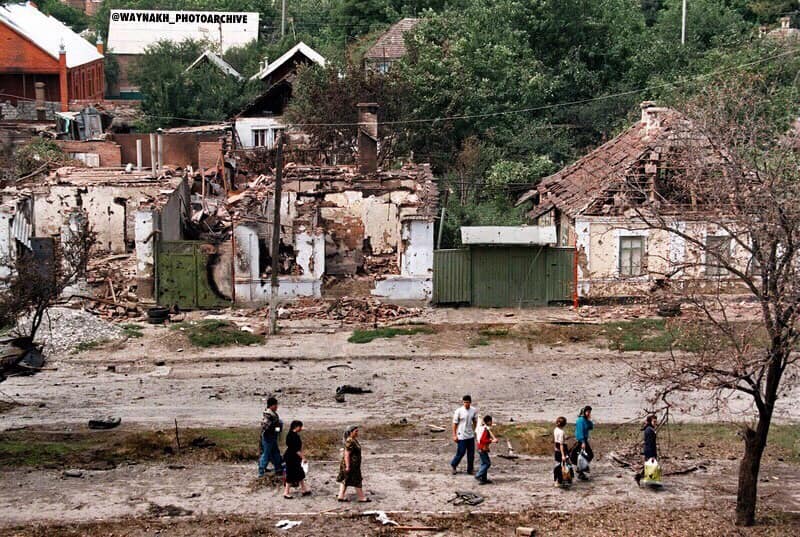
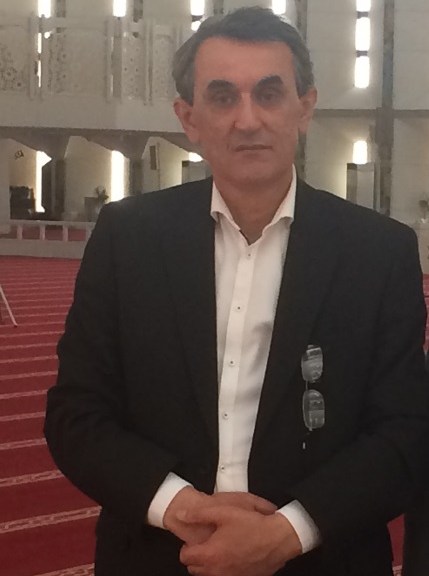
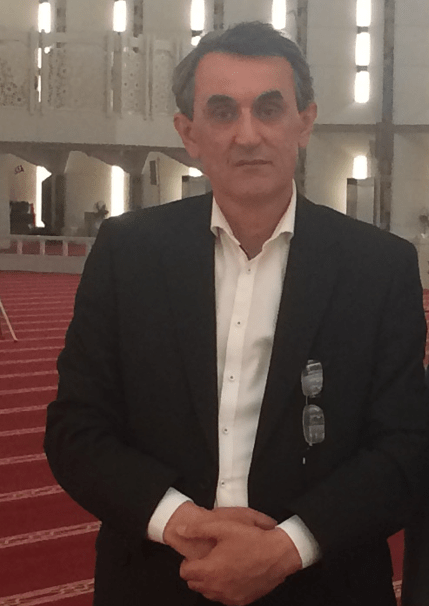

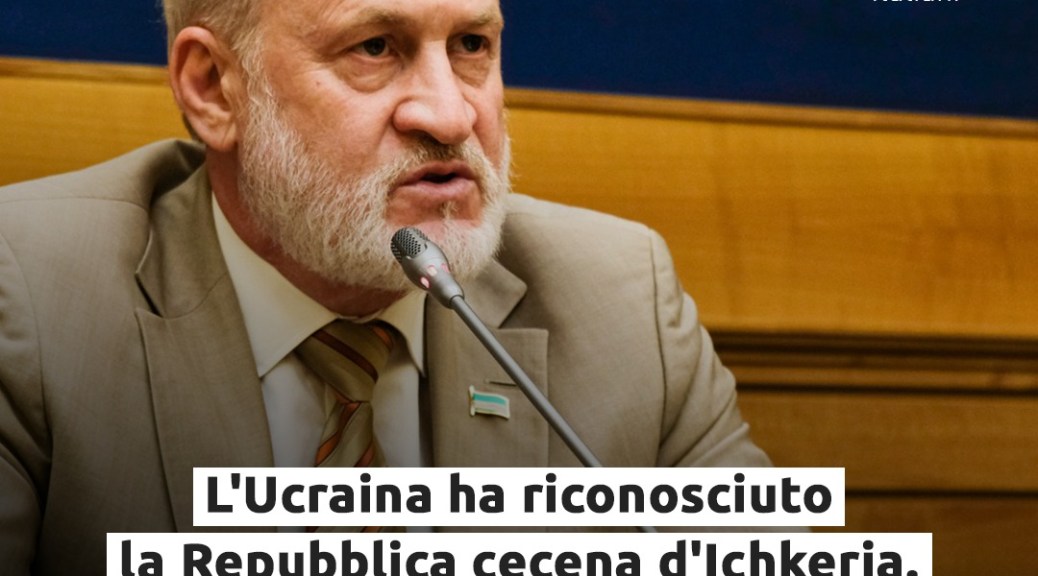


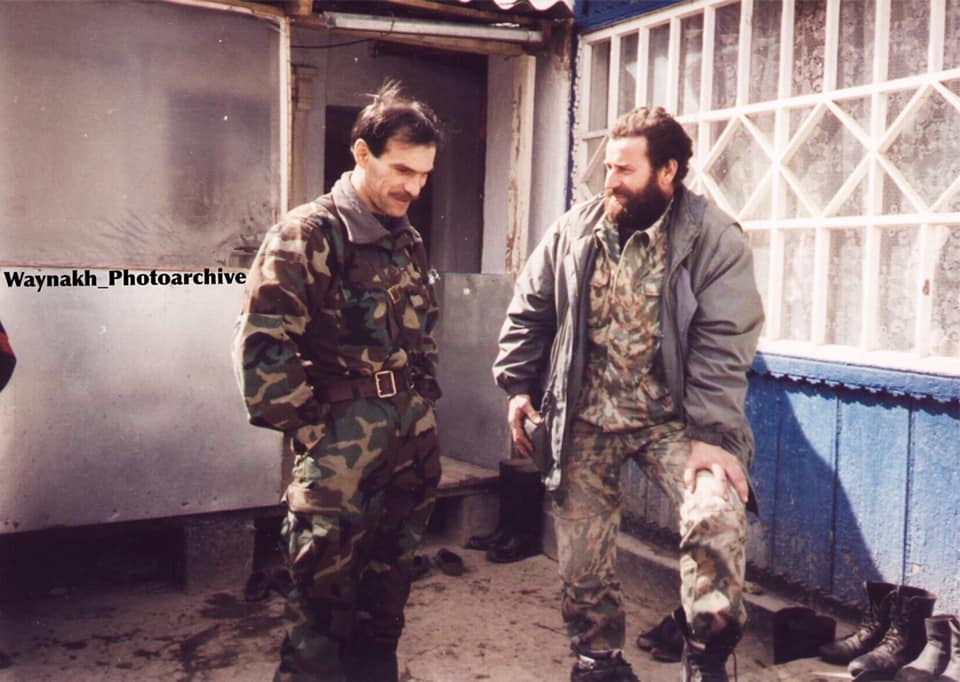
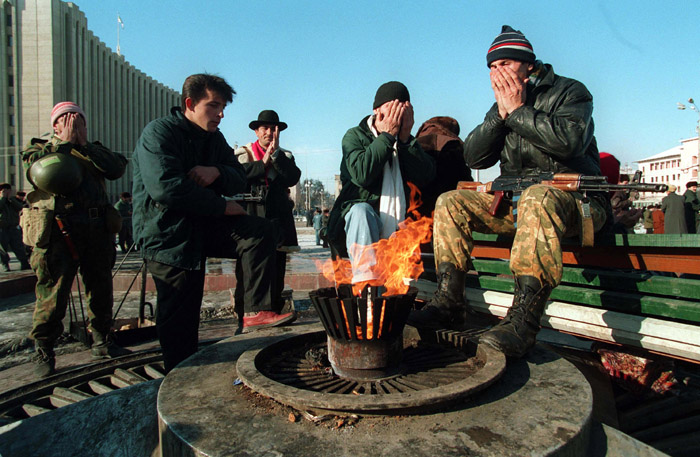


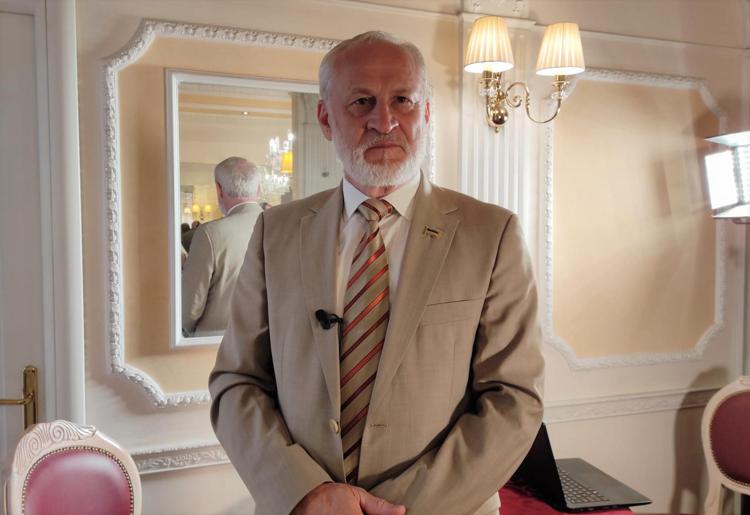


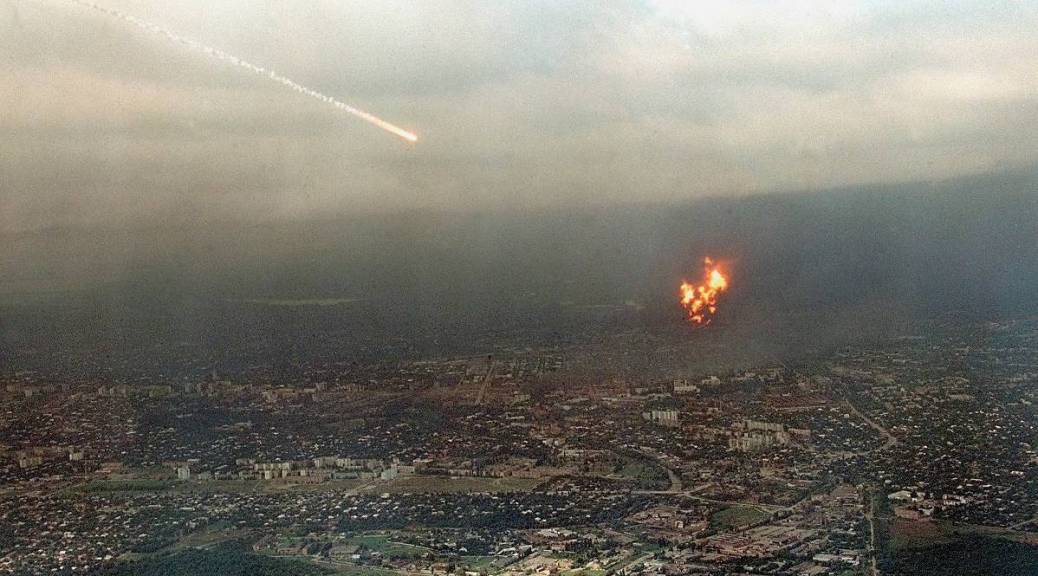
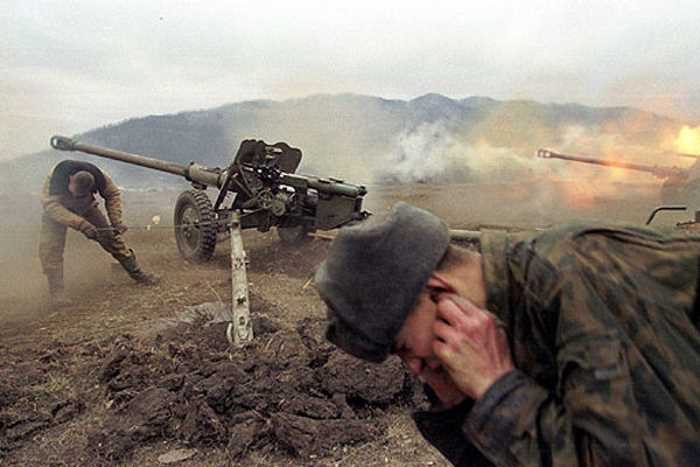
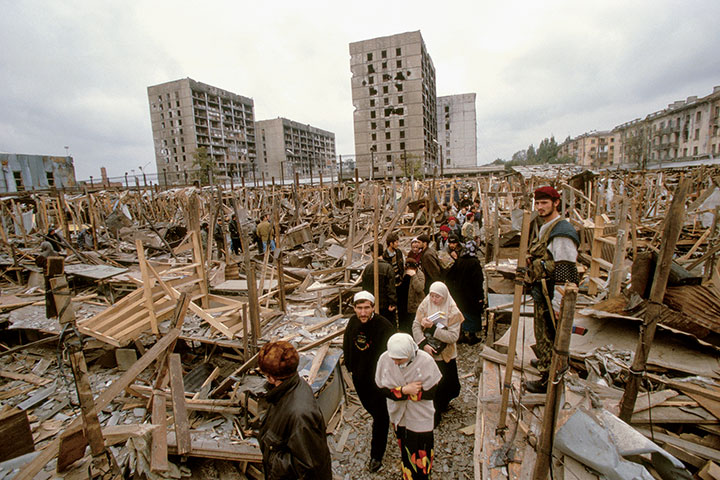
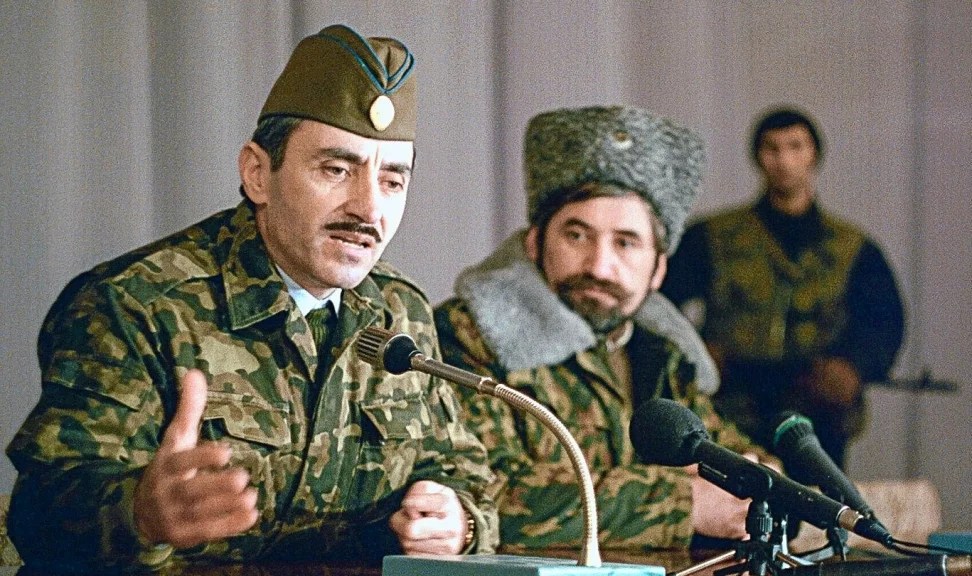


 Ichkeria Digital Archive