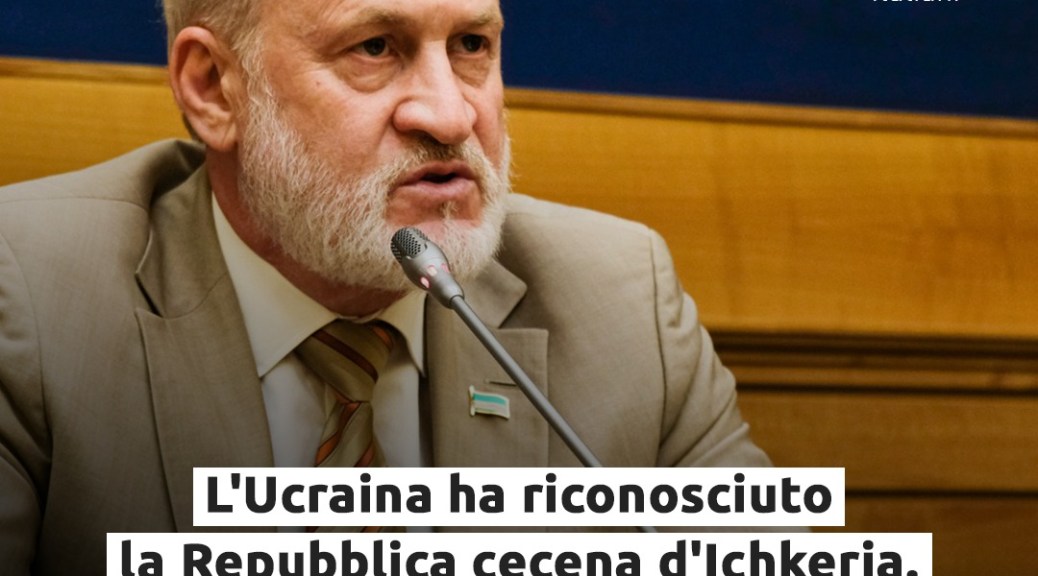
“Putin ha iniziato con la mia Cecenia, non si fermerà finchè esisterà l’impero russo” – Monica Perosino intervista Akhmed Zakayev

Quello che segue è il testo integrale di un’intervista realizzata dalla giornalista Monica Perosino de La Stampa al Presidente del Gabinetto dei Ministri della Repubblica Cecena di Ichkeria.

Monica Perosino

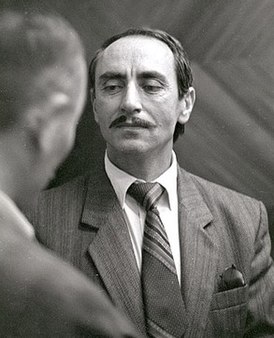
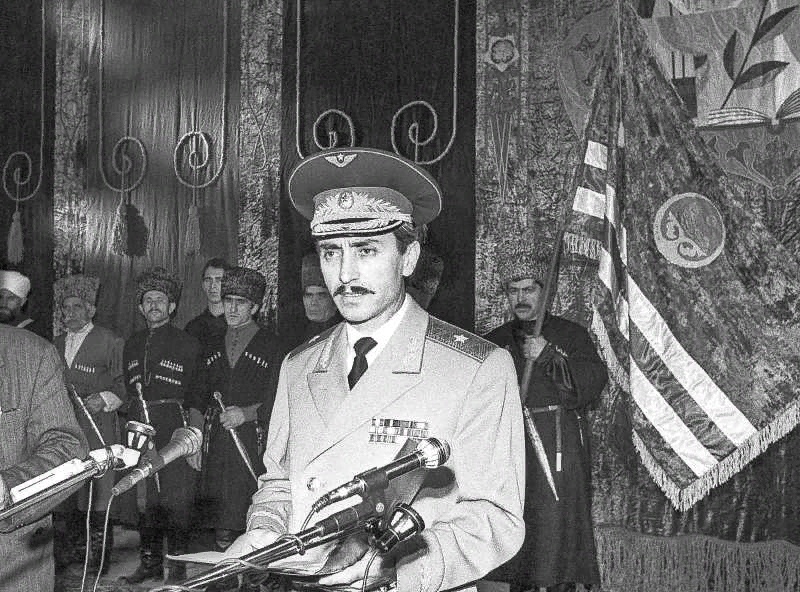
Ahmed Zakayev non ha perso il timbro morbido dell’attore, il russo forbito degli studi a Mosca, le maniere pacate da uomo di cultura e diplomazia. Ma oggi, in una casetta di legno in Ucraina, indossa una maglia militare e la voce trema impercettibilmente quando parla di Mariupol, che «sembra Groznyj», la “sua” Groznyj. Il leader del governo ceceno in esilio è il volto di quello che avrebbe potuto essere la Cecenia ma non è. Lui, uno dei pochi comandanti sopravvissuti alle due guerre con la Russia post-sovietica, della battaglia contro la voracità di Mosca ha fatto ragione di vita: «Dai tempi degli zar a Vladimir Putin la Russia è lo stesso impero colonialista. L’invasione dell’Ucraina non è che una conseguenza delle sue ambizioni imperiali, come lo era la guerra contro la Cecenia e come saranno le prossime guerre finché questa idea imperialista non si dissolverà». In questi giorni Zakayev è in Ucraina, per coordinare i battaglioni ceceni che combattono a fianco delle forze di Kiyv. Neanche un mese fa il parlamento ucraino aveva riconosciuto la Repubblica Cecena di Ichkeria. «Si tratta di un gesto molto più che formale» ha scritto Zakayev in una lettera inviata ai Radicali Italiani, che da anni si battono per l’autodeterminazione del popolo ceceno e lottano per l’incriminazione davanti al Tribunale dell’Aja di Vladimir Putin per i crimini di guerra compiuti in Ucraina. «Il popolo ucraino ha riconosciuto nella nostra battaglia la sua stessa battaglia, nelle nostre sofferenze le sue stesse sofferenze, nel nostro destino il suo stesso destino. Non potrà mai esserci libertà per nessuno, finché un solo popolo, e addirittura un solo uomo, dovrà subire la schiavitù».

Presidente Zakayev, nella sua prima vita faceva l’attore, poi il ministro della Cultura. A un certo punto si è trovato con un fucile in mano.

<C’è stato un tempo in cui svolgevo una professione pacifica e creativa: dopo il diploma in Teatro ho lavorato per anni come attore, poi sono diventato ministro della Cultura. Ma quando nel 1994 la Russia ci ha aggrediti io, come migliaia di altri ceceni – medici, insegnanti, cantanti, scrittori, poeti –, ho dovuto imbracciare le armi. Quando le bombe sono iniziate a cadere e i veicoli corazzati sono entrati nelle nostre città non abbiamo avuto altra scelta che cercare di proteggere le nostre famiglie, di difendere la nostra libertà>.

Negli anni di Gorbaciov la formazione di uno Stato ceceno sembrava possibile?

<Sì, continuavo a ripetere: la formazione del nostro Stato è perfettamente in linea con le leggi adottate dal Soviet Supremo dell’URSS nell’aprile 1990 e coerente con i principi e le norme del diritto internazionale. La creazione di una nostra statualità era assolutamente legittima, così come i processi politici in atto nella nostra repubblica in qui tempi. Sono state le riforme avviate da Gorbaciov che ci hanno permesso, come altre Repubbliche dell’Unione Sovietica, di dichiarare la Sovranità di Stato>.

Mikhail Gorbachev

Che cosa significa per la Cecenia – ma anche per la Georgia, ad esempio – essere indipendenti dalla Russia?

<L’indipendenza dalla Russia è la garanzia di poter avere un futuro. La liberazione dalla mano coloniale della Russia è l’unica strada per garantire ai popoli di Ucraina, Georgia, Cecenia-Inguscezia, Repubblica cecena di Ichkeria, e altre repubbliche nazionali la sicurezza e libertà, presente e futura>.

Lei ha combattuto anche durante il terribile assedio di Grozny, l’attacco che l’esercito della Federazione Russa mise in atto fra la fine di dicembre del 1994 e gli inizi di marzo 1995 nell’ambito della Prima guerra cecena. Cose le viene in mente oggi, quando ci pensa?

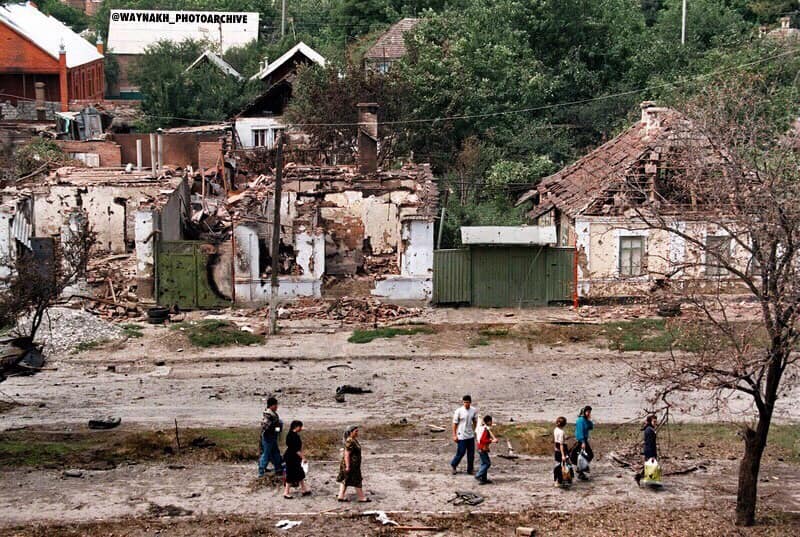
<A Mariupol. Mariupol è la Grozny ucraina. Entrambe le città sono state rase al suolo, nello stesso identico modo. A Mariupol i russi hanno agito esattamente come a Grozny>.

Secondo lei perché lOccidente ha chiuso gli occhi di fronte alla tragedia della guerra cecena?

<Perché l’Occidente era sicuro che la Russia si sarebbe fermata in Cecenia. Non capivano che la Russia, dopo il crollo dell’Unione Sovietica, non era cambiata nella sua essenza: le ambizioni russe sono sempre state ambizioni imperiali e tali sono rimaste. Ma l’Occidente fu ingannato dalla leadership russa, in particolare da Eltsin e dal Kgb. Parlando al Congresso degli Stati Uniti nel 1992, dopo il crollo dell’URSS, mentre lodava l’America (“la grande terra di libertà e democrazia”) Eltsin dichiarò che tutti gli orrori del mostro comunista non si sarebbero mai più ripetuti, che la Russia aveva

spezzato la spina dorsale a questo mostro. E l’Occidente gli ha creduto.  C’è stata una connivenza criminale, che ha consentito a Eltsin di distruggere interi Paesi nel cuore dell’Europa, con la scusa di normalizzare le relazioni con Mosca.  Il destino della Cecenia, di una nazione intera, è stato tradito e barattato in cambio del benessere e in cambio delle risorse energetiche che l’Occidente e l’Europa ricevevano dalla Russia. Non è stato un errore, è stato un crimine contro il popolo ceceno>.

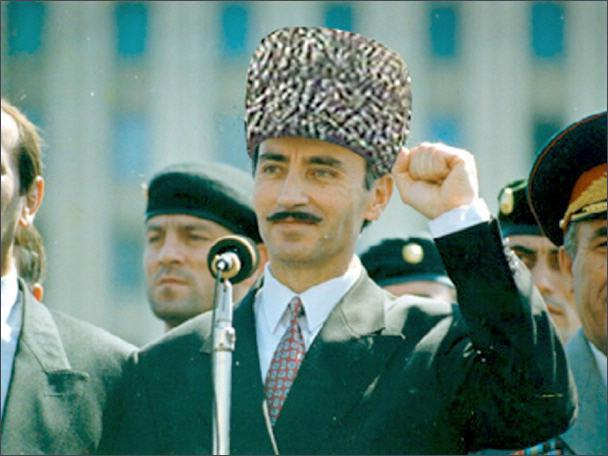
Manifestazione indipendentista a Grozny

È corretto dire che la guerra scatenata da Putin in Ucraina è una sorta di prosecuzione di quella cecena?

<Assolutamente sì. La guerra scatenata dalla Russia contro l’Ucraina è una continuazione della guerra della Russia contro la Cecenia. Negli ultimi anni la Russia, dopo aver rafforzato le forze armate, ha iniziato a impadronirsi e a conquistare i Paesi vicini. È partita dalla Repubblica cecena di Ichkeria e oggi è già arrivata in Ucraina. Se il mondo avesse fermato la Russia allora, non ci sarebbe stata la guerra in Georgia nel 2008, né oggi in Ucraina. Quella di oggi è la continuazione della guerra che la Russia ha scatenato nel 1994”.

Lei sa che in Occidente, molto spesso parla di «ceceni» e si pensa ai <kadiroviti>, non le fa rabbia?

<Quelli che chiamate “kadiroviti” sono un prodotto russo, quello che Mosca ha fatto a una parte di ceceni con il tacito consenso dell’Occidente. Perché in tutti questi 22 anni di occupazione e fino al 24 febbraio l’Occidente ha sostenuto sia Putin che il regime di Kadyrov in Cecenia. I ceceni sono stati le vittime di questa tragedia, dell’occupazione, dell’ingiustizia. Siamo rimasti soli con questo mostro, anzi, peggio, siamo stati semplicemente traditi. Il mondo si è schierato dalla parte del nostro carnefice. E in tutti questi anni l’ha nutrito e lo ha sostenuto, definendo lo sterminio del popolo ceceno “un affare interno della Russia”. Quando nel 1944 tutti i ceceni, che si opponevano alla sovietizzazione, vennero deportati (in  Kazakhistan e Kirghizistan, ndr), perché, spiegò Stalin agli alleati, “avevano collaborato con i nazisti”. L’Occidente chiuse un occhio, aveva ben presente cosa significasse “nazista”. Stesso schema nel 1994, quando hanno cercato di dire che i ceceni erano affiliati alla mafia ceca, stesso schema per tutti gli Anni 90, quando per qualsiasi crimine fosse commesso in Russia fosse incolpato un ceceno. Poi, dopo l’11 settembre, venne il momento degli “islamisti radicali”. Putin e l’Fsb avevano bisogno di ridurre il “problema ceceno” al problema dei “radicali musulmani”. Il 24 ottobre 2001 Putin dichiarò, mentre la seconda guerra in Cecenia era in corso, di essere pronto ad entrare a far parte della coalizione internazionale per combattere il terrorismo internazionale, ma in cambio voleva che la situazione in Cecenia fosse stata considerata nel contesto della lotta al terrorismo internazionale. E questo, a un certo punto, ha influenzato la comprensione dei politici occidentali, che hanno chiuso un occhio su ciò che Putin sta facendo in Cecenia.

Ramzan Kadyrov stringe la mano a Vladimir Putin

E Ramzan Kadyrov?

<È un collaborazionista, un traditore nazionale, come Quisling. Nei Paesi conquistati ci sono sempre persone che tradiscono il proprio popolo. Kadyrov è un traditore totale, un deviato senza educazione e senza scrupoli, di una spudoratezza e di una violenza senza limiti. Putin ha compreso bene la sua essenza, e lo ha nominato dopo aver eliminato suo padre>

Se Putin non ci fosse le cose sarebbero diverse?

“Certo che no. Finché esisterà l’idea di un impero russo queste guerre non si fermeranno. La strategia per l’Ucraina, per la Georgia, per la Cecenia, è stata sviluppata quando Putin lavorava ancora come taxista. Putin, che ora è al potere, sta semplicemente implementando questa strategia. Quindi, spostare la responsabilità solo su Putin e contare sul fatto che con un cambio di regime la situazione cambierà è un grosso errore. Per fare in modo che la Russia cessi di rappresentare una minaccia per il resto del mondo, non solo per i suoi vicini e per l’Ucraina, questo paese nella forma in cui esiste oggi, deve semplicemente cessare di esistere. Come si può fare? Non lo so, ma so che sarà possibile solo dopo la sconfitta militare della Russia in Ucraina, perché cesserà di esistere per come la conosciamo>

A Londra ha conosciuto Alexander Litvinenko, che rapporto c’era tra di voi?

<Eravamo molto amici, lavoravamo insieme. Nel 2004, il presidente della CRI Aslan Maskhadov mi ha nominato presidente della Commissione per le indagini sui crimini di guerra commessi dalla Russia in Cecenia e su mio suggerimento, Aslan ha incluso in questa commissione sia Alexander Litvinenko che Anna Politkovskaya. Anna Politkovskaya, trovandosi nel territorio della Repubblica cecena, sapeva dove e in quali luoghi erano dislocati i militari russi e chi li comandava, e Alexander Litvinenko conosceva queste persone in servizio, faceva parte del quartier generale, che si trovava a Nalchik, durante la prima guerra russo-cecena – il quartier generale principale della direzione dell’FSB per il la Cecenia. E conosceva tutti quelli coinvolti nella guerra. Penso che, in larga misura, la morte di Alexander e di Anna sia legata alla Commissione sui crimini di guerra>.

Alexander Litvinenko

Cosa le è rimasto impresso di Litvinenko?

<Stavamo parlando delle esplosioni del 1999 (una serie di attentati che hanno colpito quattro condomini nelle città russe di Buynaksk, Mosca e Volgodonsk, che hanno causato la morte di oltre 300 persone, e che, insieme all’invasione del Daghestan, hanno innescato  la seconda guerra cecena, ndr). Io non credevo che gli attentati fossero stati fatti dall’Fsb, all’epoca diretto da Putin, era troppo difficile credere che i russi, che gli stessi servizi speciali russi, potessero far saltare in aria i loro cittadini. Ma Litivinenko la pensava diversamente. Mi disse: “Akmed, metti alla prova la tua fantasia e pensa a qualcosa di terribile, la cosa peggiore che una persona possa fare, la più spaventosa. Qualunque cosa ti venga in mente ti dimostrerò che i servizi russi – dallo zarista Okhrana all’Fsb di oggi – l’ha già fatta. La cosa più terribile che il cervello umano possa immaginare, l’hanno già fatta”. E da quel momento in poi non metto in dubbio nulla per quanto riguarda i servizi speciali russi. Possono fare di tutto per salvare questo sistema. Possono sacrificare chiunque per salvare questo sistema. Questo è ciò che il mondo intero dovrebbe ricordare”.

Secondo lei come finirà questa guerra?

<Sono appena tornato dal Kherson, e posso dire con sicurezza che l’Ucraina non si tirerà indietro. Anche se l’Occidente dovesse stancarsi e la lasciasse sola contro la Russia, l’Ucraina non si arrenderà mai. L’Ucraina si batterà per i suoi territori, per la sua terra e per il suo futuro. Non ci sono dubbi su questo. Sono altrettanto sicuro che l’Occidente sosterrà l’Ucraina fino alla fine, ormai è troppo coinvolto e che alla fine l’Ucraina vincerà. Nel farlo libererà il mondo dalla minaccia dell’Impero russo, perché persa la guerra l’Impero russo cesserà di esistere>.

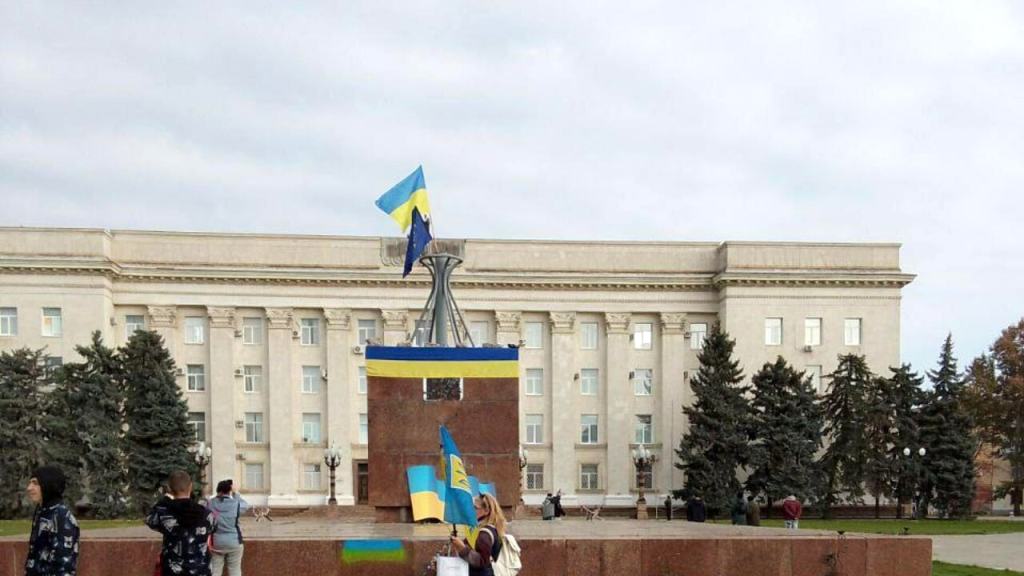
Cherson appena liberata dall’esercito ucraino

FREEDOM SOLD OR WAR BOUGHT? – REFLECTIONS BY APTI BATALOV (part 1)

I believe I am not mistaken when I say that one of the tragedies of the Chechen people originated on the day when Chechnya proclaimed itself an independent state. After choosing the first president, the Chechens naively believed that Russia would respect their choice. After all, Yeltsin said “take all the freedom you can swallow!” The Chechens did not know that “Swallowing freedom” they would regurgitate their blood.

The conquest of freedom

The Russians did not recognize the presidential elections held on October 27, 1991 in Chechnya. Rejecting any possibility of peaceful separation from Chechnya, the Kremlin has focused on the definitive solution of the Chechen “problem”. In planning actions against Chechen sovereignty, it was obvious that the Russian government would prioritize provocative and subversive activities, and this was evident from the growing activity of pro-Russian provocateurs on the territory of Chechnya. Funded and armed by Moscow, the leaders of the “anti-Dudaevites” began to form criminal groups under the cover of political slogans, calling themselves “opposition of the Dudaev regime”. In reality, the ideologues of this movement were full-time agents of the Russian special services and, following the instructions of the Lubyanka , they caused a civil war in the Chechens. Through these ” Mankurts ” [1], in the first half of the 90s of the twentieth century, Chechnya was transformed into a land of internal contrasts and social instability. Having already gained political independence from Moscow, many officials who held high positions in the state did what they could to discredit the idea of independence. With their actions they compromised the government, corrupted it, doing everything to make the Chechens repent of their choice. Every day, these people desecrated the idea of a free and sovereign state, and achieved many successes in this action, furthering the premises of the 1994/1996 Russo-Chechen War.

However, one detail had not been taken into consideration: the war imposed by the Kremlin would have ignited the genetic memory of the Chechens. All the people, with rare exceptions, took up arms and stood up to defend that choice. Evidently, after receiving the order to intensify their activities, the Russian special services agents began to increase their efforts to destabilize the political, economic and social situation throughout the Ichkeria territory. By sowing discord among the leaders of the state, creating an atmosphere of mutual distrust and enmity in the relations between yesterday’s comrades, the Russian mercenaries achieved the objectives set by Moscow. Instead of rallying around the president, in this hard and difficult time for the fate of the Chechen nation, and exercising their authority to defend and strengthen the authority of Ichkeria, the leaders of the country faced each other in the political arena with every sort of intrigue, against each other, using their credit only for speculative and populist purposes. After withdrawing troops from Ichkeria in 1996, the Russians invaded it with their agents. Terrible times came for Ichkeria, banditry assumed the proportions of a national catastrophe, kidnapping and the slave trade became the profession of a significant part of the former freedom fighters, lack of work and poverty swelled the ranks of criminals.

Heroes yesterday, enemies today

Thus there was no effective authority in Ichkeria. The comrades in arms of the President of yesterday, having had the opportunity to strengthen it, did not do so, but rather, having become politicians, they were the real antagonists of the President, doing everything to weaken his power. On every occasion, and under various pretexts, his authority was undermined: not a day passed without some “emergency” directed against the President. At that time I was convinced that these antagonists wanted to break Maskhadov psychologically. Imagine the state in which a person subjected to daily torture can be, every day more sophisticated and insidious. One fine day, the President collapsed… all this turmoil around the presidency drove the people to despair, their faith in authority and yesterday’s heroes disappeared. Social inequality, the absence of any guarantee of security, corrupt authorities at all levels, poverty and devastation: the Chechen people faced the 1999 war in these conditions … With an economic blockade, political and information isolation in place, the Chechen leadership he had no way of adequately preparing for Russian aggression.

The signs that the Russians were preparing a new war against Ichkeria appeared as early as February – March 1999. In February 1999, a demonstration of many thousands of people was held in support of the President’s policy in the city of Dzhokhar [formerly Grozny, NDR ]. The participants in the demonstration approved and supported in unison Maskhadov, the foreign and internal policy he pursued, and expressed the desire and willingness to take up arms to restore order in the country. Two or three Russian journalists were present at this gathering, being able to work without any restrictions. They assured me that the Russian media would report the demonstration, but not a single TV channel mentioned it. On the other hand, Russian public opinion began to be influenced by the idea that Maskhadov was a weak and indecisive person, that he had lost the support of the people, that power in Ichkeria was in the hands of the field commanders, that banditry and the slave trade flourished in Ichkeria. Obviously it would be wrong to deny these claims, which were partly true, but that the people did not support Maskhadov, or that he was weak, that was an absolute lie. The Chechen people had responded to the President’s appeal, and were willing to defend him. But the Russian media hid this fact from their audience. As for the field commanders, most of them obeyed without question the President and Commander the Chief of the Armed Forces.

But, as they say, no family is without monsters. On the occasion of the second anniversary of the signing of the Peace Treaty between Ichkeria and Russia on May 12 , 1997, well-organized celebrations were held in the city of Dzhokhar: events were held in the city center, horse races were held on the outskirts of the capital, with prizes in prize money, including “VAZ” 6 car models. It was a bright and festive day, during which the Ichkeria leadership showed all its desire for peace with Russia. Once again, Russian TV reporters worked on the event, as always without restrictions. And once again the media did not say a single word about the fact that similar celebrations were held in the city of Dzhokhar. All of this suggested that there would be no celebration the following year.


[1] Figuratively speaking, the word ” mankurt ” refers to people who have lost touch with their ethnic homeland , who have forgotten their kinship . For further information: https://en.wikipedia.org/wiki/Mankurt

Исповедь несостоявшегося фермера, или как я потерял Родину (или она меня)


(Воспоминания Хамзата)

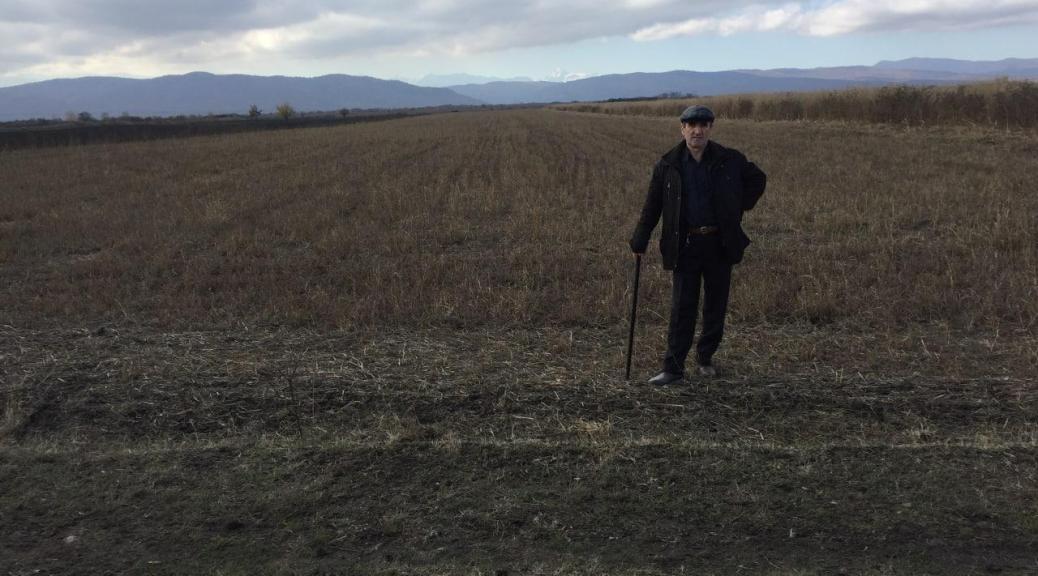
Дело было давно, однажды большая Родина (СССР) приказала всем перестроиться, я с удовольствием согласился и врoде бы с не пыльной и стабильной работы решил переключиться в фермеры. Я знал что это тяжелый и затратный труд но трудностей я не боялся, был задор, чувство собственника и желание работать на себя. Каких трудов и нервов стоило получить землю описывать не буду, уж лучше изложу чем все это закончилось. 1992 г. организовал фермерское  хозяйство закатал рукава и работа закипела. В течении первых двух лет удалось сколотить 2 трактора и весь набор прицепных и навесных сельхоз.агрегатов за исключением комбайна. Были случаи когда местному совхозу помогал техникой а совхоз  одалживал комбайн.

И вот наступил 1994 г а дело происходило в Чечне. Родина будучи недовольной тем что её часть решила “свалить” нагнала в республику столько брони и пушечного мяса, что дело запахло жареным, имя Родины было – Русская Армия. Под Родиной я также имею ввиду любого чиновника от сельской администрации до Главного Скрепохранителя а также любого кто носить униформу. Путаясь под ногами y воюющих сторон, руководствуясь поговоркой: Война войной а кушать надо!, под обстрелами вертолетных ракет мне удалось засеять озимые, весной умудрился посадить картофель и овощные.

А в то время земли совхозов успели зарасти бурьяном. Родина (армия) в поисках безопасного места для боевой позиции перед штурмом села Бамут обнаружила мое поле наиболее подходящим и безопасным, так как засеянное поле как бы гарантировало отсутствие мин (эх…надо было поставить).Узнав об этом я набрался смелости (а оказалось наглости) пошел к Родине чтобы взглянуть ей в глаза, прежде чем увидел глаза Родины моему взоры предстала удручающая картина, помимо солдатских окопов земля была изрыта огромными ямами для танков, БТРов и другой техники. Весь верхний плодоносный, гумусный слой земли вместе с урожаем ушел вниз а на поверхность была поднята желтая глина и мое поле скорее напоминала шахматную доску.

Потом я перевел свoй взгляд на Родину, вид у него был страшный, можно сказать отвратительный, Родина вся былa грязнaя и голоднaя онa нагло смотрелa мне в глаза и поедалa мой картофель, который откапывалa тут же у себя из под ног. Нa мой недоуменный вопрос: Что она (Родина) делает на моем поле? Ответила, что наводит конституционный порядок. -Hеужели для этого надо было уничтожать урожай? спросил я, лучше бы я не спрашивал, спасибо что живым отпустили, еле унес ноги.

Спустя некоторое время местная малая Родина (республиканский минсельхоз), предложила все эти убытки и упушенную выгоду запротоколировать и когда наступят лучшие времена большая Родина возместит. Так я и сделал, еще год ушел на восстановление земли чтобы можно было ее рaспахивать и обрабатывать. Более менее оправившись от железных объятий “Старшего Брата” я встретил второе пришествие Родины 1999 г. на этот paз Родина погубила мой урожай, не на поле брани, а будучи уже убранным, тo есть: наученный первой войной народ свалил по близлежащим республикам, а из-за отсутствия рынка сбыта, урожай мой пропал, проросшие лук пришлось выкинуть

Междувоенное время я вспомнил об актах погубленного урожая в первую войну которые чудом сохранились. С этими исками я пошел к Родине, мол так и так… Родина даже не поинтересовалась а правильно ли я калькулировал свои убытки не приписал ли я что-то лишнее, Родину (минсельхоз) прежде всего интересовало откачу ли я ей необходимый процент из той денежной компенсации, которую она окажет моему фермерскому хозяйству. Не договорившись с Родиной мы разошлись. Еще некоторое время ушло в надежде на что Родина когда ни будь меня заметит и будет кредитовать. Но львиную долю республиканского бюджета поедали правоОХРЕНЕТели, которые росли как на дрожжах и на каждом шагу как грибы после дождя. У меня окончательно опустились руки дa и здоровье тоже было уже не то.

Я возненавидел Родину, потом ненависть тихо перешла в презрение, единственное мое желание было, не видеть эту Родину в глаза. И покинуть eё – навсегда, но и возможности (материально) тоже не было. И вот однажды с этим мерзким чувством я последний раз пошел к Родине (минсельхоз) чтобы высказать ей все что думаю о ней и заодно попросить у нее денег чтобы… свалить. И каково же было мое удивление, когда Родина согласилась дать мне денег, ну разумеется за определенную мзду.

Родина сама придумала схему выдачи мне денег, Это была разовая помощь на посевную, от которой я должен “откатить”… 60%. Мы ударили по рукам я получил энную сумму, откатил соответствующую часть, взял семью под мышку и меня только и видели. Напоследок перед тем как шагнуть на трап свoего “философского пароходa” я обернулся назад чтобы последний раз взглянуть своими влажными глазами, в глаза Родине – на прощание. Даже моего прощального взгляда Родина не видела, ей было не до меня, она нервно подсчитывала свою долю”.

CHECHENS, SHOW THAT YOU ARE A UNITED NATION! – INTERVIEW WITH USMAN FERZAULI

(English Version)

Usman Ferzauli, former First Deputy Foreign Minister and Director of the Department of Foreign Intelligence, then Minister of Foreign Affairs and Ambassador Extraordinary and Plenipotentiary to the Kingdom of Denmark, in service until 2016, has agreed to answer some of our questions on the current situation of the Chechen Republic of Ichkeria.

As a senior officer of the Chechen Republic of Ichkeria, you have gone through all stages of the republic’s history, from the most glorious to the most difficult. Today you support the cause of Chechnya from Europe. How is the management of Ichkeria experiencing this difficult and delicate moment?

I must say that today I am not an Ichkeria official on active duty . I believe that this status allows me to be more objective and free in the choice of terms to define the processes related to Ichkeria, without violating anyone’s rights or ambitions. I cannot speak on behalf of all Chechens, but I would insult the memory of my brothers in arms, who gave their lives for the sake of Ichkeria’s freedom, if I did not talk about what we all dreamed of and what we have dedicated our lives. Everyone is going through this difficult time in their own way. There are more than half a million Chechens outside of Ichkeria and Russia, and they are integrated into the social strata of their home countries. About three hundred thousand live in the territory of Russia proper. The remainder resides in Ichkeria. Our people have gone through a very difficult path, in the last 30 years we have faced 2 ethnic cleanups, which European politicians have called simply “… violation of human rights”. We have lost a quarter of the population during the wars and there is no family in Ichkeria that has not lost a loved one during this time. I mention these facts only because all this lives in us, in our children. And any information that mentions the word Ichkeria is a kind of detonator for all of us. Unfortunately, today I do not see a single national concept capable of developing mechanisms to get out of this difficult situation. Furthermore, it is not entirely ethical to try to change something in Ichkeria while sitting thousands of kilometers from the Homeland. Finally, I do not allow anyone to ask those Chechens living in Ichkeria today to engage in an open confrontation with the occupying authorities, because today Ichkeria is similar to Ukraine during the occupation by Nazi Germany. Ichkeria is governed by the dictatorship of the federal authorities. People are absolutely helpless. People have no right to be heard, to have their own opinion different from the official versions. The corruption is nationwide. This is the situation we are in …


A few days ago, the Ukrainian parliament recognized Ichkeria as a state illegally occupied by the Russian Federation and recognized the genocide committed by the Russians against the Chechens. How do you rate this event for Chechnya?

We are all happy with this step and we give an enthusiastic evaluation to these acts of the fraternal Ukrainian people. Thousands of our compatriots today fight together with the Ukrainians for a noble cause: against an aggressor who has no morals, pity, dignity. Undoubtedly, the recognition of Ichkeria as a temporarily occupied state and the establishment of a commission to investigate the genocide against our people are but the first glimpses of our people’s hopes for freedom and the consequent prosecution of military and political criminals. But this is a very tiring path, which will first of all require the unity of us Chechens, which unfortunately I do not see at the moment. The very concept of independence must go beyond the national framework with the involvement of international experts, support groups in the broad sense and, above all, an international administration set up for the transition period. Today the Chechens are divided globally and a peaceful solution to the problem of unification is, to put it mildly, very prosaic. Unfortunately, we still don’t find similar support from political leaders in European countries and North America and there are no clear signs that this will happen in the foreseeable future. But we are patient people, we have been waiting for 300 years, we will wait for more.

The forces demanding continuity with the Chechen Republic of Ichkeria today seem divided and sometimes even in conflict with each other, delegitimizing each other. What is the reason for this fragmentation?

This is a very sensitive issue. I am not an advocate of public whipping of my countrymen, no matter how much scoundrel they may be. Unfortunately, nothing is changing and they apparently haven’t learned from past mistakes. Somehow, the esteemed Vytautas Landsbergis, observing the disunity of the Chechens, said: “ My dear Chechens, well, show at least once that you are one united nation! “ The reason for the fragmentation of these groups (I cannot call them otherwise) are the sick ambitions of some and the very high presumption of others. We have already overcome this path of fragmentation in 1997, on the eve of the election of the President of the CRI and after, when the people who had to unite the people became a disaster for their own . nation . After the end of the first war, the lustration law was passed. But this law was not applied to domestic traitors and people who actively cooperated with the aggressor. Eventually, everything went back to anarchy. The same trend is observed today. Defectors, people who collaborated with the occupation regime and mere adventurers, as well as those who betrayed President Aslan Maskhadov, tempted by the conspiratorial ideas of controlling oil pipelines and uniting Chechnya and Dagestan, position themselves as the main “activists. of the liberation movement “.

How do the Chechen population at home and the diaspora in Europe perceive the litigation of various organizations defending the independence of Chechnya? And how credible are these organizations among the civilian population?

The feelings are very negative . The most interesting thing is that all these groups protect the interests of the group itself, which they arbitrarily declare to be the interests of the people of Ichkeria. As can be seen from publications and personal communication, there are conflicting statements. Someone renewed the ideas of the Caliphate with the establishment of Sharia law in Ichkeria immediately. Someone will go to war directly in the Chechen Republic and thus “free” Ichkeria from the invaders, with all the bloody consequences that will ensue. This is nothing but an illusion. There are also demands on the government of Ukraine to recognize Dagestan’s independence. We are not interested in Dagestan and we do not have the right to speak on behalf of the peoples of Dagestan, where 52 ethnic groups live and there is not a single dominant one. Throughout our history, we have not had a single beneficial idea from Dagestan, only conflicts, conflicts, wars, devastation and betrayal. Furthermore, the international community, primarily the European Union and the countries of North America, see Russia in the future as a united, stable and predictable country within its current borders. And our appeals for the recognition of the independence of Russian autonomies can be mistaken for attempts to divide Russia itself, and therefore we pour water on the mill of Russian propaganda. Yes, we are for the freedom of all peoples, but first of all we must not forget our national interests. Since our independence in principle also depends on the outside world, it is necessary to speak in a language that is acceptable and understandable to the world, leaving verbosity and rhetoric unacceptable to parlor adventurers.

Do you think it makes sense that the various institutional groups that call themselves “legitimate” come together as one and put aside their differences instead of acting independently? Or do you think there is someone among them worthy of leading others?

I am deeply convinced that Ichkeria should achieve independence without bloodshed, military confrontations and destructive wars. We’ve been through all of this before. One thing is quite clear to me, that without the consent of Russia, Ichkeria will not receive independence in that classic civilian form, as has happened before with the colonial territories. I am absolutely certain that no country in the world will announce a single sanction against Russia due to the violence and colonization of Ichkeria. We have seen all of this during two bloody wars. And in these matters, we need the political support of Ukraine and its partners. It is quite obvious that in matters of cooperation with Ichkeria, if this process continues, Ukraine needs a force that can be represented on behalf of the people of Ichkeria. And if all these groups really want freedom for their country, it is necessary to leave their ambitions alone and form a working group to carry this project forward .

At the moment, many young Chechens are fighting alongside the Ukrainian army, mainly on the Kherson front. It is clear that their battle is not only for the defense of Ukraine, but also for the restoration of Chechnya’s independence. If you could talk to each of them, what would you tell them?

With obvious envy, in the good sense of the word, I watch our boys participate in this war. It would be unethical to teach them something, because with their example they set an example and hope for all Chechens. For me, in principle, it does not matter what they are guided by. But to each, individually, I would give my hand and hug, as Chechen men do. We Chechens are laconic and don’t compliment each other, but I’m extremely proud to belong to the people they represent. Once again, they fully showed the whole world their nobility and the potential for courage in the fight against a common enemy. In my prayers I ask the Almighty to grant them health, good humor and long life in their free homeland.

How does the political fragmentation of the CRI affect those same soldiers fighting at the front under the Ichkeria banner?

At this stage, these guys are busy with their noble cause and, for objective reasons, don’t pay much attention to this issue. I know that there have been unsuccessful attempts by some groups to subjugate these battalions to themselves by luring them “under the banner of Ichkeria”. But the problem with the latter is that these guys since 2014, in one way or another, under the Ichkeria banner, position themselves as Ichkerians. At the same time, they are integrated into the structures of the Ukrainian armed forces, accept and carry out the tasks assigned to them by the command. Therefore, I doubt that at this stage they can be affected in any way beyond their functional responsibilities.

CECENI, MOSTRATE CHE SIETE UNA NAZIONE UNITA! – INTERVISTA AD USMAN FERZAULI

(Versione Italiana)

Usman Ferzauli, ex Primo Vice Ministro degli Esteri e Direttore del Dipartimento di Intelligence Estera, poi Ministro degli Affari Esteri ed Ambasciatore Straordinario e Plenipotenziario presso il Regno di Danimarca, in servizio fino al 2016, ha acconsentito a rispondere ad alcune nostre domande sulla situazione attuale della Repubblica Cecena di Ichkeria.

Come alto ufficiale della Repubblica cecena di Ichkeria, hai attraversato tutte le fasi della storia della repubblica, dalle più gloriose alle più difficili. Oggi sostieni la causa della Cecenia dall’Europa. Come sta vivendo questo momento difficile e delicato la dirigenza di Ichkeria?

Devo dire che oggi non sono un funzionario di Ichkeria in servizio attivo. Credo che questo status mi permetta di essere più obiettivo e libero nella scelta dei termini per definire i processi relativi all’Ichkeria, senza violare i diritti o le ambizioni di qualcuno. on posso parlare a nome di tutti i ceceni, ma insulterei la memoria dei miei fratelli d’armi, che hanno dato la vita per il bene della libertà di Ichkeria, se non parlassi di ciò che tutti abbiamo sognato e di ciò cui abbiamo dedicato le nostre vite. Ognuno sta attraversando questo momento difficile a modo suo. Ci sono più di mezzo milione di ceceni al di fuori di Ichkeria e della Russia, e sono integrati negli strati sociali dei loro paesi di residenza. Circa trecentomila vivono nel territorio della Russia vera e propria. Il resto risiede in Ichkeria. Il nostro popolo ha attraversato un percorso molto difficile, negli ultimi 30 anni abbiamo affrontato 2 pulizie etniche, che i politici europei hanno chiamato semplicemente “…violazione dei diritti umani”. Abbiamo perso un quarto della popolazione durante le guerre e non c’è famiglia a Ichkeria che non abbia perso la persona amata durante questo periodo. Cito questi fatti solo perché tutto questo vive in noi, nei nostri figli. E qualsiasi informazione che menzioni la parola Ichkeria è una specie di detonatore per tutti noi. Purtroppo non vedo oggi un unico concetto nazionale in grado di sviluppare meccanismi per uscire da questa difficile situazione. Inoltre, non è del tutto etico cercare di cambiare qualcosa a Ichkeria mentre si è seduti a migliaia di chilometri dalla Patria. Infine, non permetto a nessuno di chiedere a quei ceceni che oggi vivono a Ichkeria di avviare un confronto aperto con le autorità occupanti, perché oggi Ichkeria è simile all’Ucraina durante l’occupazione da parte della Germania nazista. In Ichkeria vige la dittatura delle autorità federali. Le persone sono assolutamente impotenti. Le persone non hanno il diritto di essere ascoltate, di avere la propria opinione diversa dalle versioni ufficiali. La corruzione è su scala nazionale. Questa è la situazione in cui ci troviamo…


Pochi giorni fa, il parlamento ucraino ha riconosciuto Ichkeria come uno stato occupato illegalmente dalla Federazione Russa e ha riconosciuto il genocidio commesso dai russi contro i ceceni. Come valuti questo evento per la Cecenia?

Siamo tutti contenti di questo passo e diamo una valutazione entusiasta a questi atti del fraterno popolo ucraino. Migliaia di nostri connazionali oggi combattono insieme agli ucraini per una nobile causa: contro un aggressore che non ha morale, pietà, dignità. Indubbiamente, il riconoscimento di Ichkeria come stato temporaneamente occupato e l’istituzione di una commissione che indaghi sul genocidio contro il nostro popolo non sono altro che i primi barlumi delle speranze del nostro popolo di ottenere la libertà e il conseguente perseguimento di criminali militari e politici. Ma questo è un percorso molto faticoso, che richiederà prima di tutto l’unità di noi ceceni, che purtroppo al momento non vedo. Il concetto stesso di indipendenza deve andare oltre il quadro nazionale con il coinvolgimento di esperti internazionali, gruppi di sostegno in senso lato e, soprattutto, di una amministrazione internazionale costituita per il periodo di transizione. Oggi i ceceni sono divisi a livello globale e una soluzione pacifica al problema dell’unificazione è, per usare un eufemismo, molto prosaica. Sfortunatamente, non troviamo ancora un sostegno simile da parte dei leader politici nei paesi europei e nel Nord America e non ci sono segnali chiari che ciò accadrà nel prossimo futuro . Ma siamo persone pazienti, stiamo aspettando da 300 anni, ne aspetteremo ancora.

Le forze che chiedono continuità con la Repubblica cecena di Ichkeria oggi sembrano divise e talvolta addirittura in conflitto tra loro, delegittimandosi a vicenda. Qual è il motivo di questa frammentazione?

Questa è una questione molto delicata. Non sono un sostenitore della fustigazione in nome pubblico dei miei connazionali, non importa quanto farabutti possano essere. Sfortunatamente, nulla sta cambiando e a quanto pare non hanno imparato dagli errori del passato. In qualche modo, lo stimato Vytautas Landsbergis, osservando la disunione dei ceceni, disse: “Miei cari ceceni, bene, mostrate almeno una volta che siete un’unica nazione unita!” Il motivo della frammentazione di questi gruppi (non posso chiamarli diversamente) sono le malate ambizioni di alcuni e l’altissima presunzione di altri. Abbiamo già superato questo percorso di frammentazione nel 1997, alla vigilia delle elezioni del Presidente della CRI e dopo, quando la gente che doveva unire il popolo divenne un disastro per la sua stessa nazione. Dopo la fine della prima guerra, fu approvata la legge sulla lustrazione. Ma questa legge non è stata applicata ai traditori nazionali e alle persone che hanno collaborato attivamente con l’aggressore. Alla fine, tutto è tornato all’anarchia. La stessa tendenza si osserva oggi. I disertori, le persone che hanno collaborato con il regime di occupazione ed i semplici avventurieri, così come coloro che hanno tradito il presidente Aslan Maskhadov, tentati dalle idee cospirative di controllare gli oleodotti e unire Cecenia e Daghestan, si posizionano come i principali “attivisti del movimento di liberazione”.

Come percepiscono la popolazione cecena in patria e la diaspora in Europa il contenzioso di varie organizzazioni che difendono l’indipendenza della Cecenia? E quanto sono credibili queste organizzazioni tra la popolazione civile?

Le percepiscono in modo molto negativo. La cosa più interessante è che tutti questi gruppi tutelano gli interessi del gruppo stesso, che dichiarano arbitrariamente essere interessi del popolo di Ichkeria. Come si vede dalle pubblicazioni e dalla comunicazione personale, ci sono dichiarazioni contrastanti. Qualcuno ha rinnovato le idee del Califfato con l’istituzione della legge della Sharia in Ichkeria immediatamente. Qualcuno andrà in guerra direttamente nella Repubblica Cecena e così “liberarà” Ichkeria dagli invasori, con tutte le sanguinose conseguenze che ne conseguiranno. Questa non è altro che un’illusione. Ci sono anche richieste al governo dell’Ucraina di riconoscere l’indipendenza del Daghestan. Non ci interessa il Daghestan e non abbiamo il diritto di parlare a nome dei popoli del Daghestan, dove vivono 52 gruppi etnici e non ce n’è uno solo dominante. Nel corso della nostra storia, non abbiamo avuto una sola idea benefica dal Daghestan, solo conflitti, conflitti, guerre, devastazioni e tradimenti. Inoltre, la comunità internazionale, in primis l’Unione Europea ei Paesi del Nord America, vedono la Russia nel futuro come un Paese unito, stabile e prevedibile entro i suoi attuali confini. E i nostri appelli al riconoscimento dell’indipendenza delle autonomie russe possono essere scambiati per tentativi di dividere la Russia stessa, e quindi versiamo acqua sul mulino della propaganda russa. Sì, siamo per la libertà di tutti i popoli, ma prima di tutto non dobbiamo dimenticare i nostri interessi nazionali. Poiché la nostra indipendenza in linea di principio dipende anche dal mondo esterno, è necessario parlare in una lingua che sia accettabile e comprensibile per il mondo, lasciando verbosità e retorica inaccettabile agli avventurieri da salotto.

Pensi che abbia senso che i vari gruppi istituzionali che si definiscono “legittimi” si uniscano come un’unica realtà e mettano da parte le loro differenze invece di agire in modo indipendente? O pensi che tra loro ci sia qualcuno degno di guidare gli altri?

Sono profondamente convinto che Ichkeria dovrebbe ottenere l’indipendenza senza spargimenti di sangue, scontri militari e guerre distruttive. Abbiamo già passato tutto questo. Una cosa è del tutto chiara per me, che senza il consenso della Russia, Ichkeria non riceverà l’indipendenza in quella classica forma civile, come è successo prima con i territori coloniali. Sono assolutamente certo che nessun Paese al mondo annuncerà una sola sanzione contro la Russia a causa della violenza e della colonizzazione di Ichkeria. Abbiamo visto tutto questo durante due sanguinose guerre. E in queste questioni, abbiamo bisogno del sostegno politico dell’Ucraina e dei suoi partner. È abbastanza ovvio che in materia di cooperazione con Ichkeria, se questo processo continua, l’Ucraina ha bisogno di una forza che possa essere rappresentata a nome del popolo di Ichkeria. E se tutti questi gruppi vogliono davvero la libertà per il loro paese, è necessario lasciare in pace le loro ambizioni e formare un gruppo di lavoro per portare avanti questo progetto.

Al momento, molti giovani ceceni stanno combattendo a fianco dell’esercito ucraino, principalmente sul fronte di Kherson. È chiaro che la loro battaglia non è solo per la difesa dell’Ucraina, ma anche per il ripristino dell’indipendenza della Cecenia. Se potessi parlare con ciascuno di loro, cosa diresti loro?

 Con palese invidia, nel buon senso della parola, osservo i nostri ragazzi partecipare a questa guerra. Non sarebbe etico insegnare loro qualcosa, perché con il loro esempio danno un esempio e una speranza a tutti i ceceni. Per me, in linea di principio, non importa da cosa sono guidati. Ma a ciascuno, individualmente, darei la mano e l’abbraccio, come fanno gli uomini ceceni. Noi ceceni siamo laconici e non ci complimentiamo a vicenda, ma sono estremamente orgoglioso di appartenere alle persone che loro rappresentano. Ancora una volta, hanno mostrato pienamente al mondo intero la loro nobiltà e il potenziale di coraggio nella lotta contro un nemico comune. Nelle mie preghiere chiedo all’Onnipotente di concedere loro salute, buon umore e lunga vita nella loro libera patria.

In che modo la frammentazione politica della CRI colpisce quegli stessi soldati che combattono al fronte sotto la bandiera di Ichkeria?

In questa fase, questi ragazzi sono impegnati con la loro nobile causa e, per ragioni oggettive, non prestano molta attenzione a questo problema. So che ci sono stati tentativi infruttuosi da parte di alcuni gruppi di soggiogare questi battaglioni a se stessi, attirandoli “sotto la bandiera di Ichkeria”. Ma il problema di quest’ultimo è che questi ragazzi dal 2014, in un modo o nell’altro, sotto la bandiera di Ichkeria, si posizionano come Ichkeriani. Allo stesso tempo, sono integrati nelle strutture delle forze armate ucraine, accettano e attuano i compiti loro assegnati dal comando. Pertanto, dubito che in questa fase possano essere influenzati in alcun modo al di là delle loro responsabilità funzionali.

Чеченцы, покажите, что вы сплочённая нация!
Интервью с Усманом Ферзаули

(русскоязычная версия)

Усман Ферзаули, бывший первый заместитель министра иностранных дел и директор Департамента внешней разведки, затем министр иностранных дел и Чрезвычайный и Полномочный Посол в Королевстве Дания, на службе до 2016 года, согласился ответить на некоторые наши вопросы о текущей ситуации. Чеченской Республики Ичкерия.

Вы как высокопоставленный офицер Чеченской Республики Ичкерия прошли все этапы истории республики, от самого славного до самого трудного. Сегодня вы поддерживаете дело Чечни из Европы. Как руководство Ичкерии переживает этот сложный и деликатный момент?

Должен сказать, что я сегодня не в руководстве Ичкерии. Считаю, что данный статус позволяет мне быть более объективным и свободным в выборе терминов определения процессов касающихся Ичкерии, не ущемляя чьих то прав или амбиций. Я так же не могу говорить от имени всех чеченцев, но я бы оскорбил память моих братьев по оружию, которые отдали свои жизни ради свободы Ичкерии, если бы не стал говорить о том, о чём мы все мечтали и чему посвятили свою жизнь. Это сложное время каждый переживает по-своему. За пределами Ичкерии и России более полумиллиона чеченцев и они интегрированы в социальных слоях стран проживания. Порядка триста тысяч проживают на территории собственно России. Ну и остальные в Ичкерии. Наш народ прошел очень трудный путь, буквально за последние 30 лет мы пережили 2 этнические чистки, которые европейские политики называли просто «..нарушением прав человека». Мы потеряли в процессе войн четверть населения, и нет в Ичкерии семьи, кто не потерял своего близкого человека именно в этот период. Я привожу эти факты только потому, что все это живёт в нас, в наших детях. И любая информация, где упоминается слово Ичкерия,  является для всех нас своего рода детонатором. К сожалению, я не вижу сегодня единой национальной концепции действий, способной выработать механизмы выхода из этой сложной ситуации. Более того, не совсем этично сидя за тысячи километров вдали от Родины, пытаться что-то изменить в Ичкерии. Я так же не допускаю, чтобы кто-либо требовал от тех чеченцев, которые проживают сегодня в Ичкерии, начал открытое противостояние с оккупационными властями, потому что сегодня Ичкерия подобна Украине во время оккупации нацистской Германией. В Ичкерии диктатура федеральных властей. Люди абсолютно бесправные. У людей нет прав быть услышанными, иметь собственное мнение отличное от официальных версий. Коррупция в национальном масштабе. Это та ситуация, в которой мы варимся…


Несколько дней назад украинский парламент признал Ичкерию государством, незаконно оккупированным Российской Федерацией, и признал геноцид, совершенный русскими в отношении чеченцев. Как вы оцениваете это событие для Чечни?

Мы все в восторге от этого шага и даём этим актам братского Украинского народа должную оценку. Тысячи наших земляков сегодня сражаются вместе с Украинцами за благородное дело – против агрессора, не имеющего ни морали, ни жалости, ни достоинства. Безусловно, признание Ичкерии временно оккупированным государством и совершения геноцида в отношении нашего народа есть не что иное, как первые проблески надежд нашего народа на обретение свободы и последующего привлечения к ответственности военно-политических преступников. Но это очень трудоёмкий путь, который потребует в первую очередь от нас, чеченцев, сплочённости, чего я, к сожалению, не вижу на данный момент. Сама концепция обретения независимости должна выйти за национальные рамки с вовлечением международных экспертов, группы поддержки в широком смысле и, самое главное, сформированная международная администрация на переходный период. Сегодня чеченцы разделены глобально, и мирное разрешение проблемы объединения, мягко говоря, весьма прозаичны. К сожалению, мы не находим всё ещё аналогичной поддержки политических лидеров в европейских странах и в Северной Америке и нет явных признаков того, что это произойдёт в ближайшей перспективе. Но мы люди терпеливые, мы ждали 300 лет, подождём ещё.

Силы, требующие преемственности с Чеченской Республикой Ичкерия, сегодня выглядят разрозненными, а иногда даже конфликтующими друг с другом, делегитимизирующими друг друга. В чем причина этой фрагментации?

Это очень деликатный вопрос. Я не сторонник публичной поимённой порки своих земляков, какими бы негодяями они ни были. К сожалению, ничего не меняется и видимо они не извлекли уроков из прошлых ошибок. Как-то многоуважаемый Витаутас Ландсбергис, наблюдая разрозненность чеченцев, сказал: Дорогие мои чеченцы, ну покажите хоть один раз, что вы единая сплочённая нация!                                                                                             

Причина фрагментации этих группировок (я их иначе не могу назвать) в больных амбициях одних, и чрезвычайно высокого самомнения других. Мы уже проходили этот путь фрагментации в 1997 году, накануне выборов Президента ЧРИ и после, когда люди, которые должны были объединить народ, стали бедствием для этого народа. После окончания первой войны был принят Закон о Люстрации. Но этот закон не был применён в отношении национальных предателей и людей, активно сотрудничавших с агрессором. В итоге всё вернулось в анархию. Сегодня наблюдается та же тенденция. Главными «активистами освободительного движения» позиционируют себя дезертиры, люди сотрудничавшие с оккупационным режимом и просто авантюристы, а также те, кто предал Президента Аслана Масхадова соблазнившись конспиративными идеями контроля нефтепроводов и объединения Чечни и Дагестана.   

Как чеченское население на родине и диаспора в Европе воспринимают сутяжничество различных организаций, защищающих независимость Чечни? И каким доверием пользуются эти организации среди гражданского населения?

Воспринимают очень негативно. Самое интересное в том, что все эти группировки несут в себе интересы собственно только самой группировки, которые декларируются ими произвольно якобы от имени народа Ичкерии. Как мы видим из публикаций и при личном общении, есть противоречивые декларации. Кто-то возобновил идеи Халифата с установлением немедленно законов Шариата в Ичкерии. Кто-то собирается идти воевать непосредственно в Чеченской Республике и таким образом «освободить» Ичкерию от оккупантов, со всеми вытекающими отсюда кровавыми последствиями. Это не более чем иллюзия. Есть так же призывы к Правительству Украины признать независимость Дагестана. Нам нет дела до Дагестана, и мы не имеем права говорить от имени народов Дагестана, где проживают 52 этнические группы, и нет ни одной доминирующей. За всю нашу историю мы не имели ни одной благотворной идеи от Дагестана, одни конфликты, распри, войны, разруху и предательство. Более того, международное сообщество, в первую очередь Европейский союз и страны Северной Америки видят Россию в перспективе единой в пределах своих нынешних границ, стабильной и предсказуемой страной. И наши призывы к признанию независимости российских автономий могут принять за попытки раскола самой России и таким образом мы льём воду на мельницу российской пропаганды. Да, мы за свободу всех народов, но нам в первую очередь нужно не забывать свои национальные интересы. Поскольку наша независимость в принципе зависит и от внешнего мира необходимо говорить на языке, который приемлем и который понятен миру, оставив словоблудие и неприемлемую риторику салонным авантюристам.

Считаете ли вы целесообразным, чтобы различные институциональные группы, определяющие себя как «законные», объединились в единую реальность и отложили в сторону свои разногласия, вместо того чтобы действовать независимо? Или ты считаешь, что среди них есть тот, кто достоин возглавить остальных?

Я глубоко убеждён в том, что Ичкерия должна получить независимость без кровопролития, военных столкновений и разрушительной войны. Мы всё это уже проходили. Мне совершенно понятно одно, что без согласия на то России Ичкерия не получит независимость в той классической цивилизованной форме, как это происходило ранее с колониальными территориями. Я совершенно уверен и в том, что ни одна страна в мире не объявит ни одной санкции  России из-за насилия и колонизации Ичкерии. Мы всё это видели в течение двух кровавых войн.  И в этих вопросах нам необходима политическая поддержка Украины и её партнёров.  Совершенно очевидно, что в вопросах сотрудничества с Ичкерией, если этот процесс будет иметь продолжение,  для Украины необходима сила, которая может быть представлена от имени народа Ичкерии. И если все эти группировки действительно желают свободы своей стране, необходимо оставить в покое свои амбиции и сформировать рабочую группу для продвижения этой работы.

На данный момент многие молодые чеченцы воюют на стороне украинской армии, в основном на Херсонском фронте. Понятно, что их битва ведется не только за защиту Украины, но и за восстановление независимости Чечни. Если бы вы могли поговорить с каждым из них, что бы вы им сказали?

Я с нескрываемой завистью, в хорошем смысле этого слова, наблюдаю за нашими парнями, участвующим на этой войне. Было бы не этично учить их чему-то, поскольку своим примером они дают пример и надежду всем чеченцам. Для меня в принципе неважно, чем они руководствуются. Но каждому в отдельности я подал бы свою руку и обнял, как это делают чеченские мужчины. Мы, чеченцы, немногословны и не делаем комплименты друг другу, но я чрезвычайно горд, что принадлежу к народу, который они представляют. Они ещё раз в полной мере показали всему миру своё благородство и  потенциал мужества в борьбе с общим врагом. В своих молитвах я прошу Всевышнего даровать им здоровья, бодрости духа и долгих лет жизни на своей свободной Родине.

Как политическая раздробленность ЧРИ сказывается на тех самых бойцах, сражающихся на фронте под знамёнами Ичкерии?

На данном этапе эти парни заняты своим благородным делом и в силу объективных причин они не уделяют этому вопросу много внимания. Я знаю, что были неудачные попытки некоторых группировок подчинить эти батальоны себе, заманив «под знамёна Ичкерии». Но проблема последних в том, что эти парни с 2014, так или иначе, под знамёнами Ичкерии, они и позиционируют себя как Ичкерийцы. При этом они интегрированы в структуры Вооруженных Сил Украины, принимают и реализуют задачи, поставленные перед ними командованием. Поэтому, я сомневаюсь в том, что на них можно оказать какое-то влияние, выходящее за рамки их функциональных обязанностей на данном этапе.

Zakatev scrive ai Radicali Italiani: sarete benvenuti come fratelli nella Cecenia libera!

A seguito del riconoscimento della Repubblica Cecena di Ichkeria da parte del Parlamento ucraino, il Primo Ministro Akhmed Zakayev si è rivolto ai Radicali Italiani per ringraziarli del loro sostegno. Nel Giugno scorso i Radicali avevano organizzato una visita a Roma per il Primo Ministro ceceno, durante la quale era stato ricevuto in via ufficiale dal Sottosegretario di Stato agli Esteri Benedetto della Vedova.

Ai nostri amici italiani di Radicali Italiani

A Silvja Manzi e Igor Boni

A Benedetto della Vedova e Riccardo Magi

18 ottobre 2022

Oggi il Parlamento ucraino ha riconosciuto la Repubblica Cecena di Ichkeria. Si tratta di un gesto molto più che formale: il popolo ucraino ha riconosciuto nella nostra battaglia la sua stessa battaglia, nelle nostre sofferenze le sue stesse sofferenze, nel nostro destino il suo stesso destino. Non potrà mai esserci libertà per nessuno, finché un solo popolo, e addirittura un solo uomo, dovrà subire la schiavitù.

Oggi gli Ucraini combattono per la loro indipendenza, così come i ceceni fanno ormai da ventidue lunghi anni. L’Europa, che prima non aveva capito l’importanza della nostra battaglia, oggi comincia a riconoscere che la guerra che oggi si combatte sulle sponde del Dnepr e nel Donbass è iniziato molti anni prima, quando la Russia ha preteso di piegare il nostro spirito spezzando i corpi dei nostri fratelli, dei nostri bambini, con i cingoli dei suoi carri armati.

In questo giorno così importante per la nostra nazione, che segna il primo, concreto passo verso la riconquista della nostra libertà dall’oppressione, rivolgo a voi, che in tutto questo avete creduto fin dall’inizio, il mio sentito ringraziamento per il sostegno che avete dato, e che continuate dare, alla nostra lotta. Spero che la purezza dei vostri ideali possa illuminare le coscienze di tutti gli uomini liberi.

Sarete benvenuti come fratelli nella Cecenia libera.

Akhmed Zakaev,

Primo Ministro della Repubblica Cecena di Ichkeria

ENGLISH VERSION

Following the recognition of the Chechen Republic of Ichkeria by the Ukrainian Parliament, Prime Minister Akhmed Zakayev addressed the Italian Radicals to thank them for their support. Last June the Radicals had organized a visit to Rome for the Chechen Prime Minister, during which he was officially received by the Undersecretary of State for Foreign Affairs Benedetto della Vedova.

To our Italian friends of Radicali Italiani

To Silvja Manzi and Igor Boni

To Benedetto della Vedova and Riccardo Magi

October 18, 2022

Today the Ukrainian Parliament recognized the Chechen Republic of Ichkeria. It is a much more than formal gesture: the Ukrainian people recognized their own battle in our battle, their own sufferings in our sufferings, their own destiny in our destiny. There can never be freedom for anyone, as long as a single people, and even a single man, has to suffer slavery.

Today the Ukrainians are fighting for their independence, just as the Chechens have been fighting for twenty-two long years now. Europe, which previously did not understand the importance of our battle, is now beginning to recognize that the war being fought today on the banks of the Dnieper and in the Donbass began many years earlier, when Russia tried to bend our spirit. breaking the bodies of our brothers, of our children, with the tracks of his tanks.

On this very important day for our nation, which marks the first concrete step towards regaining our freedom from oppression, I extend to you, who have believed in all this from the beginning, my heartfelt thanks for the support that you have given, and continue to dare, to our struggle. I hope that the purity of your ideals can enlighten the consciences of all free men.

You will be welcome as brothers in free Chechnya.

Akhmed Zakaev,

Prime Minister of the Chechen Republic of Ichkeria

Ukraine has recognized the Chechen Republic of Ichkeria

The Verkhovna Rada of Ukraine supported the draft resolution on the recognition of the Chechen Republic of Ichkeria as temporarily occupied by the Russian Federation and on the condemnation of the genocide of the Chechen people. According to MP Yaroslav Zheleznyak, 287 people’s deputies voted in favor of the resolution. The document notes that the Verkhovna Rada takes into account the proclamation of November 25, 1990 by the National Congress of the Chechen People of the Declaration on State Sovereignty of Chechnya (Nokhchichoy), based on the exercise by the Chechen people of their right to self-determination , sanctioned by the Charter of the United Nations, as well as the proclamation of Ichkeria after the collapse of the USSR on March 12, 1992.

Below, the link to the resolution

https://itd.rada.gov.ua/billInfo/Bills/Card/40676


VERSIONE ITALIANA

IL PARLAMENTO UCRAINO HA RICONOSCIUTO LA REPUBBLICA CECENA DI ICHKERIA

La Verkhovna Rada dell’Ucraina ha sostenuto il progetto di risoluzione sul riconoscimento della Repubblica cecena di Ichkeria come temporaneamente occupata dalla Federazione russa e sulla condanna del genocidio del popolo ceceno. Secondo il deputato Yaroslav Zheleznyak, 287 deputati del popolo hanno votato a favore della risoluzione .

Il documento rileva che la Verkhovna Rada tiene conto della proclamazione del 25 novembre 1990 da parte del Congresso nazionale del popolo ceceno della dichiarazione sulla sovranità statale della Cecenia (Nokhchichoy), basata sull’esercizio da parte del popolo ceceno del proprio diritto a l’autodeterminazione, sancita dalla Carta delle Nazioni Unite, così come la proclamazione di Ichkeria dopo il crollo dell’URSS il 12 marzo 1992.

https://itd.rada.gov.ua/billInfo/Bills/Card/40676

THE GENERAL OF NAUR – MEMORIES OF APTI BATALOV (PART IV)

Battle in Ilaskhan – Yurt

After leaving Argun, we moved to a wooded mountainous area in the Nozhai – Yurt district. Here we organized our base, well hidden in a gorge near the village of Shuani. On the afternoon of March 25, a messenger arrived at the base: we were ordered to go in force to the village of Novogrozny, today Oyskhara. When we arrived Maskhadov gave me a brief report on the situation: “The Russians have left Gudermes, and are moving in the direction of Novogrozny. They crushed our defenses. We have to delay them at least for a few hours, until we evacuate the hospital and the documents. I have no one else to send except your battalion. I ask you to detain the Russians as much as possible: there are many wounded in the hospital, if the Russians find them they will shoot them all. ” Then Maskhadov told me that on the eastern outskirts of Ilaskhan – Yurt a unit of militiamen from nearby was gathering and they would give us a hand.

There were few people with me, about thirty in all, because after the retreat from Argun many of the militiamen, cold and tired, had dispersed to the surrounding villages to recover their strength. We immediately set off towards Ilaskhan – Yurt and, having reached the goal, we reunited with 70 militia men. The Russians advanced on the wooded ridge overlooking the village, traveling in the direction of Novogrozny. We settled in positions previously equipped, and then later abandoned. Their conditions were not the best: due to the heavy rains of those days they were full of water, and we guarded the positions with mud up to our knees. We tried to drain them, but the water returned to fill them in a few hours, due to the damp soil.

Soon our presence was noticed by the Russians, who began bombing our trenches from their high positions. Using mortars and field artillery. In that bombing we suffered the wounding of three or four men. However , they did not proceed to an attack, allowing us to hold them back for many more hours. Having left in a hurry, we had brought neither food nor water with us: we spent the next night hungry and cold in our damp trenches, under constant enemy bombardment. We were so starved that, when we managed to get our hands on a heifer the next day, we ate its almost raw meat, but not before getting permission from a local clergyman.

March 29 , the first Russian patrol reached our trenches. We managed to repel the assault: the enemy lost two men and retreated quickly. From the uniforms and weapons found in the possession of the fallen Russians, we understood that we had a paratrooper unit in front of us. As soon as the Russians were back in their trenches the artillery began a pounding bombardment on our positions with mortars and 120 mm artillery, causing many injuries among our units. After a long preparatory bombardment, the infantry moved on to the attack, and we began the unhooking maneuvers: some of us took the wounded away, others retreated into the woods, or returned to their homes. Only five of us remained in position: Vakha from Chishka, Khavazhi from Naurskaya, Yusup from Alpatovo, Mammad from Naursk station and myself. When we finally managed to get away we were exhausted: I came out with chronic pneumonia, which would accompany me in the years to follow.

Combined Regiment Naursk

In April, if memory serves me well, on April 2, as he said, the head of the main headquarters of the armed forces of the CRI, General Maskhadov, came to my base. The Chief of Staff briefly introduced me to the latest events and changes on the lines of contact between us and the Russians: it was clear from his words that our situation was not good. Consequently he asked me to become subordinate to the commander of the Nozhai- Yurta leadership, Magomed Khambiev. The same day I went to Nozhai-Yurt, where I met the new commander. He assigned the battalion’s area of responsibility to a location not far from the village of Zamai-Yurt, southwest of this village. Once deployed, we dug trenches and equipped shooting points for the machine gun. Here at the base, we, in our Naur battalion, were joined by groups of militias from Gudermes and the Shelkovsky district, for a total of 200 people. As a result, our battalion became the “Combined Naur Regiment”. I was confirmed by Maskhadov himself as commander of this new unit.

The Regiment held the assigned position until the early days of 1995, fighting a war of position against Russian forces. These faced us mainly with artillery, throwing a hail of mortar rounds at us, and increasing the dose with incursions of combat helicopters MI – 42 and MI – 18. During this phase we mourned the death of one of us, Dzhamleila of Naurskaya , and the wounding of ten men. Finally, in the first days of June , we received the order to switch to guerrilla warfare.

VERSIONE ITALIANA

IL GENERALE DI NAUR – MEMORIE DI APTI BATALOV (PARTE 4)

Battaglia ad Ilaskhan – Yurt

Dopo aver lasciato Argun, ci trasferimmo in una zona montuosa coperta di boschi, nel distretto di Nozhai – Yurt. Qui organizzammo la nostra base, ben nascosta in una gola vicino al villaggio di Shuani. Nel pomeriggio del 25 Marzo giunse alla base un messaggero: ci era ordinato di dirigerci in forze al villaggio di Novogrozny, oggi Oyskhara. Quando arrivammo Maskhadov mi fece un breve rapporto sulla situazione: “I russi hanno lasciato Gudermes, e si stanno muovendo in direzione di Novogrozny. Hanno schiacciato le nostre difese. Dobbiamo ritardarli almeno per qualche ora, finchè non evacuiamo l’ospedale ed i documenti. Non ho nessun altro da inviare, tranne il tuo battaglione. Ti chiedo di trattenere i russi il più possibile: ci sono molti feriti nell’ospedale, se i russi li trovano li fucileranno tutti.” Poi Maskhadov mi disse che alla periferia orientale di Ilaskhan – Yurt si stava radunando un reparto di miliziani provenienti dalle vicinanze, i quali ci avrebbero dato man forte.

Insieme a me c’erano poche persone, una trentina in tutto, perché dopo la ritirata da Argun molti dei miliziani, infreddoliti e stanchi, si erano dispersi nei villaggi circostanti per recuperare le forze. Ci mettemmo subito in marcia verso Ilaskhan  – Yurt e, raggiunto l’obiettivo, ci ricongiungemmo con 70 uomini della milizia. I russi avanzavano sulla cresta boscosa che dominava il villaggio, viaggiando in direzione di Novogrozny. Ci sistemammo in posizioni precedentemente attrezzate, e poi successivamente abbandonate. Le loro condizioni non erano delle migliori: a causa delle forti piogge di quei giorni erano piene d’acqua, e presidiavamo le posizioni con il fango fino alle ginocchia. Cercavamo di drenarle, ma l’acqua tornava a riempirle in poche ore, a causa del terreno umido.

Ben presto la nostra presenza fu notata dai russi, i quali iniziarono a bombardare le nostre trincee dalle loro posizioni elevate. Usando mortai ed artiglieria da campagna. In quel bombardamento patimmo il ferimento di tre o quattro uomini. Tuttavia non procedettero ad un attacco, permettendoci di trattenerli ancora per molte ore. Essendo partiti in fretta e furia, non avevamo portato con noi né cibo né acqua: trascorremmo la notte successiva affamati ed infreddoliti nelle nostre trincee umide, sotto il costante bombardamento nemico. Eravamo così provati dalla fame che, quando il giorno dopo riuscimmo a mettere le mani su una giovenca, ne mangiammo la carne quasi cruda, ma non prima di aver avuto il permesso da un religioso locale.

A mezzogiorno del 29 Marzo la prima pattuglia russa raggiunse le nostre trincee. Riuscimmo a respingere l’assalto: il nemico perse due uomini e si ritirò velocemente. Dalle divise e dalle armi trovate in possesso dei russi caduti capimmo di avere davanti un reparto di paracadutisti.  Non appena i russi furono rientrati nelle loro trincee l’artiglieria iniziò un bombardamento martellante sulle nostre posizioni con mortai ed artiglieria da 120 mm, provocando molti ferimenti tra le nostre unità. Dopo un lungo bombardamento preparatorio, la fanteria passò all’attacco, e noi iniziammo le manovre di sganciamento: alcuni di noi portarono via i feriti, altri si ritirarono tra i boschi, o tornarono alle loro case. In posizione rimanemmo soltanto in cinque: Vakha da Chishka, Khavazhi da Naurskaya, Yusup da Alpatovo, Mammad dalla stazione di Naursk ed io. Quando finalmente riuscimmo ad allontanarci eravamo esausti: io ne uscii con una polmonite cronica, che mi avrebbe accompagnato negli anni a seguire.

Reggimento Combinato Naursk

Ad aprile, se la memoria mi serve bene, il due aprile, come ha detto, il capo del quartier generale principale delle forze armate della CRI, il generale Maskhadov, è venuto alla mia base. Il capo di stato maggiore mi ha brevemente presentato gli ultimi eventi e i cambiamenti sulle linee di contatto tra noi e i russi: era chiaro dalle sue parole che la  nostra situazione non era buona. Di conseguenza mi chiese di diventare subordinato al comandante di la direzione Nozhai-Yurta,  Magomed Khambiev. Lo stesso giorno mi recai a Nozhai-Yurt, dove incontrai il nuovo comandante. Egli assegnò l’area di responsabilità del battaglione ad una posizione non lontana dal villaggio di Zamai-Yurt, a sud-ovest di questo villaggio. Una volta schierati, abbiamo scavato trincee e attrezzato punti di tiro per la mitragliatrice. Qui alla base, noi, nel nostro battaglione Naur, siamo stati raggiunti da gruppi di milizie di Gudermes e del distretto di Shelkovsky, per un totale di 200 persone. Di conseguenza, il nostro battaglione divenne il “Reggimento Combinato Naur”. Fui confermato dallo stesso Maskhadov comandante di questa nuova unità.

Il Reggimento tenne la posizione assegnata fino ai primi di giorni del 1995, combattendo una guerra di posizione contro le forze russe. Queste ci affrontavano principalmente con l’artiglieria, lanciandoci contro una grandine di colpi di mortaio, e rincarando la dose con incursioni di elicotteri da combattimento MI – 42 e MI – 18. Durante questa fase piangemmo la morte di uno di noi, Dzhamleila di Naurskaya, ed il ferimento di dieci uomini. Nei primi giorni di Giugno, infine, ricevemmo l’ordine di passare alla guerra partigiana.

THE GENERAL OF NAUR: MEMORIES OF APTI BATALOV (Part III)

Defending Grozny

When the federal forces reached Grozny, my men and I were in Gudermes, where we had quartered to form an organized unit made up entirely of men from the Naur District . On January 4th , a runner sent by Maskhadov was placed in our command post. He gave me the order to converge on our capital with all the men at my disposal. Once in the city, I met a young volunteer, who made himself available to organize our group and put it in coordination with the other fighting units. It is called Turpal Ali Atgeriev. In conversation with him, I learned that he had taken part in the war in Abkhazia and that he had some fighting experience. There was not a single war veteran among us, starting with me: I was in desperate need of someone with combat experience. For this I asked Atgiriev to become my deputy, and he accepted my proposal. Since he didn’t have a weapon, I handed him an RPK-74 machine gun. Someone criticized my decision, accusing me of having appointed a stranger as my deputy. I was not interested in this gossip and intrigue, I was worried about only one thing itself: saving lives and at the same time beating the enemy.

We were deployed in defense of the Pedagogical Institute. A regiment of Russian marines had targeted the building: if this had been taken, it would have been possible to easily reach Maskhadov’s headquarters, which was literally fifty meters from our position, under the Presidential Palace. The Russians tried to break through our defenses almost every day, until January 19 , 1994, but without success. In these attacks they lost many soldiers, whose corpses remained in the middle of the road, in no man’s land, prey to stray dogs. We tried to remove them, to save their bodies, but without a respite we could not have prevented them from being eaten. Several times, during the fighting, our command and the Russian one reached an agreement for a 48-hour truce, precisely to clean the streets of the corpses of Russian soldiers. During these truces we talked to the Russian patrols stationed on the side streets. I remember one of these conversations with a Russian captain, to whom I had thrown a pack of cigarettes: Guys he said, quit, you will not win, because you are not fighting the police, but the army. His voice was not arrogant, he was a simple Russian peasant. That battle was also difficult because to supply our armories we had to capture weapons and ammunition from the Russians. In every disabled armored transport vehicle we found a heap of weapons, cartridges and grenades, which we looted. Later the Russians became more careful, and we didn’t find much in their means. On the other hand, their vehicles were stuffed with all sorts of carpets, dishes and other goods looted from the population.

January 19 , when it became clear that the defense of the Pedagogical Institute would no longer slow down the fall of the Presidential Palace, we withdrew. I was ordered to organize the defense of the Trampark area , and we occupied positions on Novya Street Buachidze . Trampark changed hands several times, and there were fierce battles until February 7th . Right in via Novya Buachidze suffered a shock from a tank bullet which, entering the window of the room where I was with some of my men, hit two of them in full, killing them. This shock still undermines my health. Finally, on the evening of February 7 , a messenger from Maskhadov handed me a note in which I was ordered to leave the position, join Basayev in Chernorechie and leave the city. I should have assumed the defense in the parking area in Via 8 Marzo, where the departments were concentrating to prepare for the exit from the city. Once there we counted all those present: also considering the staff of the Headquarters, we were 320 men. Obviously some departments were not present: detached units fought in other areas of the city, and besides them there were the so-called “Indians”, armed gangs who did not obey anyone, they fought when it was favorable gold and along the way they plundered everything that they could find. When Maskhadov lined up us in the square, he told us that our descendants would be proud of us, that the victory would be ours, that we were leaving Grozny only to return one day. The night between 7 and 8 Fenbbraio we left the capital.

The Naursk Battalion

It was after the retreat from Grozny that my unit, still an amalgam of more or less organized groups, began to become a real tactical unit. This same process was also taking place in the other units that had formed spontaneously at the beginning of the war. Moreover, in the Chechen resistance there were no military units and formations in the classical sense of the term: “battalions”, “regiments” and “fronts” were symbolic terms that did not correspond to a battle order in the classical sense. For example, what was called the “Argun Regiment” was an association of several groups, often poorly armed, made up of a variable number of people, each of which replied to its own commander. The members of these units, all volunteers, could leave at any time, there was no precise chain of command.

Our team spirit had already been forged in the battles we had fought together, and which unfortunately had forced us to count the first fallen. The first of our men to die for the defense of Chechnya was Beshir Turluev , who fell at the Ishcherskaya Checkpoint in December 1994. Since then, other young Chechens had sacrificed their lives for their homeland. Among those who remained alive, and who fought more assiduously with me, a group of “veterans” began to form, who by character or competence acquired the role of “informal officers”. Thus, for example, a 4th year student of a medical institute, whose name was Ruslan, became the head of the medical unit, while Sheikh Khavazhi , from the village of Naurskaya , became the head of logistics. The latter was in charge of keeping in touch with the Naur region , from which the supplies for our unit came. The inhabitants collected the food intended for our livelihood and delivered it to us via a KAMAZ truck, driven by Umar, from the village of Savelieva, and his companion Alkhazur . Sometimes money was also collected, usually a small amount, which was scrupulously recorded and distributed among the men. For the needs of the battalion, for the entire period of the 1994-1996 war, I, from the central command, did not receive more than 3 thousand dollars.

Defending Argun

After we had withdrawn from Grozny, Maskhadov ordered us to fall back on Argun, to help defend the city. We quartered ourselves in the city hospital, now empty and unused. The commander of the stronghold was Khunkarpasha Israpilov, and the commander of the largest unit, the so-called “Combined Regiment”, was Aslambek Ismailov. We were deployed in the sector of the so-called “Indian village”, a front of about 350 meters along the Argun River. On our left were the so-called “Black Wolves”, characterized by wearing very dark jeans. On the other side were Alaudi ‘s men Khamzatov , guard posts on the main bridge over the Argun. In front of us was a Russian paratrooper unit. We learned that we were facing special forces from a Russian soldier whom we captured when, with his squad, he attempted a reconnaissance close to our lines. At that juncture, as soon as the other side learned that their group had been identified and attacked, the Moscow artillery launched a massive bombing on our positions, during which two of our militiamen fell: Daud, coming from the village of Kalinovsky and Rizvan , from Naurskaya . To scare us, the Russians played Vladimir Vysotsky ‘s “Hunting for Wolves” at very high volume . We responded with “Freedom or Death”. The supply of the militias in the city of Argun, as well as in Grozny, was very scarce, there was a severe shortage of ammunition, there was a catastrophic lack of machine gun cartridges, RPG-7 grenade launcher shells and only dressing bandages they were more or less in abundance among the drugs.

On the morning of March 20, the Russians began testing our defenses along the entire line of contact, simulating a force attack from our side. In reality, the main attack took place, surprisingly, at the Moskovsky state farm . We did not expect the enemy to break in from that side, and after a fierce battle during which we lost many men (including the commander of the Melkhu – Khe militia , whose name was Isa and a brave, young Lithuanian named Nicholas) we had to leave the city, to retreat to the wooded region of Nozhai – Yurt. In the defense of Argun, Abuezid , from the village of Naurskaya , Umar, Mekenskaya , Muslim, Nikolaevskaya also fell , while another ten of us were wounded. We left Argun in the night between 21st and 22nd March 1995.

IL TRADIMENTO CHE NON CI FU – L’OPERAZIONE “SCHAMIL” (I Parte)

Quando, nel Febbraio del 1944, Stalin decretò la deportazione di massa dei Ceceni in Asia centrale, egli motivò la terribile “punizione” con la supposta collaborazione dei Ceceni con le forze armate germaniche. Tale collaborazione sarebbe avvenuta, secondo la versione ufficiale, nel corso del 1942, in concomitanza con un’azione di intelligence e sabotaggio compiuta dalla Wehrmacht, chiamata in codice “Operazione Schamil”. Il marchio dell’infamia, gettato su tutti i ceceni dalla teoria del “tradimento”, avrebbe condizionato l’esistenza di un intero popolo il quale, ridotto a paria nel consesso delle nazioni che abitavano l’impero sovietico, fu costretto ad accettare una frustrante discriminazione sociale, economica e politica. Questa condizione fu uno tra i detonatori del desiderio di rivalsa che pervase i ceceni alla fine degli anni ’80, e alimentò quel desiderio di libertà che poi si concretizzò con l’indipendenza nel 1991.

Oggi in Russia si è accettata l’idea che la deportazione del 1944 fu un crimine terribile. Eppure rimane ben radicata dell’opinione pubblica l’idea che questo tradimento dei ceceni si sarebbe realmente consumato, e che pertanto vi sia una “colpa” ancestrale che i Vaynakh dovrebbero “espiare” di fronte alla madrepatria. Tralasciando il fatto che molti ceceni non considerano affatto la Russia la loro casa, e che quindi non si sentirebbero affatto dei “traditori” di una patria che non riconoscono, il fatto è che questa “colpa” non è affatto certa. Anzi, è piuttosto chiaro, dalle evidenze storiche, che la maggior parte dei ceceni combattè con onore nelle file dell’Armata Rossa, e che la popolazione civile non solidarizzò con i tedeschi più di quanto non lo fecero le altre nazioni sottoposte al giogo di Stalin.

Recentemente Pieter Van Huis, ricercatore dell’Università di Leida, nei Paesi Bassi, ha pubblicato una tesi dal titolo Banditi di montagna e fuorilegge della foresta. Ceceni e Ingusce sotto il dominio sovietico nel 1918-1944. Lo studioso dedica un capitolo proprio alla celebre “Operazione Schamil”: attingendo alle fonti documentali disponibili presso gli archivi della Wehmacht e dell’NKVD, ha saputo ricostruire la genesi e lo svolgimento di questa azione. Riepiloghiamo in sintesi quanto è emerso dagli studi di Van Huis, a loro volta riportati da Anastasia Kirilenko sul sito del Nodo Caucasico: https://www.kavkaz-uzel.eu/

I RAPPORTI LANGE

Le prime fonti cui fa riferimento Van Huis sono tre rapporti operativi, due firmati dal Tenente Maggiore Erhard Lange ed uno dal volontario osseto Boris Tsagolov. Tutte e tre le fonti, sebbene differenti nello stile, concordano sul fatto che l’operazione fu un sostanziale fallimento principalmente a causa della pronta reazione delle unità dell’NKVD, le quali procedettero a punire i residenti che davano ospitalità al nemico bruciando le loro case, o applicando punizioni collettive alle comunità che non si opposero attivamente al suo passaggio. Tutti e tre i rapporti, in ogni caso, concordano sul fatto che ad eccezione di alcune bande di irregolari, peraltro già attive prima dell’invasione, non fornirono un supporto sufficiente al buon esito dell’operazione.

Il primo di questi rapporti fu inviato da Ehrard Lange il 5 Gennaio 1943. In esso si riepiloga che l’Operazione Schamil ebbe inizio il 25 Agosto 1942, quando un aereo della Luftwaffe decollato da Armavir paracadutò 11 tedeschi e 19 volontari caucasici nei pressi di Chishki e di Dachu – Barzoi, a circa 30 kilometri da Grozny. Il cielo era sgombro, e la luce della luna illuminò fin da subito i paracadutisti, i quali furono presi di mira dal nemico. La maggior parte delle armi e dell’equipaggiamento fu quindi frettolosamente abbandonato, e ci vollero alcuni giorni prima che il gruppo potesse ricompattarsi, non prima di aver accertato alcune perdite e diserzioni. Il gruppo, ridotto a 22 uomini, tentò di racimolare qualche arma da fuoco sequestrandola agli abitanti dei villaggi vicini, mentre tentava di guadagnare un rifugio sicuro. Tuttavia, essendo stati notati fin dal loro arrivo, gli uomini del commando divennero da subito oggetto di una spietata caccia da parte dell’NKVD, che giunse a mobilitare addirittura 2.000 effettivi per stanarli. Lange tentò quindi di prendere contatto con i ribelli locali, arroccati sulle montagne, cercando di riunirli in un’unica banda organizzata, e di aggiungere a questa massa critica un contingente di 400 ribelli georgiani. Il piano, tuttavia, non riuscì a causa del fatto che il 24 Settembre 1942 l’NKVD intercettò Lange, costringendolo ad aprirsi una via di fuga con la forza. I sopravvissuti raggiunsero Kharsenoy, ma qui furono nuovamente intercettati e costretti a combattere. Dopo aver perduto altri uomini, Lange decise di abortire la missione. Dopo aver abbandonato le divise ed indossato abiti civili, riuscì a spacciare i resti del suo gruppo (cinque tedeschi e quattro caucasici) per una banda di banditi Cabardini, finché non riuscì ad ottenere la collaborazione di alcuni residenti locali, i quali accettarono di aiutarlo a patto i membri della banda fossero divisi e distribuiti secondo le loro volontà. Non potendo fare altro, Lange acconsentì. Lui e i suoi uomini rimasero nascosti fino al 9 Dicembre successivo, quando appresero che l’armata rossa aveva intercettato e distrutto la maggior parte dei ribelli operanti in Cecenia. Il giorno successivo Lange raccolse i suoi, e li portò oltre la linea del fronte. Rientrato alla base, l’ufficiale compilò una memoria nella quale indicò una lista di nomi di “103 persone assolutamente affidabili, che potrebbero fungere da guide”.

Successivamente, il 23 Aprile 1943, Lange depositò un secondo rapporto, nel quale specificava maggiormente lo scopo della sua missione: mettere in atto operazioni militari per ostacolare la ritirata nemica lungo la direttrice Grozny – Botlikh. Il compito, si specificava, non era stato portato a termine a causa del fatto che la maggior parte delle armi era andato perduto durante l’atterraggio, ma anche per via della scarsa collaborazione dei residenti locali. Secondo questo rapporto, una volta constatata la dispersione del “Gruppo Lange”, il comando tedesco aveva inviato una seconda unità, chiamata “Gruppo Rekert” a cercare di recuperare i dispersi. Questo secondo drappello, tuttavia, era stato sbaragliato ed i suoi componenti risultavano scomparsi. Rispetto al suo rapporto con i civili, Lange precisa che il gruppo era nelle mani della popolazione civile e correva quotidianamente il rischio di un tradimento da parte loro, e che soltanto dopo lunghe discussioni il commando riuscì a liberarsi da questa tutela. Infine, il resoconto specificava anche l’obiettivo secondario seguito da Lange una volta che quello principale (il sabotaggio) si rivelò irraggiungibile: Verificare la veridicità dei rapporti al Fuhrer secondo i quali ceceni e ingusci sarebbero particolarmente coraggiosi nella lotta contro i bolscevichi e, nel caso, fornire loro supporto logistico ed armi per proseguire la guerriglia. Per raggiungere questo secondo obiettivo Lang avrebbe dovuto passare alcune settimane in Cecenia, confidando nello spirito di ospitalità dei residenti locali. Egli sapeva che per un ceceno l’ospitalità è sacra. Nel rapporto riferisce, infatti: le regole locali sull’ospitalità richiedono di proteggere la vita di un ospite anche a costo della propria. Consci di questo, i tedeschi non risparmiarono ai ceceni veri e propri ricatti morali, minacciando di far sapere a tutti del disonore gettato sulla famiglia e sul Teip da persone che non accettavano di ospitarli e di collaborare con loro.

Se ottenere l’ospitalità dei ceceni sembrava piuttosto facile, molto più difficile risultò garantirsi la loro alleanza nel costituire un movimento di resistenza antisovietica. Sempre citando Lange:  I residenti locali non sono interessati a nulla, tranne che al destino del loro villaggio, nel quale vorrebbero vivere come contadini liberi. Essi non hanno alcun rispetto per il tempo, per lo spazio, né per il rispetto degli accordi presi. […] Tutto questo crea pessimi requisiti per una rivolta. Citando un evento accaduto al Gruppo Reckert, Lange ricorda che dopo aver ricevuto le armi, gli uomini sono tornati in fretta ai loro villaggi. A conclusione del suo rapporto, Lange consigliava di non investire uomini e mezzi in questa operazione, giacchè la popolazione locale non avrebbe combattuto per la Germania, ma al massimo per liberarsi delle fattorie collettive e riappropriarsi della terra.

ENGLISH VERSION


THE BETRAYAL THAT DID NOT HAPPEN – OPERATION “SCHAMIL” (Part I)

When, in February 1944, Stalin decreed the mass deportation of the Chechens to Central Asia, he motivated the terrible "punishment" with the alleged collaboration of the Chechens with the Germanic armed forces. According to the official version, this collaboration took place during 1942, in conjunction with an intelligence and sabotage action carried out by the Wehrmacht, codenamed "Operation Schamil". The stigma thrown on all Chechens by the theory of "betrayal", would have conditioned the existence of an entire people who, reduced to pariah in the assembly of nations that inhabited the Soviet empire, was forced to accept a frustrating social, economic and political discrimination. This condition was one of the detonators of the desire for revenge that pervaded the Chechens in the late 1980s, and fueled that desire for freedom which then materialized with independence in 1991.

Today in Russia it is accepted that the 1944 deportation was a terrible crime. Yet public opinion remains firmly rooted in the idea that this betrayal of the Chechens would actually be consummated, and that therefore there is an ancestral "guilt" that the Vaynakhs should "atone" in the face of the motherland. Leaving aside the fact that many Chechens do not consider Russia their home at all, and therefore would not at all feel like "traitors" to a homeland they do not recognize, the fact is that this "fault" is by no means certain. Indeed, it is quite clear from the historical evidence that most Chechens fought with honor in the ranks of the Red Army, and that the civilian population did not sympathize with the Germans any more than did other nations under Stalin's yoke. .

Pieter Van Huis, a researcher at the University of Leiden in the Netherlands, recently published a thesis entitled Mountain Bandits and Forest Outlaws. Chechens and Ingush under Soviet rule in 1918-1944. The scholar dedicates a chapter to the famous "Operation Schamil": drawing on the documentary sources available in the Wehmacht and NKVD archives, he was able to reconstruct the genesis and development of this action. We summarize in summary what emerged from the studies of Van Huis, in turn reported by Anastasia Kirilenko on the Caucasian Node website: https://www.kavkaz-uzel.eu/
THE LANGE REPORTS

The first sources to which Van Huis refers are three operational reports, two signed by Lieutenant Major Erhard Lange and one by the Ossetian volunteer Boris Tsagolov. All three sources, although different in style, agree that the operation was a substantial failure mainly due to the prompt reaction of the NKVD units, which proceeded to punish the residents who housed the enemy by burning their homes. , or by applying collective punishment to communities that did not actively oppose its passage. All three reports, in any case, agree that with the exception of some bands of illegal immigrants, which were already active before the invasion, they did not provide sufficient support for the success of the operation.
The first of these reports was sent by Ehrard Lange on January 5, 1943. It summarizes that Operation Schamil began on August 25, 1942, when a Luftwaffe plane taken off from Armavir parachuted 11 Germans and 19 Caucasian volunteers near Chishki. and Dachu - Barzoi, about 30 kilometers from Grozny. The sky was clear, and the light of the moon immediately illuminated the paratroopers, who were targeted by the enemy. Most of the weapons and equipment were therefore hastily abandoned, and it took a few days before the group could regroup, not before having ascertained some losses and desertions. The group, reduced to 22 men, attempted to scrape together some firearms by seizing them from nearby villagers, while trying to gain a safe haven. However, having been noticed since their arrival, the men of the commando immediately became the object of a merciless hunt by the NKVD, which even mobilized 2,000 troops to track them down. Lange then attempted to make contact with the local rebels, perched in the mountains, trying to unite them in a single organized band, and to add a contingent of 400 Georgian rebels to this critical mass. The plan, however, failed due to the fact that on September 24, 1942, the NKVD intercepted Lange, forcing him to forcibly open an escape route. The survivors reached Kharsenoy, but here they were again intercepted and forced to fight. After losing other men, Lange decided to abort the mission. After abandoning his uniforms and wearing civilian clothes, he managed to pass off the remains of his group (five Germans and four Caucasians) as a band of Cabardini bandits, until he succeeded in obtaining the collaboration of some local residents, who agreed to help him provided the members of the gang were divided and distributed according to their will. Unable to do anything else, Lange agreed. He and his men remained in hiding until the following December 9, when they learned that the Red Army had intercepted and destroyed most of the rebels operating in Chechnya. The next day Lange gathered his own, and carried them over the front line. Returning to the base, the officer compiled a memo in which he indicated a list of names of "103 absolutely reliable people, who could serve as guides".
Subsequently, on April 23, 1943, Lange filed a second report, in which he further specified the purpose of his mission: to carry out military operations to obstruct the enemy retreat along the Grozny - Botlikh route. The task, it was specified, had not been completed due to the fact that most of the weapons had been lost during landing, but also due to the lack of cooperation from local residents. According to this report, once the dispersion of the "Lange Group" was ascertained, the German command had sent a second unit, called the "Rekert Group" to try to recover the missing. This second squad, however, had been defeated and its members had disappeared. With respect to his relationship with civilians, Lange specifies that the group was in the hands of the civilian population and daily ran the risk of betrayal on their part, and that only after long discussions did the commandos manage to free themselves from this protection. Finally, the report also specified the secondary objective followed by Lange once the main one (sabotage) proved unattainable: Verifying the veracity of the reports to the Fuhrer according to which Chechens and Ingush are particularly courageous in the fight against the Bolsheviks and, in the case, provide them with logistical support and weapons to continue the guerrilla warfare. To achieve this second goal, Lang would have had to spend a few weeks in Chechnya, trusting in the spirit of hospitality of the local residents. He knew that hospitality is sacred to a Chechen. In fact, in the report he reports: the local rules on hospitality require you to protect the life of a guest even at the cost of your own. Aware of this, the Germans did not spare the Chechens real moral blackmail, threatening to let everyone know of the dishonor thrown on the family and on the Teip by people who did not accept to host them and to collaborate with them.
While obtaining the hospitality of the Chechens seemed easy enough, it was much more difficult to secure their alliance in forming an anti-Soviet resistance movement. Again quoting Lange: Local residents are not interested in anything except the fate of their village, in which they would like to live as free farmers. They have no respect for time, space, or compliance with the agreements made. […] All this creates bad conditions for a riot. Citing an event that happened to the Reckert Group, Lange recalls that after receiving the weapons, the men quickly returned to their villages. At the end of his report, Lange advised not to invest men and means in this operation, since the local population would not fight for Germany, but at most to get rid of the collective farms and regain possession of the land.

THE GENERAL OF NAUR – MEMORIES OF APTI BATALOV (Part II)

The first meeting with Maskhadov

My first meeting with Aslan Maskhadov, Chief of the General Staff of the Armed Forces of the Chechen Republic took place a few days after my appointment. That day I was summoned to Grozny for a meeting of the commanders of the military units. When I arrived in Grozny, I introduced myself to his office, which if I remember correctly was on the second floor of the building that housed the Headquarters. After a short wait I was called by one of his guards and invited to enter. Maskhadov’s office, then still a Colonel, was not large. He was sitting on his desk and writing. I greeted him with the usual Chechen greeting, he got up from his chair and replied with a counter greeting. When he had finished, he looked at me and asked me what the purpose of my visit was.

I introduced myself, and Merzhuyev ‘s order regarding my appointment as Commander of the districts of Naursk and Nadterechny was placed on the table. Maskhadov took the document, read it, crossed out a sentence with his pen and said to me: Have it wright again, I don’t have enough cops. And he gave me back my order. I took the paper and looked at what he had erased. After seeing his correction the blood went to my head, my face started to burn with anger. Maskhadov had ticked “Police Captain”. Holding back the indignation with difficulty, I replied: I did not ask for this position, I will not go to anyone and I will not write anything! To be honest, in a way, I was satisfied with this “entry” into the ChRI authorities. Now I could legitimately refuse my appointment and go home in peace. But as I reached the door Maskhadov called me back: The meeting will start in an hour, please go to the Central Control Center. I didn’t know what he was talking about and so, after taking my leave, I asked a guard what the Central Control Center ( TsKP ) was, and where it was. The guard told me that it was the Central Command Post, and that I could reach it on the first floor of the Presidential Palace, in the right wing. I headed for my destination, keeping the order in my pocket. I still keep it in my personal archive. As I walked, I thought to myself: Something is rotten in the state of Denmark. The subsequent history of the Republic confirmed the validity of my hypothesis.

False alarms. Luckly!

Between 29 and 30 August , at the Ishcherskaya checkpoint , we arrested a boy of about 25 from the Stavropol District. Subjected to inspection, in his backpack we found a T-shirt, underwear, a black mask and a full-face balaclava, as well as a silk rope of about one meter in length. In his pocket we found a letter which, we discovered, was addressed to his sister. We questioned him about the purpose of his trip to Chechnya, and he replied without hesitation that he had come to join the opposition and protect the Russians from the oppression and violence of the Dudaevites. He said that he had already fought in Yugoslavia, on the side of the Serbs, and that the mask and the rope he had already used there. He said that once he reached his destination he would send the letter to his sister, the only one who loved him, to inform her of his arrival. After detaining him, I called for ad AN – 2 from Khankala delivered him to Grozny. A few days later the “volunteer” was shown on TV and President Dudaev, in front of the reporters, after showing the mask and the cordon, read aloud the “letter from a volunteer”.

As I wrote earlier, all settlements in the region were equipped with radio stations, there was a consolidated link between the district and the village commander’s offices, at any time of day I could contact the commander of each village and know the situation in this settlement. In addition to ensuring the safety of the Naur region from the Avturkhanov opposition, we, through our local supporters in the village of Znamenskoye , who were not few, monitored what was happening in the opposition camp, and relayed reports to Grozny. We had a signalman who knew radio stations well once he served in Afghanistan as radio operator in a GRU sabotage detachment.

One day, the operator tuned in to the opposition radio station in Znamenskoye , and listened to a radio conversation of our opponents that was endlessly repeated: Tonight , at zero – zero, the time X arrives. Fearing to be heard, I decided to deliver the report personally, and went to Grozny myself. Arriving at the Presidential Palace, I went to the Central Command Post, but found no one. It was late at night, but the news was too important, so I went to the sixth (or possibly seventh) floor, where Colonel Merzhuyev ‘s office was located . After listening to me, he confirmed my fears: Apparently tonight, or early in the morning, something will happen. The Ingush [I don’t know who he was referring to] received orders from Moscow to block the Rostov – Baku highway and to keep it ready for the mass advance of military vehicles.

Merzhuyev was visibly agitated by my message. Before leaving, he asked me to warn Abu Arsanukaev , commander of the Presidential Guard, to strengthen security around the Palace. Having found Arsanukaev , I sent him Mershuyev ‘s order , and he began to tinker with the armored vehicle parked at the entrance, a BRDM armed with a machine gun. After a brief check, it became clear that the vehicle’s machine gun was unable to fire. The guards present began to look for an alternative: it seems that a tank was available, stationed around a nearby corner, but that it was unable to move and that they should have towed it.

I thought, disconsolately, about the conversation with Merzhuyev , while observing the readiness or rather, the non-readiness of the defense of the Presidential Palace in the event of an attack. I returned to Ishcherskaya , waiting for the impending attack. Fortunately, neither that day nor the next day did anything happen. A week or two later Mershuyev apparently quit for health reasons.

Musa Merzhuyev (left) attends the Independence Day military parade, September 6, 1993

The hardest two hours of my life

On 23 August 1994 an opposition unit, mounted on trucks and escorted by two T – 64s, appeared near Chernokozovo, a few kilometers from Naurskaya. Waiting for him was a crowd of local residents, led by the Prefect, Aindi Akhaev , who literally seized the tanks, disarmed the avturkhanovites and sent them back, with a promise never to come back armed. Shortly thereafter, I received an ultimatum from Avturkhanov: either we would return the wagons to him and remove the roadblocks, or, in his words, he would march into the district in bloody boots . Receiving no response from us, he sent a messenger and asked me for a meeting on the bridge between Ishcherskaya and Znamenskoye . I accepted, and went to the birdge. Halfway there was a Volga, from which first a tall man with blond hair got out, then Avturkhanov.

We shook hands. His was sweaty, and visibly trembling. I mocked him, asking: What is it, Umar, don’t you have reliable Chechens to use as bodyguards? He muttered back to me, then moved on to threats. He asked me to return the tanks to him, and to my refusal he replied: I’ll give you two hours, otherwise I’ll reduce you to dust! He did not insist again on the dismantling of the roadblock, perhaps he had forgotten. I replied aloud, in Russian: we’ll see who cancels whom. We are waiting for you. I went back to my companions and told them about our conversation. We prepared to repel the attack. Fifteen minutes later, on the other side of the river we noticed a great commotion: civilian cars were massing at the checkpoint, a ZPU-2 anti-aircraft gun had appeared out of nowhere, and its turret rotated left and right, aimed at ours. locations.

The moment was very tense, and some of us started running away. A police officer who was with me along with four of his fellow soldiers stated that he had been urgently recalled to the District Police Department, and that they should leave us. I couldn’t resist, and I let them go. Other militiamen also left. I had to do something, so I ordered one of the tanks we had seized to be placed at the entrance to the Checkpoint, and aimed the gun at our opponents. At the sight of the tank, the opposition militants on the other side began to fidget, running back and forth. Two painful hours passed while we awaited the attack. If there had been a well-organized attack, we would never have been able to keep the bridge. They would have taken the tank back from us, and no one could have helped us. The difference between our forces and theirs was too great, we barely had two magazines each, and neither of us had military experience. If Avturkhanov had persisted, the bridge would have fallen. At the time I did not understand why he considered it so important to enter the Naursk District, being able to use the road from Lomaz – Yurt to Znamenskoye , along the right side of the Terek, to get to Grozny. Only some time ago, in a conversation with a guy who was an opposition militant at the time, I learned that the anti – Dudaevites had trouble getting the equipment through that street, because the inhabitants of Lomaz – Yurt (now Bratskoye ) they were for the most part supporters of Dudaev, and opposed arms in hand to the passing of arms against the government. Avturkhanov wanted to check the bridge in order to use the road on the left bank of the Terek. But these things I learned only later. I was not aware of this at the time, and I did not understand what this opposition showdown was for.

Eventually Avturkhanov gave up. There was no attack. The Avturkhanovites limited themselves to undermining their side of the bridge and damaging it, leaving only a narrow pedestrian passage. That day I learned about who was with me: I was very proud of the companions who remained. To be honest, these two hours were perhaps the hardest hours of my life for me. The most difficult because for the first time, I had to make a decision that could have had serious consequences. In those days the Chechens were not so indifferent to the bloodshed of their compatriots, they were not yet hardened by the hatred due to political differences!

After the war, when I was director of the National Security Service, I learned from an inmate that the Provisional Council had organized the August 23 Raid to try to take over the entire district. The raid on Naurskaya, stopped by Akhaev in Chernokozovo , was supposed to induce the population of the district to surrender, taking the militia behind while they were busy defending the checkpoints. What Avturkhanov’s strategists had not considered was the courage of the people of Naursk and Mekenskaya . They were simple people, but very determined, who with their courage made the plan of our adversaries fail.

Dudaev (left) Maskhadov (centre) Edilov (Right)

VERSIONE ITALIANA

PARTE II

Il primo incontro con Maskhadov

Il mio primo incontro con Aslan Maskhadov, Capo di Stato Maggiore Generale delle Forze Armate della Repubblica Cecena è avvenuto pochi giorni dopo la mia nomina. Quel giorno fui convocato a Grozny per una riunione dei comandanti delle unità militari. Arrivato a Grozny, mi presentai nel suo ufficio, che se non ricordo male si trovava al secondo piano dell’edificio che ospitava il Quartier Generale. Dopo una breve anticamera fui chiamato da una delle sue guardie ed invitato ad entrare. L’ufficio di Maskhadov, allora ancora Colonnello, non era grande. Egli era seduto sulla sua scrivania e scriveva. Lo salutai con il consueto saluto ceceno, lui si alzò dalla sedia e rispose con un contro saluto. Quando ebbe finito di scrivere, mi guardò e mi chiese quale fosse lo scopo della mia visita.

Mi presentai, e l’ordine di Merzhuyev riguardo la mia nomina a Comandante dei distretti di Naursk e Nadterechny gli fu posto sul tavolo. Maskhadov prese il documento, lo lesse, barrò una frase con la penna e mi disse: Fallo rifare, non ho abbastanza poliziotti. E mi restituì l’ordine. Io presi il foglio e guardai che cosa avesse cancellato. Dopo aver visto la sua correzione il sangue mi andò alla testa, il mio viso iniziò a bruciare di eccitazione. Maskhadov aveva barrato “Capitano della Polizia”. Trattenendo a fatica l’indignazione, risposi: Non ho chiesto io questa posizione, non andrò da nessuno e non scriverò nulla! Ad essere onesti, in un certo modo, ero soddisfatto di questo “ingresso” nelle autorità della ChRI. Ora potevo legittimamente rifiutare la mia nomina e tornare a casa in pace. Ma come raggiunsi la porta Maskhadov mi richiamò: La riunione comincerà tra un’ora, fatti trovare al Centro di Controllo Centrale. Io non sapevo di cosa stesse parlando e così, dopo essermi congedato, chiesi ad una guardia che cosa fosse il Centro di Controllo Centrale (TsKP), e dove si trovasse. La guardia mi precisò che si trattava del Posto di Comando Centrale, e che avrei potuto raggiungerlo al primo piano del Palazzo Presidenziale, nell’ala destra.

Dopo aver salutato, mi avviai verso la mia destinazione, tenendo l’ordine in tasca. Lo conservo ancora, nel mio archivio personale. Mentre camminavo, pensai tra me e me: “C’è del marcio in Danimarca”. La successiva storia della Repubblica confermò la validità di questa mia ipotesi.

Falsi allarmi. Per fortuna!

Tra il 29 ed il 30 Agosto, al posto di blocco di Ishcherskaya, fermammo un ragazzo di circa 25 anni proveniente dal Distretto di Stavropol. Sottoposto ad ispezione, nel suo zaino trovammo una maglietta, della biancheria, una maschera nera ed un passamontagna integrale, oltre ad una corda di seta di circa un metro di lunghezza. In tasca gli trovammo una lettera che, scoprimmo, era indirizzata alla sorella. Lo interrogammo riguardo lo scopo del suo viaggio in Cecenia, e lui rispose senza esitazione che era venuto per unirsi all’opposizione e proteggere i russi dall’oppressione e dalla violenza dei dudaeviti. Disse che aveva già combattuto in Jugoslavia, dalla parte dei serbi, e che la maschera e la corda li aveva già usati lì. Disse che una volta giunto a destinazione avrebbe inviato la lettera alla sorella, l’unica che gli volesse bene, per comunicarle il suo arrivo. Dopo averlo trattenuto, feci arrivare un AN – 2 da Khankala e lo feci consegnare a Grozny. Pochi giorni dopo il “volontario” fu mostrato alla TV ed il Presidente Dudaev, davanti ai giornalisti,  dopo aver mostrato la maschera ed il cordone, lesse ad alta voce la “lettera di un volontario”.

Come ho scritto in precedenza, tutti gli insediamenti della regione erano dotati di stazioni radio, c’era un collegamento consolidato tra il distretto e gli uffici del comandante del villaggio, a qualsiasi ora del giorno potevo contattare il comandante Di ogni villaggio e conoscere la situazione in questo insediamento. Oltre a garantire la sicurezza della regione di Naur da parte dell’opposizione di Avturkhanov, noi, attraverso i nostri sostenitori locali nel villaggio di Znamenskoye, che non erano pochi, monitoravamo quanto stava accadendo nel campo dell’opposizione, e trasmettevamo rapporti a Grozny. Avevamo un segnalatore che conosceva bene le stazioni radio, una volta ha attraversato l’Afghanistan dove era un operatore radio in un distaccamento di sabotaggio del GRU.

Un giorno, l’operatore si sintonizzò sulla stazione radio dell’opposizione a Znamenskoye, ed ascoltò una conversazione radio dei nostri avversari che si ripeteva incessantemente: Questa notte, a zero – zero, arriva l’ora X. Temendo che anche le nostre conversazioni fossero ascoltate, decisi di recapitare il rapporto personalmente, e mi recai di persona a Grozny. Giunto al Palazzo Presidenziale, mi recai al Posto di Comando Centrale, ma non trovai nessuno. Era notte fonda, ma la notizia era troppo importante, così mi recai al sesto (o forse al settimo) piano, dove si trovava l’ufficio del Colonnello Merzhuyev. Dopo avermi ascoltato, questi confermò i miei timori: A quanto pare questa notte, o al mattino presto, succederà qualcosa. L’Inguscio [non so a chi si riferisse] ha ricevuto ordini da Mosca di bloccare l’autostrata Rostov – Baku e di tenerla pronta per l’avanzata in massa di mezzi militari.

Merzhuyev era visibilmente agitato dal mio messaggio. Prima di prendere commiato, mi chiese di avvisare Abu Arsanukaev, comandante della Guardia Presidenziale, di rafforzare la sicurezza intorno al Palazzo. Trovato Arsanukaev, gli trasmisi l’ordine di Mershuyev, e questi si mise ad armeggiare con il mezzo blindato parcheggiato all’ingresso, un BRDM armato di mitragliatrice. Dopo un breve controllo, fu chiaro che la mitragliatrice del veicolo non era in grado di sparare. Le guardie presenti si misero a cercare un’alternativa: pare che fosse disponibile un carro armato, appostato dietro ad un angolo lì vicino, ma che non fosse in grado di muoversi e che avrebbero dovuto rimorchiarlo.

Ripensai, sconsolato, alla conversazione con Merzhuyev, mentre osservavo la prontezza o meglio, la non prontezza della difesa del Palazzo Presidenziale in caso di attacco. Tornai ad Ishcherskaya, aspettando l’attacco imminente. Fortunatamente, né quel giorno, né il giorno successivo accadde nulla. Una o due settimane dopo Mershuyev si licenziò a quanto pare per motivi di salute. Non l’ho più visto

Le due ore più difficili della mia vita

Il 23 Agosto 1994 un reparto dell’opposizione, montato su camion e scortato da due T – 64 comparve nei pressi di Chernokozovo, a pochi chilometri da Naur. Ad attenderlo c’era una folla di residenti locali, guidati dal Prefetto, Aindi Akhaev, i quali letteralmente sequestrarono i carri armati, disarmarono gli avturkhanoviti e li rispedirono indietro, con la promessa di non tornare mai più armati. Poco dopo ricevetti un ultimatum da Avturkhanov: o gli restituivamo i carri e rimuovevamo i posti di blocco, oppure, citando le sue parole, egli avrebbe marciato sul distretto con gli stivali insenguinati. Non ricevendo da noi alcuna risposta, inviò un messaggero e mi chiese un incontro sul ponte tra Ishcherskaya e Znamenskoye. Io accettai, e mi recai sul ponte. A metà strada c’era una Volga, dalla quale scese dapprima un uomo alto, coi capelli biondi, poi Avturkhanov.

Ci stringemmo la mano. La sua era sudata, e visibilmente tremante. Lo irrisi, chiedendogli: Che c’è, Umar, non hai ceceni affidabili da usare come guardie del corpo? Quello mi rispose bofonchiando, poi passò alle minacce. Mi chiese di restituirgli i carri armati, e al mio rifiuto rispose: ti do due ore, altrimenti vi riduco in polvere! Non insistette nuovamente sullo smantellamento del posto di blocco, forse se n’era dimenticato. Io gli risposi ad alta voce, in russo: vedremo chi cancellerà chi. Vi aspettiamo. Tornai dai miei compagni e raccontai loro della nostra conversazione. Ci preparammo a respingere l’attacco. Quindici minuti dopo, dall’altra parte del fiume notammo un gran trambusto: auto civili si stavano ammassando al posto di blocco, un cannone antiaereo ZPU – 2 era apparso dal nulla, e la sua torretta ruotava a destra e a sinistra, diretta contro le nostre posizioni.

Il momento era molto teso, ed alcuni di noi iniziarono a darsela a gambe. Un ufficiale di polizia che era con me insieme a quattro suoi commilitoni dichiarò che era stato richiamato urgentemente al Dipartimento di Polizia Distrettuale, e che avrebbero dovuto lasciarci. Non potevo oppormi, e li lasciai partire. Anche altri miliziani se ne andarono. Dovevo fare qualcosa, e allora ordinai che uno dei carri che avevamo sequestrato fosse posizionato all’ingresso del Checkpoint, e che puntasse il cannone contro i nostri avversari.  Alla vista del carro, dall’altra parte i militanti dell’opposizione iniziarono ad agitarsi, correndo avanti e indietro. Passarono due ore dolorose, mentre attendevamo l’attacco. Se ci fosse stato un attacco ben organizzato, non avremmo mai potuto tenere il ponte. Loro ci avrebbero ripreso il carro armato, e nessuno avrebbe potuto aiutarci. La differenza tra le nostre forze e le loro era troppo grande, noi avevamo appena due caricatori a testa, e nessuno di noi aveva esperienza militare. Se Avturkhanov avesse insistito, il ponte sarebbe caduto. Sul momento non capivo perché ritenesse così importante penetrare nel Distretto di Naursk, potendo utilizzare la strada che da Lomaz – Yurt procede pe Znamenskoye, costeggiando il lato destro del Terek, per arrivare a Grozny. Soltanto qualche tempo da, conversando con un tizio che a quel tempo era un militante dell’opposizione, ho saputo che gli anti – dudaeviti avevano problemi a far passare l’equipaggiamento da quella strada, perché gli abitanti di Lomaz – Yurt (oggi Bratskoye) erano per la maggior parte sostenitori di Dudaev, e si opponevano armi in pugno al passaggio di armi contro il governo. Avturkhanov voleva controllare il ponte per poter usare la strada sulla sponda sinistra del Terek. Ma queste cose le ho sapute soltanto dopo. All’epoca non ne ero informato, e non capivo a cosa servisse questa prova di forza da parte dell’opposizione. 

Alla fine Avturkhanov desistette. Non ci fu alcun attacco. Gli avturkhanoviti si limitarono a minare il loro versante del ponte e a danneggiarlo, lasciando soltanto uno stretto passaggio pedonale. Quel giorno imparai a conoscere chi era con me: fui molto orgoglioso dei compagni che erano rimasti. Ad essere sincero, per me  queste due ore sono state forse le ore più difficili della mia vita. Le più difficili perché per la prima volta, dovetti prendere una decisione che avrebbe potuto produrre gravi conseguenze. A quei tempi i ceceni non erano così indifferenti allo spargimento di sangue dei loro compatrioti, non erano ancora induriti dall’odio dovuto alle differenze politiche!

Dopo la guerra, quando ero direttore del Servizio di Sicurezza Nazionale, seppi da un detenuto che il Consiglio Provvisorio aveva organizzato il Raid del 23 Agosto per tentare di impossessarsi dell’intero distretto. Il raid su Naur, fermato da Akhaev a Chernokozovo, avrebbe dovuto indurre la popolazione del distretto ad arrendersi, prendendo la milizia alle spalle mentre era impegnata a difendere i posti di blocco. Quello che gli strateghi di Avturkhanov non avevano considerato era il coraggio delle popolazioni di Naursk e di Mekenskaya. Si trattava di persone semplici, ma molto determinate, che con il loro coraggio fecero fallire il piano dei nostri avversari.