A seguito del riconoscimento della Repubblica Cecena di Ichkeria da parte del Parlamento ucraino, il Primo Ministro Akhmed Zakayev si è rivolto ai Radicali Italiani per ringraziarli del loro sostegno. Nel Giugno scorso i Radicali avevano organizzato una visita a Roma per il Primo Ministro ceceno, durante la quale era stato ricevuto in via ufficiale dal Sottosegretario di Stato agli Esteri Benedetto della Vedova.
Ai nostri amici italiani di Radicali Italiani
A Silvja Manzi e Igor Boni
A Benedetto della Vedova e Riccardo Magi
18 ottobre 2022
Oggi il Parlamento ucraino ha riconosciuto la Repubblica Cecena di Ichkeria. Si tratta di un gesto molto più che formale: il popolo ucraino ha riconosciuto nella nostra battaglia la sua stessa battaglia, nelle nostre sofferenze le sue stesse sofferenze, nel nostro destino il suo stesso destino. Non potrà mai esserci libertà per nessuno, finché un solo popolo, e addirittura un solo uomo, dovrà subire la schiavitù.
Oggi gli Ucraini combattono per la loro indipendenza, così come i ceceni fanno ormai da ventidue lunghi anni. L’Europa, che prima non aveva capito l’importanza della nostra battaglia, oggi comincia a riconoscere che la guerra che oggi si combatte sulle sponde del Dnepr e nel Donbass è iniziato molti anni prima, quando la Russia ha preteso di piegare il nostro spirito spezzando i corpi dei nostri fratelli, dei nostri bambini, con i cingoli dei suoi carri armati.
In questo giorno così importante per la nostra nazione, che segna il primo, concreto passo verso la riconquista della nostra libertà dall’oppressione, rivolgo a voi, che in tutto questo avete creduto fin dall’inizio, il mio sentito ringraziamento per il sostegno che avete dato, e che continuate dare, alla nostra lotta. Spero che la purezza dei vostri ideali possa illuminare le coscienze di tutti gli uomini liberi.
Sarete benvenuti come fratelli nella Cecenia libera.
Akhmed Zakaev,
Primo Ministro della Repubblica Cecena di Ichkeria
ENGLISH VERSION
Following the recognition of the Chechen Republic of Ichkeria by the Ukrainian Parliament, Prime Minister Akhmed Zakayev addressed the Italian Radicals to thank them for their support. Last June the Radicals had organized a visit to Rome for the Chechen Prime Minister, during which he was officially received by the Undersecretary of State for Foreign Affairs Benedetto della Vedova.
To our Italian friends of Radicali Italiani
To Silvja Manzi and Igor Boni
To Benedetto della Vedova and Riccardo Magi
October 18, 2022
Today the Ukrainian Parliament recognized the Chechen Republic of Ichkeria. It is a much more than formal gesture: the Ukrainian people recognized their own battle in our battle, their own sufferings in our sufferings, their own destiny in our destiny. There can never be freedom for anyone, as long as a single people, and even a single man, has to suffer slavery.
Today the Ukrainians are fighting for their independence, just as the Chechens have been fighting for twenty-two long years now. Europe, which previously did not understand the importance of our battle, is now beginning to recognize that the war being fought today on the banks of the Dnieper and in the Donbass began many years earlier, when Russia tried to bend our spirit. breaking the bodies of our brothers, of our children, with the tracks of his tanks.
On this very important day for our nation, which marks the first concrete step towards regaining our freedom from oppression, I extend to you, who have believed in all this from the beginning, my heartfelt thanks for the support that you have given, and continue to dare, to our struggle. I hope that the purity of your ideals can enlighten the consciences of all free men.
You will be welcome as brothers in free Chechnya.
Akhmed Zakaev,
Prime Minister of the Chechen Republic of Ichkeria
The Verkhovna Rada of Ukraine supported the draft resolution on the recognition of the Chechen Republic of Ichkeria as temporarily occupied by the Russian Federation and on the condemnation of the genocide of the Chechen people. According to MP Yaroslav Zheleznyak, 287 people’s deputies voted in favor of the resolution. The document notes that the Verkhovna Rada takes into account the proclamation of November 25, 1990 by the National Congress of the Chechen People of the Declaration on State Sovereignty of Chechnya (Nokhchichoy), based on the exercise by the Chechen people of their right to self-determination , sanctioned by the Charter of the United Nations, as well as the proclamation of Ichkeria after the collapse of the USSR on March 12, 1992.
IL PARLAMENTO UCRAINO HA RICONOSCIUTO LA REPUBBLICA CECENA DI ICHKERIA
La Verkhovna Rada dell’Ucraina ha sostenuto il progetto di risoluzione sul riconoscimento della Repubblica cecena di Ichkeria come temporaneamente occupata dalla Federazione russa e sulla condanna del genocidio del popolo ceceno. Secondo il deputato Yaroslav Zheleznyak, 287 deputati del popolo hanno votato a favore della risoluzione .
Il documento rileva che la Verkhovna Rada tiene conto della proclamazione del 25 novembre 1990 da parte del Congresso nazionale del popolo ceceno della dichiarazione sulla sovranità statale della Cecenia (Nokhchichoy), basata sull’esercizio da parte del popolo ceceno del proprio diritto a l’autodeterminazione, sancita dalla Carta delle Nazioni Unite, così come la proclamazione di Ichkeria dopo il crollo dell’URSS il 12 marzo 1992.
After leaving Argun, we moved to a wooded mountainous area in the Nozhai – Yurt district. Here we organized our base, well hidden in a gorge near the village of Shuani. On the afternoon of March 25, a messenger arrived at the base: we were ordered to go in force to the village of Novogrozny, today Oyskhara. When we arrived Maskhadov gave me a brief report on the situation: “The Russians have left Gudermes, and are moving in the direction of Novogrozny. They crushed our defenses. We have to delay them at least for a few hours, until we evacuate the hospital and the documents. I have no one else to send except your battalion. I ask you to detain the Russians as much as possible: there are many wounded in the hospital, if the Russians find them they will shoot them all. ” Then Maskhadov told me that on the eastern outskirts of Ilaskhan – Yurt a unit of militiamen from nearby was gathering and they would give us a hand.
There were few people with me, about thirty in all, because after the retreat from Argun many of the militiamen, cold and tired, had dispersed to the surrounding villages to recover their strength. We immediately set off towards Ilaskhan – Yurt and, having reached the goal, we reunited with 70 militia men. The Russians advanced on the wooded ridge overlooking the village, traveling in the direction of Novogrozny. We settled in positions previously equipped, and then later abandoned. Their conditions were not the best: due to the heavy rains of those days they were full of water, and we guarded the positions with mud up to our knees. We tried to drain them, but the water returned to fill them in a few hours, due to the damp soil.
Soon our presence was noticed by the Russians, who began bombing our trenches from their high positions. Using mortars and field artillery. In that bombing we suffered the wounding of three or four men. However , they did not proceed to an attack, allowing us to hold them back for many more hours. Having left in a hurry, we had brought neither food nor water with us: we spent the next night hungry and cold in our damp trenches, under constant enemy bombardment. We were so starved that, when we managed to get our hands on a heifer the next day, we ate its almost raw meat, but not before getting permission from a local clergyman.
March 29 , the first Russian patrol reached our trenches. We managed to repel the assault: the enemy lost two men and retreated quickly. From the uniforms and weapons found in the possession of the fallen Russians, we understood that we had a paratrooper unit in front of us. As soon as the Russians were back in their trenches the artillery began a pounding bombardment on our positions with mortars and 120 mm artillery, causing many injuries among our units. After a long preparatory bombardment, the infantry moved on to the attack, and we began the unhooking maneuvers: some of us took the wounded away, others retreated into the woods, or returned to their homes. Only five of us remained in position: Vakha from Chishka, Khavazhi from Naurskaya, Yusup from Alpatovo, Mammad from Naursk station and myself. When we finally managed to get away we were exhausted: I came out with chronic pneumonia, which would accompany me in the years to follow.
Combined Regiment Naursk
In April, if memory serves me well, on April 2, as he said, the head of the main headquarters of the armed forces of the CRI, General Maskhadov, came to my base. The Chief of Staff briefly introduced me to the latest events and changes on the lines of contact between us and the Russians: it was clear from his words that our situation was not good. Consequently he asked me to become subordinate to the commander of the Nozhai- Yurta leadership, Magomed Khambiev. The same day I went to Nozhai-Yurt, where I met the new commander. He assigned the battalion’s area of responsibility to a location not far from the village of Zamai-Yurt, southwest of this village. Once deployed, we dug trenches and equipped shooting points for the machine gun. Here at the base, we, in our Naur battalion, were joined by groups of militias from Gudermes and the Shelkovsky district, for a total of 200 people. As a result, our battalion became the “Combined Naur Regiment”. I was confirmed by Maskhadov himself as commander of this new unit.
The Regiment held the assigned position until the early days of 1995, fighting a war of position against Russian forces. These faced us mainly with artillery, throwing a hail of mortar rounds at us, and increasing the dose with incursions of combat helicopters MI – 42 and MI – 18. During this phase we mourned the death of one of us, Dzhamleila of Naurskaya , and the wounding of ten men. Finally, in the first days of June , we received the order to switch to guerrilla warfare.
VERSIONE ITALIANA
IL GENERALE DI NAUR – MEMORIE DI APTI BATALOV (PARTE 4)
Battaglia ad Ilaskhan – Yurt
Dopo aver lasciato Argun, ci trasferimmo in una zona montuosa coperta di boschi, nel distretto di Nozhai – Yurt. Qui organizzammo la nostra base, ben nascosta in una gola vicino al villaggio di Shuani. Nel pomeriggio del 25 Marzo giunse alla base un messaggero: ci era ordinato di dirigerci in forze al villaggio di Novogrozny, oggi Oyskhara. Quando arrivammo Maskhadov mi fece un breve rapporto sulla situazione: “I russi hanno lasciato Gudermes, e si stanno muovendo in direzione di Novogrozny. Hanno schiacciato le nostre difese. Dobbiamo ritardarli almeno per qualche ora, finchè non evacuiamo l’ospedale ed i documenti. Non ho nessun altro da inviare, tranne il tuo battaglione. Ti chiedo di trattenere i russi il più possibile: ci sono molti feriti nell’ospedale, se i russi li trovano li fucileranno tutti.” Poi Maskhadov mi disse che alla periferia orientale di Ilaskhan – Yurt si stava radunando un reparto di miliziani provenienti dalle vicinanze, i quali ci avrebbero dato man forte.
Insieme a me c’erano poche persone, una trentina in tutto, perché dopo la ritirata da Argun molti dei miliziani, infreddoliti e stanchi, si erano dispersi nei villaggi circostanti per recuperare le forze. Ci mettemmo subito in marcia verso Ilaskhan – Yurt e, raggiunto l’obiettivo, ci ricongiungemmo con 70 uomini della milizia. I russi avanzavano sulla cresta boscosa che dominava il villaggio, viaggiando in direzione di Novogrozny. Ci sistemammo in posizioni precedentemente attrezzate, e poi successivamente abbandonate. Le loro condizioni non erano delle migliori: a causa delle forti piogge di quei giorni erano piene d’acqua, e presidiavamo le posizioni con il fango fino alle ginocchia. Cercavamo di drenarle, ma l’acqua tornava a riempirle in poche ore, a causa del terreno umido.
Ben presto la nostra presenza fu notata dai russi, i quali iniziarono a bombardare le nostre trincee dalle loro posizioni elevate. Usando mortai ed artiglieria da campagna. In quel bombardamento patimmo il ferimento di tre o quattro uomini. Tuttavia non procedettero ad un attacco, permettendoci di trattenerli ancora per molte ore. Essendo partiti in fretta e furia, non avevamo portato con noi né cibo né acqua: trascorremmo la notte successiva affamati ed infreddoliti nelle nostre trincee umide, sotto il costante bombardamento nemico. Eravamo così provati dalla fame che, quando il giorno dopo riuscimmo a mettere le mani su una giovenca, ne mangiammo la carne quasi cruda, ma non prima di aver avuto il permesso da un religioso locale.
A mezzogiorno del 29 Marzo la prima pattuglia russa raggiunse le nostre trincee. Riuscimmo a respingere l’assalto: il nemico perse due uomini e si ritirò velocemente. Dalle divise e dalle armi trovate in possesso dei russi caduti capimmo di avere davanti un reparto di paracadutisti. Non appena i russi furono rientrati nelle loro trincee l’artiglieria iniziò un bombardamento martellante sulle nostre posizioni con mortai ed artiglieria da 120 mm, provocando molti ferimenti tra le nostre unità. Dopo un lungo bombardamento preparatorio, la fanteria passò all’attacco, e noi iniziammo le manovre di sganciamento: alcuni di noi portarono via i feriti, altri si ritirarono tra i boschi, o tornarono alle loro case. In posizione rimanemmo soltanto in cinque: Vakha da Chishka, Khavazhi da Naurskaya, Yusup da Alpatovo, Mammad dalla stazione di Naursk ed io. Quando finalmente riuscimmo ad allontanarci eravamo esausti: io ne uscii con una polmonite cronica, che mi avrebbe accompagnato negli anni a seguire.
Reggimento Combinato Naursk
Ad aprile, se la memoria mi serve bene, il due aprile, come ha detto, il capo del quartier generale principale delle forze armate della CRI, il generale Maskhadov, è venuto alla mia base. Il capo di stato maggiore mi ha brevemente presentato gli ultimi eventi e i cambiamenti sulle linee di contatto tra noi e i russi: era chiaro dalle sue parole che la nostra situazione non era buona. Di conseguenza mi chiese di diventare subordinato al comandante di la direzione Nozhai-Yurta, Magomed Khambiev. Lo stesso giorno mi recai a Nozhai-Yurt, dove incontrai il nuovo comandante. Egli assegnò l’area di responsabilità del battaglione ad una posizione non lontana dal villaggio di Zamai-Yurt, a sud-ovest di questo villaggio. Una volta schierati, abbiamo scavato trincee e attrezzato punti di tiro per la mitragliatrice. Qui alla base, noi, nel nostro battaglione Naur, siamo stati raggiunti da gruppi di milizie di Gudermes e del distretto di Shelkovsky, per un totale di 200 persone. Di conseguenza, il nostro battaglione divenne il “Reggimento Combinato Naur”. Fui confermato dallo stesso Maskhadov comandante di questa nuova unità.
Il Reggimento tenne la posizione assegnata fino ai primi di giorni del 1995, combattendo una guerra di posizione contro le forze russe. Queste ci affrontavano principalmente con l’artiglieria, lanciandoci contro una grandine di colpi di mortaio, e rincarando la dose con incursioni di elicotteri da combattimento MI – 42 e MI – 18. Durante questa fase piangemmo la morte di uno di noi, Dzhamleila di Naurskaya, ed il ferimento di dieci uomini. Nei primi giorni di Giugno, infine, ricevemmo l’ordine di passare alla guerra partigiana.
When the federal forces reached Grozny, my men and I were in Gudermes, where we had quartered to form an organized unit made up entirely of men from the Naur District . On January 4th , a runner sent by Maskhadov was placed in our command post. He gave me the order to converge on our capital with all the men at my disposal. Once in the city, I met a young volunteer, who made himself available to organize our group and put it in coordination with the other fighting units. It is called Turpal Ali Atgeriev. In conversation with him, I learned that he had taken part in the war in Abkhazia and that he had some fighting experience. There was not a single war veteran among us, starting with me: I was in desperate need of someone with combat experience. For this I asked Atgiriev to become my deputy, and he accepted my proposal. Since he didn’t have a weapon, I handed him an RPK-74 machine gun. Someone criticized my decision, accusing me of having appointed a stranger as my deputy. I was not interested in this gossip and intrigue, I was worried about only one thing itself: saving lives and at the same time beating the enemy.
We were deployed in defense of the Pedagogical Institute. A regiment of Russian marines had targeted the building: if this had been taken, it would have been possible to easily reach Maskhadov’s headquarters, which was literally fifty meters from our position, under the Presidential Palace. The Russians tried to break through our defenses almost every day, until January 19 , 1994, but without success. In these attacks they lost many soldiers, whose corpses remained in the middle of the road, in no man’s land, prey to stray dogs. We tried to remove them, to save their bodies, but without a respite we could not have prevented them from being eaten. Several times, during the fighting, our command and the Russian one reached an agreement for a 48-hour truce, precisely to clean the streets of the corpses of Russian soldiers. During these truces we talked to the Russian patrols stationed on the side streets. I remember one of these conversations with a Russian captain, to whom I had thrown a pack of cigarettes: Guys he said, quit, you will not win, because you are not fighting the police, but the army. His voice was not arrogant, he was a simple Russian peasant. That battle was also difficult because to supply our armories we had to capture weapons and ammunition from the Russians. In every disabled armored transport vehicle we found a heap of weapons, cartridges and grenades, which we looted. Later the Russians became more careful, and we didn’t find much in their means. On the other hand, their vehicles were stuffed with all sorts of carpets, dishes and other goods looted from the population.
January 19 , when it became clear that the defense of the Pedagogical Institute would no longer slow down the fall of the Presidential Palace, we withdrew. I was ordered to organize the defense of the Trampark area , and we occupied positions on Novya Street Buachidze . Trampark changed hands several times, and there were fierce battles until February 7th . Right in via Novya Buachidze suffered a shock from a tank bullet which, entering the window of the room where I was with some of my men, hit two of them in full, killing them. This shock still undermines my health. Finally, on the evening of February 7 , a messenger from Maskhadov handed me a note in which I was ordered to leave the position, join Basayev in Chernorechie and leave the city. I should have assumed the defense in the parking area in Via 8 Marzo, where the departments were concentrating to prepare for the exit from the city. Once there we counted all those present: also considering the staff of the Headquarters, we were 320 men. Obviously some departments were not present: detached units fought in other areas of the city, and besides them there were the so-called “Indians”, armed gangs who did not obey anyone, they fought when it was favorable gold and along the way they plundered everything that they could find. When Maskhadov lined up us in the square, he told us that our descendants would be proud of us, that the victory would be ours, that we were leaving Grozny only to return one day. The night between 7 and 8 Fenbbraio we left the capital.
The Naursk Battalion
It was after the retreat from Grozny that my unit, still an amalgam of more or less organized groups, began to become a real tactical unit. This same process was also taking place in the other units that had formed spontaneously at the beginning of the war. Moreover, in the Chechen resistance there were no military units and formations in the classical sense of the term: “battalions”, “regiments” and “fronts” were symbolic terms that did not correspond to a battle order in the classical sense. For example, what was called the “Argun Regiment” was an association of several groups, often poorly armed, made up of a variable number of people, each of which replied to its own commander. The members of these units, all volunteers, could leave at any time, there was no precise chain of command.
Our team spirit had already been forged in the battles we had fought together, and which unfortunately had forced us to count the first fallen. The first of our men to die for the defense of Chechnya was Beshir Turluev , who fell at the Ishcherskaya Checkpoint in December 1994. Since then, other young Chechens had sacrificed their lives for their homeland. Among those who remained alive, and who fought more assiduously with me, a group of “veterans” began to form, who by character or competence acquired the role of “informal officers”. Thus, for example, a 4th year student of a medical institute, whose name was Ruslan, became the head of the medical unit, while Sheikh Khavazhi , from the village of Naurskaya , became the head of logistics. The latter was in charge of keeping in touch with the Naur region , from which the supplies for our unit came. The inhabitants collected the food intended for our livelihood and delivered it to us via a KAMAZ truck, driven by Umar, from the village of Savelieva, and his companion Alkhazur . Sometimes money was also collected, usually a small amount, which was scrupulously recorded and distributed among the men. For the needs of the battalion, for the entire period of the 1994-1996 war, I, from the central command, did not receive more than 3 thousand dollars.
Defending Argun
After we had withdrawn from Grozny, Maskhadov ordered us to fall back on Argun, to help defend the city. We quartered ourselves in the city hospital, now empty and unused. The commander of the stronghold was Khunkarpasha Israpilov, and the commander of the largest unit, the so-called “Combined Regiment”, was Aslambek Ismailov. We were deployed in the sector of the so-called “Indian village”, a front of about 350 meters along the Argun River. On our left were the so-called “Black Wolves”, characterized by wearing very dark jeans. On the other side were Alaudi ‘s men Khamzatov , guard posts on the main bridge over the Argun. In front of us was a Russian paratrooper unit. We learned that we were facing special forces from a Russian soldier whom we captured when, with his squad, he attempted a reconnaissance close to our lines. At that juncture, as soon as the other side learned that their group had been identified and attacked, the Moscow artillery launched a massive bombing on our positions, during which two of our militiamen fell: Daud, coming from the village of Kalinovsky and Rizvan , from Naurskaya . To scare us, the Russians played Vladimir Vysotsky ‘s “Hunting for Wolves” at very high volume . We responded with “Freedom or Death”. The supply of the militias in the city of Argun, as well as in Grozny, was very scarce, there was a severe shortage of ammunition, there was a catastrophic lack of machine gun cartridges, RPG-7 grenade launcher shells and only dressing bandages they were more or less in abundance among the drugs.
On the morning of March 20, the Russians began testing our defenses along the entire line of contact, simulating a force attack from our side. In reality, the main attack took place, surprisingly, at the Moskovsky state farm . We did not expect the enemy to break in from that side, and after a fierce battle during which we lost many men (including the commander of the Melkhu – Khe militia , whose name was Isa and a brave, young Lithuanian named Nicholas) we had to leave the city, to retreat to the wooded region of Nozhai – Yurt. In the defense of Argun, Abuezid , from the village of Naurskaya , Umar, Mekenskaya , Muslim, Nikolaevskaya also fell , while another ten of us were wounded. We left Argun in the night between 21st and 22nd March 1995.
Quando, nel Febbraio del 1944, Stalin decretò la deportazione di massa dei Ceceni in Asia centrale, egli motivò la terribile “punizione” con la supposta collaborazione dei Ceceni con le forze armate germaniche. Tale collaborazione sarebbe avvenuta, secondo la versione ufficiale, nel corso del 1942, in concomitanza con un’azione di intelligence e sabotaggio compiuta dalla Wehrmacht, chiamata in codice “Operazione Schamil”. Il marchio dell’infamia, gettato su tutti i ceceni dalla teoria del “tradimento”, avrebbe condizionato l’esistenza di un intero popolo il quale, ridotto a paria nel consesso delle nazioni che abitavano l’impero sovietico, fu costretto ad accettare una frustrante discriminazione sociale, economica e politica. Questa condizione fu uno tra i detonatori del desiderio di rivalsa che pervase i ceceni alla fine degli anni ’80, e alimentò quel desiderio di libertà che poi si concretizzò con l’indipendenza nel 1991.
Oggi in Russia si è accettata l’idea che la deportazione del 1944 fu un crimine terribile. Eppure rimane ben radicata dell’opinione pubblica l’idea che questo tradimento dei ceceni si sarebbe realmente consumato, e che pertanto vi sia una “colpa” ancestrale che i Vaynakh dovrebbero “espiare” di fronte alla madrepatria. Tralasciando il fatto che molti ceceni non considerano affatto la Russia la loro casa, e che quindi non si sentirebbero affatto dei “traditori” di una patria che non riconoscono, il fatto è che questa “colpa” non è affatto certa. Anzi, è piuttosto chiaro, dalle evidenze storiche, che la maggior parte dei ceceni combattè con onore nelle file dell’Armata Rossa, e che la popolazione civile non solidarizzò con i tedeschi più di quanto non lo fecero le altre nazioni sottoposte al giogo di Stalin.
Recentemente Pieter Van Huis, ricercatore dell’Università di Leida, nei Paesi Bassi, ha pubblicato una tesi dal titolo Banditi di montagna e fuorilegge della foresta. Ceceni e Ingusce sotto il dominio sovietico nel 1918-1944. Lo studioso dedica un capitolo proprio alla celebre “Operazione Schamil”: attingendo alle fonti documentali disponibili presso gli archivi della Wehmacht e dell’NKVD, ha saputo ricostruire la genesi e lo svolgimento di questa azione. Riepiloghiamo in sintesi quanto è emerso dagli studi di Van Huis, a loro volta riportati da Anastasia Kirilenko sul sito del Nodo Caucasico: https://www.kavkaz-uzel.eu/
I RAPPORTI LANGE
Le prime fonti cui fa riferimento Van Huis sono tre rapporti operativi, due firmati dal Tenente Maggiore Erhard Lange ed uno dal volontario osseto Boris Tsagolov. Tutte e tre le fonti, sebbene differenti nello stile, concordano sul fatto che l’operazione fu un sostanziale fallimento principalmente a causa della pronta reazione delle unità dell’NKVD, le quali procedettero a punire i residenti che davano ospitalità al nemico bruciando le loro case, o applicando punizioni collettive alle comunità che non si opposero attivamente al suo passaggio. Tutti e tre i rapporti, in ogni caso, concordano sul fatto che ad eccezione di alcune bande di irregolari, peraltro già attive prima dell’invasione, non fornirono un supporto sufficiente al buon esito dell’operazione.
Il primo di questi rapporti fu inviato da Ehrard Lange il 5 Gennaio 1943. In esso si riepiloga che l’Operazione Schamil ebbe inizio il 25 Agosto 1942, quando un aereo della Luftwaffe decollato da Armavir paracadutò 11 tedeschi e 19 volontari caucasici nei pressi di Chishki e di Dachu – Barzoi, a circa 30 kilometri da Grozny. Il cielo era sgombro, e la luce della luna illuminò fin da subito i paracadutisti, i quali furono presi di mira dal nemico. La maggior parte delle armi e dell’equipaggiamento fu quindi frettolosamente abbandonato, e ci vollero alcuni giorni prima che il gruppo potesse ricompattarsi, non prima di aver accertato alcune perdite e diserzioni. Il gruppo, ridotto a 22 uomini, tentò di racimolare qualche arma da fuoco sequestrandola agli abitanti dei villaggi vicini, mentre tentava di guadagnare un rifugio sicuro. Tuttavia, essendo stati notati fin dal loro arrivo, gli uomini del commando divennero da subito oggetto di una spietata caccia da parte dell’NKVD, che giunse a mobilitare addirittura 2.000 effettivi per stanarli. Lange tentò quindi di prendere contatto con i ribelli locali, arroccati sulle montagne, cercando di riunirli in un’unica banda organizzata, e di aggiungere a questa massa critica un contingente di 400 ribelli georgiani. Il piano, tuttavia, non riuscì a causa del fatto che il 24 Settembre 1942 l’NKVD intercettò Lange, costringendolo ad aprirsi una via di fuga con la forza. I sopravvissuti raggiunsero Kharsenoy, ma qui furono nuovamente intercettati e costretti a combattere. Dopo aver perduto altri uomini, Lange decise di abortire la missione. Dopo aver abbandonato le divise ed indossato abiti civili, riuscì a spacciare i resti del suo gruppo (cinque tedeschi e quattro caucasici) per una banda di banditi Cabardini, finché non riuscì ad ottenere la collaborazione di alcuni residenti locali, i quali accettarono di aiutarlo a patto i membri della banda fossero divisi e distribuiti secondo le loro volontà. Non potendo fare altro, Lange acconsentì. Lui e i suoi uomini rimasero nascosti fino al 9 Dicembre successivo, quando appresero che l’armata rossa aveva intercettato e distrutto la maggior parte dei ribelli operanti in Cecenia. Il giorno successivo Lange raccolse i suoi, e li portò oltre la linea del fronte. Rientrato alla base, l’ufficiale compilò una memoria nella quale indicò una lista di nomi di “103 persone assolutamente affidabili, che potrebbero fungere da guide”.
Successivamente, il 23 Aprile 1943, Lange depositò un secondo rapporto, nel quale specificava maggiormente lo scopo della sua missione: mettere in atto operazioni militari per ostacolare la ritirata nemica lungo la direttrice Grozny – Botlikh. Il compito, si specificava, non era stato portato a termine a causa del fatto che la maggior parte delle armi era andato perduto durante l’atterraggio, ma anche per via della scarsa collaborazione dei residenti locali. Secondo questo rapporto, una volta constatata la dispersione del “Gruppo Lange”, il comando tedesco aveva inviato una seconda unità, chiamata “Gruppo Rekert” a cercare di recuperare i dispersi. Questo secondo drappello, tuttavia, era stato sbaragliato ed i suoi componenti risultavano scomparsi. Rispetto al suo rapporto con i civili, Lange precisa che il gruppo era nelle mani della popolazione civile e correva quotidianamente il rischio di un tradimento da parte loro, e che soltanto dopo lunghe discussioni il commando riuscì a liberarsi da questa tutela. Infine, il resoconto specificava anche l’obiettivo secondario seguito da Lange una volta che quello principale (il sabotaggio) si rivelò irraggiungibile: Verificare la veridicità dei rapporti al Fuhrer secondo i quali ceceni e ingusci sarebbero particolarmente coraggiosi nella lotta contro i bolscevichi e, nel caso, fornire loro supporto logistico ed armi per proseguire la guerriglia. Per raggiungere questo secondo obiettivo Lang avrebbe dovuto passare alcune settimane in Cecenia, confidando nello spirito di ospitalità dei residenti locali. Egli sapeva che per un ceceno l’ospitalità è sacra. Nel rapporto riferisce, infatti: le regole locali sull’ospitalità richiedono di proteggere la vita di un ospite anche a costo della propria. Consci di questo, i tedeschi non risparmiarono ai ceceni veri e propri ricatti morali, minacciando di far sapere a tutti del disonore gettato sulla famiglia e sul Teip da persone che non accettavano di ospitarli e di collaborare con loro.
Se ottenere l’ospitalità dei ceceni sembrava piuttosto facile, molto più difficile risultò garantirsi la loro alleanza nel costituire un movimento di resistenza antisovietica. Sempre citando Lange: I residenti locali non sono interessati a nulla, tranne che al destino del loro villaggio, nel quale vorrebbero vivere come contadini liberi. Essi non hanno alcun rispetto per il tempo, per lo spazio, né per il rispetto degli accordi presi. […] Tutto questo crea pessimi requisiti per una rivolta. Citando un evento accaduto al Gruppo Reckert, Lange ricorda che dopo aver ricevuto le armi, gli uomini sono tornati in fretta ai loro villaggi. A conclusione del suo rapporto, Lange consigliava di non investire uomini e mezzi in questa operazione, giacchè la popolazione locale non avrebbe combattuto per la Germania, ma al massimo per liberarsi delle fattorie collettive e riappropriarsi della terra.
ENGLISH VERSION
THE BETRAYAL THAT DID NOT HAPPEN – OPERATION “SCHAMIL” (Part I)
When, in February 1944, Stalin decreed the mass deportation of the Chechens to Central Asia, he motivated the terrible "punishment" with the alleged collaboration of the Chechens with the Germanic armed forces. According to the official version, this collaboration took place during 1942, in conjunction with an intelligence and sabotage action carried out by the Wehrmacht, codenamed "Operation Schamil". The stigma thrown on all Chechens by the theory of "betrayal", would have conditioned the existence of an entire people who, reduced to pariah in the assembly of nations that inhabited the Soviet empire, was forced to accept a frustrating social, economic and political discrimination. This condition was one of the detonators of the desire for revenge that pervaded the Chechens in the late 1980s, and fueled that desire for freedom which then materialized with independence in 1991.

Today in Russia it is accepted that the 1944 deportation was a terrible crime. Yet public opinion remains firmly rooted in the idea that this betrayal of the Chechens would actually be consummated, and that therefore there is an ancestral "guilt" that the Vaynakhs should "atone" in the face of the motherland. Leaving aside the fact that many Chechens do not consider Russia their home at all, and therefore would not at all feel like "traitors" to a homeland they do not recognize, the fact is that this "fault" is by no means certain. Indeed, it is quite clear from the historical evidence that most Chechens fought with honor in the ranks of the Red Army, and that the civilian population did not sympathize with the Germans any more than did other nations under Stalin's yoke. .

Pieter Van Huis, a researcher at the University of Leiden in the Netherlands, recently published a thesis entitled Mountain Bandits and Forest Outlaws. Chechens and Ingush under Soviet rule in 1918-1944. The scholar dedicates a chapter to the famous "Operation Schamil": drawing on the documentary sources available in the Wehmacht and NKVD archives, he was able to reconstruct the genesis and development of this action. We summarize in summary what emerged from the studies of Van Huis, in turn reported by Anastasia Kirilenko on the Caucasian Node website: https://www.kavkaz-uzel.eu/
THE LANGE REPORTS

The first sources to which Van Huis refers are three operational reports, two signed by Lieutenant Major Erhard Lange and one by the Ossetian volunteer Boris Tsagolov. All three sources, although different in style, agree that the operation was a substantial failure mainly due to the prompt reaction of the NKVD units, which proceeded to punish the residents who housed the enemy by burning their homes. , or by applying collective punishment to communities that did not actively oppose its passage. All three reports, in any case, agree that with the exception of some bands of illegal immigrants, which were already active before the invasion, they did not provide sufficient support for the success of the operation.
The first of these reports was sent by Ehrard Lange on January 5, 1943. It summarizes that Operation Schamil began on August 25, 1942, when a Luftwaffe plane taken off from Armavir parachuted 11 Germans and 19 Caucasian volunteers near Chishki. and Dachu - Barzoi, about 30 kilometers from Grozny. The sky was clear, and the light of the moon immediately illuminated the paratroopers, who were targeted by the enemy. Most of the weapons and equipment were therefore hastily abandoned, and it took a few days before the group could regroup, not before having ascertained some losses and desertions. The group, reduced to 22 men, attempted to scrape together some firearms by seizing them from nearby villagers, while trying to gain a safe haven. However, having been noticed since their arrival, the men of the commando immediately became the object of a merciless hunt by the NKVD, which even mobilized 2,000 troops to track them down. Lange then attempted to make contact with the local rebels, perched in the mountains, trying to unite them in a single organized band, and to add a contingent of 400 Georgian rebels to this critical mass. The plan, however, failed due to the fact that on September 24, 1942, the NKVD intercepted Lange, forcing him to forcibly open an escape route. The survivors reached Kharsenoy, but here they were again intercepted and forced to fight. After losing other men, Lange decided to abort the mission. After abandoning his uniforms and wearing civilian clothes, he managed to pass off the remains of his group (five Germans and four Caucasians) as a band of Cabardini bandits, until he succeeded in obtaining the collaboration of some local residents, who agreed to help him provided the members of the gang were divided and distributed according to their will. Unable to do anything else, Lange agreed. He and his men remained in hiding until the following December 9, when they learned that the Red Army had intercepted and destroyed most of the rebels operating in Chechnya. The next day Lange gathered his own, and carried them over the front line. Returning to the base, the officer compiled a memo in which he indicated a list of names of "103 absolutely reliable people, who could serve as guides".
Subsequently, on April 23, 1943, Lange filed a second report, in which he further specified the purpose of his mission: to carry out military operations to obstruct the enemy retreat along the Grozny - Botlikh route. The task, it was specified, had not been completed due to the fact that most of the weapons had been lost during landing, but also due to the lack of cooperation from local residents. According to this report, once the dispersion of the "Lange Group" was ascertained, the German command had sent a second unit, called the "Rekert Group" to try to recover the missing. This second squad, however, had been defeated and its members had disappeared. With respect to his relationship with civilians, Lange specifies that the group was in the hands of the civilian population and daily ran the risk of betrayal on their part, and that only after long discussions did the commandos manage to free themselves from this protection. Finally, the report also specified the secondary objective followed by Lange once the main one (sabotage) proved unattainable: Verifying the veracity of the reports to the Fuhrer according to which Chechens and Ingush are particularly courageous in the fight against the Bolsheviks and, in the case, provide them with logistical support and weapons to continue the guerrilla warfare. To achieve this second goal, Lang would have had to spend a few weeks in Chechnya, trusting in the spirit of hospitality of the local residents. He knew that hospitality is sacred to a Chechen. In fact, in the report he reports: the local rules on hospitality require you to protect the life of a guest even at the cost of your own. Aware of this, the Germans did not spare the Chechens real moral blackmail, threatening to let everyone know of the dishonor thrown on the family and on the Teip by people who did not accept to host them and to collaborate with them.
While obtaining the hospitality of the Chechens seemed easy enough, it was much more difficult to secure their alliance in forming an anti-Soviet resistance movement. Again quoting Lange: Local residents are not interested in anything except the fate of their village, in which they would like to live as free farmers. They have no respect for time, space, or compliance with the agreements made. […] All this creates bad conditions for a riot. Citing an event that happened to the Reckert Group, Lange recalls that after receiving the weapons, the men quickly returned to their villages. At the end of his report, Lange advised not to invest men and means in this operation, since the local population would not fight for Germany, but at most to get rid of the collective farms and regain possession of the land.
I was born in 1959. From 1989 to 1992 I was a public figure and I participated in the socio-political life of our Achkhoy -Martan district of the Chechen Republic. At the first democratic elections of perestroika, I was elected representative in the municipality of the village of Achkhoy – Martan and helped to carry out an agrarian reform, thanks to which the first private farms in the district appeared, with the acquisition of owned land. I participated in the presidential and parliamentary elections of 27 October 1991 as a member of the district electoral commission, for the elections of the first President, Dudaev, and of the first independent parliament, in 1997 I was a member of the electoral committee of Aslan Maskhadov. From 1992 to 2002, I continued my social and political work, and organized my farm. In April 2004 I emigrated to Poland, from November 2004 to today I live in a small French town in the Vendée department.
The 90s, for me, were the happiest time of my life. At that time I was younger. But that’s not it. It was the sense of freedom that pervaded everyone.
The origins
Between the end of 1988 and the beginning of 1989 the Komsomol Secretary for the Achkhoy – Martan District, Ruslan Ezerkhanov , began to oppose the then First District Secretary of the CPSU, Ruslan Bazgiev , exploiting the Glasnost and the recognized freedom of speech. from Gorbachev’s Perestroika. At the time, the District Committee, headed by Bazgiev, was the local governing body. Due to his pressure, Ezerkhanov was removed from his post, so he began to mobilize people against the district authorities. I immediately joined him, and together we formed a movement called the Popular Front. We wanted to implement Perestroika in our territory. At that moment I met Ruslan Kutaev, who participated in political life at the national level and supported us in every possible way.
The Popular Front arose spontaneously in many cities of Chechnya, and Bisultanov was only its best-known figure. He was a participant in the Kavkaz association, whose organizers were Zelimkhan Yandarbiev, Movladi Ugudov, Lecha Umkhaev, Yusup Elmurzaev and others, and whose purpose was to steer Chechnya in the right direction. It was they who gave a name to the informal movement that was developing in the country, calling it the Popular Front for assistance to Perestroijka. After some time Bisultanov was expelled from this group, constituting the Popular Front (devoid of other attributes) and began holding demonstrations in Gudermes, against the construction of a biochemical plant for the production of lysine, an enzyme that serves to grow the muscle mass of cows. As it later became known, he had been introduced into the movement with the sole purpose of promoting the appointment of Zavgaev as First Secretary of the Regional Party Committee, and then of directing the movement of the masses in his direction. To do this, he needed to weaken the position of Yandarbiev and his comrades in the struggle, not giving them the opportunity to influence the course of the processes taking place in the Republic.
After the abolition of article 6 of the USSR Constitution “On the leadership role of the CPSU”, instructions for the transfer of powers to representative councils elected by regular elections were sent to the District Committee. We had those instructions from a member of the Committee, who secretly sympathized with us. We began to study these directives as we prepared for the elections of local deputies. On February 15 , 1990, we started demonstrating against the First Secretary, Bazgiev . At that time the leadership of our movement, in Achkhoy – Martan, had passed from Ezerkhanov to Shepa Gadaev, future deputy of the republic. I had known Gadaev for many years already. He had helped me when, in 1984, due to a conflict with the manager of the hospital where I worked, I was illegally fired. Gadaev was a lawyer, and with his help I was able to return to work, remaining there for more than ten years. He was a brilliant man, very competent, who was not afraid to confront power. Perhaps that is why, unfortunately, in 1996 he was kidnapped and killed. Most likely his opposition to Bazgiev has something to do with it, but at the time the investigation was never carried out, and the culprit of his murder was never found.
Land reform
Let’s go back to 1990. The gathering we organized lasted seven and a half days, and in the end Zavgaev removed Bazgiev. At the next party meeting, Shepa Gadaev was elected in his place. We had achieved our first victory. Thus, we continued the preparation for the elections for the District Council, and the Village Council, and in the elections we managed to conquer many positions, assigning them to people loyal to our movement. Among these was also: I was one of the 30 members of the Village Council. Me and a colleague we were the promoters of the creation of an alternate commission for the implementation of the agrarian reform in our village.
At that time the Soviet central government had already passed three laws: the “Land Code of Russia”, the “Peasants and Agriculture Law” and the “Land Reform Law”, all of which went in the direction of restoring private property. of the land, but the domination of the bureaucracy and the party slowed down all initiatives, and blocked reforms. Yeltsin, in Moscow, had issued a resolution on the imposition of land reform, allowing the District Committees to set up farms by allocating up to 10% of the arable land of the Sovkhozes and Kholkhozes to private companies. The Land Commission we set up immediately appealed to this right, requisitioning 150 hectares of arable land from one Sockhoz and another 64 (later increased to 75) from another, and set up private farms on these land. Even today, 15 of the farms built on the smaller land are still fully operational. The others, unfortunately, closed due to various reasons. I, too, set up my own private farm on land alienated from the Commission. Then I formed a consortium of farms, called “Commonwealth”, leading it until 2004. I am convinced that it was also thanks to the consortium that these farms managed to survive. The assignment of the lands was made on the basis of the applications submitted by the citizens who intended to work on it. One of these questions was asked by my father, and when the privatization of the land began, he too got his piece of land. As far as I know, the land allocation was not affected by corruption. Of course, the head of the process, Mitrishchev, gave land to three of his brothers, favoring them, even if none of the three managed to build solid companies. But in general, farmers got their land without having to pay bribes. The agrarian reform continued even after independence, because the Parliament, once elected, published a law identical in all respects to the Russian one (only the title changed: from “Russia” to “Chechnya”), however limiting the size maximum of the land that can be sold by each state-owned company to 50 hectares. State funds were also allocated to finance the start-up of agricultural activities: 10% of the budget allocated to the Ministry of Agriculture was donated to the Association of Republican Farmers, which assigned funds to new agricultural enterprises. These funds were not very large, and generally ran out by spring.
Between 1992 and 1994 I tried to set up a thriving farm. In two and a half years I put together a whole set of agricultural tools and machinery, including two tractors and a truck. I was the most successful farmer at that time, in Achkhoy – Martan. All the company’s products were brought to the markets of Grozny and Vladikavkaz. I took care of it personally, with my truck: I sold the products at the market or along the road, to the residents.
As time passed, land reform began to get bogged down. For the government, the issue was not considered a priority, as it was first necessary to obtain official recognition from the independent state. Local authorities were not interested in losing their power, and few attempts by deputies (including Shepa Gadaev ) to revive the privatization of land. The same agricultural reform was repeatedly contested.
From Committees to Prefects
When Dudaev became President and Parliament was elected, a very special situation developed in the Republic. District Committees hostile to Dudaev’s leadership began to sabotage the work of the new administration. On the contrary, the village administrations strongly supported the new course. There was, in essence, an intermediate level of administration that prevented the transmission of orders from the central government to the territory. For this reason, in one of our Popular Front meetings, we proposed to dissolve the District Committees and abolish that intermediate level, putting local administrations directly in contact with the Grozny government. Shepa Gadaev , who in the meantime had been elected deputy, was the promoter of this initiative in Parliament. Dudaev intervened, abolishing the District Committees and introducing the figure of the Prefect by presidential nomination. In our District the President appointed Alvi Khatuev , a former party official. He had been First Secretary of the Komsomol in our district, then he had run a small milk processing plant in the village of Valerik . In that capacity, he had made himself known and named Prefect. Khatuev never found a common language with local administrations, because there was no law that identified precisely what his rights and duties were. Parliament had not passed any, perhaps due to the inconsistency between the position of the president and the parliament in matters of strengthening district power structures. And in the subsequent elections for the village administration, Khatuev ran Mayor of Achkhoy – Martan and was elected.
ПЕРЕВОД НА РУССКИЙ ЯЗЫК
ВОСПОМИНАНИЯ ЧЕЧЕНСКОГО ФЕРМЕРА
История Хамзата
Я родился в 1959 году. С 1989 по 1992 год был общественным деятелем и участвовал в общественно-политической жизни нашего Ачхой – Мартановского района Чеченской Республики. На первых демократических выборах перестройки я был избран представителем в муниципалитете села Ачхой – Мартан и помог провести аграрную реформу, благодаря которой появились первые частные хозяйства в районе, с приобретением земли в собственность. Участвовал в президентских и парламентских выборах 27 октября 1991 года в качестве члена окружной избирательной комиссии, в выборах первого Президента Дудаева и первого независимого парламента, в 1997 году был членом избирательной комиссии Аслана Масхадов. С 1992 по 2002 год я продолжал свою общественную и политическую деятельность, организовал свое хозяйство. В апреле 2004 г. я эмигрировала в Польшу, с ноября 2004 г. по сегодняшний день живу в маленьком французском городке в департаменте Вандея.
90-е годы для меня были самым счастливым временем в моей жизни. В то время я был моложе. Но это не так. Это было чувство свободы, которое пронизывало всех.
Истоки
В период с конца 1988 по начало 1989 года секретарь ВЛКСМ Ачхой – Мартановского района Руслан Езерханов начал противодействовать тогдашнему первому районному секретарю КПСС Руслану Базгиеву , эксплуатируя гласность и признанную свободу слова. от горбачевской перестройки. В то время местным органом управления был райком во главе с Базгиевым . Из-за его давления Эзерханова сняли с поста, поэтому он начал мобилизовывать людей против районных властей. Я сразу же присоединился к нему, и вместе мы сформировали движение под названием «Народный фронт». Мы хотели осуществить перестройку на нашей территории. В тот момент я познакомился с Русланом Кутаевым , который участвовал в политической жизни на национальном уровне и всячески поддерживал нас.
Народный фронт возник стихийно во многих городах Чечни, и Бисултанов был лишь самой известной его фигурой. Он был участником объединения «Кавказ», организаторами которого были Зелимхан Яндарбиев, Мовлади Угудов, Леча Умхаев, Юсуп Эльмурзаев и другие и целью которого было направить Чечню в нужное русло. Именно они дали название развивавшемуся в стране неформальному движению, назвав его Народным фронтом содействия Перестройке . Через некоторое время Бисултанов был исключен из этой группы, составившей Народный фронт (лишенный других атрибутов) и начал проводить демонстрации в Гудермесе, против строительства биохимического завода по производству лизина, фермента, служащего для роста мышечной массы коровы. Как потом стало известно, он был введен в движение с единственной целью способствовать назначению Завгаева первым секретарем обкома партии, а затем направить движение масс в его сторону. Для этого ему нужно было ослабить позиции Яндарбиева и его товарищей по борьбе, не дав им возможности влиять на ход процессов, происходящих в республике.
После отмены статьи 6 Конституции СССР «О руководящей роли КПСС» в райком было направлено указание о передаче полномочий представительным советам, избираемым на очередных выборах. Мы получили такие указания от члена Комитета, который тайно симпатизировал нам. Мы начали изучать эти директивы, готовясь к выборам местных депутатов. 15 февраля 1990 года мы начали демонстрацию против первого секретаря Базгиева . В то время руководство нашим движением в Ачхой – Мартане перешло от Езерханова к Шепе . Гадаев , будущий депутат республики. Я знал Гадаева уже много лет. Он помог мне, когда в 1984 году из-за конфликта с заведующей больницей, где я работал, меня незаконно уволили. Гадаев был юристом, и с его помощью я смог вернуться к работе, оставаясь там более десяти лет. Это был блестящий человек, очень грамотный, не боявшийся противостоять власти. Возможно, поэтому, к сожалению, в 1996 году его похитили и убили. Скорее всего, тут как-то связано его противодействие Базгиеву , но в то время следствие так и не было проведено, а виновник его убийства так и не был найден.
Земельная реформа
Вернемся в 1990 год. Организованная нами сходка длилась семь с половиной дней, и в итоге Завгаев снял Базгиева . На очередном партийном собрании Шепа На его место был избран Гадаев . Мы одержали первую победу. Таким образом, мы продолжили подготовку к выборам в районный совет, в сельсовет, и на выборах нам удалось отвоевать многие должности, закрепив за ними лояльных нашему движению людей. Среди них было и: Я был одним из 30 членов сельсовета. Мы с коллегой были инициаторами создания альтернативной комиссии по проведению аграрной реформы в нашем селе.
В то время советское центральное правительство уже приняло три закона: «Земельный кодекс России», «Закон о крестьянах и сельском хозяйстве» и «Закон о земельной реформе», все из которых шли в направлении восстановления частной собственности. земли, но господство бюрократии и партии тормозило все инициативы и блокировало реформы. Ельцин в Москве издал постановление о проведении земельной реформы, разрешающее райкомам создавать фермы путем выделения до 10% пахотных земель совхозов и колхозов частным компаниям. Земельная комиссия, которую мы создали, тут же апеллировала к этому праву, реквизировав 150 га пашни у одного совхоза и еще 64 (впоследствии увеличенных до 75) га у другого, и устроив на этих землях частные хозяйства . Даже сегодня 15 ферм, построенных на меньшей земле, все еще полностью функционируют. Остальные, к сожалению, закрылись по разным причинам. Я тоже завел свое личное хозяйство на земле, отчужденной от Комиссии. Затем я сформировал консорциум ферм под названием «Содружество», руководил им до 2004 года. Я убежден, что в том числе благодаря консорциуму эти фермы смогли выжить. Назначение земель производилось на основании заявлений, поданных гражданами, намеревавшимися на них работать. Один из таких вопросов задал мой отец, и когда началась приватизация земли, он тоже получил свой участок. Насколько мне известно, при отводе земли коррупция не затронула. Разумеется, руководитель процесса Митрищев отдал землю трем своим братьям, благоволя к ним, даже если ни одному из троих не удалось построить солидные компании. Но в целом крестьяне получали землю без взяток. Аграрная реформа продолжалась и после обретения независимости, потому что парламент, будучи избранным, издал закон, идентичный во всех отношениях российскому (изменено только название: с «России» на «Чечня»), однако ограничив максимальный размер земли что может быть продано каждой госкомпании до 50 га. Государственные средства были также выделены для финансирования начала сельскохозяйственной деятельности: 10% бюджета, выделенного Министерству сельского хозяйства, было передано Ассоциации республиканских фермеров, которая выделила средства для новых сельскохозяйственных предприятий. Эти средства были не очень велики и обычно заканчивались к весне.
Между 1992 и 1994 годами я пытался создать процветающую ферму. За два с половиной года я собрал целый набор сельскохозяйственных орудий и техники, включая два трактора и грузовик. Я был самым успешным фермером в то время, в Ачхой – Мартане . Вся продукция компании была выведена на рынки Грозного и Владикавказа. Я об этом заботился лично, на своем грузовике: продавал продукты на рынке или по дороге, жителям.
Со временем земельная реформа захлебнулась. Для правительства вопрос не считался первоочередным, так как сначала нужно было получить официальное признание со стороны независимого государства. Местные власти не были заинтересованы в потере своей власти, и немногочисленные попытки депутатов (в том числе Шепы Гадаев ) возродить приватизацию земли. Та же аграрная реформа неоднократно оспаривалась.
От комитетов к префектам
Когда Дудаев стал президентом и был избран парламент, в республике сложилась совершенно особая ситуация. Райкомы, враждебные дудаевскому руководству, стали саботировать работу новой администрации. Наоборот, сельские администрации решительно поддержали новый курс. Был, по сути, промежуточный уровень управления, препятствовавший передаче приказов от центральной власти на территорию. Поэтому на одном из собраний Народного фронта мы предложили распустить районные комитеты и упразднить этот промежуточный уровень, поставив местные администрации в непосредственный контакт с грозненским правительством. Шепа Гадаев , который тем временем был избран депутатом, был инициатором этой инициативы в парламенте. Вмешался Дудаев, упразднивший райкомы и введший фигуру префекта по выдвижению президентом. В нашем округе президент назначил Алви Хатуев , бывший партийный деятель. Он был первым секретарем комсомола в нашем районе, потом руководил небольшим молокоперерабатывающим заводом в деревне Валерик . В этом качестве он заявил о себе и был назначен префектом. Хатуев так и не нашел общего языка с местными администрациями, потому что не было закона, который точно определял бы его права и обязанности. Парламент так и не принял, возможно, из-за несогласованности позиций президента и парламента в вопросах усиления районных властных структур. А на последующих выборах в айыл окмоту Хатуев баллотировался на пост главы айыл окмоту Валерика и был избран.
There are people who know the recent history of Chechnya, and people who do not know it. The former will certainly have heard of Ilyas Akhmadov. The latter, perhaps, no. Yet this interview, as well as others that will follow, could be interesting for both categories of readers. The first will have the opportunity to read, after a long time, the words of one of the most brilliant exponents of independent Chechnya. The latter will be able to learn from his personal history, which is imbued with this interview, a great deal of things about themes that, in the West, seem to remain in the memory like scenes from an old film. I think about words like “idealism”, “sacrifice” “war” “exile”. Experiences that literally constitute the framework on which our societies have been built. But which, after so many years of apparent peace, seem to be difficult to visualize as real experiences. The following words are not the plot of a series airing on Netflix. These are the real experiences of a man who could look down on many of Western political leaders, strengthened by the gigantic proof that he, like thousands of his compatriots, have given to the world. And yet he accepted to share his memories with me with a disarming kindness and availability.
This interview is one of the conversations I am having with Akhmadov as part of the making of the second volume of “Freedom or Death! History of the Chechen Republic of Ichkeria ”. In the course of these conversations some of his memories emerged which, although they could not find a place in a historical monograph, in my opinion represent a human heritage that could not in any way be sacrificed.
FRANCESCO BENEDETTI INTERVIEWS
ILYAS AKHMADOV
Your “Baptism by Fire” was between the Elektropribor factory, and the 2nd Sovkhoz, close to Staropromislovsky highway. Could you tell me about that fight?
I actually did very little at this fight, I was just a spectator. By the time I got there with another Chechen the fight was basically over. The Chechens were shooting at Russian soldiers who were running away. From our family’s house, the fight was approximately two or three bus stops away. Staropromislovsky highway is the longest road in Grozny and goes through the entire district. To describe what the fighting area looked like: it was at the northern edge of a suburb and a big field approximately three or four miles long laid ahead. On the morning of the fight, my neighbor and I heard explosions. I only had two grenades and a pistol. He had a Kalashnikov. By the time we got there, there was a group of local volunteers and a unit of Gelayev’s men. I can’t recall who the leader of this volunteer group was, we had no time to ask –you often just ran from one unit to another trying to find someone that you knew.
We were at the end of the city and in front of us was a long field with state farms like Sovkhoz #2. The Russian column (under Pulikovsky’s command) had one self-propelled cannon 76 mm (самоходная артиллерийская установка САУ) several APCs, I don’t remember seeing any tanks. Their goal was to cross the long field and reach the highway which would allow them to move straight to the middle of the city. I don’t think they thought they would encounter any heavy resistance from us. They began shooting and crossing the field. The first ACP rolled forward and it was followed by a self-propelled cannon. They reached the avenue intersection and several guys with grenade launchers took them out. The rest of the Russian force stopped their advance and spread out. It was then that I arrived and saw our men shooting at the retreating Russians.
In total, it was not a big Russian column. There were around two or three platoons, several APCs. 3 APCs were destroyed –two that had actually entered the streets in addition to the ACP and self-propelled cannon that I just discussed. A combination of Gelayev’s men and a volunteer group were the ones who had taken them out with grenade launchers. The launchers were just basic RPG-7s and RPG-2s. I remember ten of fifteen Russian bodies at the north edge of the suburb. There were also probably some Russian bodies in the field that had been shot while trying to retreat. There was no ground attack again from that direction in the northwest on that day. A couple hours later though, helicopters attacked the area with rockets. Throughout the day, the Russians attacked along different sections of the long Staropromislovsky highway. In four or five other sections along the road I saw the same exact scenario as in the section I discussed. On the sections closer to the center of the city, however, I saw bigger columns and our resistance groups were greater too. There were a lot of Russian bodies and destroyed armored vehicles.
Earlier you referred to a group of “local volunteers”. How were these units organized?
During the war, there were a lot of local volunteer groups of five or six men, sometimes they were all relatives. It was very important to find a group that you knew. If you linked up with someone from your village, street, block, or family then you had a 90% guarantee that they would not leave your body if you were killed or wounded. If no one from a group knew you, they didn’t want you. It was understandable from both sides. If something happened they wouldn’t be able to locate your relatives to bury you. It was very important to make sure you’d be returned to your family.
What Memories do you he have about the so-called “New Year’s Onslaught?”
*Ilyas paused for an unusually long time before beginning to answer *
We ran like mad in those days. I was trying to reach the Presidential Palace. Shamil was there as the chief of the Grozny garrison, with his men acting in the center of the city. I still only had two grenades and a pistol. We were going through Staropromislovsky highway and hopped on a big truck with five or six fighters, one who was my relative under Gelayev’s command. He was a young man who died later form wounds.,. We reached the Printing House near the Red Hammer factory (Красный Молот) at the end of the highway. Everything was under heavy artillery. There was one civilian who had come to find his relatives and was on his way back to Shatoy. We went underneath the Printing House. There were many different groups. There was one commander, I can’t remember his name, but he asked if anyone wanted to step forward to help our sniper find the Russian sniper who was hitting our position. I volunteered and went up to the ninth floor with a borrowed Kalashnikov to protect our sniper. Just when we got to the top I remember the ground beneath me feet violently shaking. The artillery was battering the floor below us. We couldn’t find the enemy sniper because our sniper couldn’t properly work in that kind of chaotic situation. We went back downstairs. It’s a miracle we got back down.
The building was mostly empty but every now and then a Chechen would run up to the second or third floor and fire at Russian vehicles. When the Chechens took out an APC, and if was possible, they would run to find ammo in them. Also, the building was in the center of a lot of fighting and afforded an advantageous view in three directions. This is probably why the Russians worked so furiously to destroy it. Around 4 pm, the five fighters who I had hopped on the truck with and the civilian started towards the Presidential Palace only about 1.5 miles away. But, with the hell around us, that was a very long distance. It was difficult to understand where the Russians and Chechens were. You can imagine what it’s like when you put 100 hungry dogs in a cage, it was the same thing.
We slowly ran from street to street trying to reach the Palace. The Russian artillery was working furiously. Sometimes in a small yard you’d see two or three explosions at the same time. When we reached some courtyard, there were two Russian babushkas asking for bread. We wanted to help but didn’t have anything and we strongly advised them to return to the basement. To ask for bread in the middle of this hell was almost funny.
There was a row of buildings and we hopped from one to the other. Suddenly in front of us, two guys came out from behind a building. They both had black jeans and a black jean jacket. In those times, when someone didn’t have a uniform they would wear heavy duty jeans and a jean jacket. I was very surprised the way these two men jumped out from behind the corner, however. We stopped and looked. In those first few days, “Allah Akbar” became like a password to identify oneself as Chechen. It was very stupid because the Russians caught on and lured and killed some of our men this way. I was right behind of the men in my group, who was only able to let out “Allah–” to the two men who suddenly appeared, before my instinct kicked in and I tackled him to the ground.
The Chechen “uniform” was often just heavy-duty jeans, a jacket, and a wooly hat. These two men were wearing this uniform but something about their hat caught my eye. Hats have a folded band around their bottom but the band was very very thick on these two mens’ hats. I realized they were balaclavas which had been rolled up. They were the same balaclavas that the Russian spetsnaz especially used. The moment I tackled the friendly in front of me down, as he let out “Allah–”, these two Chechen men with rolled-up balaclavs started shooting and a platoon of Russians popped out from behind the corner and joined them. The knocked down man and I crawled into an open door of a government building on the right side of the street. The men who had been behind me ran into the same building but through a basement entrance. The Chechen collaborators and the Russians were ahead in the building diagonally from us on the left side of the street.
The Russian babushkas, who had just asked us for bread, started pointing and yelling “они там, они там!” (They are there! They are there!) They were helping the enemy find us. I was laying down and the Russians started firing machine guns at the door we had entered through. I still only had a pistol and the other man had a Kalashnikov. He was very confused about where we had been fired upon from. I pointed out it was from the direction of the two Chechens who suddenly appeared in front of us.
They started shooting into the building’s iron-bar windows one-by-one with the grenade launchers on their guns. We ran around inside the building as their hits got closer to us but everything was closed. The civilian we had met earlier when we were picked up on the way to the Printing House was actually killed by one of them in the basement. The grenade lodged into his chest and ripped everything open when it exploded. The Chechens who had run into the basement were able to escape under the cover of smoke. They recovered the civilians’ body later that night. I was furious with the Russian babushkas who had pointed out where we were hiding. As the grenade launchers were exploding all around the building, we finally found one window on the other side, where the iron bars had been bent or destroyed for an opening, and left. We returned to the Printing House that night. The civilians’ body was brought back too. There was still shooting all around. This is how I spent my New Year’s, in this Printing House.
I still think about those two babushkas…only ten minutes before they wanted our help and then wanted us dead moments later. I’m not sure what happened to them, we had a full-time job running. It took me three months to stop thinking about those two Chechens collaborators. It was a shock for me. It’s a miracle that in that mess my instinct caught onto their strange hats. This feeling saved my life. Unfortunately, that civilian had died in the fight. He was very calm and pleasant. When I had met him on the truck I observed him: very clean clothes and had just freshly shaven. We were all sweaty and muddied. He must have sensed he could die soon. It was important for Chechens to die clean. Poor guy, poor guy.
I remember when we had initially set out from the Printing House to the Presidential Palace there was a big square where mortars were falling heavily. We had to hit the ground and run a few times to cross it. When we had fully crossed I realized I was missing one of my nice leather gloves. It must have fallen out of my military cargo pants’ pocket. I could clearly see the dark glove on a white patch of snow. I had to run and hit the ground twice before I reached it. Mortars were still falling. No one understood what the hell I was doing. When I returned they asked me what I had run for, I smiled and held my glove up in the air. “Idiot!”
To sum up those days, it was a complete mess. You could pass a courtyard that was ours five minutes ago and now the Russians’. Nobody had any plan. When you saw the enemy, you shot him. The Russians were bewildered. I remember our first POWs said that their goal was just to reach the Presidential Palace and were promised that the second we saw their tanks we would run away. When they infiltrated the city with all their armor, the Chechens gave them hell. Imagine a bull entering a China shop and being teased from all directions, the Russians similarly went crazy and just shot everywhere, everywhere at anything that moved!
Between Janurary 19 and February 4, 1995, federal forces consolidated control on the left bank of the Sunzha., while the Chechen forced barricaded themselves on the right bank. Do you remember those days?
During the devastating crush of the Russian advance on New Year’s their troops were stopped from the north direction, which was under the command of General Rokhlin, at Pervomaiskaia Street. From the northwest direction General Pulikovsky was stopped and his forced were almost entirely wiped. From the west came Bibchev. He was stopped by peaceful civilians for a couple days. Surprisingly he didn’t act cruelly like other Russian generals. This slowed him down.
They understood their initial plan wouldn’t work. It was a crazy circus. The tanks were running in every direction disoriented. Some Russian troops were surrounded and tried to run out of the city. On every street, Chechens were darting around with grenade launchers and when they heard tanks they raced to destroy them. I even once saw two Chechen groups fist fighting each other over who had taken out a tank and who deserved the loot inside. It was hard to understand who specifically destroyed this or that tank because you had guys shooting down on them from many different floors, from different buildings, and directions.
Problems like that were symptoms of our disorganized volunteers. Two men: Basayev and Maskhadov went through tremendous trouble to organize the chaos. You must imagine without real communication –we had only a few Motorolas in those days. I think the chief of staff of Basayev’s battalion Eli aydayev whose nickname was “Lambada” he had a Motorola radio. After he was killed we stopped using them for some time because the Russians found his radio. He was killed in a train depot where there was terrible fighting and his body was never found. We had some military radios from destroyed APCs but it was very easy for the Russians to intercept our communications.
Even now, I can’t understand how Basyev and Maskhadov accomplished what they did. They were always on the frontlines, moving around and between all the troops, speaking with them, forcing them to organize. When Babichev and Rokhlin linked somewhere around Red Hammer Factory and the Printing House they cut the Staropromislovsky district from the rest of the city. By that point there was no point in defending the district because the main movement was moving towards the city, where the Presidential Palace was.
When the Russians linked, they started using bombs which cut through floors and can reach underground shelters. It was after they started using these bombs, which hit underground shelters where even Russian POWs were being treated, that Dudayev and Maskhadov made the decision cross to the other side of the Sunzha. They conducted a very organized crossing even as they faced heavy advancement from Russians. It was much more organized than the first few days of the war. In the New Year’s days, everyone was his own field marshal.
When our forced first crossed the Sunzhun Maskhadov established headquarters at City Clinic #4. Then the headquarters was moved to a massive branch of the Red Hammer factory. We later joked about it, because his staff had a habit of setting up HQ under very big and visible landmarks/buildings.
What did you do after Grozny fell in Russian hands?
After New Year’s I had a severe cold and was coughing up blood so I spent two weeks with some relatives in a village. When I came back to the city in the end of January I ran into Basayev. Shamil said to me, “What are you doing running around, you will probably die in 2-3 days. You can be much more profitable in some other way, Maskhadov is organizing headquarters and he could use someone like you to help.”
He told me to go to Argun and find Abu Mosayev, the head of our Department of State Security (Департамент государственной безопасности ДГБ) . I went and I knew no one there. After several hours, I noticed that security began looking at me suspiciously. They probably thought: “This guy, with ammunition, speaking with no one, and walking around the grounds is up to no good.” However, one afternoon came Basayev’s brother and he introduced me to Abu Movsayev. In the evening Basayev came himself. I remember he never had guards around him, he drove alone. During this time, the sky was on fire with non-stop Russian artillery. Basayev took me to Maskhadov, this was my first time seeing him in person.
I know Maskhadov and his staff continued to look at me a little suspiciously.Initially I wasn’t aware of the competition and rivalries between different commanders. I eventually understood that they thought Basayev had sent me to be his “fly on the wall” on Maskhadov. It was funny. I was insulted because I was very idealistic in my young days and this war –we had to fight together. Despite this, at that time Maskhadov and Basayev were quite close. You must admit these two men organized these chaotic –you can call them “tribe warriors” haha – into one of the best infantry in the world in just a couple weeks, all the while, dealing with one of the biggest armies in the world But yes, competitions eventually did begin to develop between the two of them.
Over the next few days, the Chechen garrison withdrew from grozny, while Basayev covered the barricaded retreat in the suburb of Chernorechie. Do you remember of those days?
Basayev did a great job with the retreat. There were many groups which did not have communications with the main forces and he checked every corner of the territory under his control, gathered all these men, and orchestrated an orderly retreat. The timing of our retreat from one bank of the Sunzha to the other was partly unintentional. We could have held out a little longer. There were many different groups running around shooting any enemy they could see. Some of these units were not from the city and they would come fight for 3-4 days then retreat home and relax for a week in their village. When a unit from the city would ask where they were going it was embarrassing to say, “we are going home” so they said, “we have orders from Maskhadov to retreat” instead. With no way to verify this and no reason to doubt their explanation, they also retreated across the Sunzha. This sped up the move to the other bank.
We only had a few walkie-talkies and some radios from APCs but they were useless. The Russians easily intercepted them and of course we did the same to them. We would sometimes trick them. Basayev took lessons from that retreat to the other side of the Sunzha and applied them to the major retreat out of Grozny. He went around to all the units, checked them, organized and grouped them in Chernorechie and took them through the forest. The Russians tried to mine the retreat from the air. Despite this, someone told me that Basayev was at the head of the column with a little stick in his hand, singing some funny Russian song and led the way. After they crossed the Chernorechie forest they split off into two directions. Those who fought under Gelayev went southwest. Baseyev’s group went to the Southeast.
Dudayev and Maskhadov made the right decision to retreat into the mountains. Just outside of the city, it was harder to fight the Russians. It was like position war: we built many trenches but had no artillery and the Russians were firing at the positions all the time. To describe the big picture: First we moved from one bank of the Sunzha to the other after causing devastating casualties for the Russians. Afterwards, the Russians used a new tactic: they bombarded blocks for 2-3 weeks before slowly moving in. When our fighters destroyed a tank and killed 10-15 of their men the Russians would retreat and resume their bombardment then slowly return. We ran out of ammunition after a while. Many Chechens died trying to retrieve trophies form Russians. We turned away many civilian volunteers who wanted weapons because we simply did not have enough to give out and we didn’t need people needlessly dying. We didn’t have real, organized communication.
It was obvious we could not keep the city for too long hence why we moved. Dudayev and Gelayev were doing a good job organizing in the Southwest direction. Maskhadov and Basayev were responsible in the Southeast. The retreat from Grozny was very well organized. It wasn’t a frantic run like the Russians pretend. You can really only appreciate how well executed it was if you could be there to see it and understand that 70% of out fighters hadn’t even served in the military. The Russian advancement was absolutely massive. Their artillery was raining down constantly. Except on some foggy days, their aviation was always working too. When I came back to Grozny 6 months later, for peace negotiations, I didn’t recognize the neighborhood I was raised in all my life. It was a half-empty desert. With only a few thousand men with Kalashnikovs, it was a miracle what was accomplished.
Есть люди, которые знают новейшую историю Чечни, и есть люди, которые ее не знают. Первые наверняка слышали об Ильясе Ахмадове. Последнего, пожалуй, нет. Тем не менее, это интервью, как и другие, которые последуют за ним, могут быть интересны обеим категориям читателей. У первых будет возможность прочесть спустя долгое время слова одного из самых ярких представителей независимой Чечни. Последний сможет узнать из своей личной истории, которой проникнуто это интервью, многое о темах, которые на Западе, кажется, остаются в памяти, как сцены из старого фильма. Я думаю о таких словах, как «идеализм», «жертва», «война», «изгнание». Опыт, который буквально составляет основу, на которой построено наше общество. Но которые, после стольких лет кажущегося покоя, трудно представить себе как реальные переживания. Следующие слова не являются сюжетом сериала, транслируемого на Netflix. Это реальный опыт человека, который мог смотреть свысока на многих западных политических лидеров, подкрепленный гигантскими доказательствами, которые он, как и тысячи его соотечественников, дал миру. И все же он согласился поделиться со мной своими воспоминаниями с обезоруживающей добротой и доступностью.
Это интервью — одна из бесед, которые я веду с Ахмадовым в рамках работы над вторым томом «Свобода или смерть! История Чеченской Республики Ичкерия». В ходе этих бесед всплыли некоторые его воспоминания, которые, хотя и не нашли места в исторической монографии, представляют собой, на мой взгляд, человеческое наследие, которым ни в коей мере нельзя пожертвовать.
РУССКАЯ ВЕРСИЯ
(translated by google translate)
ФРАНЧЕСКО БЕНЕДЕТТИ ИНТЕРВЬЮ
ИЛЬЯС АХМАДОВ
Ваше «Крещение огнём» было между заводом « Электроприбор » и 2- м совхозом, недалеко от Старопромысловского шоссе. Не могли бы вы рассказать мне об этом бое?
Я на самом деле очень мало сделал в этом бою, я был просто зрителем. К тому времени, когда я добрался туда с другим чеченцем, драка уже практически закончилась. Чеченцы стреляли по убегавшим русским солдатам. От дома нашей семьи драка была примерно в двух-трех автобусных остановках. Старопромысловский тракт — самая длинная дорога в Грозном и проходит через весь район. Чтобы описать, как выглядел район боевых действий: он находился на северной окраине пригорода, а впереди лежало большое поле примерно в три или четыре мили в длину. Утром в день боя мы с соседом услышали взрывы. У меня было только две гранаты и пистолет. У него был автомат Калашникова. К тому времени, как мы туда добрались, там была группа местных добровольцев и отряд гелаевцев . Не могу вспомнить, кто был лидером этой волонтерской группы, у нас не было времени спрашивать – часто просто бегали из одной части в другую, пытаясь найти кого-то, кого вы знали.
Мы были в конце города и перед нами было длинное поле с совхозами вроде Совхоза №2. Русская колонна (под командованием Пуликовского ) имела одну самоходную пушку калибра 76 мм ( самоходная артиллерийская установка САУ ) несколько БТРов, танков не помню. Их целью было пересечь длинное поле и добраться до шоссе, которое позволило бы им двигаться прямо в центр города. Я не думаю, что они думали, что столкнутся с сильным сопротивлением с нашей стороны. Они начали стрелять и переходить поле. Первый АКП покатился вперед, а за ним самоходная пушка. Они дошли до перекрестка проспекта, и несколько парней с гранатометами их вывели. Остальные русские силы остановили свое продвижение и рассредоточились. Именно тогда я приехал и увидел, как наши люди стреляют в отступающих русских.
В общем, это была не большая русская колонна. Там было около двух-трех взводов, несколько БТРов. Было уничтожено 3 БТР — два, которые действительно вышли на улицу, в дополнение к БТР и самоходной пушке, о которых я только что говорил. Уничтожили их из гранатометов сочетание людей Гелаева и группы добровольцев. Пусковыми установками были обычные РПГ-7 и РПГ-2. Я помню десять из пятнадцати русских тел на северной окраине пригорода. Также, вероятно, в поле было несколько русских тел, расстрелянных при попытке отступления. Наземных атак с этого направления на северо-западе в тот день больше не было. Однако через пару часов вертолеты обстреляли район ракетами. В течение дня русские атаковали на разных участках протяженного Старопромысловского шоссе. На четырех или пяти других участках дороги я видел тот же самый сценарий, что и на участке, который я обсуждал. Однако на участках ближе к центру города я видел большие колонны, и наши группы сопротивления тоже были больше. Там было много трупов русских и уничтоженной бронетехники.
Ранее вы упомянули группу «местных волонтеров». Как были организованы эти отряды?
Во время войны было очень много местных добровольческих отрядов по пять-шесть человек, иногда все они были родственниками. Было очень важно найти группу, которую вы знали. Если вы связывались с кем-то из вашей деревни, улицы, квартала или семьи, то у вас была 90% гарантия, что они не покинут ваше тело, если вас убьют или ранят. Если никто из группы не знал вас, они не хотели вас видеть. Это было понятно с обеих сторон. Если что-то случится, они не смогут найти твоих родственников, чтобы похоронить тебя. Было очень важно убедиться, что тебя вернут в семью.
Какие воспоминания у него остались о так называемом «Новогоднем натиске»?
*Ильяс непривычно долго помолчал, прежде чем начать отвечать*
Мы бегали как сумасшедшие в те дни. Я пытался добраться до Президентского дворца. Шамиль был там начальником грозненского гарнизона, а его люди действовали в центре города. У меня остались только две гранаты и пистолет. Мы ехали по Старопромысловскому шоссе и запрыгнули в большой грузовик с пятью-шестью бойцами, один из которых был моим родственником под командованием Гелаева . Это был молодой человек, который позже скончался от ран. Добрались до Типографии возле завода Красный Молот ( Красный Молот ) в конце шоссе. Все было под тяжелой артиллерией. Был один гражданский, который пришел за своими родственниками и возвращался в Шатой. Мы прошли под типографией. Было много разных групп. Там был один командир, я не помню его имени, но он спросил, не хочет ли кто-нибудь выйти вперед, чтобы помочь нашему снайперу найти русского снайпера, который бил по нашим позициям. Я вызвался и поднялся на девятый этаж с одолженным автоматом Калашникова, чтобы защитить нашего снайпера. Когда мы добрались до вершины, я помню, как сильно тряслась земля под моими ногами. Артиллерия била по полу под нами. Мы не могли найти вражеского снайпера, потому что наш снайпер не мог нормально работать в такой хаотической ситуации. Мы вернулись вниз. Это чудо, что мы вернулись вниз.
В основном здание было пустым, но время от времени чеченец забегал на второй или третий этаж и стрелял по российским машинам. Когда чеченцы доставали БТР, и если была возможность, то бегали искать в них патроны. Кроме того, здание находилось в центре многочисленных боев и открывало выгодный обзор в трех направлениях. Вероятно, поэтому русские так яростно работали над его уничтожением. Около 16:00 пятеро боевиков, с которыми я запрыгнул в грузовик, и гражданский двинулись к Президентскому дворцу всего в 1,5 милях от меня. Но с адом вокруг нас это было очень большое расстояние. Трудно было понять, где русские и чеченцы. Вы можете себе представить, каково это, когда вы сажаете в клетку 100 голодных собак, это было то же самое.
Мы медленно перебегали с улицы на улицу, пытаясь добраться до Дворца. Яростно работала русская артиллерия. Иногда в маленьком дворе можно было увидеть два-три взрыва одновременно. Когда мы дошли до какого-то двора, там две русские бабушки просили хлеба. Мы хотели помочь, но у нас ничего не было, и мы настоятельно посоветовали им вернуться в подвал. Просить хлеб посреди этого ада было почти смешно.
Там был ряд зданий, и мы прыгали от одного к другому. Внезапно прямо перед нами из-за здания вышли двое парней. У обоих были черные джинсы и черная джинсовая куртка. В те времена, когда у кого-то не было униформы, они носили плотные джинсы и джинсовую куртку. Однако меня очень удивило, как эти двое мужчин выскочили из-за угла. Мы остановились и посмотрели. В те первые дни «Аллах Акбар» стало паролем для идентификации себя как чеченца. Это было очень глупо, потому что русские спохватились, заманили и таким образом убили некоторых наших людей. Я был прямо позади мужчин в моей группе, которые смогли только выкрикнуть «Аллах-» двум мужчинам, которые внезапно появились, прежде чем мой инстинкт сработал, и я повалил его на землю.
Чеченская «униформа» часто состояла из плотных джинсов, куртки и шерстяной шапки. Эти двое мужчин были одеты в эту форму, но что-то в их шляпах привлекло мое внимание. Шляпы имеют загнутую ленту по низу, но на этих двух мужских шапках она была очень- очень толстой . Я понял, что это балаклавы, которые были свернуты. Это были те самые балаклавы, которые специально использовал русский спецназ. В тот момент, когда я сбил стоящего передо мной товарища, когда он выкрикнул «Аллах-», эти двое чеченцев в закатанных балаклавах начали стрелять, а из-за угла выскочил взвод русских и присоединился к ним. Сбитый с ног мужчина и я пролезли в открытую дверь правительственного здания на правой стороне улицы. Мужчины, которые были позади меня, вбежали в то же здание, но через подвальный вход. Чеченские коллаборационисты и русские были впереди в здании по диагонали от нас по левой стороне улицы.
Русские бабушки, которые только что попросили у нас хлеба, начали тыкать пальцем и кричать « они там , они там !” (Они там! Они там!) Они помогали врагу найти нас. Я лежал, и русские начали стрелять из автоматов по двери, через которую мы вошли. У меня по-прежнему был только пистолет, а у другого был автомат Калашникова. Он был очень озадачен тем, откуда нас обстреляли. Я указал, что это было со стороны двух чеченцев, внезапно появившихся перед нами.
Они начали по очереди стрелять в решетчатые окна здания из гранатометов на автоматах. Мы бегали по зданию, пока их снаряды приближались к нам, но все было закрыто. Гражданский, которого мы встретили ранее, когда нас подбирали по дороге в типографию, на самом деле был убит одним из них в подвале. Граната застряла в его груди и разорвала все вокруг, когда взорвалась. Забежавшим в подвал чеченцам удалось спастись под прикрытием дыма. Позже той же ночью они обнаружили тела мирных жителей. Я был в ярости от русских бабушек, указавших, где мы прячемся. Поскольку гранатометы взрывались по всему зданию, мы, наконец, нашли одно окно с другой стороны, где железные прутья были согнуты или разрушены для открытия, и ушли. В тот же вечер мы вернулись в типографию. Привезли и тела мирных жителей. Вокруг по-прежнему стреляли. Вот так я провел свой Новый год в этой типографии.
Я до сих пор думаю о тех двух бабушках… всего за десять минут до того, как им понадобилась наша помощь, а через несколько мгновений хотели, чтобы мы умерли. Не знаю, что с ними случилось, у нас была постоянная работа. Мне потребовалось три месяца, чтобы перестать думать об этих двух чеченских коллаборационистах. Это был шок для меня. Это чудо, что в этом беспорядке мой инстинкт уловил их странные шляпы. Это чувство спасло мне жизнь. К сожалению, этот гражданский погиб в бою. Он был очень спокойным и приятным. Когда я встретил его в грузовике, я увидел его: в очень чистой одежде и только что выбритым. Мы все были потные и грязные. Он, должно быть, чувствовал, что скоро может умереть. Чеченцам было важно умереть чистыми. Бедняга, бедняга.
Помню, когда мы сначала двинулись от Типографии к Президентскому дворцу, там была большая площадь, где сильно падали минометы. Нам пришлось удариться о землю и несколько раз пробежать, чтобы пересечь ее. Когда мы полностью перешли дорогу, я понял, что мне не хватает одной из моих красивых кожаных перчаток. Должно быть, он выпал из кармана моих армейских штанов. Я отчетливо видел темную перчатку на белом пятне снега. Мне пришлось бежать и дважды удариться о землю, прежде чем я добрался до нее. Минометы все еще падали. Никто не понимал, какого черта я делаю. Когда я вернулся, меня спросили, зачем я бежал, я улыбнулся и поднял перчатку в воздух. “Идиот!”
Если подытожить те дни, то это был полный бардак. Можно было пройти мимо двора, который пять минут назад был нашим, а теперь русским. Ни у кого не было никакого плана. Когда ты увидел врага, ты выстрелил в него. Русские были в недоумении. Помню, наши первые военнопленные сказали, что их цель — просто добраться до Президентского дворца, и нам пообещали, что, как только мы увидим их танки, мы убежим. Когда они проникли в город со всей своей броней, чеченцы устроили им ад. Представьте быка, входящего в посудную лавку и дразнящего со всех сторон, русские точно так же сходили с ума и просто стреляли везде, везде во все, что двигалось!
В период с 19 января по 4 февраля 1995 г. федеральные силы закрепили контроль на левом берегу Сунжи, а чеченцы вынуждены были забаррикадироваться на правом берегу. Вы помните те дни?
Во время сокрушительного разгрома наступления русских под Новый год их войска были остановлены с северного направления, находившегося под командованием генерала Рохлина, на улице Первомайской . С северо-западного направления генерал Пуликовский был остановлен и его силы были почти полностью уничтожены. С запада пришел Бибчев . На пару дней его остановили мирные жители. Удивительно, но он не действовал жестоко, как другие русские генералы. Это замедлило его.
Они поняли, что их первоначальный план не сработает. Это был сумасшедший цирк. Танки беспорядочно бежали во все стороны. Некоторые русские войска попали в окружение и попытались бежать из города. На каждой улице чеченцы шныряли с гранатометами и, услышав звуки танков, бросились их уничтожать. Я даже однажды видел, как две чеченские группировки дрались друг с другом на кулаках из-за того, кто подбил танк и кто заслужил награбленное внутри. Трудно было понять, кто именно уничтожил тот или иной танк, потому что по ним стреляли ребята с разных этажей, из разных зданий и направлений.
Подобные проблемы были симптомами неорганизованности наших волонтеров. Двое мужчин: Басаев и Масхадов приложили огромные усилия, чтобы организовать хаос. Вы можете себе представить без реального общения – у нас тогда было всего несколько Motorola . Кажется, у начальника штаба басаевского батальона Эли Айдаева по прозвищу «Ламбада» был радиоприемник «Моторола». После того, как его убили, мы на какое-то время перестали их использовать, потому что русские нашли его рацию. Он был убит в вокзале, где шли страшные бои, и его тело так и не нашли. У нас было несколько военных радиостанций с уничтоженных бронетранспортеров, но русским было очень легко перехватить наши сообщения.
Я до сих пор не могу понять, как Басиев и Масхадов сделали то, что сделали. Они всегда были на передовой, двигались вокруг и между всеми войсками, разговаривали с ними, заставляли их организовываться. Когда Бабичев и Рохлин соединились где-то в районе завода «Красный Молот» и Типографии, они отрезали Старопромысловский район от остального города. К этому моменту оборонять район уже не было смысла, так как основное движение двигалось в сторону города, где находился Президентский дворец.
Когда русские связались, они начали использовать бомбы, которые пробивают полы и могут достигать подземных укрытий. Именно после того, как они начали использовать эти бомбы, попавшие в подземные убежища, где лечили даже русских военнопленных, Дудаев и Масхадов приняли решение перебраться на другой берег Сунжи. Они провели очень организованную переправу, несмотря на сильное продвижение русских. Она была гораздо более организованной, чем в первые дни войны. В новогодние дни каждый был сам себе фельдмаршал.
Когда наши форсировали первый раз Сунжунь Масхадов создал штаб в городской поликлинике № 4. Затем штаб-квартира была перенесена в огромный филиал завода «Красный молот». Мы потом шутили по этому поводу, потому что у его сотрудников была привычка устраивать штаб под очень большими и заметными достопримечательностями/зданиями.
Что вы делали после того, как Грозный попал в руки русских?
После Нового года я сильно простудился и кашлял кровью, поэтому две недели провел у родственников в деревне. Вернувшись в город в конце января, я столкнулся с Басаевым. Шамиль сказал мне: «Что ты тут бегаешь, наверное, через 2-3 дня умрешь. Вы можете быть гораздо выгоднее как-то иначе, Масхадов занимается организацией штаба, и он мог бы использовать кого-то вроде вас в помощь».
Он сказал мне ехать в Аргун и найти Абу Мосаева , начальника нашего Департамента госбезопасности ( Департамент государственный безопасность ДГБ ). Я пошел, и я никого не знал там. Через несколько часов я заметил, что охрана начала подозрительно на меня смотреть. Они, наверное, подумали: «Этот парень, с боеприпасами, ни с кем не разговаривающий, а по территории гуляющий, никуда не годится». Однако однажды днем пришел брат Басаева и представил меня Абу Мовсаеву . Вечером пришел сам Басаев. Я помню, что вокруг него никогда не было охраны, он ездил один. Все это время небо непрерывно обстреливала русская артиллерия. Басаев повел меня к Масхадову , я впервые увидел его лично.
Я знаю, что Масхадов и его штаб продолжали смотреть на меня несколько подозрительно . Поначалу я не замечал конкуренции и соперничества между разными командирами. В конце концов я понял, что они думали, что Басаев подослал меня, чтобы быть его «мухой на стене» на Масхадове . Это было забавно. Меня оскорбили, потому что я был очень идеалистичным в молодости и на этой войне — мы должны были сражаться вместе. Несмотря на это, в то время Масхадов и Басаев были достаточно близки. Вы должны признать, что эти двое мужчин организовали этих хаотичных — можно назвать их «воинами племени», ха- ха , — одну из лучших пехотинцев в мире всего за пару недель, все это время имея дело с одной из самых больших армий в мире. мир Но да, соревнования со временем начали развиваться между ними двумя.
В течение следующих нескольких дней чеченский гарнизон отошел из Грозного , а Басаев прикрывал забаррикадированный отход в пригороде Черноречья . Вы помните те дни?
Басаев отлично справился с отступлением. Было много групп, не имевших связи с основными силами, и он проверил каждый уголок подконтрольной ему территории, собрал всех этих людей и организовал организованное отступление. Время нашего отступления с одного берега Сунжи на другой было отчасти непреднамеренным. Мы могли бы продержаться еще немного. Вокруг бегало много разных групп, стреляя в любого врага, которого они могли видеть. Некоторые из этих отрядов были не из города и приезжали воевать на 3-4 дня, потом отступали домой и неделю отдыхали в своей деревне. Когда часть из города спрашивала, куда они идут, было неловко говорить «мы идем домой», поэтому вместо этого они говорили: «у нас есть приказ от Масхадова отступать». Не имея возможности проверить это и не имея причин сомневаться в их объяснении, они также отступили за Сунжу. Этот ускорил переход на другой берег .
У нас было всего несколько раций и несколько радиостанций от БТРов, но они были бесполезны. Русские легко их перехватили, и мы, конечно, сделали с ними то же самое. Иногда мы их обманывали. Басаев извлек уроки из этого отступления на другой берег Сунжи и применил их к крупному отступлению из Грозного. Он обошел все части, проверил их, организовал и сгруппировал в Черноречье и провел через лес. Русские пытались заминировать отход с воздуха. Несмотря на это, кто-то сказал мне, что Басаев шел впереди колонны с палочкой в руке, пел какую-то веселую русскую песенку и шел впереди. После того, как они пересекли Чернореченский лес, они разделились на два направления. Те, кто воевал под Гелаевым, ушли на юго-запад. Группа Басеева ушла на юго-восток.
Дудаев и Масхадов приняли правильное решение отступить в горы. Только за городом бороться с русскими было сложнее. Это было похоже на позиционную войну: мы построили много окопов, но не имели артиллерии, и русские все время стреляли по позициям. Чтобы описать общую картину: сначала мы перебрались с одного берега Сунжи на другой, причинив русским огромные потери. После этого русские использовали новую тактику: они обстреливали кварталы в течение 2-3 недель, прежде чем медленно продвигаться вперед. Когда наши бойцы уничтожали танк и убивали 10-15 человек, русские отступали и возобновляли обстрел, а затем медленно возвращались. Через некоторое время у нас кончились боеприпасы. Многие чеченцы погибли, пытаясь отобрать трофеи у русских. Мы отказали многим гражданским добровольцам, которые хотели оружия, потому что у нас просто не было достаточно, чтобы раздать, и мы не нуждались в том, чтобы люди умирали без нужды. У нас не было настоящего организованного общения.
Было очевидно, что мы не сможем удерживать город слишком долго, поэтому мы переехали. Дудаев и Гелаев неплохо организовывали юго-западное направление. Масхадов и Басаев несли ответственность на Юго-Востоке. Отступление из Грозного было очень хорошо организовано. Это не был бешеный бег, как притворяются русские. Вы действительно можете оценить, насколько хорошо это было сделано, только если вы могли быть там, чтобы увидеть это и понять, что 70% наших бойцов даже не служили в армии. Русское продвижение было абсолютно массовым. Их артиллерия сыпалась постоянно. За исключением некоторых туманных дней, их авиация тоже всегда работала. Когда через полгода я вернулся в Грозный для мирных переговоров, я не узнал район, в котором воспитывался всю свою жизнь. Это была полупустая пустыня. Всего несколько тысяч человек с автоматами Калашникова совершили чудо.
Tra il 30 Giugno ed il 2 Luglio 2022 Akhmed Zakayev si è recato in visita a Roma, su invito dei Radicali Italiani, per partecipare ad alcuni eventi politici e ad una visita ufficiale con le autorità Italiane. Ho partecipato personalmente a questo ciclo di incontri, avendo il privilegio di essere incluso nella delegazione che ha incontrato il Sottosegretario agli Affari Esteri, Benedetto della Vedova. Di seguito pubblico un resoconto della visita.
La mattina del 30 Giugno, appena dopo le 8:00, Akhmed Zakayev ha incontrato la stampa, rilasciando un’intervista ad Askronos (reperibile quì). I passaggi salienti del suo intervento:
“La vittoria dell’Ucraina ci sarà, ne sono sicuro. E sarà la fine della Russia di Putin. Il presidente russo ha fatto tutta la prima parte della sua carriera grazie alla guerra in Cecenia. A questo, punto con la fine di Putin, la Cecenia potrebbe aspirare all’indipendenza. Assieme agli ucraini dobbiamo fare di tutto per far cessare il suo ruolo nel governo della Russia. Stiamo combattendo per gli ucraini ma anche per la nostra libertà”. Lo ha detto all’Adnkronos Akhmed Zakayev, primo ministro della non riconosciuta Repubblica Cecena di Ichkeria, aggiungendo che la guerra fra ceceni coinvolti nel conflitto russo-ucraino “la vedo come la terza guerra cecena. I ceceni che combattono contro l’Ucraina stanno morendo e per noi questo è un fatto tragico. La Cecenia è occupata dalla Russia, così come alcune regioni dell’Ucraina. Quegli ucraini che sono sotto la Russia soffrono molto e adesso tutto il mondo deve fare il possibile per far cessare questa guerra. Ma senza cercare di salvare la faccia di Putin – avverte – Dobbiamo far cessare la guerra, ma soprattutto mostrare al mondo i crimini commessi da Putin senza salvare la sua reputazione”.
Akhmed Zakayev rilascia la sua intervista ad Adnkronos
Nel pomeriggio si è svolta presso la Camera dei Deputati una conferenza stampa dal titolo: “From Chechnya to Ukraine, 20 Years of Unpunished Crimes”. Davanti alla sala gremita Zakayev ha ricordato gli eventi legati alla guerra in Cecenia, ed ha presentato i tragici parallelismi con la attuale situazione in Ucraina. Sono intervenuti anche Alessandro Magi, Deputato e co-relatore insieme a Zakayev, Oless Horodestkyy, Presidente dell’Associazione Cristiana degli Ucraini in Italia, Marco Perduca, ex Senatore, i radicali Igor Boni e Massimiliano Iervolino. Un piccolo spazio è stato gentilmente dedicato anche a Libertà o Morte! Storia della Repubblica Cecena di Ichkeria.
Akhmed Zakayev parla alla Camera dei Deputati
Igor Boni Presenta “Libertà o Morte!” al pubblico durante la conferenza stampa alla Camera dei Deputati
Nel corso della giornata (e di quella successiva) Zakayev ha rilasciato numerose interviste, tra le quali una per La Stampa, a cura di Flavia Amabile, una per Il Foglio, e ancora una per Il Dubbio ed altre testate, oltre ad una lunga intervista a Radio Radicale che pubblichiamo quì sotto:
In serata i componenti della delegazione cecena hanno partecipato assieme ad alcuni simpatizzanti dei Radicali Italiani ad una cena comunitaria in un ristorante Ucraino.
Gli organizzatori della conferenza stampa alla Camera dei Deputati, al termine dei lavori
ENGLISH VERSION
ICHKERIA IN ITALY: Akhmed Zakayev’s visit to Rome (30/06 – 02/07 2022)
Between 30 June and 2 July 2022 Akhmed Zakayev visited Rome, at the invitation of the Italian Radicals, to participate in some political events and an official visit with the Italian authorities. I personally participated in this series of meetings, having the privilege of being included in the delegation that met the Undersecretary for Foreign Affairs, Benedetto della Vedova. Below I publish an account of the visit.
On the morning of June 30, just after 8:00, Akhmed Zakayev met the press, giving an interview to Askronos (available here). The salient passages of his speech:
“There will be a victory for Ukraine, I’m sure. And it will be the end of Putin’s Russia. The Russian president made the whole first part of his career thanks to the war in Chechnya. At this point, with the end of Putin, Chechnya could aspire to independence. Together with the Ukrainians we must do everything to end his role in the government of Russia. We are fighting for the Ukrainians but also for our freedom ”. This was told to Adnkronos Akhmed Zakayev, prime minister of the unrecognized Chechen Republic of Ichkeria, adding that the war between Chechens involved in the Russian-Ukrainian conflict “I see it as the third Chechen war. The Chechens fighting Ukraine are dying and for us this is a tragic fact. Chechnya is occupied by Russia, as are some regions of Ukraine. Those Ukrainians who are under Russia suffer a lot and now the whole world must do everything possible to stop this war. But without trying to save Putin’s face – he warns – We must stop the war, but above all show the world the crimes committed by Putin without saving his reputation ”.
Subsequently, the Chechen delegation visited the headquarters of the Italian Radicals, where it issued some statements in preparation for the subsequent public meeting, to be held in the afternoon at the Chamber of Deputies. Furthermore, Akhmed Zakayev signed the petition presented by the Italian Radicals on the indictment of Vladimir Putin.
In the afternoon a press conference was held at the Chamber of Deputies entitled: “From Chechnya to Ukraine, 20 Years of Unpunished Crimes”. In front of the packed hall, Zakayev recalled the events linked to the war in Chechnya, and presented the tragic parallels with the current situation in Ukraine. Also present were Alessandro Magi, Deputy and co-rapporteur together with Zakayev, Oless Horodestkyy, President of the Christian Association of Ukrainians in Italy, Marco Perduca, former Senator, the radicals Igor Boni and Massimiliano Iervolino. A small space was also kindly dedicated to Freedom or Death! History of the Chechen Republic of Ichkeria.
During the day (and the day after) Zakayev gave numerous interviews, including one for La Stampa, edited by Flavia Amabile, one for Il Foglio, and one more for Il Dubbio and other newspapers, as well as a long interview to Radio Radicale that we publish below:
In the evening the members of the Chechen delegation participated together with some sympathizers of the Italian Radicals in a community dinner in a Ukrainian restaurant.
Nei giorni in cui viene pubblicato questo articolo la guerra tra Russia e Ucraina è in pieno svolgimento. E’ notizia di poche settimane fa il ritrovamento di decine di cadaveri lungo le strade e in una fossa comune nella cittadina di Bucha. Secondo il sindaco della cittadina le vittime sarebbero centinaia, uccise a sangue freddo dai militari russi in ritirata e abbandonate sul luogo dell’esecuzione. Sono state riportate anche testimonianze riguardanti strupri, saccheggi e devastazioni. La tragedia, se confermata, non sarebbe tuttavia la prima a vedere le forze armate russe responsabili di atrocità e crimini di guerra. Il triste copione di Bucha è stato più volte realizzato in Cecenia, sia durante la Prima che durante la Seconda Guerra Russo – Cecena. E in questi casi la responsabilità delle truppe del Cremlino è acclarata, e consegnata alla storia. Forse il più tragico di questi avvenimenti è quello che accadde nella cittadina di Novye Aldy, alla periferia meridionale di Grozny, il 5 Febbraio 2000.
OPERAZIONE DI “PULIZIA”
All’inizio della Seconda Guerra Cecena la cittadina di Novye Aldy contava circa trentamila abitanti. Ali primi di Gennaio del 2000 le forze federali raggiunsero i sobborghi occidentali e meridionali dell’abitato, nell’ambito dell’operazione di accerchiamento della capitale della Repubblica Cecena di Ichkeria. La cittadina aveva subito un primo bombardamento da parte dell’artiglieria e dell’aereonautica, a seguito del quale quasi tutti i residenti erano sfollati, cosicché alla fine del mese appena duemila persone, per lo più troppo anziane o malate per potersene andare, rimanevano acquattate nei seminterrati delle abitazioni, mentre nel cimitero cittadino si erano contate 75 nuove tumulazioni, in parte dovute alle esplosioni dei giorni precedenti. Novye Aldy era considerata dai russi un punto strategico non soltanto perché si trovava immediatamente a sud di Grozny (all’epoca chiamata “Dzhokhar” in onore del primo Presidente della ChRI, Dudaev) ma anche perché allo scoppio delle ostilità la sua moschea aveva ospitato una preghiera alla quale avevano partecipato il Presidente Maskhadov, l’ex Presidente Yandarbiev ed altre figure di alto profilo dell’Ichkeria. Era quindi definita una “roccaforte” degli indipendentisti, pur non essendo di fatto né trincerata, né difesa dalle forze regolari cecene.
Secondo quanto riportato dalle testimonianze dei residenti sopravvissuti, Aldy era stata temporaneamente occupata da unità alle dipendenze del Generale di Brigata Akhmed Zakayev, ma prima che i bombardamenti avessero inizio tale reparto si era già ritirato fuori dal centro abitato. Tuttavia quando le forze federali raggiunsero i suoi sobborghi, iniziò un fitto bombardamento sulla cittadina, che proseguì quasi ininterrottamente tra il 2 ed il 5 Febbraio, provocando decine di morti. Soltanto dopo che una rappresentanza di residenti locali ebbe modo di parlare con il comando militare russo, garantendo che la città fosse completamente libera da uomini armati, il bombardamento cessò, ed il giorno successivo, 5 Febbraio 2000, forze della polizia militare, la famigerata OMON, penetrarono nel villaggio per effettuare una “operazione di controllo dei passaporti”. L’operazione fu condotta da due distinti reparti: il reparto OMON della Polizia di San Pietroburgo ed un reparto eterogeneo composto da poliziotti, soldati a contratto e coscritti. Le due unità penetrarono dentro Novye Aldy da Nord e da Sud, abbandonandosi fin da subito al sistematico saccheggio delle abitazioni, prassi tristemente usuale durante entrambe le guerre russo – cecene.
IL MASSACRO
Ben presto tuttavia la portata dei crimini divenne ancora più drammatica: lungo la via principale della cittadina militari russi penetrarono casa per casa, lasciando dietro di loro una scia di morti: il primo a cadere fu il cinquantenne Sultan Temirov, che abitava al numero 170 di quella strada. Il suo corpo, privato della testa (che non fu mai ritrovata) fu rinvenuto fatto a brandelli davanti alla porta di casa. Dopo di lui fu la volta di altre ventirè persone, per lo più donne e anziane. La vittima più vecchia, Rakat Akhmadova, aveva 82 anni, e fu freddata con due colpi sul marciapiede davanti alla sua abitazione. Tra le vittime si contarono almeno sei giovani donne, una delle quali incinta, ed un bambino di un anno, giustiziato con due colpi alla testa e bruciato in strada.
I militari russi andavano di casa in casa, chiedendo la consegna di tutti gli oggetti di valore, ed ammazzando a sangue freddo chiunque opponesse resistenza, o che non consegnasse un riscatto sufficientemente alto. In altri casi, secondo le testimonianze, anche coloro che possedevano qualcosa furono successivamente giustiziate, in quanto non avevano prodotto i documenti di identità richiesti. In almeno un caso si ebbe uno stupro di gruppo ai danni di sei donne, tre delle quali successivamente strangolate. La maggior parte delle case di proprietà delle vittime furono devastate e date alle fiamme, probabilmente nel tentativo di coprire i crimini commessi. Quando, al tramonto, i militari russi se ne andarono dal villaggio, i pochi superstiti uscirono dai loro nascondigli per spegnere gli incendi, prestare soccorso ai feriti e seppellire i cadaveri. Davanti a loro si palesò il dramma di una vera e propria strage, assimilabile ad un atto di genocidio, contro civili la cui unica colpa era quella di trovarsi nel villaggio al momento dell’operazione di “pulizia” e di non possedere sufficienti risorse per comprare la loro salvezza e quella dei loro cari. Nelle case e sulle strade rimasero tra i 56 e gli 82 cadaveri. Contrariamente a quanto prescritto dalla tradizione islamica, i superstiti non seppellirono immediatamente i corpi delle vittime, ma li mantennero nelle loro posizioni originarie affinché potessero essere filmati. Nel corso dei giorni successivi furono realizzati numerosi video amatoriali, molti dei quali sono visibili oggi nel documentario Aldy: A Past That Cannot Be Forgotten che riportiamo qui di seguito.
COPERTURE DI STATO
Malgrado l’evidenza del crimine commesso, le autorità federali si mossero con estrema lentezza ed inefficacia. Dapprima si negò che la strage fosse avvenuta: interrogato sull’argomento, il Tenente Generale Stanislav Kavun dichiarò: Queste affermazioni non sono altro che un intruglio non supportato da fatti o prove. Le dichiarazioni di questa organizzazione per i diritti umani, basate esclusivamente sui resoconti verbali di testimoni anonimi, dovrebbero essere viste come una provocazione il cui obiettivo è screditare l’operazione delle forze federali contro i terroristi in Cecenia. Nel frattempo, un secondo raid dell’OMON ebbe luogo a Novye Aldyh il 10 Maggio. L’azione fu verosimilmente orchestrata per costringere i sopravvissuti al silenzio: non si registrarono ulteriori vittime, ma si verificò un nuovo, sistematico, saccheggio, e gli abitanti del villaggio furono malmenati e minacciati.
Soltanto il 14 Marzo, su pressione dell’Osservatorio dei Diritti Umani, si presentarono nel villaggio i primi investigatori. Le prime dichiarazioni degli inquirenti resero subito chiaro che l’intento del governo di Mosca fosse quello di sminuire la gravita dell’evento, e se possibile di attribuirne la responsabilità agli stessi ceceni, i quali si sarebbero travestiti da soldati russi ed avrebbero compiuto la strage con l’intento di screditare le forze federali. Nel corso degli anni successivi, nessun responsabile fu mai individuato dalle autorità russe, e l’unico soldato riconosciuto colpevole di saccheggio ed omicidio, un poliziotto OMON dell’unità di San Pietroburgo, dopo essere stato condannato fece perdere le proprie tracce, dopo di che la sua condanna fu sospesa. Neanche l’intervento del Tribunale Internazionale, delle Nazioni Unite e del Consiglio d’Europa (OSCE) hanno permesso di accertare le responsabilità della strage.
Un resoconto completo della tragedia è riportato nel rapporto dell’Osservatorio per i Diritti Umani che alleghiamo di seguito:

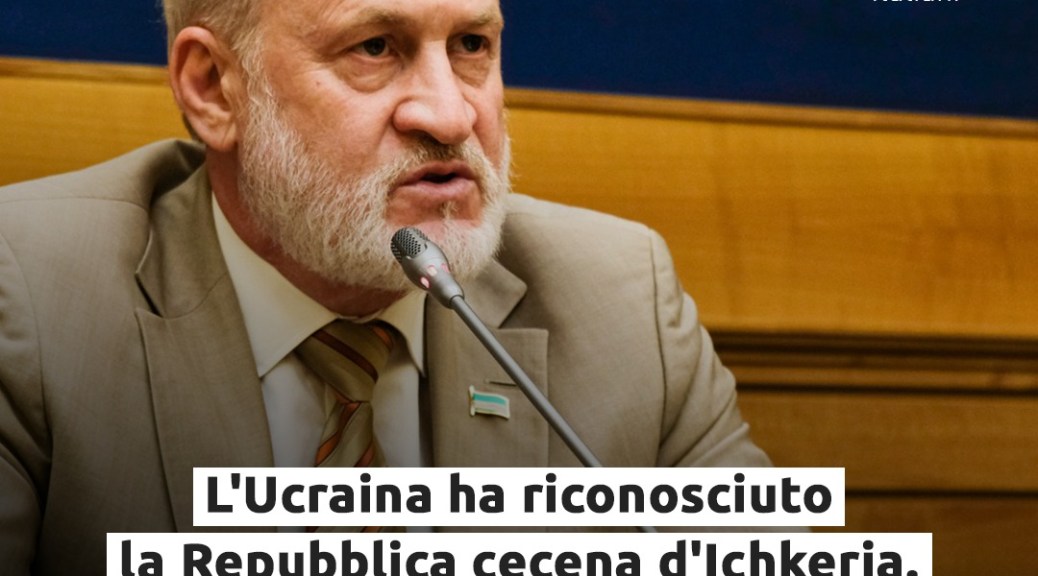


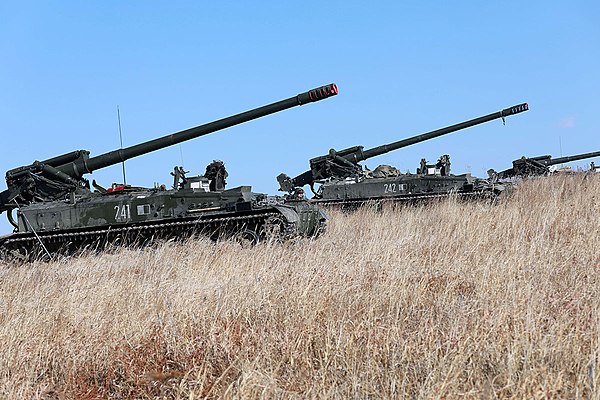


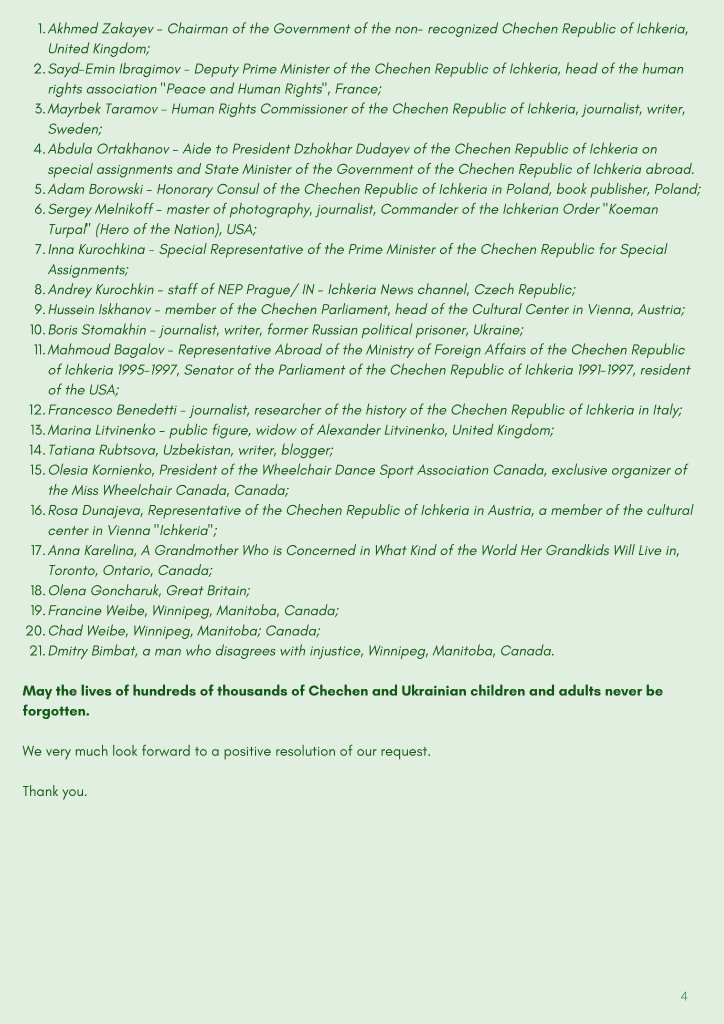


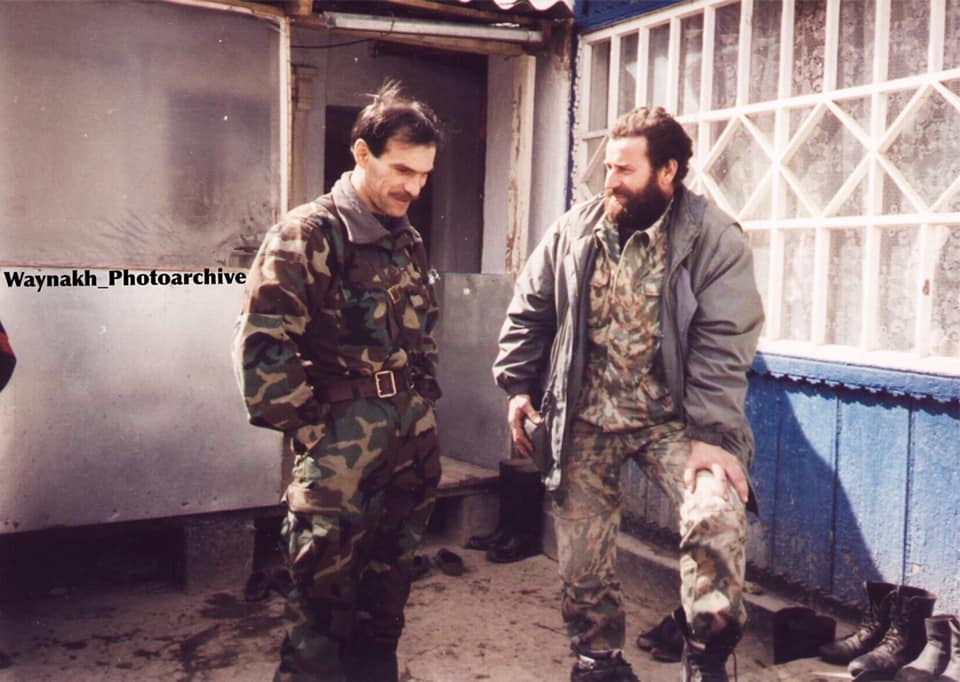
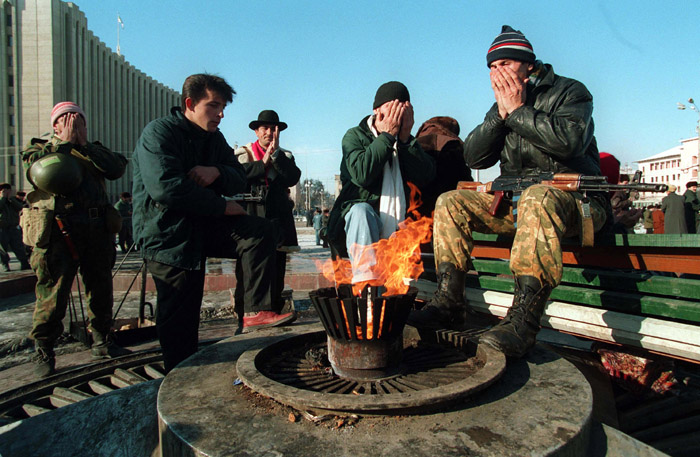


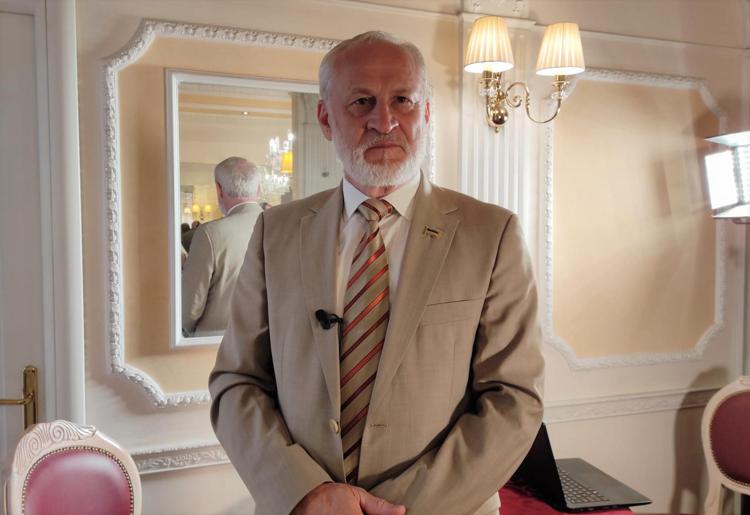


 Ichkeria Digital Archive