Born on November 8, 1956, in Kazakhstan to a family of deportees belonging to the Teip Thadakhara tribe originally from the village of Khatuni, Supyan Minkailovich Abdullaev was just a child when, after Khrushchev’s “Pardon,” he moved to Chechnya with his parents. His family was one of many that, during the Ardakhar, had been deported by Stalin to Kazakhstan, officially as “punishment” for not fighting the Nazi invasion of the USSR with sufficient rigor, but in reality to consolidate the colonization of the Caucasus by ethnic Russians.
Exile first, then social ghettoization after their return, had produced a strong sense of disorientation in the younger Chechen generation: for a people accustomed to living in the same land for millennia, organized into clans deeply rooted in specific territories, deportation to Central Asia and the chaotic return to their homeland thirteen years later, unable to rebuild the ancient social mosaic based on the “family-territory” relationship meant the loss of every “cardinal point of identity.” In this context, the only cultural pillar remaining to the Chechens was Islam, which until the deportation had taken root in a very ‘light’ form, often syncretic with ancient cultural values, but which now represented the only foothold for Chechens to recognize themselves in a USSR that was predominantly Orthodox and Russian-speaking.
Supyan grew up cultivating traditional Chechen customs, soon became very skilled in fighting, and studied the Koran. After graduating in 1972, he earned a degree from the Chechen-Ingush State University and found work as a physical education teacher in schools in the Vedeno district, the “ancestral land” of the Chechen nation.
From madrasas to the Islamic Battalion
With the advent of Glasnost and the easing of censorship, Abdullaev was able to devote himself openly to religious propaganda, teaching in local madrasas, acquiring contacts throughout the Eastern Caucasus, and eventually participating in the creation of the Islamic Revival Party, the first explicitly confessional political movement in the Soviet Union. His social activism took the form of participation in the activities of the Ar-Risalya Islamic center in Grozny, where he began teaching Islamic doctrine and law, achieving the honorary title of Ustaz (Teacher). He eventually became director of the center and, in this capacity, supported the Chechen Revolution, the proclamation of independence, and the rise of Dzhokhar Dudaev to the presidency of the republic. He differed from most other teachers, who struggled to express themselves in Russian, in his almost complete lack of accent and a style of speech that would have been the envy of a university professor. He had a long red beard that reached down to his waist (hence the nickname “Supjan the Red”).
Supyan ran the Islamic center until 1994, when the Russian army entered Chechnya with the aim of reconquering the small republic. On November 26, 1994, a contingent of anti-Dudaev militiamen, mercenaries, and undercover Russian soldiers attempted to overthrow Dudaev by attacking Grozny. Abdulaev enlisted in a village militia and took part in the fighting that saw the attackers destroyed and put to flight. The group of volunteers to which Supyan belonged engaged the attackers at the Press House. According to some, it was in that battle that people first began to talk about the “Islamic Battalion.” Supyan’s bravery during the battle earned him the position of deputy commander of the battalion, a unit that would fight with honor throughout the First Chechen War (for more information, read “Freedom or Death! History of the Chechen Republic of Ichkeria,” available HERE).
Supyan took part in Operation Jihad, the action with which the independence fighters recaptured the capital, putting the Russian army in check and forcing Moscow to withdraw from Chechnya. During the battle, he commanded several assault groups against the FSB headquarters, the “Government Palace,” the Dinamo Stadium, and other sensitive targets. For his role, he was apparently appointed ‘Brigadier General’ (a mainly honorary title, which would become rather inflated in the following years).
Islam and War
Maskhadov’s rise to power, democratically elected by the overwhelming majority of Chechens in 1997, saw Supyan align himself with the so-called “Radicals,” whose main exponent was Shamil Basayev. In the distribution of posts, seeking to please the radicals, Maskhadov appointed him Deputy Minister of Sharia for State Security, with the task of working on the ideological and religious training of officials. With the proclamation of full Sharia law (1999), Supyan’s role (recognized as one of the leading exponents of radical Islam in Chechnya alongside Movladi Ugudov) in the training of state officials grew significantly, as the Chechen legal system had no background in religious law. Thus, the few scholars available became ‘experts’ in Islamic law, even though they often lacked even a basic knowledge of the subject.
In any case, the formation of the ‘Islamised’ Chechen ruling class was soon brought to an end when Russia invaded Chechnya again at the end of 1999. Abdullaev quickly became a key figure, not only because he reconstituted his unit (renamed the ‘Jundullah’ Brigade) at the outbreak of the war, but also because, as a radical figure not only in politics but also in religion, he had access to the richest sources of foreign funding, coming from Wahhabi Islamic associations, which were happy to finance the jihad while ignoring any interest on the part of the moderate political and religious current of the Chechen government, of which Maskhadov was the expression.
During the Second Russian-Chechen War, Abdullaev first commanded the Jundullah Brigade as second-in-command, then as commander, earning himself a place in the political-military council of the Chechen resistance[1], the Majilis-Al-Shura (successor to the Committee for the Defense of the State at the head of the Republic). After taking command of the Eastern Front of the war theater (2003) centered in the territories of Vedeno and Shali (where he was wounded several times in combat[2]), on July 5, 2004, he was appointed Minister of Finance of the war government, with the aim of raising the necessary funds to continue operations and distribute them to units in the field. His work was appreciated, if it is true that Maskhadov’s successor, Sadulayev, confirmed him in his position. Among the fighters, Supyan gained the goodwill of his comrades, earning the respect of all. Despite his advanced age compared to the other commanders, he actively participated in operations and war councils, and was known for his austere religious discipline, moral authority, and charisma among the fighters.
The Emirate
On March 3, 2007, he was appointed Vice President of the Chechen Republic of Ichkeria by Dokka Umarov, a position he held until the founding of the Emirate of the Caucasus on October 7, 2007. He joined the new formation, formally abandoning the state structures of the ChRI, and took on the role of “Naib” (political successor) to the former President, now “Emir,” Umarov. When, in June 2009, unconfirmed information emerged about the alleged death of Doku Umarov, Akhmed Zakayev expressed the opinion that his closest associate, Supyan Abdullayev, would most likely become his successor. Within the Caucasus Emirate, Supyan Abdullaev maintained a leading role as Dokka Umarov’s deputy, being the de facto number two in the movement. For this reason, the Russian authorities tried in every way to capture or kill him, even arresting his son, Masud, then 22, who was deported from Egypt to Russia. Nevertheless, Supyan did not give in to blackmail and did not surrender.
He was considered the most influential of the Salafi ideologues and acted as a liaison between the various Wilayat (provinces) of the new Emirate. As an educator, he oversaw the religious and ideological training of new militants in mountain training camps. He carried out this task until March 28, 2011, when, during a raid by Russian special forces in the village of Verkhny Alkun, in the Sunzha district, the Russians hunted him down and killed him. The operation was aimed at preventing a meeting between Umarov and his staff. According to some, Umarov managed to escape, while Abdullaev was killed in a heavy air strike, following which he and several others
[1] His radio call signs were “Red Supyan” and “Chitok.”
[2] In January 2006, information appeared about Abdullaev’s elimination following a special operation in the district of Shali in Chechnya. This information was later denied, as it was his youngest nephew, field commander Adam Abdullaev, who was killed. Two other field commanders were killed along with him.
The following is a preview of the second volume of “Freedom or Death!” just released in English. The passage deals with Russian and Chechen preparations in the days immediately preceding the outbreak of war.
Zero Hour
In 1994, Russian-backed forces in Chechnya opposing Dzhokhar Dudayev led the failed November Assault, and it was a moment of realization for everyone.[1] President Yeltsin now clearly understood he needed to do more than covertly support groups inside Chechnya. He had to officially intervene to prevent the small, historically rebellious mountain republic from seceding. The Chechen opposition’s Provisional Council itself desperately appealed to him to send troops against the Dudayevites.[2] Meanwhile, General Dudayev was hopeful for peace negotiations but took seriously the threat of Russia fully invading.
For Yeltsin and Defense Minister Pavel Grachev, victory was not an achievable objective but a ripening fact. A “small victorious war” promised to raise the administration’s ratings against the increasing popularity of nationalist parties.[3] They ignored, or pretended to ignore, the deplorable state of their military and underestimated their enemy’s determination. Meanwhile the Chechens were preparing to resist the invasion.[4] Dudayev entrusted command of the regular forces to Colonel Aslan Maskhadov,[5] who inherited ragtag units rather than an army from his former colleague Viskhan Shakhabov.[6] Throughout 1994, he attempted to structure it partly according to army reforms enacted in 1992 and based on pre-existing forces, which were comprised of veterans from wars in Afghanistan and Abkhazia. Some units were combat-ready by the beginning of December. Among such forces was the Presidential Guard commanded by Abu Arsanukaev, and its Spetnatz unit under Apti Takhaev. Next was Shamil Basayev’s Reconnaissance and Sabotage Battalion, which was composed mostly of veterans of Abkhazia. Then came Ruslan Gelayev’s Special Borz (“Wolf”) Regiment, which included a battalion led by Umalt Dashayev. Adding also the Shali Armored Regiment and other minor units, there was a nucleus of 1,500 troops joined by 1,000 men from the Ministry of the Interior and the National Security Service (police officials, riot police and state intelligence services). Maskhadov added some volunteer territorial militia battalions, such as the so-called “Islamic Regiment” under Islam Halimov and the Naursk Battalion[7] with Major Apti Batalov.[8] Thanks to their contribution and the many other bands of volunteers who rushed to Grozny’s defense, Chechen Headquarters relied on 5,000 men at the start of Russia’s invasion. Several more formations followed Dudayev’s general mobilization proclamation on 4 December.[9] The Chechens understood however, that regardless of how they prepared they could only temporarily hold the enemy at the gates. Chechnya lacked the numbers, arms, and organization to take on enemy armored brigades directly.[10] Russia had even preemptively destroyed the modest air force on 1 December.
Russia’s initial approach to the invasion reflected its narrow aim to eliminate the leadership rather than destroy Chechnya. The average Russian solider, struggling to pin it on a map, cared even less about Chechnya. The government narrowed its invasion partly to avoid a humanitarian crisis since the wary West was watching with a hand on the money tap keeping Russia afloat.
Whatever way the Russians intended to attack, the Chechens were preparing to fight and die all the same. Their plan was “to last.” They wanted to resist as long as possible and hopefully expose the Kremlin to domestic public opinion, which was still struggling with trauma from the Soviet-Afghan War. Equally important was the opinion of the West, whose conditional loans kept Russia’s economy from sinking.[11] The Chechens organized their defense in three phases. They planned to first trap the Russians inside Grozny, a “concrete forest,” and ensnarl their overwhelming armor. To entice the Russians, the Chechens yielded the defensive line to the north to create the illusion they had abandoned the capital. This line along a strip of hills running north of Grozny on the so-called Terek Ridge hinged to the west by the villages Dolinskyand Pervomaisk. It ended in the east at the height of the village Petropavlovskaya on the left bank of the Sunzha. After crossing the line and penetrating the capital, the Russians would encounter Chechnya’s best forces eagerly waiting to recreate the success they had against the anti-Dudayevites back in 26 November. This was ideally going to force Yeltsin to negotiate with Dudayev, but with far more realistic expectations, the Chechens planned to retreat south to the main centers of Achkhoy-Martan, Shatoy, Vedeno, and Nozhay Yurt.
Maskhadov divided the territory into six military districts called “Fronts” and entrusted them to his best men.[12] The loyal former police captain Vakha Arsanov held the Terek Ridge Line. Ruslan Gelayev was charged with the South-Western Front, a quadrilateral defined by the villages Assinovskaya, Novy-Sharoy, Achkhoy-Martan, and Bamut. Dudayev’s twenty-eight-year-old son-in-law Salman Raduyevcommanded the North-Eastern Front centering on the city Gudermes. CommanderRuslan Alikhadziyev[13]of the newly appointed Shali Armored Regimentled the southern front, with its main centers being Shatoyand Shali. Turpal Atgeriyev, a twenty-six-year-old veteran of the Abkhaz War and one of Raduyev’s most trusted men led the South-Eastern Front, centering on Nozhay Yurt. Finally, Shamil Basayev held Grozny. Unfortunately, the government lacked a comprehensive plan to protect the population,[14] and the situation was especially dire in Grozny. Unlike their Chechen neighbors there, the many ethnic Russian residents did not have relatives and friends in the countryside to flee to.
The Russian Headquarters was busily gathering nineteen thousand fresh conscripts from the most diverse branches. Collectively baptized the “Joint Group of the United Forces,”[15] it also included five thousand soldiers from the Interior Ministry to comb the rear for enemies. The army was divided into the West, East, and North groups.[16] West Group started off from Vladikavkaz, North Ossetia to penetrate in three columns, taking up a position at the height of Novy-Sharoy behind the Chechen Terek RidgeLine. From Klizyar, Dagestan, East Group was to reach Tolstoy-Yurt along the Terek River. Finally, North Group in Mozdok, North Ossetia would cross the pro-Russian occupied plains of northern Chechnya to link up with East Group north of Grozny. With one hundred kilometers to the objectives, the operation had a schedule of a couple days. The high command of the Russian military prepared to issue an ultimatum to the leadership and offer amnesty to Chechen troops who surrendered.[17] Afterwards, artillery would clear the way for tanks to finally crush the rest of Dudayev’s “little rebellion”.
However, the commander of the Russian operation Colonel General Eduard Vorobyov refused to lead the plan,[18] dismissing it as “madness”and a dishonor to send the military against citizens Russian considered its own.[19] Grachev promptly dismissed and investigated him, and instead tapped the unquestioning General Anatoly Kvashnin. Vorobyov’s forced resignation quickly led to the replacement of the Military Command of the Caucasus, further disrupting the chain of command which, on the eve of the invasion, was completely “purged.”
There were also important fringes of Parliament, including in the majority, opposed to military intervention. Yegor Gaidar, one of Yeltsin’s closest allies and chairman of the pro-government Democratic Choice of Russia Party,[20] spoke out and brought others from his faction with him.[21] Galina Starovoytova from the Democratic Russia Party was also opposed. Many moderates remained ambivalent though: the newly established center-left Yabloko Party saw heated internal debate between skeptics and those that supported the invasion “in principle” if not in execution.[22] On the right, nationalist movements beat the war drums, particularly Vadim Zhirinovsky’s Liberal Democratic Party. Opponents argued that using the military was unconstitutional without the government declaring a state of emergency and imposing martial law. According to Article 102 of the Constitution, the president had to consult Parliament to issue the provision, which would likely have been rejected. Supporters of military action, on the other hand, pointed to Articles 80 and 86 as support for Yeltsin’s right to lead the military and his duty to “safeguard the sovereignty” and “integrity of the state.”[23] A public debate could perhaps have steered tanks away from the Caucasus, especially as concerned newspapers all over the world began to cover the matter.[24] But the die was cast, and Yelstin was moving his pieces towards Chechnya.
[1] For more on the November Assault and the events preceding the outbreak of the First Russo-Chechen War, see Volume I of this work.
[2] In a conversation with the author, Ilyas Akhmadov recalled a telegram from the Provisional Council explicitly requesting Yeltsin to intervene. It was signed by Umar Avturkhanov and arrived in Moscow in the first days of December 1994.
[3] One analysis of the beginning of Yeltsin’s political shift: “With the controversial decision to use force to stop the secession of a small ‘province’ of his empire, Yeltsin himself also crossed a political ‘Rubicon,’ from which it will be difficult to go back: that of the alliance with the democratic forces that had supported him from the dissolution of the USSR in 1991 to the bloody battle against the rebel parliament in ’93. . . . After the victory of nationalists and communists in the legislative elections of December ’93, Yeltsin assumed new positions in foreign policy and in the management of economic reforms, thus trying to pander to the opposition, regain popular consent, and maintain power at the next electoral appointments, the legislative ones in a year, the presidential elections in a year and a half.” (Enrico Franceschini, “A Peace Party in Moscow,” La Repubblica, December 19, 1994).
[4] Chechen Foreign Minister Shamsouddin Youssef responded to news of Russia’s likely invasion by demanding Russia to recognize Chechnya’s independence. Otherwise, the Chechens would “fight, and bring war in the Russian Federation.” On the same day, Aslan Maskhadov added that Moscow risked fighting a “new Afghanistan.” First Name Last Name, “Title,” La Repubblica, May 12, 1994.
[5]Aslan Alievich Maskhadov, introduced in Volume I of this work, was born in Shakai, Kazakh Soviet Socialist Republic, and returned to Chechnya with his family in 1957. He enrolled at the Artillery School of Tbilisi in 1972, then perfected himself at the High School of Kalinin Artillery in Leningrad. After his service in Hungary, he transferred to Vilnius and witnessed the Lithuanian independence uprisings. After resigning in 1992, he returned to Chechnya again and entered Dudayev’s service. In November 1993, he replaced Viskhan Sakhabov as chief of the general staff, first on an interim basis, then permanently beginning in March 1994. For a comprehensive biography written by his son Anzor, see Frihetskjemperen: Min far, Tsjetsjenias president.
[6] As Musa Temishev shared in a conversation with the author, Viskhan Shakhabov (extensively discussed in Volume I of this work) could not organize the nascent Chechen armed forces as a result of frictions with President Dudayev that arose between 1992 and 1993. Their disagreements on the methods of acquisition and use of Soviet arsenals paralyzed the Ministry of Defense, which was never officially established, leading to Shakhabov’s resignation.
[7] To be precise, Aslan Maskhadov christened the unit “Naursk Battalion” only in January 1995, during a live television broadcast on the presidential channel. The nom de guerre was a eulogy to Batalov’s units who had fought during the siege of Grozny. According to the commander, the regiment was still a “people’s militia”until the Battle for Grozny: “There were no cadres, there were no officers, there were only groups of people from different villages, commanded by people elected by them, totally on a voluntary basis. People came and went, and no one could order anything from them.”To read more about Apti Batalov and the Naursk Battalion, see the series of articles The General of Naur: Memoirs of Apti Batalov at www.ichkeria.net.
[8] Apti Batalov Aldamovich, born in Kyrgyzstan on October 19, 1956, returned to Chechnya and graduated from the Petroleum Institute of Grozny as a civil engineer. After entering the police force, he served as part of the Ishcherskaya Militia in the Naursk district, becoming its commander on June 20 1994. According to our conversations, until early August he served under District Military Commander Duta Muzaev, Dudayev’s son-in-law. After Muzaev’s return to Gronzy, Batalov became of head of the military administration of the Naursk and Nadterechny districts on September 16, 1994. He was tasked with organizing their defense against raids by the pro-Russia armed opposition.
[9] On 4 December, President Dudayev proclaimed a total mobilization of reservists. All male citizens between the ages of 15 and 60 were summoned, too many to realistically arm and train for the regular forces. Most were sent back to their villages of origin with the task of setting up self-defense militias using light weapons or resorting to hunting weapons.
Regarding the composition and nature of these militias, Ilyas Akhmadov recalled in a conversation with the author in 2022: “During the war there were many local volunteer groups consisting of five or six people, sometimes related to each other. It was very important to find a band that you knew. If you were with someone from your village, street, block, or family, you had a 90% guarantee that they wouldn’t leave your body if killed or injured. If they didn’t know you, they didn’t want you. This was mutually understandable to all: If something happened they would not be able to find the relatives, and for us it was very important to be returned to our families.”
[10] To learn more about the ChRI Air Force and its eventual destruction by Russia, see the in-depth study Green Wolf Stars: the ChRI Air Force on the website www.ichkria.netand consult Volume I of this work.
[11] United States Congress opened debates on 11 December 1994, on financially leveraging Russia to discourage war. Senators John McCain and Joseph Lieberan asked for aid to be reevaluated. Their colleague Alfonse D’Amato, argued on 3 January, that this could “send the wrong signal,”although he felt it necessary to express US displeasure at the civilian losses caused by the invasion.
[12] To view the Chechen defense plan, see thematic map A.
[13] Ruslan Alikhadzhiev was born in 1961 in Shali. After completing his military service with the rank of Sergeant, he returned to Chechnya in 1992. He took command of the Shali Armored Regiment in the autumn of 1994, replacing Isa Dalkhaev. At the outbreak of hostilities he organized the recruitment of militia in the Shali district (the “Shali Regiment”).
[14] Anatol Lieven’s first-hand account: “A government plan to feed the population and evacuate the children if the Russians started a siege? I don’t know of any such thing, but if President Dudayev said so, of course it is true,” an official told me in early December 1994, sitting in his deserted office in the municipal offices of the central district of Grozny, . . . “Anyway, it doesn’t matter. We Chechens are such strong people, we will be able to feed ourselves no matter what happens. Is it my responsibility? What do you mean by this? I’m here in my office, right? Don’t you think I will fight to the death to defend my country?” With that he let out a gasp, blowing a breath of vodka in our direction, and with wet fingers lifted a piece of greyish meat from a glass jar on his knees, and fed it to his cat.” Anatol Lieven, Chechnya: Tombstone of Russian Power (New Haven: Yale University Press, 1998), 34.
[15] The unpreparedness of the federal forces was well known to the military commands, and to the Minister of Defense himself. A few days before the start of the military campaign, Grachev read a top secret directive (No. D-0010) which described “unpreparedness for action of fighting.” Stazys Knezys and Romana Sedlickas, The War in Chechnya, (College Station: Texas A&M University Press, 1999).
The assessment report drawn up by the office of the North Caucasus Military Region was similar: “Most of the officers are not only unfamiliar with the required combat readiness requirements set out in the control documents, but also do not know how to recognize their personal duties, or what they should do in times of peace or war. Watch officers and units, in most formations inspected, are poorly trained to take practical actions in response to combat commands. The instructions and other control documents are prepared in gross violation of the requirements of the General Staff.” Knezys and Sedlickas, War in Chechnya.
[16] To view the Russian invasion plan, see thematic map B.
[17] The Duma approved a resolution to this effect 13 December 1994.
[18] Grachev’s plan was entirely based on the assumption that a massive deployment of forces would disperse the separatists: “Grachev’s plan and timetable reflect expectations of limited resistance. Little intelligence used and bad planning were to blame… The planning also ignored the experience of loyalist Chechen forces [i.e. thread . Russians] who had attempted to storm Grozny in August , October and November 1994. If that experience had been studied, the Russian command would have been aware of the dangers that faced tank columns in Grozny.”Olga Oliker, Russia’s Chechen wars 1994-2000: Lessons from Urban Combat (Santa Monica: RAND, 2001) 11-12.
[19] As Eduard Vorobjev said in an interview with journalist Vitaly Moiseev: “I was shocked by the situation, the units that arrived were completely unprepared, the commanders did not know their subordinates, many of the fighters did not have the necessary professional skills. I turned to the Chief of the General Staff: ‘If you think that a change of command will change the situation for the better, then you are wrong. It’s not about the commander, it’s about the adventurous approach. . . . Approaching me, the Minister of Defense said ‘I am disappointed in you, Colonel General, and I think you should submit your letter of resignation.’ I replied ‘I have it.’… It was not easy for me, a person who served in the armed forces for 38 years, who constantly answered ‘Yes!’ I was faced with a choice: to make a deal with my conscience and deal with completely unprepared people, to conduct an operation not planned by me, or to leave the armed forces, which meant the end of my military career.… It seems to me that Grachev underestimated the moral and psychological state of the Chechens, which had reached fanaticism. The operation was designed to intimidate: they thought that Dudayev would get scared when he saw hundreds of units and thousands of soldiers, and surrender to the victor’s mercy. Indeed, the Chechen side clearly knew where our troops were, what they were doing—information was spreading in all directions.”
[20] To the press Gaidar declared: “I appeal to Yeltsin not to allow a military escalation in Chechnya. The intervention was a tragic mistake. Taking Grozny will cost huge human losses. It will worsen the internal political situation in Russia, it will be a blow to the integrity of the nation, to our democratic achievements, to everything we have achieved in recent years.” Franceschini, “A Peace Party in Moscow.”
[21] Deputy of Democratic Choice Dimitrij Golkogonov’s response to “Why are you against the invasion?”: “Because my party, Choice of Russia, led by the ex-Prime Minister Gajdar, is against violence, against the use of force to solve political problems. In Chechnya there is a leader, Dudayev, who does not want to lose power, thanks to whom he has enriched himself and his friends with the trade of oil. Independence has nothing to do with it. But to attack Dudayev is to make a criminal a popular hero. . . . A negotiation had to be opened. If Yeltsin had invited the Chechens to Moscow, they would have come running.” Enrico Franceschini, “‘Yeltsin Made Wrong Move in Invading But Remains Leader of Russia,’” La Repubblica, December 15, 1994.
[22] Vladimir Lukin, former ambassador to the United States and prominent member of Yabloko, in his January 24, 1995 speech in the Nezavisimaya Gazeta wrote: “The executive branch has shown itself and society that it can act independently, regardless of and in spite of political pressures . . . In an ideal world, the preposterous and dangerous idea that the military should not be used for internal conflicts should be driven out of the heads of our armed forces. . . . Using the army inside the country in extreme situations, when threats to the state appear, is the norm in democratic states. Nezavisimaya Gazeta.
[23] For careful study of this topic see Stuart Goldman and Jim Nichol, Russian Conflict in Chechnya and Implications for the United States (DC: Congressional Research Service, 1995).See also Victoria A. Malko, The Chechen Wars: Responses in Russia and the United States(Lambert Academic Publishing, 2015).
[24] An example from an Italian newspaper: “In the end, like a mountain annoyed by a daredevil mouse, Yeltsin ordered the direct intervention of his troops. Moscow claims that Chechnya is part of Russia, therefore it is its right to occupy it to restore order. For the moment, Western public opinion seems aligned with this position, considering yesterday’s events as an “internal matter” for Russia: for which there are no international complaints, unlike what happened with the invasion of Afghanistan. But if we look at the substance of the Russian military expedition in Chechnya, some resemblance to the Soviet invasion fifteen years ago emerges. . . . The fact remains that Yeltsin does not hesitate to use tanks when he sees that other means (negotiation, economic pressure, support for the local opposition) do not produce results. The propensity to resolve political crises militarily, as a year ago in the tug of war with the rebel Parliament, is a hallmark of his presidency. The future will tell whether Russia needed a “strongman” to become a civilized and democratic nation”. Enrico Franceschini,“Moscow Fears the Kabul Syndrome,” La Repubblica, December 12, 1994.
Reading in the newspapers about the tragic bloody events that are taking place in Palestine is like watching the remake of a film that humanity has already seen many times, along that terrible trail of blood that is the history of imperialism. Anyone who knows the recent history of Chechnya will be able to identify the similarities between the war unleashed by Russia against Ichkeria in 1999 and the one unleashed by Israel against Palestine a few days ago. The genesis and development of both these products of imperialism seem to be almost overlapping.
Let’s start with geography. The Gaza Strip borders on two parts with the State of Israel, on another with the Mediterranean Sea and finally with Egypt, via the Rafah crossing. As we know, Israel has blocked both the land and sea borders, forcing Gaza into a de facto siege through which Tel Aviv literally maintains the right of life and death over the two and a half million Palestinians who live there. Chechnya in 1999 was also in the same situation: surrounded on three out of four sides by the Russian Federation, it could only count on a precarious mountain road, the Itum Khale – Shatili highway, to evade the economic blockade to which Moscow had subjected the country since since 1997.
Chechnya is closed on three sides by Russia, and has only one alternative border, with Georgia, via a narrow mountain pass
From a political point of view, the Gaza Strip should be part of an independent Palestinian state, recognized by Israel and the UN, but even today the government in Tel Aviv (According to the Israelis and their American protectors, Jerusalem) has not accomplished no step in this direction, preferring to consider that territory a sort of “no man’s land” to be administered with periodic military “pacification” incursions. Chechnya in 1999 also lived in a “suspended” state similar to that of Gaza. The Russian Federation, which had signed a Peace Treaty with the Chechen government, had never ratified the country’s independence, and persisted in considering it a subject of the federation, threatening any government that implemented a recognition procedure with serious retaliation. of the independence of Ichkeria.
Since 2008, the Gaza Strip has been de facto governed by Hamas. It is an extremist party, responsible for numerous terrorist actions already before October 2023, and considered a terrorist organization by most Western countries. Its power is essentially based on the desperation in which Israel artificially keeps the Palestinian population, forced to live in a state of severe overcrowding, with an income approximately 75 times lower than that of Israeli citizens, forced to ration water, food, medicines and electricity and to pray to the Israeli occupiers to be able to leave that “large ghetto” that is the Strip. A situation very similar to that experienced in Chechnya in 1999, when the weak Maskhadov government, democratically elected, operated under the blackmail of armed militias of Islamist orientation, without being able to counter the warlords’ belligerence with the social policies necessary to revive the fate of the population and distance them from the flattery of the more radicals. Also in this case the invader of the moment, Russia, did not provide war reparations to restore the economy that it had devastated with the invasion of 1994 – 1996, delaying or blocking the payment of pensions and allowances to citizens Chechens and, as in the case of Gaza, by making the country dependent on electricity supplies, it fomented a population reduced to poverty, pushing it into the arms of fundamentalism.
Gaza is closed on three sides by Israel, and has only one alternative border, with Egypt, via the Rafah crossing
Exactly as happened in October 2023 in Gaza, in August 1999 a small army of sappers, led by the Chechen field commander Shamil Basayev, carried out a raid deep into Dagestan, with the intention of promoting a general uprising against Russian power and establish an Islamic emirate. In this case the objectives are slightly different (Hamas declared that the action was aimed solely at hitting the Israeli army and demonstrating the vulnerability of the State of Israel) but the dynamics are surprisingly similar: penetrated almost without encountering resistance, evidently to due to a relaxation of security measures that almost seems to have been caused intentionally, Basayev’s men, like those of Hamas, advanced for several kilometers before being blocked by a rapid (perhaps too) rapid military deployment and driven back into Chechnya. A “suicidal” action that seemed tailor-made to give Russia a casus belli and justify a new invasion. To complete the picture came a series of terrorist attacks against condominiums in various Russian cities (for which it has not yet been clarified who and why carried them out) which caused the death of three hundred people and the wounding of another 1000, causing a wave of popular indignation that the rising star of Russian politics, Vladimir Putin, was able to skilfully ride, winning the presidency of the Federation on the promise of “killing terrorists even in the toilet”.
Hamas militants
Upon closer inspection, even the terrible massacre carried out by Hamas has its “political beneficiaries”. It is surprising that, even in this case, Tel Aviv’s legendary security services failed so spectacularly to prevent the attack, they who have always been so diligent in infiltrating spies, in hunting down enemies of the state in any part of the globe, and in preventing hostile actions against Israel. While less surprising, unfortunately, is the political advantage achieved by Prime Minister Netanyahu, in the midst of a crisis of consensus until a few days earlier, and now back in the saddle with an “emergency government” that can finally have a free hand in “resolving” the problem Palestinian with the methods most similar to the narrow nationalism that the Prime Minister represents.
But the analogies do not end here: the military operation unleashed by Israel to avenge its deaths has a disproportion that is comparable only to that used by Putin against Chechnya. Today as then, after a total blockade of the borders and a terrorist campaign against the civilian population (with missiles launched on the markets, columns of refugees targeted, water and electricity services cut, humanitarian aid blocked) it is declared that the aim is not to punish a people and carry out a genocide, but “create a buffer zone”, a “cordon sanitaire” that safeguards the attacker from the response of the attacked. And in the meantime the civilian population is advised to “leave”. Where? It’s not important. For what civilian lives are worth, they can go and die of thirst in some basement. If the Israeli Defense Minister generically defined the target of the invasion as “human animals”, in the Kremlin the Chechens were seen no differently.
Basayev’s militiamen about to invade Dagestan
There is one thing that Gaza and Grozny do not have in common: the name of those who destroyed them. Yet the reason behind the martyrdom of Chechens and Palestinians is the same: the arrogance of a people that claims to crush another, implementing all the tools, legal and illicit, moral and immoral, to pursue its goal. Which is nothing other than imperialism, the political sublimation of arrogance, of cynicism, of selfishness elevated to a cult of the self, capable of bending and deforming every political, civil and moral virtue. These days, the Putin who unleashed the genocide of the Chechens is outraged by the Palestinian genocide unleashed by the Israelis, who in turn were outraged when Putin bombed refugees or tortured them in the filter camps. Each of these characters, in Moscow as in Tel Aviv, in Beijing as in Washington, accuses the others of being “the evil empire”. But the truth is that the Empire is itself “evil”, and that there are no “good empires”.
Mr. Gerikhanov , your intervention in the Budennovsk hostage crisis begins on the evening of June 15, 1995, when you reach the city hospital, occupied by Basayev’s men, with the intention of starting negotiations. The task had been assigned to her by the Minister for Nationalities of the Russian Federation, Mikhailov. Do you remember how you responded to his request? Were you able to communicate with ChRI authorities from the time you were called to the hospital until you entered the hospital?
That’s essentially how it went. As chairman of the Constitutional Court , I had no contact with the leadership of the Chechen Republic, and was busy reporting on the war crimes that were taking place on the territory of our republic. I have personally held dozens of international conferences and roundtables, in which I have called for the intervention of the world community to stop the destruction of the Chechen people as an ethnic group!
At the time I was in Moscow, as an expert in the session of the International Tribunal for war crimes and crimes against humanity in the Chechen Republic, headed by State Duma Deputy Galina Starovoitova, later killed due to her civil engagement on the events in Chechnya. While I was at work, I was approached by one of my compatriots who held a responsible position in the presidential administration of the Russian Federation. He was looking for me at the request of the Minister for Nationalities, Mikhailov, who asked for my assistance in freeing the hostages held in Budennovsk. Naturally, I accepted the assignment, aware of the moral responsibility I had for these facts, as a senior official of the republic.
First of all, I interpreted my mission as that of allowing the hostages to understand the reason for this armed incursion, and to explain to them that they were not “militants”, as reported by all the world’s media, but defenders of their homeland.
Two or three days after I received the request, I was on a plane bound for Grozny, on which was also a delegation from the Russian Liberal Democratic Party, headed by Zhirinovsky. We had no contact with them, but the departure of the plane from Moscow was delayed for several hours.
Ikhvan Gerikhanov waits in front of an entrance to the Budennovsk hospital manned by one of Basayev’s men
Together with her were other Chechen officials. Who were they? And why did you choose them?
With me . were Paskushev and D. Khangoshvili . The second is a Georgian Chechen. Neither was an official of the state structure of the republic. I didn’t choose them, we just happened to be together. In fact I was not the head of the delegation. The other two simply knew my position among the authorities of the republic, and they recognized me as a sort of “primacy” in relation to the responsibility of my work. Unfortunately Khangoshvili passed away a week ago. Paskushev remained at headquarters in the Ministry of Internal Affairs building to ensure our safety.
I take this opportunity to express my special gratitude to my comrades for their courage and perseverance in these events. We were exposed to mortal danger of being shot in the rear by the Russian army, or by a sniper, or of being shot by our own if the military’s provocations ended with the assault on the hospital.
Did you personally know Basayev before Budennovsk? What opinion did you have of him? And how has it changed after the seizure of the hospital?
Before these events I had never had personal contact with him, as a Member of Parliament on first call and President of the Constitutional Court I was busy with my duties.
My opinion on this raid is still ambiguous today, I am against violence against civilians, although dozens of times we Chechens have seen how Russian troops put groups of civilians in front of them and went on the attack. But war is war , there are no rules of engagement and no one chooses the methods. This was mutually evident when civilians were killed by carpet bombing on the territory of the republic and filter camps were set up, where ordinary civilians, both women and men, were tortured, raped and killed.
The indifference of the absolute majority of Russian citizens and the world community gave the following result: our soldiers were forced to attract everyone’s attention in this way, to stop the destruction of the Chechens on a national basis. By the way, to this day the participants of Basayev’s raid are “found guilty” and sentenced to the maximum sentence, while not a single officer or soldier of the Russian army, except for the freak and rapist Budanov, has been held responsible for the criminal acts made on the territory of our republic.
This raid, with its pitiable innocent victims, produced results: the war was stopped and the Khasavyurt Accords on the cessation of hostilities and the beginning of peace negotiations were signed.
After landing in Budennovsk and reaching the hospital, you made contact with the Chechen units barricaded in the facility. Your first request to talk to Basayev, however, was turned down. Aslambek Ismailov, clarified that there would be no negotiations. Why do you think Basayev reacted so harshly? Didn’t he recognize you as a senior ChRI official? And speaking of Ismailov, did you know him before the Budennovsk events?
Before our arrival in Budennovsk, Basayev made it clear to everyone that there would be no negotiations before the withdrawal of the Russian army from the territory of our republic and that negotiations with Dudayev for the recognition of independence should begin. To all delegations, including one composed of Basayev’s relatives, he made it clear that he would not speak to anyone, and that any attempt to force the situation would lead to the death of the hostages.
After arriving at the Headquarters, headed by Russian Deputy Prime Minister Egorov, I informed everyone about the purpose of my visit and after long discussions I called the hospital directly to explain that my intention was to visit the building where the hostages were being held. Since it was night, I resolved to enter the building the next morning. Ismailov, Basayev’s deputy, answered me. I had never met him before. He knew me, he knew I was a high official of the republic. He promised to tell Basayev what I was proposing, and to give me an answer within a few hours.
To get an affirmative answer, I had to declare that I was willing to remain inside the hospital together with the hostages and Basayev’s men if my efforts to resolve the crisis were unsuccessful.
June 18 , you finally managed to enter the hospital, leading two different groups inside the facility and starting negotiations to open an exit corridor for Basayev’s men, in exchange for the release of a certain number of hostages. How did these negotiations take place? Why do you think Basayev changed his attitude towards you?
My first contact was on June 16 , when Khangoshvili and Ismailov met at the hospital entrance. Before our arrival a sniper had shot one of Basayev’s men, and his corpse was still lying in plain sight, covered in blood, at a distance of 1.5 – 2 meters. To avoid risking the same end, we met on the entrance stairway, sheltered from snipers. After a short conversation with Ismailov, we parted. On the same day he contacted the General Headquarters informing those present that Basayev was available to meet the President of the Constitutional Court of the Chechen Republic.
Women and children hostages are freed during the negotiations.
What situation did you find in the hospital? Do you remember the conditions of the hostages and militants during your stay in the facility?
The situation was very tense, there were many women and children, some wounded, mothers who had just given birth. With respect to this, the Russian media presented a distorted version of reality: with the exception of military pilots and police officers, the hostages were shown respect and care, relative to the conditions in which they found themselves. The hostages themselves had spread white scarves and sheets outside the windows to prevent an assault by the Russian army. I saw a woman, a doctor from the hospital, slap a police lieutenant general who was saying that Basayev’s team was putting women and children against the windows!
Khangoshvili and I have been to the hospital 5-6 times until June 18th , and each time we came back with several children, who we returned to their mothers. They persuaded me to take the children with me, referring to the fact that Basayev would not object and that the children would be saved. On our next visit, we heard the voices of the women talking to each other saying that there was a “mustachioed prosecutor” and that another group of children needed to be rounded up.
According to press reports, it was you who developed the text of the agreement that led to the resolution of the crisis. Do you remember the genesis of this document? Were there discussions about what should be written on it? Do you keep a copy of this document?
Yes, I wrote that text. At the first meeting with Basayev he recognized my rank as an official, but said that he was accountable to his command, and that without the approval of his bosses he would not take any decision. Basayev insisted that the withdrawal of Russian troops from Chechnya and the republic’s independence could not be negotiated. His detachment would not have left if these two conditions were not met. If necessary they would all have sacrificed their lives for this. I had to talk to all the members of Basayev’s team to explain to them that at this stage of the conflict, fulfilling both conditions would be impossible, even with the sacrifice of all Chechens on earth.
In the end, thanks to the help of the witnesses I brought, and the arguments of my reasoning, I managed to persuade Basayev that the withdrawal of troops and the opening of negotiations would be real steps towards ending the war and recognizing Chechen sovereignty . After another visit to the hospital on June 17 , Basayev finally declared that he was ready to open a dialogue on this basis, and asked me to draft a document. To the above conditions he added the request for a guarantee of safety for his men, so that they could return to Chechnya without incident. Finally, he reminded me that, as a Chechen, I would answer to the people and to Allah if the Russian military and political leadership did not abide by the agreements.
The text was signed by responsible persons. I was asked to sign as head of the Chechen delegation, but I refused because I was a state official. However, having to identify a guarantor among the Chechens, I asked Kanghoshvili to sign, since the Russian government would not accept my signature as an official of the Chechen Republic.
The main concern for me and for Basayev was: who would guarantee the free passage of the buses on which the Chechen fighters and their escorts would leave? Knowing the insidious behavior of the Russian military and leadership, when I returned to the HQ I asked on my own initiative that this guarantee be given by the Russian Prime Minister Chernomyrdin: without his direct intervention, Basayev’s men would not have left the building, and they would have agreed to fight to the death. All those present reacted with anger: Deputy Prime Minister Yegorov , FSB director Stephasin and other military commanders invited me to leave. To which, brusquely, I told them that if they stormed the hospital, the whole world would immediately know about it from me, and the death of the hostages would remain on their conscience!
While returning to Moscow with the Chechen delegation, the human rights activist, S. Kovalev, approached us, and told us that Chernomyrdin was willing to talk with us about the guarantees to be given to Basayev’s men. I replied that this shouldn’t have been behind the scenes, but that it should have been an official statement. I then demanded that the Prime Minister speak to Basayev directly on the phone, and threatened to abandon the negotiations, and to return to my job if the conversation did not take place.
When you left the hospital, you took about a hundred hostages with you. Do you remember any of them? Were you able to exchange a few words between you? What did the hostages think about what was happening?
As I said, after I learned that Chernomyrdin would call Basayev, I returned to the hospital on June 18th . Arriving from Basayev I asked him: if the Prime Minister provides a guarantee of safe passage to Chechnya, will this be a sufficient basis for the release of the hostages? Basayev and his men laughed: they didn’t believe such a guarantee would be possible. However Kovalev and the accompanying State Duma deputies confirmed my words, so we added this clause to the agreement, and signed it. I asked Basayev to give a sign of good will by handing over, together with the request for agreement, at least 100 hostages, including women and children, to be released. Basayev agreed to the request the next day.
Upon your departure, Basayev reportedly warned you: “Remember that you are a Chechen. If even a single hair falls from my fighters’ heads along the way, your whole family will answer for it!” Does this mean you got involved in a family feud to save the Budennovsk hostages?
Naturally this was a provocation on Basayev’s part. After all, I could not vouch for their free passage through Russian territory. Knowing about Yeltsin’s intention to show himself to the world community as a fighter against “terrorists”, I nipped in the bud another provocation thought up by the head of the operation to free the hostages, General Yerin . As soon as I arrived in Moscow, I gave several interviews to Russian and foreign journalists in which I feared a possible military provocation against Basayev’s detachment on the way back.
After signing the agreement, on your way home, you were abruptly called back at Aslambek ‘s explicit request Abdulkhadzhiev . The feds had asked all those who had joined Basayev on the return journey to sign a document that effectively exempted the Russian authorities from any responsibility in the event of accidents on the way back. It was a tacit admission of a willingness to raid Basayev’s convoy as soon as it entered Chechnya. Abdulkhadzhiev stated that without your intervention the negotiations would not have resumed. Did you know him? Why was your presence deemed necessary?
I have already mentioned General Yerin , the author of this receipt stating that such and such a person “voluntarily joins Shamil Basayev’s group…”. Abdulkhadzhiev reacted urgently to this provocation and declared that without a conversation with the President of the Constitutional Court of the Republic, the agreement would not proceed.
A car caught up with us on the way to the airport, and we were asked to come back. Upon arrival in Budennovsk, after reading the text proposed by General Yerin , I asked to speak urgently with Chernomyrdin and, after my explanations, Chernomyrdin slipped through Yerin , scolded him about the receipt and ordered him to cancel it. It later became known that the General was preparing an assault on Basayev’s convoy on orders from President Yeltsin, who was outside Russia at the time. Indeed, an attempted assault took place near the Chechen border, at the height of Kurskaya , when military helicopters began flying over the buses. However, due to the great attention these events caused and the presence of many foreign journalists, the attack did not take place.
Hostages leave the hospital
After resolving this second crisis, you were faced with the frustrated reaction of the Russian military and civilians who had witnessed the kidnapping. Why were they mad at you? What made them so nervous?
The answer in this case is unequivocal. Many soldiers wanted to destroy Basayev’s detachment and gain prestige. They didn’t care about the hostages and their punishments at the time. On our next visit to the hospital we realized that the army’s special units clearly wanted to take advantage of the stalemate in operations due to the negotiation process to storm the hospital. And the police major’s snide comment: You can’t come here, you’re no better than the terrorists you sent home I assumed I never expected the most basic humanity or gratitude from these people.
After Basayev’s return to Chechnya, your mission was over. Were you able to contact Dudayev, or another official of the Chechen Republic of Ichkeria?
Unfortunately no, I was very busy with the international tribunal, and until 1996 I was unable to return to the republic. According to Abdulkhadzhiev , in the presence of Ismailov and Basayev, my actions in this mission were highly appreciated by the President, who said that at the first meeting with me he would present me with the Republic’s highest award, the “Honor of the Nation ”. Unfortunately, the infamous assassination of the President of the Chechen Republic prevented us from meeting on this earth.
Did the Russian authorities give you any credit for ending the Budennovsk hostage crisis?
First of all, I didn’t expect anything from gold and I didn’t work for them. I only accepted the offer to participate in this matter, in good faith, because I was one of the highest officials of the Republic. Secondly, I did what I did out of civic duty, and I am grateful to the Almighty for giving me the opportunity to be of service to my people and to free more than 1200 hostages who were not involved in hostilities, like dozens of thousands of civilians in Chechnya, who suffered the most from the presence of the Russian army.
It was said a long time ago that I was offered an apartment in Moscow. Speculation around this topic was a useless farce of the Russian leadership, just as some newly emerged “patriots” among the Chechens could be accused of treason, who even today cannot understand and evaluate my actions as Chairman of the Constitutional Court of the Republic Chechen. But that’s another topic!
The Budennovsk crisis allowed the Chechen government to conclude a truce which proved useful in winning the war. However, it has cast a shadow of terror on the resistance. How do you think Budennovsk changed the history of independent Chechnya?
Today the whole world has known the face of the Russian Empire and has finally understood that the war of the aggressor, launched against our republic, was the beginning of perfidy and contempt for all norms and principles of international law, so as well as its obligations to the world community. The Budennovsk events forced the Russian leadership to sit down at the negotiating table, and this saved tens of thousands of lives, both on the territory of our republic and in Russia itself.
As for the “shadow of terror”, state terror was declared against the Chechen people by Russia, exclusively on a national basis, and has not stopped to this day, even though the peace treaty with the Chechen Republic of Ichkeria was signed a long time ago! So who is guilty of terrorism? Who is the terrorist?
Thank God the European community has already declared Russia a sponsor of terrorism. This is mine answer at the your last question !
Text of the agreement drawn up by Gerikhanov.
The document, translated for us by Inna Kurochkina, says:
Agreed text for the time 10 hours 40 minutes 18.06.95.
On the release of the hostages, the city of Budyonnovsk.
Commitment:
-On the part of the Government of the Russian Federation represented by the Prime Minister
V.S. Chernomyrdin:
Immediately stop hostilities and bombardments of the territory of Chechnya.
All other issues, including the disengagement of troops, should be resolved exclusively by personal means on the basis of the negotiation process.
The person authorized to negotiate with the Chechen side is Usman Imaev.
-From Shamil Basayev:
Release of hostages, with the exception of the security assurance team.
Time of completion:
Statement by Chairman of the Government of the Russian Federation Chernomyrdin.
The release of the hostages in the amount of one hundred people Sh. Basaev immediately after the speech of Viktor Chernomyrdin.
The rest, with the exception of the security guarantee group, are released during the time for the security of the departure of Sh. Basayev’s group.
18.06.95
10 hours 03 minutes
Signatures:
Viktor Stepanivich Chernomyrdin
Shamil Basaev
From the Government of the Russian Federation on behalf of Viktor Chernomyrdin: Head of
the Delegation Sergey Kovalev
From the Administration of the Stavropol Kraj Member of the delegation Sergey Popov
Deputy of the State Duma of the Russian Federation Yuliy Rybakov
From the side of the Chechen diaspora Khangoshvili Dzhabrail
Federation Council Deputy Viktor Kurochkin
Assistant to Kovalev Oleg Orlov “Memorial”
Amendments to the first document
The document, translated for us by Inna Kurochkina, says:
Additional agreements to the text of the Agreement dated June 18, 1995.
The delegation of the Russian Federation and Shamil Basayev’s group agreed on the following:
All questions of a political settlement, including the question of the status of the Republic of Chechnya, its relations with the federal authorities of the Russian Federation, and the republics of the Russian Federation, and other issues, should be resolved exclusively by peaceful means, on the basis of international legal acts, legislation and agreements reached in the negotiations.
This procedure should be the subject of consideration by authorized officials of the Chechen Republic of Ichkeria and representatives of the Government and the Federal Assembly of
the Russian Federation.
18.06.95
11 hours 03 minutes
Signatures
Shamil Basaev
From the side of the Chechen diaspora Khangoshvili Dzhabrail
From the delegation of the Russian Federation:
Sergey Kovalev
Juliy Rybakov (Deputy of the State Duma)
Viktor Kurochkin (Member of the Federal Assembly)
Oleg Orlov (“Memorial”)
From the Administration of the Stavropol Kraj Sergey Popov
Tim Guldiman è un politico e diplomatico svizzero. Durante la Prima Guerra Cecena e nel primo periodo interbellico guidò la missione diplomatica dell’OSCE in Cecenia, lavorando alla ricomposizione del conflitto ed alla sponsorizzazione di un accordo di pace duraturo. Presente agli accordi di Khasavurt, dopo la tregua rimase a Grozny cercando di avvicinare Mosca e Grozny e scongiurare lo scoppio di un nuovo conflitto. Il 3 Ottobre 1996 il giornalista della Nezavisimaja Gazeta, Igor Korotchenko, lo intervistò sul tema delle relazioni russo – cecene. Di seguito riportiamo l’intervista tradotta in italiano.
– Sig. Guldimann, quale valutazione potrebbe dare agli accordi Khasavyurt? Quanto sono vitali?
– Si tratta di accordi quadro per le fasi successive del processo di negoziazione. Dovrebbero essere considerati in concomitanza con gli accordi di agosto sulla cessazione delle ostilità e con i protocolli firmati in quel momento. Gli accordi Khasavyurt sono un documento che definisce ulteriori azioni in questa direzione. In base ad essi, verrà creata una commissione mista e i suoi compiti saranno specificati in dettaglio. Questo è un documento molto positivo. Ero presente alla firma. Si è ritenuto che entrambe le parti – russa e cecena – abbiano lavorato molto bene insieme e che abbiano raggiunto un testo concordato di questo documento.
Per me, la cosa più importante ora sono i prossimi passi. Penso che non sia necessario criticare gli accordi Khasavyurt e i documenti firmati. Ma c’è il pericolo che si finisca in un impasse. Spero che il processo di pace continui, ci saranno riunioni di rappresentanti di alto rango delle parti. Forse vi prenderà parte il primo ministro Chernomyrdin. Se il processo di pace continua, se le parti cecena e russa sono in grado di concordare ulteriori passi per una soluzione concreta dei problemi economici, sociali e politici, allora sarebbe possibile viverli con relativa calma. Se nulla di tutto ciò verrà risolto, c’è il pericolo di radicalizzazione delle posizioni.
– Pensa che qualcuno in Russia si opponga agli accordi di pace sulla Cecenia?
– Non credo che qualcuno si opponga al processo di pace o lo stia sabotando. Tuttavia, non tutti vogliono che abbia successo. Ciò dovrebbe essere considerato in linea con i processi politici in corso in Russia. Ciò significa scoprire le vere ragioni della guerra in Cecenia. Non è molto difficile fermare il combattimento in sè. È molto più difficile risolvere i problemi politici. E proprio ora il processo di pace è proprio nella fase di risoluzione di questioni puramente politiche. Va notato che vi è ambiguità riguardo ad alcune questioni. Pertanto, i documenti firmati a Khasavyurt affermano che le relazioni tra la Federazione Russa e la Repubblica cecena saranno oggetto di una soluzione pacifica entro i prossimi cinque anni. Questa disposizione può essere interpretata in due modi. So, ad esempio, come la intende la parte cecena…
Aslan Maskhaodv (a sinistra sul podio) Alexander Lebed (al centro) e Ruslan Alikhadzhiev ( a destra) ad un incontro a Shali il 17 Settembre 1996, successivamente alla firma degli accordi di Khasavyurt
– La parte cecena la interpreta come una disposizione che garantisce la completa indipendenza …
– I ceceni credono di aver già raggiunto l’indipendenza, e l’unica domanda è quando sarà riconosciuta dalla comunità internazionale e dal Cremlino come un dato di fatto. Questa è la loro posizione.
– Quindi devono solo formalizzare lo stato attuale della Cecenia de jure?
– I ceceni ritengono che de jure ciò sia già avvenuto nel periodo dal 1991 al 1992. Credono che sia stato allora che si è svolto il processo legale, grazie al quale la Cecenia ha ottenuto l’indipendenza. Ma la posizione federale è nota: la Cecenia fa parte della Federazione Russa.
Tuttavia, sono sicuro che, nonostante tutto, sia possibile andare avanti. Per quanto riguarda la soluzione di specifici problemi politici, sociali e di altro tipo, entrambe le parti, se necessario, possono dichiarare: ci sono problemi tali che non è necessario trovare un accordo ora. Possono essere risolti in seguito. È importante guardare come andare avanti.
Per quanto riguarda l’assegnazione di fondi per la restaurazione della Cecenia. Se la parte federale non lo farà, l’umore tra i ceceni crescerà a favore della completa indipendenza dalla Russia. E organizzeranno la loro vita politica interna sulla base di questa posizione.
A questo proposito, ora è molto importante che un processo democratico sia attualmente avviato in Cecenia.
– Lo dice seriamente? Di una società che predica la Sharia come norma di legge? Credo che la mentalità della società cecena e la democrazia siano concetti incompatibili.
– Non possiamo dirlo. I ceceni sono in grado di risolvere i loro problemi attraverso un processo democratico.
Alexander Lebed tiene una conferenza stampa congiunta con Zelimkhan Yandarbiev, allora Presidente ad interim della Repubblica Cecena di Ichkeria
– Là tutti i problemi sono risolti sotto la minaccia delle armi. Chiunque abbia un’arma in mano ha ragione. Non è così?
– Bisogna capire le radici del conflitto ceceno. Negli ultimi due anni c’è stata una guerra in Cecenia. Ma non si può dire che in Cecenia tutti i problemi vengano risolti automaticamente con le armi.
Durante i negoziati tra le delegazioni russa e cecena, mi è piaciuto molto l’approccio di Alexander Lebed. Era pronto a considerare la situazione, poteva ascoltare i ceceni. Entrambe le parti avevano fiducia e persino rispetto l’una per l’altra, nonostante la differenza di posizioni.
Ma vedo che in Russia c’è anche chi dice dei ceceni: dicono di voler risolvere tutti i problemi con una mitragliatrice in mano, hanno solo la sharia in testa e non si può parlare di democrazia. Penso che questo sia molto pericoloso. Il popolo ceceno ha una tradizionale struttura sociale democratica. Non dico che questo è esattamente ciò che è la democrazia. Ma hanno la tradizione di tenere riunioni pubbliche, hanno una gerarchia molto semplice, non hanno mai avuto un re. Storicamente, avevano forze diverse che dovevano negoziare tra loro, cercare un compromesso.
Capisco che molti a Mosca affermino che in Cecenia ci sono solo criminali, radicali e terroristi. Ma per una soluzione pacifica al problema ceceno bisogna capire che, oltre a questi elementi, c’è anche chi è di carattere costruttivo.
– Pensi che personalità odiose come, ad esempio, Shamil Basayev, possano entrare a far parte del governo di coalizione della Cecenia? Questo non sconvolgerà l’Occidente?
– Non posso giudicare chi sarà nel governo di coalizione.
– Per quanto ne so, Basayev afferma di essere il capo del servizio doganale della Cecenia …
– Non posso confermarlo, non voglio discutere del futuro politico di Shamil Basayev, anche se lo conosco, l’ho incontrato più volte.
Incontro preparatorio alla firma del Trattato di Pace del 12 Maggio 1997. Al tavolo siedono Ivan Rybkin, Presidente del Consiglio di Sicurezza della Federazione Russa (a sinistra) con il so vice Boris Berezovsky ( a destra). Al centro i componenti della delegazione cecena, Akhmed Zakayev (sinistra) e Movladi Ugudov (destra).
– E quali sono le tue impressioni personali di questi incontri?
– Il suo passato. Quello che ha fatto a Budennovsk è ben noto. È stato un atto terroristico. Ma è successo nel quadro del conflitto ceceno. Questa, ovviamente, non è una scusa, ma dobbiamo guardare a come e in quali condizioni ciò è accaduto. Il mio approccio è il terrorismo e per questo dovrebbe essere giudicato. Ma penso che sia pericoloso guardare solo a queste caratteristiche. Le sue domande sul problema ceceno riguardano solo il terrorismo e la sharia. Il suo approccio mi spaventa, è di parte.
– Non nascondo il mio atteggiamento verso Basayev e quelli come lui. Basayev è un terrorista, è un criminale secondo tutte le norme internazionali e si dovrebbe agire di conseguenza nei suoi confronti.
– Va bene. Ma non è un caso che lei lo stia chiedendo.
– Sono interessato al tuo approccio, soprattutto perché alle tue spalle c’è l’OSCE, sei il rappresentante ufficiale di questa organizzazione.
– Credo che ci siano criminali in questa guerra non solo tra i ceceni, ma anche dall’altra parte! Perché non ne parla? Quante persone pacifiche sono morte lì […] E non è necessario dire che Basayev è un terrorista. Sì, ovviamente è un terrorista. Ma proviamo a parlare dell’altra parte.
– Sig. Guldimann, come ha guidato la missione OSCE a Grozny?
– Prima di tutto, vorrei sottolineare quanto segue: il fatto che l’OSCE abbia aperto il suo ufficio in Cecenia significa per me una conferma della disponibilità della Federazione Russa per la cooperazione internazionale. Anche in un conflitto interno, la Russia ha deciso di invitare un gruppo di assistenza di un’organizzazione come l’OSCE. Non tutti i paesi in Europa lo farebbero.
Sono arrivato in Cecenia quasi per caso. Sono stato diplomatico fino al 1990, poi ho lasciato il servizio diplomatico. Prima della mia nomina a Grozny, ho lavorato a Berna, nel dipartimento di politica e ricerca scientifica del Ministero dell’Interno della Svizzera, dove mi sono occupato di questioni relative ai rapporti con l’Unione Europea. Nel novembre 1995 mi è stato detto che stavano cercando un candidato per la carica di capo del gruppo OSCE a Grozny, e io parlo russo. Il 2 gennaio 1996 ero già qui. Prima di allora, avevo letto solo della Cecenia e non la conoscevo molto bene. Ma per me è stato il lavoro più interessante. Mi piace molto quello che faccio. Sì, è difficile, pericoloso, ma mi piace.
– E’ risaputo che c’è stato attentato alla sua vita, ma lei è rimasto in Cecenia. A questo proposito, è impossibile non notare il suo coraggio personale: una qualità, a mio avviso, non è molto caratteristica di un diplomatico di carriera. Lei è stato sotto i bombardamenti ed ha visitato ripetutamente le regioni montuose della Cecenia. Tutto può succedere. Mi dica, ha provato paura?
– L’attacco è stato al convoglio, non alla nostra macchina. Anche quando siamo tornati da Nazran, fu molto pericoloso. Il 6-8 agosto 1996, due missili di un elicottero russo furono lanciati nel nostro ufficio. Penso che sia successo per caso, visto che c’era una battaglia nelle vicinanze. Abbiamo trascorso otto giorni nel seminterrato. Hanno bombardato pesantemente nelle vicinanze.
Ora Grozny è diventato molto più calmo. Adesso non ho paura di niente. Non so cosa succederà dopo.
– Rappresentanti di quali paesi lavorano nell’OSCE a Grozny?
– Il mio vice è polacco, gli altri provengono da Italia, USA, Svezia, Spagna, Germania …
– Sono diplomatici?
– Legalmente – diplomatici, hanno passaporti diplomatici. Tra loro ci sono due militari.
– Gli eserciti di quali paesi rappresentano?
– Vengono dalla Spagna e dalla Svezia. In precedenza, c’erano più militari: quattro persone.
– Il suo soggiorno a Mosca è connesso a consultazioni politiche?
– Sì, nell’ultimo mese sono andato a Mosca ogni due settimane, incontrando i rappresentanti delle ambasciate straniere.
– Pensa che il risultato finale degli accordi di Khasavyurt possa portare all’indipendenza della Cecenia?
– Questo è ciò che vuole la parte cecena. Penso che questo sia inaccettabile per la Federazione russa. Io stesso non posso giudicarlo, poiché stiamo lavorando in Cecenia sulla base di un accordo con il governo russo. Mosca deciderà se la Cecenia diventerà uno stato indipendente. È difficile per me immaginare come possa cambiare la posizione della Russia su questo tema e in quale direzione. Ma ciò che sta accadendo ora nella Repubblica cecena è un’espressione della volontà della popolazione locale. Molte forze politiche stanno prendendo parte alla formazione del governo di coalizione. A Novye Atagi, molte persone si rivolgono a Yandarbiev e altri con le loro proposte riguardo al governo. Questo processo ha legittimità democratica.
Aslan Maskadov e Alezander Lebed firmano gli Accordi di Khasavyurt
– Cosa ne pensa di Yandarbiev?
– Ora è considerato il presidente della Repubblica cecena . L’ho conosciuto nel maggio 1996 dopo la morte di Dudaev. Questa è stata la prima occasione per me di incontrare il leader dell’altra parte. Fin dall’inizio abbiamo avuto un buon contatto con lui. E posso sempre andare da lui. È molto importante. Ci siamo incontrati due volte la scorsa settimana. È aperto, non sorgono problemi. C’è fiducia.
Yandarbiyev e i suoi sostenitori desiderano mantenere le tradizioni nazionali e gli interessi popolari. Vogliono perseguire una politica nell’interesse delle persone. Quanto all’indipendenza e ad altre cose radicali , anche Aslan Maskhadov mi ha detto: non potrei firmare un altro documento, altrimenti non avrei un futuro politico. Sanno esattamente cosa possono e cosa non possono fare.
– Parla molto bene il russo. Ha già studiato la Russia?
– Durante i 9 mesi del mio lavoro in Cecenia, ho cominciato a parlare molto meglio che durante il periodo iniziale del mio arrivo qui. Ho iniziato a studiare russo a scuola. Poi – all’università. Poi ho lavorato come guida come parte di gruppi di turisti svizzeri che visitavano la Russia in epoca sovietica. Nel 1979 ho ricevuto una borsa di studio dall’Accademia delle scienze dell’URSS – 300 rubli al mese, ho vissuto a Mosca in un hotel vicino a Piazza ottobre. Era impegnato in sovietologia, ho scritto il libro “Moralità e potere nell’Unione Sovietica”.
– Alcune pubblicazioni dell’opposizione russa hanno affermato che lei è un ufficiale dell’intelligence di carriera ed ha il grado di generale di brigata. Potrebbe commentare questa informazione?
– Questo non ha senso. Questa è una conseguenza dell’antica tradizione sovietica: vedere una spia in ogni straniero. Ci sono persone che hanno paura degli stranieri e pensano che operino contro la Russia.
– E le dichiarazioni secondo cui gli ufficiali dei servizi segreti occidentali lavorano nella missione OSCE a Grozny sono anch’esse una sciocchezza?
– Naturalmente, anche questa è una sciocchezza […] se ciò fosse vero, sarebbe un’attività di spionaggio in accordo con il governo Russo.
Questo documentario di propaganda è uno dei pochi documenti sulla vita di Khattab del quale esista una traduzione in inglese. Si tratta di un lungometraggio nel quale sono disponibili molte scene riguardanti la sua storia personale, militare e terroristica durante il suo “periodo ceceno”.
La seconda parte del video è disponibile al seguente indirizzo:
Nel 2016 il blog di informazione https://arabskayavesna.wordpress.com/ ha pubblicato il testo integrale delle memorie di Sāmir Ṣālaḥ ʿAbd Allāh al-Suwaylim: “Memories of Amir Khattab: The Experience of the Arab Ansar in Cecenia, Afghanistan e Tagikistan”.Dai più conosciuto come Emir Al Khattab, è stato il più celebre “Comandante di Campo” della guerriglia cecena, mettendo in atto alcune delle più audaci azioni di guerra contro l’esercito russo, e rendendosi parimenti responsabile di alcuni tra i più odiosi atti terroristici che abbiano macchiato il suolo del Caucaso. Fervente islamista, fu tra i promotori della “svolta fondamentalista” della resistenza cecena, preparando centinaia di giovani combattenti al “martirio” e costituendo l’organizzazione alla base dell’autoproclamato “Emirato Islamico”. In questa sede pubblichiamo alcuni stralci dell’intervista. Chiariamo subito che il nostro intento non è quello di glorificare una figura di Al Khattab, di giustificarne le azioni o di supportare il radicalismo islamico (come specificato nella sezione “Mission” di questo blog). Nel nostro trattare l’argomento della Repubblica Cecena di Ichkeria non possiamo ignorare la voce di questa parte della “resistenza” che fu così fondamentale per l’evoluzione confessionale della ChRI. Per questo, e per nessun altro motivo, riportiamo alcuni stralci del libro di Ibn Al Khattab.
Copertina della versione inglese dell’autobiografia di Ibn Al – Khattab
BIOGRAFIA DI IBN AL – KHATTAB
Nato ad Arar, in Arabia Saudita, nel 1969, Samir Salah Al – Suwaylim proveniva da una famiglia benestante, il che gli permise di affrontare con successo gli studi secondari. Fin dall’adolescenza si appassionò alle grandi figure dell’Islam, maturando una visione radicale dell’impegno religioso che lo portò, ancora diciassettenne, ad unirsi alle file degli arabi afghani nella guerra contro l’esercito sovietico. Durante la sua permanenza in Afghanistan Al Suwaylim combattè come gregario in formazioni di mijahudeen vicine al fondamentalismo islamico, guadagnandosi il nome di battaglia di Ibn Al – Khattab, ispirato al celebre Califfo Omar Ibn – Al Khattab, vissuto nel VII Secolo. Nell’incauto maneggiamento di esplosivi, il giovane perse quasi completamente l’uso della mano destra.
Tra il 1993 ed il 1995 Khattab combattè in Tajikistan, al fianco dell’opposizione islamica. Secondo una sua dichiarazione, combattè anche in Bosnia, al fianco delle milizie islamiche locali. Recatosi per la prima volta in Cecenia nel 1995, ed infiltratosi fingendosi giornalista, costituì un’unità combattente guidata da lui stesso e da alcuni suoi uomini fidati ma composta prevalentemente da daghestani e ceceni con la quale, tra il 1995 e il 1996, mise a segno numerose imboscate tra le quali quella più celebre presso la gola di Yarish – Mardy, durante la quale distrusse completamente una colonna della Quarantasettesima divisione corazzata dell’esercito federale.
Alla fine della Prima Guerra Cecena Khattab rimase sul territorio della ChRI, dove gestì un campo di addestramento di Mujahideen e raccolse milioni di dollari in donazioni dalle organizzazioni islamiste di tutto il pianeta, ivi compresa Al Qaeda. Sotto la sua guida si formarono centinaia di jihadisti, con i quali Khattab mise a segno il 22 Dicembre 1997 un’incursione in Daghestan, presso la base militare di Buinaksk. L’attacco fu un fiasco, i jihadisti dovettero rientrare precipitosamente in Cecenia e lo stesso Khattab rimase ferito.
Nel 1998 fu tra i promotori del Majilis – Ul – Shura dei Mujahideen Riuniti (Consiglio Consultivo dei Sacri Combattenti Riuniti) il cui terminale politico era il Congresso dei Popoli di Ichkeria e Daghestan, con lo scopo di iniziare un’insurrezione islamista nella repubblica vicina alla ChRI e scatenare una rivoluzione islamica in tutto il Caucaso. Braccio armato dell’organizzazione fu la Brigata Islamica per il Mantenimento della Pace, al cui comando fu posto l’amico e compagno d’armi Shamil Basayev. Nell’Agosto del 1999 le forze islamiste al comando di Basayev e Khattab tentarono un’invasione del Daghestan, venendo tuttavia respinti con gravi perdite. L’azione dette il via alla ritorsione armata della Federazione Russa, la quale invase in forze la Cecenia provocando la caduta del governo separatista e lo scoppio della Seconda Guerra Cecena. Secondo l’FSB (il servizio di sicurezza federale) Khattab avrebbe diretto o organizzato i tragici attentati terroristici ai quartieri residenziali di numerose città russe, provocando centinaia di morti e feriti.
Khattab in Afghanistan
Con lo scoppio della Seconda Guerra Cecena Khattab fu reintegrato nell’esercito separatista, occupandosi di armare, addestrare e condurre le Jamaats islamiche insediatesi nel paese al termine della prima guerra. In questa veste il leader arabo si occupò anche di far fluire alla resistenza lauti aiuti economici provenienti dalle associazioni islamiche di tutto il mondo. Divenuto uno dei terroristi più ricercati del pianeta, Khattab fu oggetto di un’accanita caccia all’uomo terminata il 20 Marzo 2002, quando l’FSB riuscì ad avvelenarlo facendogli recapitare una lettera avvelenata.
KHATTAB IN CECENIA
“Mentre ci stavamo preparando per l’anno successivo, iniziarono gli eventi in Cecenia. Ho guardato la TV: lo scontro contro i russi era condotto dal generale comunista Dzhokhar Dudaev, o almeno così lo immaginavamo. Credevamo fosse un conflitto tra comunisti, non vedevamo prospettive islamiche in Cecenia. Un giorno tornai nelle retrovie per curare il mio braccio destro ferito. La’ un Mujahideen ceceno venne da me e si offrì di portarmi in Cecenia per una o due settimane. Guardammo la mappa della Cecenia. Era una piccola repubblica di 16.000 chilometri quadrati. Era persino difficile da trovare sulla mappa. Pensavo che la sua popolazione fosse di un migliaio di persone. Quindi iniziammo il nostro viaggio. C’era una sola strada per entrare in Cecenia. In quel momento la Russi aveva iniziato ad istituire posti di frontiera, ma riuscimmo ad aggirarli.
[…] Alcuni tra i miei fratelli avevano un’opinione diversa dalla mia. Dicevano: “Perché vai in Cecenia? Ti sei affezionato alle battaglie e per te non fa differenza con chi combattere?” E’ Haraam per te combattere con queste persone, Sufi con un leader comunista, un generale sovietico? Verserai il tuo sangue invano. […] Ho discusso con loro, dicendo […] “Se Allah ha predeterminato che faremo qualcosa, allora lo faremo. Siamo venuti qui per Allah, non per i comunisti. Non supporteremo loro. Stiamo lavorando per Allah e la nostra ricompensa è con lui, quindi siate pazienti. Entriamo e diamo un’occhiata alla situazione.” […]. Questo è stato l’inizio della mia storia in Cecenia.”
Khattab armato di un lanciarazzi
FORMARE UN ESERCITO
I combattimenti si avvinarono presto alla nostra zona. I giovani discutevano se si trattasse di una Jihad, i mullah sufi dichiaravano che non lo era, che si trattava di una resa dei conti tra Dzhokhar Dudaev ed i comunisti, e gli ipocriti gettavano benzina sul fuoco con i loro commessi. I burattini dei russi (l’opposizione antidudaevita, ndr.) dicevano che questo era un problema tra loro e Dudaev, e che noi non avremmo dovuto intervenire. […] Io non conoscevo veramente la situazione perché non l’avevo studiata. Avevo una videocamera ed ho iniziato a filmare le persone, chiedendo loro per cosa stessero combattendo. E’ così che ho conosciuto Shamil Basayev. Alcune persone pensavano che fossi un giornalista. Ho visto persone sincere e, giuro su Allah, ho pianto quando ho chiesto ad una donna anziana: “Per quanto tempo sopporterete queste difficoltà?” e lei ha risposto: “Vogliamo sbarazzarci dei russi”. Le ho chiesto “Per cosa combattete?” e lei ha risposto: “Vogliamo vivere come musulmani e non vogliamo vivere con i russi”. Allora le ho chiesto. “Cosa potete dare ai Mujahideen?” E lei: “Non ho che questa giacca addosso”. Ho pianto: se questa donna anziana può aiutare avendo solo questo, perché noi ci permettiamo di avere paura e dubbi? Da quel giorno decisi con i miei fratelli di iniziare a preparare le persone alla battaglia, come primo passo.
[…] Abbiamo iniziato a radunare i giovani e abbiamo preparato per loro una base di addestramento sulla montagne. Lo Sceicco Fathi (Al – Sistani, comandante del cosiddetto Battaglione Islamico, ndr.) mi ha dato una mappa ed abbiamo scelto il villaggio di Vedeno e la zona circostante. Dopo aver trovato un Campo dei Pionieri (istituzione giovanile del Partito Comunista sovietico, ndr.) abbandonato, abbiamo iniziato a radinarvi i giovani e abbiamo stabilito un programma di addestramento. Ricordo che al primo incontro c’erano più di 80 mujahideen che ora sono divenuti Emiri. Ricordo cosa dissi loro (e Fathi tradusse): “Se qualcuno di voi vuole essere Emir, allora deve offrire il suo programma di combattimento e noi gli ubbidiremo”. Nessuno disse nulla. In quei giorni la battaglia si stava avvicinando alle montagne. Quindi dissi loro: “Non vi sto dicendo che ho conoscenza. Ho solo esperienza di combattimento in Afghanistan e Tajikistan. Forse è il momento di mettersi al lavoro. Ho un programma scaglionato in tre fasi: preparazione, armamento e operazioni. Se non saremo davanti a voi in battaglia potrete spararci. Saremo davanti a voi dopo il corso. Dopo l’armamento, inizieremo ad implementare il programma di combattimento. Andremo sempre davanti a voi, io ed i fratelli che sono con me.”
L’INCONTRO CON DUDAEV
Ho incontrato Dudaev durante una visita allo Sceicco Fathi. […] Dzhokhar iniziò a fare domande. […] Chiese: “perché dalle tua parti non ci vengono ad aiutare?” Risposi: “La verità che le ragioni della guerra non sono chiare, e le persone non sanno per cosa stiamo combattendo.” Lui mi disse: “Fratello […] questa è una terra islamica. Non è abbastanza per te?” Rimasi scioccato dal fatto che una frase di questo genere provenisse dalle labbra di un generale russo. […] Rimasi colpito da questa personalità dignitosa e forte. Mi sedetti accanto a loro (Dudaev e Al – Sistani, ndr.) e posi a Dudaev la prima domanda: “Qual è lo scopo della tua battaglia? Combatti per l’Islam?” Lui rispose: “Ogni figlio della Cecenia e del Caucaso, oppresso da decenni, sogna che un giorno l’Islam tornerà non solo nella sua terra natale, ma in tutto il Caucaso. E io sono uno di questi figli. Fui sopraffatto da una risposta così profonda. Dissi: “Va bene, i russi sono stati assenti pe tre anni, del 1991 alla fine del 1994. Perché non hai proclamato uno Stato Islamico e non hai risolto la questione in questi tre anni?” Lui disse: “Sapevamo che non appena ci fossimo allontanati dalla Russia, questa ci avrebbe attaccati il giorno successivo. Abbiamo cercato di ingannarli, mostrandoci come dei democratici che cercano di sbarazzarsi dell’inferno russo. Ma i russi sono molto maliziosi, e astuti; sapevano che eravamo sulla strada per la restaurazione dell’Islam, quindi iniziarono l’occupazione.”
Khattab e Basayev
Allora risposi: “Il mondo islamico non sa di questa guerra. Non hai nemmeno chiamato questo paese “Repubblica Islamica Cecena” in modo che le persone sapessero che hanno il dovere di aiutare. Il mondo islamico non sa nulla degli eventi in corso in Cecenia.” Lui disse: “[…] E’ un dovere. La guerra è iniziata qui in Ceceni,a e sai che questa è la terra dei musulmani, che è tuo dovere venire qui. Sei il primo giornalista musulmano a farmi queste domande, mentre sotto i bombardamenti i giornalisti della BBC, della CNN e dell’intero mondo occidentale si siedono in ginocchio davanti a noi per saperne di più sulla guerra. Chiedono per cosa combattiamo, qual è la situazione, se siamo musulmani o cristiani e ci pongono domande sorprendenti. E finora, guarda quanti musulmani ci sono tra i giornalisti! Nessuno è venuto qui per saperne di più, o per fare domande sulla guerra!”
Lavoratore stagionale, partecipò alla Rivoluzione Cecena, arruolandosi nella nascente Guardia Nazionale. Volontario in Abkhazia tra il 1992 e il 1993, militò nelle Brigate Internazionali della Confederazione dei Popoli dei Caucaso, diventando uomo di fiducia di Shamil Basayev.
Appuntato da Dudaev comandante militare del Distretto di Shali, combattè la I Guerra Cecena al comando di un distaccamento di grosse dimensioni, con il quale partecipò al Raid su Budennovsk (1995) e probabilmente anche al Raid su Klizyar, alla Battaglia del Primo Maggio ed al Raid su Grozny (1996). Uno dei principali comandanti sul campo durante l’Operazione Jihad, dopo la riconquista di Grozny fu comandante militare pro – tempore della città in qualità di Commissario Militare. Per i suoi meriti di guerra fu nominato Generale di Brigata e decorato con l’Onore della Nazione.
Eletto deputato alle elezioni parlamentari del Gennaio 1997, “Big Aslanbek” (nomignolo con il quale era uso distinguersi dal “collega” Generale di Brigata Aslanbek Ismailov, soprannominato “Little Aslanbek”) tentò di conquistare la presidenza dell’assemblea, ma fu superato dal candidato filogovernativo Ruslan Alikhadzhiev. Sostenitore del partito nazional – radicale, fu promotore della “Legge sulla lustrazione” con la quale si intendeva rimuovere dai pubblici uffici tutti coloro che avevano collaborato con il governo filo – russo durante la guerra. I ritardi nell’approvazione di questa legge furono all’origine delle sue dimissioni da deputato, nel 1998.
Presidente della società di stato Chechenkontrakt dal Giugno 1997, allo scoppio della II Guerra Cecena abbandonò gli incarichi civili e costituì un reparto di circa 80 uomini, con il quale combattè durante l’Assedio di Grozny (1999 – 2000) per poi abbandonare la città nel Gennaio 2000 e ripiegare nella gola dell’Argun. Passato alla lotta partigiana, combattè le truppe federali fino al 26/08/2002, quando venne intercettato a Shali e ucciso in uno scontro a fuoco.
Video commemorativo del Generale di Brigata Aslanbek Abdulkhadzhiev
Abdulkhadzhiev a Novogroznensky nel Gennaio del 1996
Abdulkhadzhiev come Commissario Militare di Grozny
Il sistema giuridico delle corti della sharia fu sempre inefficiente, anche se nel corso del 1998 parve raggiungere un maggior livello di funzionalità a seguito degli interventi diretti di Maskhadov e della sostituzione di gran parte dei funzionari incapaci o corrotti. Nel corso del 1998 la Procura Generale della Repubblica notò una diminuzione dei crimini contestati dai 3558 del 1997 ai 3083 di quell’anno, e una maggior capacità delle istituzioni di individuare e punire i crimini, secondo un tasso di “Individuazione del crimine” passato dal 41,8% del 1997 al 55,8% del 1998. Questi dati, tuttavia, fanno riferimento ai crimini comuni: per quanto riguarda la lotta ai crimini gravi, la tendenza risultò opposta, con un tasso di rilevamento del crimine passato dal 28% del 1997 al 20,1% del 1998 (cioè appena un crimine su 5). Frequente l’apertura di fascicoli ebbe scopo estorsivo, e numerosi furono i fascicoli giudicati a posteriori non regolari, e quindi archiviati.
Arbi Baraev, comandante del Battaglione Islamico per Scopu Speciali (IPON), nonchè uno dei comandanti di campo maggiormente coinvolti nel racket dei rapimenti nella Cecenia post bellica
In particolare il crimine più odioso e purtroppo endemico nella cecenia postbellica, il rapimento, non fu arginato che in minima parte. Tra il 1997 ed il 1999 furono certamente rapite 1217 persone (ed il dato è in difetto, facendo riferimento ai soli cittadini ceceni). A fronte di questo le autorità arrestarono appena 60 persone, comminando 4 condanne a morte e 7 ergastoli. La regione più problematica in assoluto in Cecenia era e rimase il distretto Avtorkhanovsky (ex Leninsky) di Grozny, nel quale nel solo 1998 vennero contati 736 crimini, il 25% di tutti quelli commessi in Cecenia. Nel 1999 la situazione era totalmente fuori controllo: all’inizio di Aprile di quell’anno lo stato era incapace di garantire la sicurezza dei cittadini, con 1203 ricercati per vari crimini a piede libero, tra i quali 173 criminali gradi e 82 omicidi.
REAZIONE POPOLARE
La scarsa competenza del personale, l’arbitrarietà delle decisioni del tribunale e lo stato di diffuso abuso di autorità da parte dei funzionari generò ben presto l’insoddisfazione da parte dei cittadini verso il sistema giudiziario. Maskhadov tentò di metterci una pezza, sostituendo gran parte dei funzionari di medio livello con il Decreto 375 del 16 Agosto 1997, e introducendo un criterio di certificazione a cura del “Consiglio degli Ulema” (una sorta di riunione plenaria dei principali esperti di diritto islamico in Cecenia) che garantisse una conoscenza minima da parte del giudice del tribunale per riconoscergli il diritto di emettere sentenze. La nomina dei Giudici della Corte Suprema della Sharia fu effettuata per decreto diretto da parte del Presidente della Repubblica.
All’inefficienza del sistema si affiancava un’altra perniciosa situazione: l’instaurazione del regime islamico stava avvantaggiando, più che i ceceni, la componente araba che aveva fiancheggiato i nazionalisti durante la Prima Guerra, rappresentata dal suo più noto esponente, Ibn Al Khattab. Se questi era il braccio armato della jihad islamica in Cecenia, dietro di lui (o sotto il suo ombrello) operavano molti altri personaggi, ufficialmente studiosi di diritto islamico o animatori di associazioni caritatevoli, i quali con il loro comportamento volutamente fanatico stavano minando le già fragili basi del neonato stato indipendente ceceno. La contrapposizione tra la società civile, orientata su posizioni nazionaliste moderate e non incline ad abbandonare i presupposti laici dello stato, ed i nazionalisti radicali, espressione dei comandanti di campo più riottosi e appoggiati dai fondamentalisti arabi produsse una spaccatura sempre più vistosa, la quale esplose alla fine di Giugno del 1998 in un vero e proprio conflitto armato nei dintorni della città di Gudermes. A seguito di quel grave fatto di sangue Maskhadov si risolse a dichiarare i jihadisti arabi ospiti non più graditi in Cecenia, tramite il Decreto 175 del 18 Luglio 1998 “Sull’espulsione di individui dalla Repubblica Cecena di Ichkeria”, accusandoli di partecipazione a gruppi armati illegali, propaganda antistatale, diffusione di ideologie mirare alla divisione della società su base religiosa. Il decreto prevedeva anche il licenziamento del wahabita Anvar Ahmad Yunus Bakr Shishani (Khamzat Shishani) dalla Camera Giudiziaria.
Facendo seguito alla volontà di sradicare l’influenza dei wahabiti sul nascente stato ceceno, Maskhadov promosse un giro di vite nel sistema giudiziario, licenziando ben 44 funzionari dei Tribunali della Sharia (circa il 30% del personale) facendo anche ricorso alla legge del 12 Novembre 1992 “Sullo Status dei Giudici nella Repubblica Cecena), la quale prevedeva che per svolgere l’attività di magistrato era necessario il possesso della cittadinanza. Contestualmente al lavoro di “ripulitura” dell’apparato giudiziario in senso stretto, Maskhadov tentò di aumentare la qualità della formazione professionale dei funzionari, stabilendo con il Decreto 128 “Sulla certificazione nelle forze dell’ordine nelle autorità giudiziarie della Repubblica per l’assunzione dei lavoratori” nel quale stabilì che la presenza di precedenti criminali fosse ostativa all’assunzione di nuovi funzionari, e che coloro i quali, già assunti, vantassero simili precedenti si considerassero diffidati e sotto il rischio di essere licenziati.” Il decreto stabiliva inoltre che i funzionari fossero in possesso “come minimo” di un titolo di istruzione secondaria, raccomandazione indicativa dello stato deplorevole nel quale versava l’organico della magistratura. Considerato il fatto che, secondo quanto riportato dai giornali di allora, il 90% delle controversie giudiziali riguardavano controversie associate al lavoro (una categoria che richiede particolare esperienza in ambito contrattuale) è facile intuire come l’amministrazione della giustizia risultasse deficitaria, e quanto poca fiducia avesse il ceceno comune nei riguardi delle corti della Sharia.
Esecuzione di una pena inflitta dalla Guardia della Sharia per le strade di Grozny.
Il giro di vite imposto da Maskhadov si vide anche nel fatto che i Tribunali della Sharia iniziarono a lavorare anche sulla classe dirigente della Repubblica, e non soltanto sui cittadini comuni, altra cosa molto in odio tra i ceceni: i leader politici ed i comandanti di campo, infatti, avevano acquisito una sorta di immunità giudiziale, controllando direttamente o indirettamente i tribunali nei loro territori. La campagna promossa da Maskhadov produsse il suo primo risultato nel processo a Salman Raduev, tenutosi contro il Comandante di Campo radicale tra le fine di Ottobre e l’inizio di Novembre 1998. Il verdetto, del 4 Novembre 1998 fu emesso riguardo l’attacco al centro televisivo di Grozny portato a termine pochi mesi prima dai militanti radueviti al seguito del suo vice, Colonnello Vakha Jafarov, e comminò una condanna a 4 anni di carcere (mai scontati). 6 Giorni dopo Maskhadov privò Raduev di tutti i titoli ed i riconoscimenti, ivi compreso il grado di Generale di Brigata. Come già detto, Raduev non scontò un solo giorno di carcere, venendo successivamente perdonato da Maskhadov dopo l’interessamento diretto di Basayev, il quale addusse alle precarie condizioni di salute del condannato per ottenere la sua scarcerazione.
Così come Maskhadov si stava applicando per salvare lo stato islamico dagli islamisti, gli islamisti tentarono di utilizzare proprio lo strumento giuridico per metterlo fuori dai giochi. Mentre si teneva infatti il processo a Raduev, Maskhadov stesso fu posto sotto accusa per usurpazione del potere e condotta immorale, proprio dal suo ex compagno d’armi Shamil Basayev, ormai in rotta di collisione con il Presidente. Di quel processo è purtroppo rimasto molto poco, tranne una registrazione di una ventina di minuti nella quale tuttavia si parla poco del processo, ma si ascoltano per lo più parole del Muftì Akhmat Kadyrov. In ogni caso il processo di risolse con l’assoluzione di Maskhadov ed una semplice ammonizione per via del fatto che sua moglie stesse portando avanti un progetto di carità sociale assimilabile al lavoro, quindi vietato dal Corano.
REAZIONE DELLE AUTORITA’ RELIGIOSE
Contrariamente a quanto si potrebbe credere, la massima autorità religiosa del paese, il Muftì della Cecenia Akhmat Kadyrov, si dichiarò sempre contrario all’introduzione della Sharia, considerando che il paese non fosse in alcun modo pronto ad affrontare una simile rivoluzione, oltre al fatto che egli aveva in odio i wahabiti e vedeva le manovre di Yandarbiev e dei nazionalisti radicali soltanto come un cavallo di troia del fondamentalismo. Come riportato, del resto, dalla trascrizione del processo a Maskhadov, di cui ne riportiamo una parte.
Giudice: Voglio attirare l’attenzione di tutti i presenti su questo: Shamil [Basayev, ndr], voglio che tu esprima la tua accusa, in modo che più tardi non ci siano lamentele riguardo al fatto che non ti abbiamo ascoltato.
Basayev: Non lo riconosco come Muftì [Akhmat Kadyrov] dal momento che avrebbe dovuto assumere una posizione neutrale.
Kadyrov: Ascolta, Shamil, l’ho detto allora e lo ripeterò adesso: se non esprimo correttamente la mia opinione, potrà sembrare che io stia dando la preferenza ad una delle parti. Che tu lo voglia o no sono il tuo Muftì, sono il Muftì dei tuoi sostenitori, sono il Muftì del popolo e della repubblica, sono il Muftì di tutti i musulmani che lo riconoscono. Non mi schiererò in questo conflitto. Sarò più professionale possibile nello stabilire la giustizia. Sono venuto qui per amore della giustizia! Oggi non fa differenza se sono arrivato qui in veste di Muftì o di persona comune, perché qui ci sono i giudici, la decisione sarà presa da loro!
Basayev: No, non sei il mio Muftì, sei andato contro di me per molto tempo, dal primo incontro ti sei schierato dalla parte di Maskhadov! Dovevi rimanere neutrale, così saresti stato un Muftì.
Giudice: andiamo su richiesta
Basayev: Allora, secondo la dichiarazione, voglio invitare qui Zelimkhan Yandarbiev, testimone di uno spergiuro di Maskhadov, per dimostrare che Maskhadov era coinvolto in un crimine contro l’indipendenza e la sovranità, nell’usurpazione del potere e nelle conseguenze ad esso associate, nei crimini di divisione dei combattenti, di divisione del popolo. Voglio invitare Zelimkhan Yandarbiev
Kadyrov: non apprezzo le attività di questa corte della Sharia se le persone qui presenti non tengono conto del verdetto della corte. E’ facile accusarmi in modo infondato, è facile condannarmi alla decapitazione, ma se non aderiamo alla decisione del tribunale, non siamo musulmani. E ho motivo di dubitare che la decisione del tribunale verrà rispettata, indipendentemente dalla decisione che prendiamo oggi. E’ importante che trattiamo questa decisione con il dovuto rispetto. Abbiamo visto a cosa ha portato questo prima: la legge del più forte.
Yandarbiev: Secondo le mie informazioni si sono riuniti a Bakhi – Yurt: si sono riuniti Kadyrov, Khambiev, Sulim, figlio di Vakha, che ha prestato servizio in un reggimento di carri armati, Arsaev Aslanbek, Ibragim di Bachi . Yurt e Umar Ali…
Kadyrov: non credo alle tue informazioni e tu non sei un testimone di questa conversazione. Questa è una bugia, non ho visto Umar Ali da quando si è unito a te.
Giudice: aspetta, questo non è un contraddittorio
Yandarbiev: desidero che tu risponda
Kadyrov: questa non è una risposta alla tua domanda. Questa è solo una bugia.
Yandarbiev: in tal caso voglio chiamarlo (Umar – Ali) perché renda conto.
Kadyrov: eccellente, anch’io voglio chiamarlo a rendere conto. Umar Ali non si è nemmeno seduto a parlare con me da quando ti sei avvicinato a lui.
[…]
Kadyrov: nel nome di Allah il Misericordioso, non voglio discutere di relazioni personali in questa corte. Vorrei dire, a proposito di Zelimkhan (Yandarbiev) che è l’uomo che ha dato avvio alla discordia ed alla divisione in questa società. Risponderò e spiegherò come lo fa. Non appena la guerra finì, chiamò Baudi da Kisilyurt, dichiarando che era un grande esperto […] Ulus – Kert, anche quando non c’era un solo soldato per strada, eravamo con Aslan Maskhadov. Shamsudi Batukaev ci portò questo Baudi, ci disse “Sono qui per ordine del vostro Presidente, dobbiamo dichiarare subito lo Stato Islamico. Abbiamo parlato con il vostro presidente e siamo giunti ad un accordo. Ma c’è un problema: non abbiamo persone qualificate per farlo. Vi porterò buoni sceicchi e costruiremo uno Stato Islamico.” L’ho detto fin dall’inizio, e Zelimkhan è testimone: abbiamo troppi pochi Imam per organizzare i tribunali della Sharia, è ancora molto presto per noi per istituire i tribunali della Sharia. Ne abbiamo parlato molte volte. Ha affermato che il Wahabismo era sullo stesso percorso del Tariqat, altrimenti sarebbe stato una loro violazione. Baudi, Aslan Maskhadov e Batukaev sono testimoni di questa conversazione.
Yandarbiev: dove e con chi?
Kadyrov: Novye Atagi. Io, Shamsudi e Baudi, sono tutti testimoni, ho parlato dopo di te. Da allora, la società è stata divisa in due fronti da Zelimkhan Yandarbiev. Tutto ha avuto inizio con quello! E ciò che poi ha fatto alle elezioni è una storia a parte, lo avete visto tutti. Mi disse allora, cito: Akhmat, so che non vincerò le elezioni, ma se non ritirano la loro candidatura non lascerò loro un solo centimetro di questo paese! Lo giuro. Oggi è portatore di sciagura nella nostra società, qualsiasi parola che esce dalla sua bocca è una bugia!” Da ex presidente, mi ha parlato del popolo ceceno…fammi finire! Raccontaci come vivi, da dove vengono le tue proprietà, da dove vengono le macchine! Non ne discuteremo qui e ora. Ora qui stiamo esaminando il caso di Aslan Maskhadov, che è stato accusato da Shamil Basayev. Pertanto, dichiaro ancora una volta che Zelimkhan Yandarbiev è l’uomo che ha diviso la società in due campi, l’uomo che ha diffuso le idee del wahabismo. Il wahabismo non è la via, il wahabismo è la via per sterminare i musulmani! Tutti coloro che sono nemici dell’islam stanno su questa strada!
Yandarbiev: Voglio rispondere…
Kadyrov: Ora rispondi se quelli seduti là lo permettono! Dichiaro subito che non ero con Umar Alì e con il suo capo della sicurezza né a Bachi – Yurt né altrove. Questo non è un pettegolezzo, ma un fatto che posso giurare!
Yandarbiev: Aslan ha giurato sul Corano che avrebbe protetto la costituzione, ha giurato che c’era anche il Muftì!
Dal pubblico: raccontaci com’è andata, e se giurò che avrebbe difeso la costituzione!
Kadyrov: il mondo intero conosce questo giuramento, questo giuramento non è mai stato un segreto. Voglio rispondere a Shamil [Basayev] voglio rispondere alla sua dichiarazione secondo cui Zelimkhan (Yandarbiev) aveva proposto di tenere le elezioni in conformità con la Sharia, ma noi non lo avremmo permesso. Ci eravamo riuniti da Zelimkhan, c’erano anche altri candidati, non ricordo onestamente se Shamil ci fosse o meno. Altri erano sicuramente lì, c’erano anche esperti, insieme a Hussein Batukaev e Magomed di Zakan – Yurt. Con questi esperi abbiamo voluto provare in modo che scegliessero un candidato tra di loro. Poi Hussein Batukaev ha suggerito loro, cito: “Cinque capi militari, votate uno di loro e scegliete una persona dei vostri”. “Che tipo di ciarlataneria stai proponendo!” esclamò Zelimkhan Yandarbiev. L’altro ha detto che quella non era ciarlataneria, ed ha citato una storia dalla Vita del Profeta”
Yandarbiev: Non è vero!
Kadyrov: I candidate Akhmed Zakayev e Aslan Maskhadov, Hussein Batukayev e Magomed di Zakan Yurt sono tutti testimoni di questo. Eravamo nel suo ufficio.
Yandarbiev: Bugie, non ricordo questi incontri
Kadyrov: Questa non è una bugia! C’e stata una violazione lì da parte di Zelimkhan, non voleva tenere nessuna elezione. Ora voglio rispondere per il “giuramento”
Giudice: ci sono altri oltre a te che vogliono parlare…
Kadyrov: non ho ancora finito!
Giudice: Akhmat, sei solo un testimone
Kadyrov: sto rispondendo alle tue domande! Va bene…
Giudice: Ho dato la parola ad Akhmat dopo di te, Zelimkhan, ora risponde alla tua domanda in merito al caso, non interromperlo.
Kadurov: sto rispondendo a questa domanda. Aslan Maskhadov ha giurato di difendere e aderire alla costituzione, il mondo intero ne è testimone! Ma secondo la Sharia c’è una regola: una persona viene liberata da un giuramento se trova una soluzione più corretta. La Sharia gli concede questo diritto. La Costituzione è la Costituzione. Violare la Costituzione è una cosa, lui non ha violato il Corano, qui siete tutti degli studiosi e sapete che su questo giuramento incombe una soluzione migliore, e in questo caso ha il diritto di infrangere il giuramento! Persone come Zelimkhan Yandarbiev non sanno queste cose! Ama definirsi un esperto, non ha neanche una conoscenza di base!
Basayev: Ho una domanda per Aslan Maskhadov, quando stavamo tornando da Budennovsk, nel distretto di Novolasky, ti abbiamo dato un documento con le condizioni. Quando hai allegato questo documento? Ne hai discusso coi russi?
Maskhadov: abbiamo pensato che si, davvero questo fosse un documento utile per noi…
Kadyrov: C’era un progetto preparato, Zakayev allora aveva la testa rasata. Sono venuti a Benoy c’era Shamil, c’era Aslan, che Allah accetti la Gazavat, c’era Alavdi da Argun. Questo accordo è stato considerato punto per punto, sul retro c’era scritto un emendamento a penna di Dzhokhar (Dudaev). Hanno detto di firmare, questo accordo è stato firmato e se ne sono andati, io ne sono un testimone!
[…]
Kadyrov: la metà dei presenti qui dichiara che sono il loro Muftì, l’altra parte è contraria perché qui non sono un imputato, sono loro gli imputati! Ne risponderanno oggi! Shamil ha detto che non ero il suo Muftì, quindi le mie risposte non si applicavano a lui! Pertanto non risponderò a questa domanda, voglio rivolgerne una alla Corte della Sharia. Ti risponderanno, se vorrai rispondergli
LA PIENA LEGGE DELLA SHARIA
Come risultato di una serie di frizioni e allentamenti di tensione intercorsi in tutto il 1998, agli inizi del 1999 Maskhadov tentò di prendere il controllo dello Stato islamico che di fatto si stava venendo a costituire in Cecenia proclamandone la sua istituzione ufficiale e assumendone, in questo modo, il diretto controllo. Il 3 Febbraio 1999 Maskhadov emise il Decreto 39 del 3 Febbraio 1999 “Sull’introduzione della piena regola della Sharia” con il quale la Cecenia diventava ufficialmente una Repubblica Islamica e le istituzioni secolari venivano svuotate di qualsiasi potere a vantaggio di loro emuli confessionali. In particolare il Parlamento perse il diritto di iniziativa legislativa a vantaggio di un nuovo organo, la Shura Presidenziale (o Consiglio Islamico) che avrebbe costituito di fatto un’assemblea legislativa. L’8 Febbraio, con il Decreto 46 “Sulla Costituzione della Sharia” Maskhadov decretò la creazione di una commissione di Stato che preparasse il paese alla transizione al pieno sistema confessionale, redigendo una bozza di una nuova costituzione in affiancamento al Consiglio degli Ulema. Il documento finale sarebbe stato sottoposto ad un Congresso Nazionale del Popolo Ceceno ed eventualmente approvato.
Il gesto fu un autogol sostanziale: Maskhadov non incassò il parere dei radicali islamici, i quali continuarono a chiedere le sue dimissioni, e lo mise in rotta di collisione con i moderati, i quali lo avevano sempre sostenuto. I radicali pretesero che, una volta istituito lo Stato Islamico, Maskhadov procedesse alla dissoluzione delle strutture di potere secolari, ivi compresa la carica di Presidente della Repubblica, non prevista dallo Stato Islamico. Di fronte al parere negativo della Corte Suprema della Sharia, la quale confermò la posizione di Maskhadov alla presidenza, i radicali istituirono un loro “stato nello stato”, costituendo una loro Shura Islamica ed una loro Corte Suprema della Sharia. Il paese sprofondò così in una sorta di triarchia, con le istituzioni secolari ancora operative, quelle confessionali filo – presidenziali e quelle confessionali anti – presidenziali, aggiungendo caos al caos e impantanando il lavoro delle istituzioni.
Il provvedimento del 3 Febbraio, peraltro, era in contrasto con la Costituzione del 1992, ed inevitabilmente espose il Presidente all’impeachment per violazione dei dettami costituzionali. I suoi decreti vennero pertanto immediatamente aboliti, ma stante il caos istituzionale regnante nella Repubblica le decisioni di Maskhadov furono comunque portate avanti autonomamente dalla Presidenza, e la Commissione sulla riscrittura della Costituzione fu istituita ed iniziò ad operare senza il consenso del Parlamento. Akhmed Zakayev, Presidente della Commissione, iniziò a sviluppare un progetto costituzionale basato sulle carte fondamentali di Iran e Pakistan, con l’intendo di adeguarle alla situazione cecena. Anche Maskhadov, per parte sua, continuò a comportarsi come se i suoi decreti avessero avuto un effetto pratico: mentre il Parlamento continuava a riunirsi ignorandolo, e lo steso facevano i radicali nazionalisti con la loro Shura, Maskhadov si proclamò con Decreto 80 del 9 Marzo 1999 “Mekhkan – Da”, cioè “Padre della Nazione”, tentando di consolidare la sua riforma del sistema statale ichkeriano basato sì su di un fondamento confessionale, ma funzionante come una sua dittatura personale.
LO SCOPPIO DELLA GUERRA E LA DISSOLUZIONE DELLO STATO
Lo scoppio della Seconda Guerra Cecena, il sequestro, il saccheggio e la distruzione degli archivi statali conseguenti all’invasione militare hanno sottratto allo studio accademico sulla materia gran parte dei documenti originali, ragion per cui se già è difficile ricostruire la storia del sistema giudiziario ichkeriano tra il 1991 ed il 1999, è praticamente impossibile farlo per il periodo durante il quale le corti della Sharia operarono in stato di guerra e poi in clandestinità.
Shamil Basayev ed Aslan Maskhadov
CONCLUDENDO
Uno dei principali fallimenti nello “state – building” della Repubblica Cecena di Ichkeria fu rappresentato dall’incapacità del nuovo stato di garantire ai cittadini un sistema giudiziario equo e funzionante. Durante il primo periodo repubblicano la magistratura fu costantemente ostaggio delle lotte di potere tra il partito parlamentarista e quello presidenzialista, mentre durante il regime di Dudaev esso subì un costante deterioramento causato sia dallo stato di grave carenza di fondi, sia dall’utilizzo che il regime fece delle strutture giudiziarie, ridotte per lo più a strumenti di repressione politica. Durante la prima guerra cecena il sistema si dissolse, aprendo la strada ai tribunali della Sharia, visti come strumento “smart” per amministrare una sommaria giustizia nei territori sotto il controllo dei miliziani, e per tenere a freno i miliziani stessi. Al termine della prima guerra la dissoluzione delle strutture pubbliche e lo slancio islamista di molti comandanti di campo, abilmente intercettato da Yandarbiev e malamente contrastato da Maskhadov, portò alla trasformazione della magistratura in un sistema islamico di facciata, privo degli strumenti materiali ed intellettuali per funzionare in maniera decorosa, e che divenne ben presto uno strumento nelle mani dei piccoli potentati semi – indipendenti che andarono a crearsi nella Cecenia postbellica. Il risultato fu un accrescimento del clima di anarchia nel quale la ChRI si trovò a vivere fino alla Seconda Guerra Cecena. Con lo scoppio della Seconda Guerra il sistema giuridico andò in frantumi, e di nuovo fu istituita una “magistratura di guerra” che fu messa direttamente nelle mani dei comandanti di campo, i quali presumibilmente ne fecero un uso personalistico e finalizzato alla conservazione del proprio potere.
Com’era possibile, dunque, che la leadership dell’Ichkeria, posta alla guida dello Stato da una Costituzione secolare, legiferasse apparentemente in piena tranquillità secondo il diritto confessionale, aggirando i dettami della carta fondamentale per trasformare la Cecenia in uno stato islamico? Sia Dudaev che Maskhadov (ma in gioventù certamente anche Yandarbiev) erano formati alla scuola socialista, e non potevano certamente dirsi zelanti islamici. Eppure tutti e tre mossero concreti passi politici verso l’islamizzazione dello Stato. Come abbiamo visto il primo a muovere passi in questo senso fu Dudaev, con l’istituzione dei tribunali della Sharia in tempo di guerra. Lui probabilmente cercò soltanto di dare una parvenza di ordine alle milizie, utilizzando un meccanismo di giudizio più alla loro portata, e certamente più facile da gestire nella situazione contingente. Yandarbiev, invece, mosse passi molto decisi verso l’islamizzazione dello stato, agendo in costante disprezzo verso i dettami della Costituzione ed abolendo quasi ogni manifestazione secolare dello Stato. Maskhadov ondeggiò inizialmente tra l’una e l’altra soluzione, ma fu lui nel Febbraio del 1999 ad instaurare la Legge della Sharia per decreto presidenziale, compiendo un passo che né Dudaev, né Yandarbiev si erano arrischiati a fare. L’opinione corrente è che tutti e tre (Dudaev prudentemente, Maskhadov con incertezza, Yandarbiev con maggior convinzione) “flirtarono” con gli islamisti perché questi, seppur minoritari, erano la massa militante più facile da mobilitare e più fedele alla causa della guerra.
L’introduzione dei tribunali della Sharia e la progressiva abolizione dei tribunali secolari ha avuto effetti distruttivi non soltanto sul già agonizzante potere giudiziario, ma anche sulla stessa società civile. Se già la legge della Sharia poteva infatti dirsi non all’altezza di un sistema sociale moderno, il fatto che questa fosse demandata a corti improvvisate, basata su un sistema legislativo artigianale e spesso inadatto al luogo e al tempo nel quale avrebbe dovuto essere applicato, ed il semi – analfabetismo dei giudici nominati portarono il paese al caos giuridico, trasformando la Cecenia in una sorta di anarchia islamica.
Lo scoppio della guerra civile, nel Settembre 1994 e poi della Prima Guerra Cecena fecero sì che quel poco di sistema giuridico sopravvissuto alla Rivoluzione Cecena ed alla Dittatura di Dudaev si dissolvessero. Su ordine di Dudaev, allo scoppio delle ostilità con la Russia, nel Dicembre 1994, l’amministrazione della giustizia passò alla Commissione Giudiziaria Perentoria (ChSBSK), costituita in accordo con il Parlamento il 20 Dicembre 1994 (e confermata come valida dal Parlamento di seconda convocazione il 9 Giugno 1998). Da quel momento i tribunali ordinari cessarono di essere riconosciuti in tutta la Repubblica (eventualità quantomai speculativa, stante il fatto che entro il Maggio 1995 il governo Dudaev non avrebbe avuto comunque alcuna autorità sulle istituzioni operanti in Cecenia) e l’amministrazione della giustizia fu affidata a commissari nominati dal governo con ampie deleghe operative. La Commissione Giudiziaria Perentoria avrebbe dovuto operare principalmente nei riguardi di colpevoli di reati militari (dal collaborazionismo alla violazione delle leggi di guerra, al saccheggio, all’appropriazione indebita, al tradimento). Braccio armato della Commissione Giudiziaria sarebbe stato il Dipartimento per la Sicurezza dello Stato (per approfondire leggi l’articolo QUI).
Per l’amministrazione civile nei territori ancora sotto il controllo separatista (i quali, dalla Primavera del 1996, si estesero esponenzialmente) Dudaev si risolse a introdurre il 23 Marzo 1995 i tribunali della Sharia, provvedimento discusso ed approvato dal Congresso Nazionale Ceceno (OKChN) tenutosi in clandestinità il 9 Marzo precedente (per approfondire, leggi l’articolo sull’OKChN, QUI). Nella prospettiva di Dudaev, questi tribunali avrebbero dovuto operare in parallelo o in sostituzione alle corti di giustizia ordinarie, colmando i prevedibili vuoti che lo stato di guerra avrebbe determinato in questo settore. La Sharia divenne quindi il principio giuridico al quale le formazioni armate separatiste si allinearono, in assenza di istituzioni secolari funzionanti. Questo provvedimento, se pure garantì una certa disciplina alle bande e una parvenza di legalità nei territori da queste controllati, costituì un pericoloso precedente che, come vedremo, avrebbe determinato l’evoluzione in senso confessionale della magistratura cecena.
I tirbunali della Sharia operanti in tempo di guerra seguivano una procedura semplificata. Il dibattito tra le parti era praticamente assente, l’imputato non aveva alcun difensore, la decisione del tribunale era definitiva e non soggetta ad appello. Le sentenze di morte venivano eseguite, di regola, immediatamente. Un esempio di processo di questo tipo fu filmato nel 1996, quando il prefetto dell’amministrazione filo – russa di Vedeno, Amir Zagayev, fu catturato, processato sommariamente da Shamil Basayev in veste di giudice e fucilato sul posto.
Un tribunale militare della Sharia, presieduto da Shamil Basayev, condanna a morte il prefetto filo – russo Amir Zagayev alla fucilazione, 1996
Quando, a seguito dell’Operazione Jihad, i separatisti ripresero il controllo di Grozny e di gran parte della Cecenia, per il governo della ChRI si pose il problema di costituire un’amministrazione provvisoria che garantisse un minimo di ordine in attesa che le vecchie strutture dello Stato ricominciassero a funzionare. Nell’Agosto del 1996 Dudaev era già morto, e gli era succeduto il Vicepresidente in carica, Zelimkhan Yandarbiev. Egli stava già lavorando ad una radicale riforma della giustizia, ma sul momento decise di risolvere il problema in maniera pragmatica, e l’8 Agosto 1996 nominò un Tribunale Militare responsabile dell’applicazione della legge a Grozny per tutto il periodo di “interregno” tra il governo filo – russo, ormai in procinto di essere sciolto, ed il nuovo governo separatista. A presiderlo Yandarbiev chiamò il Generale di Brigata Aslambek Ismailov, nel frattempo nominato anche “Comandante Miliare della Città”. Durante il periodo di attività la corte emise un totale di 12 condanne a morte, comminate senza possibilità di ricorso in processi nei quali agli accusati non fu fornito un difensore, neanche d’ufficio, e al termine dei quali non fu permesso ai condannati presentare domanda di grazia, commutazione della pena o ricorso ad un tribunale superiore allo scopo di riesaminare il loro caso.
L’introduzione della Sharia era in evidente contraddizione con la Costituzione promulgata nel 1992, la quale decretava all’articolo 94: “Il potere giudiziario nella Repubblica cecena è esercitato solo dal tribunale e agisce indipendentemente dai poteri legislativo ed esecutivo, nonché da partiti, associazioni e movimenti pubblici. Nessuno, ad eccezione degli organi giudiziari stipulati dalla Costituzione e dalle leggi della Repubblica cecena, ha il diritto di assumere le funzioni e i poteri del potere giudiziario. La magistratura ha come scopo la protezione del sistema costituzionale della Repubblica cecena, i diritti e le libertà dei cittadini, il controllo sulla corretta applicazione e applicazione delle leggi e degli atti del ramo esecutivo, della Costituzione della Repubblica cecena.”
In particolare poi, l’introduzione della legge islamica andava direttamente contro numerosi articoli della Costituzione, in particolare:
Articolo 17: “La Repubblica Cecena riconosce i diritti naturali e inalienabili per ogni cittadino. Essa garantisce e protegge questi diritti, garantisce l’adempimento da parte dei cittadini dei loro doveri. I diritti, le libertà e i doveri dei cittadini della Repubblica Cecena non possono essere annullati o limitati, ed i loro doveri ampliati da altri atti e azioni. I regolamenti che riducono o limitano i diritti e le libertà legati dei cittadini non hanno valore legale.”
Articolo 19: “Il cittadino e lo stato sono vincolati da diritti e responsabilità reciproci. Gli enti ed i funzionari statali sono tenuti a garantire e proteggere i diritti e le libertà dei cittadini, e ad incoraggiare la azioni pubbliche sui diritti umani.”
Articolo 21: “Tutti i cittadini della Repubblica Cecena sono uguali davanti alla legge e, in tribunale, hanno uguale diritto alla difesa, indipendentemente da nazionalità, razza, origine sociale, genere, lingua, religione, luogo di residenza, status di proprietà, convinzioni politiche e di altro tipo, affiliazione a partito o altre circostanze. […].”
Articolo 22: “Uomini e donne hanno gli stessi diritti e libertà.”
Articolo 26: “I cittadini della Repubblica Cecena hanno diritto di lavorare. […]”.
Articolo 38: “La Repubblica Cecena riconosce e rispetta il diritto di ogni persona alla vita. Nessuno può essere privato della vita. La pena di morte è applicata solo a una sentenza del tribunale, come misura eccezionale di punizione per reati particolarmente gravi. […].”
Articolo 39: “L’onore e la dignità di un individuo devono essere protetti dalla legge. Qualsiasi interferenza arbitraria nella sfera della vita personale è illegale. Una persona privata della libertà ha diritto ad un trattamento umano. Nessuno può essere sottoposto a tortura o a trattamenti disumani o degradanti. Le prove ottenute illegalmente sono riconosciute nulle.”
In sostanza l’introduzione dei tribunali della Sharia contraddiceva la quasi totalità della Costituzione, creando uno stato giuridico pesantemente alterato nel quale le istituzioni della Repubblica operavano in netta contraddizione con la carta fondamentale che le legittimava.
Aslambek Ismailov, Generale di Brigata, nell’Agosto del 1996 fu comandante militare della città di Grozny. In questa veste presiedette il tribunale militare responsabile dell’applicazione della giustizia nel periodo di transizione, dall’8 al 26 Agosto 1996.
LA DEMOLIZIONE DEL SISTEMA SECOLARE
Tra il 1995 ed il 1999 il sistema giuridico fu modificato con 15 provvedimenti aventi valore legale, che riportiamo di seguito:
Decreto del Presidente della ChRI 18 del 23 Marzo 1995 Sui tribunali della Sharia
Decreto del Presidente della ChRi 82 dell’8 Luglio 1996 Sul codice penale della Repubblica Cecena di Ichkeria
Decreto del Presidente della ChRI 138 del 30 Settembre 1996 Sull’istituzione dei tribunali arbitrali della Repubblica Cecena di Ichkeria
Decreto del Presidente della ChRI 191 del 12 Novembre 1996 Sull’abolizione del Decreto Presidenziale del 28 Maggio 1993, numero 45 riguardante lo scioglimento della Corte Costituzionale della Repubblica Cecena
Decreto del Presidente della ChRI 209/37 dl 24 Novembre 1996 Sul riordino dei sistemi della Magistratura nella Repubblica Cecena di Ichkeria
Decreto del Presidente della ChRI 226 del 2 Dicembre 1996 Sulla creazione della Guardia della Sharia sotto il Presidente della Repubblica Cecena di Ichkeria
Decreto del Presidente della ChRI 246 del 16 Dicembre 1996 Sulla Suprema Corte Arbitrale della Repubblica Cecena di Ichkeria
Decreto del Presidente della ChRI 247 del 16 Dicembre 1996 Sul riordino della magistratura nella Repubblica Cecena di Ichkeria
Decreto del Presidente della ChRI 20 del 15 Gennaio 1997 Sull’ordinamento giudiziario della CRI
Decreto del Presidente della CRI 375 del 16 Agosto 1997 Sull’allontanamento del personale, dei presidenti e dei giudici dei tribunali distrettuali, cittadini e regionali della Shariah, e del Tribunale Militare della ChRI
Decreto del Presidente della ChRI 376 del 16 Agosto 1997 Su emendamenti e integrazioni ai decreti presidenziali 18 del 23 Marzo 1995 sulle corti della Sharia e 209/37 del 24 Novembre 1996 “Sull’istituzione dei tribunali della Sharia e l’introduzione di azioni di procedura giudiziaria della Sharia in tutto il territorio della ChRI”, 247 del 16 Dicembre 1996 “Sulla riorganizzazione del sistema giudiziario nella Repubblica Cecena di Ichkeria” e 20 del 15 Gennaio 1997 “Sul sistema giudiziario della ChRI”
Decreto del Presidente della ChRI 377 del 16 Agosto 1997 Sulla approvazione della composizione dei presidenti della Corte Suprema della Sharia della ChRI, delle corti regionali, cittadine, dei tribunali regionali della Sharia, del Tribunale Militare della Repubblica Cecena di Ichkeria, dei loro sostituti e dei giudici della Corte Suprema della Sharia, delle corti distrettuali, cittadine e regionali
Decreto del Presidente della ChRi 39 del 3 Febbraio 1999 Sull’introduzione della piena regola della Sharia nel territorio della Repubblica Cecena di Ichkeria
Decreto del Presidente della ChRI 73 del 5 Febbraio 1997 Sul riconoscimento di diritti aggiuntivi al tribunale della Sharia
Decreto del Presidente della ChRI 46 dell’8 Febbraio 1999 Sulla costituzione della Sharia
IL GOVERNO YANDARBIEV
Del primo decreto abbiamo già parlato, ed è afferente al “governo di guerra” di Dudaev. Partiamo dal secondo, varato da Yandarbiev, il quale stabiliva l’istituzione di un nuovo codice penale in vigore in tutta la repubblica. Esso fu sviluppato intorno a precedenti testi provenienti da altri paesi islamici che avevano introdotto elementi confessionali nel loro corpus giuridico. Il testo che ne venne fuori era un corpus giuridico fuori dal tempo. Esso era concepito secondo una logica medievale, irrispettosa dei più basilari diritti civili e addirittura diritti umani. La pena di morte era prevista per una vasta gamma di reati, ed era da eseguirsi per fucilazione, per decapitazione e addirittura per lapidazione, o per contrappasso in analogia con il crimine compiuto dal condannato. A questa si aggiungevano la reclusione fino a 20 anni, l’esilio, la sanzione pecuniaria, la confisca o la distruzione delle proprietà. Erano previste anche punizioni corporali come quaranta colpi di bastone per il consumo di bevande alcoliche, ma soltanto qualora il colpevole fosse musulmano. Qualora non lo fosse, la pena era commutata in reclusione non oltre un mese.
Alcuni articoli, oltre ad essere di difficile applicazione pratica, violavano apertamente il diritto internazionale: ad esempio, era previsto che qualora un cittadino ceceno avesse compiuto atti illegali al di fuori dei confini dello Stato, esso sarebbe stato perseguibile anche all’estero dalla magistratura Cecena. Un principio, questo, gravemente lesivo della sovranità degli stati oggetto delle “attenzioni” della giustizia della ChRI. In generale l’impianto del codice penale era rivolto alla preservazione dell’autorità dello Stato e della società, mentre solo pochi articoli erano dedicati al trattamento dei crimini contro la persona. In questo senso nulla di strano, considerata la natura confessionale del Codice Penale, chiaramente orientato all’imposizione della norma comunitaria sulla libertà individuale. Per conseguenza tutti i “crimini” connessi all’asocialità nel senso religioso del termine, come bere alcolici, commettere apostasia, adulterio, gioco d’azzardo e via dicendo erano puniti in quanti lesivi della dignità comunitaria.
Zelimkhan Yandarbiev . Divenuto Presidente ad interim a seguito della morte di Dzhokhar Dudaev, mantenne l’incarico fino alle elezioni del Gennaio 1997. Sotto la sua presidenza la ChRI subì un forte impulso verso l’islamizzazione dello stato, con l’introduzione del nuovo Codice Penale e l’istituzionalizzazione dei tribunali della Sharia.
Come abbiamo visto il decreto è datato 8 Luglio. In effetti il Codice Penale entrò in vigore soltanto il 7 Agosto, a seguito degli Accordi di Khasavyurt: con questo gesto Yandarbiev volle testimoniare la pienezza della sovranità Cecena conquistata con la vittoria militare sulla Russia. Interrogato su quale fosse la direzione che lo Stato indipendente avrebbe dovuto prendere egli rispose: “la creazione di uno stato ceceno indipendente è possibile soltanto su base islamica”. La posizione di Yandarbiev era sostenuta da tutta l’ala radicale del nazionalismo ceceno, in particolare dall’allora Ministro dell’Informazione e della Stampa (poi Ministro degli Esteri) Movladi Ugudov, il quale ebbe ad affermare: “il cosiddetto diritto romano, ampiamente praticato nel mondo, è innaturale per la natura cecena. Non è percepito da molti, e quindi è violato. Nella costruzione della legislazione dobbiamo trovare una base che le persone possano adottare. L’islam è la base giusta per il popolo ceceno. Altrimenti avremo una massa armata incontrollabile, che creerà problemi per tutti, anche per la Russia.”
Yandarbiev volle dotare il sistema giudiziario anche di un autonomo corpo di polizia. Il 2 Dicembre 1996, con Decreto numero 226, egli fondò quindi la “Guardia della Sharia”, la quale divenne il braccio armato della giustizia religiosa. A questa si aggiunse il cosiddetto “Reggimento Islamico di Scopo Speciale (IPON)” formazione paramilitare seguace della Corte Suprema della Sharia, la cui costituzione era stata voluta e sponsorizzata dallo stesso Yandarbiev. Le due formazioni avrebbero continuato ad operare come corpi dello Stato fino al Giugno del 1998 quando, dopo la Battaglia di Gudermes (scatenata proprio da elementi della Guardia della Sharia), Maskhadov li avrebbe sciolti per attività antistatale. Durante questo periodo i reparti della polizia religiosa si sovrapposero a quelli ordinari, generando spesso caos sociale e determinando la reazione, talvolta violenta, della popolazione civile. La Guardia della Sharia, infatti, lungi dall’eseguire i compiti di ordinaria amministrazione cui era destinata (presidio delle strutture detentive, difesa degli edifici pubblici, scorta dei funzionari e degli imputati) si occupava principalmente di funzionare come una sorta di polizia religiosa, compiendo raid nelle città e nei villaggi al fine di punire in via esemplare i consumatori di alcolici, i fumatori, le donne che non si adeguavano ai dettami islamici nel vestire e nel comportamento.
Il video mostra l’esecuzione di una pena corporale inflitta dalla polizia religiosa nella Cecenia postbellica. A causa della durezza delle immagini esso è visualizzabile soltanto ad un pubblico maggiorenne .


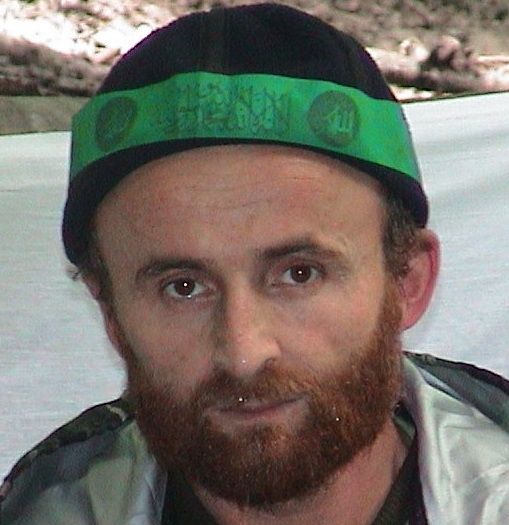
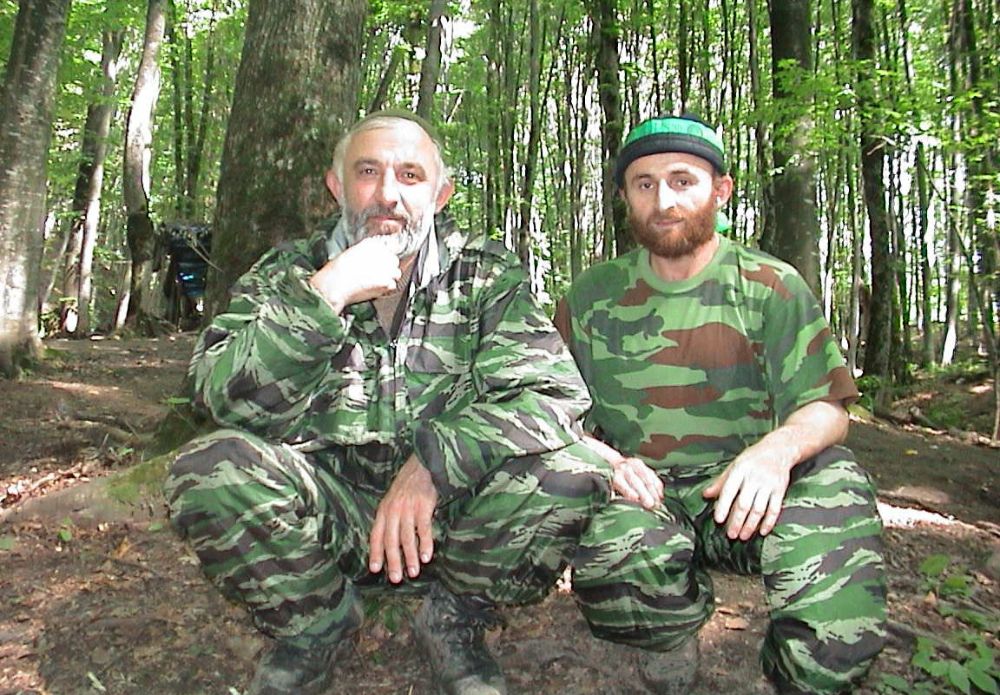


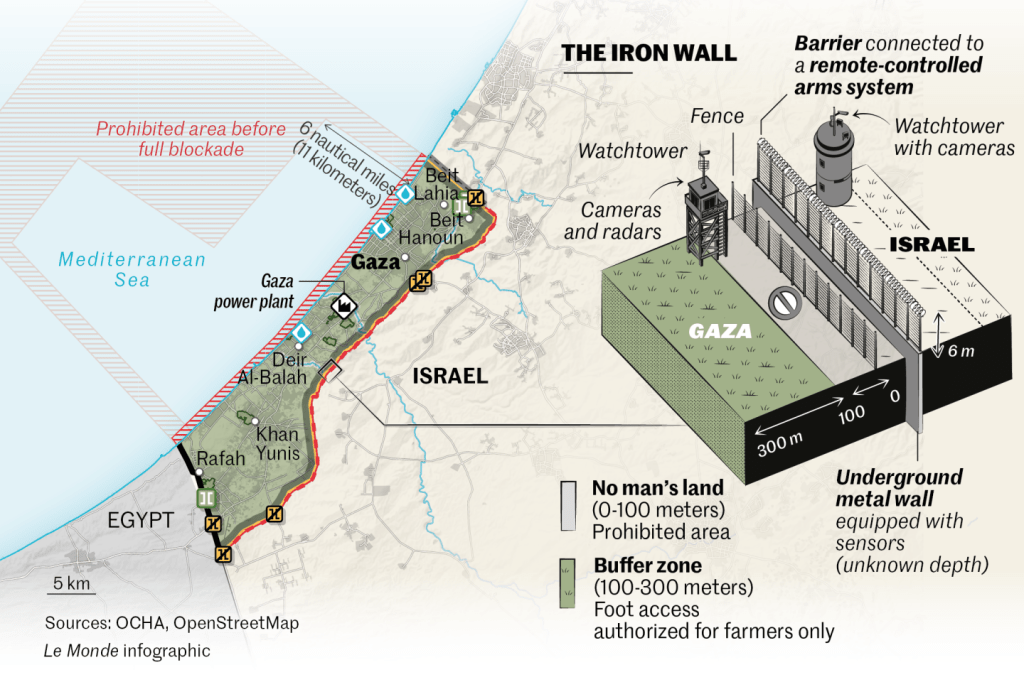

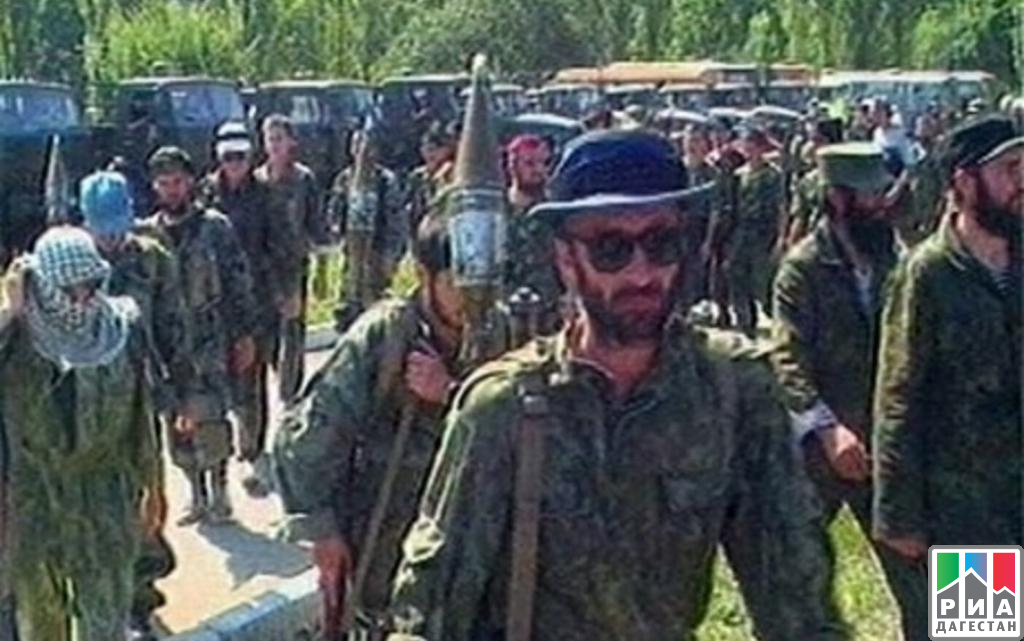
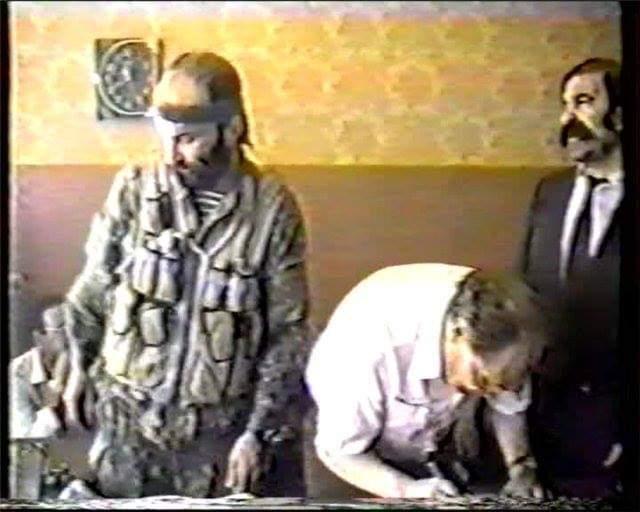

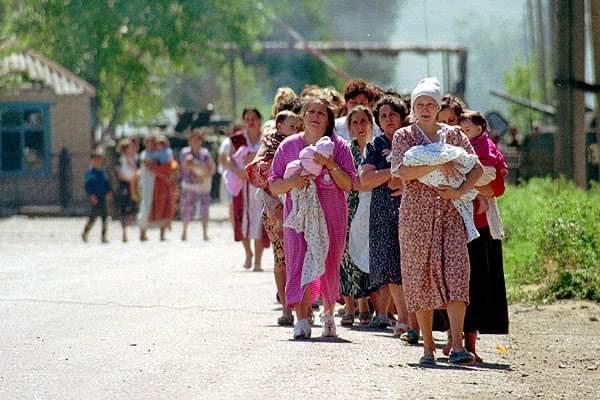

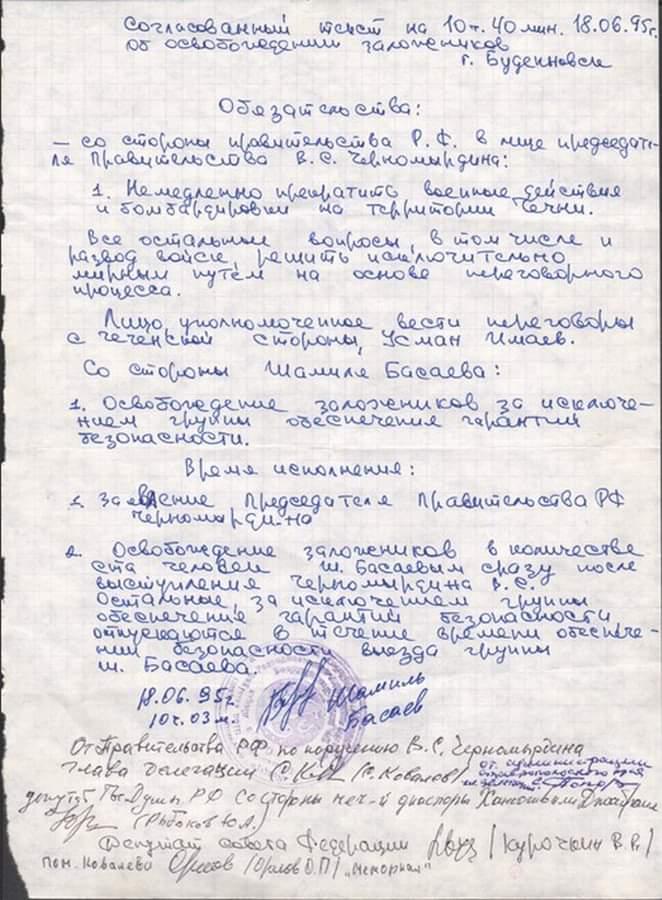


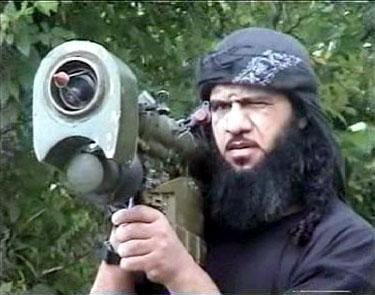
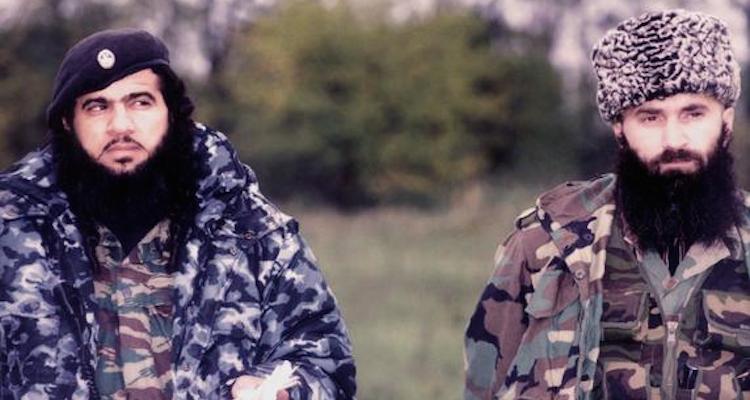




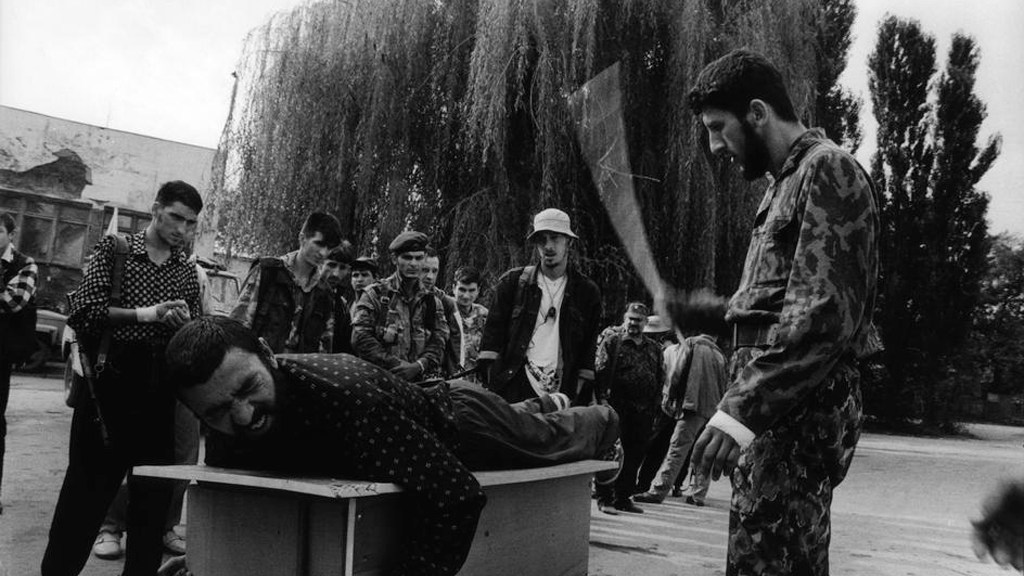
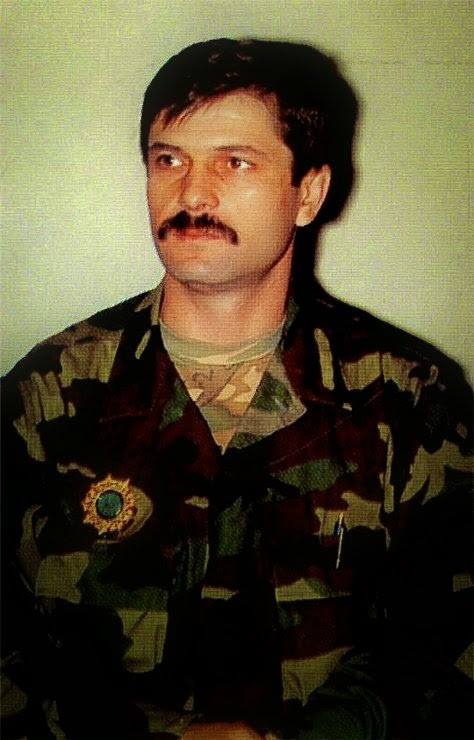

 Ichkeria Digital Archive