Archivi tag: Zakayev

WAR MEMORIES: FRANCESCO BENEDETTI INTERVIEWS AKHMED ZAKAYEV (PART 2)

The following is the transcript of the first part of the interview between Francesco Benedetti and Akhmed Zakayev conducted by Inna Kurochkina for INEWS (we attach the link to the original video, which will soon be accompanied by English and Italian subtitles)

On 6 March 1996 the armed forces of the ChRI launched their first major offensive action of the conflict: the so-called “Operation Retribution”. According to what I was told by Huseyn Iskhanov, then Representative of the General Staff, the plan was conceived in Goiskoye and saw your participation, as well as that of the Chief of Staff, Maskhadov, and the Deputy Chief of Staff, Saydaev. Do you remember how you planned this operation?

Yes, of course I remember that. This, in principle, came out of the operation that we carried out to blockade the city of Urus-Martan in order to prevent elections. After this operation, my Chief of Staff Dolkhan Khadzhaev and I met with Dzhokhar Dudayev. And we suggested the option that something like this should be done. We understood that any of our actions in order to make any attempts to change this situation, the Russians needed at least three days, theoretically.

It took them three days to recover and start doing something. And then we started talking about the possibility of blocking several districts at the same time. And then Dzhokhar Dudayev said: “You see how good it is when a team works. I, he says, was with these thoughts and thought about how best and what kind of operation we should carry out.

It was then that the idea arose to carry out this operation in the city of Grozny, in the city of Dzhokhar – in the future.

And on the same day, it was decided to invite Aslan Maskhadov, Chief of the General Staff, to call him to our side, and from that time, almost two or three days after we discussed this with Dzhokhar Dudayev, we began preparations over this operation. Practically – we had our own intelligence in Grozny, we knew where each Russian unit was concentrated, and we did additional work and identified all these points where Russian units are located. Where are checkpoints, commandant’s offices, military units.

Yes, Umadi Saidaev, the late Umadi Saidaev, he was the Chief of the Operational Headquarters, and then, later, Aslan Maskhadov arrived there, and together with the Commanders of the Directions who were supposed to take part, we developed this operation.

Returning again to Operation Retribution, this was a success that the ChRI leadership chose to use more symbolically than strategically. In your memoir you recall that at the time the decision to withdraw from Grozny, despite having taken it under your control, did not please you, and that even now you maintain that what was achieved in the following August, with Operation Jihad , could have been achieved with Operation Retribution. Finally, you say: In March of 1996 we probably had the opportunity to finish the war victoriously, and then much of our recent history could have gone differently. What do you mean by this sentence? Are you alluding to the fact that Dudayev was still alive, or to the fact that the Russian presidential election had not yet been held? Or again, to something else?

I thought about the elections in Russia last, because there have never been any elections there. Yes, the very fact that Dzhokhar was alive at that time could have been of great importance, and the course of history could have been completely different if the war had ended with Dzhokhar Dudayev alive. And it is unlikely that the Russians would go for it, I also admit this, on the one hand, I admit that they would not go. They made every effort to eliminate Dzhokhar Dudayev, and subsequently to seek peace. As for this operation, I’m just sure of it. Yes, then we planned the operation for three or four days, but there was no concrete decision, such that we would leave in three days. Because Dzhokhar Dudayev arrived in Grozny, he was at my Headquarters in the city of Grozny, in my defense sector, in that part of the operation that the units under my command took part, he arrived there, and we were together last night at our headquarters. And I remember the reaction of Dzhokhar Dudayev when he learned that there was an order to leave the city, that some units had already begun to leave Grozny. He did not agree with this, because you can really assess the situation when you see the situation in the process, how it changes, and based on this you must draw conclusions and make decisions. Dzhokhar Dudayev was in Grozny for the first time after the Russian occupation, we traveled with him at night, in Grozny at night, we went to the bus station, he watched all this destruction, and when we returned to the Headquarters, some of our units had already begun to leave. He said: “Well, if there is an order, it is necessary to carry it out.”

And we retreated. And I later thought about it, because nothing more than what we did for the month of March, we did nothing in August. This operation was repeated one by one in the same way, and with the same forces and means. Even in August, we initially had and at the beginning of this operation, the funds involved were two times less than in the March operation. And therefore, I am sure that if we had stayed in Grozny … (well … history does not tolerate the subjunctive mood). What had to happen happened. But I remain of my opinion that it could have been different. But this is already from the area of \u200b\u200b”could”.

But that did not happen.

In March 1996 you faced, as commander, what was perhaps the biggest defensive battle fought by the Chechen army in 1996. I am referring to the Battle of Goiskoye. I’ve read conflicting opinions regarding the choice to face the Russians in that position. Some argue that the defense of the village was senseless, resulting in numerous unwarranted casualties for the Chechen forces. Others argue that if Goiskoye had fallen too soon into federal hands, the entire Chechen defense system could have shattered. After all these years, what do you think?

To prevent the enemy from reaching the foothills, to block him in the village of Goyskoe, this was, from a strategic point of view, militarily an absolutely correct decision. This decision was made by the Supreme Command of the Armed Forces of the Chechen Republic of Ichkeria. Yes, I also know that there is such a statement, but based on real losses, we did not suffer any serious losses during the defense of Goisky. Yes, there were dead, several people who died were injured, but there were no such losses. There is no war without loss. Well, in a strategic sense, the protection and defense of Goisky kept the front line, which moved from Bamut to Alkhazurov. Alkhazurov fell under Russian control, but Komsomolskoye also fell under Russian control. But in Goyskoe we didn’t let them go any further. We prevented the passage of the Russians up to the foothills. And thus they retained the Front and the front line. And this was of very important strategic importance, all the more so against the background of the fact that the Russians began to talk about negotiations, about a truce. If we talk about a truce and start a conversation with them about a political dialogue, naturally, the preservation of a certain territory that we controlled, this was of great political importance, and in connection with this, Dzhokhar Dudayev made the decision to protect Goiskoye. Yes, we lasted a month and a half. And later, after the death of Dzhokhar Dudayev, when Bamut had already fallen, it was decided to leave Goiskoye. But as long as Achkhoy and Bamut were on the defensive, we held the line of defense in Goyskoye as well.

But when the front had already been interrupted there, it was pointless to continue to hold the front line and lose our fighters. And so it was decided to withdraw our units already to the mountains. Subsequently, we already redeployed closer to the city and began to prepare for the August operation.

After Dudayev’s death, power was transferred to Vice-President Yandarbiev, who took office as Interim President. Was the decision to transfer power to him unanimous? Or were there discussions about it?

In principle, there were no discussions, one vote was against, the rest all spoke in favor of recognizing Zelimkhan Yandarbiyev as Vice President. It was in line with our constitution, presidency provision, and it was accepted. And Zelimkhan Yandarbiev began to act as President.

After Yandarbiev assumed presidential powers, he appointed you as Presidential Assistant at Security. What were your duties in this position?

Yes. He appointed me Assistant to the President for National Security. And at the same time, that unit, that is, the Third Sector, which I commanded, I was simultaneously appointed Commander of the Separate Special Purpose Brigade. That is, the unit that I commanded, being the Commander of the Third Sector, he was also transferred to the Brigade, to the status of the Brigade under the President of the Chechen Republic of Ichkeria. Basically, this was done because Zelimkhan Yandarbiyev, after we retreated and put up the Presidential Palace at the beginning of the war, he was inside the Presidential Palace until the last moment, until we left the city. Since that time, in principle, Zelimkhan Yandarbiev has not been involved in military operations, and over the past year and a half, over the past year, new units have already been created and new people have appeared in these military structures. And naturally, Zelimkhan needed a person who knew this whole system militarily, and, of course, we worked with him and in the near future Zelimkhan was introduced to the course in all Directions, Fronts and our units, and already as the Supreme Commander, he Subsequently, he began to manage these processes himself. And my task included power components. And later it was transferred, after graduation this position was transferred, retrained to the position of “Secretary of the Security Council”.

And before the elections, in principle, I performed these functions.

Memorie di Guerra: Francesco Benedetti intervista Akhmed Zakayev (Parte 2)

Quella che segue è la trascrizione della seconda parte dell’intervista tra Francesco Benedetti ed Akhmed Zakayev realizzata da Inna Kurochkina per INEWS (alleghiamo il link al video originale, che presto sarà accompagnato da sottotitoli in inglese ed italiano)

Il 6 marzo 1996 le forze armate della ChRI hanno lanciato la loro prima grande azione offensiva del conflitto: la cosiddetta Operazione Retribution. Secondo quanto mi disse Huseyn Iskhanov, allora Rappresentante di Stato Maggiore, il piano fu concepito a Goiskoye e vide la sua partecipazione, oltre a quella del Capo di Stato Maggiore, Maskhadov, e del Vice Capo di Stato Maggiore, Saydaev. Si ricorda come fu pianificata questa operazione?

Sì, certo che me lo ricordo. Questo, in linea di principio, è venuto fuori dall’operazione che abbiamo effettuato per bloccare la città di Urus-Martan al fine di impedire le elezioni. Dopo questa operazione, io e il mio capo di stato maggiore Dolkhan Khozhaev ci siamo incontrati con Dzhokhar Dudayev. E abbiamo suggerito l’opzione di fare qualcosa del genere. Abbiamo capito che di fronte a qualsiasi nostra azione, per tentare di cambiare questa situazione, i russi avevano bisogno di almeno tre giorni, in teoria. Abbiamo iniziato a parlare della possibilità di bloccare più distretti contemporaneamente. E poi Dzhokhar Dudayev ha detto: “Vedi com’è bello quando una squadra lavora!” Io, dice, ero con questi pensieri e ho pensato al modo migliore e al tipo di operazione da eseguire. Fu allora che nacque l’idea di eseguire questa operazione nella città di Grozny, che in futuro si sarebbe chiamata Città di Dzhokhar. Lo stesso giorno, è stato deciso di invitare Aslan Maskhadov, capo di stato maggiore, a chiamarlo al nostro fianco, e da quel momento, quasi due o tre giorni dopo averne discusso con Dzhokhar Dudayev, abbiamo iniziato i preparativi su questa operazione. In pratica, avevamo la nostra intelligence a Grozny, sapevamo dove era concentrata ogni unità russa, abbiamo svolto un lavoro aggiuntivo e identificato tutti i punti in cui si trovano le unità russe. Dove sono i posti di blocco, gli uffici del comandante, le unità militari. Sì, Umadi Saidaev, il defunto Umadi Saidaev, era il capo del quartier generale operativo, e poi, in seguito, è arrivato lì Aslan Maskhadov, e insieme ai comandanti delle direzioni che avrebbero dovuto prendere parte, abbiamo sviluppato questa operazione.

Tornando di nuovo all’operazione Retribution, questo è stato un successo che la leadership ChRI ha scelto di utilizzare più simbolicamente che strategicamente. Nella sue memorie ricorda che all’epoca la decisione di ritirarsi da Grozny, nonostante fosse sotto il vostro controllo, non le piacque, e che ancora oggi lei ritiene che quanto realizzato nell’agosto successivo, con l’Operazione Jihad, avrebbe potuto essere raggiunto con Operazione Retribution. Infine, lei afferma: Nel marzo del 1996 probabilmente abbiamo avuto l’opportunità di concludere vittoriosamente la guerra, e in quel caso gran parte della nostra storia recente sarebbe potuta andare diversamente. Cosa intende con questa frase? Allude al fatto che Dudayev era ancora vivo, o al fatto che le elezioni presidenziali russe non si erano ancora svolte? O ancora, a qualcos’altro?

Ho pensato alle elezioni in Russia per ultima cosa, perché lì non ci sono mai state elezioni. Sì, il fatto stesso che Dzhokhar fosse vivo in quel momento avrebbe potuto essere di grande importanza, e il corso della storia sarebbe potuto essere completamente diverso se la guerra fosse finita con Dzhokhar Dudayev vivo. I russi hanno fatto ogni sforzo per eliminare Dzhokhar Dudayev e successivamente per cercare la pace. Per quanto riguarda questa operazione, ne sono proprio sicuro. Sì, allora abbiamo programmato l’operazione perché durasse tre o quattro giorni, ma non c’è stata una decisione concreta, secondo la quale ci saremmo dovuti ritirare in tre giorni. Quando Dzhokhar Dudayev è arrivato a Grozny, si sistemò nel mio quartier generale nella città di Grozny, nel mio settore della difesa, in quella parte della città in cui combattevano le unità sotto il mio comando, è arrivato lì, e la sera precedente eravamo insieme al Quartier Generale. Ricordo la reazione di Dzhokhar Dudayev quando ha saputo che c’era un ordine di lasciare la città, che alcune unità avevano già iniziato a lasciare Grozny. Non era d’accordo con questo, perché puoi davvero valutare la situazione quando vedi la situazione nel processo, come cambia, e sulla base di ciò devi trarre conclusioni e prendere decisioni. Dzhokhar Dudayev era a Grozny per la prima volta dall’occupazione russa, abbiamo viaggiato con lui di notte, a Grozny di notte, siamo andati alla stazione degli autobus, ha assistito a tutta questa distruzione e quando siamo tornati al quartier generale, alcuni dei nostri le unità avevano già iniziato a partire. Ha detto: “Bene, se c’è un ordine, è necessario eseguirlo”. E ci siamo ritirati. E poi ci ho ripensato, perché ad Agosto non abbiamo fatto niente di più di quello che avevamo fatto a marzo. Questa operazione è stata ripetuta nello stesso modo, e con le stesse forze e mezzi. E quindi, sono sicuro che se fossimo rimasti a Grozny … (beh … la storia non tollera il congiuntivo). Quello che doveva succedere è successo. Ma rimango della mia opinione che avrebbe potuto essere diverso. Questo è già dall’area del “potrebbe”. E non è successo.

Nel marzo 1996 lei ha affrontato, come comandante, quella che forse è stata la più grande battaglia difensiva combattuta dall’esercito ceceno nel 1996. Mi riferisco alla battaglia di Goiskoye. Ho letto pareri contrastanti sulla scelta di affrontare i russi in quella posizione. Alcuni sostengono che la difesa del villaggio fosse insensata, provocando numerose vittime ingiustificate per le forze cecene. Altri sostengono che se Goiskoye fosse caduto troppo presto mani federali, l’intero sistema di difesa ceceno avrebbe potuto andare in frantumi. Dopo tutti questi anni, cosa ne pensa?

Impedire al nemico di raggiungere le colline pedemontane, bloccarlo nel villaggio di Goyskoe, questa è stata, dal punto di vista strategico, militarmente una decisione assolutamente corretta. Questa decisione è stata presa dal Comando supremo delle forze armate della Repubblica cecena di Ichkeria. Sì, so anche che esiste una dichiarazione del genere, ma sulla base di perdite reali, non abbiamo subito perdite gravi durante la difesa di Goiskoye. Sì, c’erano morti, diverse persone che sono morte sono rimaste ferite, ma non ci sono state perdite del genere. Non c’è guerra senza perdita. Ebbene, in senso strategico, la protezione e la difesa di Goiskoye hanno permesso di mantenere la linea del fronte, che si sviluppava da Bamut ad Alkhazurovo. Alkhazurov era caduta sotto il controllo russo, ed anche Komsomolskoye era caduta sotto il controllo russo. Ma a Goyskoye non li abbiamo lasciati andare oltre. Abbiamo impedito il passaggio dei russi fino alle pendici. E così abbiamo mantenuto il fronte e la linea del fronte. E questo era di importanza strategica, tanto più sullo sfondo del fatto che i russi avevano iniziato a parlare di negoziati, di tregua. Nel caso di una tregua finalizzata ad un dialogo politico, naturalmente, la conservazione di un certo territorio che controllavamo, era di grande importanza, e in relazione a questo, Dzhokhar Dudayev ha preso la decisione di proteggere Goiskoye . Sì, siamo durati un mese e mezzo. E solo più tardi, dopo la morte di Dzhokhar Dudayev, quando Bamut era già caduta, si decise di lasciare Goiskoye. Ma finché Achkhoy e Bamut erano in mano nostra, mantenemmo la linea di difesa anche a Goyskoye. Quando lì il fronte fu interrotto, a quel punto fu inutile continuare a tenere posizione e perdere i nostri combattenti. E così si decise di ritirare le nostre unità in montagna. Successivamente, ci distribuimmo più vicino alla città e iniziammo a prepararci per l’operazione di agosto.

Dopo la morte di Dudayev, il potere è stato trasferito al vicepresidente Yandarbiev, che è entrato in carica come presidente ad interim. La decisione di trasferirgli il potere è stata unanime? O ci sono state discussioni a riguardo?

In linea di principio non ci sono state discussioni, solo un voto era contrario, il resto si espresse a favore del riconoscimento di Zelimkhan Yandarbiyev come vicepresidente. Era in linea con la nostra costituzione, con le disposizioni presidenziali, ed è stata accettata. E Zelimkhan Yandarbiev ha iniziato a fungere da presidente.

Dopo che Yandarbiev ha assunto i poteri presidenziali, l’ha nominata assistente presidenziale alla sicurezza. Quali erano i suoi doveri in questa posizione?

SÌ. Mi ha nominato Assistente del Presidente per la Sicurezza Nazionale. E allo stesso tempo, sono stato contemporaneamente nominato Comandante della Brigata Speciale Separata. Cioè, l’unità che ho comandato, che all’epoca era Terzo Settore, è stata elevata allo status di Brigata sotto il Presidente della Repubblica cecena di Ichkeria. Fondamentalmente, questo è stato necessario perché Zelimkhan Yandarbiyev (dopo essere rimasto con noi  all’interno del Palazzo Presidenziale fino all’ultimo momento, fino a quando non abbiamo lasciato la città) non è stato più coinvolto in operazioni militari nell’anno e mezzo successivo, e in quel periodo erano state create nuove unità e nuove persone sono apparse nella gerarchia militare. E naturalmente, Zelimkhan aveva bisogno di una persona che conoscesse militarmente l’intero sistema. Abbiamo lavorato con lui e nel periodo successivo Zelimkhan è stato introdotto in tutte le direzioni, nei fronti e nelle nostre unità, e poi come comandante supremo, ha iniziato a gestire personalmente questi processi. Il mio compito era quello di raccordo [tra lui e gli ufficiali, NDR]. Poi, terminate le operazioni militari, è diventato quello di “Segretario del Consiglio di sicurezza”. Fino a prima delle elezioni, in linea di principio, svolgevo queste funzioni.

War Memories: Francesco Benedetti interviews Akhmed Zakayev (Part 1)

The following is the transcript of the first part of the interview between Francesco Benedetti and Akhmed Zakayev conducted by Inna Kurochkina for INEWS (we attach the link to the original video, which will soon be accompanied by English and Italian subtitles)

1. On December 6, 1994, a few days before the federal army invaded Chechnya, a delegation appointed by Dudayev went to Vladikavkaz to confer with the Russian Minister for Nationalities, Mikhailov. In your memoirs you say that a certain number of oil entrepreneurs joined the delegation led by the Minister of Economy Abubakarov. What do you think was the purpose of their presence? Is it possible that among the proposals that the delegation should have presented was an agreement on the exploitation of Chechen oil, or on the exploitation of Chechen refineries?

At that moment and during that period, the presence in this delegation of the Minister of Economy and Finance Abubakarov, Deputy Prime Minister Amaliyev, was not associated with any possible agreements on the operation of oil refineries. They were then our representatives and proxies of Dzhokhar Dudayev. Not only did they “join”, they were included in this delegation. And from there they went from Kizlyar to Moscow, to further study the issue of preventing military aggression from Russia, to prevent a war. Dzhokhar did everything possible to prevent the outbreak of hostilities in Chechnya. And practically our delegation was in Moscow, headed by Tyushi Amaliyev, with Abubakarov, the Minister of Finance and Economy, and when Russia began to bomb Grozny. On December 11, despite everything, Yeltsin signed a decree on the introduction of troops and the start of a military campaign. Therefore, at that moment and in that period, it was not about the operation of oil wells, or rather, the use of oil refineries, or the Chechen oil that was produced at that time.

2. At the outbreak of war you placed yourself in the service of President Dudayev, and within a few months you were given the task of setting up an autonomous front. At the time you were the Minister of Culture, certainly no one expected you to take up arms and fight a war. Why did you decide to enlist?

(laughs)

The fact is that I did not go to the service of Dudayev. I was appointed Minister of Culture of the Chechen Republic of Ichkeria by Dudayev’s decree. No one served anyone or anyone. We worked for our state, and Dzhokhar Dudayev, as president, had the authority to appoint and dismiss. My appointment was in October, when Dzhokhar Dudayev offered me to work in his team. I accepted it despite everything that happened. I just say in my book that for me there was no difference, it was absolutely obvious that there would be a war. And I told to Dzhokhar: “Dzhokhar, it makes no difference to me in whose capacity I will defend our fatherland, my place is here, with my people. Whether a janitor, whether a minister .. ” And Dzhokhar then said, I remember his words, I just wrote about it. He said: “No, there will be no war. The world will not allow this. I won’t allow it. There will be no war, we need to do creative work. And your place is exactly in this direction. And so you must accept my offer.” I accepted this offer. I returned to the republic, and already on the first day, November 18, I officially went to work, and on November 26 the war began. In principle, this is the first invasion of Russian troops under the pretext of the “Chechen opposition” into the city of Grozny, where they were defeated.

And now for the second part of the question. The fact is that according to our legislation, I think that it is the same in Italy, the same laws, members of the Government, if a war starts, they become liable for military service, regardless of their positions. Culture, or art, it doesn’t matter, everyone becomes liable for military service. I, in principle, before I was appointed commander of the seventh front, I joined the people’s militia. I remember that day, December 28, when my office of the Ministry of Culture, in the Mayor’s Office building, was bombed, and on the same day I… There were people on the square who signed up as volunteers for the people’s militia. I signed up for this people’s militia, and only on January 11, Dzhokhar recalled me from my position as Minister of Culture, because a meeting of the Government was scheduled. And I returned from my positions to the Government meeting on January 11. And on this day Dzhokhar entrusted me with another task, I also wrote about this in my memoirs, and later, already in March, when the city was abandoned and we retreated to the foothills, at that time Dzhokhar signed the Decree on the creation of the Seventh Front and appointed me Commander. That is, we began to form this front, in general, from scratch.

3. After the fall of Grozny in Russian hands, and the withdrawal of the Chechen forces on the mountain defense line, the government was reorganized in order to make up for the defections of some senior officials, but also to function more streamlined in a context of total war. This “war government”  continued to function throughout the duration of the conflict, and overcame the death of Dudayev, placing itself at the disposal of the Interim President, Yandarbiev. How did this government operate, and how did it manage to meet, to keep in touch with the President?

The Military Government, what you call the Military Government, was the State Defense Committee, which was formed by Presidential Decree when the military aggression began. And this body was the Supreme State Organ. Parliament stopped its legislative activity. The government had already been transferred to a military footing, and the State Defense Committee was formed as the Supreme Body of State Power. It included members of the Government, members of Parliament, the Leading Military Command represented by the General Staff, and Commanders of Fronts and Directions. And this Government functioned all this period. How were the meetings? Naturally, we all knew where the Supreme Commander-in-Chief was located, in which part of the republic. And periodically he convened a meeting of the State Defense Committee, and we discussed issues related to the continuation of resistance, with defense. Questions of a military nature were discussed in connection with the preparation of military operations or attacks on enemy territory.

All these points were discussed at the meeting of the State Defense Committee, and it functioned very effectively. It was a small number of people, but they were people who were directly involved in all processes – political, military, economic issues. These questions were also not the last ones, because providing the units with the necessary provisions, this was also within the competence, the questions of the State Defense Committee. And all these issues were discussed and functioned very effectively due precisely to the fact that Dzhokhar Dudayev did not go into deep underground, into forests, into the mountains, where it would be impossible to get him, he held personal meetings with all units, not only with the State Defense Committee but also with military units. He went to the front line, to the front line, met with ordinary soldiers. And now all our defense and all our resistance fighters, they all took a very responsible attitude to which side Dzhokhar Dudayev was on. I mean, along the front line, where active hostilities are taking place, the soldiers knew that behind them, behind their shoulders, there was already the Headquarters of the Supreme Commander. Or they disputed, along the Argun River, when he crossed over to the other side, those parts of the resistance, the Armed Forces took it for pride, proudly announced that the Supreme Commander was now on our side of the front. There was a very friendly atmosphere. When I remember these times, this period, despite all the difficulties that we then experienced, there was a war, but the people were different. We were different. The Chechens were completely different. They were different from today’s Chechens, who live in the territory and who are outside. And all this was connected, I think, with the fact that we were under Soviet occupation for seventy years, and for the first time we had a chance to build our own state. Independent state. And now the leader of this movement and the state, and later the leader of the Defense and the leader of the national liberation movement, he inspired in many ways and not only the fighters, but the entire Chechen people to resist and repel aggression. These were simply amazing times in the history of the Chechen people, when the whole people actually accomplished a feat. It was thanks to the feat of the Chechen people that we managed then to preserve both the power structures and what we were doing. And basically win.

4. Between March and May 1995, according to what you refer in your memoirs, you were in charge of setting up, in record time and with almost non-existent resources, the so-called “Seventh Front” south of Urus – Martan, which would serve as a point of contact between the stronghold of Bamut and the rest of the Chechen deployment. In your book you tell how the Seventh Front was born. Could you explain how it developed, which units made it up, and which operations it carried out until June 1995?

This happened in March, Dzhokhar Dudayev signed a decree. By this time, all our units had moved to the foothills, when the flat part was already mainly under the control of the Russian aggressors, and the foothills remained, starting from Bamut and to Alkhazurov, in this direction, and there further up, to the Grozny region, Chishki, Dacha Borzoi. This side was not yet occupied by the Russians, and it was necessary to create a unified defense in this direction, from Bamut to Alkhazurov. And the consciousness of the Seventh Front, and the task of the Seventh Front, was precisely this. And it practically turned out basically, this is the so-called Urus – Martanovsky district, it was believed that this area was loyal to Russia, the Russian aggressors, because the occupation regime functioned there, the occupation power structures, headed by Yusup Elmurzaev, the then prefect, who was appointed occupation mode. The creation of this front and the main task was the creation of military bases in the three gorges. These are Martan Chu, Tangi Chu, Roshni Chu. It was in these three gorges that we formed three military bases in just a few months. Although at the time when the decree was signed, there were practically no military units there. There were only militias, people who were part of the people’s militia, but there was no centralized command, and we in a short time, from those units, from those people’s militias that were then in this region, we created this Seventh Front, and a centralized military unit, under the centralized command of the Supreme Commander-in-Chief Dzhokhar Dudayev. Subsequently, this Seventh Front was already transformed into Sectors – the South-Western Front and Three Sectors – the First, Second, Third Sector. These sectors were under my responsibility.

Later I was in charge of the Third Sector of the Southwestern Front. Speaking by surname, these are, in principle, our young middle-level commanders, Dokka Makhaev, Dokka Umarov, Khamzat Labazanov, Isa Munaev, all these guys … Akhyad (I will not name him by his last name, because he is alive and is on the territory), Khusein Isabaev, these guys, then the middle link of commanders who headed these Sectors, and this Direction. Although it was already such a single military unit, which was part of the Armed Forces and had already been structured into the General Staff of the Armed Forces of the CRI.

5. In the spring of 1995 you could consider yourself one of the main army officers of the ChRI, therefore you were definitely monitored by the FSB, and by the intelligence of the Russian army. How did federal forces try to stop you and other senior officers from participating in the resistance? And how did you manage to evade Russian attempts to track you down?

First of all, God protected us. And, secondly, it is the Chechens and the Chechen people. We were at home. We were in our native villages, in our native settlements. And of course, the Chechen people, in fact, were the main protection of those who were then in the Armed Forces. And President Dzhokhar Dudayev, you know, the republic is small, all this time he was among the Chechens, he was in different settlements, and every village where the fighters stopped, although there were also opposition-minded and cowardly people, but in general, our supporters, supporters and independence, and those who supported our national liberation movement, they were much stronger and were much more numerous. They managed to prevent both assassination attempts and those ambushes that set not only me, but also those who were then involved and were listed in the ranks, as you said, in the highest composition of the Command, and all of them were protected by the Chechen people. And, of course, not everything was under the control of either the FSB or the Russians. Life and death are in the hands of God. And those reasons, those actions that were taken by us in order to survive, and what the Chechens did with us, the Chechen people, protecting their commanders, people who defended their homeland, their fatherland and themselves.

Akhmed Zakayev a Rimini (11/12/2022) “Da dove viene l’espressione ‘La Cecenia fa parte della Russia’?”

Quello che segue è il testo integrale dell’intervento presentato dal Presidente del Gabinetto dei Ministri del governo ceceno, Akhmed Zakayev, al Congresso Nazionale dei Radicali, svoltosi a Rimini tra il 9 e l’11 Dicembre 2022. Lo avevamo tradotto per l’occasione dall’inglese, affinchè potesse essere distribuito agli astanti. Lo riproponiamo ai lettori di questo blog.

11.12.2022 Rimini, Italia

Signor Presidente,

Signore e signori,

All’inizio del mio intervento, vorrei ringraziare gli organizzatori di questo forum. In particolare ” Radicali Italiani ”. così come tutti i membri del movimento.

Da più di 30 anni partecipo direttamente ai processi militari e politici in corso sia all’interno della stessa Cecenia, sia – ora – al di fuori della Cecenia. Le informazioni rilasciate dagli uffici stampa dei ministeri e delle agenzie russe hanno lo scopo di distogliere l’attenzione da fatti oggettivi. Gli ideologi del Cremlino praticano ancora la teoria totalitaria secondo cui se ripeti mille volte una bugia, diventerà la verità. Preferisco l’affermazione di Abraham Lincoln: che puoi ingannare alcune persone per sempre, e tutte le persone per qualche tempo, ma mai tutte le persone per sempre.

Il presente e il futuro di qualsiasi conflitto devono essere definiti innanzitutto dalla natura di quel conflitto. Probabilmente avrete sentito dozzine di versioni delle origini del conflitto tra Russia e Cecenia. Le riserve petrolifere e il terrorismo islamico internazionale hanno poco o nulla a che fare con l’origine del conflitto. Vorrei spiegare di cosa ha così paura il governo russo.

Dall’inizio della guerra russo-cecena, l’11 dicembre 1994, ogni tentativo della comunità mondiale di impegnarsi nella soluzione pacifica del conflitto è stato bloccato dalla tesi dell’integrità territoriale della Federazione Russa. Oggi che il nostro conflitto è degenerato in un circolo vizioso, è estremamente importante esaminarlo dal punto di vista della sua legalità. Epiteti come “autodichiarato”, “separatista”, “ribelle” o “non riconosciuto” sono spesso usati per descrivere la Repubblica cecena. Essi non si basano su fatti storici e legali.

Lo status sovrano della Repubblica cecena è legittimo quanto lo era l’URSS. Nell’aprile 1990, durante le riforme del sistema sovietico di Gorbaciov, il Soviet Supremo dell’URSS adottò due leggi di fondamentale importanza per le nazioni dell’Unione Sovietica.

Il 10 aprile 1990. “Sulla base dei rapporti economici tra l’URSS e l’Unione e le Repubbliche Autonome” Poi il 26 aprile 1990 “Sulla divisione dell’autorità tra l’URSS ei sudditi della Federazione”. Questa normativa conteneva, accanto a disposizioni più generali, una serie di articoli che modificarono radicalmente lo statuto delle repubbliche autonome. Da quel momento esse condivisero gli stessi diritti delle altre repubbliche sovrane. Entrambi i tipi di repubbliche godettero del diritto alla “libera autodeterminazione dei popoli”.

Il 27 novembre 1990 , a seguito di un editto ufficiale del Soviet Supremo dell’URSS, il Soviet Supremo della Repubblica ceceno-inguscia ha adottato una Dichiarazione sulla sovranità dello Stato.

Per tutta la vita dell’URSS, tutto ciò che aveva a che fare con lo status giuridico, la “statalità” ei confini delle varie entità etniche all’interno del paese era prerogativa esclusiva del Soviet Supremo dell’URSS.

Il motivo per cui sto entrando così nei dettagli è perché possiate capire che non c’è stata alcuna rivolta, nessuna presa del potere da parte di separatisti armati. La sovranità della Repubblica cecena è stata stabilita dall’adozione nell’URSS di diverse nuove leggi nell’aprile 1990, e quindi era assolutamente legale e legittima ai sensi del diritto sovietico, del diritto russo e del diritto internazionale.

Quindi, quando l’Unione Sovietica fu sciolta nel dicembre 1991, la Repubblica cecena esisteva da più di un anno come stato sovrano, riconosciuto nell’ordinamento giuridico dell’URSS, uguale a tutte le “Repubbliche dell’Unione” (Russia, Georgia , Ucraina, Stati baltici e altri) e si stava preparando a firmare il Trattato dell’Unione aggiornato.

Lo status paritario della Repubblica cecena è stato infatti riconosciuto dal governo della Russia nel 1992, in occasione della spartizione ufficiale delle armi e dei beni dell’ex esercito sovietico che si trovavano nella Repubblica di Cecenia. Una simile divisione delle armi e dei beni dell’esercito sovietico ebbe luogo tra la Russia e tutte le ex repubbliche dell’URSS.

Il 1992 è stato un anno chiave per la Repubblica cecena a causa di altri due eventi che hanno avuto luogo: il primo è stato l’adozione della nostra Costituzione, che ha confermato lo status della Repubblica cecena come Stato sovrano democratico. La seconda è stata la firma del Trattato federale in Russia, cui la Repubblica cecena non ha partecipato.

Akhmed Zakayev

Da dove viene l’espressione “la Cecenia fa parte della Russia”?

Nell’ottobre 1993 il presidente Eltsin ordinò alle truppe di sparare sul parlamento russo e disperse l’assemblea. Quando il presidente Eltsin ordinò un referendum per una costituzione russa, non esisteva né il parlamento russo né la costituzione russa. Poiché la Repubblica cecena aveva un parlamento dal 1991, il quale aveva adottato una costituzione nel 1992, la Repubblica cecena non ha partecipato al referendum russo. La Costituzione russa contiene un articolo in cui si afferma che lo Stato russo è uno Stato federale, composto da soggetti che hanno firmato volontariamente il Trattato federale. Un altro articolo afferma che la Repubblica cecena è un soggetto della Federazione Russa. La presidenza russa ha violato tutte le possibili norme legali quando ha incluso la Repubblica cecena come “soggetto” della Federazione Russa nella Costituzione russa.

Nel 1994, dopo tre anni e mezzo di terrorismo di stato, di ricatti, di tentativi di indebolire la leadership cecena, che non sono riusciti a far capitolare la Repubblica cecena, la Russia ha scatenato un’invasione militare su vasta scala. Questa guerra fu cinicamente dichiarata per “l’instaurazione dell’ordine costituzionale”, mentre in realtà fu una guerra che violava tutti i principi del diritto internazionale, comprese le Convenzioni di Ginevra che regolano le norme di guerra.

Nel 1996 la guerra finì e tutte le truppe russe furono ritirate dalla Repubblica cecena. Nel gennaio 1997, con l’attivo supporto metodologico e logistico dell’OSCE e in conformità con la Costituzione cecena del 1992, la Cecenia ha tenuto le elezioni presidenziali e parlamentari, ufficialmente riconosciute dal Consiglio d’Europa che ha inviato un gran numero di osservatori, e dalla stessa Federazione Russa.

Il 12 maggio 1997è stato firmato il documento più importante di tutta la storia dei rapporti tra Russia e Cecenia. Il trattato di pace che ha stabilito i principi fondamentali per le relazioni tra la Federazione Russa e la Repubblica cecena di Ichkeria .

Il difficile ma chiaramente promettente processo di creazione di relazioni interstatali reciprocamente accettabili tra la Russia e la Repubblica cecena fu interrotto nel 1998, quando il Consiglio di Sicurezza della Federazione Russa, presieduto da Putin, il quale era anche direttore dell’FSB, pose un clamoroso freno al processo negoziale.

Al nostro governo viene spesso rimproverata l’accusa di aver avuto il tempo e l’opportunità dopo la fine della prima guerra russo-cecena di rafforzare e affermare la nostra sovranità. Posso affermare con piena autorità che in realtà non abbiamo avuto né il tempo, né l’opportunità, e questo perché i servizi segreti russi hanno immediatamente avviato seri preparativi per una seconda guerra. Hanno scatenato una dura ondata di operazioni terroristiche contro la Cecenia, che includevano esplosioni, omicidi e rapimenti, in particolare di stranieri e giornalisti. Molti noti politici hanno dichiarato pubblicamente che la Cecenia doveva essere portata a uno stato tale da implorare in ginocchio di poter rientrare nella Federazione Russa.

Dopo lo scioglimento dell’URSS, i sostenitori di un forte governo centrale in Russia si lamentavano che non esisteva più un’idea unificatrice e quindi che ciò che restava del grande impero russo, la Federazione Russa, avrebbe potuto sgretolarsi. Il Cremlino ha trovato l’idea che era necessaria. Hanno sostituito l’idea di Marx di combattere il capitalismo con l’idea di combattere il terrorismo. Il vantaggio della nuova idea era che quando si trattava di teoria e pratica degli atti di terrore, la Russia era stata il leader mondiale per tutto il XX secolo, e in tutti i continenti.

Vi interesserà sapere che durante la prima guerra del 1994-1996 siamo stati etichettati come banditi, separatisti, fascisti, ogni sorta di cose, ma nessun politico russo si è sognato di chiamarci fondamentalisti o terroristi islamici, figuriamoci terroristi internazionali.

Il Cremlino aveva già esperienza nel collegare la questione cecena con i problemi internazionali. Stalin, ad esempio, quando affrontò la questione cecena nel 1944 (deportando l’intera nazione nelle steppe del Kazakistan e della Siberia), accusò il popolo ceceno di collaborare con i tedeschi fascisti, anche se i nazisti non riuscirono mai ad occupare la Cecenia. Gli alleati democratici di Stalin potevano allora trovare comprensibili le sue affermazioni. Nel nostro tempo, presentare la Cecenia come uno dei principali focolai del terrorismo islamico internazionale sembra adattarsi convenientemente all’opinione pubblica russa, ma anche a quella dell’Occidente.

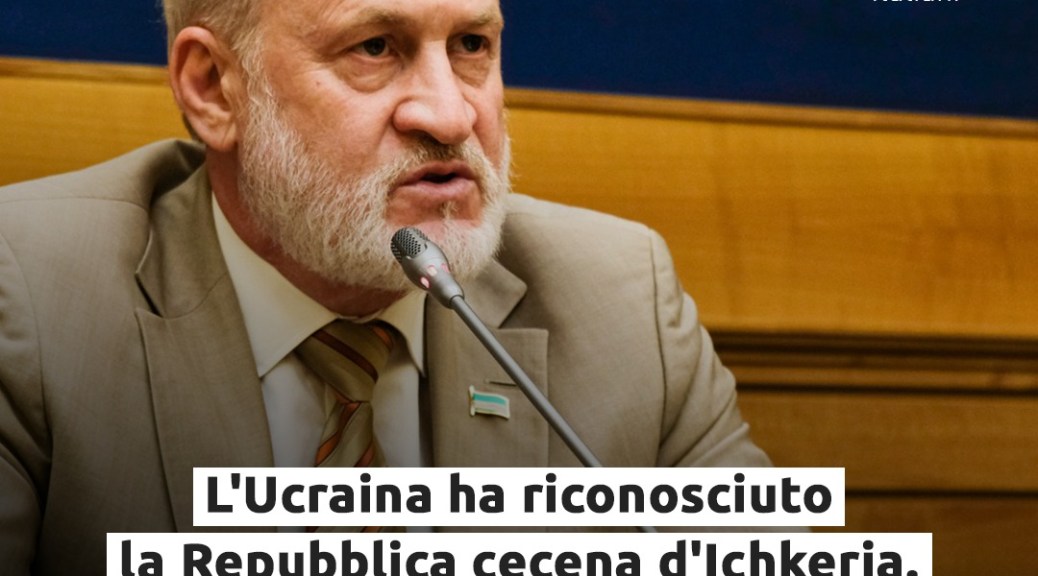
Akhmed Zakayev parla alla Camera dei Deputati in Italia

Negli ultimi anni i liberal-democratici russi ci hanno parlato dei processi negativi che hanno avuto luogo e sono tuttora in corso in Russia. Sono profondamente convinto che ciò che il regime di Putin ha fatto in Russia sia la conseguenza e il riflesso di quanto è accaduto, e continua ad accadere, in Cecenia.

L’isteria anti-cecena fomentata dal Cremlino che gode dell’appoggio della maggioranza assoluta della società russa, democratici compresi.

Menzogne spudorate, illegalità e crimini crudeli sono gli strumenti della politica russa nei confronti della Cecenia. Infiammata dalla propaganda della Grande Potenza, la società russa acconsentì prontamente ai mezzi ovvi e malvagi usati contro i ceceni, e quando questi iniziarono ad essere usati contro gli stessi russi era già troppo tardi per cambiare qualcosa.

Una campagna di terrore contro una piccola nazione non può portare a risultati positivi. Le prevedibili conseguenze di una guerra criminale scatenata contro la Cecenia sono state una restrizione delle libertà democratiche, inclusa l’abolizione della libertà di parola, della libertà per l’attività imprenditoriale privata e della libertà per le minoranze religiose. Procedimenti penali politicamente motivati, persecuzione delle organizzazioni per i diritti civili, violazione dei diritti elettorali dei cittadini, fascismo sempre più forte e grave interferenza negli affari interni degli stati vicini: questi sono tutti risultati naturali della criminale guerra anti-cecena, che continua nel suo 28 anno.

Il rifiuto della Russia di riconoscere l’indipendenza della Repubblica cecena, e il conseguente scatenarsi di una guerra, ha creato false aspettative in molte persone riguardo alla possibile risoluzione dei conflitti post-sovietici. La Georgia, la Moldavia ei loro amici volevano vedere la Russia soggiogare la Cecenia il prima possibile, immaginando che dopo questo sarebbe stata ripristinata la loro “integrità territoriale”.

I bombardamenti a tappeto di villaggi e città, la violazione di ogni norma militare, le pulizie etniche e il genocidio commessi durante le due guerre anti-cecene erano tutti considerati affari interni della Russia.

Putin era fiducioso che gli attuali leader occidentali non avrebbero mai cambiato il loro atteggiamento pubblicamente dichiarato nei confronti della Russia , qualunque cosa faccia.

Il regime russo è emerso nella sua forma attuale in gran parte grazie all’incoraggiamento che la Russia ha ricevuto dagli stati occidentali nella sua barbara guerra contro la Cecenia, uno dei conflitti più sanguinosi e violenti in Europa dalla Seconda Guerra Mondiale. 300 mila civili , di cui oltre 40mila bambini , sono stati uccisi in Cecenia.

 Sono profondamente convinto che gli interessi economici di alcuni paesi e gli interessi politici di alcuni politici non debbano essere superiori al destino di un intero popolo. Sono anche assolutamente sicuro che la mancanza di un’adeguata reazione del mondo occidentale alla tragedia cecena sia la ragione principale per cui la Russia ha commesso un’aggressione militare contro la Georgia e l’Ucraina.

Sono lieto che il mondo si sia reso conto che la politica di pacificazione non può essere continuata e abbia condannato fermamente l’aggressione russa contro l’Ucraina.

I ceceni sono stati coinvolti in questa guerra dalla parte degli ucraini dal 2014. Putin, durante l’invasione su larga scala dell’Ucraina da parte della Russia, ha attirato i cosiddetti Kadyroviti nelle file degli occupanti russi. Questa decisione è stata presa con l’obiettivo di portare odio tra ceceni e ucraini. Ma grazie alla saggezza del popolo ucraino e alle azioni corrette del governo della CRI in esilio, Putin non è riuscito a raggiungere questo obiettivo. Il 26 febbraio Bruxelles ha ospitato una riunione del Comitato di Stato per la Disoccupazione della CRI, di cui sono a capo, in qualità di capo del governo della CRI in esilio. In questo incontro si decise di formare distaccamenti di volontari tra i ceceni in Europa per partecipare alla guerra a fianco degli ucraini. Lo stesso giorno, abbiamo annunciato questa decisione attraverso i media. Mi sono anche rivolto al presidente Zelensky sulla necessità di concludere un accordo sulla cooperazione militare tra le parti. In modo che la partecipazione dei ceceni a un conflitto armato non contraddica la Convenzione di Ginevra del 1949 e il protocollo aggiuntivo del 7 dicembre 1978 “Protezione delle persone che partecipano alle ostilità”, in modo che questa persona non rientri nell’articolo “mercenari” della suddetta Convenzione.

Il 28 maggio, nella città di Kiev, è stato firmato un accordo di mutua assistenza e sostegno tra i dipartimenti militari dell’Ucraina e la CRI. Da quel momento è in corso la formazione di una brigata separata per scopi speciali come parte della legione straniera dell’Ucraina. Due battaglioni sono lì dal 2014. Due battaglioni sono stati formati dopo la firma di un accordo interdipartimentale. E al momento, il terzo battaglione sta venendo reclutato.

Ora vorrei divagare leggermente dall’argomento principale e citare il primo presidente della Repubblica cecena di Ichkeria , Dzhokhar Dudayev, il quale ha detto nel 1995: “quando il sole della libertà sorgerà in Ucraina, verrà la fine dell’Impero russo”.

Infatti, oggi, in connessione con la guerra in Ucraina, il mondo si sta riorganizzando e l’Ucraina è diventata il leader del mondo libero.

La mia fiducia è rafforzata dal fatto che il 18 ottobre la Verkhovna Rada dell’Ucraina ha riconosciuto il genocidio del popolo ceceno e che il territorio della Repubblica cecena di Ichkeria è stato temporaneamente occupato dalla Russia. Questo è un evento epocale nella storia della formazione dello stato ceceno. Questo apre grandi opportunità per il governo della CRI in esilio.

Sono sicuro che oggi il mio popolo, come mai prima nella sua storia, è vicino al ripristino della propria statualità. E garantisco che con l’aiuto dell’Onnipotente, il nostro governo all’estero non perderà questa occasione storica.

Grazie a tutti.

Akhmed Zakayev

Presidente del Gabinetto dei Ministri della Repubblica Cecena di Ichkeria

Capo del Comitato per la De – Occupazione della Repubblica Cecena di Ichkeria

“Putin ha iniziato con la mia Cecenia, non si fermerà finchè esisterà l’impero russo” – Monica Perosino intervista Akhmed Zakayev

Quello che segue è il testo integrale di un’intervista realizzata dalla giornalista Monica Perosino de La Stampa al Presidente del Gabinetto dei Ministri della Repubblica Cecena di Ichkeria.

Monica Perosino

Ahmed Zakayev non ha perso il timbro morbido dell’attore, il russo forbito degli studi a Mosca, le maniere pacate da uomo di cultura e diplomazia. Ma oggi, in una casetta di legno in Ucraina, indossa una maglia militare e la voce trema impercettibilmente quando parla di Mariupol, che «sembra Groznyj», la “sua” Groznyj. Il leader del governo ceceno in esilio è il volto di quello che avrebbe potuto essere la Cecenia ma non è. Lui, uno dei pochi comandanti sopravvissuti alle due guerre con la Russia post-sovietica, della battaglia contro la voracità di Mosca ha fatto ragione di vita: «Dai tempi degli zar a Vladimir Putin la Russia è lo stesso impero colonialista. L’invasione dell’Ucraina non è che una conseguenza delle sue ambizioni imperiali, come lo era la guerra contro la Cecenia e come saranno le prossime guerre finché questa idea imperialista non si dissolverà». In questi giorni Zakayev è in Ucraina, per coordinare i battaglioni ceceni che combattono a fianco delle forze di Kiyv. Neanche un mese fa il parlamento ucraino aveva riconosciuto la Repubblica Cecena di Ichkeria. «Si tratta di un gesto molto più che formale» ha scritto Zakayev in una lettera inviata ai Radicali Italiani, che da anni si battono per l’autodeterminazione del popolo ceceno e lottano per l’incriminazione davanti al Tribunale dell’Aja di Vladimir Putin per i crimini di guerra compiuti in Ucraina. «Il popolo ucraino ha riconosciuto nella nostra battaglia la sua stessa battaglia, nelle nostre sofferenze le sue stesse sofferenze, nel nostro destino il suo stesso destino. Non potrà mai esserci libertà per nessuno, finché un solo popolo, e addirittura un solo uomo, dovrà subire la schiavitù».

Presidente Zakayev, nella sua prima vita faceva l’attore, poi il ministro della Cultura. A un certo punto si è trovato con un fucile in mano.

<C’è stato un tempo in cui svolgevo una professione pacifica e creativa: dopo il diploma in Teatro ho lavorato per anni come attore, poi sono diventato ministro della Cultura. Ma quando nel 1994 la Russia ci ha aggrediti io, come migliaia di altri ceceni – medici, insegnanti, cantanti, scrittori, poeti –, ho dovuto imbracciare le armi. Quando le bombe sono iniziate a cadere e i veicoli corazzati sono entrati nelle nostre città non abbiamo avuto altra scelta che cercare di proteggere le nostre famiglie, di difendere la nostra libertà>.

Negli anni di Gorbaciov la formazione di uno Stato ceceno sembrava possibile?

<Sì, continuavo a ripetere: la formazione del nostro Stato è perfettamente in linea con le leggi adottate dal Soviet Supremo dell’URSS nell’aprile 1990 e coerente con i principi e le norme del diritto internazionale. La creazione di una nostra statualità era assolutamente legittima, così come i processi politici in atto nella nostra repubblica in qui tempi. Sono state le riforme avviate da Gorbaciov che ci hanno permesso, come altre Repubbliche dell’Unione Sovietica, di dichiarare la Sovranità di Stato>.

Mikhail Gorbachev

Che cosa significa per la Cecenia – ma anche per la Georgia, ad esempio – essere indipendenti dalla Russia?

<L’indipendenza dalla Russia è la garanzia di poter avere un futuro. La liberazione dalla mano coloniale della Russia è l’unica strada per garantire ai popoli di Ucraina, Georgia, Cecenia-Inguscezia, Repubblica cecena di Ichkeria, e altre repubbliche nazionali la sicurezza e libertà, presente e futura>.

Lei ha combattuto anche durante il terribile assedio di Grozny, l’attacco che l’esercito della Federazione Russa mise in atto fra la fine di dicembre del 1994 e gli inizi di marzo 1995 nell’ambito della Prima guerra cecena. Cose le viene in mente oggi, quando ci pensa?

<A Mariupol. Mariupol è la Grozny ucraina. Entrambe le città sono state rase al suolo, nello stesso identico modo. A Mariupol i russi hanno agito esattamente come a Grozny>.

Secondo lei perché lOccidente ha chiuso gli occhi di fronte alla tragedia della guerra cecena?

<Perché l’Occidente era sicuro che la Russia si sarebbe fermata in Cecenia. Non capivano che la Russia, dopo il crollo dell’Unione Sovietica, non era cambiata nella sua essenza: le ambizioni russe sono sempre state ambizioni imperiali e tali sono rimaste. Ma l’Occidente fu ingannato dalla leadership russa, in particolare da Eltsin e dal Kgb. Parlando al Congresso degli Stati Uniti nel 1992, dopo il crollo dell’URSS, mentre lodava l’America (“la grande terra di libertà e democrazia”) Eltsin dichiarò che tutti gli orrori del mostro comunista non si sarebbero mai più ripetuti, che la Russia aveva

spezzato la spina dorsale a questo mostro. E l’Occidente gli ha creduto.  C’è stata una connivenza criminale, che ha consentito a Eltsin di distruggere interi Paesi nel cuore dell’Europa, con la scusa di normalizzare le relazioni con Mosca.  Il destino della Cecenia, di una nazione intera, è stato tradito e barattato in cambio del benessere e in cambio delle risorse energetiche che l’Occidente e l’Europa ricevevano dalla Russia. Non è stato un errore, è stato un crimine contro il popolo ceceno>.

Manifestazione indipendentista a Grozny

È corretto dire che la guerra scatenata da Putin in Ucraina è una sorta di prosecuzione di quella cecena?

<Assolutamente sì. La guerra scatenata dalla Russia contro l’Ucraina è una continuazione della guerra della Russia contro la Cecenia. Negli ultimi anni la Russia, dopo aver rafforzato le forze armate, ha iniziato a impadronirsi e a conquistare i Paesi vicini. È partita dalla Repubblica cecena di Ichkeria e oggi è già arrivata in Ucraina. Se il mondo avesse fermato la Russia allora, non ci sarebbe stata la guerra in Georgia nel 2008, né oggi in Ucraina. Quella di oggi è la continuazione della guerra che la Russia ha scatenato nel 1994”.

Lei sa che in Occidente, molto spesso parla di «ceceni» e si pensa ai <kadiroviti>, non le fa rabbia?

<Quelli che chiamate “kadiroviti” sono un prodotto russo, quello che Mosca ha fatto a una parte di ceceni con il tacito consenso dell’Occidente. Perché in tutti questi 22 anni di occupazione e fino al 24 febbraio l’Occidente ha sostenuto sia Putin che il regime di Kadyrov in Cecenia. I ceceni sono stati le vittime di questa tragedia, dell’occupazione, dell’ingiustizia. Siamo rimasti soli con questo mostro, anzi, peggio, siamo stati semplicemente traditi. Il mondo si è schierato dalla parte del nostro carnefice. E in tutti questi anni l’ha nutrito e lo ha sostenuto, definendo lo sterminio del popolo ceceno “un affare interno della Russia”. Quando nel 1944 tutti i ceceni, che si opponevano alla sovietizzazione, vennero deportati (in  Kazakhistan e Kirghizistan, ndr), perché, spiegò Stalin agli alleati, “avevano collaborato con i nazisti”. L’Occidente chiuse un occhio, aveva ben presente cosa significasse “nazista”. Stesso schema nel 1994, quando hanno cercato di dire che i ceceni erano affiliati alla mafia ceca, stesso schema per tutti gli Anni 90, quando per qualsiasi crimine fosse commesso in Russia fosse incolpato un ceceno. Poi, dopo l’11 settembre, venne il momento degli “islamisti radicali”. Putin e l’Fsb avevano bisogno di ridurre il “problema ceceno” al problema dei “radicali musulmani”. Il 24 ottobre 2001 Putin dichiarò, mentre la seconda guerra in Cecenia era in corso, di essere pronto ad entrare a far parte della coalizione internazionale per combattere il terrorismo internazionale, ma in cambio voleva che la situazione in Cecenia fosse stata considerata nel contesto della lotta al terrorismo internazionale. E questo, a un certo punto, ha influenzato la comprensione dei politici occidentali, che hanno chiuso un occhio su ciò che Putin sta facendo in Cecenia.

Ramzan Kadyrov stringe la mano a Vladimir Putin

E Ramzan Kadyrov?

<È un collaborazionista, un traditore nazionale, come Quisling. Nei Paesi conquistati ci sono sempre persone che tradiscono il proprio popolo. Kadyrov è un traditore totale, un deviato senza educazione e senza scrupoli, di una spudoratezza e di una violenza senza limiti. Putin ha compreso bene la sua essenza, e lo ha nominato dopo aver eliminato suo padre>

Se Putin non ci fosse le cose sarebbero diverse?

“Certo che no. Finché esisterà l’idea di un impero russo queste guerre non si fermeranno. La strategia per l’Ucraina, per la Georgia, per la Cecenia, è stata sviluppata quando Putin lavorava ancora come taxista. Putin, che ora è al potere, sta semplicemente implementando questa strategia. Quindi, spostare la responsabilità solo su Putin e contare sul fatto che con un cambio di regime la situazione cambierà è un grosso errore. Per fare in modo che la Russia cessi di rappresentare una minaccia per il resto del mondo, non solo per i suoi vicini e per l’Ucraina, questo paese nella forma in cui esiste oggi, deve semplicemente cessare di esistere. Come si può fare? Non lo so, ma so che sarà possibile solo dopo la sconfitta militare della Russia in Ucraina, perché cesserà di esistere per come la conosciamo>

A Londra ha conosciuto Alexander Litvinenko, che rapporto c’era tra di voi?

<Eravamo molto amici, lavoravamo insieme. Nel 2004, il presidente della CRI Aslan Maskhadov mi ha nominato presidente della Commissione per le indagini sui crimini di guerra commessi dalla Russia in Cecenia e su mio suggerimento, Aslan ha incluso in questa commissione sia Alexander Litvinenko che Anna Politkovskaya. Anna Politkovskaya, trovandosi nel territorio della Repubblica cecena, sapeva dove e in quali luoghi erano dislocati i militari russi e chi li comandava, e Alexander Litvinenko conosceva queste persone in servizio, faceva parte del quartier generale, che si trovava a Nalchik, durante la prima guerra russo-cecena – il quartier generale principale della direzione dell’FSB per il la Cecenia. E conosceva tutti quelli coinvolti nella guerra. Penso che, in larga misura, la morte di Alexander e di Anna sia legata alla Commissione sui crimini di guerra>.

Alexander Litvinenko

Cosa le è rimasto impresso di Litvinenko?

<Stavamo parlando delle esplosioni del 1999 (una serie di attentati che hanno colpito quattro condomini nelle città russe di Buynaksk, Mosca e Volgodonsk, che hanno causato la morte di oltre 300 persone, e che, insieme all’invasione del Daghestan, hanno innescato  la seconda guerra cecena, ndr). Io non credevo che gli attentati fossero stati fatti dall’Fsb, all’epoca diretto da Putin, era troppo difficile credere che i russi, che gli stessi servizi speciali russi, potessero far saltare in aria i loro cittadini. Ma Litivinenko la pensava diversamente. Mi disse: “Akmed, metti alla prova la tua fantasia e pensa a qualcosa di terribile, la cosa peggiore che una persona possa fare, la più spaventosa. Qualunque cosa ti venga in mente ti dimostrerò che i servizi russi – dallo zarista Okhrana all’Fsb di oggi – l’ha già fatta. La cosa più terribile che il cervello umano possa immaginare, l’hanno già fatta”. E da quel momento in poi non metto in dubbio nulla per quanto riguarda i servizi speciali russi. Possono fare di tutto per salvare questo sistema. Possono sacrificare chiunque per salvare questo sistema. Questo è ciò che il mondo intero dovrebbe ricordare”.

Secondo lei come finirà questa guerra?

<Sono appena tornato dal Kherson, e posso dire con sicurezza che l’Ucraina non si tirerà indietro. Anche se l’Occidente dovesse stancarsi e la lasciasse sola contro la Russia, l’Ucraina non si arrenderà mai. L’Ucraina si batterà per i suoi territori, per la sua terra e per il suo futuro. Non ci sono dubbi su questo. Sono altrettanto sicuro che l’Occidente sosterrà l’Ucraina fino alla fine, ormai è troppo coinvolto e che alla fine l’Ucraina vincerà. Nel farlo libererà il mondo dalla minaccia dell’Impero russo, perché persa la guerra l’Impero russo cesserà di esistere>.

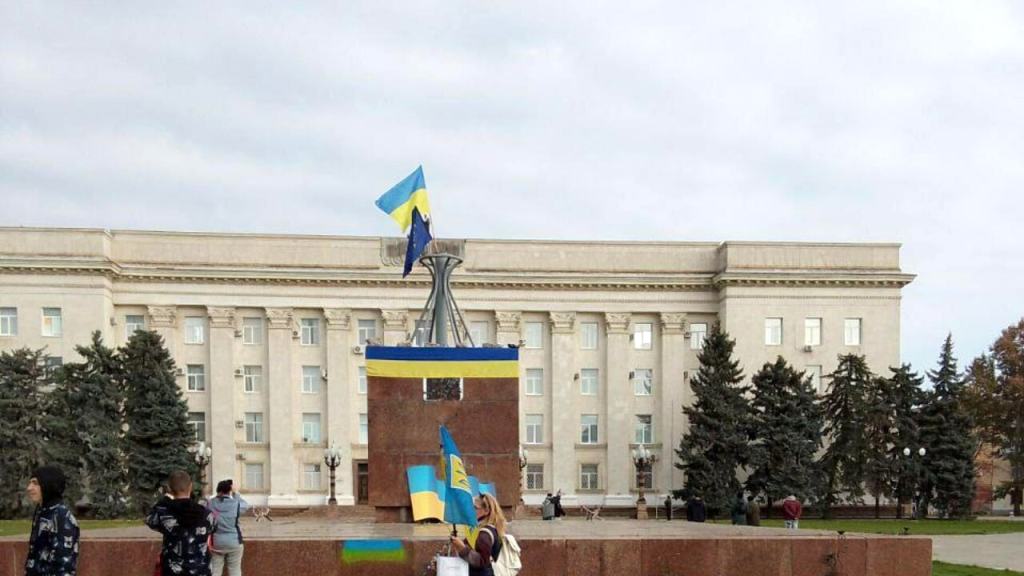
Cherson appena liberata dall’esercito ucraino

Zakatev scrive ai Radicali Italiani: sarete benvenuti come fratelli nella Cecenia libera!

A seguito del riconoscimento della Repubblica Cecena di Ichkeria da parte del Parlamento ucraino, il Primo Ministro Akhmed Zakayev si è rivolto ai Radicali Italiani per ringraziarli del loro sostegno. Nel Giugno scorso i Radicali avevano organizzato una visita a Roma per il Primo Ministro ceceno, durante la quale era stato ricevuto in via ufficiale dal Sottosegretario di Stato agli Esteri Benedetto della Vedova.

Ai nostri amici italiani di Radicali Italiani

A Silvja Manzi e Igor Boni

A Benedetto della Vedova e Riccardo Magi

18 ottobre 2022

Oggi il Parlamento ucraino ha riconosciuto la Repubblica Cecena di Ichkeria. Si tratta di un gesto molto più che formale: il popolo ucraino ha riconosciuto nella nostra battaglia la sua stessa battaglia, nelle nostre sofferenze le sue stesse sofferenze, nel nostro destino il suo stesso destino. Non potrà mai esserci libertà per nessuno, finché un solo popolo, e addirittura un solo uomo, dovrà subire la schiavitù.

Oggi gli Ucraini combattono per la loro indipendenza, così come i ceceni fanno ormai da ventidue lunghi anni. L’Europa, che prima non aveva capito l’importanza della nostra battaglia, oggi comincia a riconoscere che la guerra che oggi si combatte sulle sponde del Dnepr e nel Donbass è iniziato molti anni prima, quando la Russia ha preteso di piegare il nostro spirito spezzando i corpi dei nostri fratelli, dei nostri bambini, con i cingoli dei suoi carri armati.

In questo giorno così importante per la nostra nazione, che segna il primo, concreto passo verso la riconquista della nostra libertà dall’oppressione, rivolgo a voi, che in tutto questo avete creduto fin dall’inizio, il mio sentito ringraziamento per il sostegno che avete dato, e che continuate dare, alla nostra lotta. Spero che la purezza dei vostri ideali possa illuminare le coscienze di tutti gli uomini liberi.

Sarete benvenuti come fratelli nella Cecenia libera.

Akhmed Zakaev,

Primo Ministro della Repubblica Cecena di Ichkeria

ENGLISH VERSION

Following the recognition of the Chechen Republic of Ichkeria by the Ukrainian Parliament, Prime Minister Akhmed Zakayev addressed the Italian Radicals to thank them for their support. Last June the Radicals had organized a visit to Rome for the Chechen Prime Minister, during which he was officially received by the Undersecretary of State for Foreign Affairs Benedetto della Vedova.

To our Italian friends of Radicali Italiani

To Silvja Manzi and Igor Boni

To Benedetto della Vedova and Riccardo Magi

October 18, 2022

Today the Ukrainian Parliament recognized the Chechen Republic of Ichkeria. It is a much more than formal gesture: the Ukrainian people recognized their own battle in our battle, their own sufferings in our sufferings, their own destiny in our destiny. There can never be freedom for anyone, as long as a single people, and even a single man, has to suffer slavery.

Today the Ukrainians are fighting for their independence, just as the Chechens have been fighting for twenty-two long years now. Europe, which previously did not understand the importance of our battle, is now beginning to recognize that the war being fought today on the banks of the Dnieper and in the Donbass began many years earlier, when Russia tried to bend our spirit. breaking the bodies of our brothers, of our children, with the tracks of his tanks.

On this very important day for our nation, which marks the first concrete step towards regaining our freedom from oppression, I extend to you, who have believed in all this from the beginning, my heartfelt thanks for the support that you have given, and continue to dare, to our struggle. I hope that the purity of your ideals can enlighten the consciences of all free men.

You will be welcome as brothers in free Chechnya.

Akhmed Zakaev,

Prime Minister of the Chechen Republic of Ichkeria

ICHKERIA IN ITALIA: La visita di Akhmed Zakayev a Roma (30/06 – 02/07 2022)

Tra il 30 Giugno ed il 2 Luglio 2022 Akhmed Zakayev si è recato in visita a Roma, su invito dei Radicali Italiani, per partecipare ad alcuni eventi politici e ad una visita ufficiale con le autorità Italiane. Ho partecipato personalmente a questo ciclo di incontri, avendo il privilegio di essere incluso nella delegazione che ha incontrato il Sottosegretario agli Affari Esteri, Benedetto della Vedova. Di seguito pubblico un resoconto della visita.

La mattina del 30 Giugno, appena dopo le 8:00, Akhmed Zakayev ha incontrato la stampa, rilasciando un’intervista ad Askronos (reperibile quì). I passaggi salienti del suo intervento:

“La vittoria dell’Ucraina ci sarà, ne sono sicuro. E sarà la fine della Russia di Putin. Il presidente russo ha fatto tutta la prima parte della sua carriera grazie alla guerra in Cecenia. A questo, punto con la fine di Putin, la Cecenia potrebbe aspirare all’indipendenza. Assieme agli ucraini dobbiamo fare di tutto per far cessare il suo ruolo nel governo della Russia. Stiamo combattendo per gli ucraini ma anche per la nostra libertà”. Lo ha detto all’Adnkronos Akhmed Zakayev, primo ministro della non riconosciuta Repubblica Cecena di Ichkeria, aggiungendo che la guerra fra ceceni coinvolti nel conflitto russo-ucraino “la vedo come la terza guerra cecena. I ceceni che combattono contro l’Ucraina stanno morendo e per noi questo è un fatto tragico. La Cecenia è occupata dalla Russia, così come alcune regioni dell’Ucraina. Quegli ucraini che sono sotto la Russia soffrono molto e adesso tutto il mondo deve fare il possibile per far cessare questa guerra. Ma senza cercare di salvare la faccia di Putin – avverte – Dobbiamo far cessare la guerra, ma soprattutto mostrare al mondo i crimini commessi da Putin senza salvare la sua reputazione”.

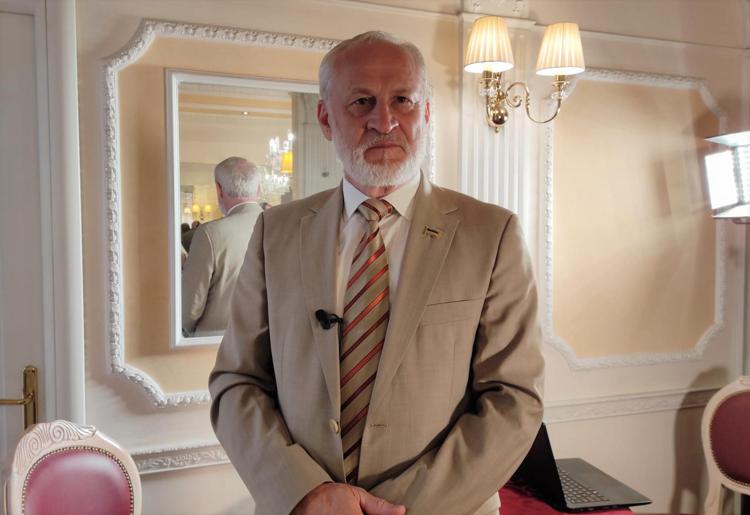
Akhmed Zakayev rilascia la sua intervista ad Adnkronos

Successivamente la delegazione, composta da Akhmed Zakayev, Inna Kurochkina ed Andrei Kurochkin, responsabili della comunicazione del governo, Igor Boni e Silvia Manzi dei Radicali Italiani e dal sottoscritto ha raggiunto La Farnesina, sede del Ministero degli Esteri, per un incontro ufficiale con il Sottosegretario agli Affari Esteri, Benedetto della Vedova. Zakayev è stato accolto come Primo Ministro della Repubblica Cecena di Ichkeria, ha percorso la scala d’onore riservata ai capi di Stato e di governo ed ha preso posto al tavolo negoziale insieme agli altri membri della delegazione. La conversazione con Della Vedova è stata cordiale, il Sottosegretario ha domandato a Zakayev un resoconto della situazione sia riguardo alla diaspora cecena all’estero, sia riguardo alla situazione in Cecenia, rispetto alla quale ha detto di essere da sempre interessato e preoccupato. Della Vedova ha dichiarato che le testimonianze raccolte dai promotori della causa penale internazionale contro Vladimir Putin sui crimini compiuti in Cecenia saranno un elemento chiave nella più ampia causa penale intentata dai Radicali Italiani contro il capo di stato russo, relativamente ai crimini compiuti durante tutta la durata del suo governo. Dopo uno scambio di vedute sulla situazione attuale e sul rapporto che l’Europa ha e dovrebbe avere con Ucraina e Russia, le due delegazioni hanno preso commiato.

Akhmed Zakayev e Benedetto della Vedova al Ministero degli Esteri

Successivamente La delegazione cecena ha visitato la sede dei Radicali Italiani, dove ha rilasciato alcune dichiarazioni in preparazione del successivo incontro pubblico, da tenersi nel pomeriggio presso la Camera dei Deputati. Inoltre Akhmed Zakayev ha firmato la petizione presentata dai Radicali Italiani sull’incriminazione di Vladimir Putin.

Nel pomeriggio si è svolta presso la Camera dei Deputati una conferenza stampa dal titolo: “From Chechnya to Ukraine, 20 Years of Unpunished Crimes”. Davanti alla sala gremita Zakayev ha ricordato gli eventi legati alla guerra in Cecenia, ed ha presentato i tragici parallelismi con la attuale situazione in Ucraina. Sono intervenuti anche Alessandro Magi, Deputato e co-relatore insieme a Zakayev, Oless Horodestkyy, Presidente dell’Associazione Cristiana degli Ucraini in Italia, Marco Perduca, ex Senatore, i radicali Igor Boni e Massimiliano Iervolino. Un piccolo spazio è stato gentilmente dedicato anche a Libertà o Morte! Storia della Repubblica Cecena di Ichkeria.

Akhmed Zakayev parla alla Camera dei Deputati
Igor Boni Presenta “Libertà o Morte!” al pubblico durante la conferenza stampa alla Camera dei Deputati

Nel corso della giornata (e di quella successiva) Zakayev ha rilasciato numerose interviste, tra le quali una per La Stampa, a cura di Flavia Amabile, una per Il Foglio, e ancora una per Il Dubbio ed altre testate, oltre ad una lunga intervista a Radio Radicale che pubblichiamo quì sotto:

https://www.radioradicale.it/scheda/672666/iframe?i=4450264

In serata i componenti della delegazione cecena hanno partecipato assieme ad alcuni simpatizzanti dei Radicali Italiani ad una cena comunitaria in un ristorante Ucraino.

Gli organizzatori della conferenza stampa alla Camera dei Deputati, al termine dei lavori

ENGLISH VERSION

ICHKERIA IN ITALY: Akhmed Zakayev’s visit to Rome (30/06 – 02/07 2022)

Between 30 June and 2 July 2022 Akhmed Zakayev visited Rome, at the invitation of the Italian Radicals, to participate in some political events and an official visit with the Italian authorities. I personally participated in this series of meetings, having the privilege of being included in the delegation that met the Undersecretary for Foreign Affairs, Benedetto della Vedova. Below I publish an account of the visit.

On the morning of June 30, just after 8:00, Akhmed Zakayev met the press, giving an interview to Askronos (available here). The salient passages of his speech:

“There will be a victory for Ukraine, I’m sure. And it will be the end of Putin’s Russia. The Russian president made the whole first part of his career thanks to the war in Chechnya. At this point, with the end of Putin, Chechnya could aspire to independence. Together with the Ukrainians we must do everything to end his role in the government of Russia. We are fighting for the Ukrainians but also for our freedom ”. This was told to Adnkronos Akhmed Zakayev, prime minister of the unrecognized Chechen Republic of Ichkeria, adding that the war between Chechens involved in the Russian-Ukrainian conflict “I see it as the third Chechen war. The Chechens fighting Ukraine are dying and for us this is a tragic fact. Chechnya is occupied by Russia, as are some regions of Ukraine. Those Ukrainians who are under Russia suffer a lot and now the whole world must do everything possible to stop this war. But without trying to save Putin’s face – he warns – We must stop the war, but above all show the world the crimes committed by Putin without saving his reputation ”.

Subsequently, the Chechen delegation visited the headquarters of the Italian Radicals, where it issued some statements in preparation for the subsequent public meeting, to be held in the afternoon at the Chamber of Deputies. Furthermore, Akhmed Zakayev signed the petition presented by the Italian Radicals on the indictment of Vladimir Putin.

In the afternoon a press conference was held at the Chamber of Deputies entitled: “From Chechnya to Ukraine, 20 Years of Unpunished Crimes”. In front of the packed hall, Zakayev recalled the events linked to the war in Chechnya, and presented the tragic parallels with the current situation in Ukraine. Also present were Alessandro Magi, Deputy and co-rapporteur together with Zakayev, Oless Horodestkyy, President of the Christian Association of Ukrainians in Italy, Marco Perduca, former Senator, the radicals Igor Boni and Massimiliano Iervolino. A small space was also kindly dedicated to Freedom or Death! History of the Chechen Republic of Ichkeria.

During the day (and the day after) Zakayev gave numerous interviews, including one for La Stampa, edited by Flavia Amabile, one for Il Foglio, and one more for Il Dubbio and other newspapers, as well as a long interview to Radio Radicale that we publish below:

https://www.radioradicale.it/scheda/672666/iframe?i=4450264

In the evening the members of the Chechen delegation participated together with some sympathizers of the Italian Radicals in a community dinner in a Ukrainian restaurant.

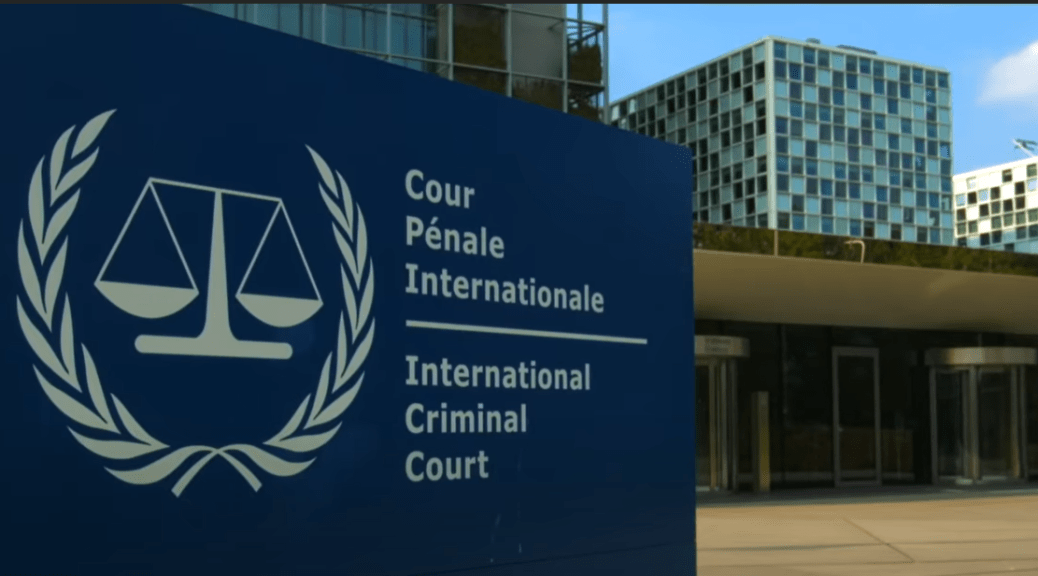
AKHMED ZAKAYEV AL TRIBUNALE INTERNAZIONALE DELL’AJA

Il Governo Zakayev ha organizzato una manifestazione davanti al Tribunale Penale Internazionale dell’Aja, per spingere la corte a prendere in esame la documentazione presentata nel 2018 inerente i crimini commessi dalle forze della Federazione Russa in Cecenia. Il raduno, documentato da NEP Prague, verrà proposto dall’emittente in una serie di video. Di seguito pubblichiamo il primo tra questi, corredato di sottotitoli in italiani realizzati da Francesco Benedetti

“Il Tribunale dell’Aia per Putin. 
Il Tribunale dell’Aia per la Russia. “
Sottotitoli in italiano

Dichiarazione del Governo della Repubblica Cecena di Ichkeria

IN RELAZIONE ALLA CRISI UCRAINA

Il Comitato di Stato per la De – Occupazione della Repubblica Cecena di Ichkeria ha appena concluso la sua riunione di emergenza a Bruxelles, la Capitale del Belgio. I membri del Comitato sono venuti quì per questo incontro da diversi paesi europei, in particolare da Germania, Francia, Svizzera, Austria e Polonia. Personalmente, sono giunto dal Londra.

Vorrei esprimere la mia gratitudine alle autorità belghe che hanno assicurato la sicurezza di questo evento.

La principale agenda del nostro incontro era relativa alla discussione riguardo al supporto che possiamo dare al fraterno popolo ucraino contro l’aggressione russa. Vorrei far notare che il 90% dei membri del nostro comitato hanno esperienza di combattimento contro la Russia. Abbiamo discusso dei rapporti presentati al nostro incontro da tanti ceceni che sono costretti a vivere in diversi paesi europei, i quali hanno sostenuto i membri del nostro comitato ed hanno dichiarato che vogliono andare in Ucraina ed unirsi a questa battaglia per la libertà.

In questo contesto, vorrei rivolgermi al Presidente dell’Ucraina ed al comandante in capo dell’esercito ucraino, Zelensky. In ordine a supportare la guerra di liberazione del fraterno popolo ucraino, ed a condannare i perfidi attacchi dell’esercito russo sul suolo ucraino, il Comitato di Stato della Repubblica Cecena di Ichkeria ha assunto le seguenti decisioni:

Il Comitato di Stato della Repubblica Cecena di Ichkeria è pronto a formare un’unità militare volontaria tra i cittadini della Repubblica Cecena di Ichkeria. Per poter fornire questo supporto, è necessario firmare un accordo di cooperazione militare tra il governo della Repubblica Cecena di Ichkeria ed il governo dell’Ucraina. Questo è un passaggio necessario per i nostri volontari per poter essere protetti nel contesto della Convenzione di Ginevra. Come ceceni e come governo legittimo, saremo onorati di supportare la guerra di liberazione del popolo ucraino.

Sfortunatamente, uno e un solo popolo che si è offerto di dare supporto militare al popolo ucraino per la sua libertà sono i ceceni che vivono in Europa. Vorrei ricordarvi che ci sono trecentomila ceceni in Europa, oggi. Sono sicuro che la nostra iniziativa attrarrà l’attenzione di altri popoli come un esempio positivo, e che questi ci seguiranno in questo supporto. Sono pronto a recarmi in qualsiasi città ucraina per chiarire questa questione.

L’Ucraina Vincerà!

ENGLISH VERSION

The State Committee for the Deoccupation of Chechen Republic Ichkeria has just concluded its emergency meeting in Brussels, the capital of Belgium. Committee members came here for this meeting from different countries in Europe, especially Germany, France, Switzerland, Austria and Poland. I personally came from London. I would like to express my gratitude to the Belgian authorities who ensured the safety of this event.

The main agenda of our meeting was to discuss the support that we can give to the brotherly Ukrainian people against the Russian aggression. I would like to point out that 90% of the members of our committee have experience in our fight against Russia. We’ve discussed on the reports which are presented in our meeting that many Chechens who have forced to live in different European countries, applied to our committee members and declared that they wanted to go Ukraine and join their fight for freedom.

In this context, I would like to address tothe President of Ukraine and the chief commander of the Ukrainian army, Zelensky. In order to support the liberation war of the brotherly Ukrainian people and to condemn the perfidious attacks of the Russian army on the Ukrainian soil, the State Committee of the Chechen Republic of Ichkeria took the following decisions:

The State Committee of the Chechen Republic of Ichkeria is ready to form voluntary military units among the citizens of the Chechen Republic of Ichkeria. In order to be able to give this support, it is necessary to sign an agreement on military cooperation between the government of the Chechen Republic of Ichkeria and the government of Ukraine. This is a necessary step for our volunteers to be protected within the context of the Geneva Convention. As Chechen people and the legitimate Chechen government, we will be honored to support the liberation war of the Ukrainian people.

Unfortunately, so far, one and only people who have offered to give military support to the Ukrainian people for their freedom are the Chechens who live in Europe. I would like to remind you that there are 300 thousand Chechens living in Europe today. I am sure that our initiative will attract the attention of other peoples as a positive example and they will follow us in this support. I am ready to go any city of Ukraine urgently to clarify this matter. Victory will be Ukraine’s.

Chairman of the State Committee for the Deoccupation of Chechen Republic Ichkeria Akhmed Zakayev