Archivi tag: Ingushetia

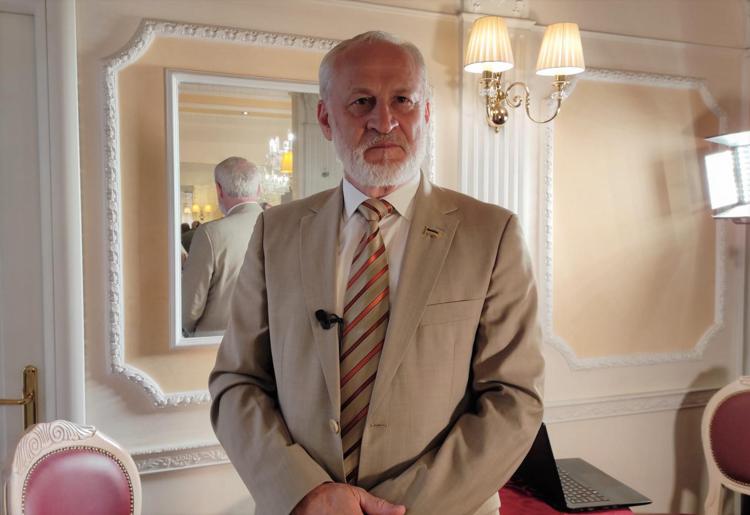
The Ingush perspective: Francesco Benedetti interviews Mustafa Bekov (Part II)

What role did Aushev play in the restoration of the Ingush state? And how is he seen today?

Aushev is a military man and obeys orders. The first thing he did when he became president was to ban all political organizations and establish a barracks regime in the republic. He created the conditions for corruption. He divided the Ingush people into three parts: the “Ingush” Ingush, who lived on the uncontested part of the land, the “Chechen” Ingush, who were forced to leave Grozny, and the “Ossetian” Ingush, who were expelled from North Ossetia after the ethnocide by the Russian army.

He violated Article 11 of the Constitution of the Republic of Ingushetia: he gave up the ancestral territories of Ingushetia and the city of Vladikavkaz by signing the so-called “Kislovodsk Treaties”. He did this under pressure from Yeltsin, who threatened to remove him from the presidency for the next term. There is video evidence of this. I don’t remember exactly when I wrote this comment on Facebook, but it concerns Aushev.

“All those who criticize Aushev for the Kislovodsk/Nalchik agreement, for the pocket parliament, for the barracks regime, for dancing at Ossetian government meetings, for abandoning the right bank of Vladikavkaz, for corruption, for jumping off personnel, for populism …. First of all, everyone has the right to criticize, because he is not a private person, but a public person, and every public person is subject to criticism; secondly, or rather, above all, all critics are right, because they tell the TRUTH. He led the republic built by us, the ancients, not as a general, but as a sergeant. Aushev was a talented but uneducated man, and that is why he drove all serious and worthy, educated and professional Ingush out of politics and business, placing himself alongside sycophants and other amateurs.”

So Aushev “sold” legitimate Ingush claims in order to avoid a conflict with Moscow. Considering what you told me about Dudayev’s decision not to pander to Yeltsin, don’t you think Aushev’s decision was wiser than Dudayev’s? A compromise to avoid ethnocide? Or do you think it could have been done differently?

Aushev took office after the ethnocide. It is very difficult to negotiate with the imperial Kremlin. It is necessary to be politically flexible. A good example of this was the President of Tatarstan Shaimiev Mintimer Sharipovich. Aushev violated Article 11 of the Constitution of the Republic of Ingushetia in order to retain his office as president, or more precisely, to extend it for a second term. Dudayev opted for open confrontation in the hope of gaining international support. Both generals knew how to wage war.

Aushev was in Afghanistan as an infantryman and put himself in real danger. Dudayev was the commander of a squadron of strategic bombers from the “carpet bombing” era, but neither of them understood anything about politics. As Krylov’s fable says: “It’s a disaster when a cobbler starts baking cakes and a baker starts grinding boots.”

Do you therefore think that the leadership in both the case of Ingushetia and Chechnya was not the right one to achieve “separation” from Moscow? Do you think that there were better people at the time who could have handled the situation better?

Yes, certainly. For example, Salambek Naibovich Khadzhiev in Chechnya and Bembulat Bersovich Bogatyrev in Ingushetia. I knew Khadzhiyev personally. An academic, an intellectual. An experienced person who didn’t need to improve his image because he was a seasoned personality. It is the hotheads who slander him. Unlike many others, Khadzhiyev was “capable of judgment” (according to Kant), and he never followed the euphoric, apparent freedom of the Chechens and did not declare independence, but used his authority to improve the lives of his people step by step, taking more and more powers away from Moscow… until the empire weakened. Khadzhiyev would not have sacrificed the Chechen people to the Russian barbarians.

The empire has never allowed people who were not loyal to it to lead the colonies. I said at the beginning of our conversation that I consider the declaration of independence to be a tragic mistake that was a catastrophe not only for the Chechen people, but also for the entire national and liberation movement in the Caucasus.

The military should not interfere in politics: it usually ends badly. But you can’t change it, history doesn’t tolerate the subjunctive. With the right tactics towards Moscow, the people I mentioned would have achieved results slowly, without losses, gradually gaining more and more independence, distancing themselves from the Kremlin and gaining strength, coordinating their actions with other peoples in the Caucasus and taking the path of DECOLONIZATION.

Do you believe that Salambek Khadzhiyev really wanted Chechnya to be independent? And as for the need to avoid a break with Moscow: Don’t you think that, given the way things developed in the following years, Chechnya’s independence would have been impossible to achieve if Russia had overcome its period of weakness?

You and I are talking about what could have been. In principle, this is only necessary in order to understand the processes that have taken place. The past must be known for the future. That is clear. Besides, it makes no sense to compare Dudayev and Khadzhiyev. We are talking about facts here. It is a fact that the Chechens declared independence under the leadership of Dudayev! Did they achieve it? NO. This is an indisputable fact.

As it turned out later in his interview, he knew very well what would happen in the future and even predicted it. He knew that a military confrontation with Russia was unwinnable. He knew that, and yet he took the risk. Dudayev did not achieve his goal! The Chechen people suffered heavy losses and fell under the yoke of Kadyrov, who was loyal to the Kremlin.  The Russian empire was not weak in the years 1991-1998. Its economy was weak but its imperial face remained unchanged, although Yeltsin managed to fool the world into believing that Russia could be a democratic state. This will never happen.

The Russian empire will only get weaker now that it has gone to war against Ukraine. Now is the time when the colonized peoples, if they work together in harmony, can embark on the path of decolonization with the support of the Western democratic world. This includes the creation of a sovereign state. Thirty years ago, this was still impossible.

More about Khadzhiyev. After Dudayev came to power, Khadzhiyev represented the opposition and led the “collaboration government” with Moscow for a while during the war. Do you think this was the right choice for him? Wouldn’t it have been better not to lead this government?

Khadzhiyev, who knew the history of the Russian Empire well and understood that a tragic mistake had been made that would inflict great losses on the Chechen people and thwart the dream of freedom for many years, could not remain indifferent to the tragedy that was rapidly approaching his people and tried everything to prevent this catastrophe. But a man in a stately general’s uniform, who spoke in a confident and authoritarian voice about the freedom of the Chechen spirit and called for death in the fight for it, was more attractive than a thoughtful intellectual who called for a cautious confrontation with the monster that had oppressed many peoples for many years.

The calm voice and the calls of the thinking people for sensible action were easily drowned out by the general’s slogan “Freedom or death”. Intoxicated by the apparent proximity of long-awaited freedom, the crowd chose death. Khadzhiyev was not a collaborator. Like me and many other thinking Chechens, he was sure that this monster could not be defeated alone and tried to save his people from disaster.

On October 23, 1995, Khadzhiyev resigned from the government he had formed and was replaced by Zavgaev. In light of this event, do you not believe that Khadzhiyev (without judging the nobility of his soul) was more a pawn of Moscow than an asset to the Chechen people? Under his rule, the federal forces committed numerous atrocities, which Khadzhiyev apparently had to endure, and after him, power passed to the old head of the Chechen Republic, who, as far as I know, was now hated by everyone.

Khadzhiyev did not allow himself to be manipulated by anyone. He was a true Chechen for whom the terms “honor” and “human dignity” were not empty words. In September 1991, S. Khadzhiyev led the movement for democratic reforms in Chechnya-Ingushetia and on the eve of the first presidential elections of the Chechen Republic in November 1991 was considered Dudayev’s main rival, but refused to take part in the elections and subsequently work in the government formed by the Chechen National Congress (OKCHN). In 1992, he again turned down the OKCHN’s offer to become Prime Minister of the Chechen government. This was because he was against Dudayev and Yandarbiyev, who were driving the people to tragedy. Khadzhiyev tried to prevent the impending catastrophe. A few days before the Russian aggression began, he tried to end the unrest and chaos in Chechnya and lead the government. But the federal troops, as you rightly pointed out, committed atrocities. Precisely because he refused to be manipulated by Moscow, he was replaced by Zavgaev.

Zavgaev was there before Khadzhiev. The Moscow puppet was ready to carry out any order from the Kremlin. In 1991, I headed the Ingush State Theater, which I had founded, and Zavgaev wanted me to join his team, invited me to run as a deputy for the Supreme Council of the Chechen-Ingush Republic, but in 1989, at the Second Ingush People’s Congress, I withdrew and distanced myself from political activity because I did not agree with the path I had chosen. But that’s another topic.

Doku Zavgaev: What do you think of him? Is he a man who tried to save Chechnya from war, or a weak politician who just wanted to exploit the situation for his own personal gain?

Zavgaev was an obedient lackey of Moscow. He was only interested in himself. He tried to get anyone who was popular with the people on his side. In short, he bought those who could be bought.

Back to the war. How did the Ingush deal with the Russian invasion of Chechnya? Didn’t the Ingush also declare independence after the end of the invasion in 1996 with the withdrawal of the Moscow army?

Ingushetia served as logistical support for the Chechen resistance fighters. The families of the Chechen resistance fighters were safe in Ingushetia. Wounded resistance fighters were treated in Ingushetia. Although the Republic of Ingushetia officially belonged to Russia, the Ingush strongly supported the Chechen resistance and their Chechen brothers. Individual Ingush also took part in the war against the Russian occupiers on the side of the Chechens.

What were the relations between Ingushetia and Chechnya between the end of the first and the beginning of the second war? Did the scourge of abductions also affect Ingushetia? Were there crises during this period because the borders between Ingushetia and Ichkeria could not be defined?

Despite constant provocations and attempts by the colonial authorities to divide and divide these two related peoples, all their efforts were in vain. The Chechen and Ingush people learned not to transfer the actions of politicians and the government, the lackeys of the Kremlin, to the relations between Chechens and Ingush. These attempts have continued throughout the ages, starting with the Russo-Caucasian War.

The merits of Presidents Dudayev and Aushev can be seen in the fact that they did not raise the issue of the border and postponed the resolution of these questions until better times. Chechen resistance fighters who had entered the territory of Ingushetia were arrested by the Ingushetian army and police and transferred to Chechnya with the request not to transfer the fight with the Russians to the territory of Ingushetia.

For two years, Russia has succeeded in changing the mood of the Western community from sympathy to antipathy towards the Chechens through “special operations” with hostage-taking, especially of foreign aid organizations. Who would sympathize with bandits who cut off the heads of people who wanted to help them? In the period between the first and second wars, I was often in Chechnya with German doctors. We brought wounded children to Germany to be treated free of charge. When we visited the Chechen Republic, Maskhadov, whom I knew personally, always gave us an armed escort. In a country devastated by war, there were always people who took hostages for money. Moscow provided considerable resources for this. There were no mass hostage-takings for ransom in Ingushetia.

Although the Dudayev government did not help the Ingush with either people or weapons during the ethnocide of the Ingush people in 1992, although it sent and received a delegation to North Ossetia twice and assured the Ossetian leadership of non-interference … basically betrayed the fraternal people and got them into trouble … there were no complaints or reproaches from the Ingush other than resentment. On the contrary, everyone understood that the Chechens had been provoked.
You have described the hostage crisis in Chechnya as an instrument controlled by Russia to distance Chechnya from the West. In your opinion, were the apartment explosions of 1999, which justified the second invasion of Chechnya, also organized by the Russian government?

Yes, it was an initiative of the Russian secret services to discredit the Chechens. Irena Brezna, a Swiss writer of Slovakian origin, published a memo from the Analytical Center of the Russian Federation, in which the necessity and methods of discrediting the Chechen people and their struggle for freedom were pointed out. There were direct instructions on how to proceed and that no expense should be spared.  One of the well-known facts confirming these methods is the murder of a humanitarian affairs expert from the American Soros Foundation, US citizen Fred Cuney, his translator Galina Oleynik and two employees of the Russian Committee of the Red Cross who were accompanying them. The Chechen State Security Service was held responsible for the murder.

In the interwar period, I witnessed such propaganda activities at the Russian embassy in Germany, where a video was shown of Chechens cutting off the heads of Russian mercenaries. This video certainly had a shocking effect on the German public.

Yes, of course houses in Russia were blown up by the FSB itself. There is a book by KGB officer Alexander Litvinenko, who was murdered by Putin in London with polonium, and by historian Yuri Felshtinsky entitled “The FSB blows up Russia”.

Akhmat Kadyrov. What kind of person was he? Did the Ingush know him? What was their opinion of him and how did it change over time?

As a rule, the spiritual leaders in Russia were KGB officers. I don’t know whether Akhmat Kadyrov was one. After he became the spiritual leader of the people, he first called for the killing of Russians. He promised paradise to anyone who killed as many Russian attackers as possible. And then he sided with the Russians and became the first president of the already conquered Chechnya? Strange metamorphosis!

As far as I know, the Ingush had no time for Mufti Kadyrov. In any case, Kadyrov senior betrayed the Chechen people or, in the opinion of others, saved the Chechen people from annihilation. I don’t know. The Ingush, like all other peoples of the world, have the same attitude towards traitors.

Kadyrov senior asked for money to rebuild the destroyed city of Grozny under his control (I heard him talk about it personally on a TV program). Moscow wanted to manage the money itself… Akhmat Kadyrov became an uncomfortable figure; he was too independent. The empire doesn’t need such people, so they liquidated him and installed Kadyrov Jr. who hadn’t even finished school. Kadyrov Jr. became Putin’s loyal ‘foot soldier’, killing his enemies (Politkovskaya, Nemtsov) and terrorizing the Chechen people!

After the death of Akhmat Kadyrov, power in Chechnya passed to his son Ramzan after a brief interregnum. How did relations between Ingush and Chechens develop during his dictatorship?

The Kremlin and Kadyrov, as well as Ingush appointees such as FSB General Zyazikov and GRU General Yevkurov, have done the bidding of their masters in the Kremlin. They have tried to sow enmity between our peoples. In Chechnya, for example, information has been spread at government level that the Ingush are profiting from Chechen refugees by renting unsuitable premises for accommodation for hundreds of dollars, etc.

In 2018, on the Kremlin’s instructions, they carried out a provocation to cede Ingush territories to the Chechen Republic. It’s not just a question of land. It is about the history of the people, the graves of their ancestors and everything that is important for the self-confidence of the Ingush. Yevkurov and Kadyrov reached an agreement and drew the border between Ingush and Chechens, so that an original part of Ingushetia went to Chechnya. The protests of the Ingush were widely felt. The Kremlin had long wanted to shed blood to separate these two peoples. But the Ingush police did not allow any retaliatory measures to be taken against the demonstrators. This happened in 2018, and the leaders of this protest were sentenced to draconian punishments and are in prison. And there is no one in world public opinion who cares about this injustice.  

Of course, this provocation has not left both peoples unscathed, and relations between Chechens and Ingush have become more difficult.

But the Chechens, Ingush and other colonized peoples of the Caucasus must unite and establish their own state.

The empire does not tolerate any criticism, let alone any demands from colonized peoples.

The Empire is afraid of the unification of the colonized peoples and their national freedom movement and will therefore do everything to ensure that the peoples of the Caucasus have reason not to trust each other. Even better if they come into conflict with each other.

It is time for all the colonized peoples of the Caucasus to realize that they are not full and equal citizens of Russia. When we realize this, we will want to free ourselves from this oppression. The genetic inability to be a slave forces us to resist the position of a slave. The national liberation struggle will begin. The Chechens have tried to go it alone, have shown courage and will, have suffered heavy losses and have not reached the goal. All the peoples of the Caucasus must unite and take the path of decolonization together, because this is the path to the creation of a common independent pan-Caucasian state.

The Ingush perspective: Francesco Benedetti interviews Mustafa Bekov (Part I)

Mustafa Bekov (artistic name: Mac Bekov) is an Ingush theater and film director, founder of the National Theatre of Ingushetia, Caucasian politician at the end of the 20th century, plenipotentiary representative of Ingushetia in the UNPO (unrepresetitive nationals and people organization) in The Hague from 1993.

As the son of parents who were deported to Kazakhstan in 1944, he was born in exile and had to live with the awareness of being considered an enemy since childhood. “Even before I could read and write, I was aware of the conflict surrounding my identity. Without really knowing why, I was clearly told that I was considered a criminal”. At the age of eleven, Mac received his first lessons in theater and life from the famous director Arsenij Ridal, initially a student and later assistant of Max Reinhard. Ridal introduced him to the methods of Stanislavski, Meyerhold, Vakhtangov and Michael Chekhov and helped him to develop a passion for art. Mac lived for several years in what was then Leningrad, “where Pushkin lived and Dostoyevsky swam”, and studied acting and directing at the Academy for Film, Theater and Music, as well as theater studies, psychology, philosophy and theater business. His professors were Irina Meyerhold (daughter of the famous W. Meyerhold) and Mar Vladimirovich Sulimov.

After many successful years as an in-house director, senior director and artistic director of theaters throughout the former Soviet Union, the National Theater in Grozny offered him the opportunity to bring his ideas to the stage. In this way, he brought his observations on human existence and political realities to a wide audience in artistic form. When the USSR collapsed in 1991, his artistic work was marginalized and Mac moved to Germany. In more than 40 years as a director and lecturer, he has created more than 50 plays and trained numerous actors and directors. His repertoire includes Shakespeare and Chekhov, Schiller and Gorky, Brecht and Lorca, Tennesse Williams and Mrozek, as well as many
other authors. Mac has directed plays, tragedies, comedies, musicals and rock operas in many major theaters.

Ingush and Chechens lived together for a long time, they were deported together and consider themselves “brother peoples”. Why do you think they decided to separate in 1991? Do you think it was the right decision more than 30 years later?


This is not entirely true. Chechens and Ingush have always lived side by side, not together. In 1934, the regions of Chechnya and Ingushetia were united, and in 1936 the Soviet Socialist Republic was given the name “Chechen-Ingush Autonomy”. Prior to this, in 1928, the city of Vladikavkaz and later the areas adjacent to the city, the cradle of the Ingush people, were taken away from the Ingush. Previously Vladikavkaz was a fortress on Ingush soil during the Russo-Caucasian War. On November 1, 1991, President Dzhokhar Dudayev issued his first decree, the Decree on the Statehood of the Chechen Republic. On September 4, 1991, at a session of the Chechen parliament chaired and attended by President Dzhokhar Dudayev, elected at the Chechen People’s Congress, and party leader Selimkhan Yandarbiyev, I asked the Chechens not to declare their independence. I warned that the Russian political elite was not ready to give freedom to the colonized peoples and that this would already cause a great tragedy. I also said that the Russians consider us to be one people, although we are two fraternal peoples. The Chechens’ declaration of sovereignty would not help Ingush to restore statehood and achieve the return of the land by parliamentary means. The euphoria of the seemingly tangible long-awaited freedom drowned out my words. Then the decision was
made.

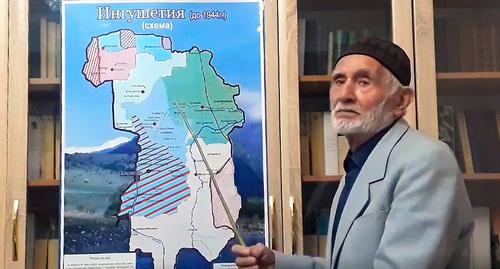
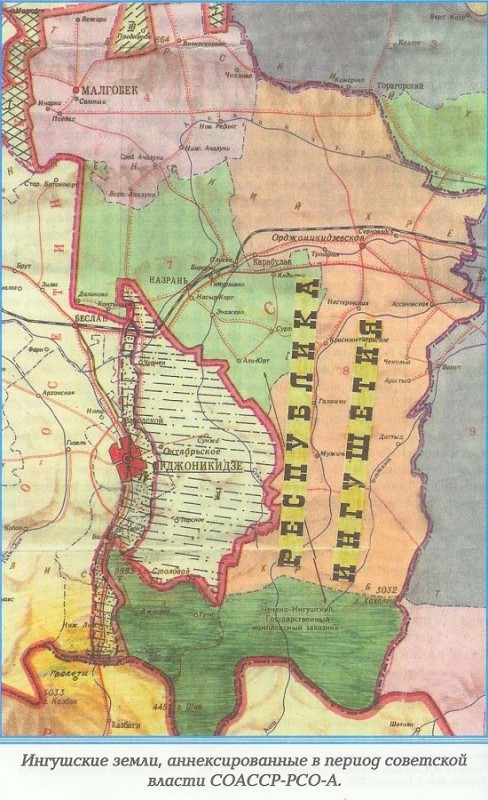
Map showing territories claimed by the Ingush in 1992


After 33 years, I still believe that the Chechens’ decision was wrong. I still think it was right that the Ingush did not go the way of the Chechens.
The Chechens declared their independence 33 years ago. This hasty and ill-considered decision cost them dearly. Did they achieve independence? No. Instead of independence, there were destroyed cities, three hundred thousand dead, forty-two thousand of them children. Destroyed farms and factories, a large number of refugees. Chechen refugees scattered all over the world. Those who stayed ended up under the oppression of Putin’s servant Kadyrov. But that’s not all: new generations have grown up, plagued by Putin’s ideology. Dudaev said that 70% would die, but 30% would be free. Where is the freedom? Thirtythree years have passed and the goal has become even more distant. The Ingush have regained their statehood, albeit only a pseudo-statehood. On June 4, 1992, the Republic of Ingushetia was founded as part of the Russian Federation. If the Ingush had joined the Chechens in 1991, they would no longer exist today. At that time, the population was less than 200,000 people.


In his own words, Dudayev was a bad general and a bad politician: “A good general does not go into a battle that he knows he will lose, and the Soviet general Dudayev knew exactly what the military capabilities of the Russians were. A good politician protects his people from rash decisions. All colonized peoples of the Caucasus should embark on the path of decolonization together. Going it alone is doomed to failure.

In your opinion, the independence of the peoples of the Caucasus from Russia can only be achieved if they all rise up at the same time. Don’t you think this possibility is utopian and don’t you believe that the Russian government is setting the people against each other to prevent this?


Each empire pursues the same policy with the peoples of the territories and resources it has conquered. It assimilates the peoples and plays them off against each other. This is confirmed by the famous saying “Devide er impera”. The Russian empire is no exception. But unlike other empires, the Russians claim that they did not come to conquer, but to
liberate. And they suggest to the peoples that they have joined Russia voluntarily. Following the collapse of the Russian Empire after the February and October Revolutions, a mountain republic was founded in the North Caucasus from 1917 onwards, which existed until 1918/19. It had already taken place, so it was not a utopian idea. With the war against Ukraine, the Russian Empire is well on the way to dissolving itself. It is important that the Caucasian peoples overcome the obstacles created by the empire and reach an agreement.

In my opinion, even the Prime Minister of the Chechen government-in-exile, Zakaev, has understood this and is now talking about the confederation of the Caucasian peoples. With Gamsakhurdia, we issued the motto “The Caucasus is our common home” back in 1986. The path to the liberation of the Caucasus could therefore be that of a general uprising under one banner.

Akhmed Zakayev, Prime Minister of the Chechen Republic of Ichkeria, promoter of the project for the reconstitution of the Republic of the North Caucasus.

The restoration of a single republic in the North Caucasus was already theorized in the early 1990s. Dudayev himself was working on the establishment of a “Caucasian house”, if my sources are correct. Why do you think this project was not realized?


As I have already mentioned, the slogan “Caucasus – our common home” entered the political lexicon even before Dudayev, in 1986. The initiator was the dissident Gamsakhurdia. But the idea and the feeling for the need for unity among the colonized peoples of the Caucasus came from Visangirei Dzhabagiev. Deputy of the Tsarist State Duma, politician of the early 20th century. Considering the fact that the Caucasus was home to various peoples with common but also differentiated characteristics, Dzhabagiev recognized the need for a community and therefore emphasized: “Caucasianism is our nationality”.


Why did it not come about? The mass consciousness of the peoples of the Caucasus, clouded by communist ideology, was not yet ready for unity. In addition, Chechen politicians loudly emphasized the leading role of the Chechen people. This had a negative effect on the other peoples. Nobody wanted another Chechen “big brother” in place of the Russian one have a “big brother”. The empire also actively resisted this idea. And then came the war.

Recently, Akhmed Zakayev, together with other representatives of Caucasian communities, launched the project to establish a republic in the North Caucasus. What do you think of this project?


In principle, I support the initiative to create a pan-Caucasian state. As I said before, this is the only way to get rid of the Russian Empire and at the same time ensure that our peoples preserve their identity. I know Ahmed personally from my time in the theater. Ahmed was a gifted actor. He went through a difficult school of losses and, in my opinion, became a serious politician. The fact that he sent his son to defend Ukraine instills great respect and shows the seriousness of his convictions.


I believe that this project deserves support and has a future. I don’t know the details of the project, but I think Ahmed knows that the free peoples of the Caucasus do not tolerate inequality. Therefore, it is important what form of statehood is envisaged in this project. Whether a nation is large or small, everyone should feel free and have equal rights. The peoples of the Caucasus will not accept the establishment of a caliphate, an imamate and other forms of despotism.

At the end of the 1980s, the idea of founding a Chechen-Ingush federation was born in the intellectual part of Grozny’s population. Unfortunately, it was quickly buried again. As already mentioned, the idea of integrating the Ingush ethnic group into the Chechen ethnic group gained the upper hand, and so Zelimkhan Yanderbiev, a passionate Ingushophobe, became chairman of the VDR (Vainakh Democratic Party) and headed for independence. The Ingush realized that this was a deadly path for the Ingush (in those years there were no more than 200,000 Ingush), and I think that the Ingush did not agree to a war with the Russian Empire out of a self-preservation instinct. Time has shown that the Ingush acted wisely.

Isa Kodzoev


One of the most interesting personalities on the Ingush side is Isa Kodzoev. He was a dissident of Soviet power before the collapse of the USSR. The population was initially very positive towards him, but then favored a “moderate” current, which then negotiated the establishment of a federal republic with Moscow. Do you remember Kodzoev? Are there any other personalities (apart from Aushev, who we will talk about later) who you think deserve attention?


Of course I remember Isa Kodzoev and I knew him very, very well. He was not a “dissident” in the classical sense of the word. He was sentenced to four years in prison for his text “Diary of Kazakhstan”, in which he revealed the truth about the lives of the deported people. He returned from exile and settled in the village of Kantyshevo under KGB surveillance, where he taught in a local school. He was the chairman of the organization we had founded in 1986/87, the socio-political movement “Niisho”. I was one of its founders. Its aim was to restore Ingush statehood, to return the Ingush ancestral lands, to create conditions for the development of the national language, culture and art.

What did you think of the Ossetians? Did you regard them as members of the Caucasian community or as foreign bodies?


Before the 1917 revolution, relations between Ossetians and Ingush were not exactly fraternal, but they were not openly hostile either. There were many inter-ethnic marriages. And entire clans with mixed surnames were formed. After the revolution, relations became hostile. No Caucasian people considers the Ossetians to be members of the Caucasian community; the Ossetian elites themselves have tried to do so. The Ossetians are not natives of the Caucasus, but foreign tribes of modern Iran.

Muslim Ingush civilians stand among the wreckage of their destroyed home in predominantly Christian North Ossetia during the East Prigorodny Conflict, 1992. (Photo by Robert Nickelsberg/Getty Images)

But don’t you think that the Ossetians should somehow be included in the hypothesis of a general uprising in the Caucasus? Or are they not included in the “Caucasian House” project?


If we rely on historical experience, there is little hope that the Ossetians will join the other Caucasian peoples. Rather, they will side with whoever has a stronger position. They helped the 9th and 11th Bolshevik armies to bloodily drown Georgia, which declared its independence, in 1921. I don’t think we can rely on the Ossetians. Most likely, the Ossetians will wait and see and then join the victors. In 1921 and 2008 in Georgia and in 1992 in Ingushetia, they made a very negative impression. The wounds that the Ossetians inflicted on the Georgians and Ingush in those years have not yet healed. That is a problem. But I think it can be solved.

We come to the war between Ossetians and Ingush. The reason for this war, if I have understood correctly, was the Prigorodny district. But what led to the outbreak of tensions between the two peoples? Who fanned the flames of war and why?

The USSR, heir to the Russian Empire, made sure that the peoples of the occupied territories were included in the conflicts. In our case, it expelled the Ingush from and ceded the land to the Ossetians, along with the city that was the capital of both autonomies. Under the conditions of land scarcity, this was reason enough for hostilities between Ossetians and Ingush. After the deportation of the Ingush, the remaining territories were ceded to the Ossetians, part of the mountainous regions to the Georgians and part to the Dagestani. After the repatriation, both the Dagestani and the Georgians voluntarily returned their lands to the Ingush, along with their houses and even equipment; the Georgians also left some of their pets behind. The Ossetians, on the other hand, prevented the Ingush from returning to their former homes. Even when the owner of the house returned and wanted to buy his own house, he was forbidden to do so by the leadership of the republic.

For many years, the Ingush returned to their homeland by hook or by crook. At the beginning of the 1990s, 70,000 Ingush lived in these areas. The Ossetian authorities organized various provocations and suppressed the Ingush at all possible levels. They were accused of all sins. They contributed in every possible way to increasing hatred and intolerance between the peoples. The Ingush living in the city of Vladikavkaz and the Prigorodny district were discriminated against by the Ossetian authorities in all areas of life. This escalation of hatred between Ossetians and Ingush was systematic and was carried out by the leadership of North Ossetia with the approval of Moscow. All appeals to the Kremlin remained unanswered or were not in the interests of the Ingush people. In January 1973, a peaceful demonstration of thousands of Ingush took place in Grozny. The Ingush expressed their distrust of the local authorities and demanded to be heard by Moscow. I was a young man of 21 at the time, took part in this demonstration and witnessed how and what happened there. I mention this because the participants in the demonstration were later persecuted for alleged anti-Soviet activities. The Chechen residents of Grozny supported the demonstrating Ingush en masse. The doors of Chechen apartments and houses were open for the demonstrators to warm up, for prayers and there was hot food for everyone. Temperatures in January are above -25 °C.


I personally experienced the intolerance and prejudice of the Ossetian authorities towards the Ingush people. In 1980, after I had received my diploma, I was sent to the Russian State Theater in Vladikavkaz. I was not allowed to direct a single play. The North Ossetian party headquarters obstructed me and forced me to leave Vladikavkaz. They couldn’t allow
an Ingush to work as a director in the theater. From their point of view, the Ingush were an inferior race.

As is known, the Ingush people achieved the restoration of their statehood through parliamentary work, and on June 4, 1992, the Republic of Ingushetia was established as part of the Russian Federation. As a result of the parliamentary work of our deputies, with the support of the population The Law of the Russian Federation “On the Rehabilitation of Victims of Political Repressions” of October 18, 1991 N 1761-1 was also adopted. The Ossetian authorities were aware that the path to territorial rehabilitation was not far off. Moreover, Article 11 of
the Constitution of the Republic of Ingushetia (The return of territories illegally expropriated from Ingushetia by political means and the preservation of the territorial integrity of the Republic of Ingushetia is the most important task of the state) left no doubt that the Ingushetian people would fight for the return of the annexed territories.

I CINQUEMILA GIORNI DI ICHKERIA – PARTE 8

GENNAIO 1992

1 Gennaio

UNIONE SOVIETICA – L’Unione delle Repubbliche Socialiste Sovietiche cessa ufficialmente di esistere.

2 Gennaio

     ESTERI – Nella Federazione Russa ha il via un nuovo programma economico definito dal suo ideatore, l’economista Egor Gajdar “una terapia d’urto”. Il piano prevede un passaggio repentino da un’economia pianificata all’economia di mercato. Tale processo dovrà accompagnarsi ad una radicale privatizzazione del patrimonio pubblico tramite la cessione di certificati di valore proprietario chiamati “Voucher”. La “terapia d’urto” di Gajdar innesca fin dai primi giorni di attuazione un tumultuoso aumento dei prezzi ed una corsa selvaggia all’accaparramento dei beni pubblici in dismissione. Nel corso degli anni successivi l’economia russa sarà investita gravemente dagli effetti della liberalizzazione, portando milioni di russi alla miseria ed arricchendo una piccola classe di giovani imprenditori.

3 Gennaio

POLITICA ESTERA – Il Parlamento richiama tutti i deputati ceceni dei soviet supremi sovietico e russo, considerandoli decaduti conseguentemente con lo scioglimento dell’URSS.

In relazione ai rapporti di scambio petrolifero con la Federazione Russa, Dudaev decreta l’interruzione dei contratti di fornitura in vigore fino al 31 Dicembre 1991, ed il passaggio alla libera contrattazione con le società russe per il dispacciamento di petrolio, prodotti petroliferi e gas naturale in transito attraverso la Cecenia

POLITICA NAZIONALE – Dudaev emette un decreto con il quale gli acquisti nella repubblica possono essere effettuati soltanto da cittadini ceceni o da agenti autorizzati dal governo con regolare permesso.

Con Decreto Presidenziale viene istituito il Comitato Olimpico Ceceno. Dudaev dichiara che la Repubblica Cecena ha intenzione di partecipare alle imminenti olimpiadi estive con una sua rappresentanza nazionale. A tale scopo il Presidente dichiara che verrò presto allestita una città olimpica in grado di ospitare e preparare gli atleti.

Il Parlamento istituisce il venerdì come giorno festivo al posto della domenica, in ossequio alla tradizione islamica.

IRREDENTISMO INGUSCIO – Il consiglio degli anziani dell’Inguscezia si riunisce a Surkhakhi, poco lontano da Nazran, ed emette una dichiarazione nella quale si invitano Cecenia e Inguscezia a ricominciare un percorso comune istituendo una unitaria Repubblica Vaynakh.

Raffineria a Grozny

4 Gennaio

POLITICA NAZIONALE – Il Parlamento autorizza la liberalizzazione dei prezzi. Il costo dei principali generi alimentari inizia ad aumentare vertiginosamente.

Con Decreto Presidenziale, visto il parere del Comitato per la Gestione dell’Economia Nazionale, Dudaev impone la calmierazione del prezzo del pane e di altri beni essenziali. In particolare sono bloccati gli aumenti di latte e dell’olio vegetale e degli alimenti per l’infanzia, i cui prezzi non potranno superare oltre le tre volte il loro costo. Il prezzo della benzina verrà tenuto ad un costo standard di tre volte la quotazione precedente, mentre la vodka sarà venduta ad un prezzo non superiore alle sei volte. Alimenti di prima necessità come i prodotti da forno rimarranno calmierati alle precedenti quotazioni, così come le spese per l’alloggio.

 Il Presidente ceceno presenta alla stampa un’arma interamente fabbricata in Cecenia, chiamata Borz (“lupo”) e vagamente somigliante alla israeliana UZI. Il Ministro della Stampa e dell’Informazione, Movladi Ugudov, dichiara che è in procinto di avviarsi la produzione in serie di questa piccola arma automatica.

CONFEDERAZIONE DEL CAUCASO – In relazione alla guerra civile in Georgia e ad altre crisi politiche in atto nel Caucaso, il Presidente Dudaev propone la costituzione di unità militari speciali di pacekeeping che possano essere dispiegate all’occorrenza come forza di interposizione, in accordo con i governi locali.

Riguardo la sfera economica, Dudaev propone la costituzione di un mercato caucasico comune che tuteli le economie locali dalla ormai imminente crisi economica, conseguente al collasso del sistema economico sovietico.

5 Gennaio

POLITICA ESTERA – Il Presidente Dudaev dichiara un embargo nei confronti della Georgia come misura di pressione per l’interruzione degli scontri armati nel paese. Dudaev dichiara di voler proporre il blocco economico anche all’Azerbaijan, in modo da rendere più efficace la sua funzione coercitiva. Presso il Comitato Internazionale per i Diritti Umani si arruolano volontari per costituire delle “Brigate internazionali per il mantenimento della pace” sulla falsariga dei “Caschi blu” dell’ONU.

Contestualmente Dudaev ed il Parlamento firmano una dichiarazione di neutralità congiunta nella quale si legge: “Dichiariamo la nostra disponibilità ad aderire a qualsiasi Commonwealth regionale o espressione dell’intera ex Unione Sovietica a parità di condizione, e la nostra determinazione a promuovere processi di integrazione basati su di essi. […] La Repubblica cecena non parteciperà a nessuna alleanza militare ed accordo di natura aggressiva, ma si riserva il diritto di utilizzare tutti i mezzi riconosciuti dal diritto internazionale per proteggere la propria sovranità ed integrità territoriale. […] La Repubblica non ricorrerà all’uso della forza o alla minaccia del suo uso contro altri stati. […] invita tutti gli Stati e le repubbliche dell’ex Unione a riconoscere la sovranità della Repubblica Cecena […] dichiara di riconoscere la sovranità statale di tutte le repubbliche in conformità con le norme del diritto internazionale.”

ECONOMIA- A seguito della liberalizzazione dei prezzi il costo di molti generi di base aumenta vertiginosamente. A questa data il latte risulta triplicato, la pasta quadruplicata. Nel giro di poche settimane i banchi dei negozi e le bancarelle si svuoteranno quasi completamente.

6 Gennaio

ECONOMIA – I prezzi nella repubblica continuano a salire. I prodotti industriali vengono venduti al doppio dei prezzi pre – liberalizzazione, mentre tutti i prodotti calmierati hanno già raggiunto il massimo consentito. I lavoratori di alcuni stabilimenti industriali minacciano di scioperare qualora il loro salario non sia adeguato al sopravvenuto aumento del costo della vita.

7 Gennaio

TENSIONI SOCIALI – Una banda armata tenta di saccheggiare la sala d’armi della caserma della guarnigione federale di stanza a Grozny. Il Maggiore russo Vladimir Chagan viene ucciso nel tentativo di impedire il furto.

8 Gennaio

POLITICA ESTERA – In un’audizione al Parlamento Dudaev propone l’adozione di un appello a tutti i popoli ed i governi del Caucaso nel quale si raccomanda il reinsediamento di Zviad Gamsakhurdia alla guida della Georgia e l’apertura di negoziati politici. Tale proposta è vista come l’unica soluzione pacifica alla guerra civile in atto nel paese.

IRREDENTISMO INGUSCIO – La commissione parlamentare incaricata di individuare il confine tra Cecenia e Inguscezia propone una linea di demarcazione corrispondente al vecchio confine tra le due repubbliche, risalente al 1934. La proposta scatena le critiche degli ingusci, i quali rivendicano i distretti di Sunzha e Malgobek, mentre la linea proposta assegna alla Cecenia tutto il primo e gran parte del secondo. Il Parlamento, approvando la proposta della Commissione, esorta il Presidente Dudaev ad imporre l’autorità presidenziale nel Distretto di Sunzha.

ECONOMIA – In Cecenia vi è una grave carenza di ogni genere alimentare, mentre il mercato nero prolifica. Il pagamento delle pensioni procede a rilento, e le casse non distribuiscono più di 300 rubli ad ogni anziano in coda per ritirare il suo salario. I generi alimentari non calmierati risultano introvabili, se non a prezzi quasi proibitivi.

CONFLITTI SOCIALI – In relazione alla morte del Maggiore Vladimir Chagan, ucciso da ignoti durante un tentativo di sequestro di attrezzature militari, la Procura Generale della Repubblica esclude qualsiasi responsabilità da parte di unità della Guardia Nazionale.

9 Gennaio

POLITICA NAZIONALE – Dudaev proclama la costituzione delle Forze Aeree della Repubblica Cecena. L’esercito, appena nato, non possiede velivoli, se non un paio di vecchi aeromobili da addestramento. Gli sviluppi successivi forniranno alla neonata aeronautica cecena un gran numero di mezzi da guerra.

CONFLITTI SOCIALI – L’esponenziale aumento dei crimini violenti, dei furti e delle rapine viene attribuito dal Servizio di Sicurezza Nazionale all’azione di “provocatori” dipendenti dalle disciolte strutture di sicurezza sovietiche, ora operanti per conto della Federazione Russa. Il Parlamento della Repubblica apre una discussione su un nuovo progetto di legge, in forza del quale il Servizio di Sicurezza Nazionale possa operare con poteri eccezionali al fine di ridurre il fenomeno malavitoso.

10 Gennaio

POLITICA NAZIONALE – In risposta al vertiginoso aumento del costo dei generi di prima necessità, il COFEC introduce la calmierazione dei prezzi per latte, burro, olio e zucchero. Il Sindaco di Grozny, Bislan Gantemirov, istituisce la carica dell’ispettore sociale, responsabile dell’assistenza alle famiglie più disagiate.

POLITICA ESTERA – Dudaev ed il Ministro degli Esteri Shamil Beno incontrano a Grozny emissari del decaduto Presidente georgiano Zviad Gamsakhurdia. L’incontro serve a negoziare il riconoscimento a Gamsakhurdia del diritto di asilo politico in Cecenia.

12 Gennaio

POLITICA NAZIONALE – Con il Decreto Presidenziale numero 1 “Sul blocco dei conferimenti ai Ministeri dell’Unione da parte delle imprese pubbliche” Dudaev impone il blocco dei trasferimenti da parte delle imprese pubbliche dipendenti dagli ex ministeri sovietici.

IRREDENTISMO INGUSCIO – Il Distretto di Sunzha è in stato di agitazione a causa della delibera parlamentare che annette Sunzha alla Repubblica Cecena. L’ex Presidente del Soviet Distrettuale, Ruslan Tatiev, chiede che la Russia decreti lo stato di emergenza e tuteli la volontà degli abitanti ingusci di Sunzha di entrare a far parte della Repubblica di Inguscezia come soggetto federato alla Russia.

Il consiglio degli anziani locale, tuttavia, sostiene la soluzione contraria, rilanciando la proposta di costituire un’unica repubblica Vaynakh indipendente. I sostenitori dell’annessione all’Inguscezia allestiscono picchetti armati ai confini del distretto.

Il consiglio degli anziani ceceno (Mekhk – Khel) per bocca del suo Presidente, Said – Akhmed Adizov, dichiara che il progetto di annessione del Distretto di Sunzha non è diretto a danneggiare gli ingusci, ma a preservare il territorio ancestrale del popolo ceceno dall’annessione che conseguirebbe ad un ingresso dell’Inguscezia nella Federazione Russa.

Nel frattempo centinaia di ingusci manifestano davanti al Parlamento ceceno contro la decisione di annettere alla neonata Repubblica Cecena i distretti di Malgobek e Sunzha.

In serata si rincorrono voci di una sparatoria nel villaggio di Troitskaya, ma le autorità locali dichiarano la notizia infondata.

13 Gennaio

POLITICA NAZIONALE – Il Deputato del Parlamento Yusup Soslambekov accusa il Presidente Dudaev di inattività nella formazione di un governo politico di fiducia parlamentare, e minaccia di costituire un gruppo parlamentare di opposizione non si giunga al più presto alla costituzione di un esecutivo qualificato.

CONFLITTI SOCIALI – A seguito del pestaggio di un camionista da parte di ignoti, gli autotrasportatori di Grozny manifestano contro la criminalità incontrollata nel paese, annunciando uno sciopero ed occupando la piazza antistante il palazzo presidenziale con alcuni automezzi.

14 Gennaio

POLITICA ESTERA – Un emissario del decaduto presidente georgiano Zviad Gamsakhurdia intrattiene un colloquio con il Ministro degli Esteri Shamil Beno. Si susseguono voci di un imminente arrivo di Gamsakhurdia a Grozny.

Zviad Gamsakhurdia

15 Gennaio

POLITICA ESTERA – Zviad Gamsakhurdia giunge a Grozny in segreto, accompagnato dalla moglie, dalla sorella e da due dei suoi figli. La notizia non verrà confermata dalle autorità fino al 22 Gennaio successivo. L’ex Presidente georgiano viene alloggiato nell’abitazione presidenziale, appena restaurata per ospitare Dudaev.

CONFLITTI SOCIALI – Dopo lo sciopero dei trasportatori, entrano in sciopero anche i lavoratori dello stabilimento automobilistico di Grozny Avtospetsoburodovanie. Gli operai chiedono un aumento dello stipendio di cinque volte in ordine ad inseguire il vertiginoso aumento dei prezzi. Nelle settimane seguenti seguiranno numerosi altri scioperi da parte di dipendenti pubblici e privati.

A Grozny una folla di civili inferociti occupa il mercato centrale di Grozny, obbligando i commercianti a vendere le loro merci a prezzi ribassati per tutto il giorno. L’iniziativa popolare non determina, tuttavia, risultati tangibili: il mercato si svuota e le merci cessano di affluire.

16 Gennaio

POLITICA NAZIONALE – Il Presidente Dudaev presenta al Parlamento la sua squadra di governo. Contrariamente a quanto auspicato dal Parlamento, Dudaev dichiara di voler occupare, oltre al suo incarico, anche quello di Presidente del Gabinetto dei Ministri, assommando su di sé due delle principali cariche della Repubblica. La lista comprende una dozzina di ministri, nonché l’accorpamento di numerosi dipartimenti in dicasteri unificati.

Il Parlamento decreta l’istituzione della carica di Vicepresidente, per controbilanciare la sommatoria di poteri derivante da un’ipotetica conferma di Dudaev sia come Capo dello Stato, sia come Capo del Governo.

18 Gennaio

POLITICA NAZIONALE – Per scoraggiare il ricorso al commercio estero illegale, il Parlamento vara una legge che punisce severamente gli speculatori sui beni di prima necessità, comminando alte pene pecuniarie e l’arresto fino a tre mesi per coloro che nascondono prodotti di prima necessità allo scopo di speculare sull’aumento dei prezzi.

ECONOMIA – La carenza di beni di consumo sui canali commerciali legali è ormai endemica. Il mercato nero prolifica mentre sui banchi dei mercati prodotti come la carne, il cui prezzo è stato calmierato a 20 rubli l chilogrammo, mentre al mercato nero si trovano prodotti da macellazione a dieci o venti volte questo prezzo.

CONFLITTI SOCIALI – Il Presidente Dudaev istituisce il Reparto di Polizia Speciale (OMON) della Repubblica Cecena, con lo scopo di porre un freno alla criminalità, se necessario facendo ricorso a politiche radicali di contrasto.

20 Gennaio

ESTERI – Una delegazione del Ministero degli Esteri della Repubblica Cecena, guidata dal Ministro Shamil Beno, si reca a Sukhumi, capitale dell’autoproclamata repubblica di Abkhazia, presumibilmente per negoziare un accordo in forza del quale Gamsakhurdia possa tornare al potere in cambio del riconoscimento dell’indipendenza della piccola repubblica secessionista.

21 Gennaio

POLITICA ESTERA – Mentre si rafforzano le voci di un imminente arrivo di Gamsakhurdia in Cecenia, il Deputato Mate Tsikhesashvili, membro della Commissione Esteri ed ex vice – Prefetto della regione georgiana di Akhmetov, dichiara di non aver riscontrato alcuna evidenza che il governo ceceno stia supportando la fazione “zviadista” (cioè leale a Zviad Gamsakhurdia) nella guerra civile georgiana.

POLITICA NAZIONALE – Il governo nazionalizza l’Archivio di Stato Centrale, che viene ribattezzato Archivi Nazionali della Repubblica Cecena. Il Dipartimento Archivistico viene riorganizzato sotto il Comitato Nazionale per gli Archivi, e posto sotto la direzione di Dalkhan Khozaev, già capo del Dipartimento dal Novembre 1991.

CULTURA – con apposito Decreto numero 7 del Presidente della Repubblica Cecena “Sul conferimento di risorse all’associazione ART OF CAUCASUS il Presidente decreta l’assegnazione di 150.000 rubli per l’acquisto di opere da esibire in un museo nazionale della cultura caucasica.

22 Gennaio

POLITICA ESTERA – Il Governo ceceno ammette pubblicamente che l’ex Presidente georgiano in esilio, Gamsakhurdia, alloggia a Grozny con la sua famiglia, e gode della protezione del Presidente Dudaev.

23 Gennaio

POLITICA ESTERA – Da Grozny l’ex Presidente georgiano Gamsakhurdia invia un appello ai suoi seguaci affinchè proseguano la lotta per il ripristino del governo “legittimamente eletto” nel paese, ed una richiesta d’aiuto a tutti i governi del Caucaso, affinché non riconoscano le istituzioni “antidemocratiche” dei golpisti. L’iniziativa imbarazza il Parlamento ceceno, il quale rifiuta qualsiasi coinvolgimento di parte nella guerra civile georgiana.

CONFLITTI SOCIALI – Nella notte giungono alla stazione di Grozny decine di famiglie di profughi ceceni provenienti dal Kazakistan, dove le tensioni sociali stanno sfociando in aperte aggressioni ai danni delle minoranze etniche locali. Il Presidente Dudaev promette di garantire massimo supporto materiale e umano alle famiglie, mentre il Ministro degli Esteri Shamil Beno invia un telegramma al governo Kazako chiedendo il rispetto dei diritti civili dei ceceni che vivono nel paese centroasiatico.

23 Gennaio

POLITICA ESTERA – In relazione alla presenza di Gamsakhurdia a Grozny, il Presidente Dudaev dichiara che il leader georgiano è nel paese in qualità di ospite, e che non necessita di alcuna protezione in quanto sostenuto dal suo popolo e legittimamente eletto. In questo modo Dudaev prende una chiara posizione in relazione al conflitto georgiano, contraddicendo le dichiarazioni di neutralità fatte dal Parlamento della Repubblica nei giorni precedenti.

25 Gennaio

POLITICA NAZIONALE – Il Parlamento non autorizza la nomina di Usman Imaev, giovane ex funzionario del Ministero della Protezione Sociale nella RSSA Ceceno – Inguscia. In risposta, Dudaev istituisce il Comitato di Stato per la Riforma Giuridica, organo deputato alla ristrutturazione del sistema giuridico nel Paese, e ne affida ad Imaev la Presidenza.

27 Gennaio

POLITICA NAZIONALE – In ordine a dotare il Comitato Nazionale per la Riforma Giuridica di un’autonoma voce di bilancio, il Presidente Dudaev emette l’Ordine numero 4 “Sulle misure per garantire il corretto funzionamento del Comitato Nazionale per la Riforma Giuridica”, con il quale l’istituzione appena creata ottiene autonomia finanziaria rispetto ai bilanci ministeriali approvati dal Parlamento. Questa misura si inserisce nel nascente scontro istituzionale per le nomine degli alti funzionari dello Stato, che contrapporrà il Parlamento al Capo dello Stato e sfocerà, nel Giugno del 1993, in un colpo di stato militare del Presidente.

Con Decreto numero 6 del Presidente della Repubblica Cecena Sul finanziamento della Procura della Repubblica Cecena la Procura della Repubblica, precedentemente dipendente dal bilancio dell’Unione Sovietica, ottiene un finanziamento ponte di 300.000 rubli in attesa di essere inserita a pieno nel bilancio repubblicano.

28 Gennaio

TENSIONI SOCIALI – Uno dei principali pozzi petroliferi della Cecenia, capace di produrre 700 tonnellate di greggio giornaliere, viene fatto esplodere da ignoti. Il danno economico quantificato è enorme.

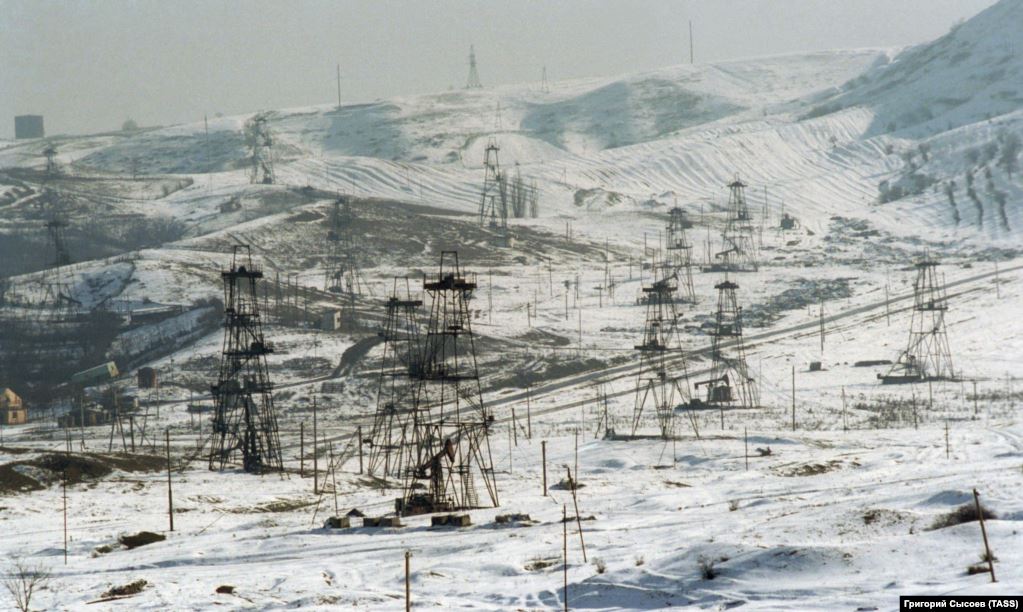
Campi petroliferi nei dintorni di Grozny

29 Gennaio

CRISI RUSSO/CECENA  – La Federazione Russa impone un blocco economico alla Repubblica Cecena. In risposta al blocco dei trasferimenti finanziari imposto dal governo russo, Dudaev emette il Decreto Presidenziale numero 10 “Riguardo il blocco dei trasferimenti al bilancio della RSFSR Russa” con il quale interrompe qualsiasi conferimento finanziario verso la Russia.

POLITICA NAZIONALE – Nel tentativo di limitare la circolazione del denaro in forma di banconota, del quale la repubblica soffre una grave mancanza materiale, Dudaev emette il Decreto numero 8 del Presidente della Repubblica Cecena “Sulla regolamentazione dei pagamenti in contanti“. In esso si vieta il pagamento in contanti per numerose categorie di beni e servizi, sostituendolo con il sistema dei bonifici bancari e degli assegni. La distribuzione del contante da parte delle banche viene limitata a 1000 rubli per famiglia.

Con il Decreto numero 9 del Presidente della Repubblica Cecena “Liquidazione del conto in valuta estera del Consiglio dei Ministri della RSSA Ceceno – Inguscia” Dudaev attribuisce alle proprie disponibilità il conto corrente in valuta estera precedentemente dedicato al Dipartimento Affari Esteri del Consiglio dei Ministri. Non è dato conoscere l’ammontare di tale conto corrente.

Nel tentativo di distribuire derrate alimentari alla popolazione indigente e favorire la distribuzione del cibo ai cittadini della Repubblica, Dudaev emette il Decreto numero 9 del Presidente della Repubblica Cecena “Riguardo l’apertura di negozi sociali per la fornitura alimentare alla popolazione”. Il bilancio repubblicano deve farsi carico dell’apertura e della gestione dei negozi sociali.

L’esperto di idrocarburi tedesco Gert Wollebe viene nominato da Dudaev Consigliere Presidenziale per l’industria petrolifera, di raffinazione e chimica.

30 Gennaio

POLITICA NAZIONALE – Per decreto del Presidente l’ora legale in Cecenia viene spostata di un’ora in avanti rispetto al fuso orario della Russia.

I CINQUEMILA GIORNI DI ICHKERIA – PARTE 4 (Gennaio – agosto 1991)

10 Gennaio

POLITICA NAZIONALE – Il Soviet Supremo Ceceno – Inguscio delibera l’assegnazione delle case popolari costruite su terreni espropriati ai ceceni deportati nel 1944 a coloro che vantavano diritti su di essi o sulle abitazioni stesse prima dell’Ardakhar. Il provvedimento è il primo atto concreto di risarcimento delle vittime del totalitarismo staliniano, e viene salutato con grande apprezzamento dalla stampa locale.

11 Gennaio

CULTURA – Il direttore di una fabbrica di zucchero di Argun istituisce il venerdì come giorno di riposo al posto della domenica “In conformità con la raccomandazione del Congresso del Popolo Ceceno”.

23 Febbraio

MANIFESTAZIONI POLITICHE – Si celebra a Grozny la prima giornata commemorativa delle vittime della deportazione del 1944, il cosiddetto Ardakhar. Per la prima volta ceceni e ingusci possono piangere apertamente i loro parenti scomparsi e ricordare il loro esilio, durato per tredici anni. L’evento è organizzato dalla neonata Associazione degli Intellettuali Ceceno – Ingusci, e vede la partecipazione di storici, professori e giornalisti. All’evento partecipa Doku Zavgaev. Nel suo discorso mette in guardia i ceceni dai pericoli di una degenerazione nazionalista delle contestazioni:  “[…] Oggi capiamo chiaramente che il successo della Perestrojka dipenderà dal fatto che riusciremo o meno a fronteggiare le forze destabilizzanti che seminano l’ostilità tra i popoli. Noi diciamo “no!” all’odio interetnico, diciamo “no!” al separatismo, diciamo “no!” a tutte le forze che cercano di suscitare la rabbia ed il sospetto reciproco tra le persone di diversa nazionalità, noi diciamo “no!” al nazionalismo![…]”.

17 Marzo

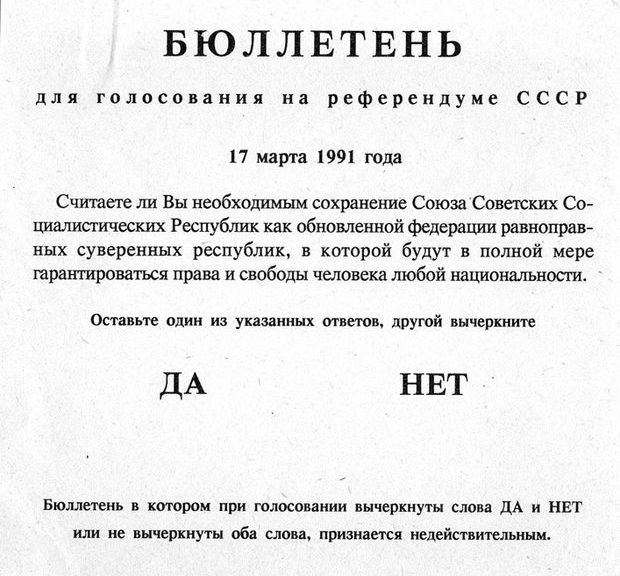
UNIONE SOVIETICA – In tutta l’URSS si tiene il Referendum sul mantenimento dell’Unione Sovietica come associazione di repubbliche sovrane. La consultazione vede la vittoria del “SI” con il 77,85%. In Cecenia – Inguscezia i voti favorevoli sono il 75% del totale.

Il testo del quesito referendario sottoposto ai cittadini sovietici il 17 Marzo 1991: “Ritiene necessario preservare l’Unione delle Repubbliche socialiste sovietiche come una rinnovata federazione di repubbliche sovrane uguali, in di cui sarà pienamente garantita la cittadinanza ai diritti e alle libertà di ogni persona ?”

24 Marzo

IRREDENTISMO INGUSCIO – Boris Eltsin, Presidente del Soviet Supremo della Repubblica Socialista Federativa Sovietica Russa (RSFSR) si reca a Nazran, dove interviene ad una manifestazione di irredentisti ingusci che chiedono il ritorno del Distretto di Prigorodny all’Inguscezia. Si tratta di una porzione di territorio a suo tempo parte della RSSA Ceceno – Inguscia, la quale fu annessa alla vicina Ossezia del Nord nel 1944 e non fu mai restituita agli antichi abitanti. Eltsin promette il suo appoggio agli ingusci e si offre di organizzare negoziati ufficiali per garantire le loro rivendicazioni.

RIABILITAZIONE DEI POPOLI OPPRESSI – Dopo l’incontro di Nazran, Eltsin si reca a Grozny, dove tiene un colloquio con i rappresentanti dei cosacchi e della minoranza Vaynakh degli Akkin, residente in Daghestan, la quale lamenta il mancato ripristino dei loro diritti sulle terre da questi storicamente abitate, e mai più restituite dalla deportazione del 1944. Doku Zavgaev partecipa agli incontri ed elogia la “saggezza e la panzienza” dei cittadini della repubblica, garantendo la partecipazione della Cecenia – Inguscezia al processo negoziale che porterà alla costituzione di una nuova Unione Sovietica.

Aprile

MOVIMENTI POLITICI – Nasce l’Associazione dell’Intellighenzia della Repubblica Ceceno – Inguscia, organizzazione professionale, sociale e politica che rappresenta il mondo intellettuale. Di orientamento liberaldemocratico, sostiene la creazione di un sistema parlamentare fondato sul multipartitismo. 

7 Aprile

TENSIONI SOCIALI – l’Ataman (“anziano” considerato una sorta di rappresentante) dei Cosacchi del distretto di Sunzha, Podkolzin, viene ucciso a coltellate da un giovane inguscio.

9 Aprile

MOVIMENTI POLITICI – in risposta all’omicidio dell’Ataman dei Cosacchi, cittadini di origine russa si organizzano in un Comitato Etnico. I Cosacchi ceceni manifestano chiedendo al Soviet Supremo Ceceno – Inguscio di garantire la pace sociale di fronte all’avanzare delle frizioni interetniche.

13 Aprile

POLITICA NAZIONALE – In un incontro con i cittadini il Vicepresidente del Soviet Supremo della RSFSR, il professore ceceno Ruslan Khasbulatov, mette in guardia la popolazione dai rischi derivanti da una scissione tra Inguscezia e Cecenia, e raccomanda collaborazione ed unità.

21 Aprile

CONFLITTO OSSETO/INGUSCIO – Scontri tra osseti e ingusci avvengono nel Distretto di Prigorodny. Si contano alcuni feriti.

22 Aprile

CONFLITTO OSSETO/INGUSCIO – Il Soviet Supremo Ceceno – Inguscio condanna gli scontri avvenuti il giorno precedente, ringrazia gli anziani che si stanno occupando di ricomporre il conflitto tra le due parti e raccomanda alla popolazione il rispetto della legge.

25 Aprile

RIABILITAZIONE DEI POPOLI OPPRESSI – Il Soviet Supremo Russo approva la Legge sulla Riabilitazione dei Popoli Oppressi con la quale riconosce ceceni e ingusci come vittime del sistema totalitario sovietico. La legge garantisce il reintegro dei territori sottratti ai popoli oppressi, tra i quali il distretto inguscio di Prigorodny, passato all’Ossezia.

Raduno di irredentisti ingusci a Nazran, 1991

28 Aprile

TENSIONI SOCIALI  – Sparatoria a Troitskaia tra ingusci e cosacchi. Muoiono 3 dei primi e 2 dei secondi. I cosacchi organizzano gruppi di autodifesa. Il Soviet Supremo Ceceno – Inguscio decreta l’invio di unità del Ministero degli Interni per sedare i disordini, nei quali si sono contati, oltre alle vittime, anche 12 feriti.

30 Aprile

TENSIONI SOCIALI – L’intervento delle unità del Ministero degli Interni interrompe gli scontri tra ingusci e cosacchi nel villaggio di Troitskaya. Si contano 8 morti e circa 25 feriti. Il Soviet Supremo Ceceno – Inguscio cancella le celebrazioni previste per il 1 Maggio, mentre Zavgaev condanna i “gli elementi di teppismo insinuati nella politica” invitando i cittadini ad ascoltare la “saggezza dei padri e dei nonni i quali da sempre abitano queste terre in pace ed amicizia”.

4 Maggio

CULTURA – Nel villaggio di Serzhen – Yurt viene ripristinata l’istituzione tradizionale dello Yurt – Khel, il consiglio del villaggio, con il quale le comunità cecene si autogovernavano prima dell’avvento della dominazione russa. Tale istituzione affiancherà quella “formale” di epoca sovietica.

7 Maggio

PARTITO COMUNISTA – L’assemblea del PCUS ceceno – inguscio approva una mozione nella quale si chiara che la repubblica firmerà un nuovo Trattato dell’Unione soltanto a condizioni di parità giuridica con la Russia. In questo modo i comunisti locali interpretano la Dichiarazione di Sovranità come uno strumento per garantire al paese la dignità di Stato sovrano anche se aderente ad un’unione sovranazionale come l’URSS “riformata” che si intende costituire.

14 Maggio

RIABILITAZIONE DEI POPOLI OPPRESSI – Il Soviet Supremo Ceceno  -Inguscio decreta il 26 Aprile, giorno nel quale è entrata in vigore la Legge sulla Riabilitazione dei Popoli Oppressi, festa nazionale.

15 Maggio

POLITICA NAZIONALE – Recependo le istanze del PCUS locale, il Soviet Supremo Ceceno – Inguscio vota una serie di emendamenti costituzionali volti a identificare la Repubblica come uno Stato sovrano. In particolare viene eliminata la definizione “autonoma, socialista e sovietica” dall’identificazione dello Stato, il quale d’ora in avanti si chiamerà Repubblica Ceceno – Inguscia”. Sulla scorta di queste modifiche, il Soviet Supremo Ceceno  – Inguscio rivendica il diritto di negoziare la firma del Trattato dell’Unione con una propria delegazione, indipendente da quella russa.

25 Maggio

RIVOLUZIONE CECENA – Generale Dzhokhar Dudaev, Presidente del Comitato Esecutivo (Ispolkom) del Congresso Nazionale Ceceno, rinominato di recente Congresso Nazionale del Popolo Ceceno (OCKhN), dichiara pubblicamente che a seguito della Dichiarazione di Sovranità promulgata il 27 Novembre precedente il Soviet Supremo ha perduto ogni legittimità, e propone che i poteri esecutivi siano assunti dal Congresso, in quanto assemblea rappresentativa della volontà popolare.

8 – 9 Giugno

RIVOLUZIONE CECENA – Si tiene a Grozny la seconda sessione del Congresso Nazionale Ceceno, ora Congresso Nazionale del Popolo Ceceno (OKChN). Dzhokhar Dudaev viene confermato presidente, e l’assemblea emette una delibera di 23 punti nella quale proclama solennemente la nascita di uno Stato ceceno indipendente, la Repubblica di Nockhchi – cho. Viene inoltre decretata la decadenza del Soviet Supremo Ceceno – Inguscio e l’assunzione dei poteri legislativi ed esecutivi da parte del Congresso. La corrente nazionalista moderata, guidata d Lecha Umkhaev, abbandona l’assemblea in polemica con la linea radicale adottata dai delegati.

Dzhokhar Dudaev parla alla seconda sessione del Congresso Nazionale del Popolo Ceceno, 9 Giugno 1991

12 Giugno

FEDERAZIONE RUSSA – In Russia si tengono le elezioni presidenziali. L’OKChN si dichiara contrario allo svolgimento delle elezioni in Cecenia – Inguscezia, in quanto la Russia, adesso, è uno Stato straniero, ma il Soviet Supremo Ceceno – Inguscio tiene comunque le consultazioni, le quali si svolgono in un clima piuttosto sereno. Boris Eltsin, esponente del movimento Russia Democratica, ha impostato la sua campagna elettorale sull’invito alle repubbliche autonoma a “prendere quanta sovranità riescono ad ingoiare”. Il suo messaggio fa breccia nell’elettorato ceceno e inguscio, il quale lo premia rispettivamente con il 76,7% e oltre l’80%. Eltsin diviene quindi il primo Presidente della Repubblica russo, con il 57% dei voti complessivi.

21  –  22 Giugno

POLITICA NAZIONALE – Avendo perduto il controllo dell’OKChN, Zavgaev tenta di costituire una nuova piattaforma elettorale convocando un Congresso dei Popoli della Montagna a Grozny. Più di 800 delegati, appartenenti a tutte le etnie del paese, convengono su una serie di delibere nelle quali si promette rispetto reciproco tra tutte le componenti sociali del paese e si condannato gli eccessi dei radicali, orientati alla divisione ed allo scontro su base etnica.

5 Luglio

POLITICA NAZIONALE – Zavgaev incontra i rappresentanti di cooperative, imprese e fattorie di Stato, e garantisce pieno appoggio alla nascita della piccola impresa locale.

6 Luglio

CULTURA – Facendo seguito alle richieste di numerosi cittadini di Achkhoy – Martan, le autorità deliberano la ricostruzione dell’antica moschea del villaggio. Demolita nel 1944, la struttura è diventata un magazzino, e sul suo terreno sacro è stato costruito un ristorante. Il Soviet Supremo trasferisce a titolo gratuito il terreno, mentre la popolazione inizia una raccolta fondi per ricostruire l’edificio di preghiera.

10 Luglio

RIVOLUZIONE CECENA – Il Congresso Nazionale del Popolo Ceceno emette una delibera nella quale non riconosce l’autorità né dell’URSS, né della Repubblica Socialista Sovietica Federativa Russa (RSFSR).

per approfondire leggi “Libertà o Morte! Storia della Repubblica Cecena di Ichkeria”, acquistabile QUI)

I CINQUEMILA GIORNI DI ICHKERIA – PARTE 3 (1990)

Marzo

PARTITO COMUNISTA – Il Primo Segretario Doku Zavgaev viene eletto Deputato al Congresso dei Deputati del Popolo dell’URSS e, pochi giorni dopo, Presidente del Soviet Supremo della RSSA Ceceno – Inguscia, assommando in sé la massima carica politica e la massima carica amministrativa della Repubblica. Nessun politico in Cecenia ha mai avuto tanto potere.

MOVIMENTI POLITICI – Vede la luce il movimento nazionalista e confessionale Via Islamica. A guidarlo si pone Bislan Gantamirov, ex dipendente del Ministero degli Affari Interni della RSSA Ceceno – Inguscia.

8 Marzo

IRREDENTISMO INGUSCIO – Una folla di diecimila ingusci si raduna a Nazran, capoluogo dell’Inguscezia, chiedendo il ritorno alla patria del Distretto di Prigorodny. La manifestazione si svolge senza incidenti. Nei giorni seguenti il presidio si ingrosserà fino a raggiungere i quarantamila partecipanti, quasi il 20% dell’intera popolazione inguscia.

Mappa dell’Inguscezia e dei territori rivendicati. Il territorio tratteggiato con linee e puntini è il Distretto di Prigorodny, rivendicato dagli ingusci a margine della Legge sulla Riabilitazione dei Popoli Oppressi.

Aprile

MOVIMENTI POLITICI – Nasce l’Associazione dell’Intellighenzia della Repubblica Ceceno – Inguscia, un’organizzazione professionale, sociale e politica che rappresenta il mondo intellettuale. Di orientamento liberaldemocratico, sostiene la creazione di un sistema parlamentare e multipartitico.

10 Aprile

UNIONE SOVIETICA – Il Soviet Supremo dell’URSS promulga la Legge sui fondamenti economici dell’URSS, dell’Unione e delle Repubbliche Autonome nella quale si riconosce il diritto alla piena autonomia economica dei soggetti dell’Unione.

19 Aprile

MANIFESTAZIONI POLITICHE – Migliaia di persone si radunano ad Achkhoy – Martan chiedendo la sostituzione della Presidenza del Comitato Distrettuale. A guidarla c’è l’avvocato Shepa Gadaev, già membro del Partito. A seguito della sua contestazione egli viene espulso dal PCUS, ma le manifestazioni continuano.

26 Aprile

UNIONE SOVIETICA – Il Soviet Supremo dell’URSS promulga la Legge sulla delimitazione dei poteri tra l’URSS ed i membri della Federazione nella quale si apre alla possibilità, da parte delle repubbliche autonome della Repubblica Socialista Federativa Sovietica Russa (RSFSR) di acquisire lo Status di repubblica indipendente (al pari di soggetti come Ucraina, Bielorussia, Moldavia ecc…) La legge istituisce uno strumento pericoloso per l’integrità territoriale della Russia, giacchè ognuno delle decine di soggetti facenti parte della RSFSR potrebbe utilizzarlo per dichiarare l’indipendenza.

28 Aprile

MANIFESTAZIONI POLITICHE – Dopo dove giorni di manifestazioni continue la dirigenza del PCUS acconsente alla sostituzione del Presidente del Comitato Distrettuale, reintegrando Shepa Gadaev nel Partito e nominandolo al vertice locale dell’organizzazione.

4 Maggio

MOVIMENTI POLITICI – Si costituisce  Grozny il Partito Socialdemocratico Ceceno. Guidato da Ruslan Azimov, tra i suoi esponenti conterà il giornalista Timur Muzayev, autore di numerosi articoli sulla questione cecena, nonché di lunghi e approfonditi “monitoraggi politici” sulla situazione politica e sociale della Repubblica Cecena di Ichkeria.

5 Maggio

MOVIMENTI POLITICI – Membri dell’associazione “Bart” costituiscono a Grozny il Partito Democratico Vaynakh (VDP), di orientamento nazionalista radicale, sostenitore dell’indipendenza. Alla sua guida viene eletto Zelimkhan Yandarbiev.

12 Maggio

PARTITO COMUNISTA – Il giornale del Komsomol, organo giovanile del PCUS inizia le pubblicazioni in lingua cecena e inguscia. Per la prima volta gli organi ufficiali del partito utilizzano la lingua indigena, anziché il russo.

15 Maggio

PARTITO COMUNISTA – Si tiene la conferenza di aggiornamento politico del PCUS locale. La relazione evidenzia la forte tensione sociale e la difficile congiuntura economica, la quale rischia di esacerbare il conflitto tra la popolazione e il partito.

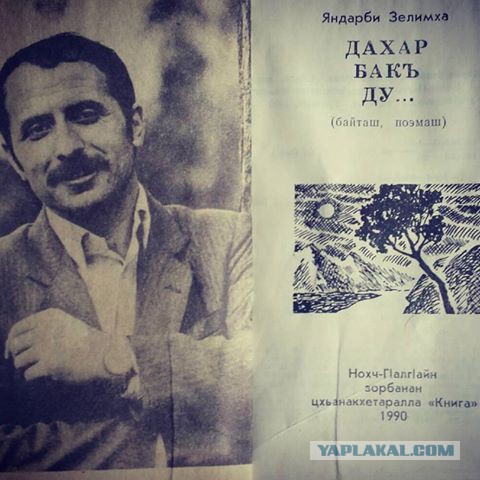
La foto mostra un giovane Zelimkhan Yandarbiev, il cui ritratto è stampato sul retro – copertina di uno dei suoi libri di poesie edito nel 1990.

12 Giugno

UNIONE SOVIETICA – Il Soviet Supremo della RSFSR Russa, diretto da Boris Eltsin, promulga una Dichiarazione di Sovranità nella quale viene sancita la superiorità delle leggi varate dal governo russo su quelle emesse dal Soviet Supremo dell’URSS. In questo modo il potere del Presidente Gorbachev risulta notevolmente ridotto, mentre Eltsin si avvia a prendere il potere effettivo a Mosca.

15 Agosto

CONGRESSO NAZIONALE – Si costituisce il Comitato Organizzatore del Congresso Nazionale Ceceno. Tra i suoi membri figurano esponenti del nazionalismo moderato come Lecha Umkhaev, membri del Soviet Supremo Ceceno – Iguscio come Yusup Elmurzaev ed illustri intellettuali, come Musa Akhmadov. Al Comitato partecipano anche esponenti del nazionalismo radicale, tra i quali il già citato Hussein Akhmadov e l’esponente del VDP Yusup Soslambekov. La carta fondativa, pubblicata quello stesso giorno, cita tra gli obiettivi del Congresso: “Discussione sull’idea di creare una repubblica cecena sovrana basata su principi democratici che integrino la struttura sociale tradizionale”.

Settembre

CULTURA – Il neonato Movimento per il Restauro della Memoria Storica inizia a raccogliere le antiche steli e lapidi scolpite, a suo tempo abbattute dai sovietici a seguito della deportazione e poi utilizzate come materiale da costruzione. In poche settimane gli attivisti del Movimento, tra i quali si conta anche il Capo del Dipartimento Ideologico del PCUS di Urus – Martan, Ruslan Tulikov, raccoglierà circa millecinquecento manufatti.

31 Ottobre

MANIFESTAZIONI POLITICHE – Manifestanti bloccano le strade nei pressi di Mesker – Yurt, impedendo al locale cementificio di consegnare il materiale prodotto. Le forze dell’ordine sgomberano il picchetto e denunciano tre cittadini locali per violazione della legge appena approvata dal Soviet Supremo dell’URSS Sulla responsabilità penale per il blocco delle comunicazioni ed altre azioni illegali che minino la sicurezza e il funzionamento del sistema dei trasporti.

6 Novembre

MOVIMENTI POLITICI – Si costituisce l’Associazione  Ceceno – Inguscia delle vittime della repressione politica, Istituita per assistere la riabilitazione delle vittime della repressione politica durante il periodo sovietico, lo studio e la promozione della conoscenza storica sullo stalinismo e sul regime repressivo comunista.

23 – 25 Novembre

CONGRESSO NAZIONALE – Si tiene a Grozny il I Congresso Nazionale Ceceno. E’ la prima assemblea ecumenica della nazione cecena dall’avvento dell’URSS. Il Congresso è partecipato massicciamente, e vissuto con grande interesse dalla stampa locale. Il documento più importante prodotto dai delegati è una Dichiarazione di Sovranità sulla falsariga di quella emessa da Eltsin in Russia, nella quale si dichiara la Cecenia una repubblica sovrana. Delegati da tutto il paese e da molte parti del mondo partecipano con interventi appassionati, ma la figura che emerge più autorevole è quella del Generale dell’aviazione sovietica Dzhokhar Dudaev, invitato dai nazionalisti radicali e divenuto subito un punto di riferimento assai popolare. Al termine del Congresso viene eletto un Comitato Esecutivo (Ispolkom) che si occupi di portare avanti le istanze del Congresso. Dzhokhar Dudaev viene nominato Presidente, mentre Umkhaev e Yandarbiev sono nominati vicepresidenti. Poco dopo Dudaev torna alla base militare di Tartu, dove è di stanza, mentre i due vicepresidenti innescano una lotta per assicurarsi il controllo del Congresso.

il Generale Dzhokhar Dudaev presenzia al Congresso Nazionale Ceceno, 23/25 Novembre 1990

27 Novembre

POLITICA NAZIONALE – Facendo seguito a quanto accaduto al Congresso Nazionale Ceceno, il Doku Zavgaev convince il Soviet Supremo Ceceno – Inguscio a votare una Dichiarazione di Sovranità ufficiale. In essa non si esclude la possibilità di un nuovo accordo federale con la Russia, anzi, lo si auspica. Tuttavia al punto 14 la Dichiarazione esplicita: “La Repubblica conferma la giusta richiesta degli ingusci per il rispristino della sovranità nazionale e la necessità di risolvere il problema del ritorno dei territori che appartengono loro, sottratti a seguito delle repressioni di Stalin, nel Distretto di Prigorodny ed in parte del territorio del Distretto di Malgobek, così come la riva destra dell’Ordzhonikidze (Valdikavkaz). Il Trattato dell’Unione sarà firmato dalla Repubblica Ceceno – Inguscia dopo che sarà stata risolta la questione del ritorno dei territori alienati all’Inguscezia.”. Tecnicamente, come commenta il giornalista Sherip Asuev in un articolo della ITAR – TASS: “Il quattordicesimo articolo della Dichiarazione significa che prima della firma dei Trattati Federali e dell’Unione la Repubblica Ceceno – Inguscia non fa parte né della Federazione Russa, né dell’Unione Sovietica. In questo modo Zavgaev cerca di ammansire i nazionalisti radicali senza cedere al secessionismo. I nazionalisti radicali sfidano Zavgaev a dar seguito alla Dichiarazione di Sovranità, per bocca di Yandarbiev: “Se il Soviet Supremo continuerà a mostrarsi sostenitore della sovranità statale, se agirà nella direzione di concretizzare il contenuto della Dichiarazione, siamo pronti ad essere i suoi alleati più leali e disinteressati […] Ma se tradirà segretamente o esplicitamente la Dichiarazione adottata, tradendo in tal modo gli interessi del popolo ceceno che ha risposto fiducia in esso, il VDP inizierà la più spietata delle lotte […]”.

Dicembre

RIVOLUZIONE CECENA – I movimenti nazionalisti radicali confluiscono nel Movimento Nazionale Ceceno. Esso si mobiliterà nelle settimane successive a sostegno del dittatore iracheno Saddam Hussein, in quel momento sotto attacco da parte della Coalizione Internazionale nella Guerra del Golfo.

10 Dicembre

POLITICA NAZIONALE – Per effetto di una delibera del Presidium del Soviet Supremo Ceceno – Inguscio, l’aereoporto civile di Grozny viene ribattezzato Sheikh Mansour, in onore dell’eroe nazionale ceceno. Inizia un fitto processo di ridenominazione di vie, strade, piazze e villaggi, in ordine a recuperare la toponomasica indigena o a costruirne una nuova con i riferimenti alla storia, alla cultura ed alle tradizioni locali.

30 Dicembre

MOVIMENTI POLITICI – Si costituisce l’Associazione dei Cosacchi del Terek, una sorta di sindacato etnico guidato da Georgy Galkin. Scopo dell’organizzazione è la riscoperta e la tutela dei valori e delle tradizioni cosacche.

per approfondire leggi “Libertà o Morte! Storia della Repubblica Cecena di Ichkeria”, acquistabile QUI)