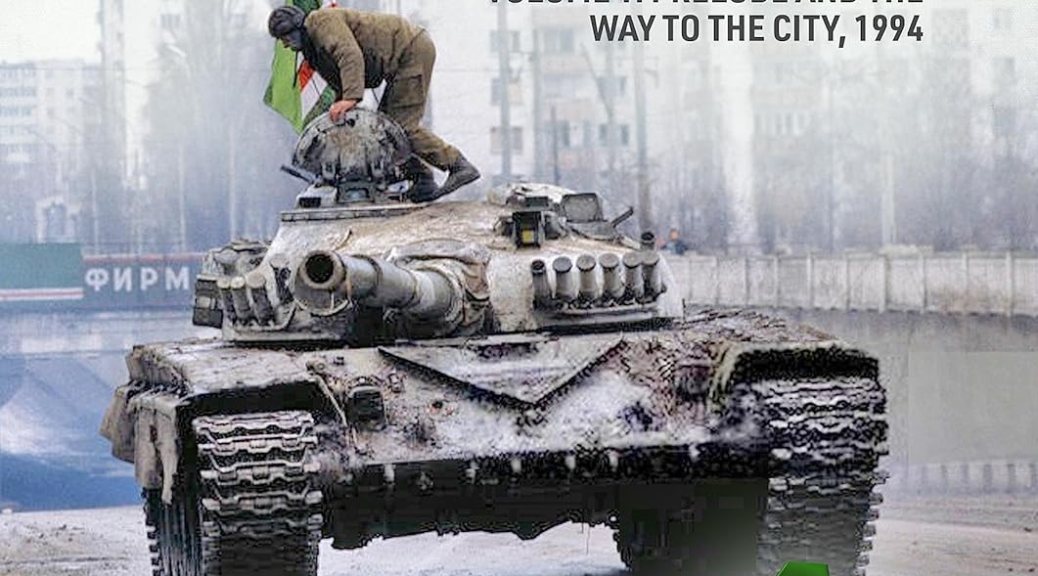
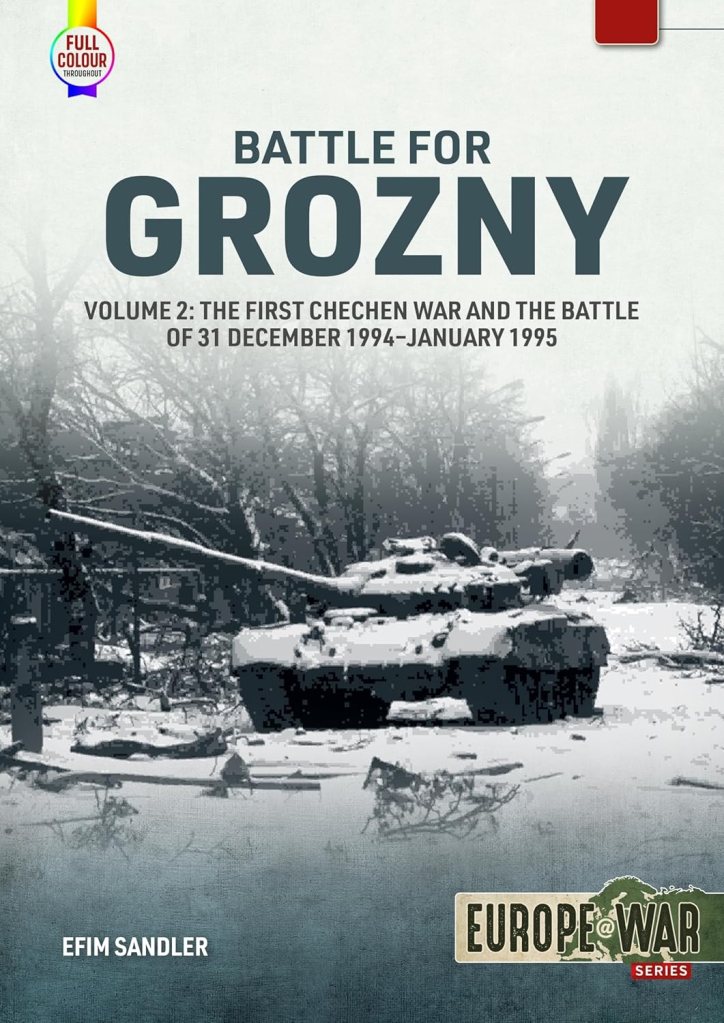
Born in the Union of Soviet Socialist Republics, Efim Sandler is a veteran of the Israeli Defence Force Armoured Corps and is currently living in the USA. An enthusiastic historian since his youth, he developed a deep interest in the armoured warfare of the Arab–Israeli Wars and conflicts in the former USSR, and has been collecting related information for decades. He is the co-author of the Lebanese Civil War series, and after posting several articles about the Chechen Wars he wrote Battle for Grozny: Prelude and the Way to the City, 1994. Next January the second volume of his work, Battle for Grozny: The First Chechen War and the Battle of 31 December 1994-january 1995 will be avaiable.
Your work on the First Russian-Chechen War, released in 2023, is the first in a series of essays whose next volume will be released in January next year
Yes, originally there was a plan for 2-3 volumes but it looks there will be at least 4 or even 5. The publishing house is not able to release the next one till spring 2025. Thus it is not really connected to when my books ready but to the availability of publisher resources.
Efim Sandler
Why did you decide to take such an in-depth interest in the First Russian – Chechen War?
It is kind of personal. I left Soviet Union in 1989 when I was 15 and by 1994 I was already in IDF. I cannot say we were following the war but the New Year assault on Grozny was pretty much discussed. We were shown the pictures of destroyed Russian tanks and killed Russian soldiers. Of cause there was not much details but the feeling was pretty bad. I felt bad for the whole situation in general, political stupidity and carelessness, poor condition of Russian army and the destruction that was coming upon Chechens. I had absolutely no doubt that Russia would grinder Chechnya despite the losses. At the top nobody ever cared about the losses. I visited Moscow in early 1995 and there were talks about the war was all about money and power. Some people blamed Yeltsin, others blamed Dudaev. There was no real censoring and you could see all the chaos of Grozny on various TV channels. I remember watching the footage of burning Russian armor and was thinking – how lucky I am for not being there! Many years later, when I started to develop my interest in military history one of my major directions were modern wars of USSR/Russia and the two big ones fell right into it: Afghanistan and Chechnya.
Did you find difficulties in the preliminary research work?
Obviously. There were several problems. At first there were not many sources and those available basically were telling the same story. It looked “fishy” as it was basically supporting the formal version that I did not believe. It took me a while to arrange a decent collection of sources including books, periodicals, videos and internet resources. Secondly there was barely any mention of particular units besides the ill-famed 131st and 81st. Majority of the sources gave very high level picture of the events. I had to approach this issue like assembling a puzzle. The phenomena of so-called ‘joint units’ added complexity as, for example, on veteran forums sometimes people were using their original units and not the ones they were assigned to.Chechen side was mostly covered by Russian version that was copied from one source to another. Especially pre-war period. I found a lot of stuff in Chechen History group on FB and later in your book. I also had to go over video footage from western news channels like AP and Reuters.I used veteran memories as well though many of them were kind of misleading. This is pretty obvious as people do not memorize everything in order but fetch some most vivid pieces. Some of the accounts I was able to cross-check, some I treated as ‘probable’. I also used a lot of my personal experience and logic to decide if the account is valid for the research.
What were your main sources?
This is a hard question as I do not have any major source for the whole period. For example to work on the Russian advance from 11 till 31 December I used the blog of Konstantin Yuk (botter) for the general structure then added information from several other sources like the books I am Kaliber 10, Win or Disappear, Life and Death of a General, Moloch of Grozny, Tanks in Grozny, Fangs of the Lone Wolf, First Chechen War, Soldier of Fortune and Bratishka magazines, and others. The videos also did some good job especially the news feeds as I was able to identify military units by the markings on the vehicles.
As a former – soldier and an expert in military history, what aspect, in your opinion, is particularly interesting in this war?
First of all I do not consider myself ‘an expert’ but an enthusiast of military history. I know a thing or two and I’ve developed my own method to make a research and tell the story in a way that is not as boring as pure academic history papers. Besides personal factors that I mentioned above, I think that the Battle for Grozny was the first and only massive urban clash of such a scale since WWII. It was asymmetric engagement where the advantage of firepower was minimized by mobility, experience and training. It is also interesting to see how Russian forces got themselves adapted to the very unfamiliar type of war and managed to take over the city. At last this war is barely explored and this makes it even more interesting – probably this is the major reason for me personally.
What experience, from the military side, do you think the First Russian-Chechen War brought?
Talking about military side we need to accept the fact that not all Russian units were devastated as common narrative tells us. There were many that fought well and got themselves adapted very quickly. I am talking not only about Lev Rokhlin and his troops. The major issue was at the top. As I tried to show it in my first book the whole management of preparations was a failure. This was the reason that I spent so much on describing the issues in details. I called it ‘a show of absurd’. Personally I was so horrified by learning the actual picture that I could not simply pass by. Thus my most important message – each operation should be carefully prepared from the top to the bottom.
Having studied this topic in depth, do you think that the Russian army has effectively learned from that experience, considering the operational fields in which it has competed in the following years, especially in Ukraine?
I don’t really know the operational details of the battles in Ukraine but we can look at the Second Chechen war (1999-2000) for example. I do believe that Russians learned something and tried to apply to certain extent. In general the Russian military remained on the low level of training and equipment while the higher command remained disconnected from the situation on the ground with some exceptions. Speaking about later conflicts like 5-Day (2008) it looked like there was some improvement in level of training but there still were issues with coordination.
One of the certainly most interesting aspects of this war is the fact that its asymmetrical nature has overwhelmingly benefited the militarily less strong faction, going so far as to force the Russian invasion army to retreat, recognizing a factual victory for the armed forces of the Chechen Republic of Ichkeria. How do you, as an expert, interpret this unexpected Chechen victory against the Russians?
Well, I believe there are two answers – simple and not very obvious. As I mentioned above Russians had upper hand in firepower but it was minimized by mobility, experience and training of Chechen units. What is not obvious is the fact that Russians were totally unprepared for fighting while the whole operation was taken as ‘show of force’ by the higher command with the exception of Group North-East commander, Lev Rokhlin. In large Chechens managed to repel Russian assault on the night of 31 Dec – 1 Jan due to neglectance and carelessness of top Russian commanders. There is no sense to compare types of firearms or other equipment. The tank is a tank and it can fire and kill. The problem is when the tank crew is unprepared and unit commander has no idea where he is and who is from the right and who is from the left – this is a problem. Squeezing dozens of armored vehicles into the small railway station area – this is a problem. Having not enough troops to perform proper sweeping and organize defensive perimeter – this is a problem. This will sound strange but I will say like this: Chechens did not win the New Year night, Russians lost it by giving them the lead. I hope I will be able to prove it in my coming book.
Regarding your next volume, what could you tell us to make the reader curious to read it? What could he find “unpublished”, compared to the superficial narrative that often fills the internet about this topic?
First of all let’s agree that there are only a few comprehensive publications available to western audience. All of them give a relatively decent overview of the events that led to the war (mostly from Chechen side) but poorly describe military activities. Sometimes the authors fill the gap with their own fantasies making the story look spicy. My job is to present the events in a most realistic way. Describing military actions I will go as deep as I can down to single unit level – battalion, company, platoon or even a team. I am combining various types of sources like publications, books, forum discussions, documentaries, personal memories, blogs, raw footage, news channels. Of cause majority of such sources are Russian and less of Chechen. Your books give good insight on the Chechen side.
Did you have the opportunity to interview war veterans, or eyewitnesses of these events? If yes, what impression did you get from their words?
As I mentioned above, I mostly used published accounts. I tried to interview a couple of times but it did not go well. Too many emotions. Can not blame them.
Have you had any difficulties talking to veterans? Do you remember a conversation that particularly impressed you?
Most of the veterans that I tried to contact declined after learning that I am living in USA. Several conversations I had were not very impressive and gave almost no additional details while switching to emotions. After Russia launched its intervention into Ukraine I lost all my contacts in Russia.
Two years later, do you feel that the public still retains a strong interest in this topic?
You means since the release of first book? I think the War in Ukraine invoked additional interest in everything connected to modern Russia. I cannot estimate to what extent though. Just to mention that general interest in Chechen wars was very low and this is the reason there so few serious publications about it. Need to mention that in early mid 1990s there were several major events that completely overshadowed what was going in Chechnya. Gulf War, collapse of Soviet Union, rearrangement of Eastern Europe just to name few. There were also numerous local conflicts like Balkans, Somalia, Lebanon, Tajikistan, Transnistria, Abkhazia, NKAO, etc. Thus for western observer 1st Chechen War was just one of them. Talking about Russians – they are trying to forget it due to their reasons.
Trying to bring the First Russian-Chechen War into the present day: do you think there are any similarities, or points of contact, between the invasion of Chechnya in 1994 and that Of Ukraine in 2022?
To my personal knowledge of the events in Ukraine (and I definitely can’t consider myself an expert there), the situation is pretty much different. Starting from the point that Ukraine is an independent country, and not a part of Russia trying to separate itself. Russians prepared the invasion and it looked they started to work on it well in advance. Russian military at least at first showed pretty much organization, equipment and training. Similar to Chechnya Ukrainian local population showed their dedication to resist invading troops and in my opinion that was the major factor that caused Russian advance to stall. In Chechnya Russians managed to suppress such resistance with numbers and firepower have almost no issues with supplies. In Ukraine this did not work. Western weapons also played some role in Ukraine while Chechens relied mostly on what they inherited from Russian units located in Chechnya prior to 1992. Of cause this is only a couple of examples but I tend not to compare these two wars. On the other hand the conflict in Donbass (2014-15) can be compared to Chechen War.
Let’s go back to 1999. When Russia invaded Chechnya for the second time, where were you? Were you still studying?
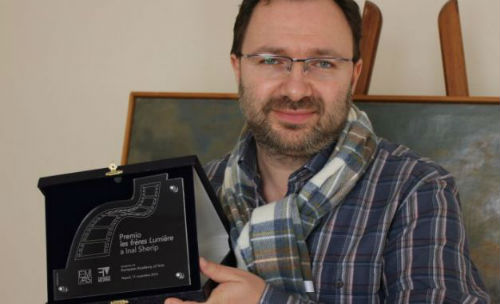
At that time I was working in Moscow, at the Central Documentary Film Studio. I was making documentaries. When the war started, I returned to Chechnya to make a film about the war. It was my most dangerous experience, because the aggression was in full swing, they were ready to destroy the entire Chechen people. When Russian troops saw journalists, human rights activists or documentary filmmakers, they hated them and put up all sorts of obstacles, because they were telling the whole world about the atrocities that the Russians were committing in Chechnya. And when the Russian military found out that I was a Chechen, they were ready to shoot me. Several times I was a millimeter away from death. After finishing work on the film, the film was selected at a film festival in North Carolina (USA). In 2000, I left for the USA, where my film received high reviews in the professional community. After that, I began negotiations with American producers about working on a documentary series about the centuries-long struggle of the Chechen people for independence: from Sheikh Mansur to the present day.
nail Sharip collects the Award for the International Festival of Independent Cinema of Naples
What was the American public’s involvement with what was happening in Chechnya?
Ordinary people knew little about Chechnya. They heard something about the war, but knew nothing specific. Journalists and human rights activists knew well. Most Americans are not interested in what is happening outside the United States. According to statistics, only a few percent of voters care about the presidential candidate’s pre-election position on U.S. foreign policy.
In the rhetoric of the current regime of Ramzan Kadyrov I have often heard references to the fact that the independence that was regained then cost the Chechens so much, that even talking about it today is to be considered synonymous with “extremism”. In your opinion, how much did all this weigh in strengthening the Chechens’ support for Kadyrov?
The question of how the values associated with independence and loss influence the support for Ramzan Kadyrov’s regime in Chechnya leads us to deeper reflections on human ideals and motivations. The phrase indicating that independence “cost” the Chechen people too much and that preserving this memory has become synonymous with “extremism” touches upon complex issues of identity and self-awareness. For peoples who have endured wars and trauma, collective ideals are often intertwined with historical memory, built on suffering and struggle. For many Chechens, the memory of war and independence is not merely a historical fact but a part of their identity that legitimizes their sense of community and belonging. However, this perception can become a tool of power when fear and loss are employed to validate authority.
This raises a philosophical question: Do individuals truly hold higher ideals for which they are willing to sacrifice everything, including their lives? In the past, values such as honor, dignity, and justice served as catalysts for revolutions and social changes. In the 18th and 19th centuries, such ideals inspired people to make selfless acts. Yet in the modern world, filled with logic of consumerism and individualism, these ideals may appear indifferent. Nonetheless, those ideals have not disappeared; rather, they have transformed. When facing crises or difficulties, individuals unconsciously seek not only justifications for their actions but also profound values that could support them in those moments. For some, this may be family; for others, freedom; and for some, belonging to their nation and its history. However, under an authoritarian regime like Kadyrov’s, such searches are permeated by fear. The ability to openly defend ideals born from suffering can lead to repression, making individuals more inclined towards conformity.
Ramzan Kadyrov, leader of the Russian province of Chechnya gestures speaking in Chechnya’s regional capital of Grozny, Russia, Tuesday, March 29, 2022. (AP Photo)
Thus, Kadyrov’s support can be viewed as a product of psychological defense, built before external threats. This does not always indicate ideological support for the ruler; rather, it is a strategic adaptation driven by the desire for survival. Society needs to protect itself from challenges, and at times, supporting an established authority becomes a means of preserving identity and collective memory. Therefore, while the era of high ideals may give way to more pragmatic considerations, the very idea of self-sacrifice and the search for meaning in life remains an inseparable part of human existence. Ultimately, the answer to the question of what drives a person regarding higher ideals largely depends on personal choice, background, and existing context. In this sense, support for Kadyrov is not merely support for a regime, but a complex and multifaceted process where fear, memory, and the search for identity converge.
A splendid reflection, which brings us to another question: can all those who collaborate with Kadyrov be considered “traitors”?
Thank you for your question. This is indeed a very complex issue that touches upon moral and ethical considerations regarding collaboration with a regime. Historical experience shows that different contexts and eras have led to various responses to such situations. During World War II, for example, those who collaborated with the occupiers were often executed immediately. In contrast, in the Baltic countries—Latvia, Estonia, and Lithuania—after over 50 years of occupation, there were no mass executions in 1991. This was largely because a new generation had grown up without knowing life outside the Soviet Union, highlighting how sensitive the topic of survival under occupation is.
Your reflections on who exactly can be considered a “Kadyrovite” are indeed critical. It is essential to emphasize that we cannot label ordinary people, who are forced to survive in difficult conditions and have no connection to the crimes committed by Kadyrov’s gang, as “Kadyrovites.” On the contrary, they are victims of this regime, subjected to the abuses of Kadyrov and his associates. In my view, those who have committed crimes should primarily be held accountable. It is especially important to bring religious leaders who justify Kadyrov’s actions to justice, as their influence on the minds and souls of people can be far more destructive than that of the perpetrators themselves. This is a multifaceted issue, and addressing it requires careful consideration of numerous factors.
In your answer you specifically mentioned “religious leaders”. How are Islamic clergy supporting Kadyrov’s regime?
In various countries, the relationship between the state and the clergy can vary: they either work closely together or, as in the case of Russia, the state uses religious institutions to advance its interests. In Russia, government agencies deploy their agents into the religious sphere, helping them build careers within spiritual organizations. These state representatives are legitimized in religious circles, while the clergy, in turn, serves the interests of the state. This practice is widespread globally, although there may be exceptions. The first official Muslim organization in Russia was established by the decree of Catherine the Great in 1788. The position of the Mufti, the head of Russian Muslims, was created, and the candidate had to be approved by the emperor after being elected by the Muslim community. In the decree, it was explicitly stated that this organization was established in the interest of the Russian state. Since then, little has changed: just as the state controlled the religious life of its citizens in the past, it continues to do so today.
Before the 1917 revolution, Russian intelligence services infiltrated their agents into religious institutions, and after the revolution, the Soviet government created its own educational institutions—Orthodox seminaries and Islamic madrasas—where future preachers, often intelligence officers, were trained. It was impossible to receive a religious education in the Soviet Union without KGB approval. Those who believe Russia has lost its grip in this area are mistaken. In fact, Russia has expanded its influence: for example, graduates of the Islamic faculty at the University of Damascus in Syria are under the control of Russian intelligence, particularly the GRU. It’s no secret that the GRU has a base in Syria, and it’s no surprise that several dozen graduates of this university work within Ramzan Kadyrov’s circle, justifying his actions both in Chechnya and in Ukraine from a religious perspective. Undoubtedly, this situation needs to change, and the Islamic world is in dire need of reforms. However, those who benefit from the current state of affairs will fiercely defend it. A striking example is the case of Saudi journalist Jamal Khashoggi, who was forced to flee due to threats to his life for his political views. He was brutally murdered and dismembered at the Saudi consulate in Turkey when he came to obtain a new passport. His last tweet was deeply symbolic: “The Islamic world is in great need of democratic reforms.”
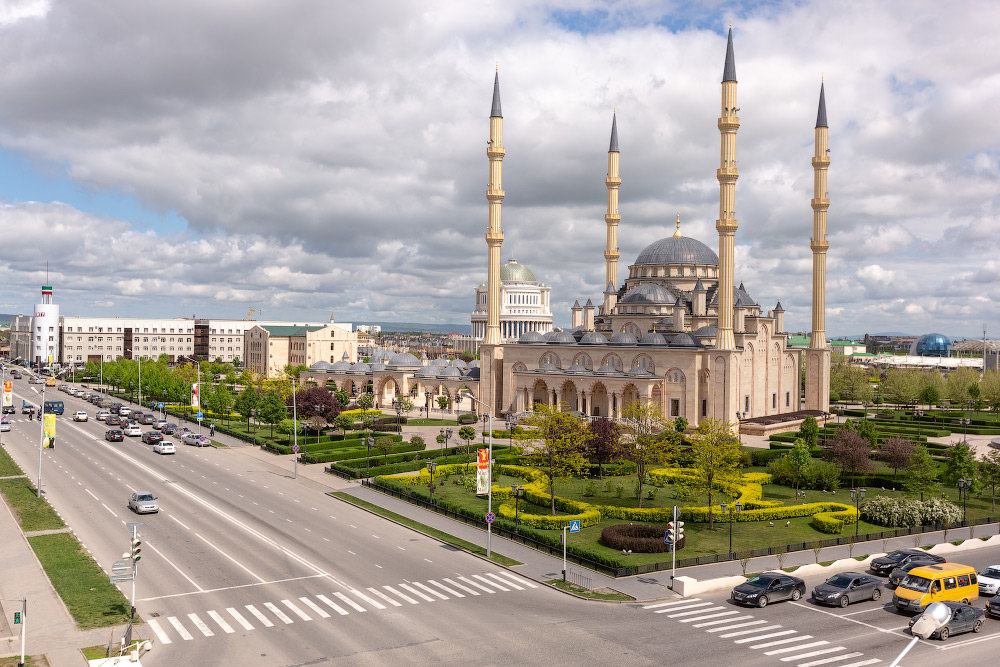
The central Mosque of Grozny
So, if the Islamic clergy is all, more or less, infiltrated or managed by the secret services, does this mean that Islam cannot be a unifying force in the movement for the independence of the North Caucasus? And if so, what force, in your opinion, can be a unifying element?
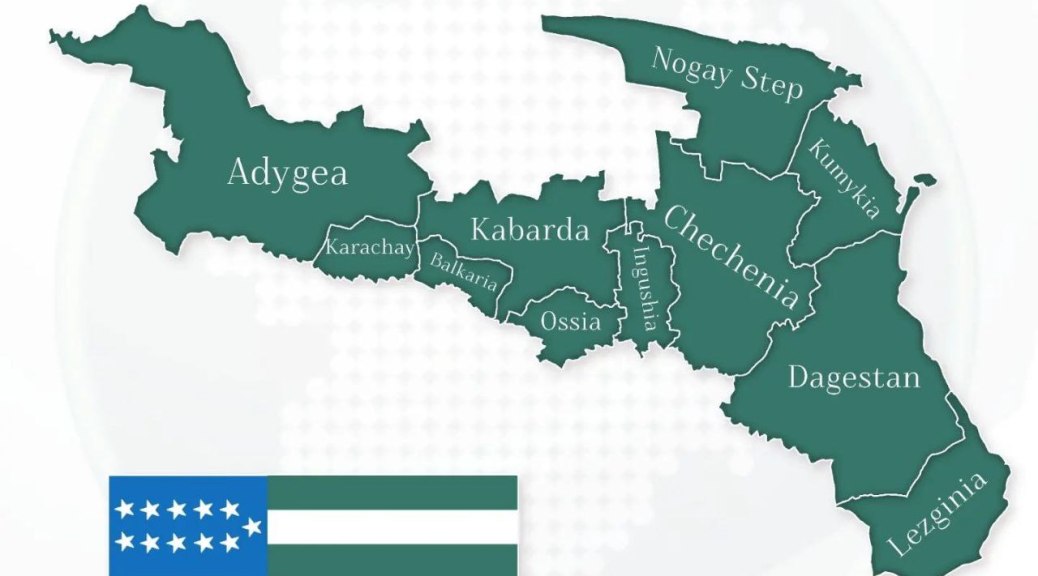
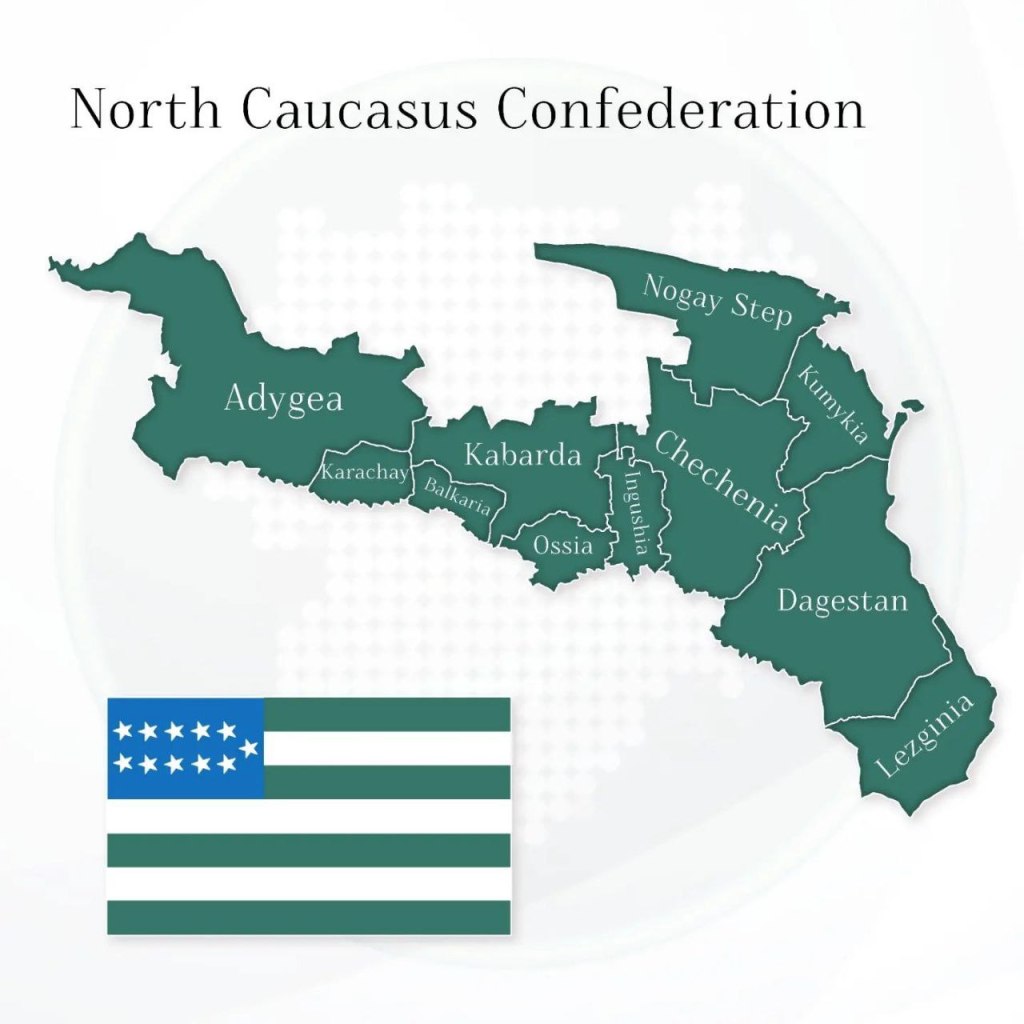
There’s no need to invent a new unifying idea for the peoples of the North Caucasus in their struggle for independence. That idea has long existed and remains clear. Just as 100 years ago, when the Confederation of the Peoples of the Caucasus, the Mountain Republic, was created, today the peoples of the North Caucasus simply want to live freely on their own land, in accordance with their traditions and culture. It is the national liberation movement of different peoples that unites them in this struggle, just as it did a century ago. This deeply rooted desire for self-determination and the preservation of their identity continues to be the strongest unifying force. The fight for freedom and sovereignty has always been the common thread binding the diverse peoples of the region. The historical past of the struggle against occupation, repression, and genocide by the Russian Empire is indeed a key unifying factor for the peoples of the Caucasus. This past is connected to numerous tragic events and struggles for survival, creating a common platform for the recognition of themselves as oppressed peoples.
Common Experience of Oppression: All the peoples of the Caucasus have faced similar confrontations with imperial power, fostering a sense of solidarity. Memories of brutal repression, genocide, and occupation deepen the understanding of a shared fate and suffering.
Identity and Memory: Preserving the historical memory of the struggle against colonial oppression strengthens the identity of each people. In this context, shared history becomes the foundation for recognizing their rights and striving for freedom.
Culture and Language: Common cultural elements, folklore, and language also serve as connecting links. These aspects often bring a sense of unity to the fight for justice and independence.Historical memory serves as motivation for consolidating efforts to protect rights and freedoms.
Thus, the shared historical experience of fighting against oppression becomes a solid basis for forming a united front among the peoples of the Caucasus, allowing them to focus on common goals without sacrificing the interests of one people to the detriment of another.
Every project for the birth of a new state needs its own intrinsic “usefulness” for those governments that, from the outside, should give it legitimacy with their recognition. In this sense, what “usefulness” do you see for a Confederation of the peoples of the Northern Caucasus?
The answer to the question about the purpose of establishing a government in exile for the Confederation of the North Caucasus starts with recognizing the limitations of the independent Chechen Republic of Ichkeria. It is a small territory that cannot play a significant role in shaping global geopolitics. In today’s world, if you are not part of a larger force shaping the future geopolitical landscape, it is nearly impossible to change existing borders in a way that would grant independence to the Chechen people. The Chechen Republic lacks access to the Black Sea and does not occupy any strategically important transport corridors, which is why our struggle for independence did not fall within the interests of major geopolitical players. However, our struggle has been subject to political manipulation. For example, Saudi Arabia tried to leverage the Chechen issue for its own interests, offering Putin a deal to resolve the Chechen independence question in exchange for Russian withdrawal from Syria. This demonstrates how external powers can exploit national movements for their own agendas.
But when we talk about the creation of the Confederation of the North Caucasus, the geopolitical calculus changes dramatically. Such a state becomes highly attractive because it addresses several key geopolitical problems that have emerged during the war in Ukraine. If the Confederation of the North Caucasus is formed, Russia would lose access to the Black Sea, which directly aligns with Ukraine’s interests. Without its naval base in the Black Sea, Russia would no longer pose a constant maritime threat to Ukraine. Europe and the U.S. are also interested in this outcome, as they do not wish to see the total collapse of Russia, which could lead to China’s expansion into the Far East and further strengthen its influence. The West is also concerned about the potential chaos that could arise from Russia’s breakup, especially given that Russia is the largest country in the world, covering more than 10% of the world’s land area. Furthermore, there is fear over Russia’s nuclear facilities and, most critically, the risk that nuclear materials could fall into the hands of third-party states or terrorist organizations.
The creation of the Confederation of the North Caucasus would address several of these challenges at once. By losing access to the Black Sea, Russia would be reduced from a global power to a regional one, which is something the entire world is interested in. A regional Russia would be forced to focus on containing China and managing its nuclear arsenal. Without nuclear weapons, Russia would not be able to effectively counter China’s influence. Additionally, Ukraine would no longer face the threat of Russia’s naval base in the Black Sea, and Turkey would emerge as the dominant power in the region. In this way, the establishment of the Confederation of the North Caucasus aligns with the interests of multiple countries, including the U.S., Europe, Ukraine, and Turkey, all of whom share a vested interest in transforming Russia from a global to a regional power. This shift is crucial for maintaining stability and ensuring a balanced global order.
Could a confederation of the North Caucasus also be an opportunity for Russia?
The separation of the North Caucasus from Russia can indeed be seen as an opportunity for a new Russia. This scenario could facilitate the necessary transformation of the country towards a democratic state, which is urgently needed. Moreover, the separation of the Caucasus could increase the rating of those Russian politicians who manage to implement such a course. Given the growing anti-Caucasian sentiments in society, the separation of the region might be perceived as a populist step, allowing them to garner support among a segment of Russian citizens dissatisfied with the current situation.
Couldn’t an independent Caucasus easily become a client state of Türkiye?
Turkey is certainly an important player in the region with whom we will establish partnership relations, but at this stage other NATO countries are also helping us in the implementation of this project. Naturally, in the future we hope to become part of NATO, and with the partners who will help in the implementation of this project, we will have allied relations.
il 21 Aprile 1996 Dhokhar Dudaev, primo Presidente della Repubblica Cecena di Ichkeria, fu assassinato dall’FSB. Nell’anniversario nel ventottesimo anniversario della sua morte, pubblichiamo un brano tratto dal secondo volume di “Libertà o Morte! Storia della Repubblica Cecena di Ichkeria” (Link)
Nell’aprile del 1996 i ceceni potevano dirsi vicini a raggiungere la vittoria: l’esercito federale era in piena crisi, ed Eltsin aveva un disperato bisogno di pace per vincere le elezioni presidenziali[1]. Le cancellerie europee, rimaste sul chi va là di fronte al “Piano di pace” presentato dal presidente russo, dopo aver inutilmente atteso l’avvio di negoziati tra le parti, erano tornate a tormentarlo con richieste pressanti di interrompere le azioni militari, lamentando la violazione della Convenzione di Ginevra e minacciando un ulteriore slittamento dell’accordo di partenariato tra Mosca e Bruxelles, che ormai languiva dalla primavera del 1994. La Commissione politica dell’Assemblea Parlamentare del Consiglio d’Europa aveva approvato un documento nel quale si diffidava la Russia a procedere alla immediata attuazione del piano di pace, o di qualsiasi altro piano specificando che qualsiasi soluzione negoziale avrebbe potuto avere successo soltanto se tutte le parti in conflitto, compreso Dudaev, vi partecipano. Il documento conteneva una condanna senza riserve delle violazioni dei diritti umani in Cecenia, commessi sia dalle truppe federali che dai combattenti ceceni. Riguardo al comportamento dei primi, la risoluzione riteneva inadeguato ed ingiustificato il massiccio ricorso alla forza da parte delle truppe di Mosca, e riconosceva che tali mezzi erano la prova tangibile del mancato rispetto da parte della Federazione Russa degli obblighi assunti col Consiglio d’Europa. Infine, proponeva la mediazione dell’OSCE in un negoziato che portasse alla ricomposizione del conflitto. Il tempo giocava a favore di Dudaev, e presto o tardi i russi avrebbero dovuto scendere a patti con lui. Sempre che, ovviamente, non riuscissero ad ucciderlo prima.
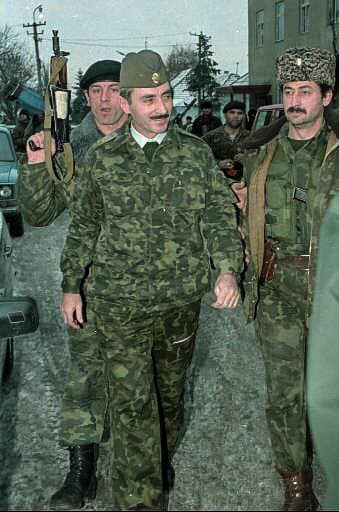
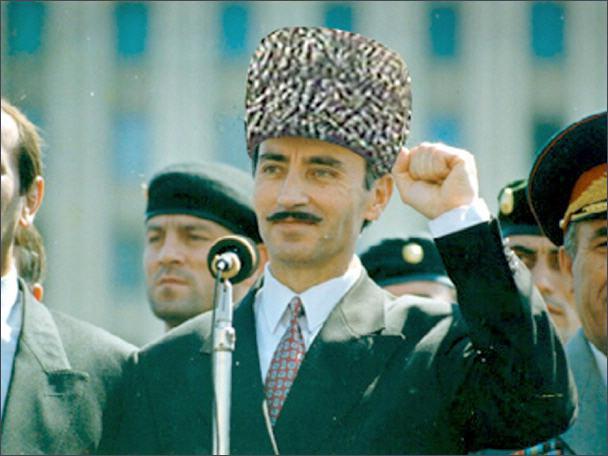
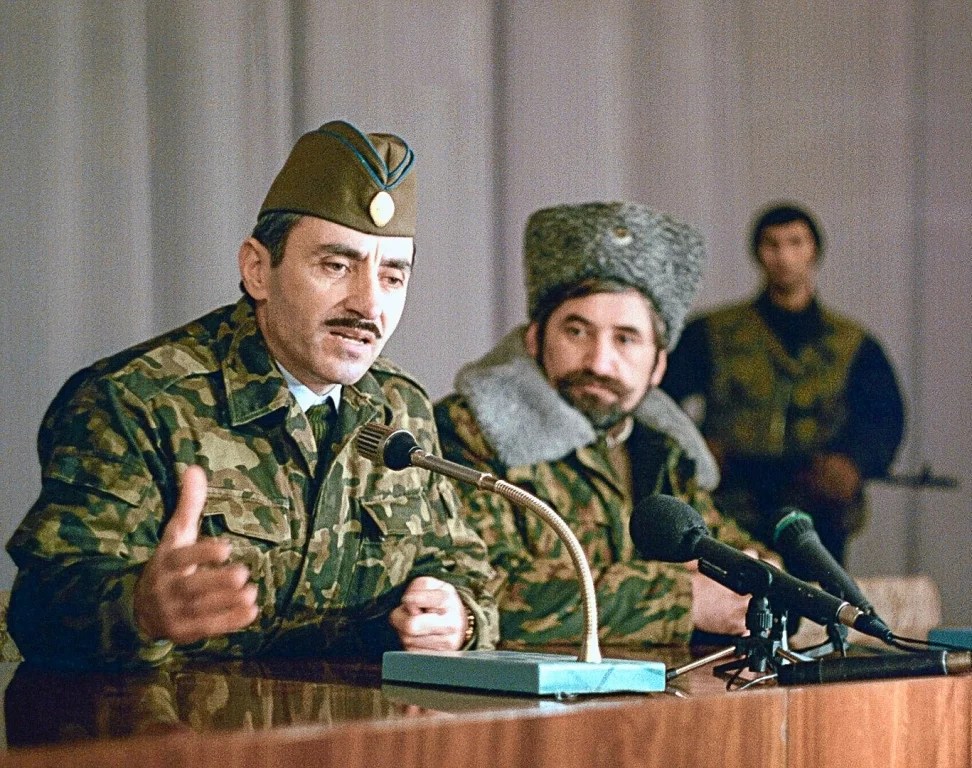
Dzhokhar Dudaev
Fin dall’inizio delle ostilità l’FSK aveva investito ingenti risorse nel rintracciare il presidente ceceno. La prima azione per trovare ed arrestare Dudaev era stata messa in atto dal Procuratore Generale russo il 1° febbraio 1995 quando, all’indomani del fallito assalto a Grozny, la magistratura di Mosca aveva emesso un mandato d’arresto a suo carico. Il suo caso includeva quattro capi d’accusa: tentativo di usurpare intenzionalmente il potere, sabotaggio delle attività del governo costituzionalmente eletto, incitamento pubblico ad azioni terroristiche e istigazione all’antagonismo nazionale sociale e religioso. L’FSK aveva promesso di prendere Dudaev nel giro di qualche giorno, ma non era riuscito neanche a capire dove potesse nascondersi. Alla fine di aprile era stata costituita una task force che individuasse Dudaev e lo prendesse, vivo o morto. Nel corso del 1995 i russi avevano tentato di eliminarlo quattro volte, ma il Generale non era mai caduto in trappola. L’aeronautica russa bombardava sistematicamente tutti i villaggi dove girava voce che si trovasse, senza mai riuscire a colpirlo. Il 21 aprile 1996, tuttavia, Dudaev commise un errore fatale. Il suo convoglio si trovava nei pressi del villaggio di Gekhi – Chu, diretto ad una vicina collina ben coperta dai boschi dove il Generale avrebbe dovuto intrattenere conversazioni telefoniche via satellite. Insieme a lui viaggiavano il suo assistente, Vakha Ibragimov, il Procuratore Militare Magomed Zhaniev ed il Rappresentante di Dudaev a Mosca, Chamid Kurbanov. Nel convoglio erano presenti anche sua moglie, Alla, ed un nutrito seguito di guardie. Mentre Dudaev stava parlando al telefono un aereo militare apparve dal cielo e lanciò un missile aria-terra che colpì con grande precisione l’auto sulla quale viaggiava. Da tre mesi i servizi segreti russi tentavano di triangolare la sua linea telefonica, utilizzando come riferimento un telefono dello stesso tipo che Salman Raduev aveva abbandonato a Pervomaiskoje. In altre quattro occasioni erano quasi riusciti ad individuare Dudaev, ma la repentina chiusura delle comunicazioni aveva impedito ai missili di intercettare in tempo il segnale, mancando il bersaglio. Il missile che fece centro quel fatidico 21 aprile era progettato per dirigersi verso una fonte radio, e non appena ne fu rilevata una (in quegli anni non erano molti i telefoni dotati di una simile tecnologia in Cecenia) puntò la sorgente. Per evitare questo genere di rischi Dudaev aveva stabilito che il suo assistente avrebbe dovuto cronometrare le conversazioni e, qualora queste superassero una certa durata avrebbe dovuto immediatamente chiuderle, anche contro il suo volere. Anche in questa occasione pare che Ibragimov avesse fatto scrupolosamente il suo dovere, interrompendo la conversazione dopo pochi minuti. Ma quel giorno erano previste due telefonate a distanza ravvicinata, il che permise ai servizi russi di non perdere il segnale. Inoltre il cavo dell’antenna si era rotto, costringendo Ibragimov a sistemarla direttamente sul tettino dell’auto. Per favorire l’individuazione del segnale, nelle settimane precedenti, le autorità federali avevano causato volontariamente una serie di blackout nella rete elettrica locale, spegnendo tutte le sorgenti radio e tracciando così la posizione del telefono. Il primo ad usare l’apparecchio fu Kurbanov, per leggere un comunicato. Subito dopo fu il turno di Dudaev, per una conversazione con il deputato russo Kostantin Borovoj. I due parlarono per tre o quattro minuti, poi la conversazione fu bruscamente interrotta dall’impatto del missile.
Commemorazione della morte di Dudaev sul luogo del suo omicidio, 1997
Dopo l’esplosione Alla Dudaeva, sbalzata in avanti dallo spostamento d’aria, corse al relitto fumante dell’auto, coperto di terra. Kurbanov e Zhaniev erano rimasti uccisi sul colpo mentre Ibragimov, che al momento dell’esplosione era in ginocchio davanti all’automobile, era stato sbalzato dall’esplosione ed era gravemente ferito. Dudaev giaceva poco lontano dalla macchina, coperto di terra e ferito superficialmente dalle schegge. Quando Alla prese la sua testa tra le mani, scoprì che dietro la nuca aveva una profonda ferita, che lo aveva ucciso sul colpo. Trasportato nel vicino villaggio, il suo corpo venne lavato e vestito di bianco. Alla avrebbe voluto seppellirlo in un cimitero, ma il mattino seguente l’aviazione federale bombardò tutti i cimiteri nei pressi del luogo dell’attacco, devastandoli. Così, per mantenere l’integrità del suo corpo, venne deciso di seppellirlo in un luogo nascosto, dove nessuno potesse trovarlo[2]. Una cerimonia pubblica fu comunque tenuta nel villaggio di Salazhi, alla presenza della maggior parte dei capi militari dell’esercito. Le esequie politiche del presidente furono tenute da Yandarbiev, il quale assunse ad interim i poteri di capo dello stato in qualità di Vicepresidente[3]. Parlando ai giornalisti, il braccio destro di Dudaev dichiarò: La morte del primo presidente ceceno non ha piegato il popolo, che è pronto a proseguire la sua battaglia per la libertà[4].
Morendo, Dzhokhar Dudaev lasciava un’eredità politica controversa. I suoi nemici lo avevano descritto come un dittatore attaccato al potere e responsabile delle peggiori atrocità. Dudaev fu più volte accusato di contrabbandare armi e petrolio, di alimentare attività finanziarie illegali. In molti paesi dell’Europa Orientale, come l’Estonia, fu invece considerato un eroe, al punto che gli furono dedicate strade, piazze e targhe. Nei paesi che avevano fatto parte dell’Unione Sovietica, e che avevano subito particolarmente la pervasiva presenza russa, il suo sacrificio fu pianto da molti: soprattutto in Ucraina, la notizia della sua morte fu accompagnata da manifestazioni di lutto pubblico. Perfino in Russia ci fu chi lo pianse: il 24 Aprile, tre giorni dopo la sua morte, fu fatto circolare un necrologio firmato dal Consiglio di Coordinamento del partito dell’Unione Democratica, nel quale si leggeva: Esprimiamo le nostre più sentite condoglianze al governo della Repubblica cecena di Ichkeria e al popolo ceceno in occasione della tragica morte del presidente di Ichkeria, Dzhokhar Musaevich Dudayev. Il suo nome rimarrà per sempre nella storia tra i nomi dei grandi combattenti per la liberazione nazionale dei popoli. Ricordiamo il suo dignitoso rifiuto di prendere parte alle repressioni contro il popolo estone nel 1991. Non abbiamo dubbi che la giusta lotta di liberazione nazionale del popolo ceceno non si estinguerà finché almeno un invasore calpesterà la terra di Ichkeria. Gloria all’eroe della resistenza cecena!
Per parte sua, Eltsin, che in quei giorni si trovava a Khabarovsk ed era in partenza per una visita a Pechino, commentò: Con o senza Dudaev, faremo comunque finire tutto in Cecenia con la Pace. Gli abbiamo proposto più volte di metterci al tavolo negoziale, ma lui ha voluto la guerra. Ebbene, la guerra non ci sarà più. Se l’uomo è morto, pazienza. […][5].
Chi fu, dunque, l’uomo che tenne in pugno il destino del popolo ceceno, che lo guidò all’indipendenza e poi lo trascinò nella catastrofe? Valery Tyshkov nel suo “Chechnya: Life in a War – Torn society” scrive: “Per comprendere l’emergere dei leader nel periodo post – sovietico è necessario affrontare le seguenti domande: come è nata una nuova generazione di “leader nazionali” dalla liberalizzazione? In che modo la popolazione post – sovietica li percepiva, e perché le masse seguivano tali leader? Su questa domanda ci concentreremo più da vicino, poiché l’impatto del ruolo di leader di Dudaev nel determinare gli eventi in Cecenia non può essere sopravvalutato. Un’idea comunemente sentita nel discorso accademico e pubblico della Russia è che quando le civiltà sono in conflitto, nel corso naturale delle cose, i gruppi etnici o i popoli, di cui sono composte, assumono leader che esprimono la loro volontà collettiva di realizzare un obiettivo storicamente predestinato. In altre parole, se Dudaev non fosse salito al potere, lo avrebbe fatto qualcun altro e tutto sarebbe andato in modo simile. Come ha osservato l’ex compagno di servizio di Dudaev, A.N. Osipenko, “Non fu lui a scegliere l’idea nazionale, fu quell’idea a scegliere lui”. […] Raramente è ammesso che un leader crei, o almeno influenzi in modo significativo il cosiddetto “movimento rivoluzionario” da solo. In realtà, il quadro è molto più complicato.” Dudaev si contese la leadership della Cecenia con personaggi che per molti versi erano più avvezzi di lui alla lotta per il potere. Politici come Zavgaev e Khasbulatov, personaggi pubblici come Hadjiev, sapevano come gestire il consenso, come divincolarsi tra le pieghe della volubile opinione pubblica, possedevano ottimi agganci ed avevano accesso a grandi capitali. Eppure fu lui, e non gli altri, a dirigere il gioco fin dalla sua discesa nell’arena. Se non avesse accettato l’invito a prendere le redini del fronte nazionalista, quest’ultimo non sarebbe stato in grado di percorrere lo stesso sentiero, e probabilmente la Repubblica Cecena di Ichkeria non sarebbe mai esistita. Dudaev seppe fare politica e seppe costruire un solido consenso intorno alla sua figura, seppe polarizzare le passioni di un popolo in cerca di riscatto e libertà sovrapponendo a queste due parole il suo volto[6]. A differenza di tutti gli altri, Dudaev seppe far sognare le masse. Se Zavgaev cercò di comprarsele col clientelismo, e Khasbulatov cercò di conquistarle con l’assennatezza dei suoi discorsi, Dudaev seppe far loro immaginare un futuro. E poco importa se nel pratico si dimostrasse una persona poco adatta all’amministrazione dello stato: era un leader visionario che proiettava tutto intorno a sé un’aura di eroismo, una padronanza di sé, la consapevolezza di essere il condottiero del suo popolo[7]. E questo, alla fine, era quello che la maggior parte dei ceceni si aspettava da lui. Alla sua morte egli fu oggetto di una vera e propria venerazione collettiva, e la notizia della sua dipartita fu presa da molti come falsa, tanto che il plenipotenziario di negoziati del governo, Yarikhanov, dovette fare una dichiarazione pubblica per confermarne il decesso[8], e lo stesso dovettero fare Maskhadov e Basayev, apparendo pubblicamente sul “canale presidenziale”[9]. Ciononostante molti ceceni continuarono a rifiutarsi di credere che Dudaev fosse davvero morto, incoraggiati dalle parole del genero Salman Raduev (il quale giurò sul Corano che fosse ancora vivo) nonché di altri personaggi che facevano parte della sua cerchia ristretta[10], ma anche dallo stesso scetticismo di alcuni alti ufficiali russi[11]. Inizialmente, infatti, le autorità militari russe in Cecenia negarono di aver portato a termine un’azione volta ad uccidere il presidente ceceno, anche se i giornali riportarono svariate “fughe di notizie” dal quartier generale, secondo le quali l’eliminazione di Dudaev fosse uno degli obiettivi primari dell’intelligence del Cremlino[12].
Dare un giudizio di merito su Dzhokhar Dudaev non è facile, e forse non è neanche così utile. Chi lo vide come un capo fu ispirato dalla sua figura, e nel suo nome combatté e morì. Chi lo vide come un tiranno fece di tutto per abbatterlo. Sicuramente fu un leader capace di mobilitare il popolo ceceno come nessun altro aveva mai fatto dai tempi dell’Imam Shamil. Fu un uomo coraggioso, che abbandonò la prospettiva di una lunga e rispettata vecchiaia da illustre graduato dell’esercito per combattere la sua battaglia ideale. Fu anche un abile stratega sul campo di battaglia: sfidò la Russia con un esercito di volontari e riuscì ad umiliare il prestigio di uno degli eserciti più potenti del pianeta. Per contro fu un pessimo amministratore, ed un miope negoziatore politico. La sua riluttanza a scendere a qualsiasi compromesso, se pure rese la sua figura affascinante e romantica, condusse il paese alla distruzione. La sua scelta di gettare la sua patria nel carnaio della guerra totale provocò al suo popolo immani lutti e sofferenze, il suo supporto indiretto alle azioni terroristiche lo portò a sdoganare una tattica militare odiosa, che alienò ai ceceni la simpatia del mondo occidentale.
La morte di Dudaev lasciò un vuoto incolmabile. Per quanto questi avesse da tempo organizzato la successione del potere in caso di sua dipartita, non c’era nessuno in grado di ereditare il peso politico della sua persona. Soltanto grazie a lui le numerose e composite anime dell’indipendentismo ceceno erano rimaste unite sotto la bandiera della ChRI evitando, per il momento, l’esplodere di una guerra tra bande. Il numero 2 del regime, Zelimkhan Yandarbiev, era pronto a farsi carico delle sue responsabilità, ma il suo compito non era facile. L’indipendentismo aveva sempre avuto un solo eroe, e adesso questo eroe era morto. La Repubblica Cecena di Ichkeria non aveva più il suo punto di riferimento e rischiava di spaccarsi in una galassia di piccoli potentati in guerra per la successione al potere. A complicare le cose giunse l’annuncio, falso, da parte del governo Zavgaev che lo stesso Yandarbiev era stato ucciso. Ci vollero alcuni giorni prima che fosse chiaro che a cadere non era stato il Vice – Presidente, ma un suo nipote, e nel frattempo i media specularono su chi avrebbe dovuto raccogliere il suo testimone, ipotizzando addirittura una guerra civile tra le forze indipendentiste[13]. Quando l’equivoco fu ufficialmente chiarito, Yandarbiev si mise all’opera, prima di tutto per ottenere la lealtà dei principali comandanti sul campo. Maskhadov, Basayev, Gelayev, Alikhadziev, Atgeriev, tutti i principali leader della resistenza riconobbero il suo primato politico, in attesa che la fine della guerra portasse ad una ridefinizione dei rapporti di potere[14]. D’altra parte la nomina di un capo era fondamentale: la morte di Dudaev, per quanto tragica, rimuoveva il principale ostacolo all’apertura di un canale diplomatico con le autorità russe. Non che fossero in molti a credere ad una soluzione negoziale della guerra: i militari russi temevano che un’altra tregua avrebbe nuovamente avvantaggiato i ceceni, permettendo loro di ricompattarsi e di lanciare una nuova ondata di attacchi. I comandanti sul campo ceceni, dal canto loro, non si aspettavano niente, considerato com’era andata fino ad allora. Il capo del governo filorusso, Zavgaev, non aveva alcuna intenzione di parteciparvi, essendo intenzionato a capitalizzare il massimo risultato politico derivante dalla morte del suo avversario. In concomitanza con la morte del generale rispolverò addirittura il Congresso del Popolo Ceceno, indicendone un’assemblea straordinaria. L’evento vide la partecipazione di 400 delegati, reclutati tra i rappresentanti delle comunità favorevoli ad un accordo con la Russia. Davanti a loro, Zavgaev chiese ed ottenne il mandato per l’organizzazione di nuove elezioni parlamentari, tramite le quali consolidare la propria posizione e disfarsi, almeno in parte, dell’ingombrante supporto derivante dalla nomina d’imperio ottenuta da Mosca nell’autunno dell’anno precedente. In quell’occasione, una voce si levò contro il “Capo della Repubblica”: quella dell’ex sindaco di Grozny (ora Vice Primo Ministro) Bislan Gantamirov. Intervenuto all’assemblea, si dichiarò insoddisfatto del lavoro di Zavgaev, sostenne che la sua figura non avrebbe facilitato il processo di pace e si dissociò dalla sua politica collaborazionista. Come vedremo, questa posizione gli sarebbe costata cara.
[1] A metà Aprile il governo russo sembrava intenzionato a riprendere i colloqui con Dudaev. Secondo quanto riferito da Kommersant il 18 Aprile 1996, Eltsin aveva dato mandato al Ministro per le Nazionalità, Mikhailov ed al Consigliere Presidenziale Emil Pain di riattivare i contatti, negoziando il ritiro delle forze federali e la normalizzazione della Cecenia. All’iniziativa, ancora informale, aveva fatto eco la dichiarazione pubblica del Ministro della Giustizia russo, Valentin Kovaljov, il quale aveva ventilato il ritiro delle accuse formali a Dudaev a seconda dell’esito dei colloqui, segno evidente che la leadership del Cremlino era disponibile ad accomodarsi pur di presentare all’opinione pubblica un piano di pace credibile. Per parte sua Dudaev aveva chiesto l’intervento quali mediatori del Presidente della Turchia, o del Re di Giordania, dando a intendere di essere disposto a raggiungere un accordo di massima con Mosca.
[2] Pochissimi sanno ancora oggi dove si trovi la sua tomba. Certamente ne fu a conoscenza il Vicepresidente, Zelimkhan Yandarbiev, che dopo la sua morte assunse la carica di Presidente ad interim. In un’intervista rilasciata a Peter Grokhmalski nel Luglio del 1996 disse: Il mondo intero vede il comportamento degli aggressori russi. Niente è sacro per loro. Non vogliamo che profanino i resti di Dudaev. Un ceceno che si fa beffe del corpo del suo nemico, che tortura un prigioniero, cade in disgrazia. Per i russi, questo è motivo di orgoglio. Pertanto, oltre a me, solo poche persone conoscono il luogo di sepoltura di Dudaev.
[3] In realtà, secondo quanto riporta Ilyas Akhmadov in The Chechen Struggle, al momento della morte di Dudaev non esisteva, o non era più reperibile, un decreto legittimo che attestasse la nomina di Yandarbiev alla carica di Vicepresidente. Secondo quanto raccontato dall’autore, quindi, venne redatto un provvedimento predatato per legittimare il passaggio dei poteri.
[6] Un contadino di Vedeno di 18 anni, intervistato sul suo rapporto con la figura di Dudaev, raccontò: “Quando Dudaev salì al potere ero studente di una scuola islamica. Il nostro insegnante ci disse che Dudaev era stato mandato dal cielo, che il suo vero nome era Dzhovkhar (“Perle” in ceceno) e che il suo avvento era stato predetto dall’antica tradizione. In quel momento si svolgevano molti raduni e tutti urlavano “Allah Akhbar”. Poi abbiamo iniziato a scandire “Dzhovkhar! Dzhovkhar!”. Anche il nostro insegnante, che era il Mullah della nostra scuola, venne alle manifestazioni. Quando gli ho chiesto chi fossero i nostri nemici, ha risposto “gli infedeli”. Ha anche detto che in un sogno aveva visto Dudaev scendere dal cielo su delle ali. Disse: “Con un leader del genere siamo invincibili!”. Tutto ciò di cui la gente parlava sempre più spesso era la guerra. E anch’io volevo andare in guerra.” Una ragazza cecena, ricordando il giorno della sua nomina a Presidente, riferì: WRicordo il giorno dell’investitura di Dudaev. […] Ha prestato giuramento al teatro e poi è andato al palazzo del governo in mezzo alla gente, una folla enorme. E’ stato straordinario, ho sentito che stava succedendo qualcosa di importante. Non posso dire di essermi votata a Dudaev proprio in quel momento, ma da allora qualcosa è cambiato in me. Era così bello nella sua splendida divisa da generale! Ho detto agli amici: “Andiamo a vederlo, non ci perdoneremo mai di non averlo fatto se ce lo perdiamo!”
[7] Sempre citando Tyshkov: Dudaev era il tipico carismatico “non sistemico” il cui potere risiedeva nella concezione di progetti irrealizzabili […] nell’ignorare soluzioni ai problemi pratici. Come scrive M.A. Sivertsev “Il leader carismatico che cerca una risposta alle sfide di un tempo di transizione e instabile deve affrontarlo in un orizzonte visionario: deve ripristinare i legami di lunga durata con le basi idealizzate della vita. Questa capacità (il suo carisma) di ripristinare l’esperienza sacrale conferisce al leader la legittimazione delle sue azioni. Il suo malfunzionamento e le sue insignificanti carenze nella sfera formalizzata – razionale sono perdonati e persino considerati come un’ulteriore prova di forza carismatica […].” Rivolgendosi ai miti della lotta e della vittoria, all’animosità e alla vendetta, il leader carismatico modella le percezioni dei suoi seguaci e da quel successo la sua immagine eroica personale acquisisce la necessaria stabilità. Quindi, costruisce una sottocultura chiusa che sviluppa la propria lingua, il proprio codice e le proprie pratiche, con connessioni minime verso il mondo esterno.
[8] Secondo quanto riferito da Kommersant, il 23 Aprile Yarikhanov dichiarò alla ITAR – TASS: Dudaev è stato ucciso, non c’è dubbio. Insieme a Dudaev, sono state uccise diverse persone della sua cerchia ristretta, incluso il suo assistente Vakha Ibragimov, così come il Procuratore Militare Magomed Zhaniev. In realtà Ibragimov non era morto, ma giaceva in condizioni critiche in un letto d’ospedale. Si sarebbe ripreso nel giro di qualche mese, tornando a partecipare alla vita politica della Repubblica una volta finita la guerra, tra le file dei nazionalisti radicali.
[9] Il canale televisivo presidenziale era una trasmissione prodotta da una rete di emittenti artigianali gestite dai sostenitori dell’indipendenza. Trasmetteva principalmente dai centri a Sud di Grozny, ed era in grado di rendersi visibile nella capitale ed in buona parte del Sud del paese.
[10] Interrogato sull’argomento, il segretario personale di Dudaev, Sapuddin Khasanov, dichiarò che Dudaev stava lavorando normalmente e che le voci sul suo assassinio erano totalmente infondate.
[11] Secondo quanto riporta Kommersant del 25/04/1996 il Presidente del Comitato per la Sicurezza della Duma, Viktor Iluychin, affermò di essere disposto a credere alla morte di Dudaev soltanto dopo che il suo presunto cadavere fosse stato riesumato, mentre lo stesso comandante in capo delle forze federali in Cecenia, Tikhomirov, dichiarò che le truppe di Mosca non avevano assolutamente niente a che fare con la morte di Dudaev, contraddicendo la versione ufficiale, secondo la quale il presidente ceceno sarebbe caduto vittima di un attacco missilistico. D’altra parte altri alti ufficiali dell’esercito confermavano la presenza di cacciabombardieri a Sud di Urus – Martan, intenti ad attaccare bersagli in ricerca libera come rappresaglia per i recenti attacchi ceceni alle colonne russe.
[12]Secondo quanto riportato da La Repubblica del 25/04/1996: «l’azione punitiva» è stata finalmente rivendicata da un rappresentante altolocato del ministero dell’Interno. “Ci siamo vendicati per l’agguato ad una colonna di automezzi russi che ha provocato la morte di decine di soldati e ufficiali”ha detto, e “abbiamo distrutto a colpi dì missili sette sedi segrete di Dudaev di cui sapevamo l’ubicazione”. Una di quelle sedi si trovava a Ghekhi-Chu dove è stato centrato il bersaglio principale. Fonti dei servizi segreti a Groznij sono state ancora più esplicite: “Si è trattato di un quinto tentativo, stavolta riuscito, nei giro degli ultimi 2-3 mesi”.
[13] Sul Kommersant del 30/04/1996 appare un lungo articolo che specula sull’ipotesi di uno “scisma” tra Maskhadov e Basayev. In quel frangente la versione del quotidiano russo fu prontamente smentita dai protagonisti, ma il confronto tra i due si sarebbe consumato davvero, pochi anni più tardi, portando la Repubblica ad un passo dall’autodistruzione. Molto probabilmente in quel momento, nel pieno del conflitto, più che di “scisma” si poteva parlare di “concorrenza”. Riportando le parole usate da Ilyas Akhmadov in una delle nostre conversazioni: “Sfiducia” è una parola troppo forte per descrivere la loro relazione in quel momento. C’era sicuramente una certa concorrenza tra loro però. Non era pubblicamente riconosciuto, solo coloro che erano nei circoli privati di Basayev e Maskhadov erano a conoscenza. Alla fine, i due hanno lavorato insieme meravigliosamente. Ci sono stati anche alcuni disaccordi sugli incaricati di Maskhadov . Maskhadov è venuto nella regione natale di Shamil e stava nominando delle persone. Ma durante la guerra c’era una legge non scritta secondo cui un comandante, quando si trovava nella sua regione d’origine, era il principale responsabile. […].Ma come ho detto, a parte poche persone, la competizione tra Shamil e Maskhadov era quasi invisibile agli occhi del pubblico. […] A quel tempo, la tensione tra Shamil e Maskhadov non era grande. Era divertente, a volte quando Shamil voleva dire qualcosa a Maskhadov me lo diceva e viceversa. […] È possibile che nel tempo la competizione abbia portato a disaccordi molto più pubblici durante le elezioni. Ma durante la guerra, sebbene avessero alcuni disaccordi, erano più personali e non divennero un problema pubblico.
[14] Tale decisione fu assunta dal consesso dei comandanti militari in una riunione straordinaria del Comitato per la Difesa dello Stato (GKO) tenutasi a Roshni – Chu subito dopo la morte del presidente ceceno, durante la quale venne avanzata anche l’ipotesi di nominare Maskhadov al posto di Yandarbiev, considerato il contesto bellico nel quale la successione avrebbe dovuto svolgersi. Maskhadov tuttavia rifiutò, invitando i convenuti a rispettare quanto previsto dalla Costituzione.






 Ichkeria Digital Archive