
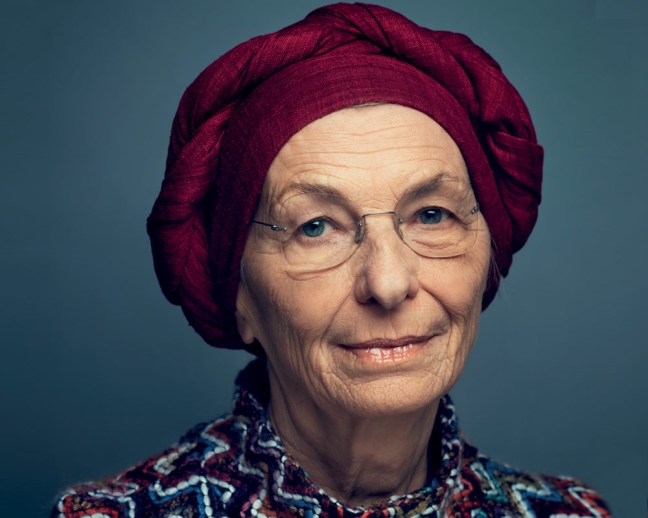
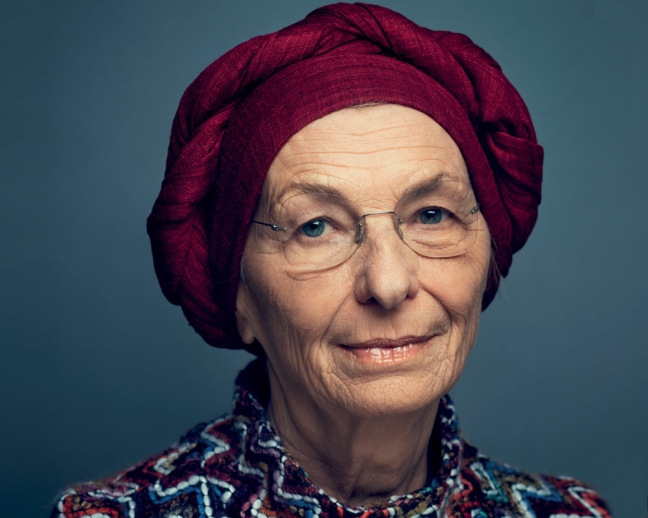
Emma Bonino, the prominent Italian politician, former European Commissioner and Foreign Minister, died on 11 September 2026 at the age of 78.
Alongside her better-known campaigns for civil and human rights, Bonino had a long and significant record of involvement with the Chechen question, particularly during the First and Second Russo-Chechen Wars.
As European Commissioner responsible for Humanitarian Aid from 1995 to 1999, Bonino dealt with the humanitarian consequences of the First Russo-Chechen War and consistently defended the principle of independent humanitarian access to populations affected by armed conflicts.
Her commitment became particularly visible during the Second Russo-Chechen War. In 2000, Bonino and the Transnational Radical Party actively worked to bring the Chechen issue before international institutions. The Radical Party provided representatives of the legitimate Chechen institutions with opportunities to address international forums, provoking strong opposition from the Russian Federation. Moscow even attempted to have the Transnational Radical Party’s consultative status at the United Nations suspended.
When the Russian request was rejected by ECOSOC in October 2000, Bonino dedicated the victory to Antonio Russo, the Radio Radicale journalist who had reported extensively from Chechnya and had been murdered in Georgia only days earlier.
On 23 November 2000, Bonino participated in and helped lead the major conference “Chechnya: A Hidden War – Free Access for the Media and International Humanitarian Intervention”, organised in Rome by the Radical Party, Reporters Without Borders and members of the European Parliament. Chechen and Russian human-rights activists, journalists and humanitarian organisations took part.
Perhaps the clearest political expression of Bonino’s position came in April 2002, when she co-sponsored a European Parliament motion on Chechnya. The text explicitly recalled the legitimacy of the election of President Aslan Maskhadov, his government and the Chechen Parliament, noting that the 1997 elections had been recognised by the OSCE and by the Russian Federation itself. It called for a political solution based on negotiations between the Russian authorities and the legitimate Chechen authorities and urged direct negotiations between Vladimir Putin and Aslan Maskhadov.
Bonino continued to defend this position publicly. Speaking before the European Parliament on 10 March 2004, she denounced the persecution and abduction of relatives of Chechen Health Minister Umar Khambiev, whom she described as an envoy of “elected President Aslan Maskhadov”. She referred to the Moscow-backed administration in Chechnya as a “puppet government” and urged European institutions not to remain silent about what was happening in Chechnya.
While Bonino does not appear to have formally advocated diplomatic recognition of Chechen independence, she consistently defended the democratic legitimacy of Maskhadov and the elected Chechen institutions, rejected Moscow’s attempt to reduce the Chechen question solely to terrorism, denounced serious human-rights violations committed during the war, and supported an international political settlement involving the legitimate Chechen leadership.
Her death therefore also marks the passing of one of the prominent European political figures who, during some of the darkest years of the Russo-Chechen conflict, repeatedly insisted that Chechnya should not be forgotten.
 Ichkeria Digital Archive