Archivi tag: Boetti

Fugitive, Monk, Warrior Prophet: The Life of Giovanni Battista Boetti

There are men who pass through history leaving behind portraits, treatises, and monuments. And then there are men who leave behind only questions. Giovanni Battista Boetti belonged to the latter category.

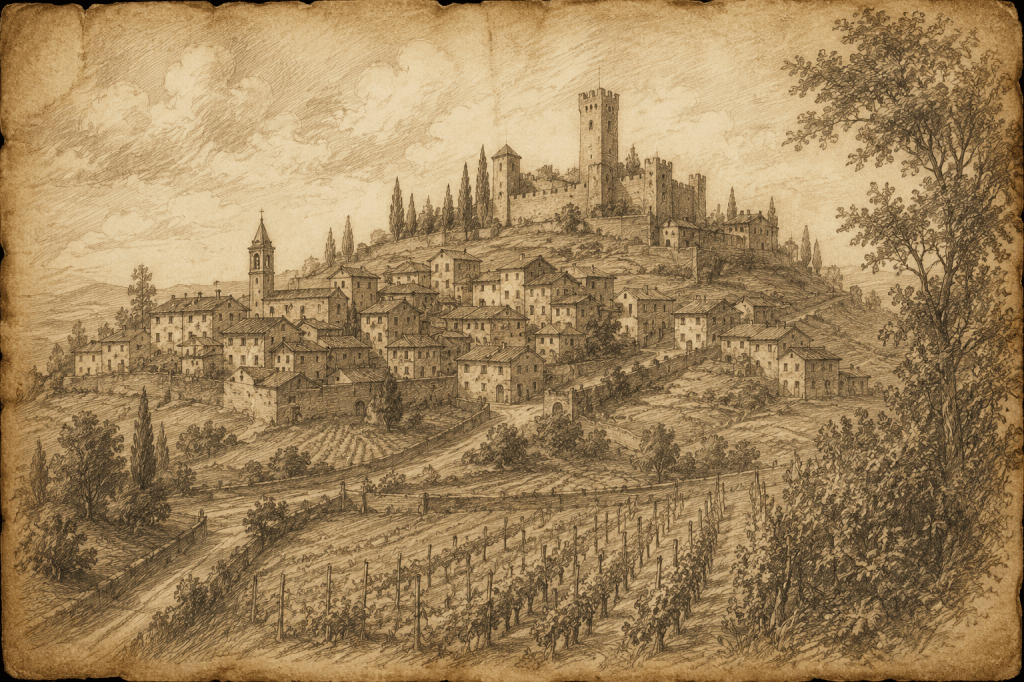
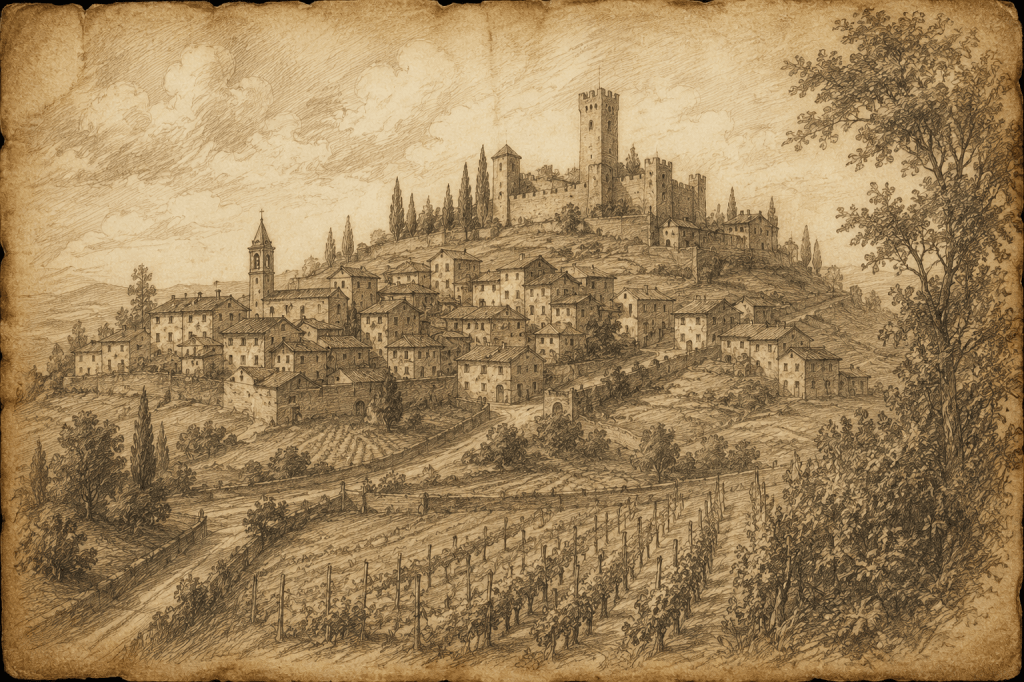
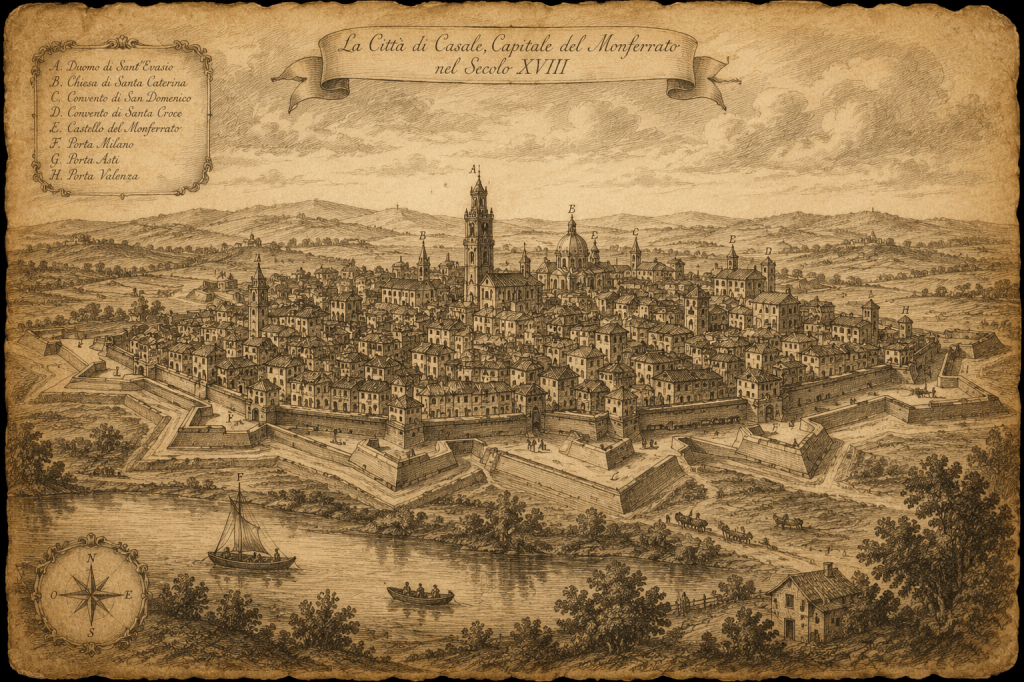
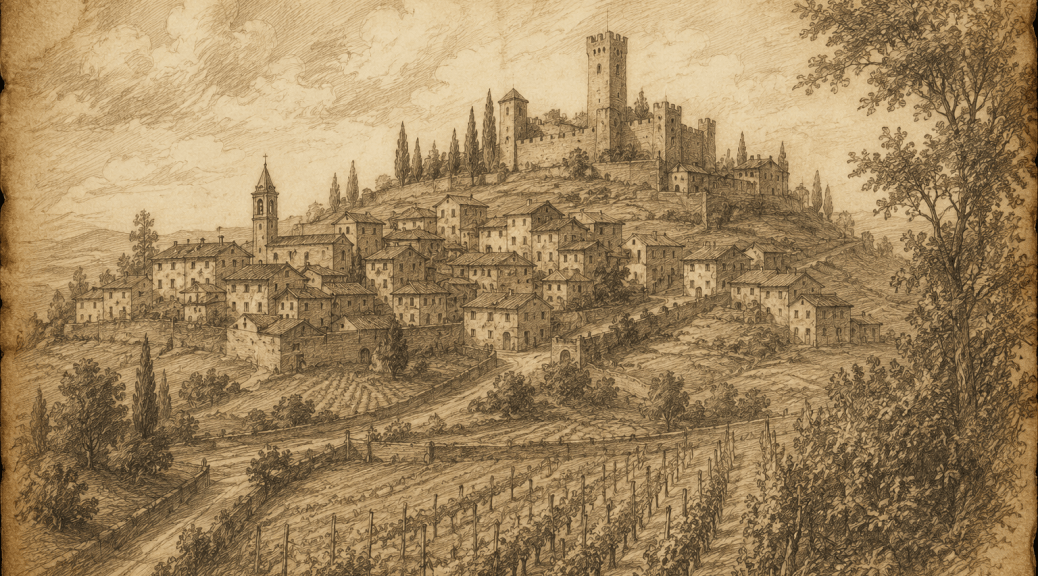
When he was born on June 2, 1743, in the small Piedmontese village of Piazzano, no one could have imagined that the child would become the protagonist of one of the most enigmatic stories of eighteenth-century Europe. The son of a declining noble family, educated to become a physician against his own wishes, Boetti would go on to be a fugitive, a soldier, a seducer, a Dominican friar, a missionary in the East, and a physician to pashas and princes. He crossed half the known world in pursuit of something that perhaps even he could not fully define.

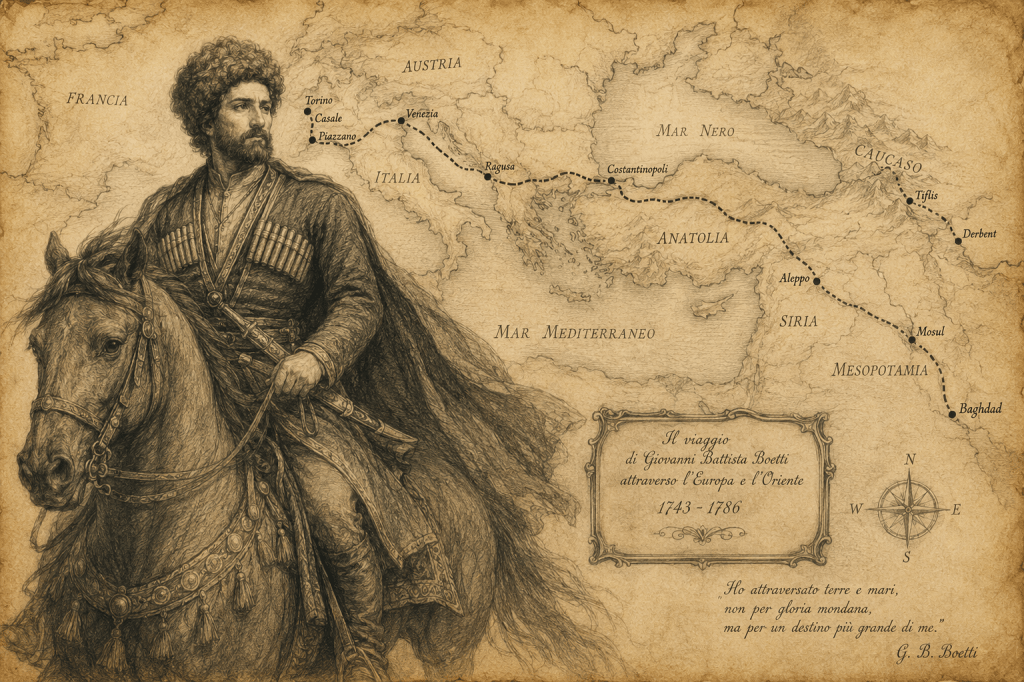
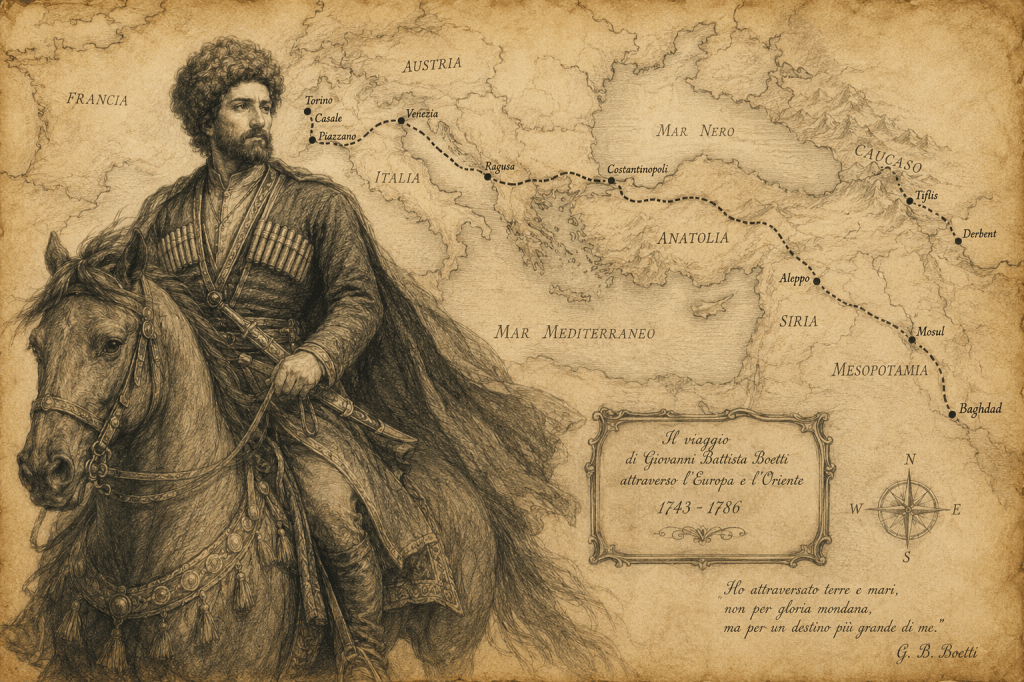
For more than twenty years he travelled through Italy, the Balkans, the Ottoman Empire, Syria, Mesopotamia, Persia, and the Caucasus. He appeared in the most unlikely places and vanished from them just as quickly. He was arrested, expelled, welcomed as a saint, denounced as an impostor, hunted as a spy, and protected by powerful men. Each time his story seems to reach its conclusion, it begins again somewhere else.

Then, suddenly, something happens.

The sources tell us that after years spent between Mosul, Constantinople, and Persia, the Piedmontese Dominican almost completely disappeared from the official record. When he re-emerged, he was no longer simply Giovanni Battista Boetti.

He was Mansur — The Victorious.

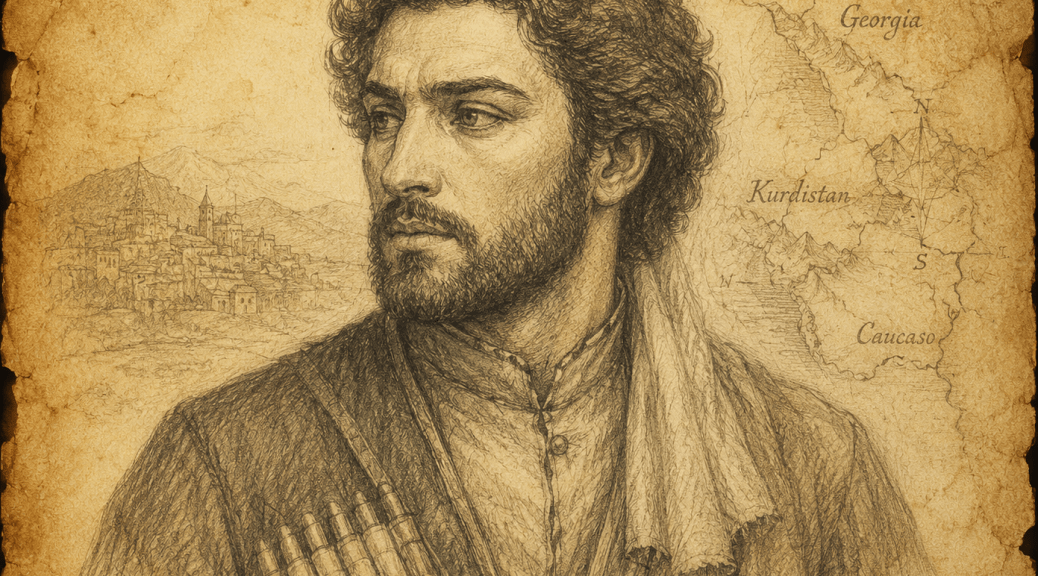
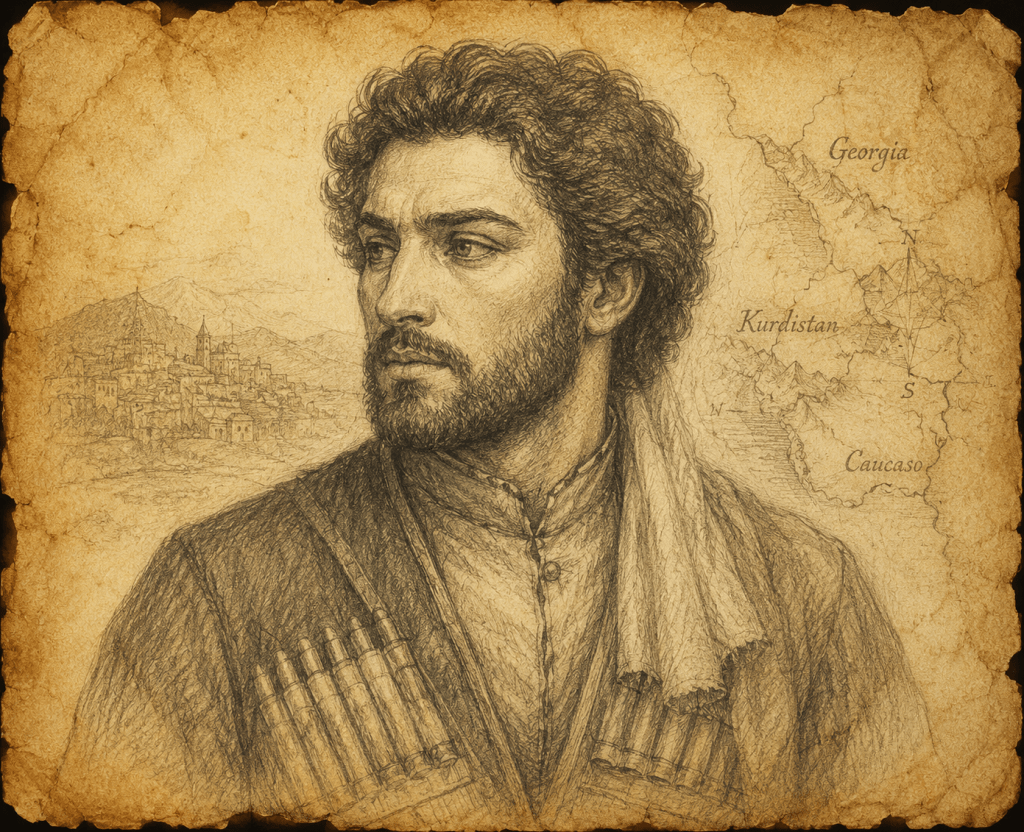
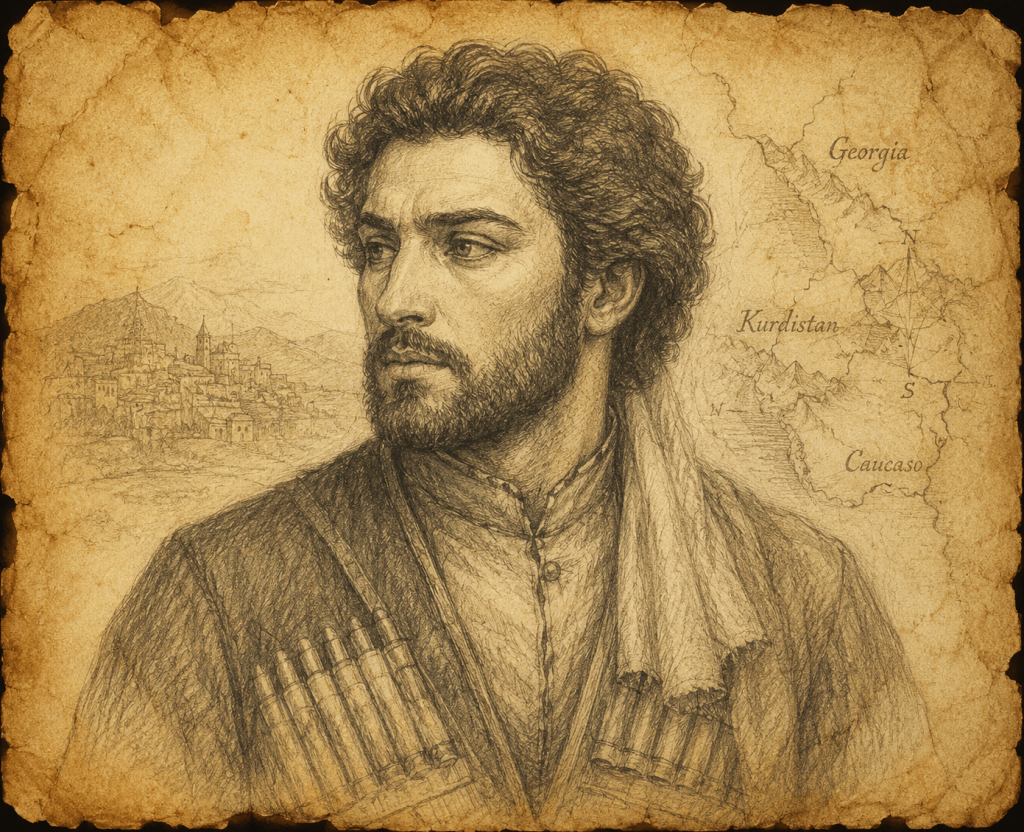
According to an extraordinary handwritten report preserved for more than a century in the archives of the Kingdom of Sardinia, the former friar preached a new faith, gathered thousands of followers, and led an army through Kurdistan, Georgia, and the mountains of the Caucasus. His forces are said to have defeated armies, besieged cities, and conquered entire regions. His sermons reportedly attracted Muslims, Christians, and Jews alike. His ambitions challenged princes, pashas, and sultans.

It sounds like the plot of an adventure novel, yet Giovanni Battista Boetti was a real historical figure. His signature appears on authentic documents. His letters have survived the passage of time. His movements can be reconstructed through archives scattered across Italy and the Middle East. Some episodes of his life are confirmed beyond reasonable doubt. Others belong to that uncertain territory where history and legend become indistinguishable.

It is precisely there that the mystery begins.

At the end of the eighteenth century, while resistance against the expansion of the Russian Empire was gathering strength in the North Caucasus, another man emerged who would become a legend in his own right: Sheikh Mansur Ushurma, the first great leader of the Caucasian struggle against Russia.

As the years passed, the stories of these two men began to converge—first as rumor, then as hypothesis, and finally as a genuine historical theory.

Could the warrior-prophet of the Caucasus and the Piedmontese friar have been the same person?

Could one of the most celebrated heroes of Chechen history have been born among the hills of Monferrato?

For more than two centuries, historians, writers, and researchers have sought an answer. Some are convinced that they were indeed one and the same; others regard the theory as nothing more than an extraordinary fabrication.

In this series, we will follow the trail left by Giovanni Battista Boetti, from the countryside of Piedmont to the caravans of Syria, from Dominican monasteries to the courts of pashas, from the shores of the Bosphorus to the mountains of the Caucasus. For whether the legend of Mansur is true or false, one thing is certain: the life of Giovanni Battista Boetti was already so extraordinary that it seems almost impossible.

Fuggiasco, monaco, profeta guerriero: la vita di Giovanni Battista Boetti

Esistono uomini che attraversano la storia lasciando dietro di sé ritratti, trattati e monumenti. E poi esistono uomini che lasciano soltanto domande. Giovanni Battista Boetti apparteneva alla seconda categoria.

Quando nacque, il 2 giugno 1743, nel piccolo villaggio piemontese di Piazzano, nessuno avrebbe potuto immaginare che quel bambino sarebbe diventato il protagonista di una delle vicende più enigmatiche del Settecento europeo. Figlio di una famiglia nobile in declino, educato per diventare medico contro la propria volontà, fuggiasco, soldato, seduttore, monaco domenicano, missionario in Oriente, medico di pascià e principi, Boetti attraversò mezzo mondo inseguendo qualcosa che forse neppure lui sapeva definire.

Per oltre vent’anni viaggiò tra l’Italia, i Balcani, l’Impero Ottomano, la Siria, la Mesopotamia, la Persia e il Caucaso. Comparve nei luoghi più improbabili e ne scomparve con la stessa rapidità. Venne arrestato, espulso, accolto come un santo, accusato come un impostore, ricercato come una spia e protetto da uomini potenti. Ogni volta che la sua storia sembra terminare, ricomincia altrove.

Poi, improvvisamente, accade qualcosa.

Le fonti raccontano che dopo anni trascorsi tra Mosul, Costantinopoli e la Persia, il domenicano piemontese svanì quasi completamente dalle cronache ufficiali. Quando riemerse, non era più soltanto Giovanni Battista Boetti.

Era Mansur, Il Vittorioso.

Secondo una straordinaria relazione manoscritta conservata per oltre un secolo negli archivi del Regno di Sardegna, l’ex monaco avrebbe predicato una nuova fede, raccolto migliaia di seguaci e guidato un esercito attraverso il Kurdistan, la Georgia e le montagne del Caucaso. Le sue armate avrebbero sconfitto eserciti, assediato città e conquistato intere regioni. Le sue prediche avrebbero attirato musulmani, cristiani ed ebrei. Le sue ambizioni avrebbero sfidato principi, pascià e sultani.

Sembra la trama di un romanzo d’avventura, eppure Giovanni Battista Boetti è realmente esistito. La sua firma compare in documenti autentici. Le sue lettere sono sopravvissute al tempo. I suoi spostamenti possono essere ricostruiti attraverso archivi sparsi tra Italia e Medio Oriente. Alcuni episodi della sua vita sono confermati oltre ogni ragionevole dubbio. Altri appartengono al territorio incerto in cui storia e leggenda si confondono.

È proprio lì che inizia il mistero.

Alla fine del XVIII secolo, mentre nel Caucaso settentrionale infuriava la resistenza contro l’espansione dell’Impero Russo, comparve un altro uomo destinato a entrare nella leggenda: Sheikh Mansur Ushurma, il primo grande leader della lotta caucasica contro la Russia.

Con il passare degli anni, le storie dei due uomini iniziarono ad avvicinarsi, prima come semplice diceria, poi come ipotesi, infine come una vera e propria teoria storica.

Possibile che il profeta guerriero del Caucaso e il monaco piemontese fossero la stessa persona?

Possibile che uno dei più celebri eroi della storia cecena fosse nato tra le colline del Monferrato?

Da oltre due secoli storici, scrittori e ricercatori cercano una risposta: alcuni sono convinti che si tratti della stessa persona, altri ritengono che sia soltanto una straordinaria mistificazione.

Seguiremo le tracce lasciate da Giovanni Battista Boetti, dalle campagne piemontesi alle carovane della Siria, dai conventi domenicani alle corti dei pascià, dalle rive del Bosforo alle montagne del Caucaso. Perché, vera o falsa che sia la leggenda di Mansur, una cosa è certa: la vita di Giovanni Battista Boetti fu già di per sé talmente incredibile da sembrare impossibile.