
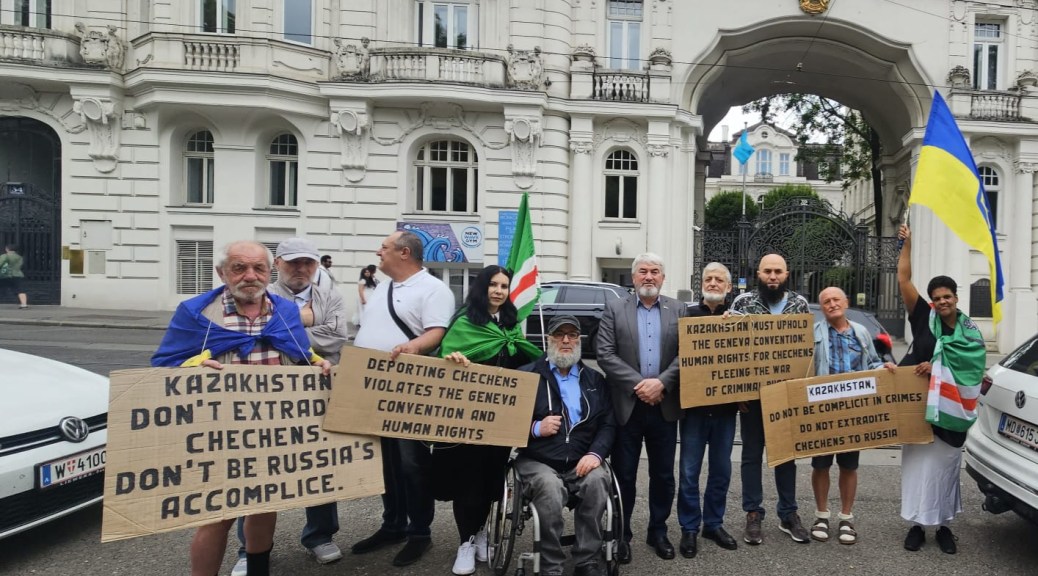
Chechen activist remains at risk despite UN intervention
A new human rights case is drawing international attention to the ongoing persecution of critics of the Chechen authorities.
Mansur Movlaev, a Russian citizen of Chechen origin, has been held in extradition detention in Kazakhstan since May 2025 after being arrested in Almaty at the request of the Russian Federation. Although Kazakh authorities initially acknowledged his application for asylum and later suspended his extradition following intervention by the United Nations Human Rights Committee, Movlaev remains behind bars and continues to face the possibility of being transferred to Russia.
For human rights defenders, the stakes could not be higher.
A history of persecution
According to his lawyers and multiple human rights organizations, Movlaev has long been targeted because of his criticism of the Chechen authorities.
His supporters argue that a previous criminal conviction on drug-related charges was politically motivated. Following his early release in 2022, Movlaev reportedly disappeared into the hands of Chechen security forces and was detained in an unofficial facility where he was subjected to torture. He later managed to escape and eventually fled through Kyrgyzstan before reaching Kazakhstan.
These allegations fit a pattern that has been documented for years by international organizations, including Human Rights Watch, Amnesty International, the Council of Europe and the European Court of Human Rights.
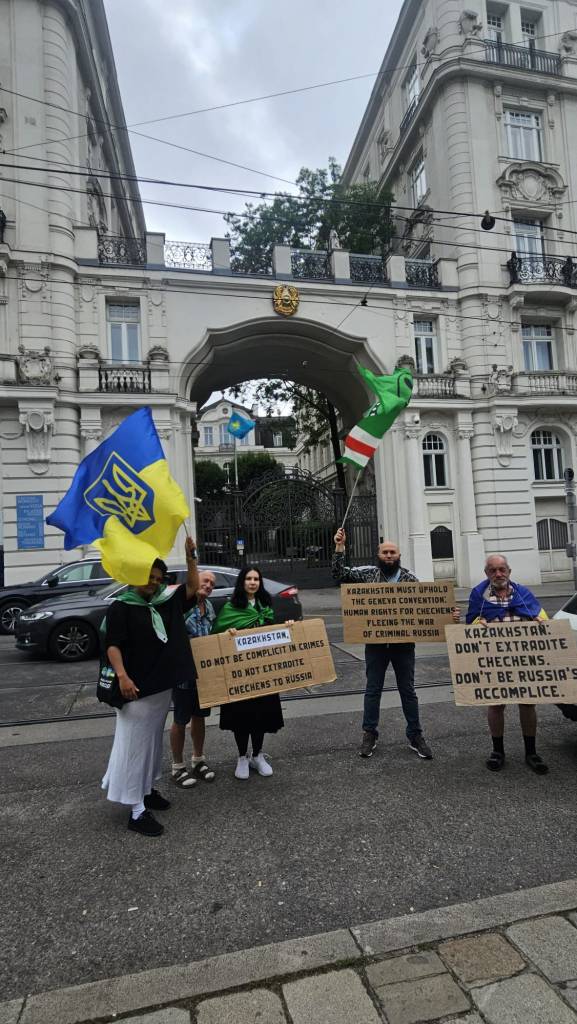
Arrest in Kazakhstan
On 13 May 2025, Kazakh authorities arrested Movlaev in Almaty based on an international request originating from Chechnya.
Initially, Kazakhstan’s Prosecutor General’s Office stated that the Russian request concerned extortion charges. Later reports suggested that Russian authorities were also linking Movlaev to alleged extremist activities.
The exact content of the Russian case remains unclear because neither the full indictment nor the complete extradition file has been made public.
On 21 May 2025, Movlaev formally applied for asylum in Kazakhstan and received official asylum-seeker documentation. Under Kazakh law, this should have protected him from removal while his claim was under consideration.
Nevertheless, at the end of January 2026, Kazakhstan’s Prosecutor General approved his extradition to Russia after his refugee application had been rejected.
United Nations intervention
The case took a dramatic turn on 23 February 2026.
After receiving an individual complaint from Movlaev’s legal team, the United Nations Human Rights Committee requested interim measures and instructed Kazakhstan not to extradite him until the case could be examined.
The following day, Kazakhstan’s Supreme Court suspended the extradition order.
While this prevented his immediate transfer, it did not secure his release. In May 2026, Kazakh courts extended his extradition detention until at least July.
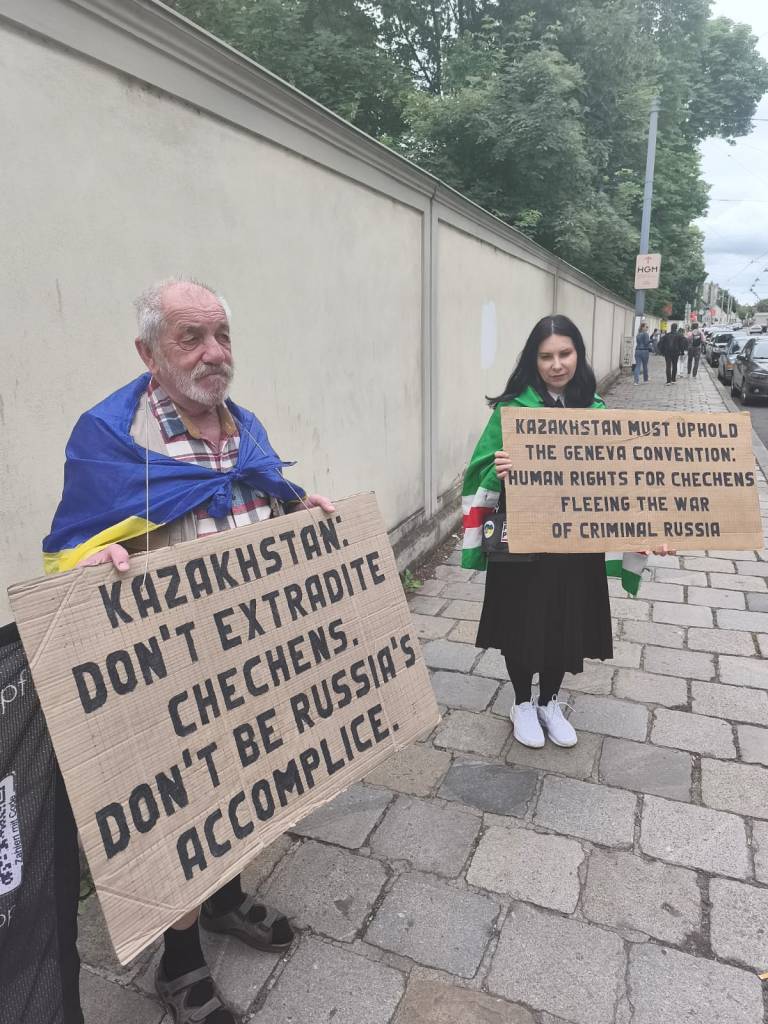
Reports of family reprisals
Human rights advocates are particularly concerned by reports concerning Movlaev’s relatives in Chechnya.
Several media outlets and activists have alleged that members of his family have been abducted, tortured, or forcibly disappeared in recent years. Although some of these claims cannot yet be independently verified, they are consistent with a broader pattern of collective punishment repeatedly documented in Chechnya.
International organizations have long reported cases in which family members of government critics have faced intimidation, detention, destruction of property, and physical violence.
Why extradition would be dangerous
The central issue is not simply whether criminal charges exist against Movlaev.
International law prohibits extradition whenever there are substantial grounds for believing that a person faces torture, enforced disappearance, political persecution, or other serious human rights violations after return.
Kazakhstan is a party to the 1951 Refugee Convention, the UN Convention Against Torture, and the International Covenant on Civil and Political Rights. Under these obligations, authorities must not return an individual to a place where there is a real risk of torture or persecution.
The documented record of abuses in Chechnya—including torture, secret detention facilities, fabricated criminal cases, collective punishment, and enforced disappearances—makes such concerns impossible to dismiss.
A test for Kazakhstan
The case of Mansur Movlaev has become more than a single extradition dispute.
It is now a test of Kazakhstan’s commitment to its international obligations and to the principle of non-refoulement—the cornerstone of international refugee and human rights law.
As long as credible evidence suggests that Movlaev could face torture, disappearance, or death if returned to Chechnya, any forced transfer would raise serious legal and moral questions.
The international community should continue monitoring the case closely.
For Mansur Movlaev, the difference between protection and extradition may ultimately be a matter of life and death.
 Ichkeria Digital Archive