
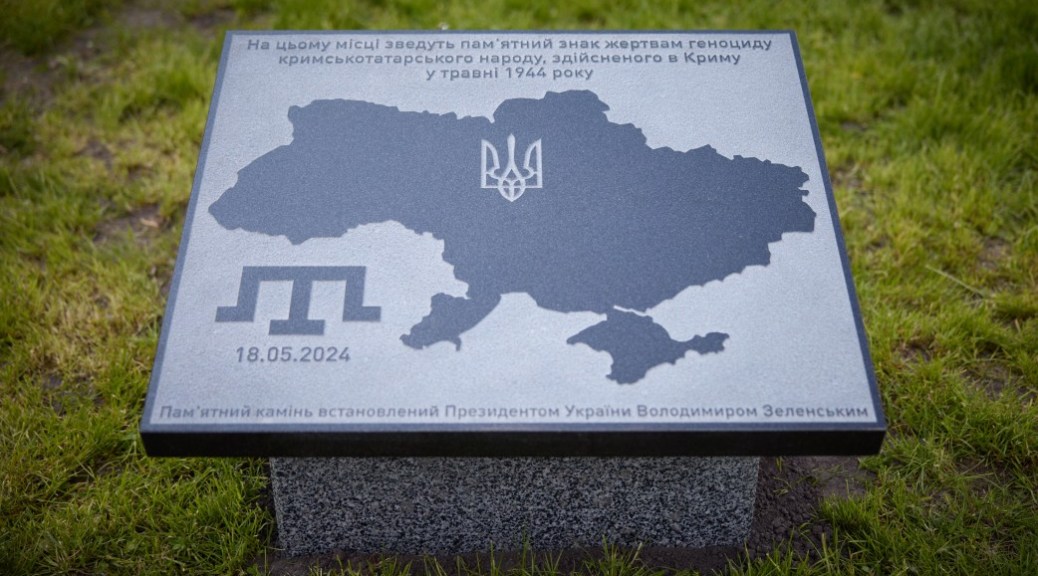
Remembering the Sürgünlik, 82 Years Later
On May 18, Crimean Tatars around the world commemorated the eighty-second anniversary of one of the darkest chapters in their history: the mass deportation of the entire Crimean Tatar people by the Soviet regime in 1944.
For many readers, the story may sound familiar. The Chechens, Ingush, Karachays, Balkars, Kalmyks and several other peoples of the Soviet Union suffered similar fates under Joseph Stalin. Entire nations were accused of collective collaboration with Nazi Germany and punished without trial, without distinction, and without mercy.
Today we remember the Crimean Tatars.
A Nation Condemned
In the spring of 1944, as Soviet forces retook Crimea from German occupation, Stalin’s government accused the Crimean Tatars of collaborating with the enemy. While some individuals had indeed served in German-controlled formations—as happened among virtually every population under occupation—the Soviet leadership chose to punish an entire people for the actions of a minority.
On May 11, 1944, Stalin signed State Defense Committee Resolution No. 5859. The decree ordered the complete removal of the Crimean Tatars from their homeland.
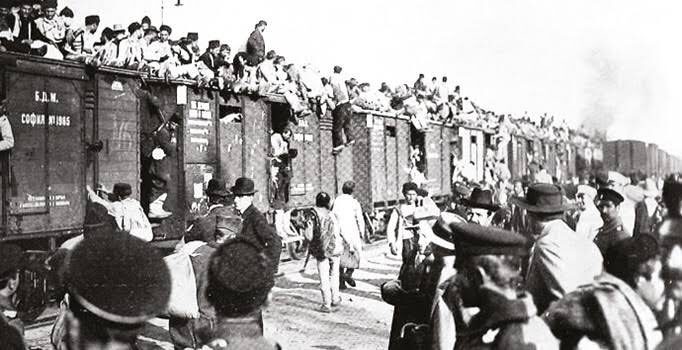
At dawn on May 18, thousands of NKVD troops descended upon towns and villages across Crimea. Families were awakened, given only minutes to gather their belongings, and forced onto trucks headed for railway stations.
Within three days, the operation was complete.
More than 190,000 Crimean Tatars had been deported.
The Journey Into Exile
The deportees were packed into overcrowded cattle wagons and transported thousands of kilometers eastward, primarily to Uzbekistan and other regions of Central Asia.
The journey lasted days or even weeks. Food was scarce, water was limited, and sanitary conditions were almost nonexistent. Many elderly people and children died before reaching their destinations.
Those who survived found themselves living under the harsh regime of “special settlements,” effectively a form of internal exile. Their movements were restricted, their communities were monitored by Soviet security services, and they were subjected to forced labor and severe discrimination.
Historians continue to debate the exact number of deaths caused by the deportation and its aftermath. Soviet records indicate that at least 27,000 Crimean Tatars died by the end of 1945. Other estimates place the death toll considerably higher.
Whatever the precise figure, the human cost was catastrophic.

Erasing Crimea’s Indigenous People
The deportation was not merely the removal of a population. It was an attempt to erase a nation from its homeland.
Following the deportation, the Crimean Autonomous Soviet Socialist Republic was abolished. Hundreds of Crimean Tatar place names were changed. Mosques, cemeteries, and cultural sites were neglected, destroyed, or repurposed.
Even the very term “Crimean Tatar” largely disappeared from official Soviet language.
The goal was clear: to transform Crimea into a land without Crimean Tatars.
Decades of Resistance
Unlike many deported populations, the Crimean Tatars were not allowed to return home after Stalin’s death.
Although restrictions on their exile were formally lifted in 1956, the Soviet authorities continued to deny them the right to return collectively to Crimea.
For decades, Crimean Tatar activists organized one of the most remarkable civil rights movements in Soviet history. Through petitions, protests, and international advocacy, they kept alive the memory of their homeland and demanded justice.
Only during the final years of the Soviet Union did large-scale return become possible.
Beginning in the late 1980s, hundreds of thousands of Crimean Tatars slowly made their way back to Crimea.
Memory and the Present
The deportation remains central to Crimean Tatar identity.
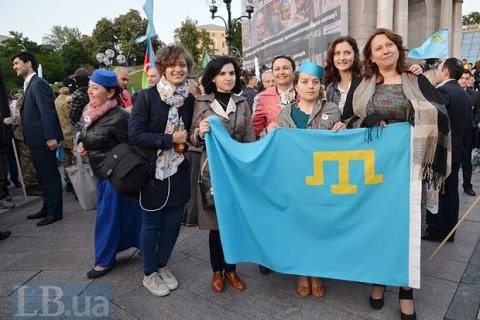
Every year on May 18, known among Crimean Tatars as the Day of Remembrance of the Victims of the Sürgünlik (“Exile”), communities gather to honor those who died and those who endured decades of displacement.
For many Crimean Tatars, the memory of 1944 is not simply a historical tragedy. It is a living experience passed from grandparents to children and grandchildren.
Following Russia’s annexation of Crimea in 2014, many Crimean Tatars have expressed fears that their community once again faces political pressure, cultural marginalization, and restrictions on its representative institutions.
As a result, the events of May 1944 continue to resonate far beyond the history books.
Why It Matters
For Chechens, the story of the Crimean Tatars is more than an episode of Soviet history. It is part of a shared experience.
The deportations of 1944 were built upon the same principle: collective guilt. Entire peoples were condemned not for what they had done, but for who they were.
Remembering the Crimean Tatars means remembering all the nations that suffered under this policy—and recognizing the resilience of those who survived.
Eighty-two years later, the voices of the exiled have not been silenced.
And neither has their memory.
 Ichkeria Digital Archive